Mom's Best Recipes
Recipe

Soft Potato Bread

A fluffy, tender loaf made with mashed potato for extra moisture and a gentle sweetness, ideal for sandwiches and toast.

Author By Matt Campbell
4.8
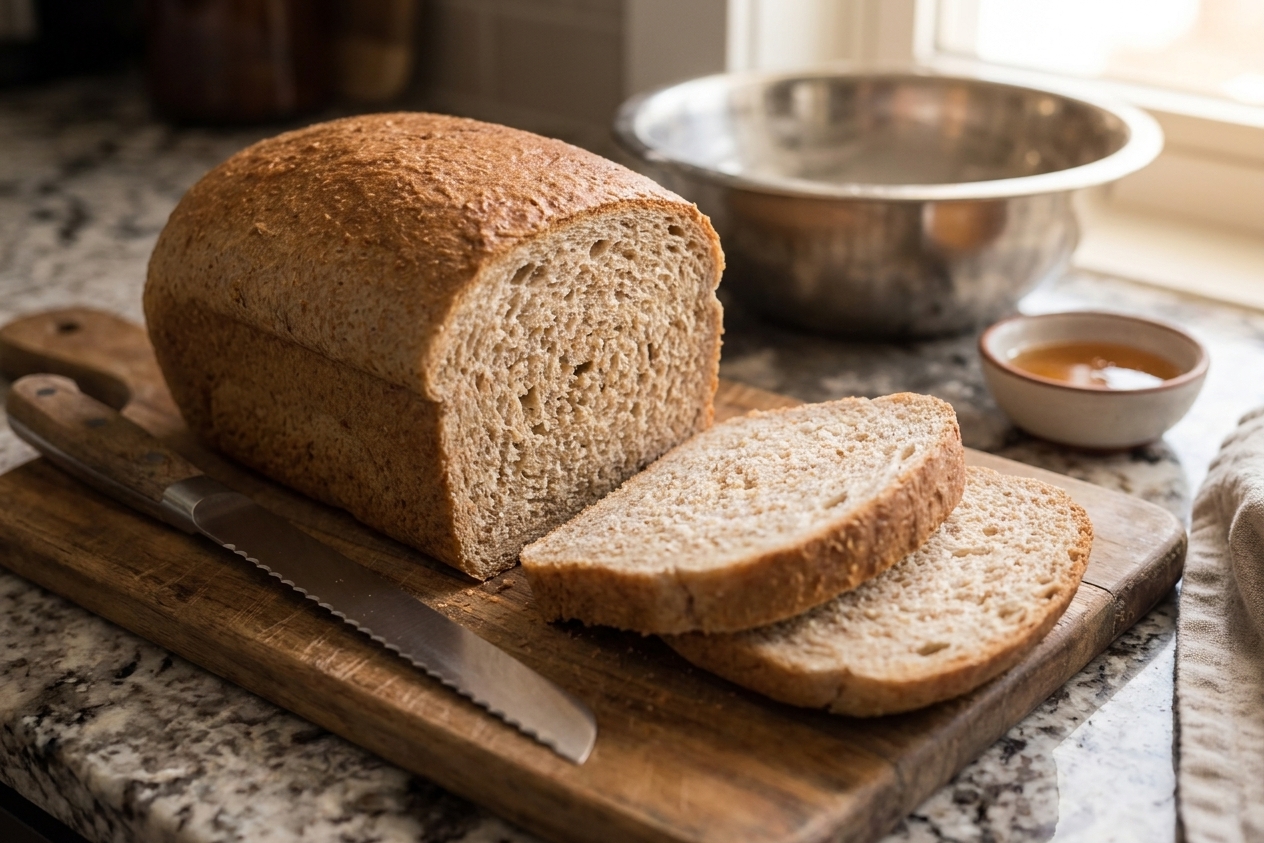
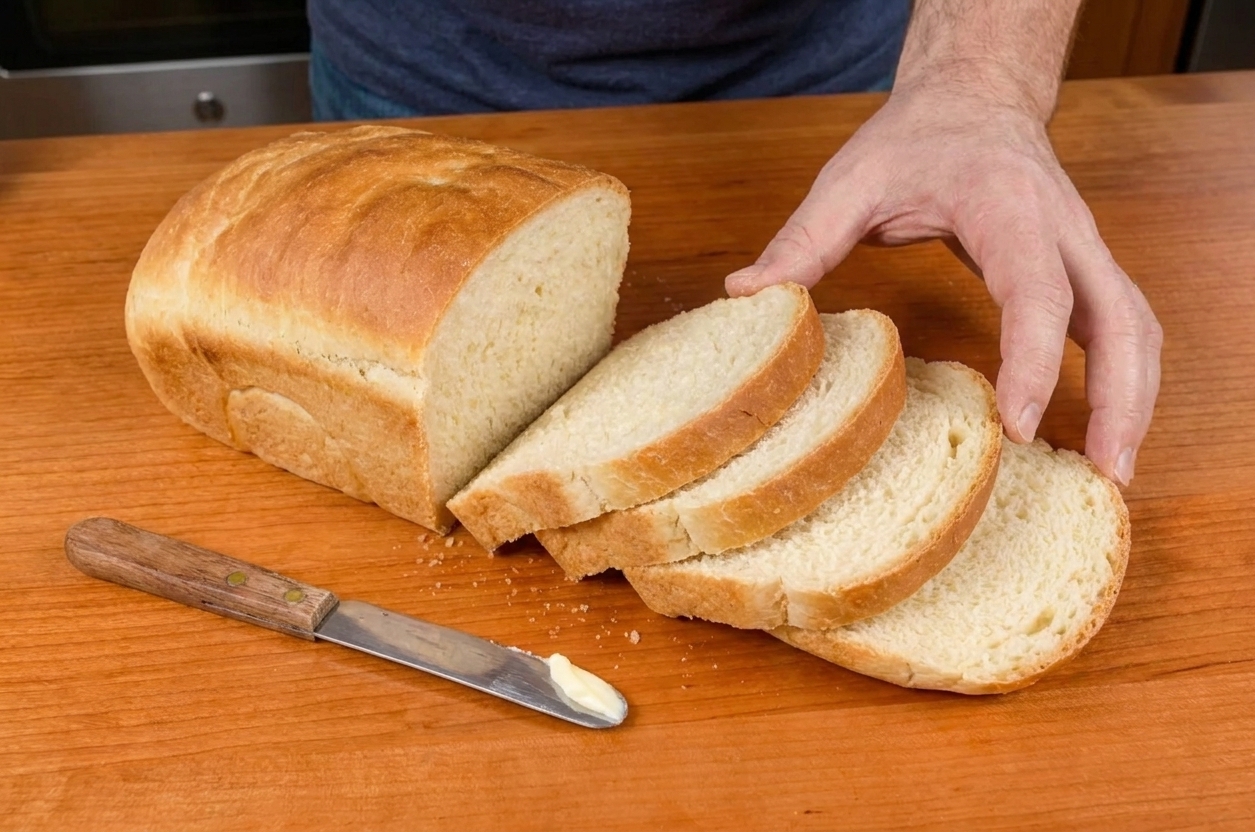
A golden brown loaf of homemade potato bread cooling on a wire rack on a warm kitchen counter

Potato bread is the kind of baking project that feels like a magic trick you can eat. You add a humble mashed potato to basic bread dough and suddenly the loaf comes out extra soft, stays fresh longer, and toasts like a dream.

This is my go-to potato bread when I want a sandwich loaf that is cozy but not fussy. No weird ingredients. No intimidation, no fancy techniques. Just a plush crumb, a gently golden crust, and enough structure to hold up to peanut butter, egg sandwiches, or that leftover soup you promised you would eat for lunch.

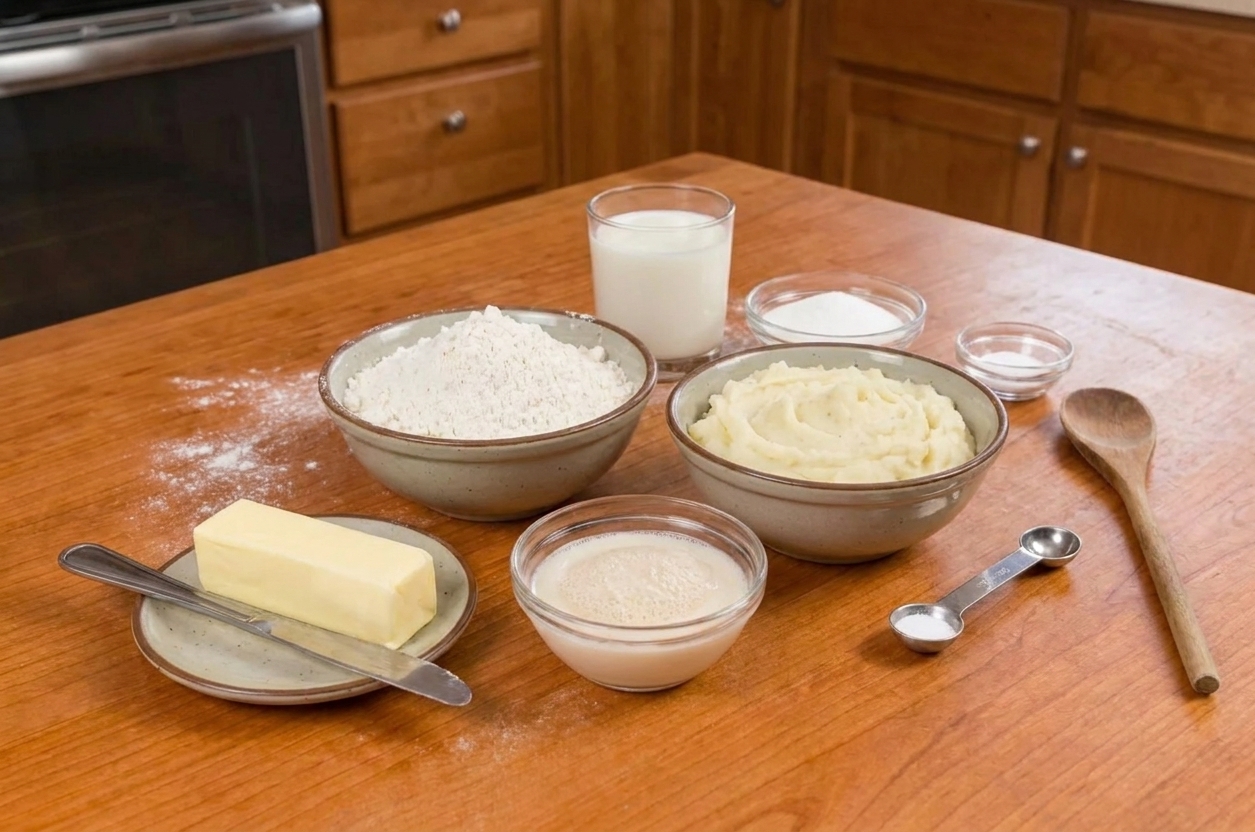
Flour, yeast, mashed potato, butter, milk, sugar, and salt arranged on a kitchen counter for making potato bread

Why It Works

  • Mashed potato makes the crumb tender: Potato starch holds onto moisture, so the bread bakes up soft and slices clean without feeling dry.
  • Easy to handle dough: The dough is slightly enriched with milk and butter, so it is forgiving and pleasant to knead.
  • Stays fresh: You will notice this loaf stays softer into day two and three compared to a lean white bread.
  • Sandwich-ready structure: Soft, yes, but not flimsy. It holds fillings without tearing.

Pairs Well With

Storage Tips

Room temperature: Let the loaf cool completely, then store in a bread bag or tightly wrapped on the counter for up to 3 days. If your kitchen runs humid, keep it wrapped well and avoid direct sunlight.

Refrigerator: I only use the fridge if it is very hot in the house. Fridges can dry bread out. If you do refrigerate, slice first and toast to bring it back to life.

Freezer (slices): Best option for make-ahead. Slice the loaf, then freeze slices in a zip-top bag for up to 3 months. Toast from frozen or thaw at room temp.

Freezer (whole loaf): Cool completely, wrap tightly in plastic wrap, then add a layer of foil. Freeze up to 2 months. Thaw wrapped at room temperature, then slice.

Revive it: If the loaf feels a little stale, mist the crust lightly with water and warm in a 325°F oven for 8 to 12 minutes.

Common Questions

Do I have to use fresh mashed potato?

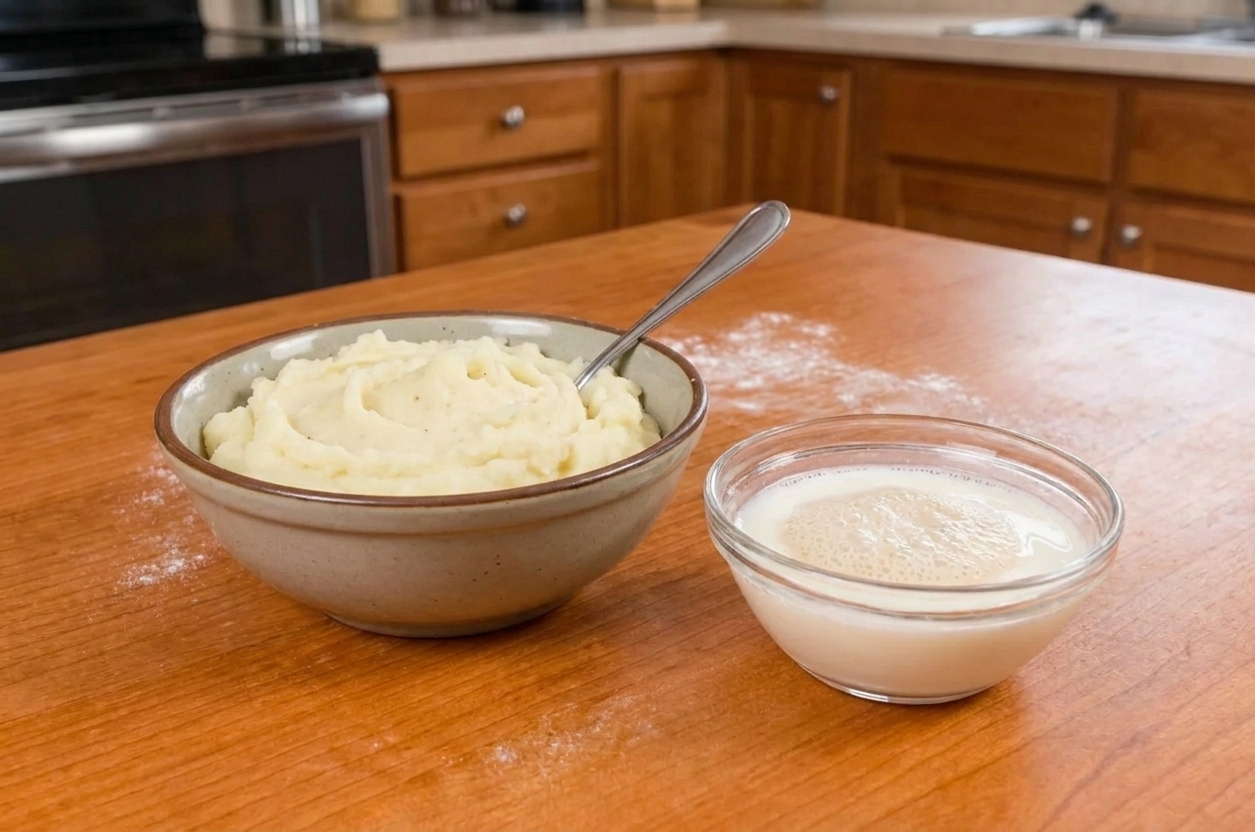
Fresh is best. You want plain mashed potato, not heavily seasoned leftovers. If you only have leftover mashed potatoes, make sure they are not loaded with garlic, sour cream, or chunky add-ins, and reduce the added salt slightly.

Can I use instant mashed potatoes?

Yes, in a pinch. Mix them with water or milk per the package to get a thick mash, then measure the amount needed for the recipe. Flavor is a bit less rich than using a real potato, but the texture still comes out soft.

Does the potato type matter?

Russets are my favorite here because they mash up fluffy and bake into a classic sandwich-bread crumb. Yukon Golds also work and can taste a touch richer, but they sometimes add a bit more moisture, so you may need a little extra flour.

Why did my dough feel sticky?

Potatoes vary in moisture. If your mash was wetter, the dough will feel stickier. Start with the lower amount of flour and add more 1 tablespoon at a time during kneading until it is tacky but manageable. A slightly sticky dough usually bakes up softer, so do not over-flour it.

Can I make this without a stand mixer?

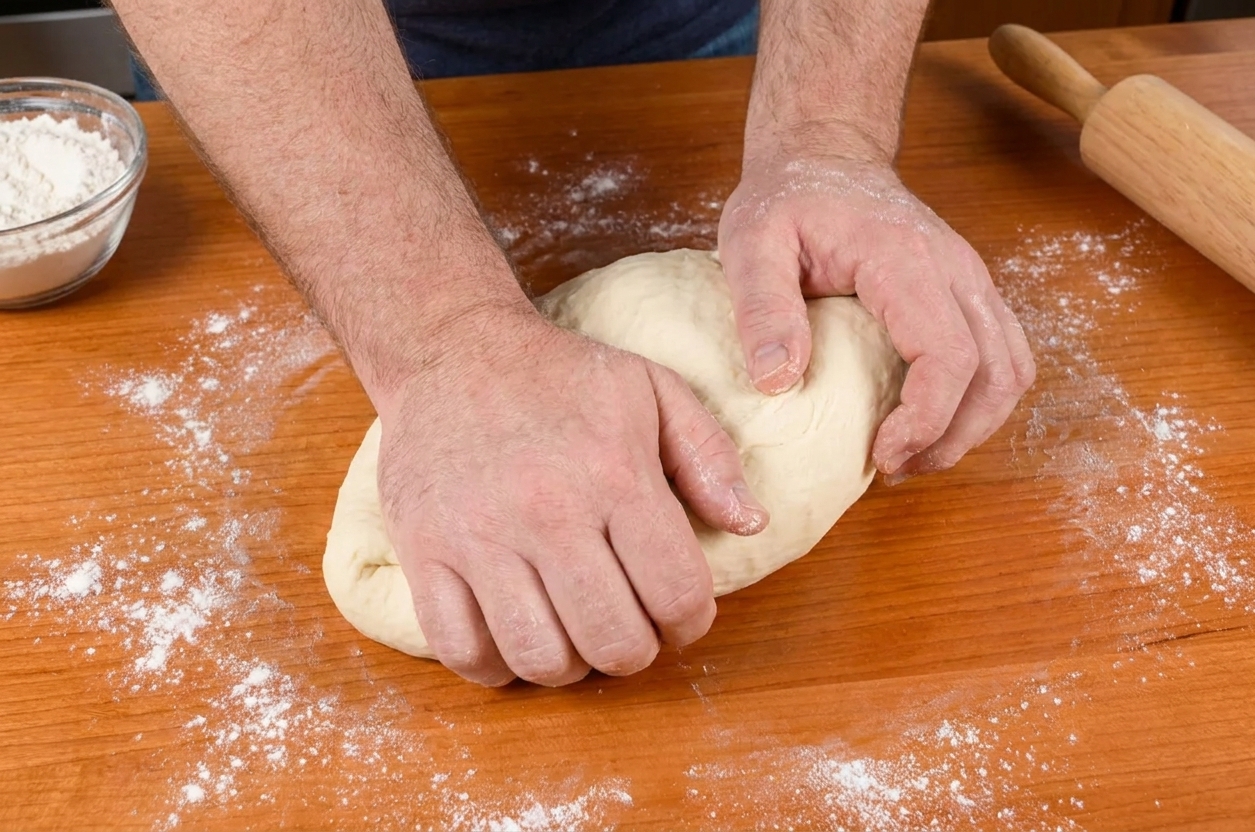
Absolutely. Knead by hand for 8 to 10 minutes. It is a cozy arm workout and the dough will smooth out as the gluten develops.

How do I know the loaf is done?

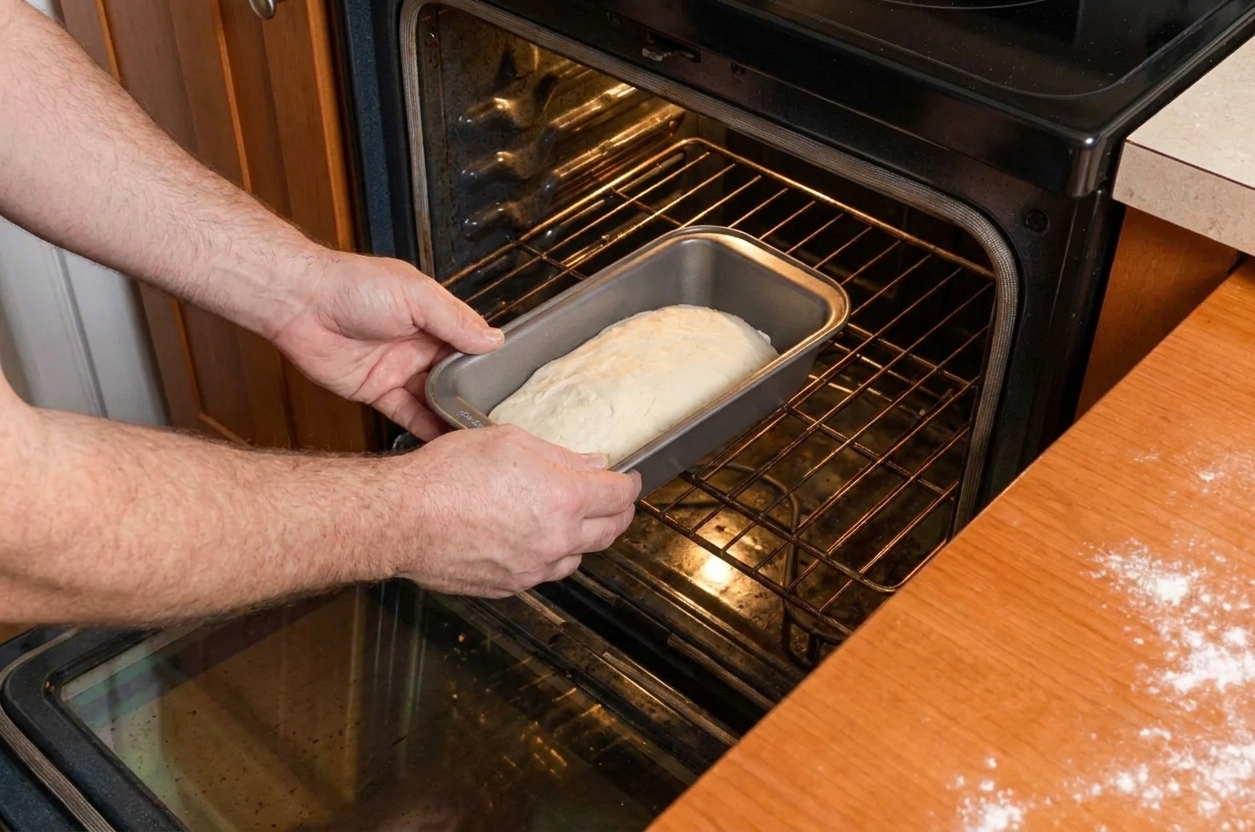
The top should be deep golden brown and the loaf should sound hollow when tapped. If you have a thermometer, aim for about 195°F in the center (anything in the 190°F to 200°F range is fine).

Can I make rolls instead of a loaf?

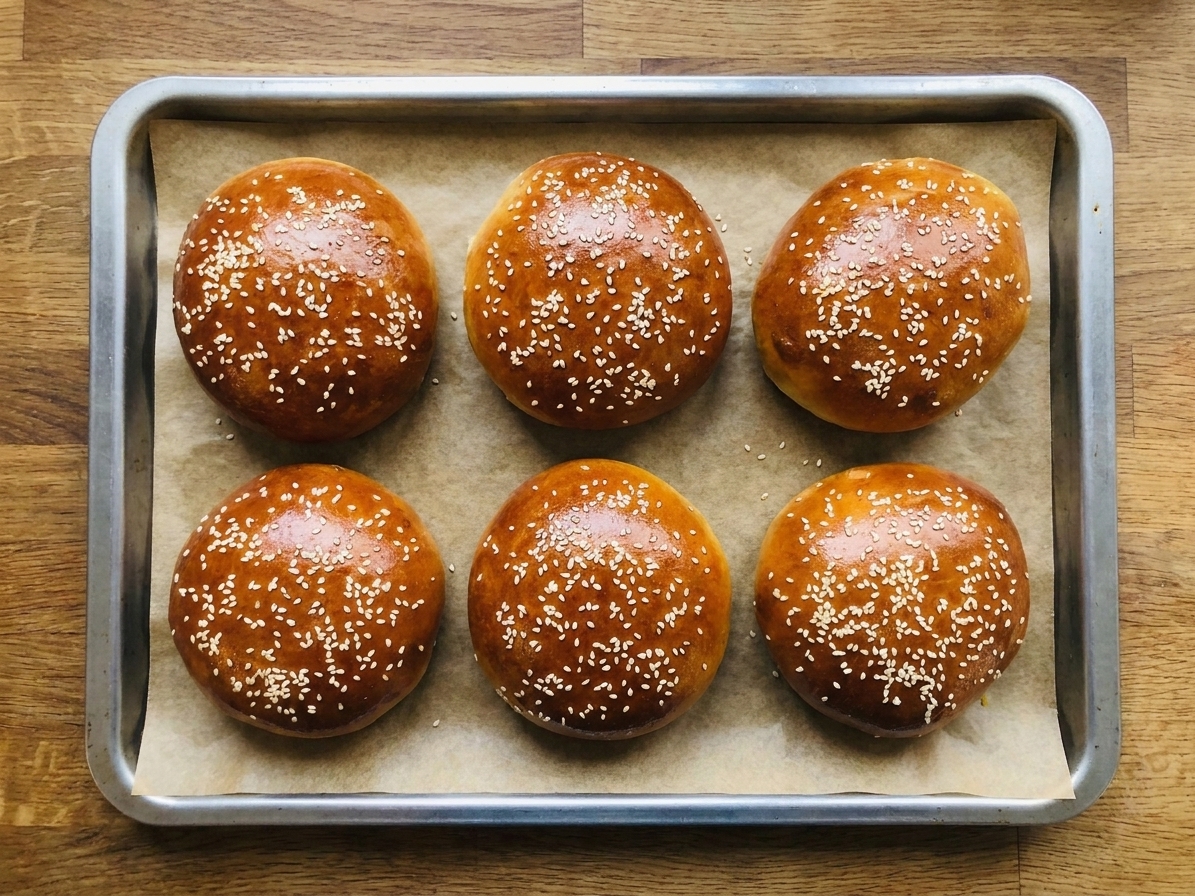
Yes. Divide into 12 equal pieces, shape into rolls, and bake at 375°F for about 16 to 22 minutes. They are done when the tops are golden and the centers read about 190°F. Time will vary a little depending on roll size and whether they are snug in a pan or spaced on a sheet.

Can I make it ahead?

Yes. For an overnight first rise, cover the dough tightly and refrigerate after kneading. In the morning, let it sit at room temperature 45 to 90 minutes, then shape, rise, and bake as written.

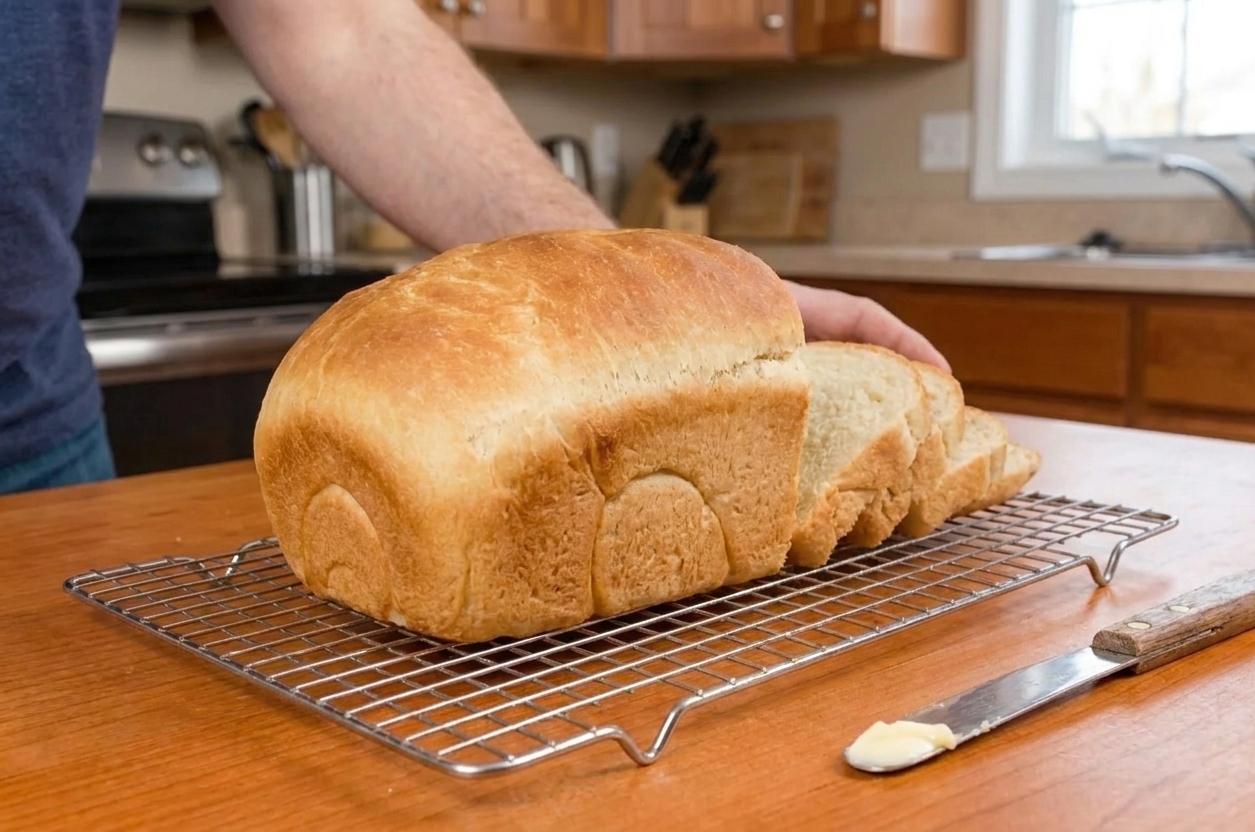
I did not start out chasing the perfect sandwich loaf. I just wanted bread that stayed soft long enough to make tomorrow’s lunch without turning into a crumbly mess. Potato bread was the first loaf that made me pause mid-bite and think, okay, wow. It is the kind of bread that feels like someone is quietly taking care of you, even if you are the one doing the dishes.