Mom's Best Recipes
Recipe

Sticky Oven-Baked Spare Ribs

Tender, sweet-savory spare ribs with crisped edges and a glossy glaze, all made in the oven with pantry-friendly ingredients.

Author By Matt Campbell
4.8
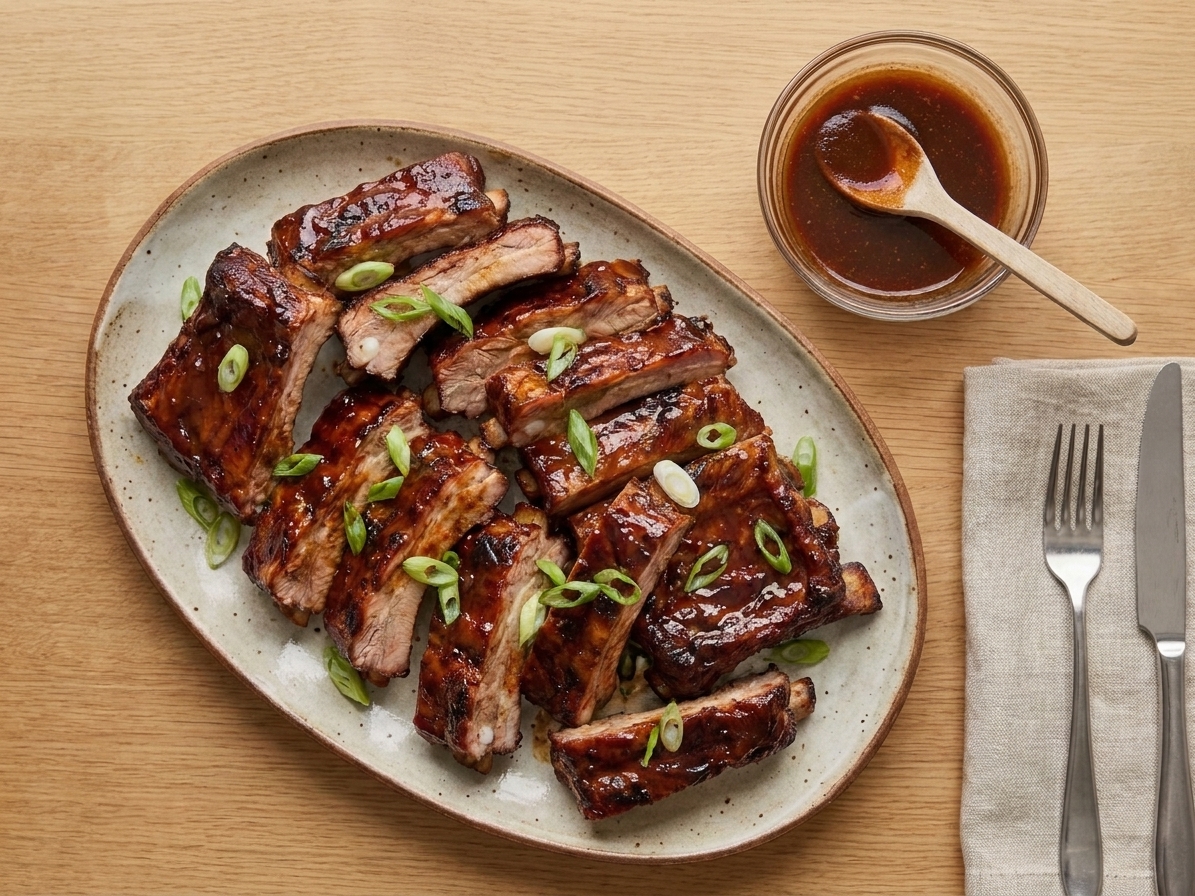
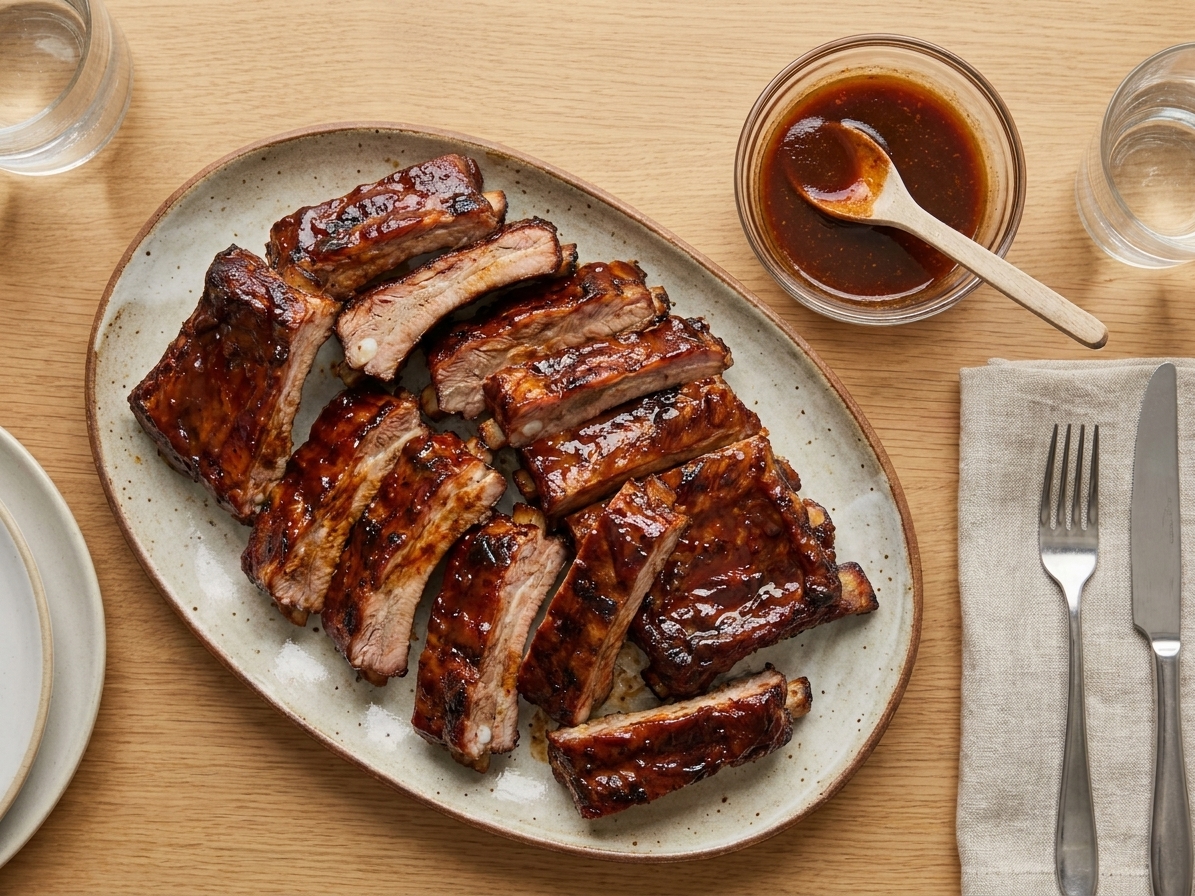
A platter of sticky oven-baked spare ribs brushed with glossy sauce, garnished with sliced green onions on a rustic wooden table setting

Spare ribs are one of those foods that make you feel like you just won dinner. They are messy in the right way, dramatic on the platter, and honestly pretty forgiving if you know the two big secrets: low heat for tenderness, then high heat for that sticky, caramelized finish.

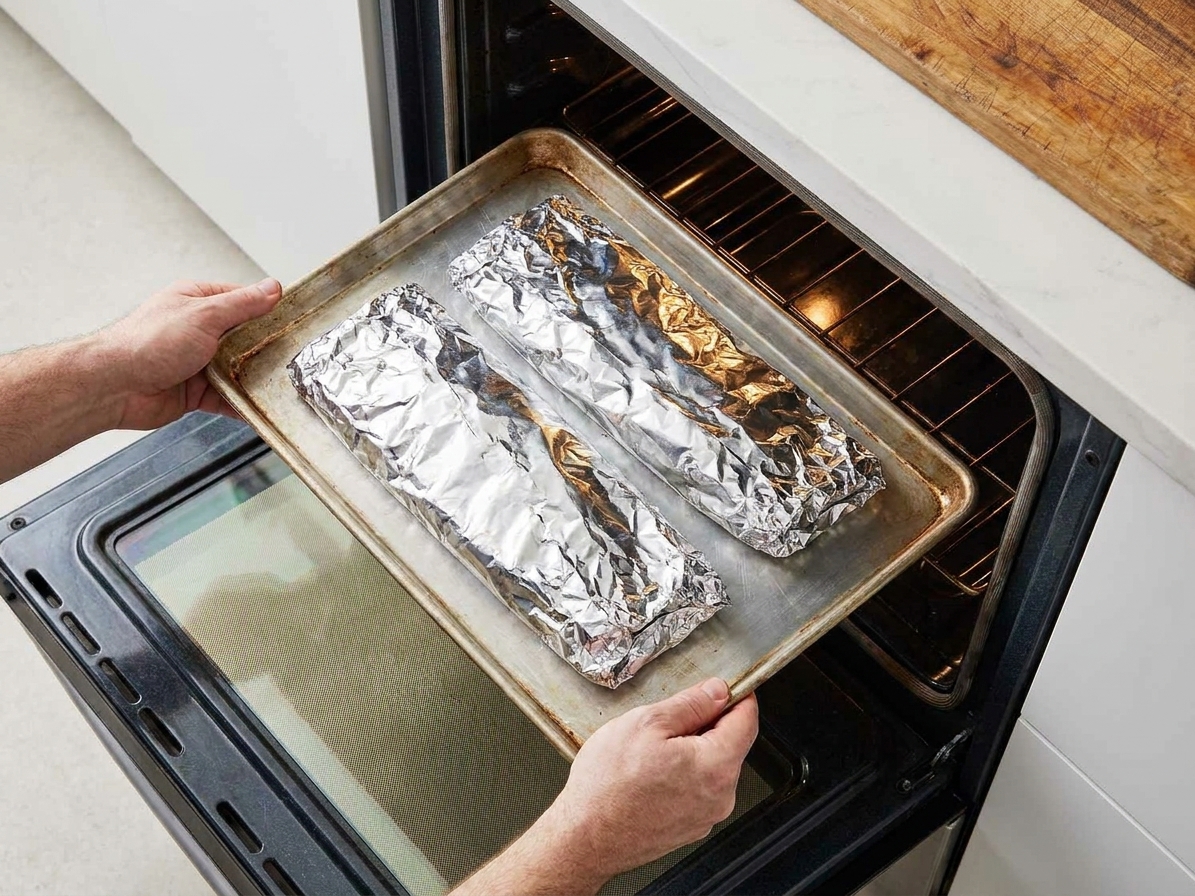
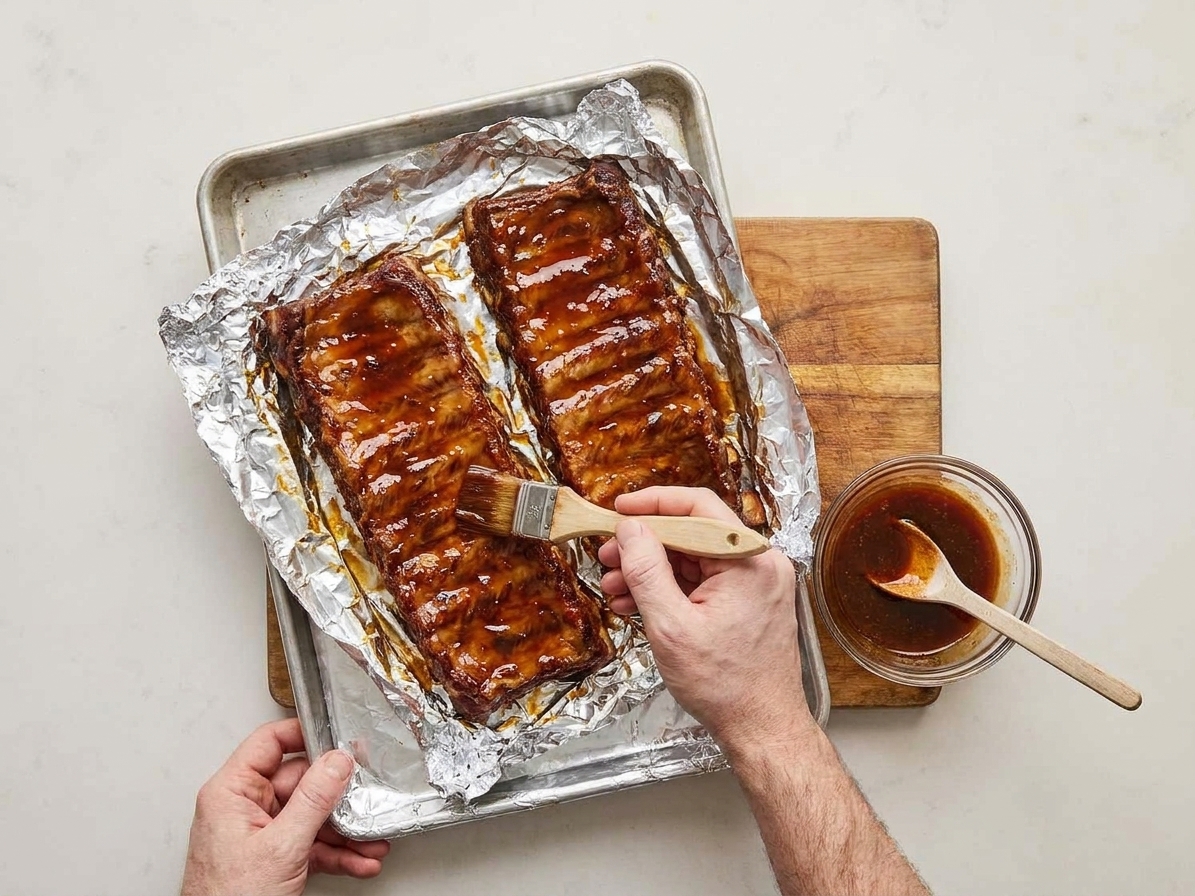
This is my weeknight-friendly, no-smoker method. We season hard, wrap tight, bake low and slow until very tender, then we glaze and broil until the edges get crisp and the sauce turns shiny and a little tacky. You know, the kind of rib that makes you pause mid-bite like, okay wow.

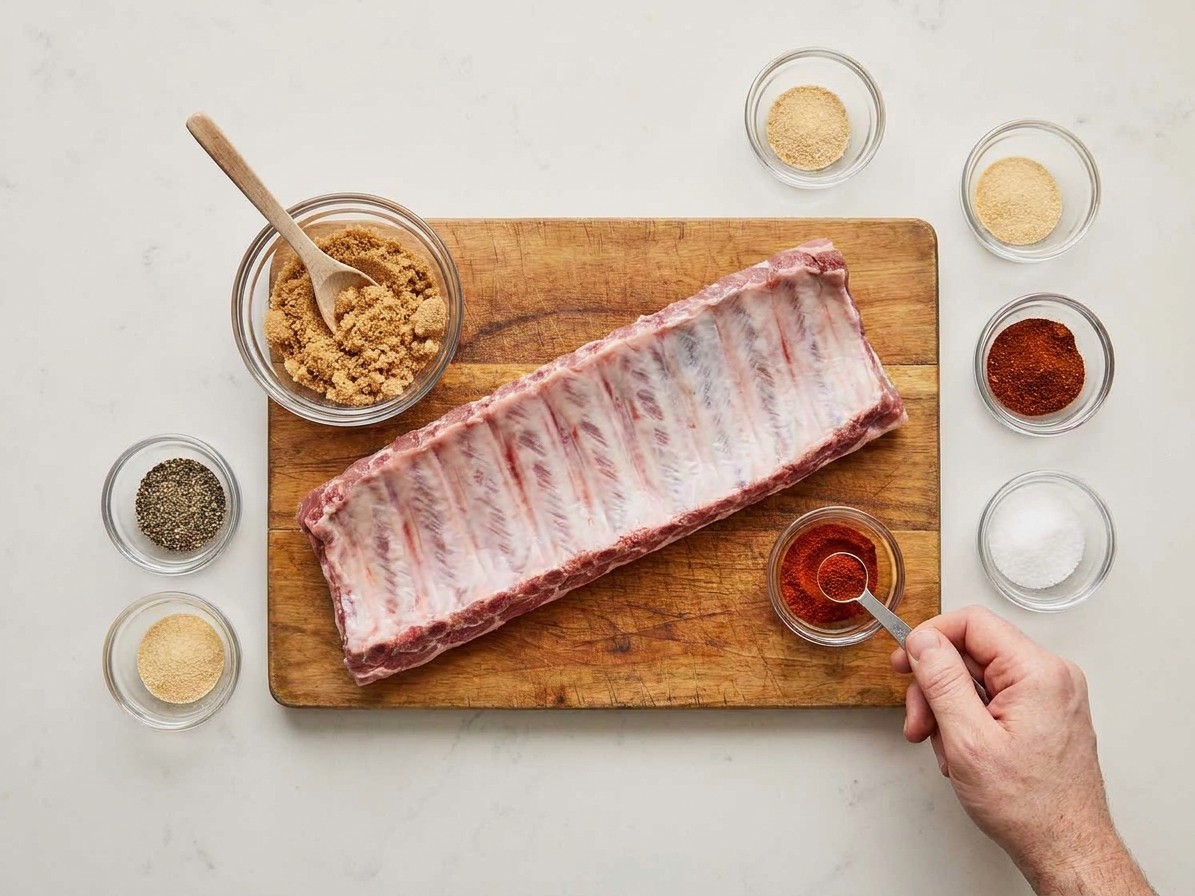
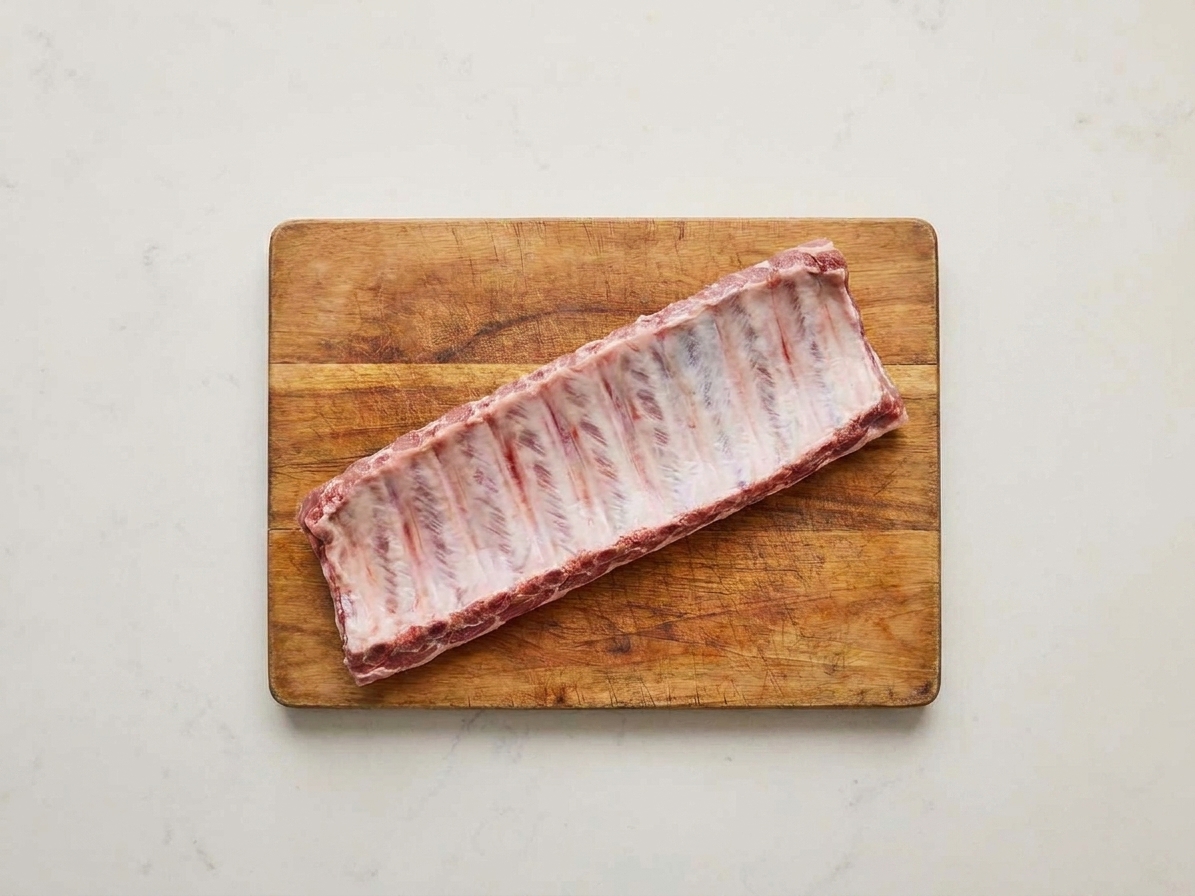
A kitchen counter with raw pork spare ribs, bowls of brown sugar, paprika, salt, pepper, garlic powder, and chili powder laid out for seasoning

Why It Works

  • Super tender texture from baking the ribs tightly wrapped so they steam and braise in their own juices.
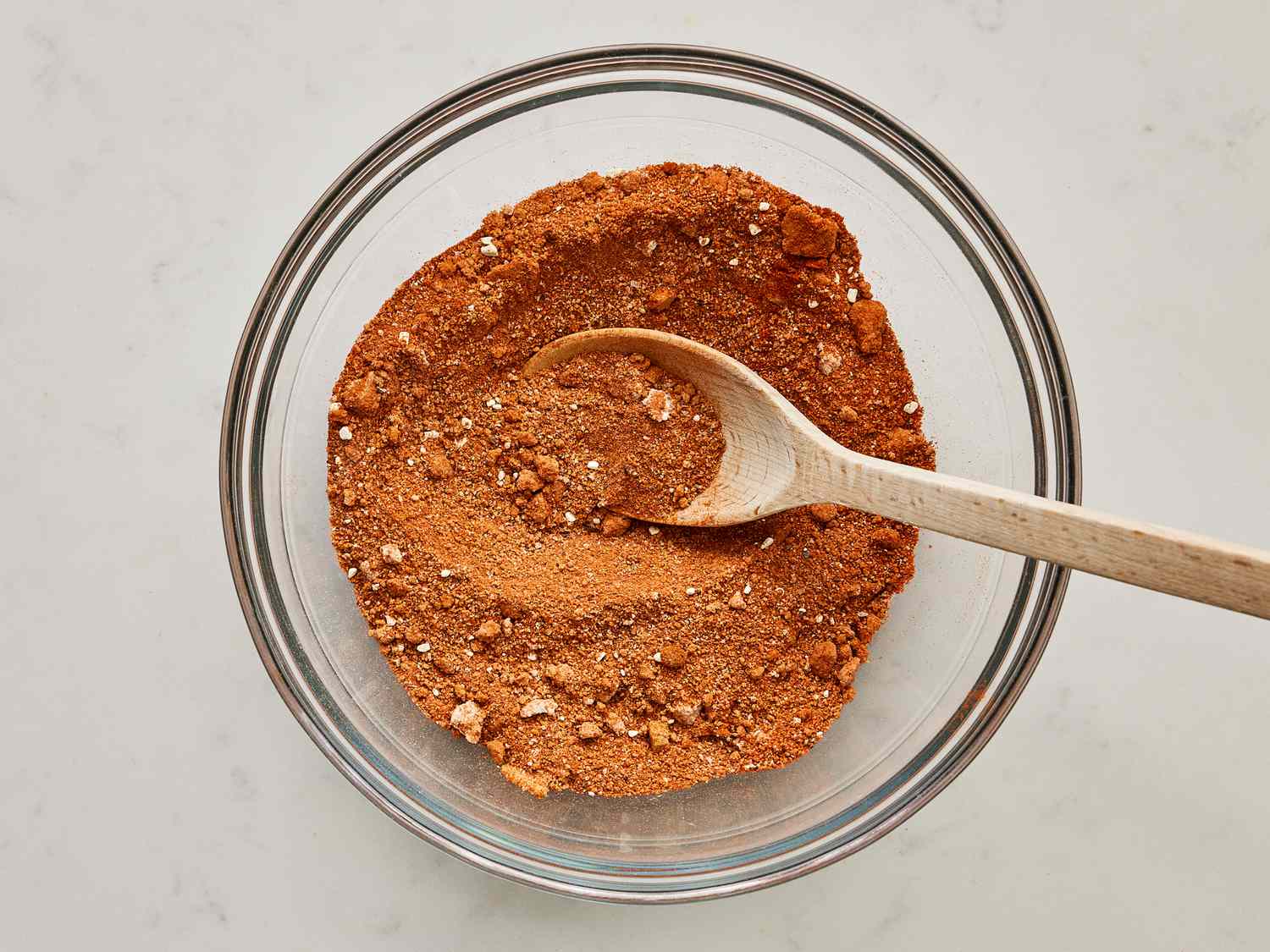
  • Bold, balanced flavor thanks to a sweet-smoky dry rub that hits salt, sugar, spice, and savoriness.
  • Sticky, glossy finish from a quick glaze that caramelizes under the broiler for crisp edges.
  • Easy timing: most of the cook is hands-off, and you can bake ahead, then glaze right before serving.

Pairs Well With

Storage Tips

How to Store and Reheat Ribs

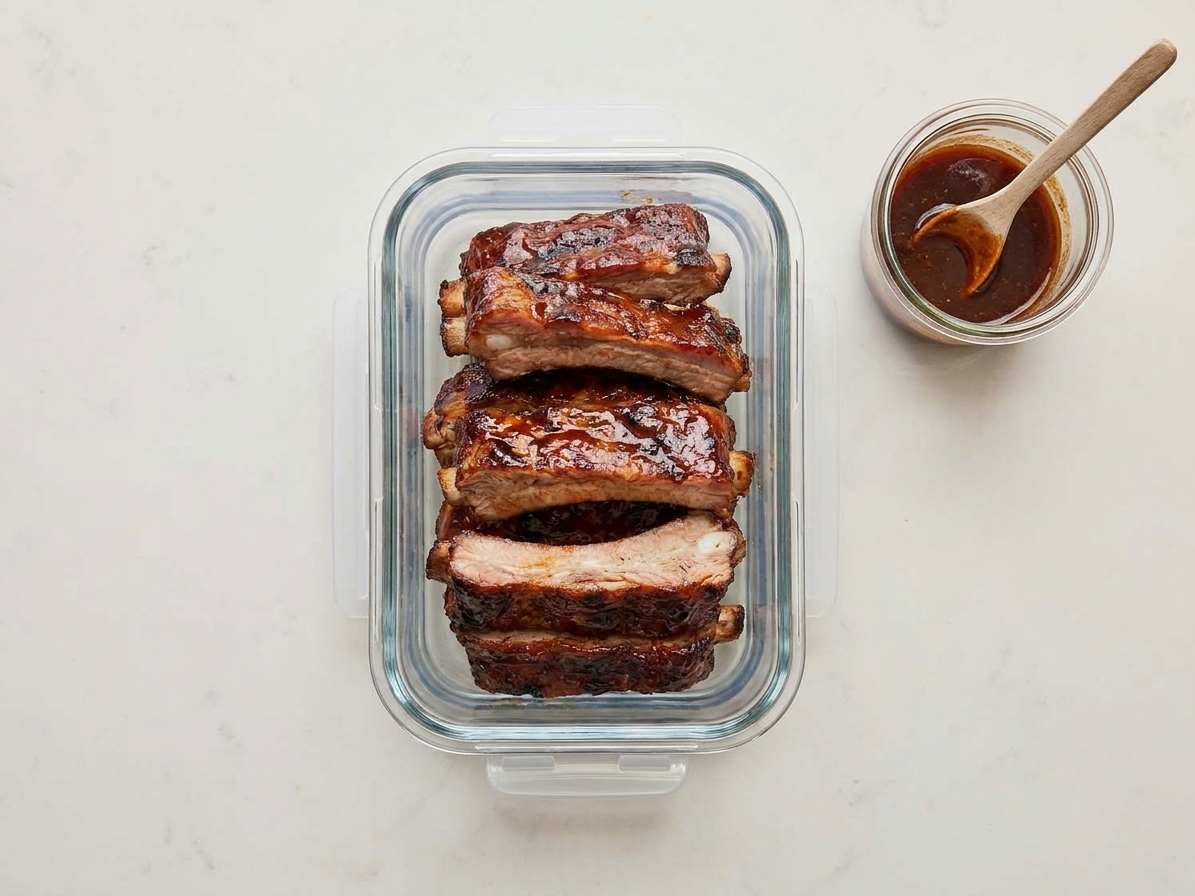
Refrigerate: Cool ribs completely, then store in an airtight container for up to 4 days. Keep extra glaze or sauce separate if you can.

Freeze: Wrap rib portions tightly in foil, then place in a freezer bag. Freeze up to 2 months for best quality. Thaw overnight in the fridge.

Reheat (best method): Place ribs in a baking dish with a splash of water or apple juice, cover with foil, and warm at 300°F for 20 to 30 minutes until hot. Uncover, brush with sauce, then broil for 2 to 4 minutes to bring back the sticky edges.

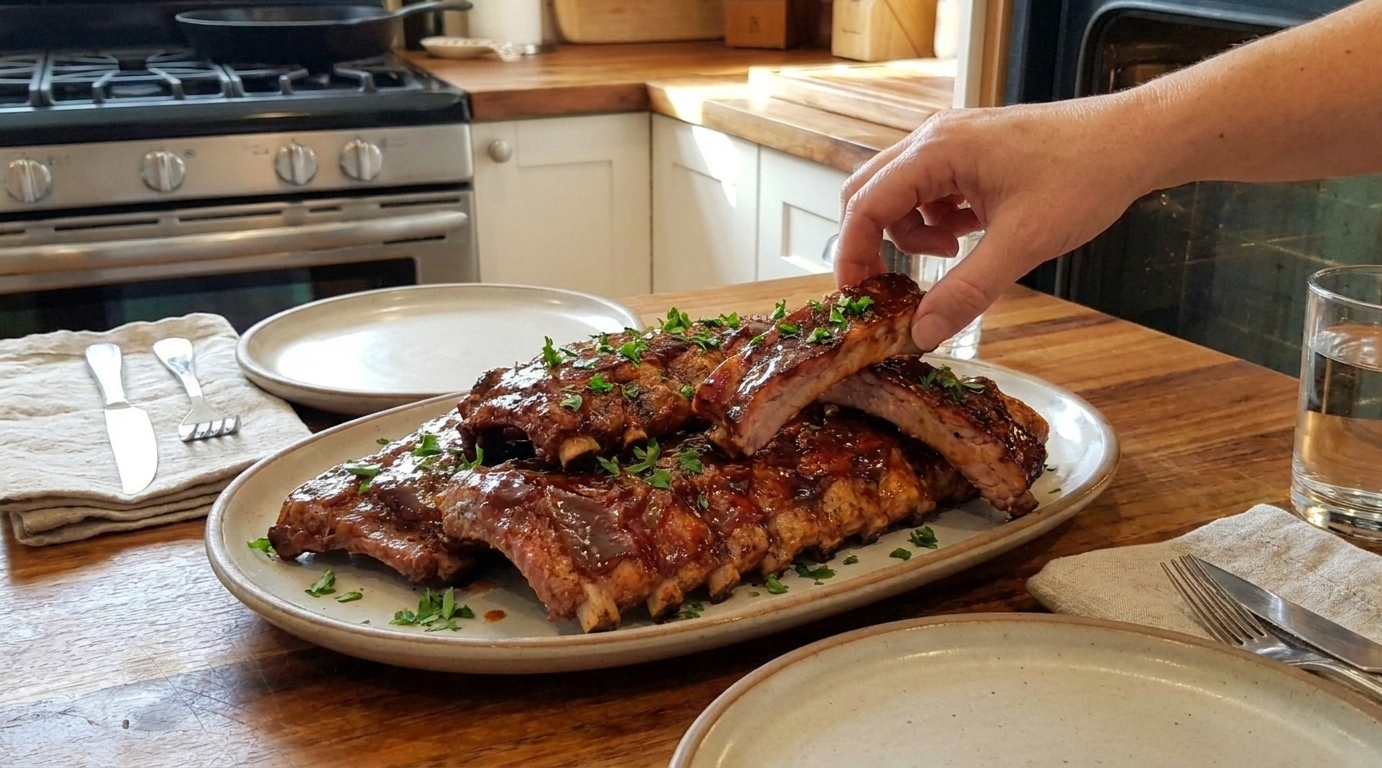
Leftover spare ribs stacked in a clear airtight container on a kitchen counter next to a small jar of extra glaze

Common Questions

Common Questions

What is the difference between spare ribs and baby back ribs?

Spare ribs come from the belly side and are larger, meatier, and a little fattier. Baby back ribs come from the upper back near the loin and are smaller and typically more curved and lean. Spare ribs love low-and-slow cooking because that extra fat and connective tissue turns into tenderness.

Do I need to remove the membrane?

Yes, if it is still on. The membrane is the thin, papery layer on the bone side. Slide a butter knife under it, grab with a paper towel, and pull. Removing it helps seasoning stick better and makes the ribs easier to bite through.

How do I know when spare ribs are done?

You are looking for tender, not just “cooked.” The meat should pull back from the bones, and a toothpick should slide in with very little resistance. If you like numbers, an internal temp around 195°F to 203°F in the thickest meaty part can be a helpful rough guide, but the toothpick and bend tests are more reliable since ribs are thin and uneven. For food safety, pork is safe at 145°F, but ribs get truly tender at higher temps.

Can I make these without the glaze?

Absolutely. Bake with the dry rub, then finish uncovered for 10 minutes to dry the surface a bit. Serve with sauce on the side. Dry-rub ribs are a whole vibe.

Why are my ribs tough?

They usually just need more time. Ribs get tender when connective tissue breaks down. Keep them wrapped and bake longer, checking every 20 minutes near the end.
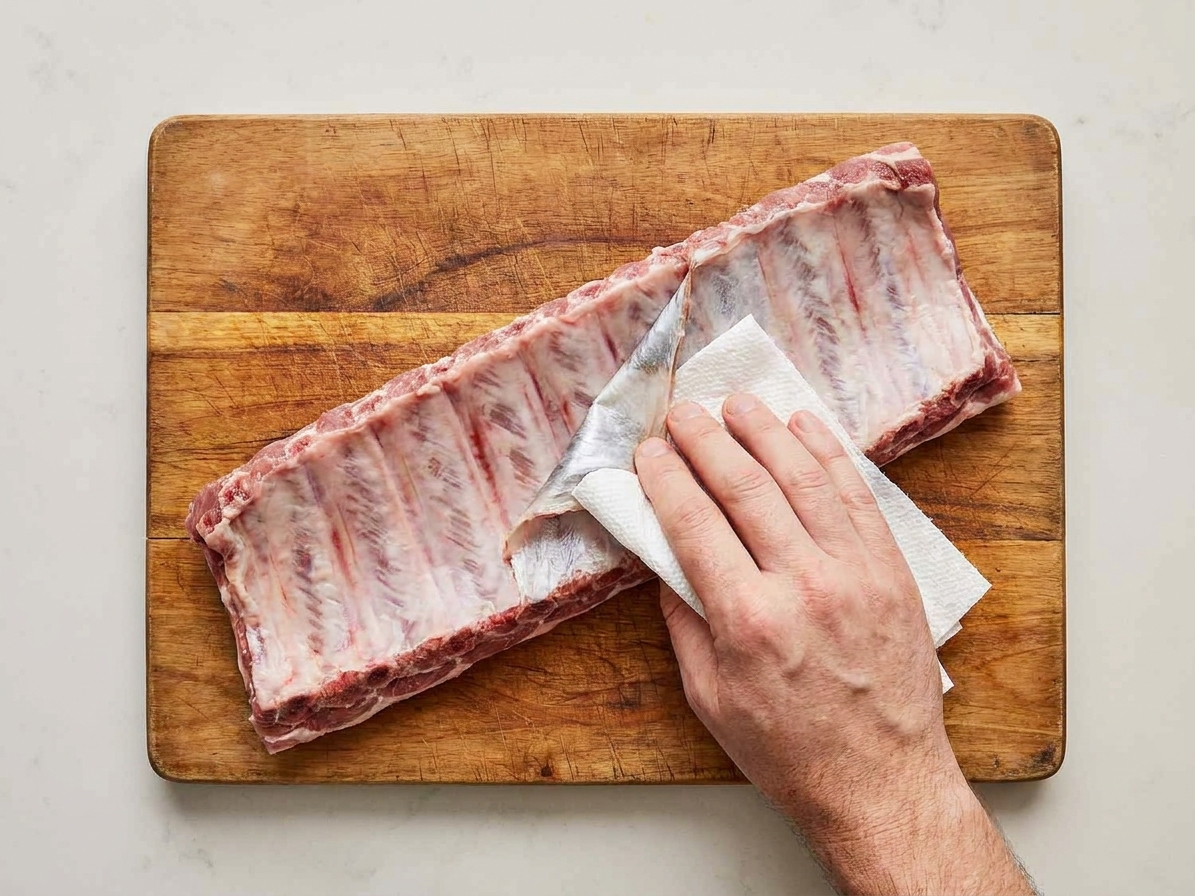

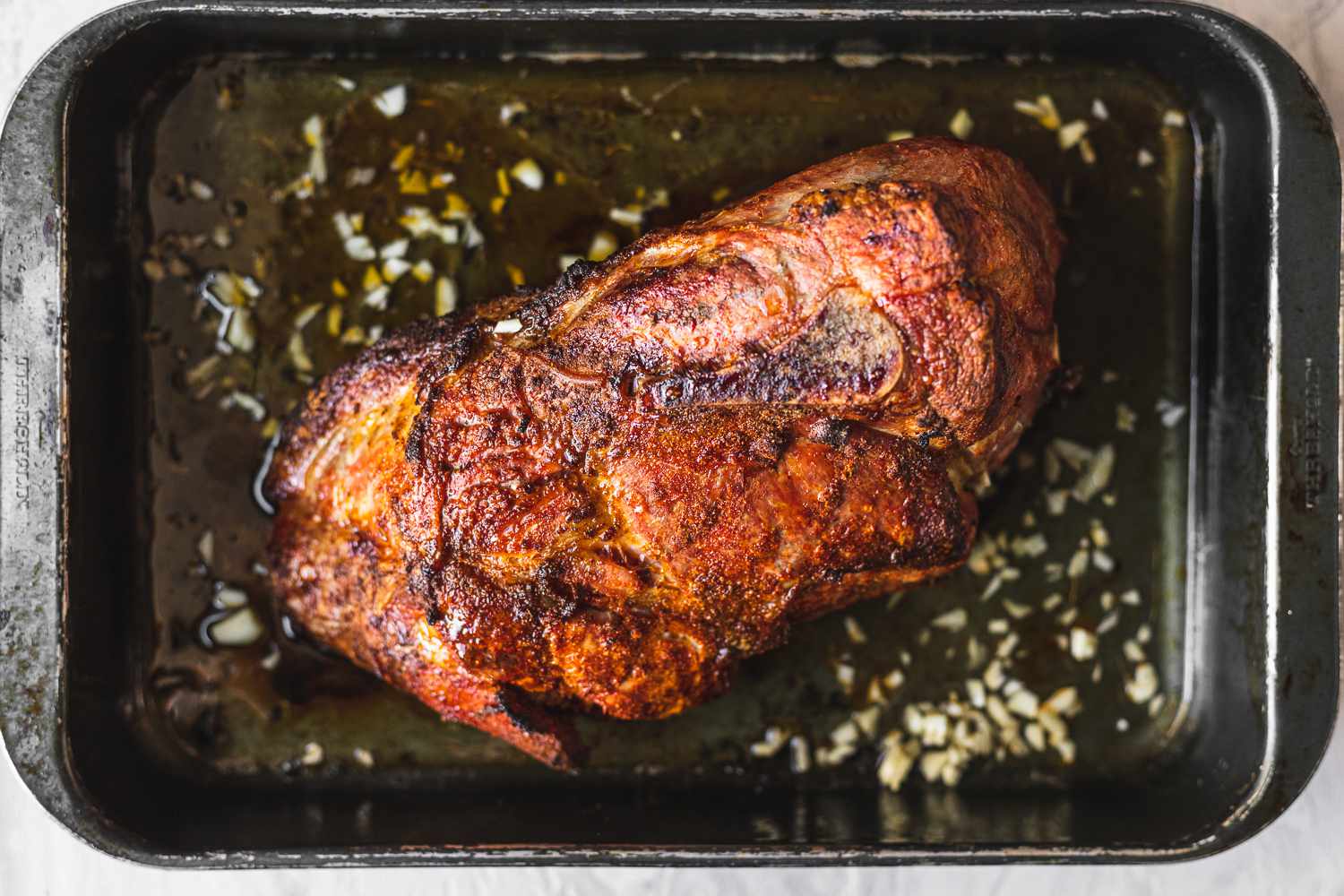
Hands using a paper towel to peel the membrane off the bone side of a rack of pork spare ribs on a cutting board

I love ribs for the same reason I love a good pasta night: everyone relaxes. Nobody is pretending to be tidy. The plate hits the table, the napkins come out, and suddenly the kitchen feels like a hangout instead of a chore.

I learned pretty quickly that you do not need a smoker to make ribs worth bragging about. You need time, a tight wrap, and a finish that brings the sauce to life. The first time I nailed the broil step and saw that glaze bubble and darken at the edges, I was fully locked in. Now it is my go-to when I want “weekend energy” on a regular night.