Common Questions
What is the difference between spare ribs and baby back ribs?
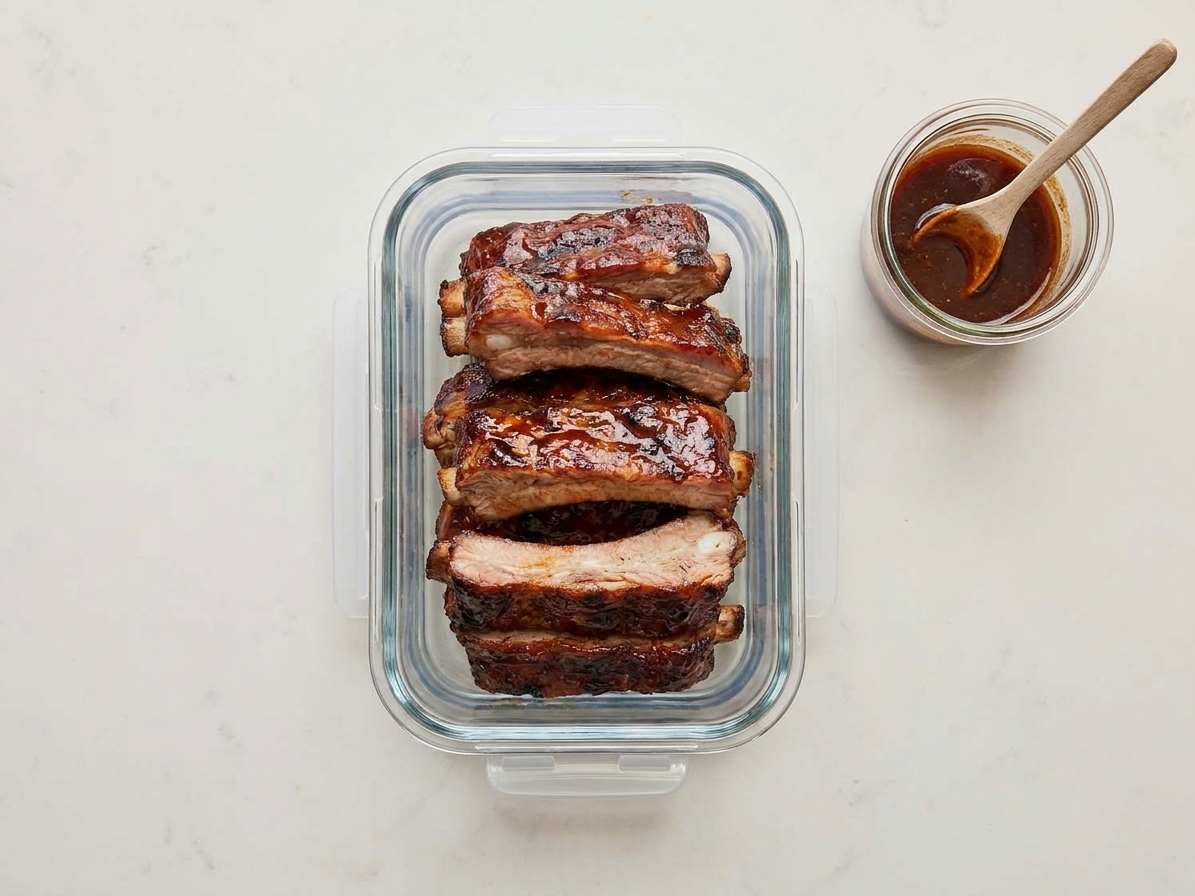
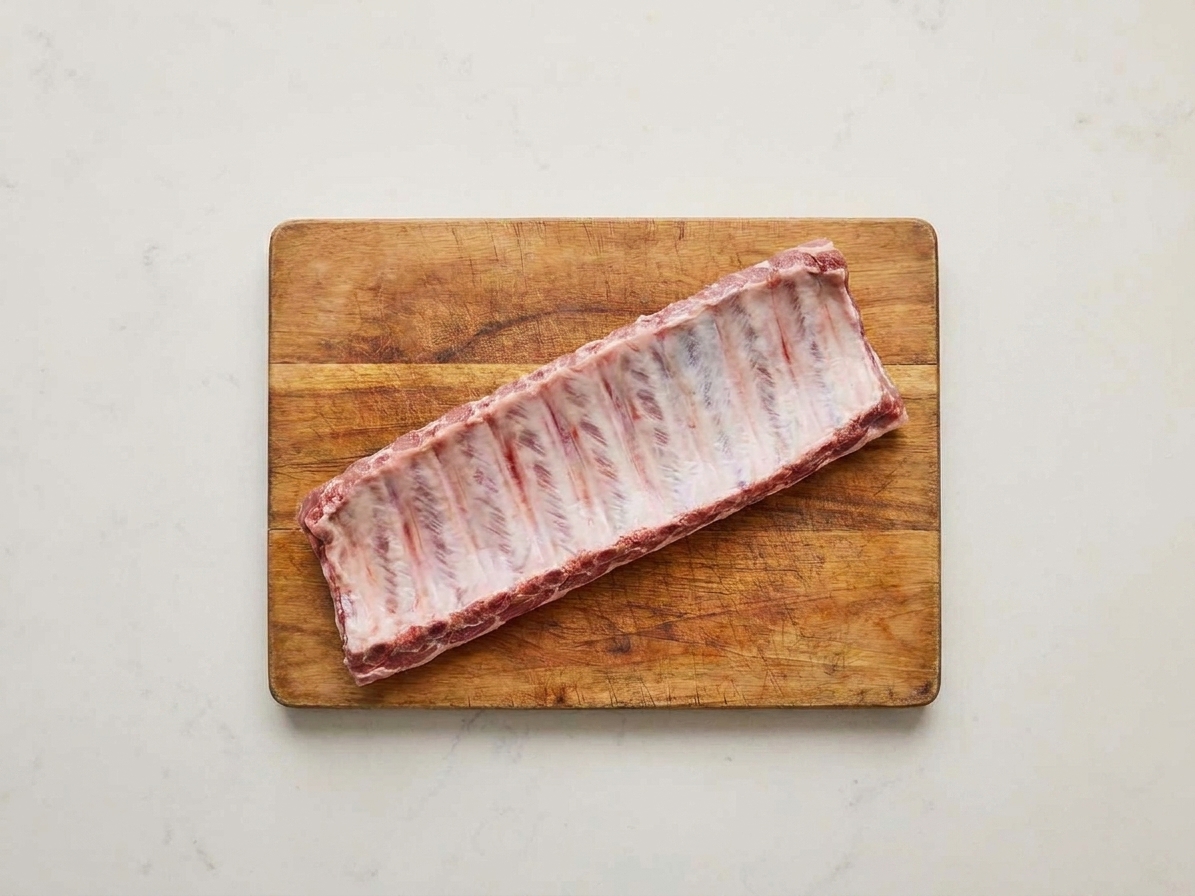
Spare ribs come from the belly side and are larger, meatier, and a little fattier. Baby back ribs come from the upper back near the loin and are smaller and typically more curved and lean. Spare ribs love low-and-slow cooking because that extra fat and connective tissue turns into tenderness.
Do I need to remove the membrane?
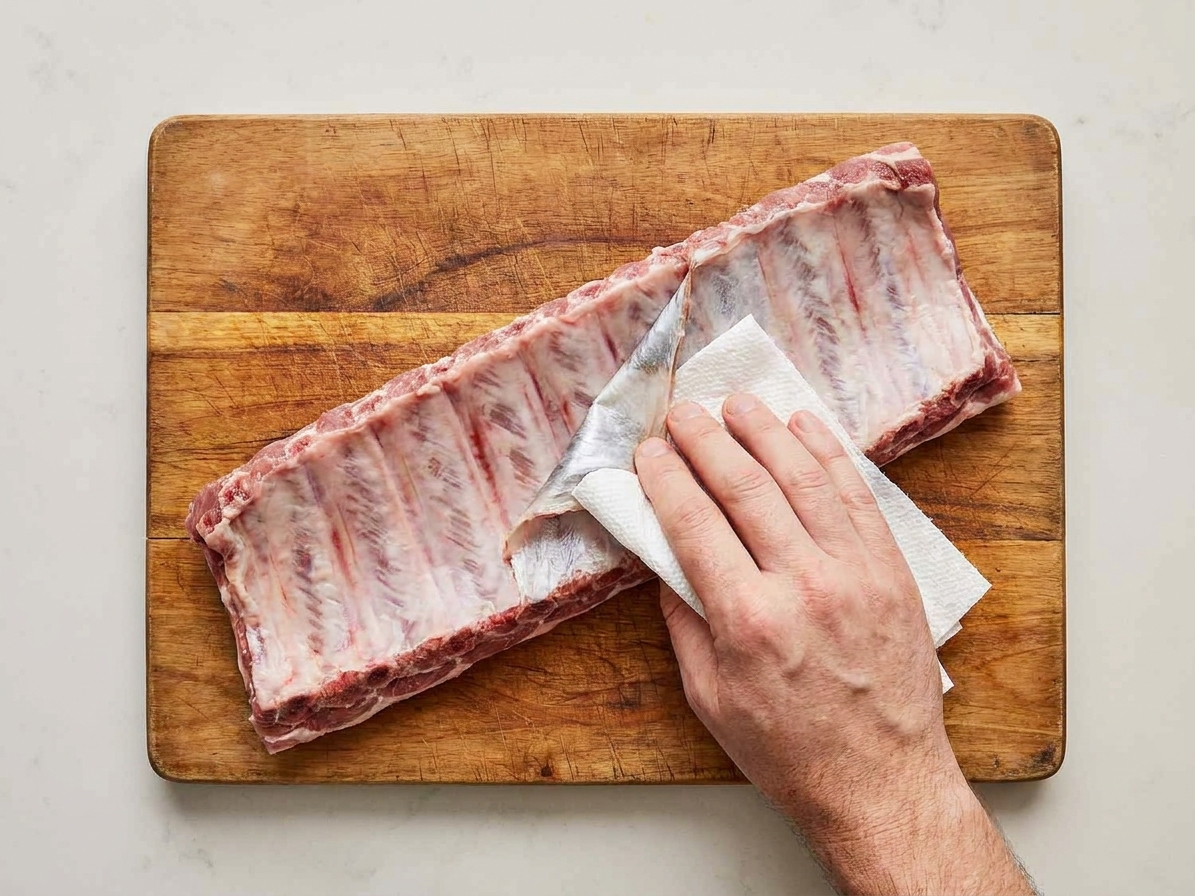
Yes, if it is still on. The membrane is the thin, papery layer on the bone side. Slide a butter knife under it, grab with a paper towel, and pull. Removing it helps seasoning stick better and makes the ribs easier to bite through.
How do I know when spare ribs are done?
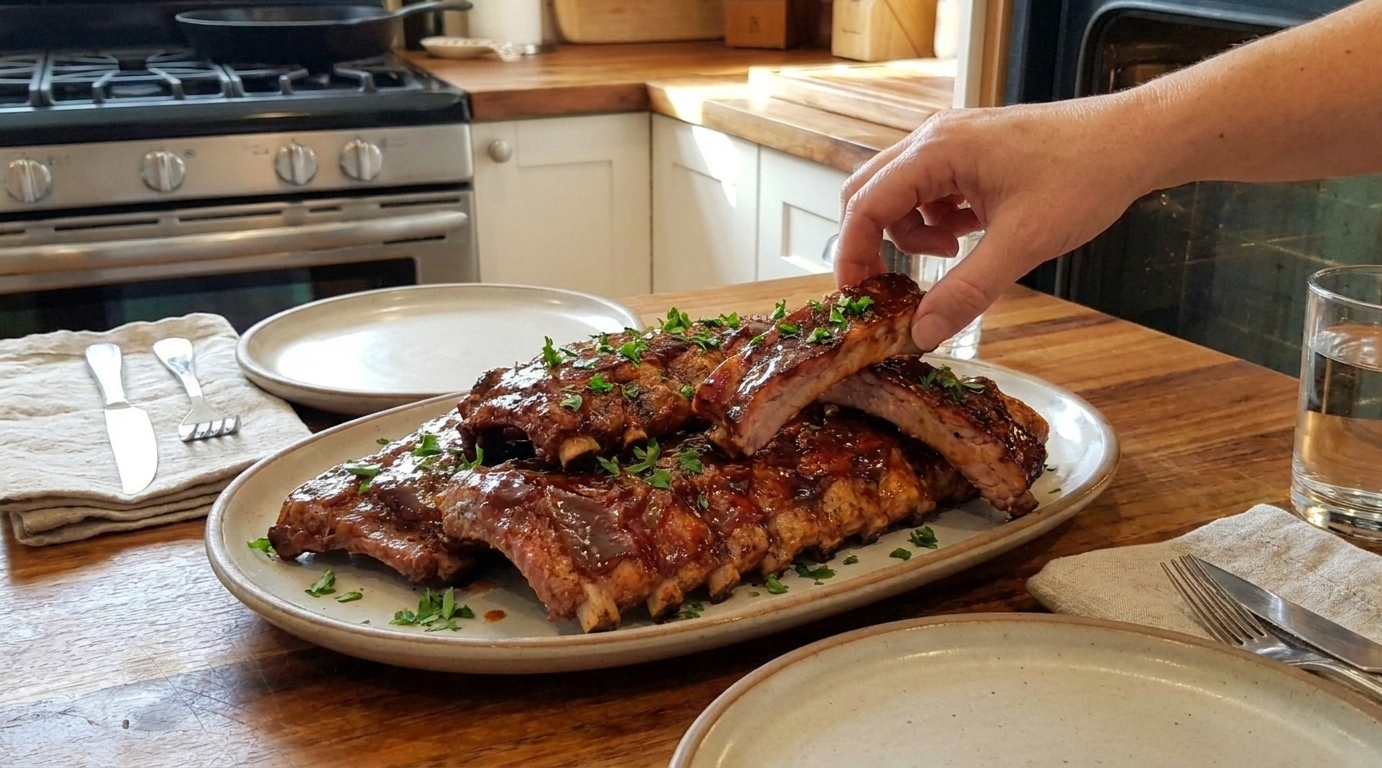
You are looking for tender, not just “cooked.” The meat should pull back from the bones, and a toothpick should slide in with very little resistance. If you like numbers, an internal temp around 195°F to 203°F in the thickest meaty part can be a helpful rough guide, but the toothpick and bend tests are more reliable since ribs are thin and uneven. For food safety, pork is safe at 145°F, but ribs get truly tender at higher temps.
Can I make these without the glaze?
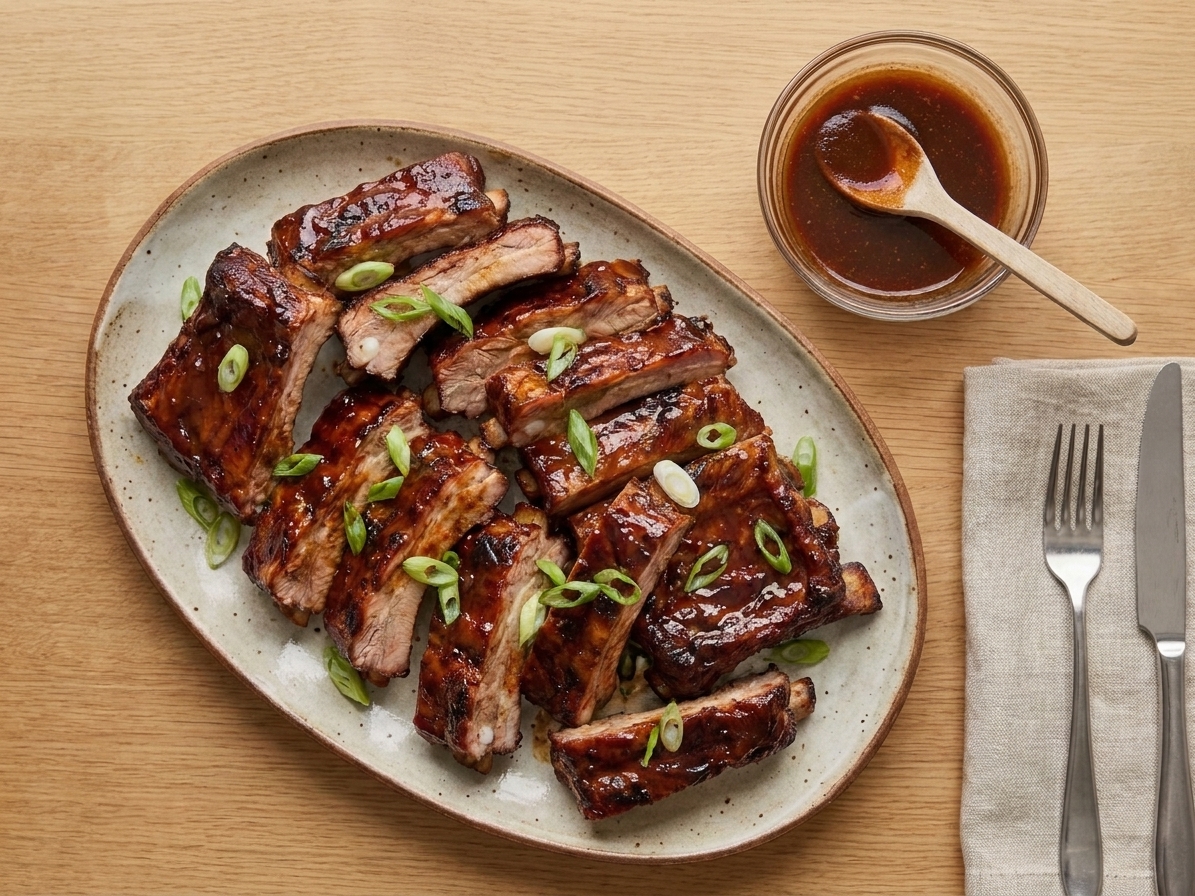
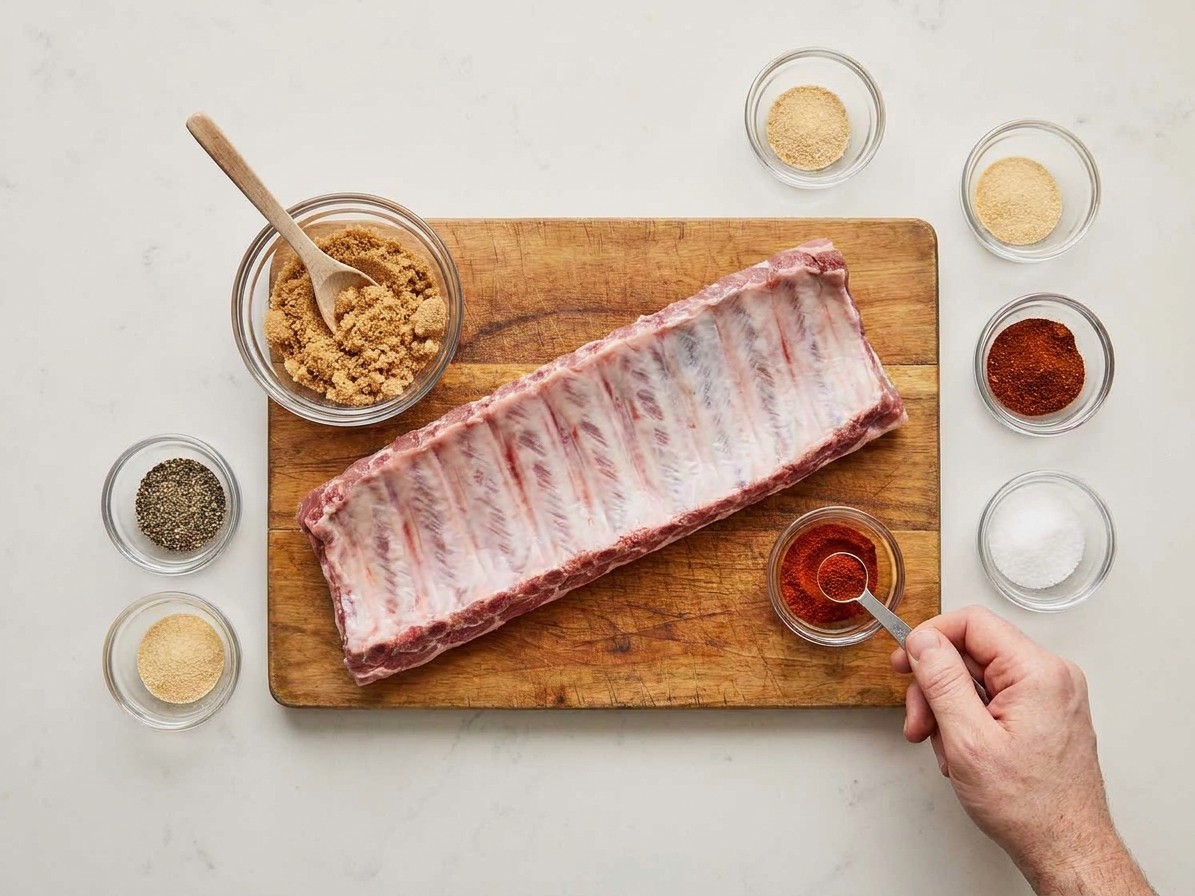
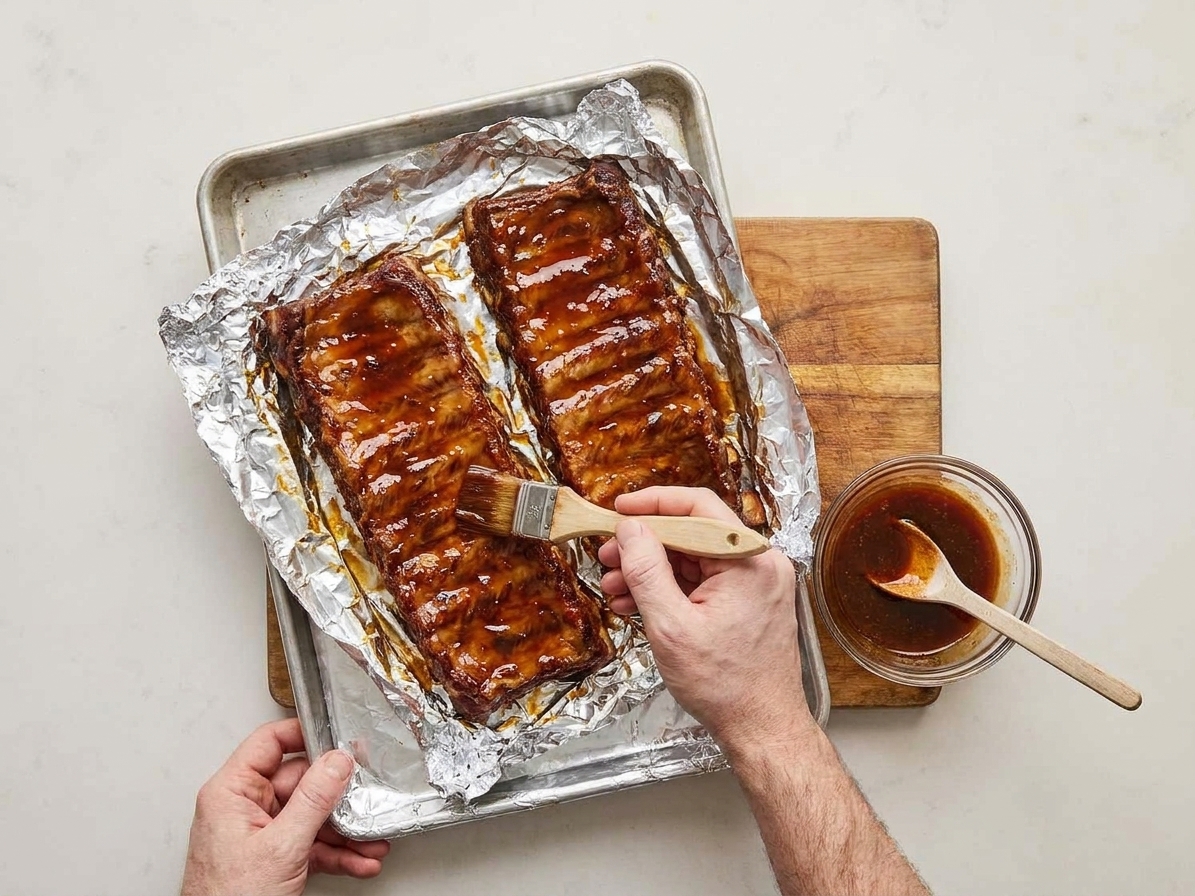
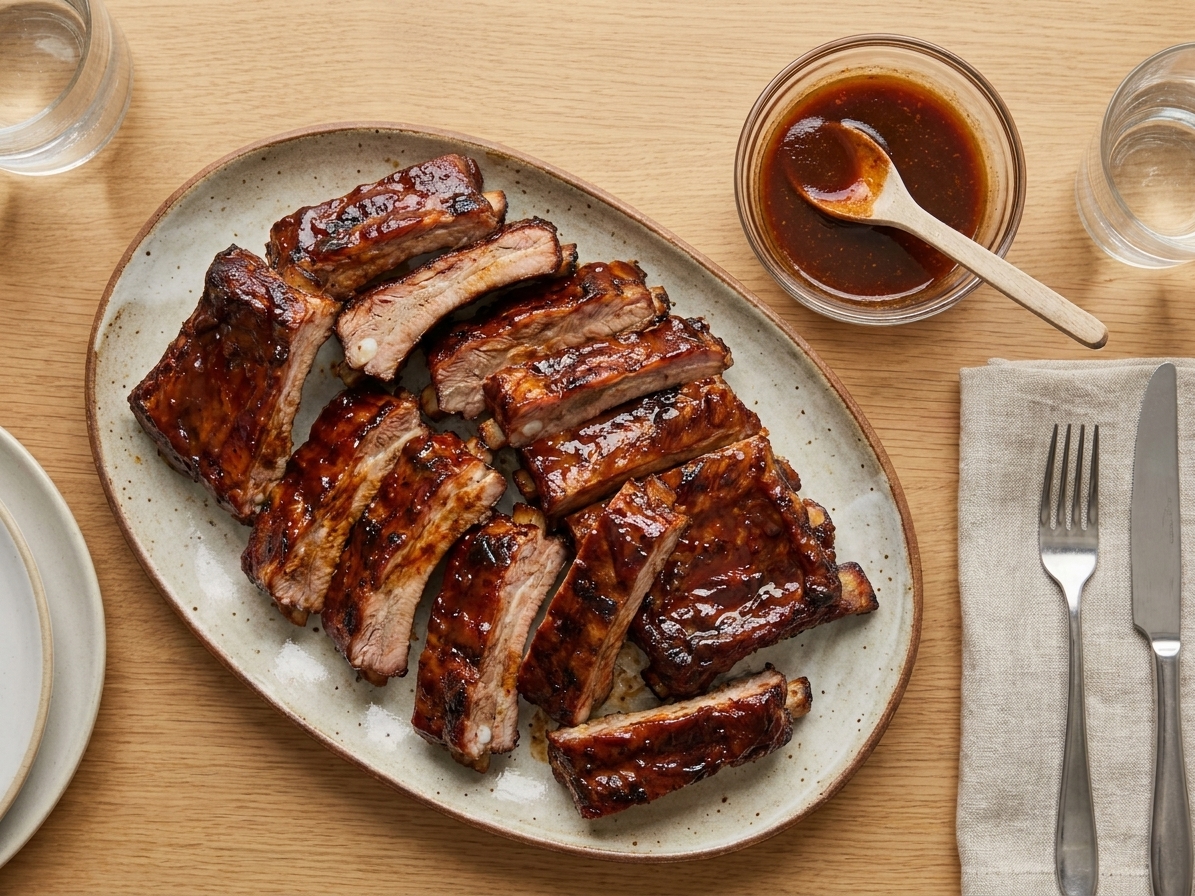
Absolutely. Bake with the dry rub, then finish uncovered for 10 minutes to dry the surface a bit. Serve with sauce on the side. Dry-rub ribs are a whole vibe.
Why are my ribs tough?
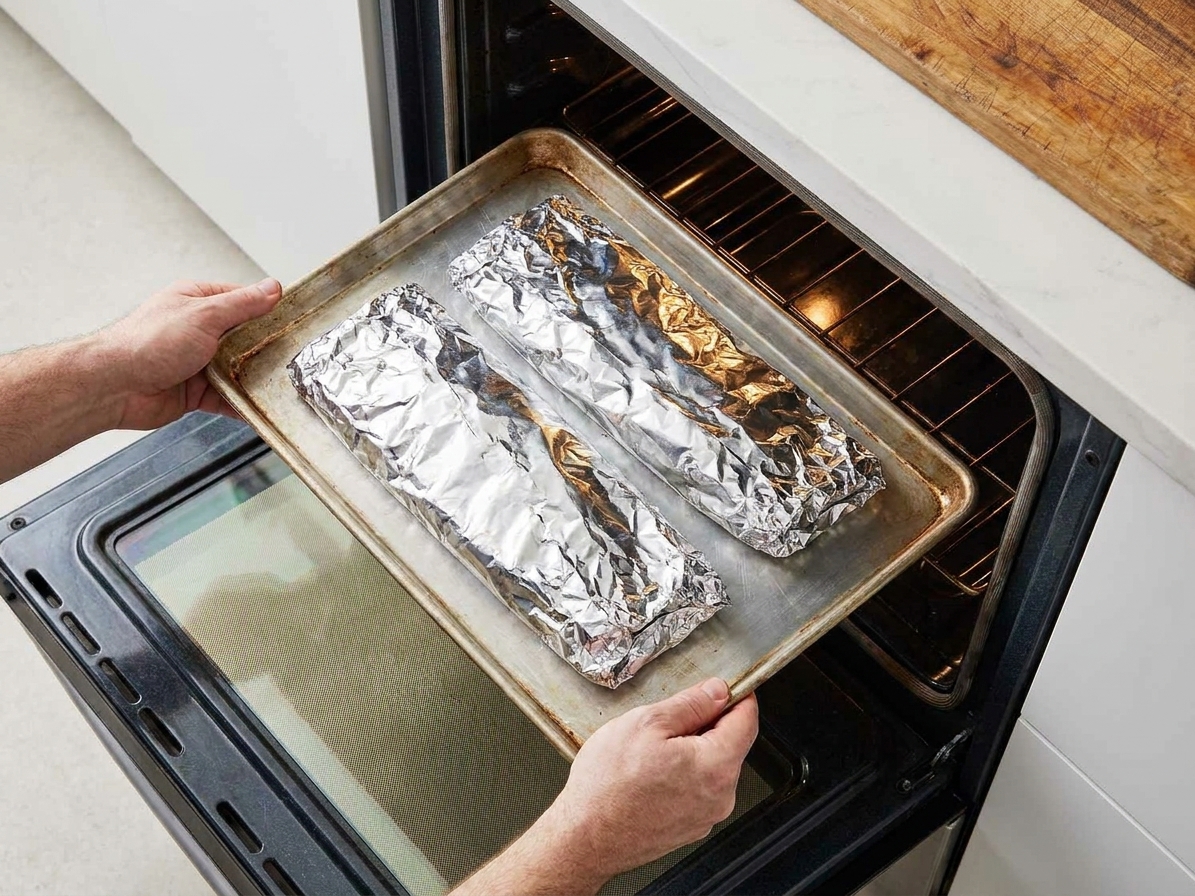
They usually just need more time. Ribs get tender when connective tissue breaks down. Keep them wrapped and bake longer, checking every 20 minutes near the end.