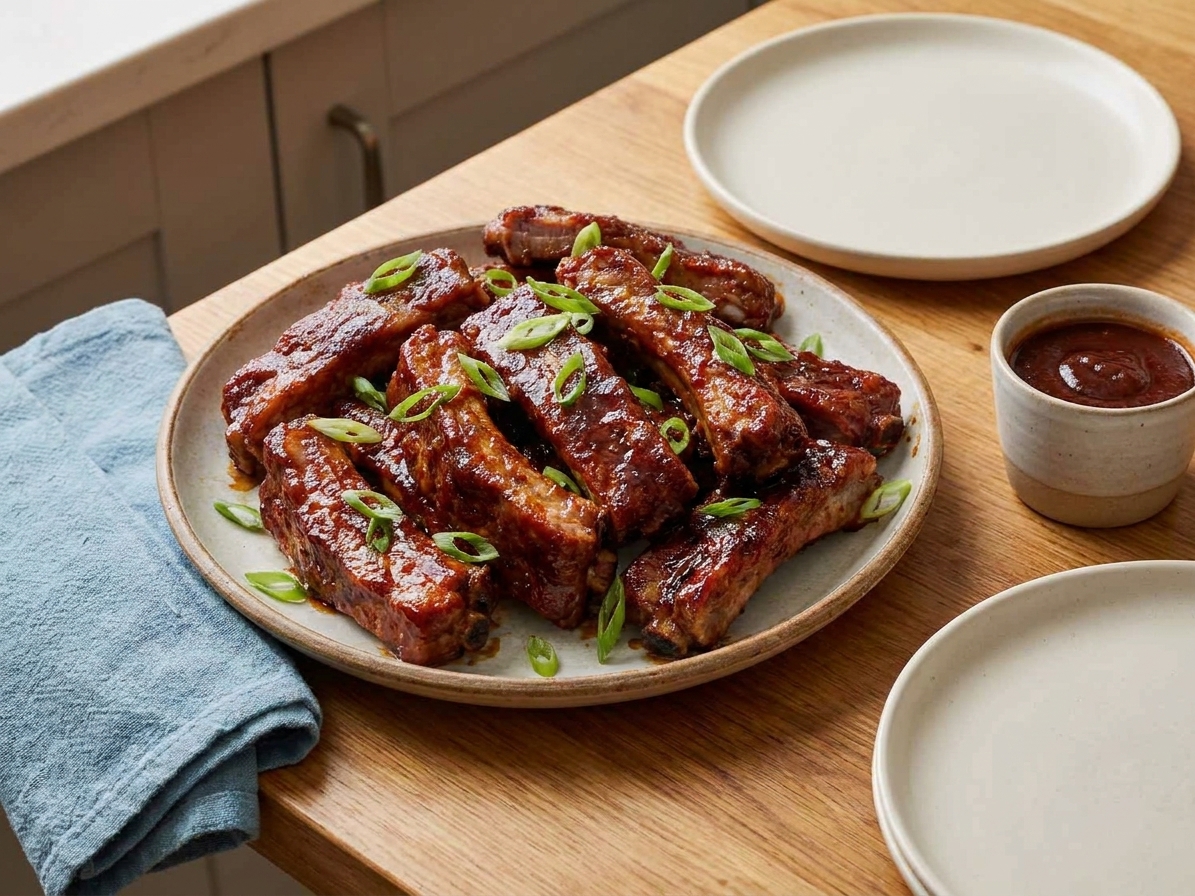
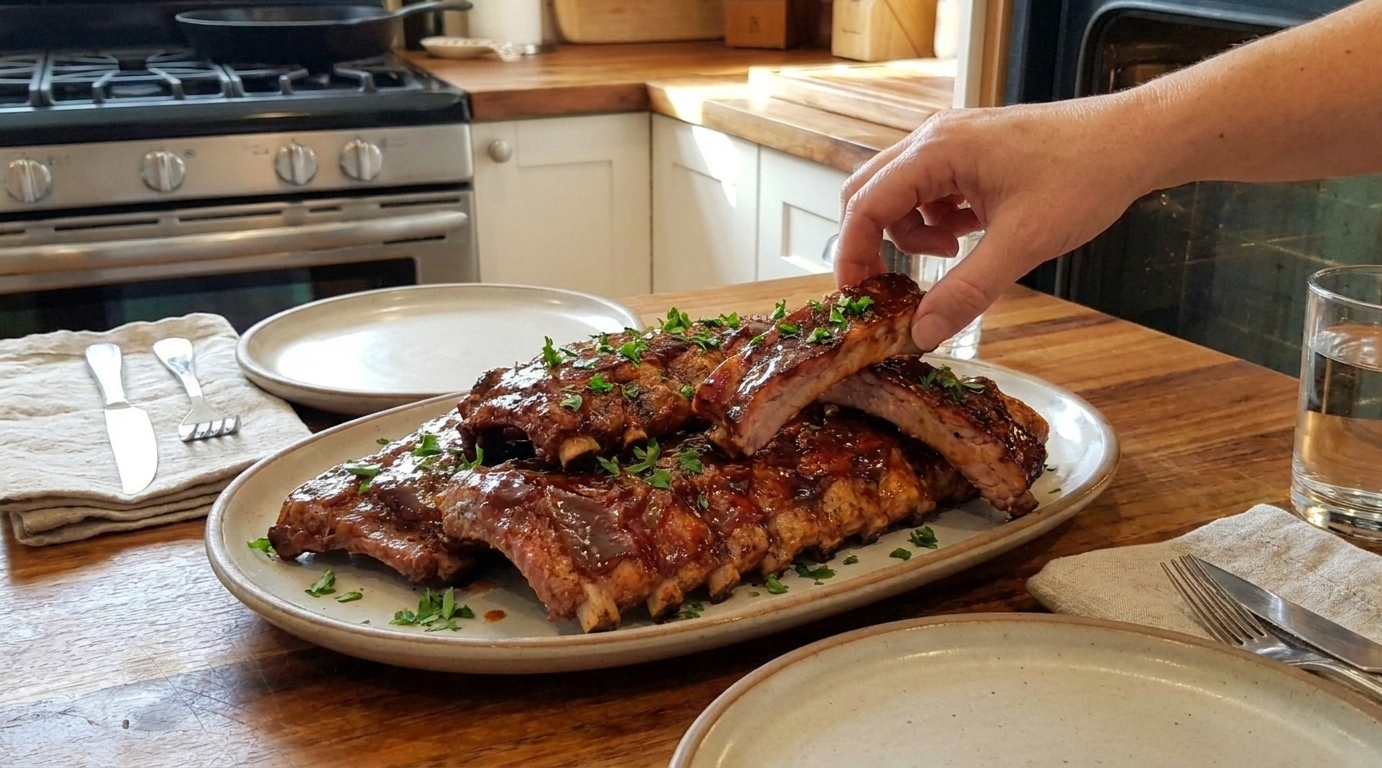
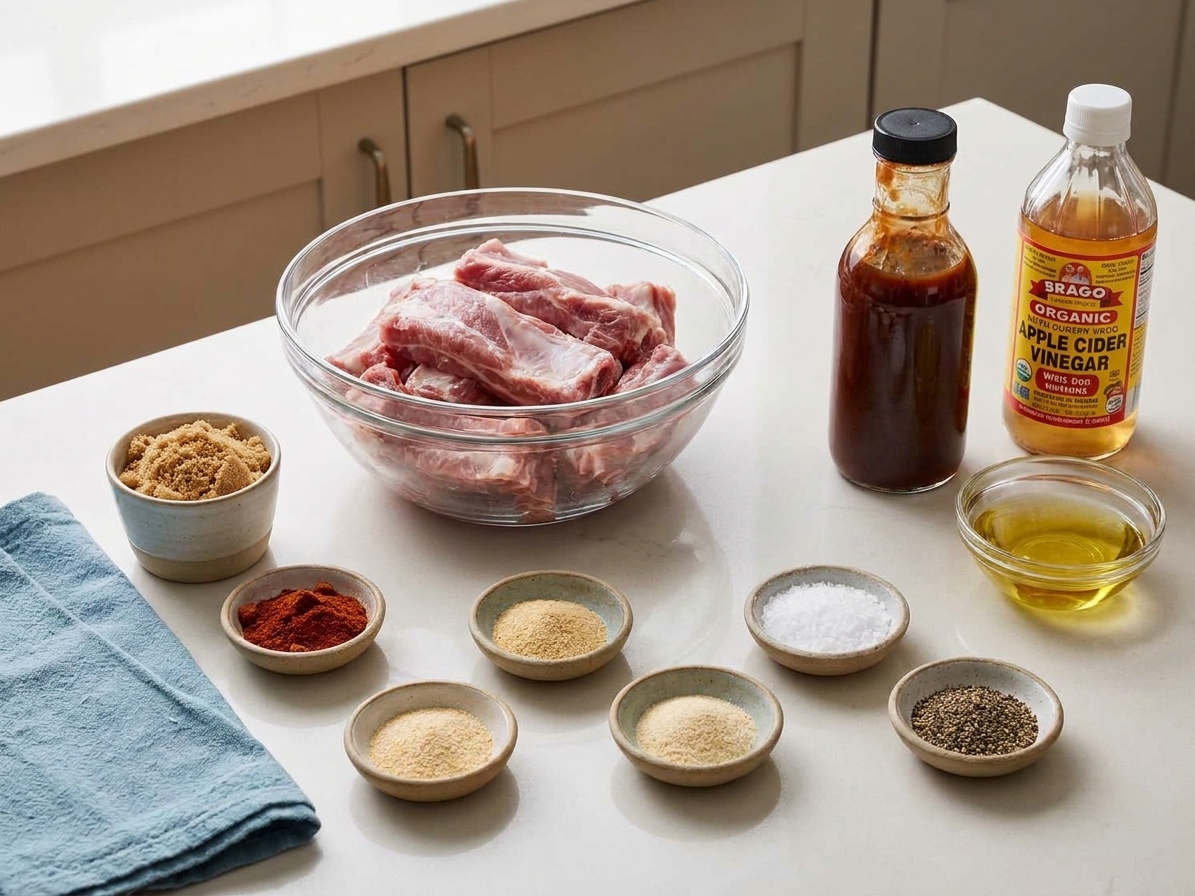
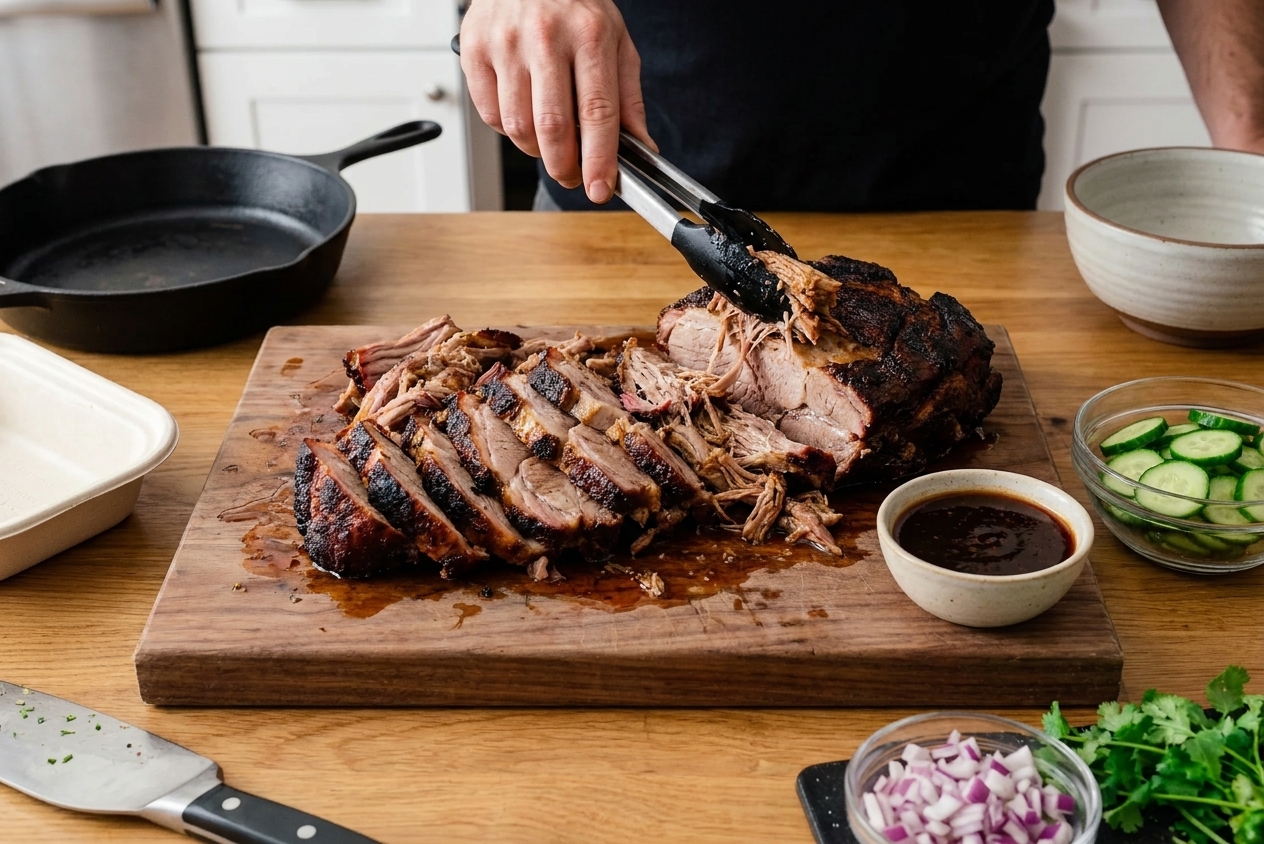
What are boneless pork ribs, exactly?
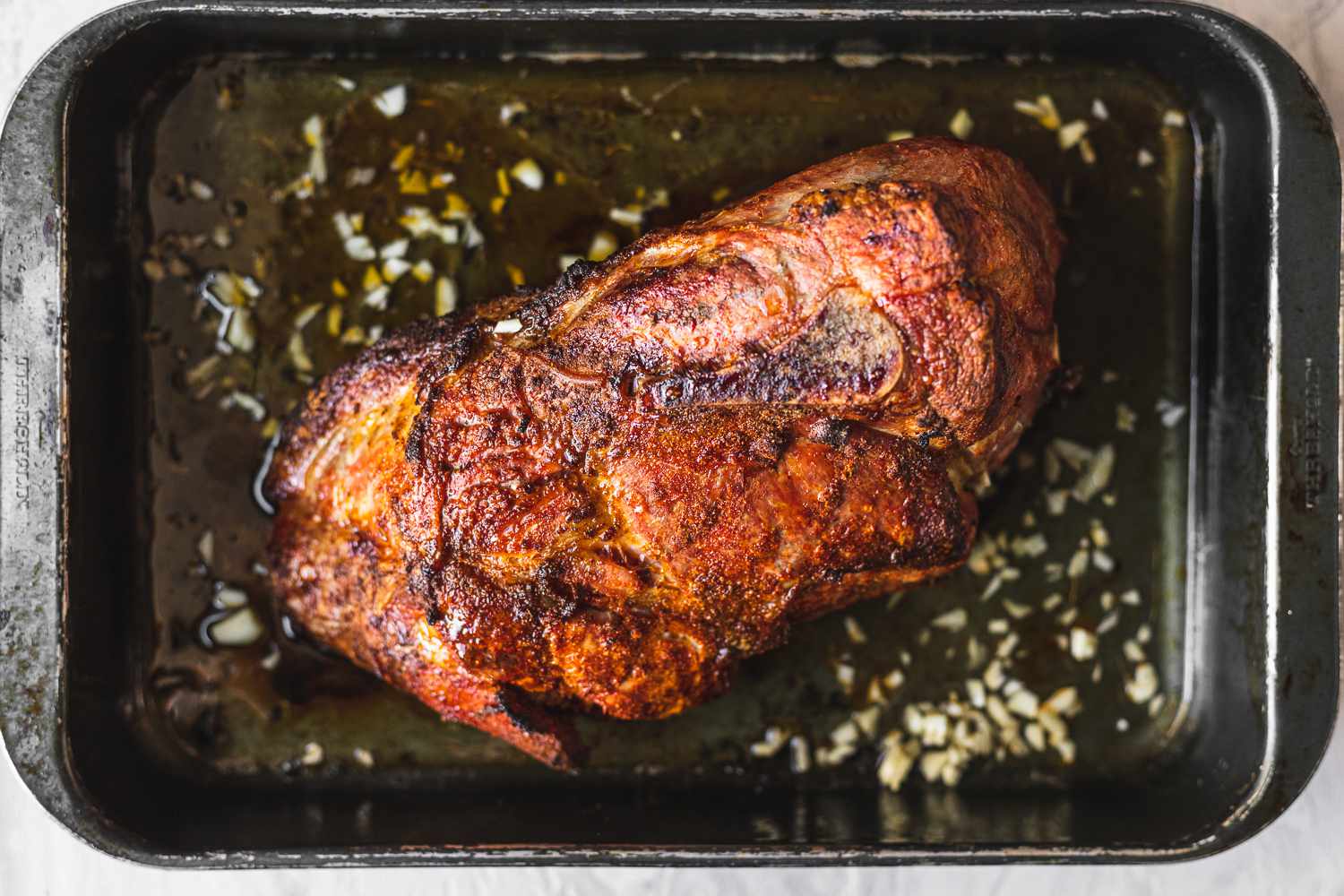
Packages labeled “boneless pork ribs” are often cut from the pork shoulder (country-style), not the rib rack. That is good news because shoulder has more fat and connective tissue, which means it turns tender and flavorful when baked. That said, some stores sell loin cuts as “boneless ribs” too, so if the label says loin, expect a leaner piece that may cook faster and will not want to be pushed quite as far.
Should I bake boneless pork ribs covered or uncovered?
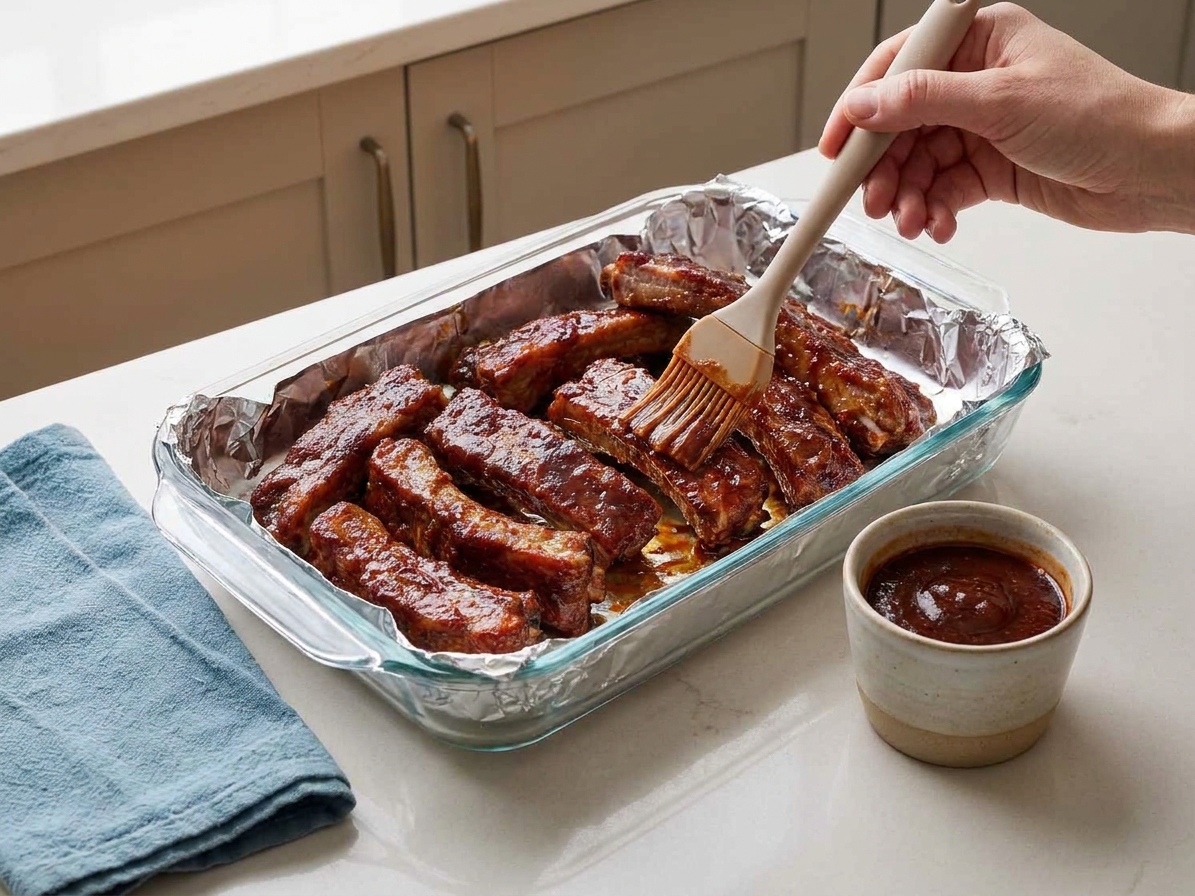
Start covered to keep them juicy and help them tenderize. Finish uncovered with sauce so the glaze can thicken and caramelize. That covered then uncovered combo is the whole trick.
How do I know they are done?
For tender results, you want them cooked through and easy to bite. Look for an internal temperature of at least 145 F for safety, but for shoulder-style boneless ribs, they get noticeably more tender closer to 195 to 205 F (190 to 200 F is a solid target range). Use a thermometer in the thickest part and try not to touch the pan, since that can throw off the reading. If you can easily slide in a fork and twist without resistance, you are in a great place.
My sauce keeps burning under the broiler. Help.
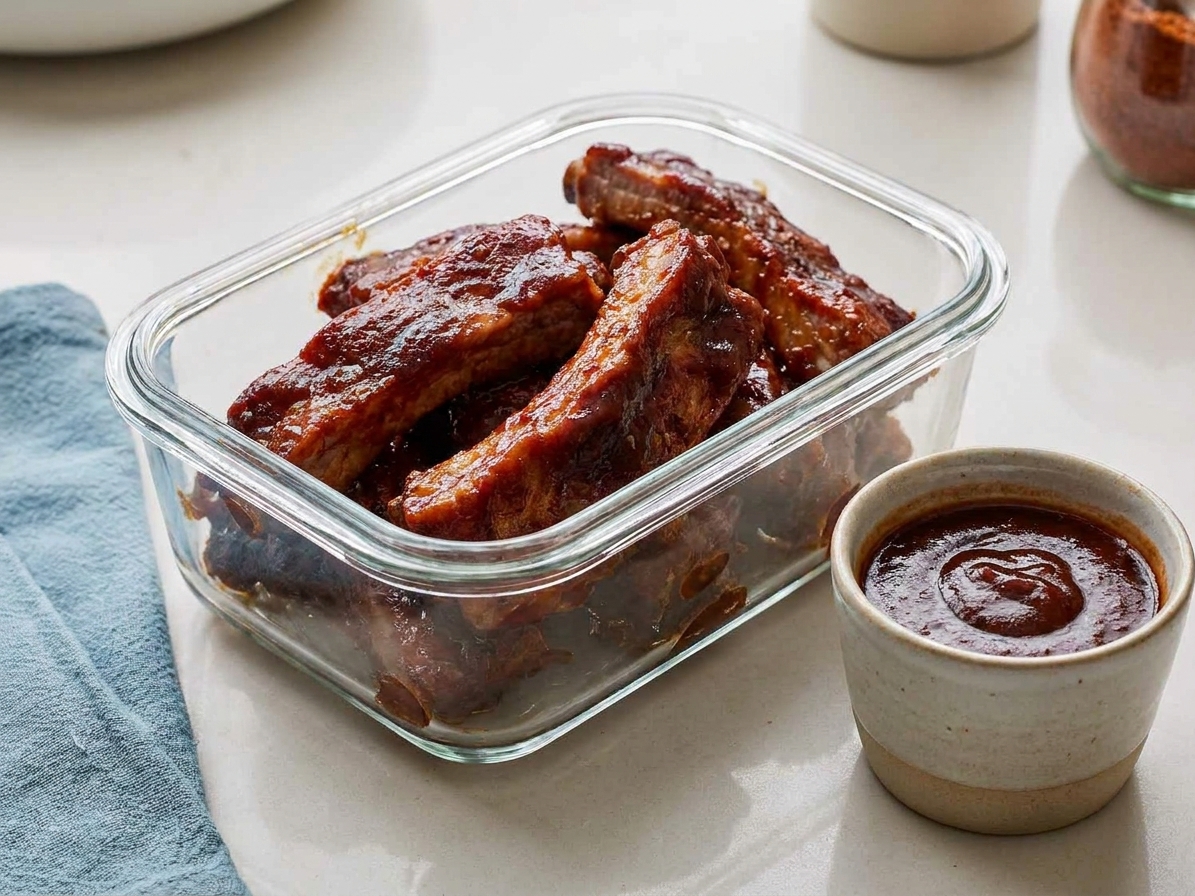
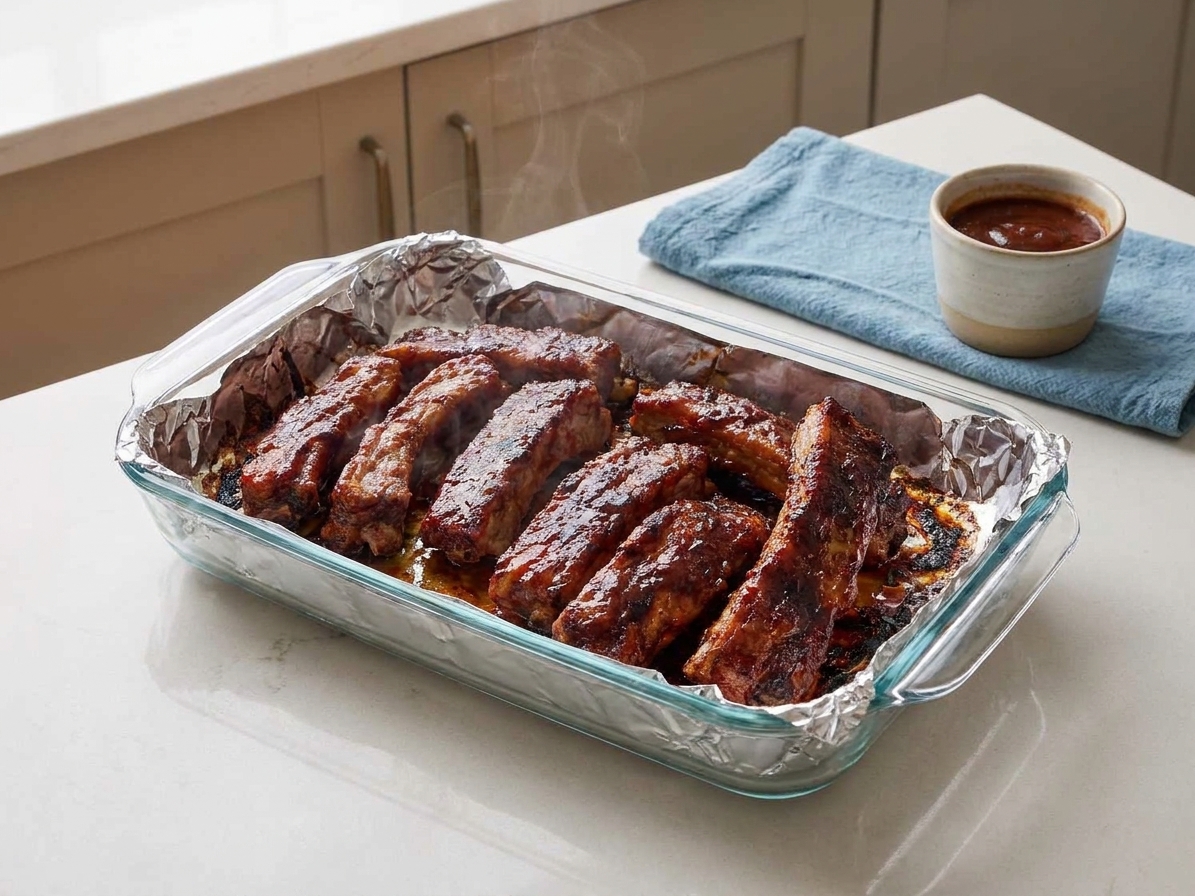
Broilers are chaotic. Broil on the middle rack, not right under the flame, and do it in 1 to 2 minute bursts. Also, keep the pieces close together in a snug single layer so the glaze cooks more evenly. Do not stack or overlap, since that blocks caramelization.
Can I make these in advance?
Yes. Bake them covered until tender, cool, then refrigerate. Reheat covered at 325 F with a splash of water, then glaze and broil right before serving. You get fresh caramelization without re-cooking them until they are dry and sad.