Mom's Best Recipes
Recipe

Sugar Wax

A simple DIY sugar wax made with pantry ingredients, cooked to a honey-amber color for a pliable paste that grips hair but rinses clean with warm water.

Author By Matt Campbell
4.7
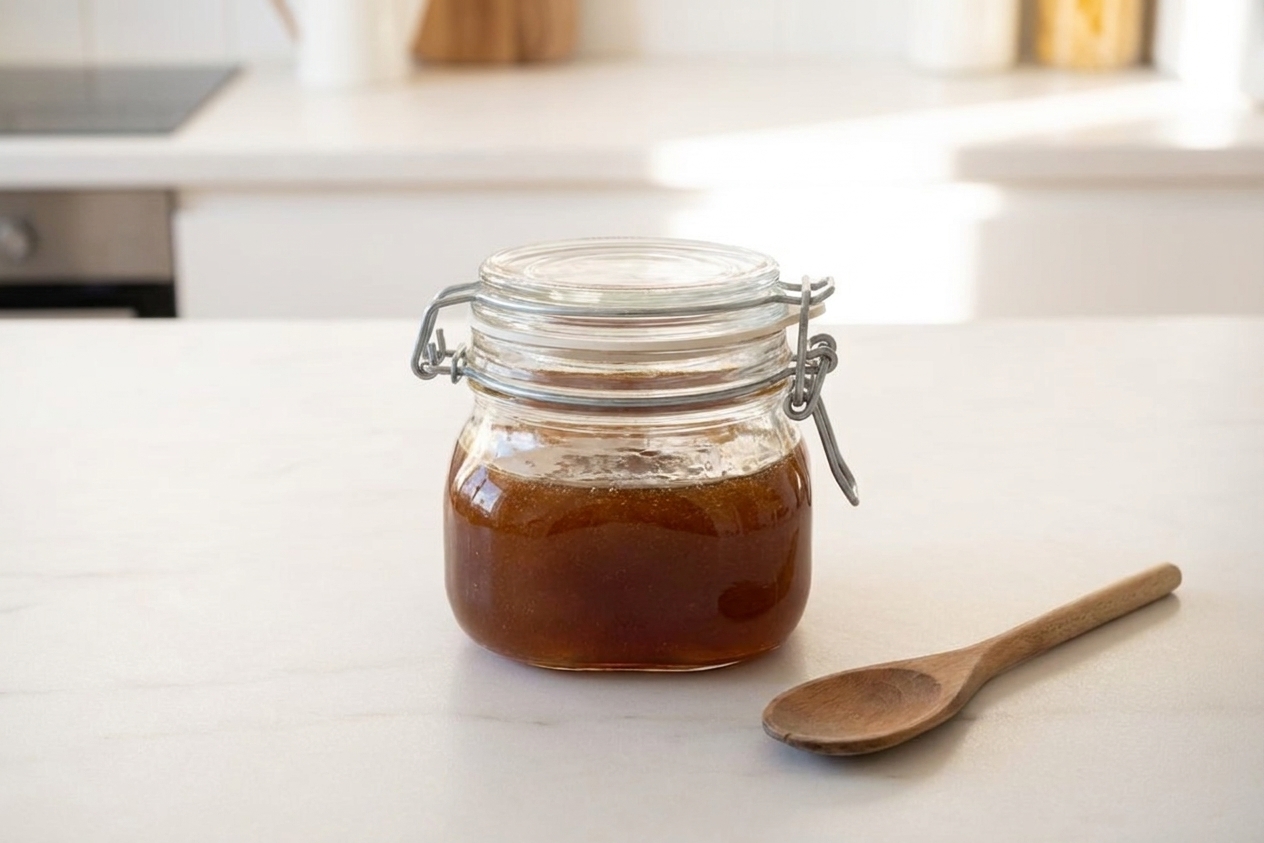
A small glass jar of golden homemade sugar wax on a warm toned kitchen counter with a wooden spatula beside it, natural window light

Sugar wax is one of those magic little kitchen crossovers where your pantry decides it can be a spa. It is basically a cooked sugar syrup that sets up into a tacky, pliable paste. Used correctly, it grabs hair and dead skin, then rinses away with warm water like it is trying to make amends.

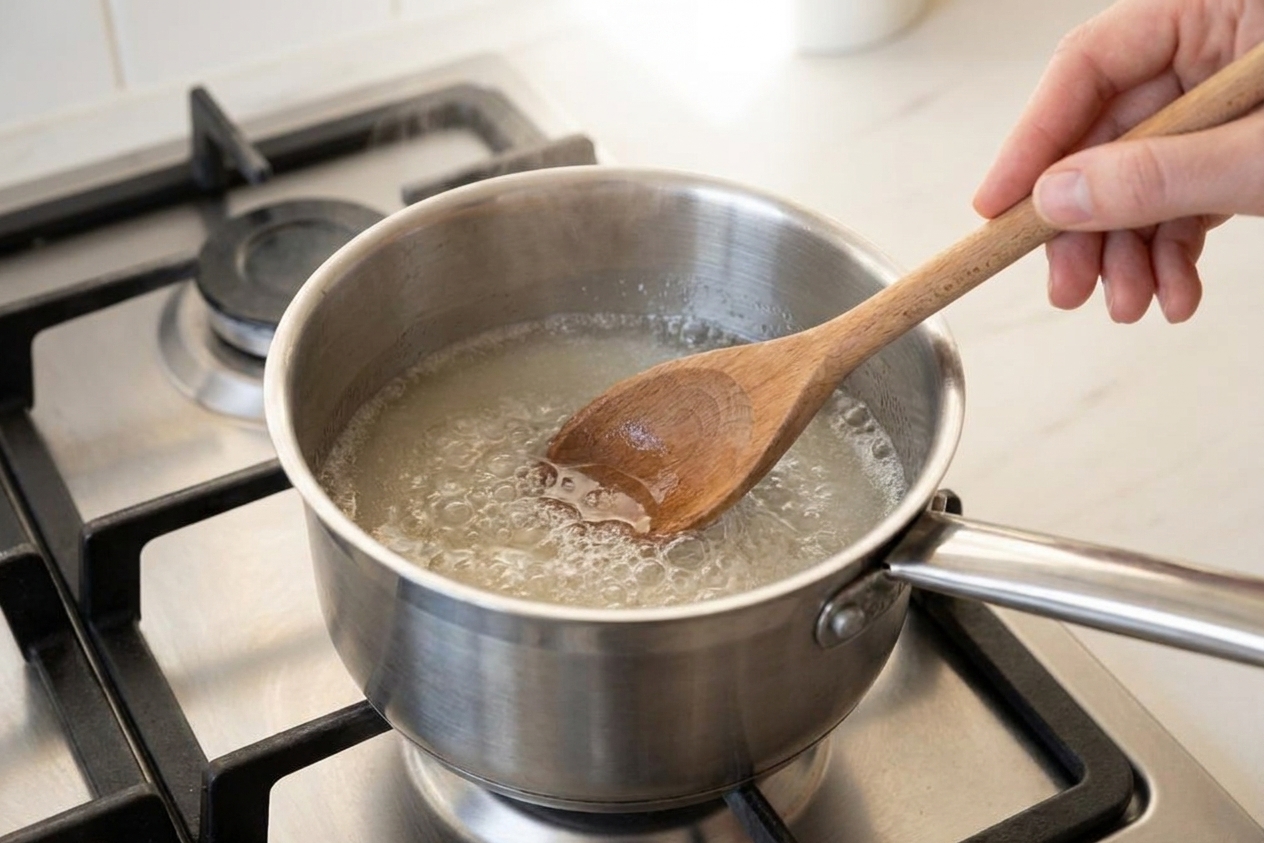
This recipe is written for real life. No specialty ingredients, no mystery steps, and no pretending that boiling sugar is not a serious thing. We are going for a wax that is flexible, not rock hard, and not runny. The goal is that classic golden honey color and a firm ball stage texture that you can work once it cools.

Quick safety note: hot sugar is much hotter than boiling water and it sticks. Please keep kids and pets away, do not touch the syrup while it is cooking, and if you have sensitive skin or any skin conditions, patch test first. Avoid using on broken or irritated skin. If you have any medical conditions that affect skin healing, consider checking with a professional first.
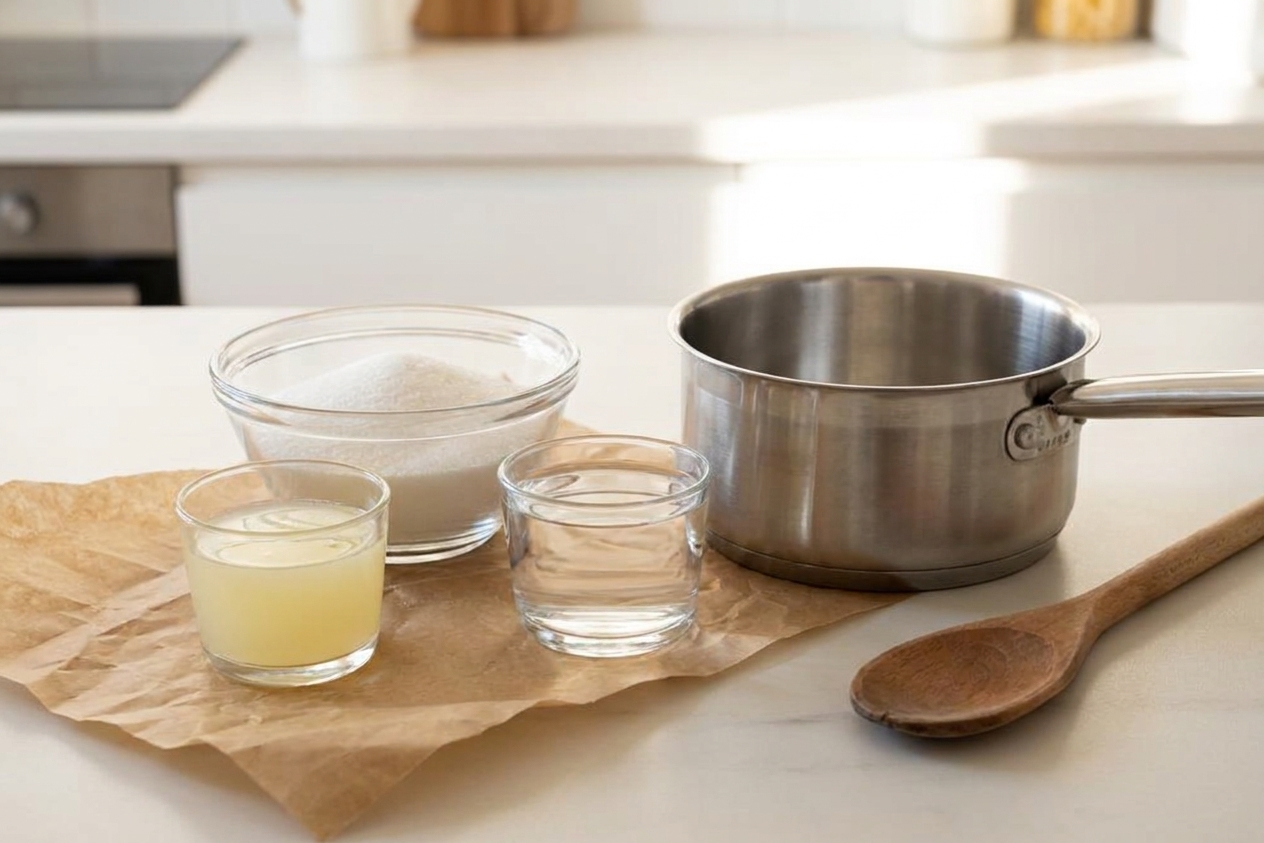
Measured sugar, lemon juice, and water next to a small saucepan on a clean kitchen counter, ready to make sugar wax

Why It Works

  • Simple ingredients, predictable results: Sugar, lemon, and water cook into a syrup that sets into a workable paste when you hit the right temperature.
  • Water soluble cleanup: Unlike resin wax, sugar wax dissolves with warm water, so your bowl, spatula, and hands are not ruined for the rest of the day.
  • Texture control: We use color, temperature, and a cold water test so you do not have to guess. If it is too soft or too hard, you can fix it.
  • Less mess when you work warm: Slightly warm wax is pliable and easy to spread. Too hot is dangerous and too cool is crumbly.

Pairs Well With

Storage Tips

How to Store Sugar Wax

  • Room temperature: Store in a clean, dry glass jar with a lid for up to 2 to 4 weeks if kept very clean and dry. Avoid double dipping, and do not put wet fingers or a wet spatula back into the jar.
  • Reheating: Warm the jar in a bowl of hot tap water for 5 to 10 minutes, or microwave in 5 to 10 second bursts, stirring between, until it is pliable like thick honey. It should feel warm, not hot.
  • If it gets too hard: Add 1 to 2 teaspoons warm water and gently rewarm, stirring until smooth.
  • If it gets too runny: Reheat and simmer gently for 30 to 90 seconds, then cool again and retest.

Tip: If you see mold, an off smell, or any cloudiness that looks questionable, toss it. It is sugar, not a science experiment.

Common Questions

Common Questions

Do I need a candy thermometer?

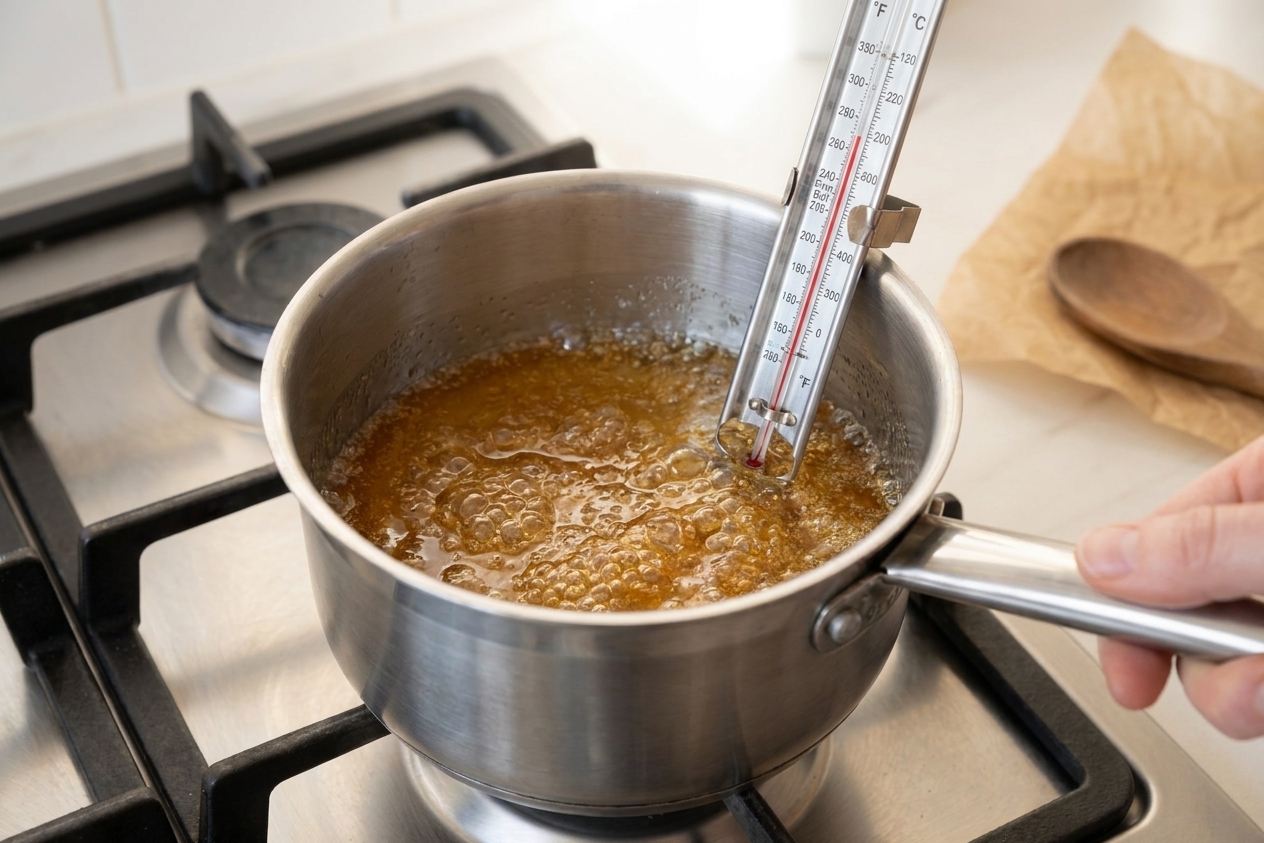
It helps a lot. You are aiming for about 245°F to 250°F (the firm ball stage). You can still do it without one using the cold water test, but a thermometer makes the first batch way less stressful.

What should sugar wax look like when it is done?

Think golden honey to light amber. Too pale usually means undercooked and runny. Too dark means it is overcooked and can turn hard and brittle.

Why did my sugar wax crystallize?

Crystals usually happen if sugar granules are clinging to the sides of the pot or if the mixture is stirred after it starts boiling. Brush down the sides with a wet pastry brush early on, then leave it alone while it boils.

Can I use bottled lemon juice?

Yes. Fresh lemon is great, but bottled works fine. The acid helps prevent crystallization and helps keep the texture smoother.

Is sugar waxing less painful?

It varies. Many people find it more tolerable because it is used warm, not screaming hot, and it rinses off easily. But hair removal is still hair removal. Hold skin taut, work in small sections, and do not go over the same spot repeatedly.

Can I use this on my face or bikini area?

You can, but be cautious. These areas are sensitive. Patch test, keep the wax warm not hot, and consider a professional if you are unsure. Avoid using on retinoids, after peels, sunburn, or irritated skin.

I love cooking because it teaches you patterns. Sugar is the best teacher. One minute it is a pile of crystals, the next it is bubbling like a tiny volcano, and if you walk away for the wrong two minutes it will punish you with a burned pot and regret.

The first time I made sugar wax, I treated it like caramel. Same vibes, different goal. I cooked it too far and ended up with something that could probably patch a driveway. Now I go by color, temperature, and that cold water test. When it hits that sweet spot, it feels like kitchen alchemy you can actually use.