Common Questions
Do I need pasteurized egg whites?
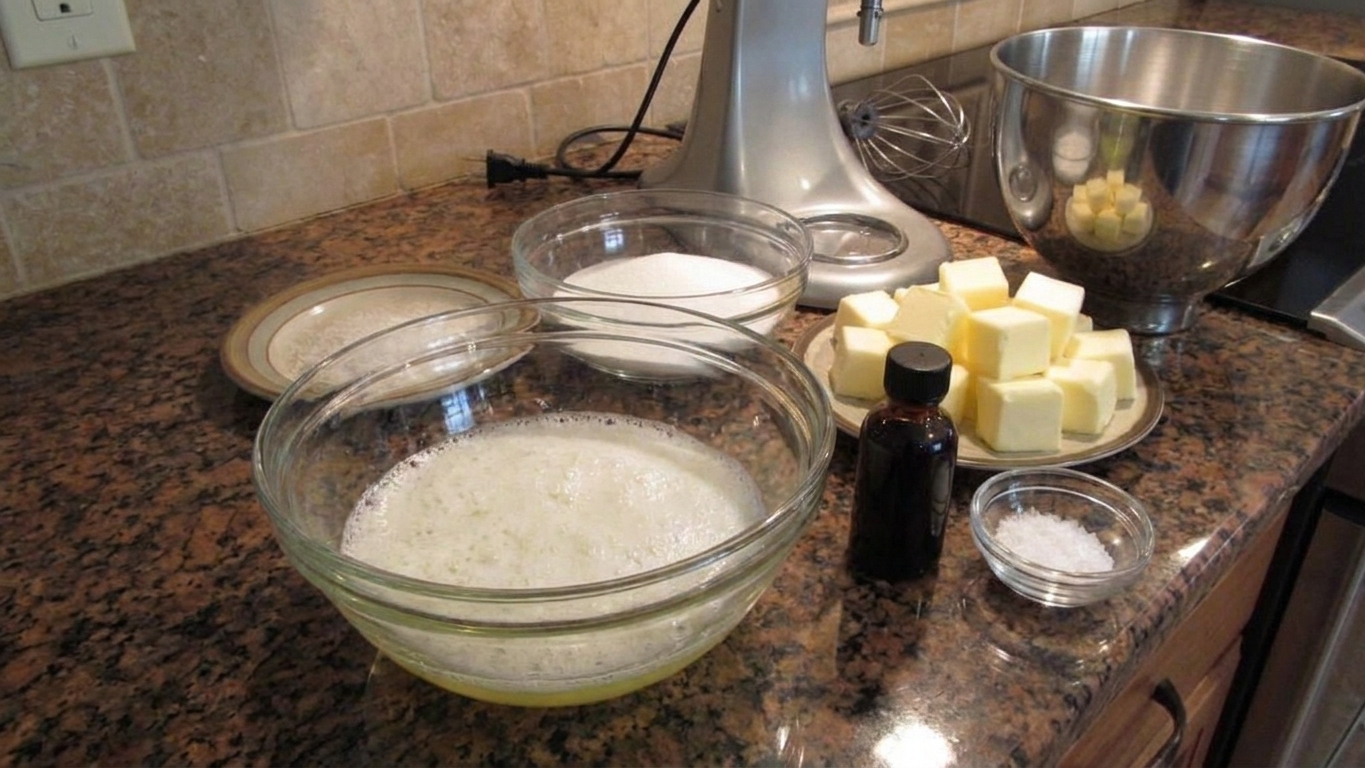
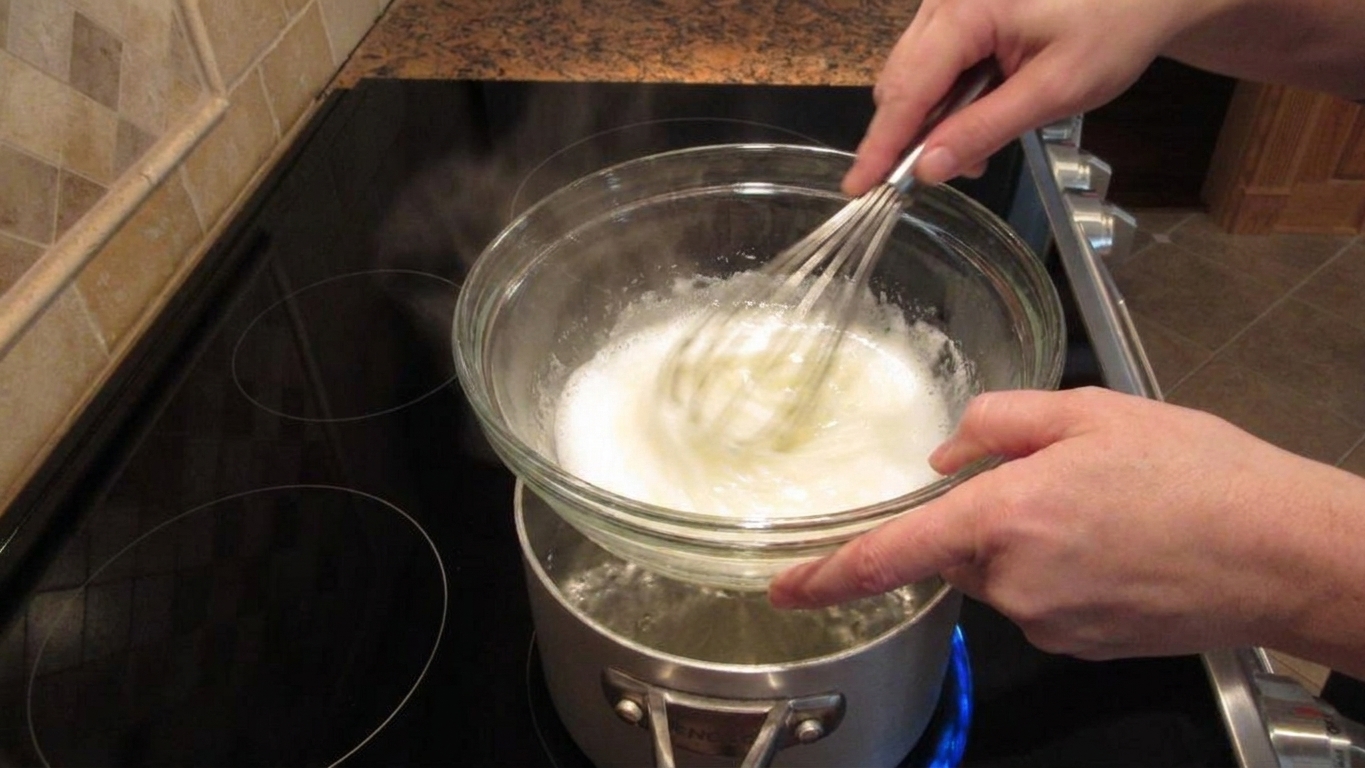
You can use fresh egg whites (traditional method) as long as you heat the whites and sugar properly over a double boiler until the mixture reaches 160°F. That temperature dissolves the sugar and, per common USDA-style guidance, helps make the mixture safer. Pasteurized carton whites can work, but they sometimes whip up less reliably. If you use them, choose a brand that specifically says “whips.”
Why is my buttercream curdled?
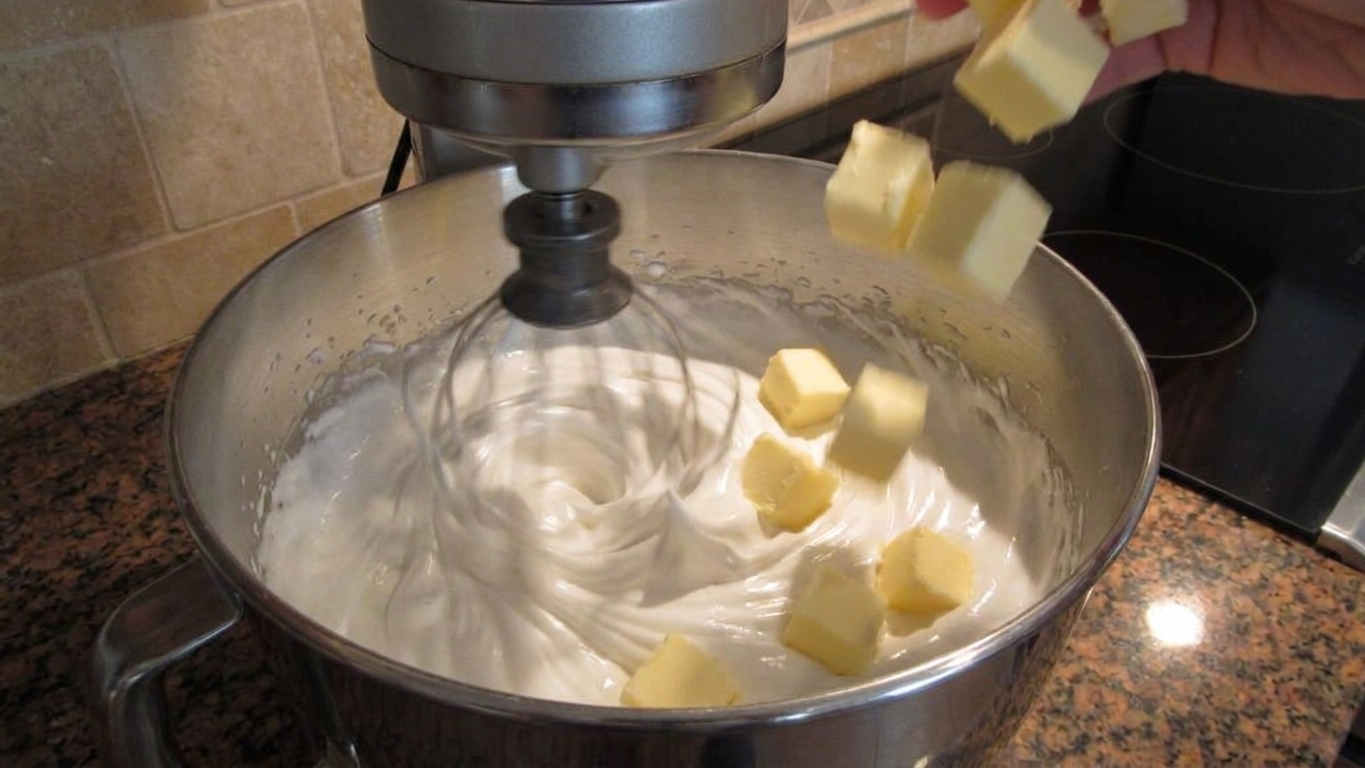
Curdled Swiss meringue buttercream usually means a temperature mismatch, most often that the mixture is too cool when the butter goes in or the butter is colder than the meringue. Keep whipping, and gently warm the bowl (hair dryer on the outside, or a few seconds over a warm water bath). It will often snap into a smooth, glossy frosting within a minute or two.
Why is my buttercream runny or soupy?
That means it is too warm. Pop the bowl in the fridge for 10 to 15 minutes, then whip again. Repeat once if needed. You are aiming for cool room temperature butter and a meringue that is fully cooled before adding butter.
My meringue feels grainy. What happened?
The sugar was not fully dissolved. Next time, keep whisking over the double boiler until it hits 160°F and feels smooth when you rub a tiny bit between your fingers (careful, it is warm). If you already have grainy buttercream, it is hard to fully fix, but you can sometimes soften the texture by warming and rewhipping.
Can I color Swiss meringue buttercream?
Yes. Gel food coloring works best. Add a little at a time at the end, and let it mix for a full minute. Color deepens as it sits.
How much does this recipe frost?
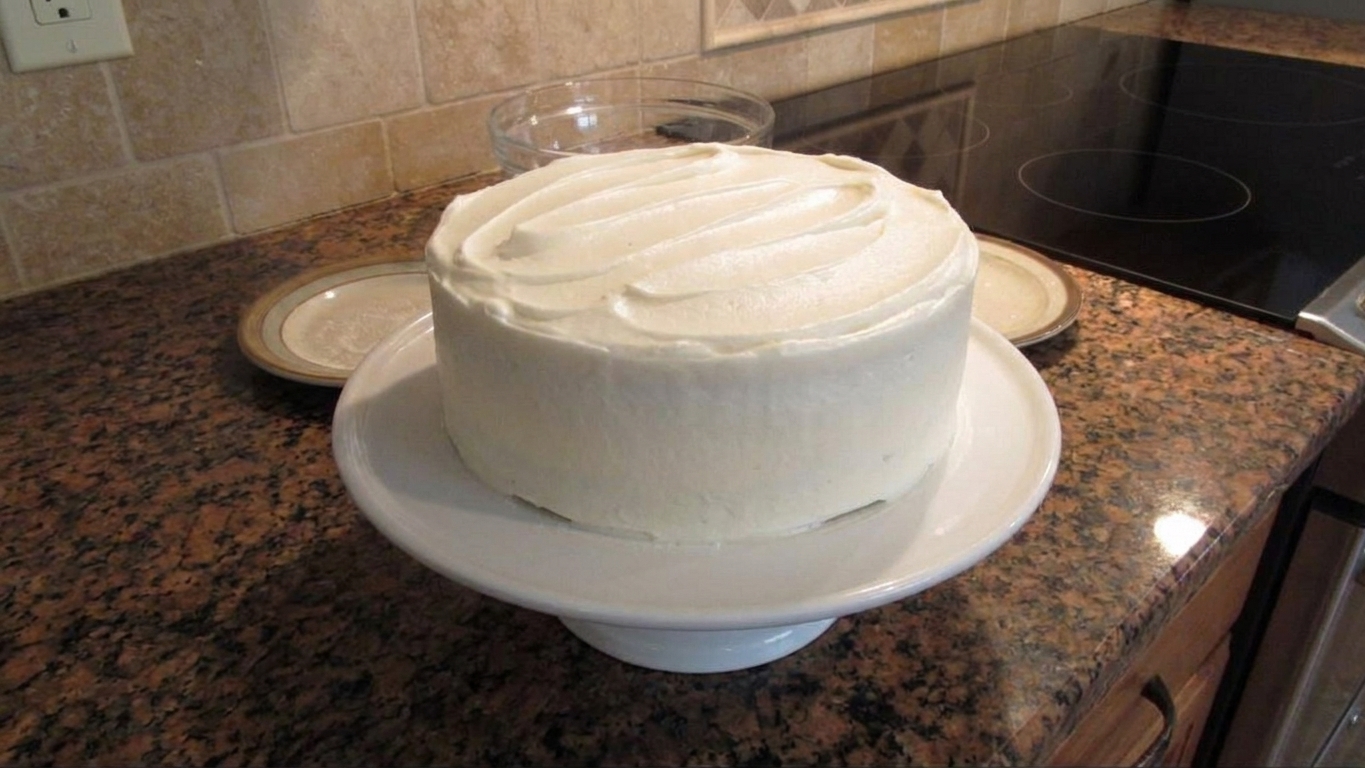
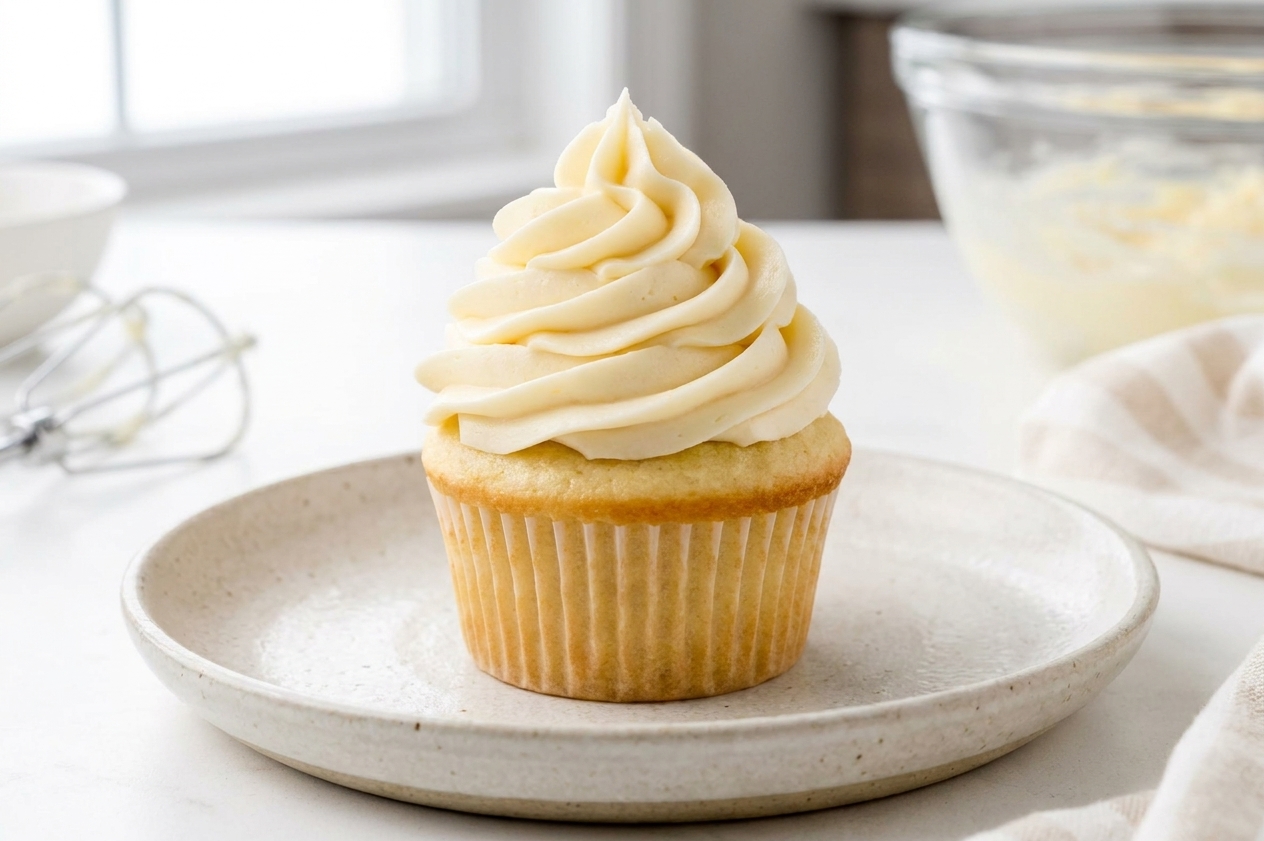
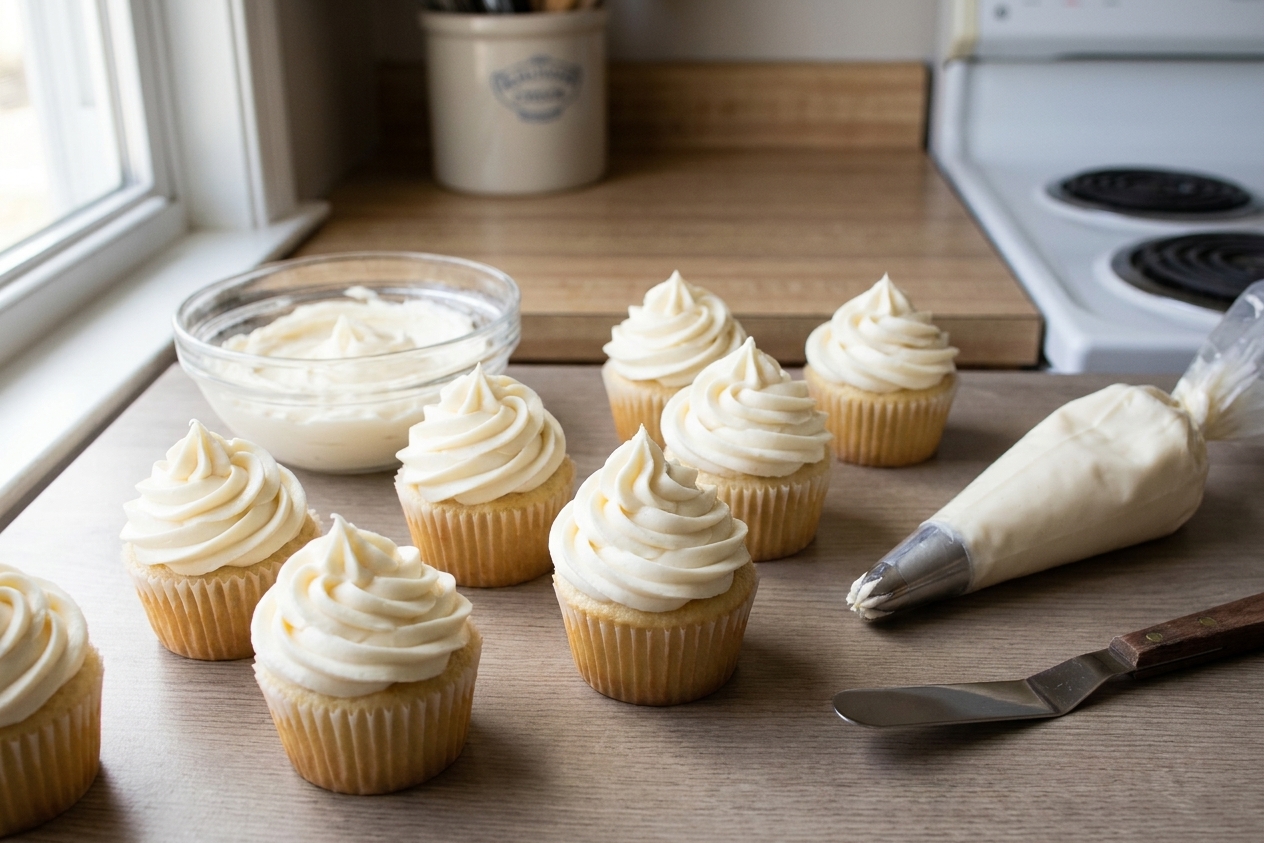
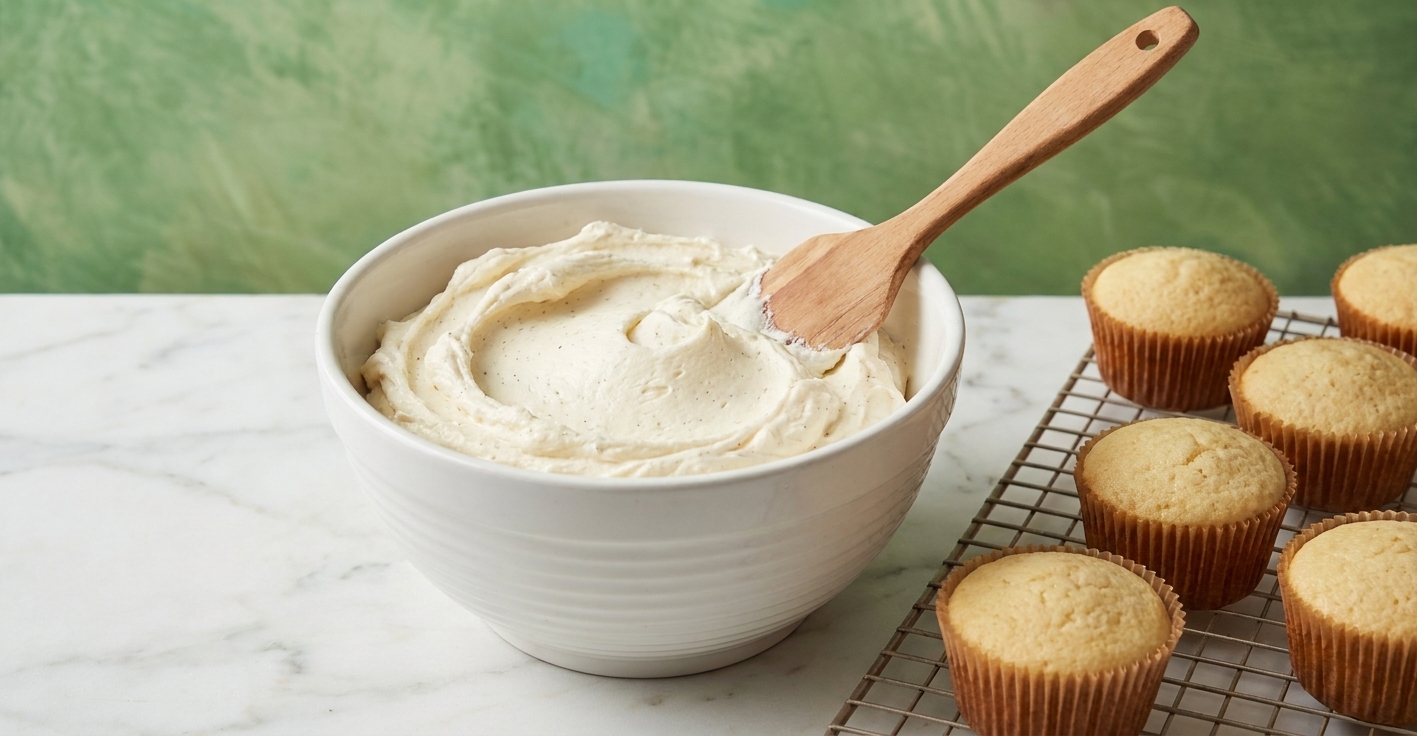
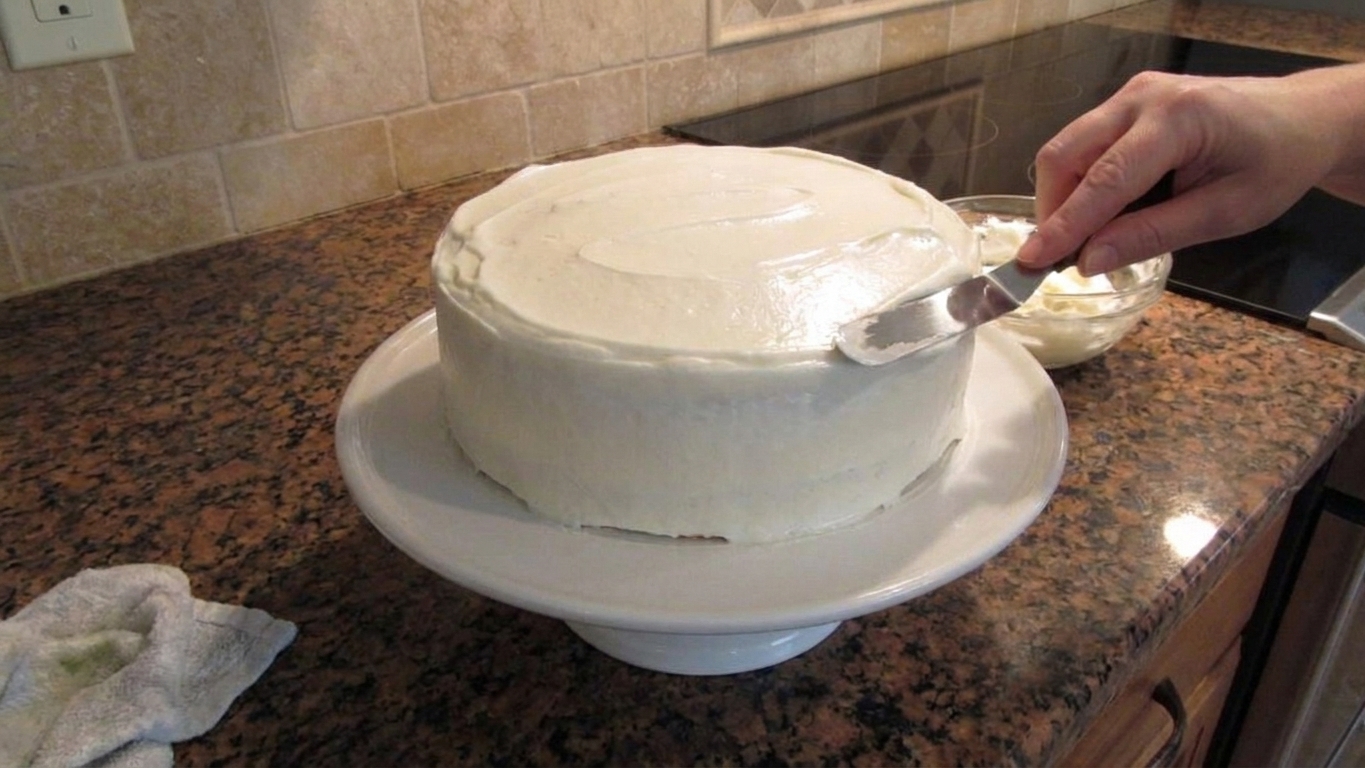
This makes about 5 cups of buttercream. Typically enough for a 2-layer 8-inch cake with a generous coat, a 9x13 sheet cake, or about 24 cupcakes with tall swirls (depending on how enthusiastic you are with the piping bag).