Mom's Best Recipes
Recipe

Taiyaki

Crispy-edged, fish-shaped Japanese cakes with a fluffy center and sweet filling, made at home with accessible ingredients and clear steps.

Author By Matt Campbell
4.8
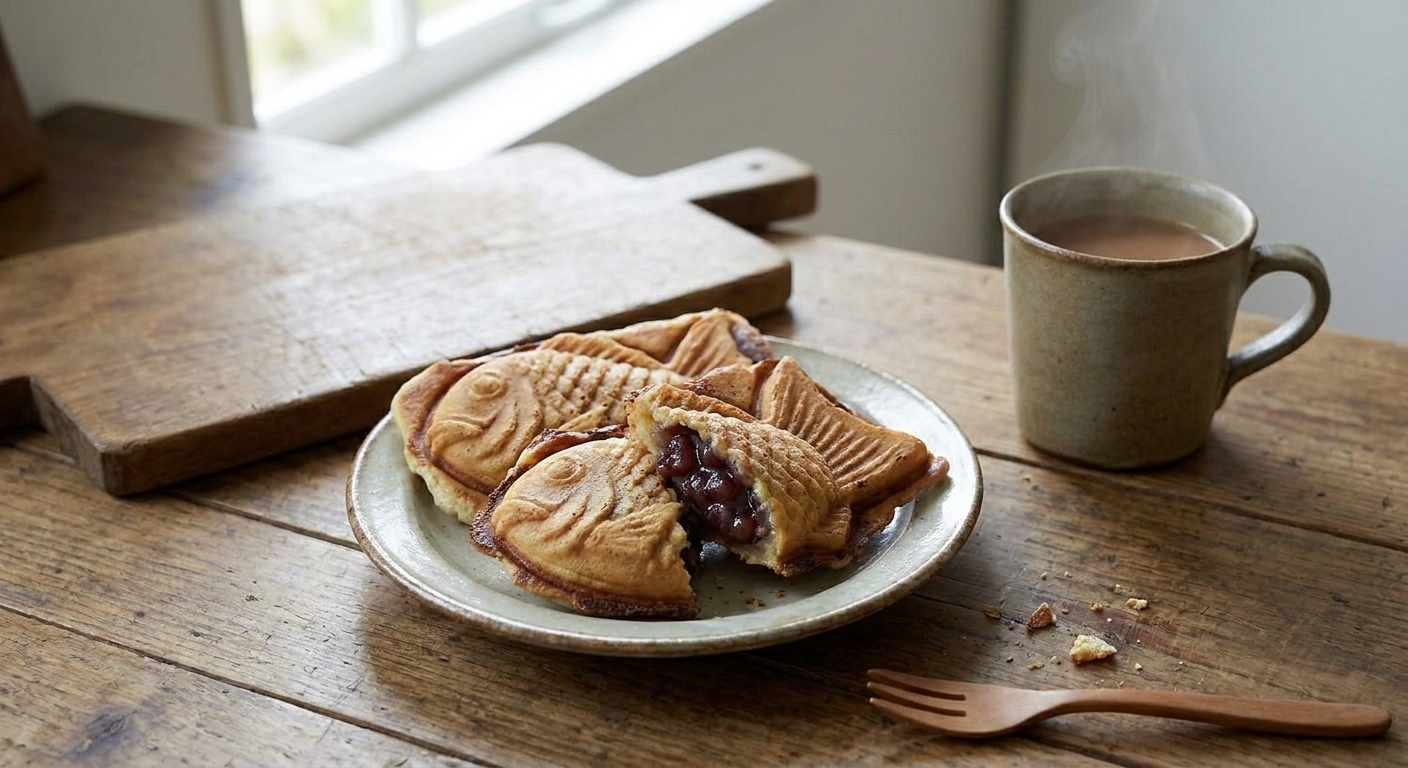
A plate of golden-brown taiyaki fish-shaped cakes with crisp edges, one broken open to show sweet red bean filling, on a warm-toned kitchen table with a simple mug nearby

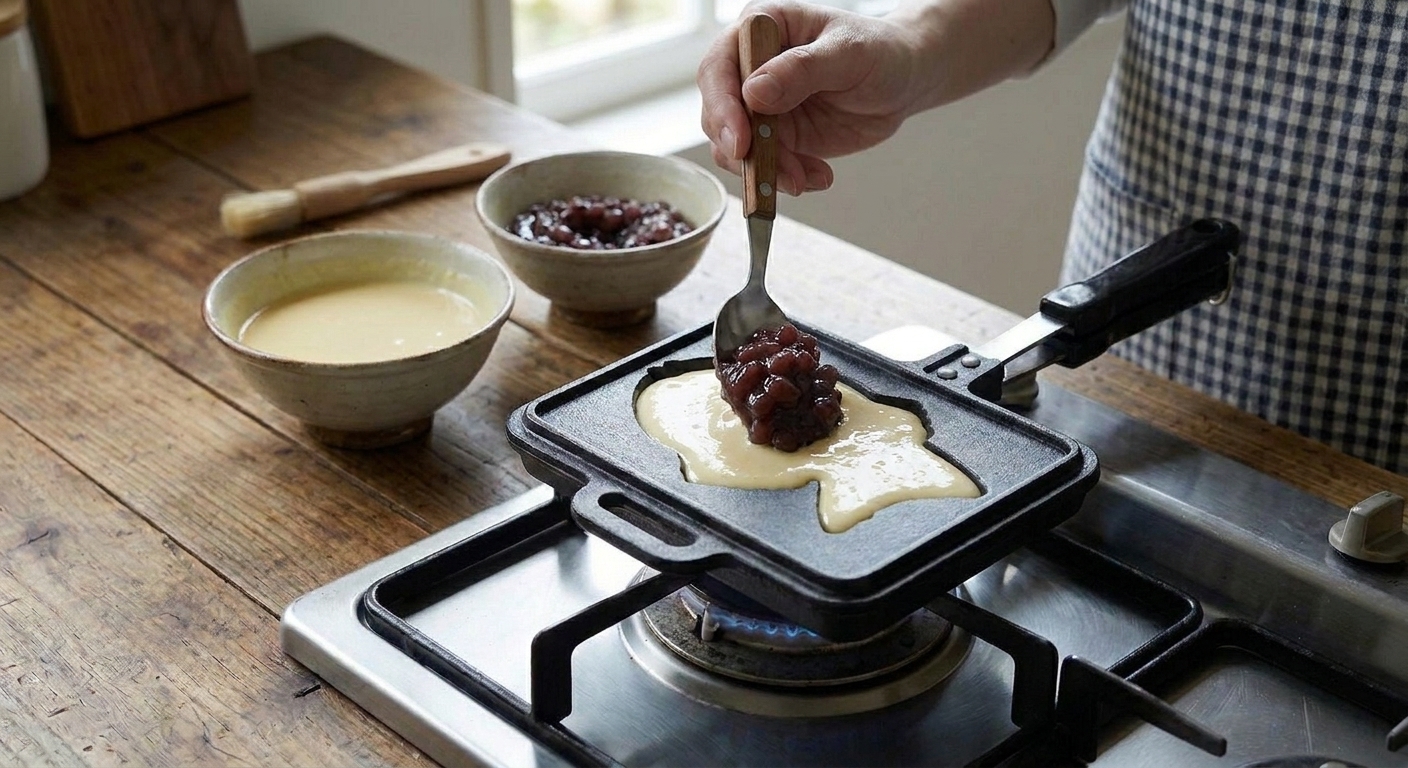
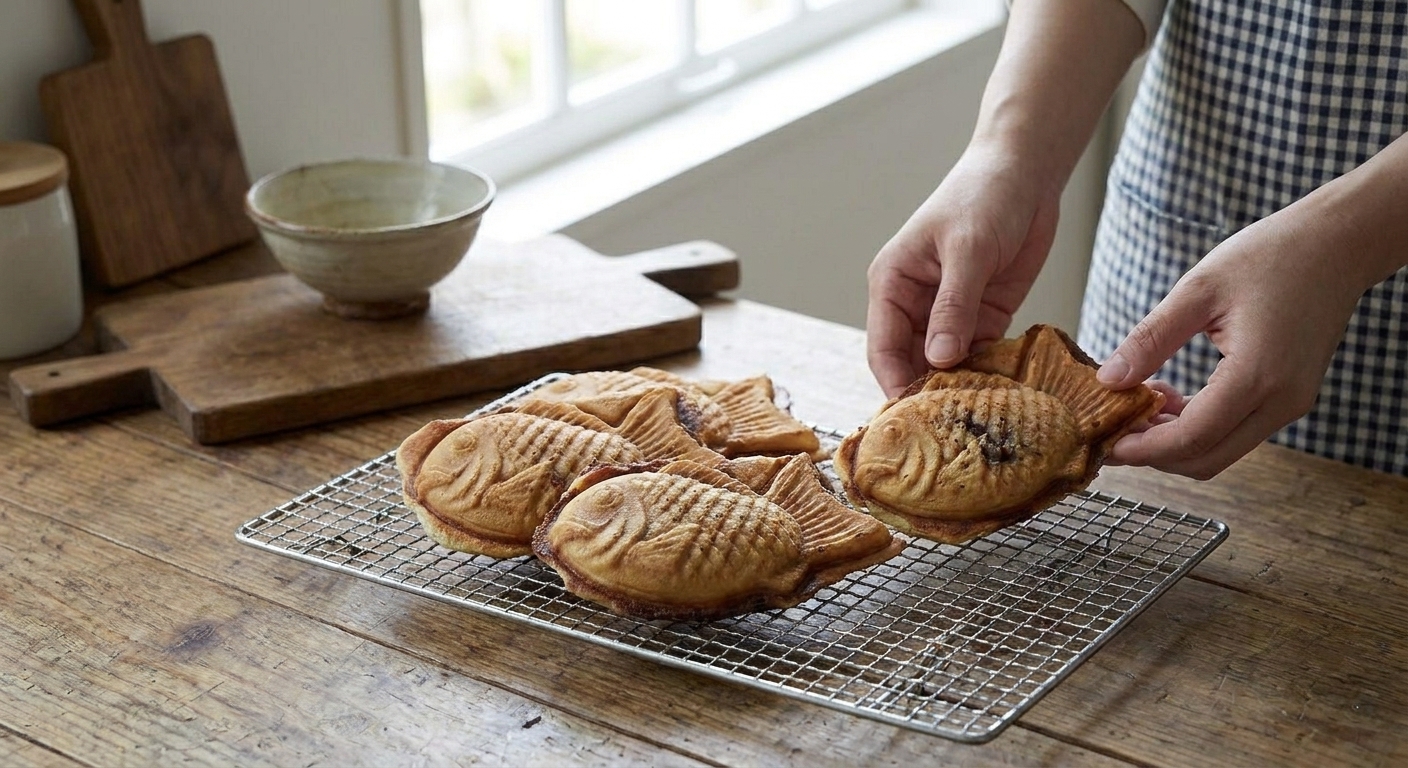
Taiyaki is one of those snacks that feels like a tiny magic trick. You pour batter, add a little treasure of filling, close the lid, flip it like you meant to do that, and somehow a golden fish appears with crisp edges and a steamy, fluffy middle.

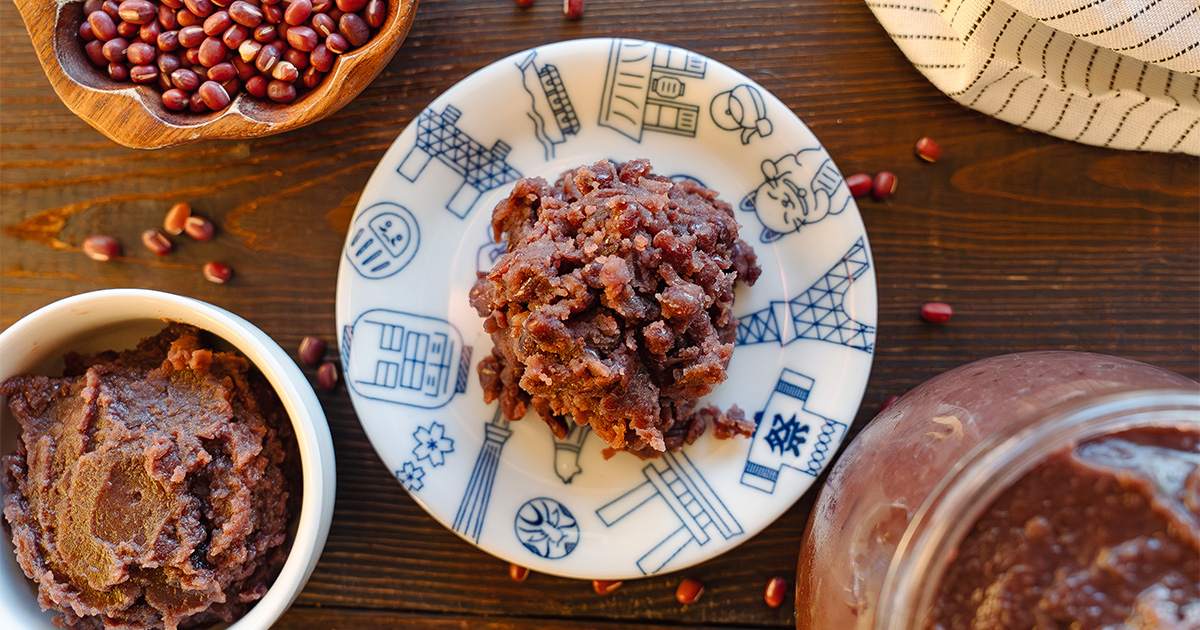
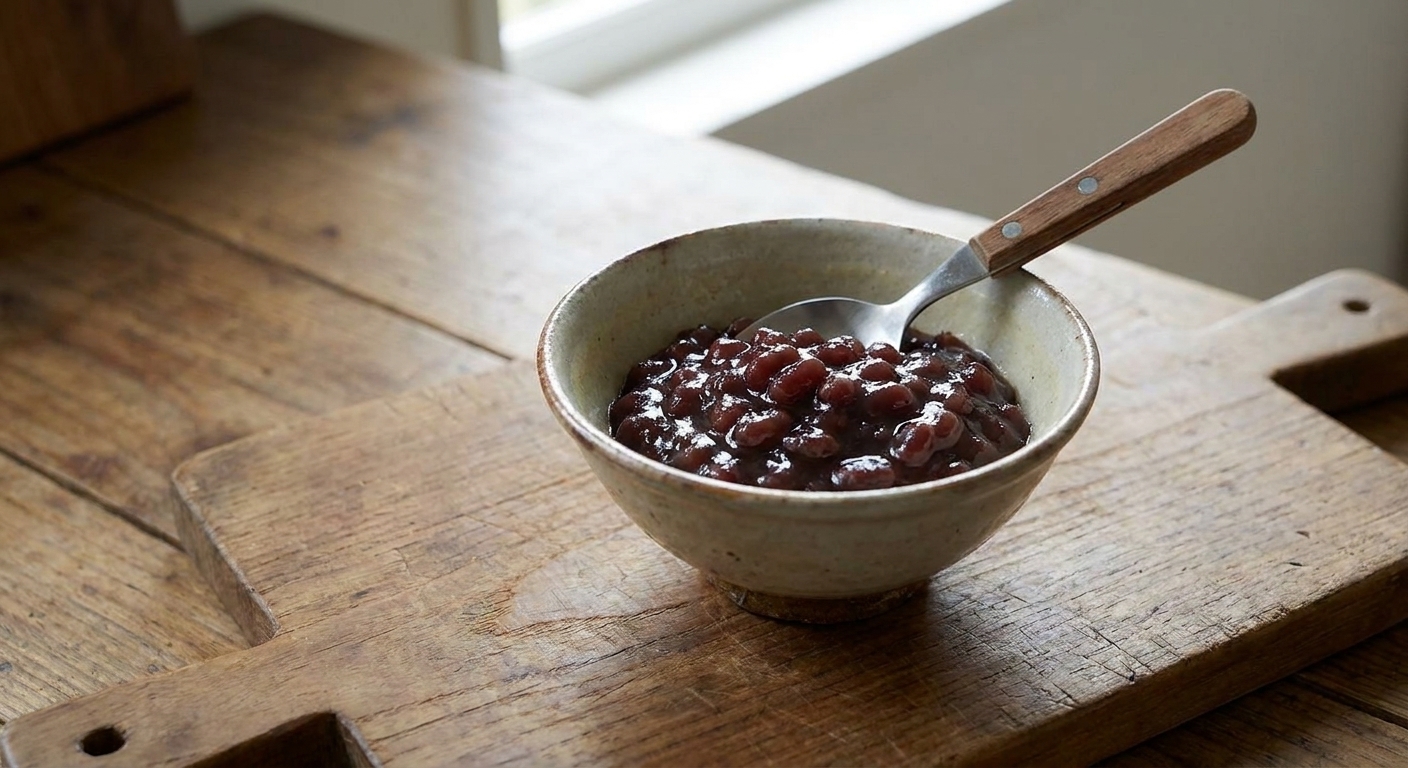
This version keeps things classic with anko (sweet red bean paste), plus a few optional swaps if your household is more team Nutella, custard, or chocolate chips. I am not here to gatekeep your fish-shaped joy.

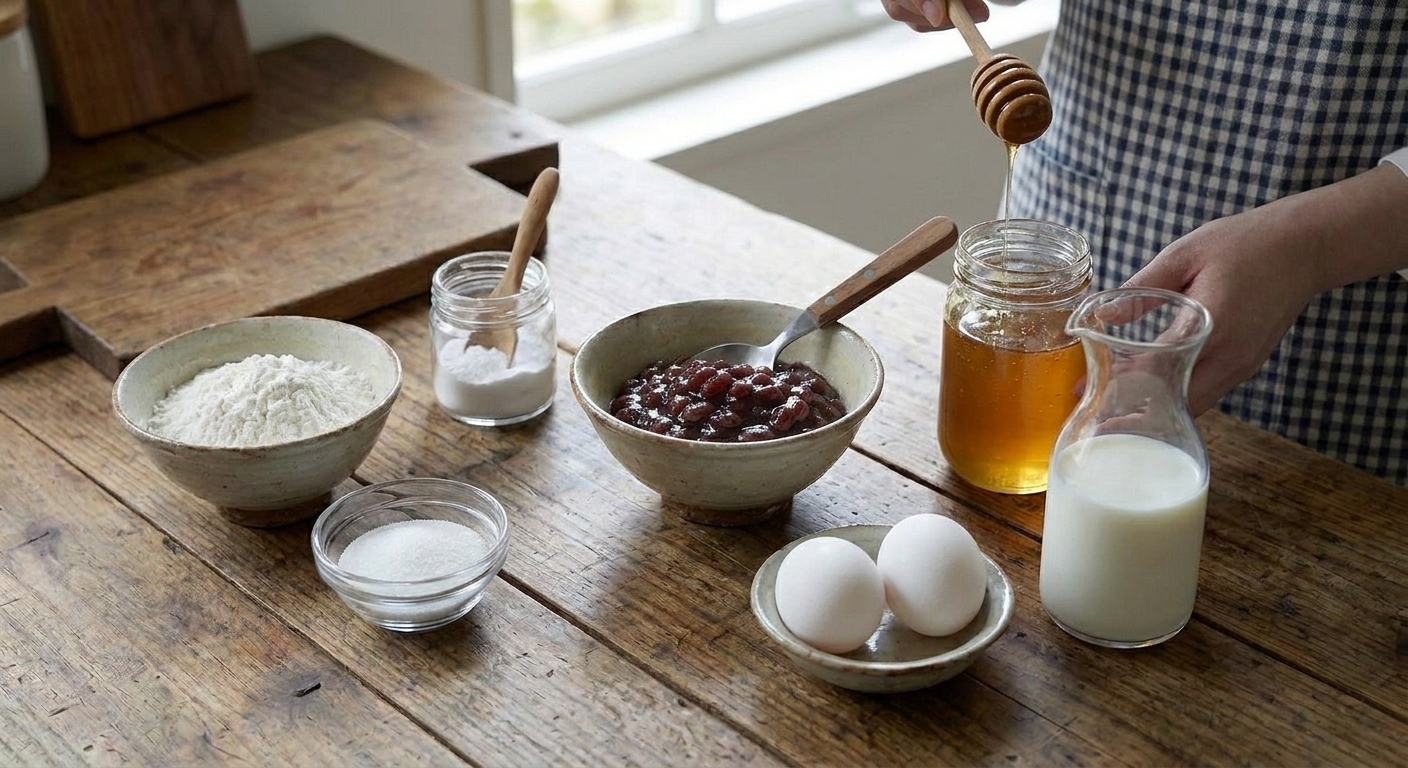
Measured taiyaki ingredients on a kitchen counter including flour, sugar, baking powder, eggs, milk, honey, and a bowl of sweet red bean paste

Why It Works

  • Crisp edges, tender center: A lightly sweet batter that browns well and stays fluffy.
  • Filling that stays put: The method seals batter on both sides so the anko does not leak out while cooking.
  • Fast, repeatable process: Once your pan is warm, each taiyaki cooks in just a few minutes.
  • Leftovers that re-crisp: These reheat shockingly well in a toaster oven or skillet.

Pairs Well With

Storage Tips

Cool completely before storing, or the crust will soften from steam.

Fridge (best for 1 to 2 days)

  • Store in an airtight container with a paper towel tucked inside to absorb moisture.
  • Reheat in a toaster oven at 350°F for 6 to 8 minutes, or until hot in the center and crisp on the outside.

Freezer (best for up to 2 months)

  • Freeze in a single layer on a sheet pan, then transfer to a freezer bag.
  • Reheat from frozen in a toaster oven at 350°F for 10 to 14 minutes, or until hot in the center and crisp on the outside.

How to bring back the crunch

  • Toaster oven: easiest and most even.
  • Skillet: medium-low heat, 2 to 3 minutes per side, no oil needed unless your pan is dry.
  • Microwave: only if you accept a softer crust. Do 15 to 20 seconds, then crisp in a dry skillet.

One more small tip: If your taiyaki are browning too quickly while reheating, lower the toaster oven temp a bit and give them an extra minute or two. Better crisp than charcoal fish.

Common Questions

What is taiyaki?

Taiyaki is a Japanese street snack: a fish-shaped cake cooked in a clamshell mold and usually filled with sweet red bean paste. It is traditionally made with a pancake-like batter, though some versions lean a little more crisp at the edges. Think cozy, warm, and just sweet enough.

Do I need a taiyaki pan?

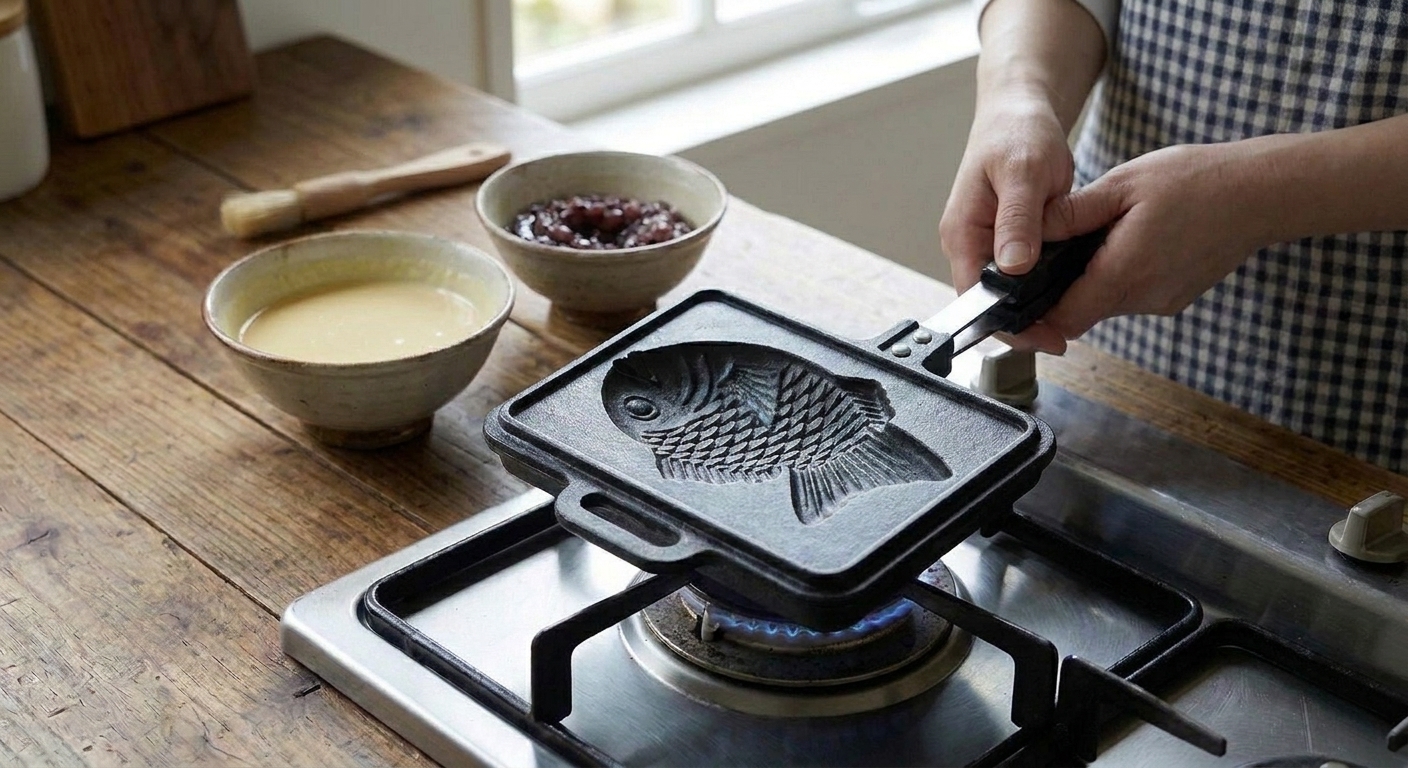
A taiyaki pan makes the classic shape and cooks the batter evenly on both sides. If you do not have one, you can use an aebleskiver pan (round, stuffed cakes) or a waffle iron (different look, same spirit). You will just adjust cook time and filling amount.

What fillings work besides red bean?

Custard, Nutella, sweetened cream cheese, chocolate, jam, or even a small square of dark chocolate. Keep fillings thick so they do not run and leak.

Why is my taiyaki leaking?

Usually one of three things: too much filling, batter not reaching the edges (so it cannot seal), or flipping too soon. Use a smaller scoop of filling, make sure batter touches the rim all around, and wait until the first side sets before flipping.

Why is it pale instead of golden?

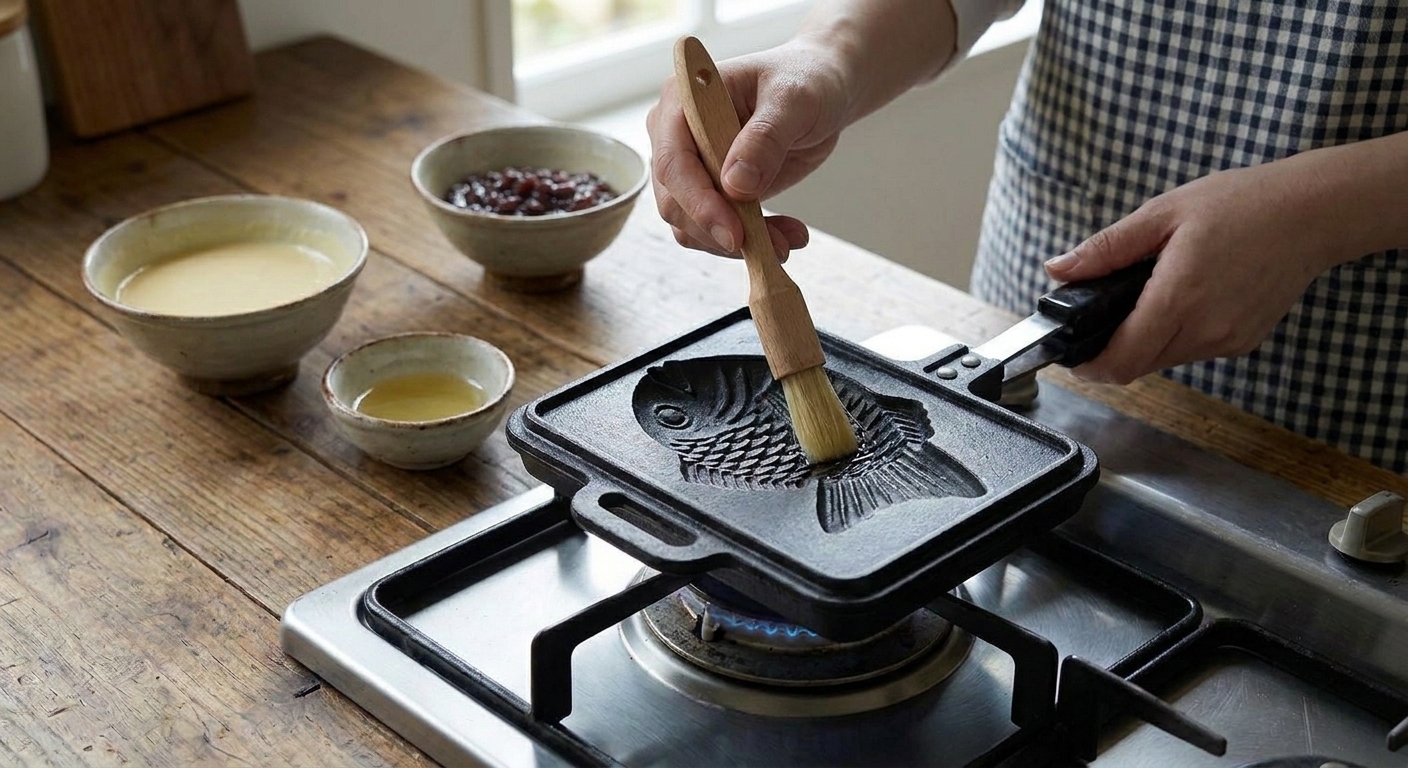
The pan is not hot enough, or it needs a touch more oil. Preheat longer and lightly brush the mold with neutral oil each batch. Also, a bit of honey in the batter can help browning.

Can I make the batter ahead?

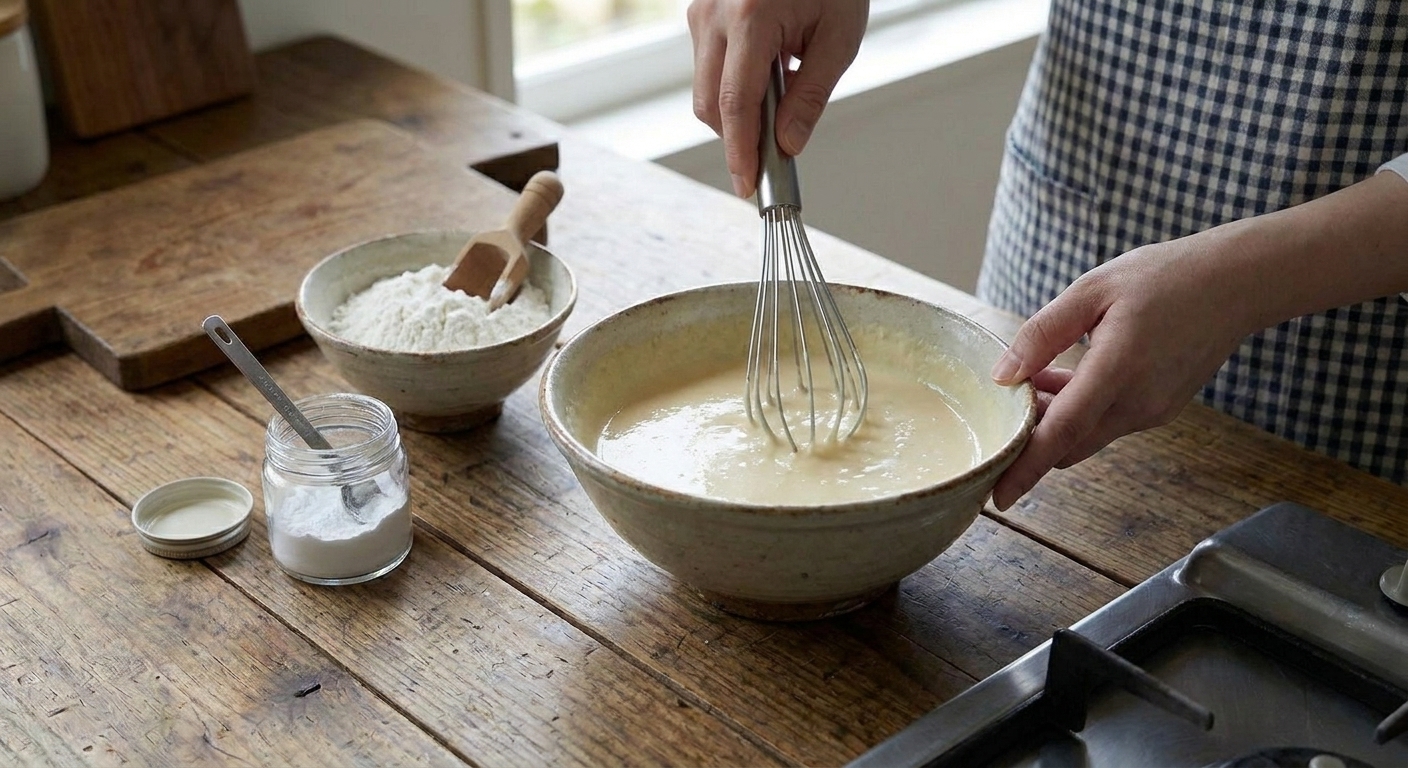
Yes, with a small heads up. You can mix and refrigerate the batter overnight (best within 8 to 12 hours). After a longer chill, it may be slightly less fluffy. Stir before using. If it thickens a lot, add 1 to 2 tablespoons milk to loosen it.

The first time I made taiyaki at home, I was convinced it would be a whole thing. You know, the kind of project where you end up eating your feelings over a bowl of batter while Googling what went wrong. But it is actually very forgiving once you get the rhythm: oil, batter, filling, top batter, close, flip, wait, repeat. Also, there is something deeply satisfying about pulling a perfectly browned little fish off the pan and realizing you just made a street snack in your own kitchen like it was a normal Tuesday.