Mom's Best Recipes
Recipe

Tangy Mop Sauce

A bright, buttery vinegar mop sauce with a little smoke and heat that helps keep barbecue juicy and builds a glossy, craveable bark.

Author By Matt Campbell
4.8
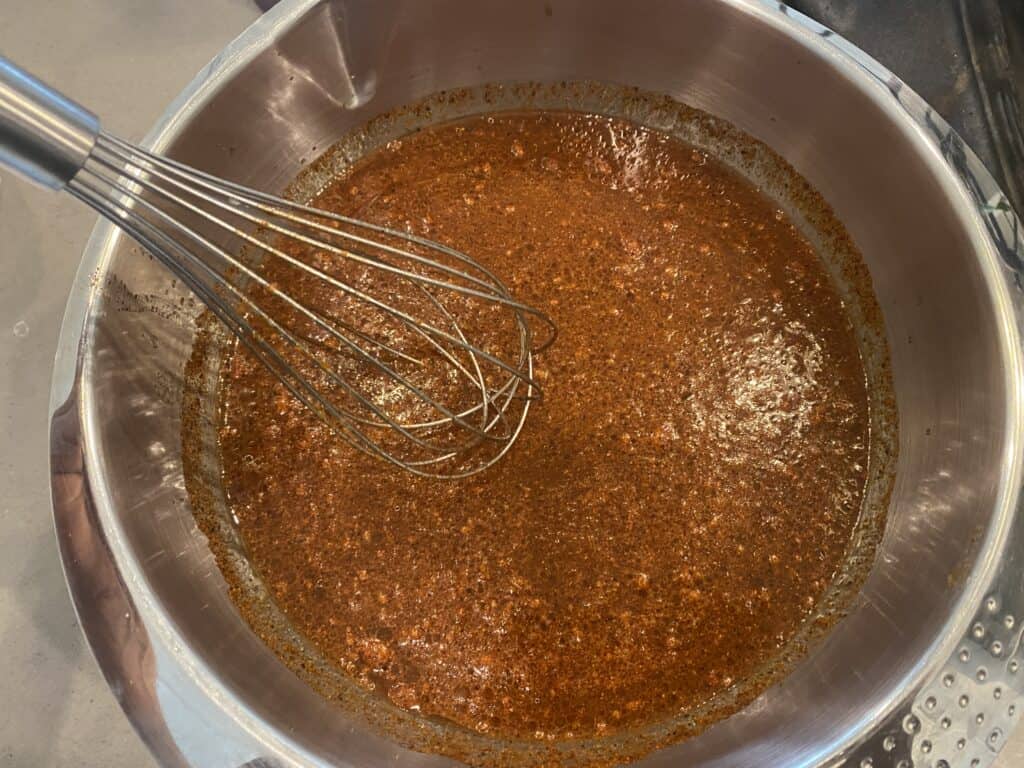
A small saucepan of reddish-brown vinegar mop sauce gently steaming on a stovetop, with a basting brush resting beside it on a light kitchen counter

Mop sauce is one of those pitmaster tricks that feels almost too simple to matter, until you taste the difference. It is a thin, punchy sauce you brush or mop onto meat while it cooks, especially during smoking. The goal is not to drown your ribs. It is to layer flavor, help the surface stay hydrated, and encourage a sticky, seasoned exterior we all fight over.

This is my go-to: vinegar-forward (so it cuts through rich pork), rounded out with butter (hello, shine), a little sweetness (not candy), and enough spice to make you pause mid-bite and do the respectful nod.

Yield note: This makes about 2 1/2 cups, which is usually plenty for 1 pork shoulder or a couple racks of ribs with some left for a finishing splash.

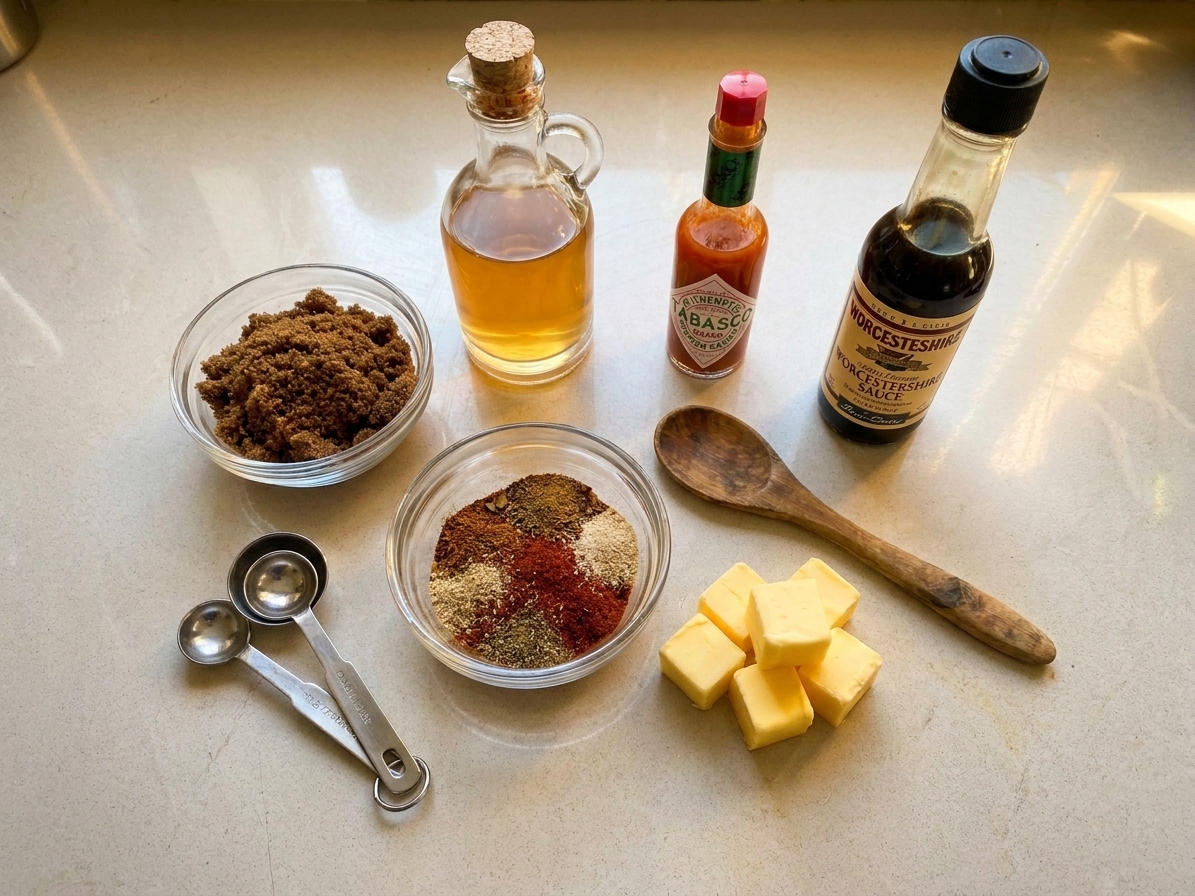
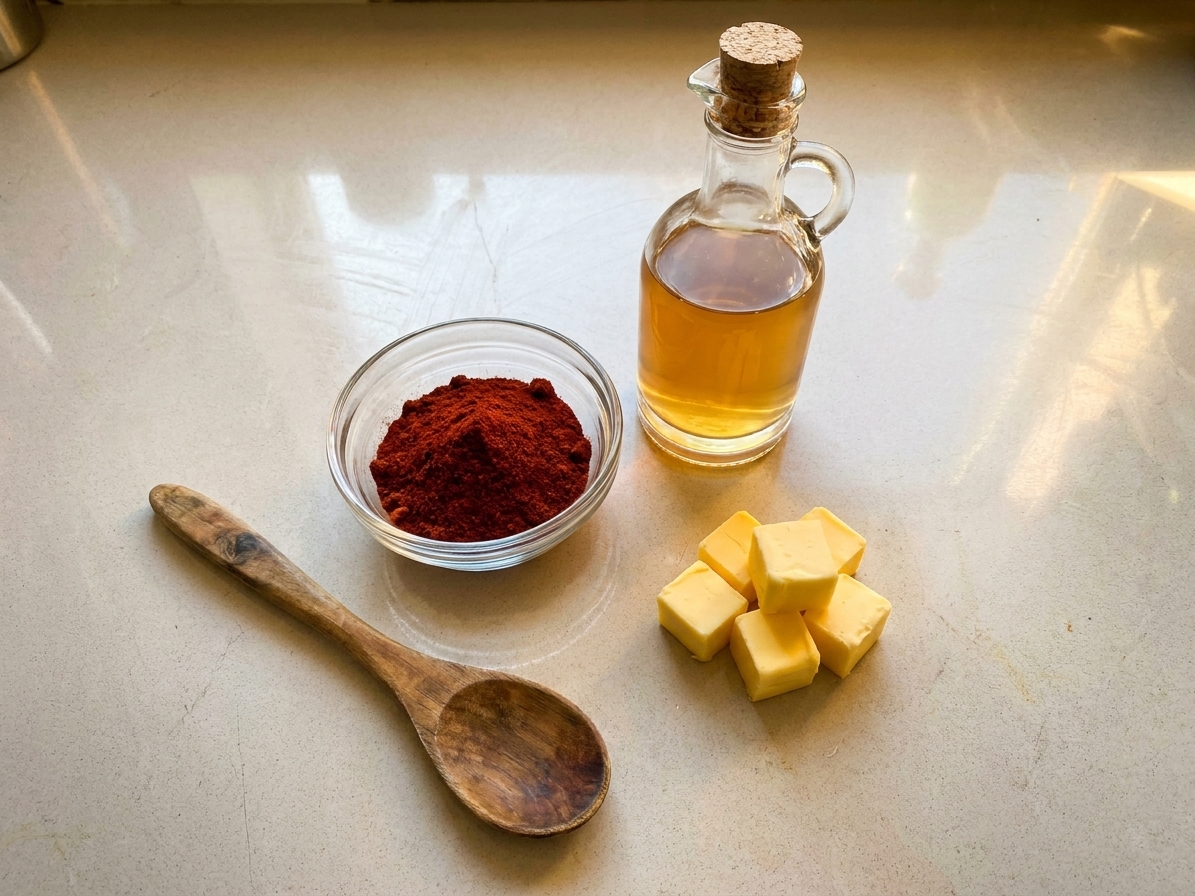
Apple cider vinegar, brown sugar, hot sauce, Worcestershire sauce, spices, and butter arranged on a bright kitchen counter with measuring spoons

Why It Works

  • Moisture insurance: A thin mop sauce can add surface moisture during the cook, which can help smoke compounds cling and keep edges from going dusty-dry.
  • Balanced flavor: Vinegar brings brightness, butter smooths it out, and the spices fill in the savory gaps.
  • Better bark (when used right): Brushed on in light coats, it seasons the exterior without washing everything off. Heavy coats or over-mopping can soften bark, so keep it gentle.
  • Flexible: Great on pork shoulder, ribs, chicken, and even grilled veggies when you want tangy heat.

Pairs Well With

Storage Tips

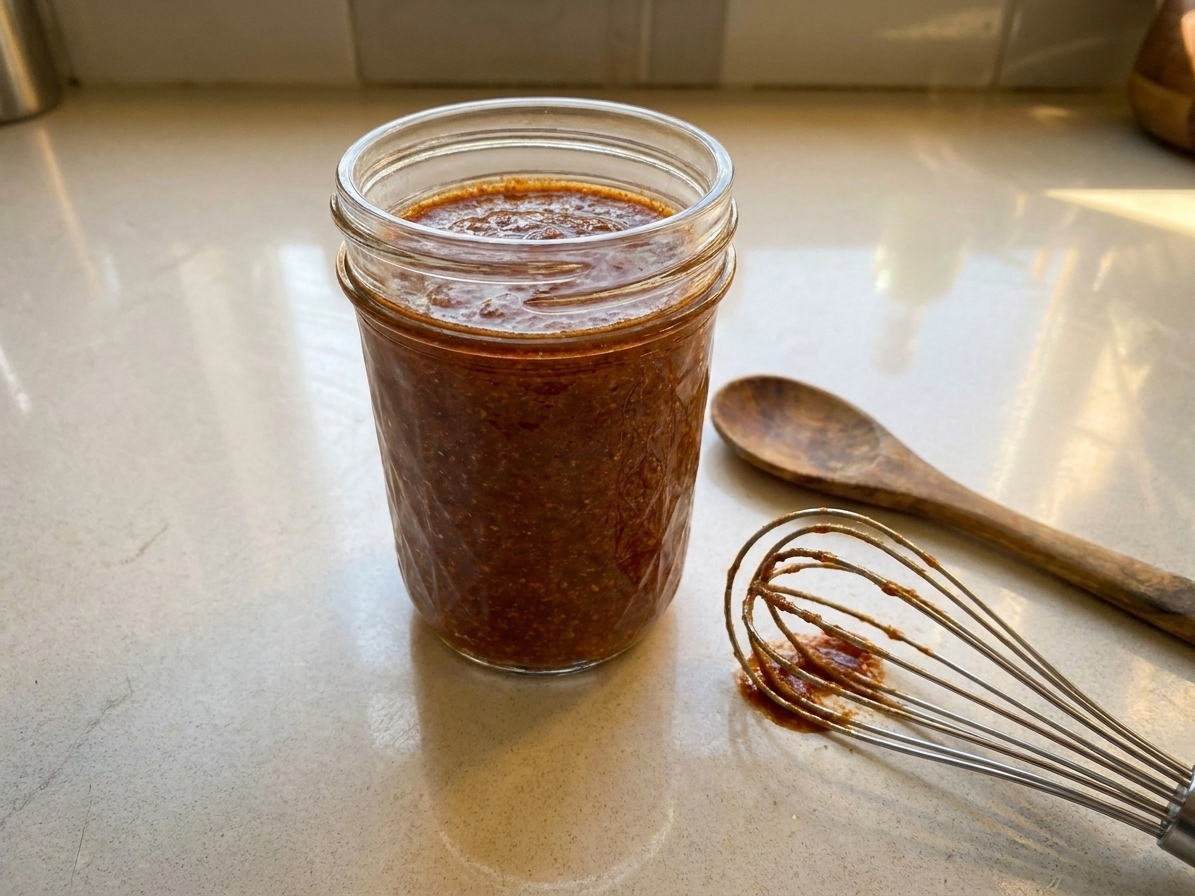
Refrigerate: Cool the mop sauce, then store promptly in a sealed jar or container for up to 5 to 7 days. The butter may firm up. That is normal.

Reheat: Warm gently in a small saucepan over low heat, stirring until smooth. Or microwave in 15 to 20 second bursts, stirring between rounds.

Freeze: You can freeze it, but because of the butter it may separate slightly when thawed. It still works. Thaw overnight in the fridge and whisk while reheating to bring it back together.

Bonus use: Leftover mop sauce is excellent brushed on grilled chicken near the end (low heat, thin coats), or stirred into pulled pork as a tangy finishing splash.

Common Questions

What is a mop sauce, exactly?

A mop sauce is a thin barbecue basting sauce used during cooking, usually low and slow. It is brushed or mopped onto meat to add flavor and help keep the surface from drying out so it can take on smoke and build bark.

Is mop sauce the same as barbecue sauce?

Not quite. Barbecue sauce is usually thicker and meant for serving or glazing. Mop sauce is thinner, more vinegar-forward, and designed for repeated basting without burning as easily.

When should I start mopping?

Wait until the meat has had time to set its surface, typically after the first 60 to 90 minutes of smoking. If you mop too early, you can rub off your seasoning.

How often do I mop?

Every 30 to 45 minutes is a good rhythm. Keep it light. Think: paint job, not bath. Too much, too often can soften bark.

Will mopping slow down cooking?

It can a bit, because opening the smoker drops heat. If you are mopping frequently, work fast and keep the lid open as little as possible.

Can I use this on the grill, not a smoker?

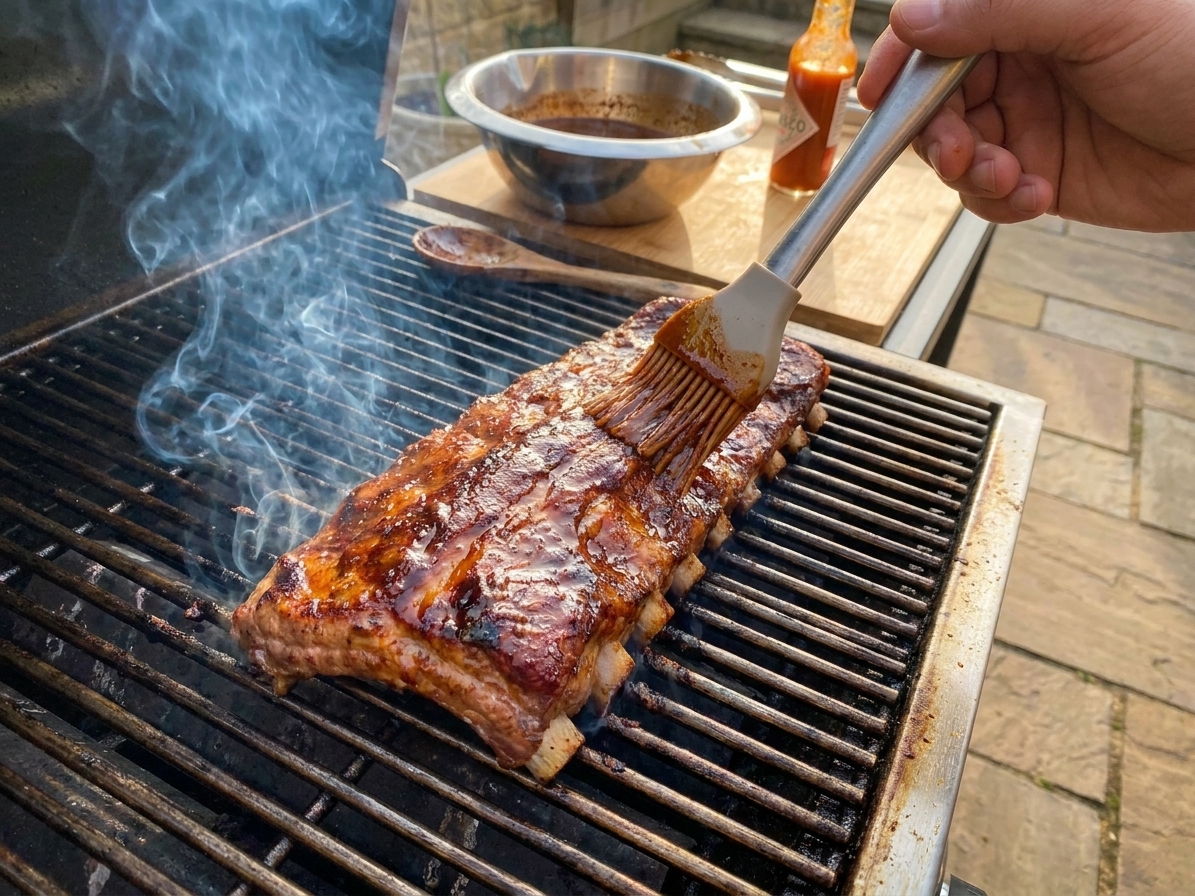
Yes, with a little caution. This mop has sugar and butter, so it can scorch over direct high heat. Use thin coats and brush it on over lower heat or indirect heat, especially in the last 10 to 15 minutes. Watch closely and move the meat if flare-ups happen.

How do I make it less spicy for kids?

Reduce or skip the hot sauce and cayenne, and add an extra teaspoon of brown sugar. You still get tang and flavor without the lingering heat.

Do I need a real mop?

Nope. A silicone basting brush works great. If you want to feel dramatic in the best way, a small cotton mop brush is fun for big cuts like pork shoulder or lots of ribs.

Any food safety tips for mopping?

Yes, and it matters. If your brush or mop touches raw meat, do not dip it back into the main pot. Pour some mop sauce into a separate bowl for basting, and refill as needed. Discard any sauce that has been in contact with raw meat. If you keep a pot going, keep it hot (steaming) and use a clean brush for the pot.

I used to think mopping was just barbecue theater, like something you do so people know you are busy. Then I cooked a pork shoulder that looked great on the outside but tasted a little flat and dry around the edges. The next time, I kept a little pot of this tangy mop sauce warm and brushed on thin coats every so often. The difference was immediate: brighter pork, better bark, and that juicy pull that makes you want to “taste test” a suspicious number of bites before dinner.