Mom's Best Recipes
Recipe

Tender Bottom Round Roast

A cozy, sliceable bottom round roast with garlic, onions, and a rich gravy that tastes like you tried harder than you did.

Author By Matt Campbell
4.8
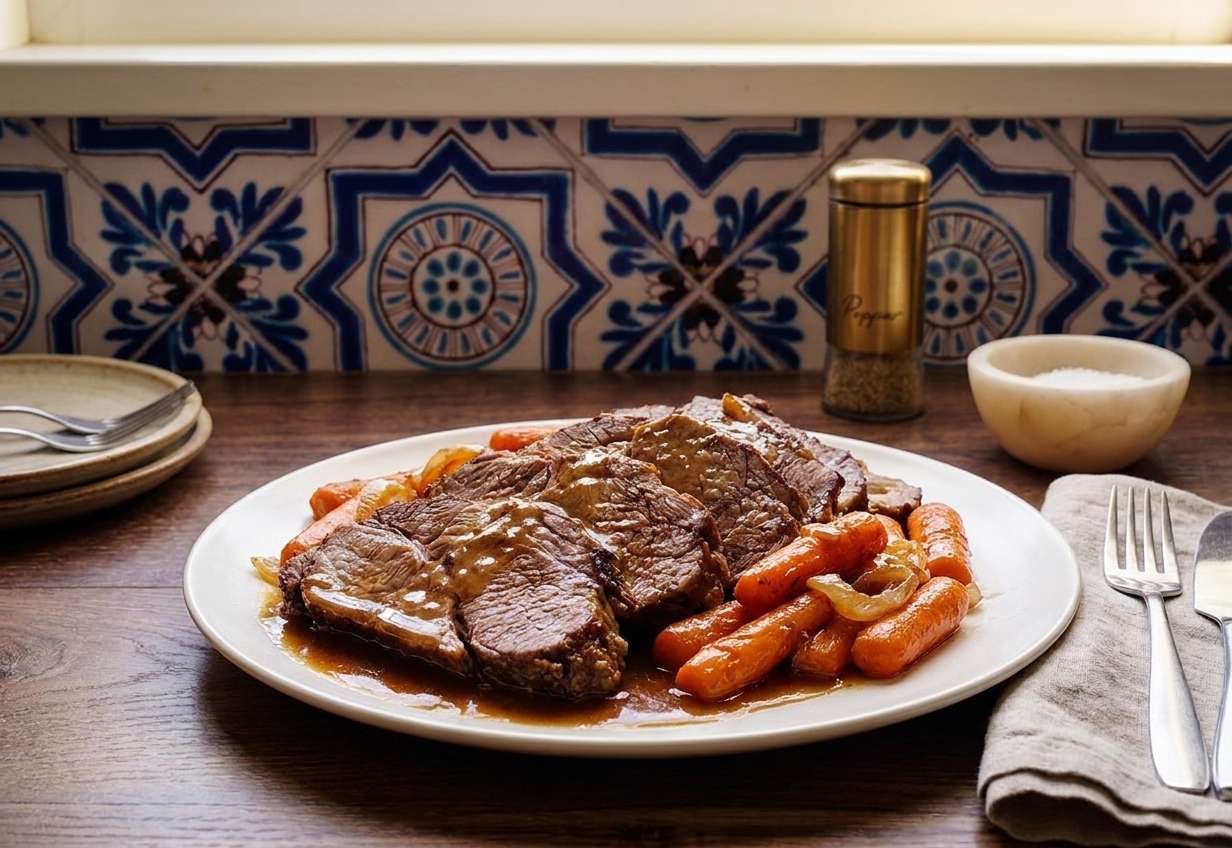
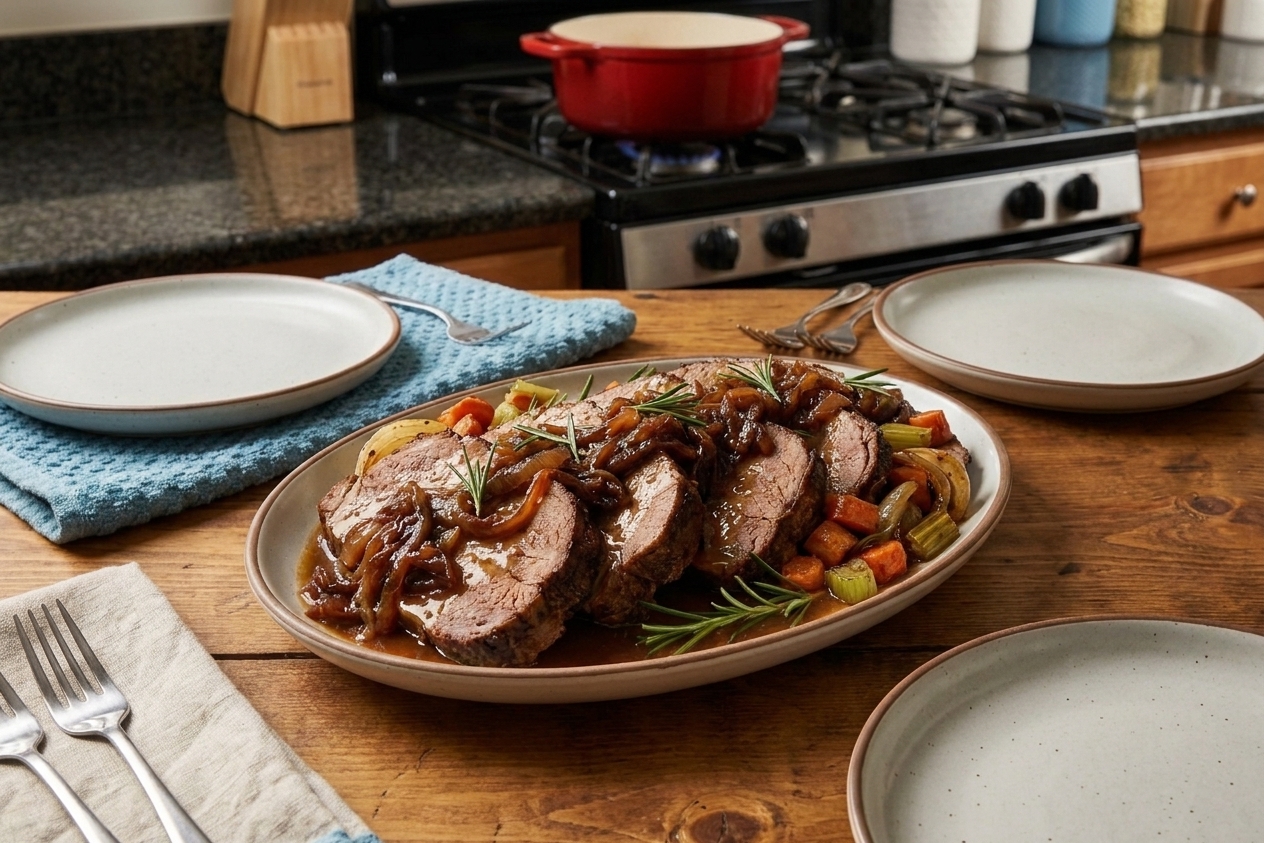
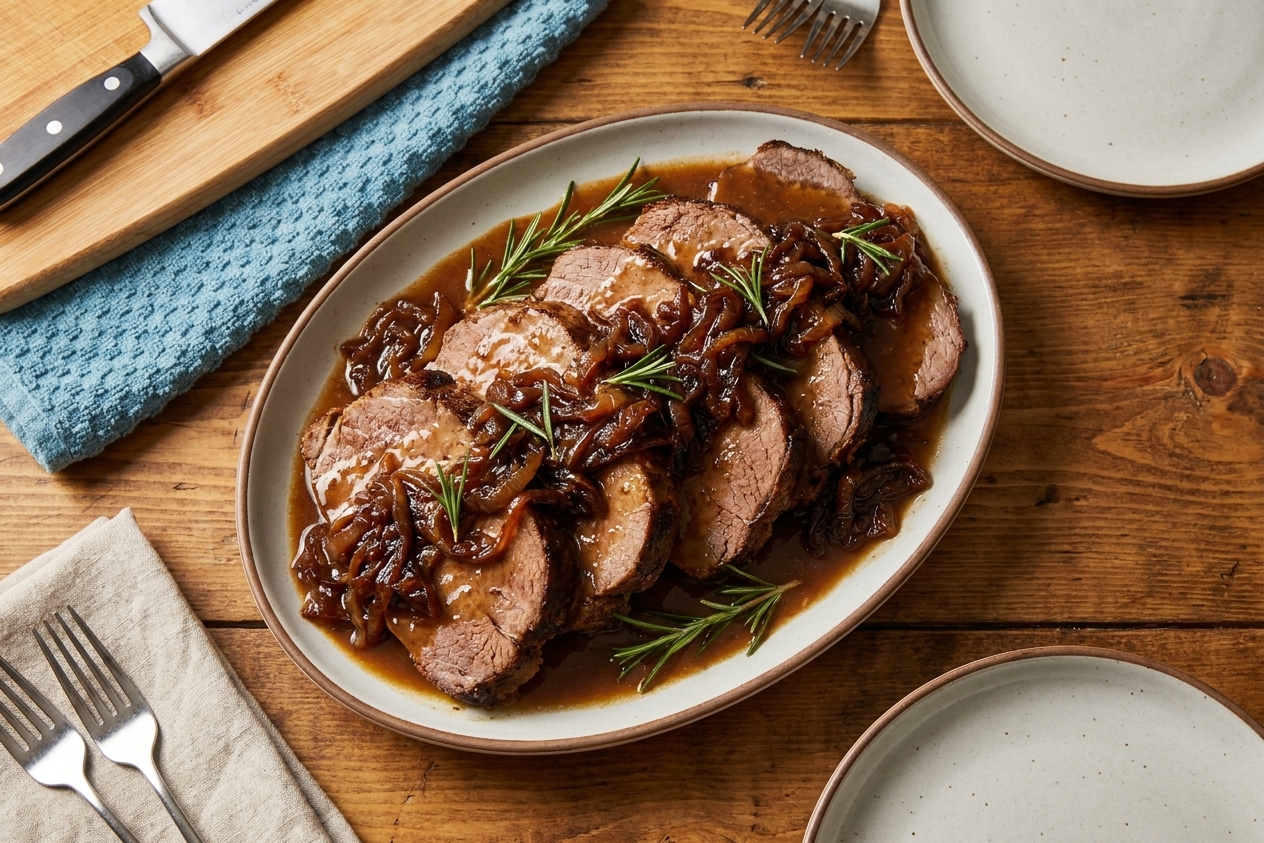
A sliced bottom round roast arranged on a platter with caramelized onions and glossy brown gravy, with rosemary scattered on top on a warm wood table setting

Bottom round roast is one of those cuts that loves to humble us. It is lean, hardworking, and not naturally interested in being tender. But give it the right plan and it turns into the kind of dinner that makes the whole house smell like you have your life together.

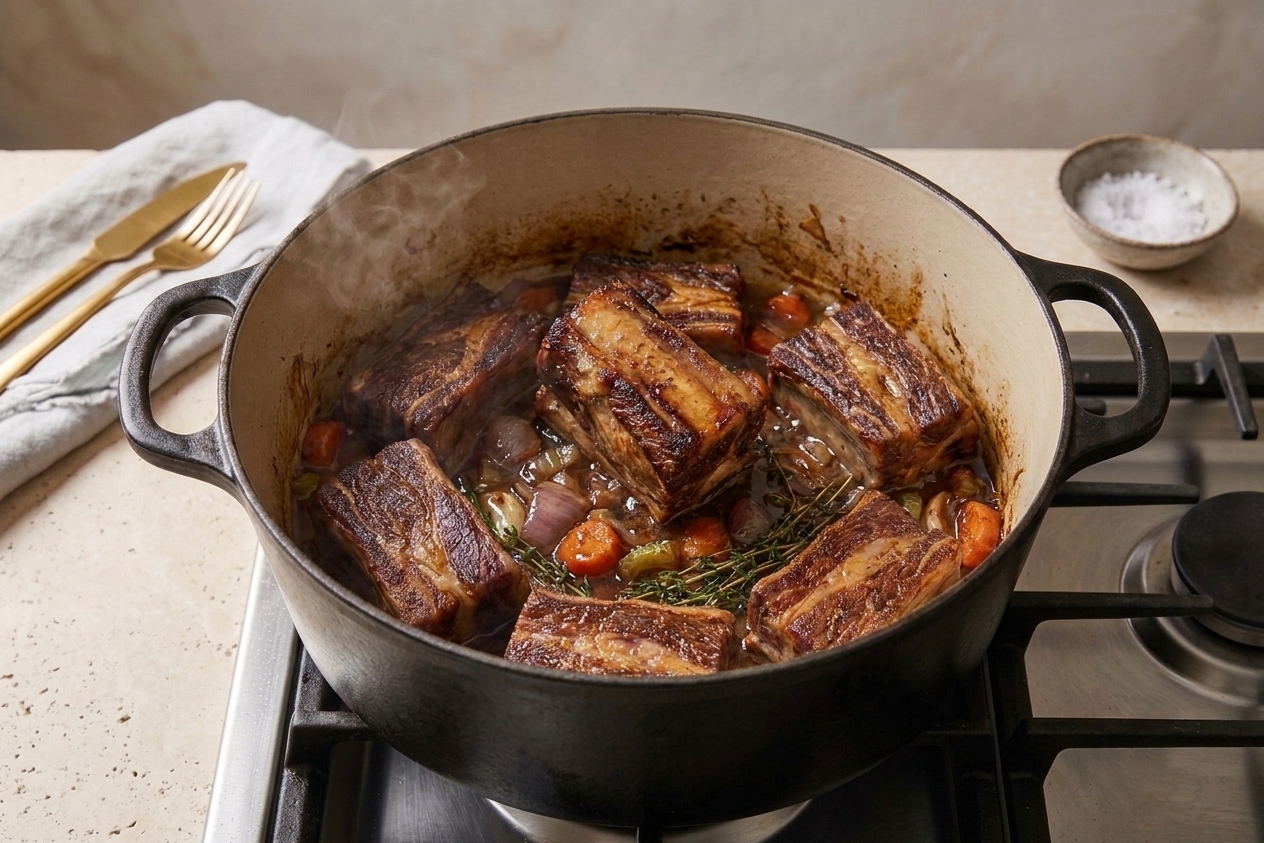
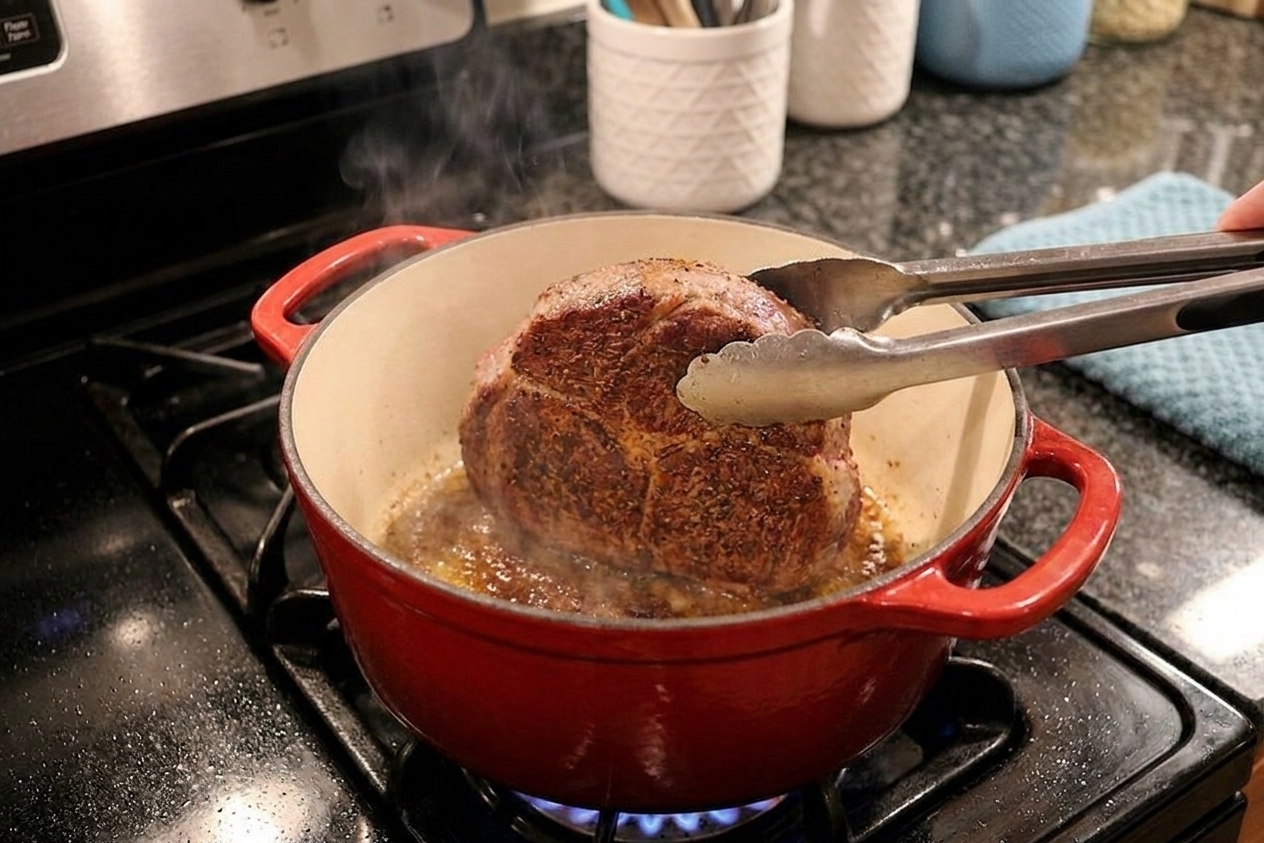
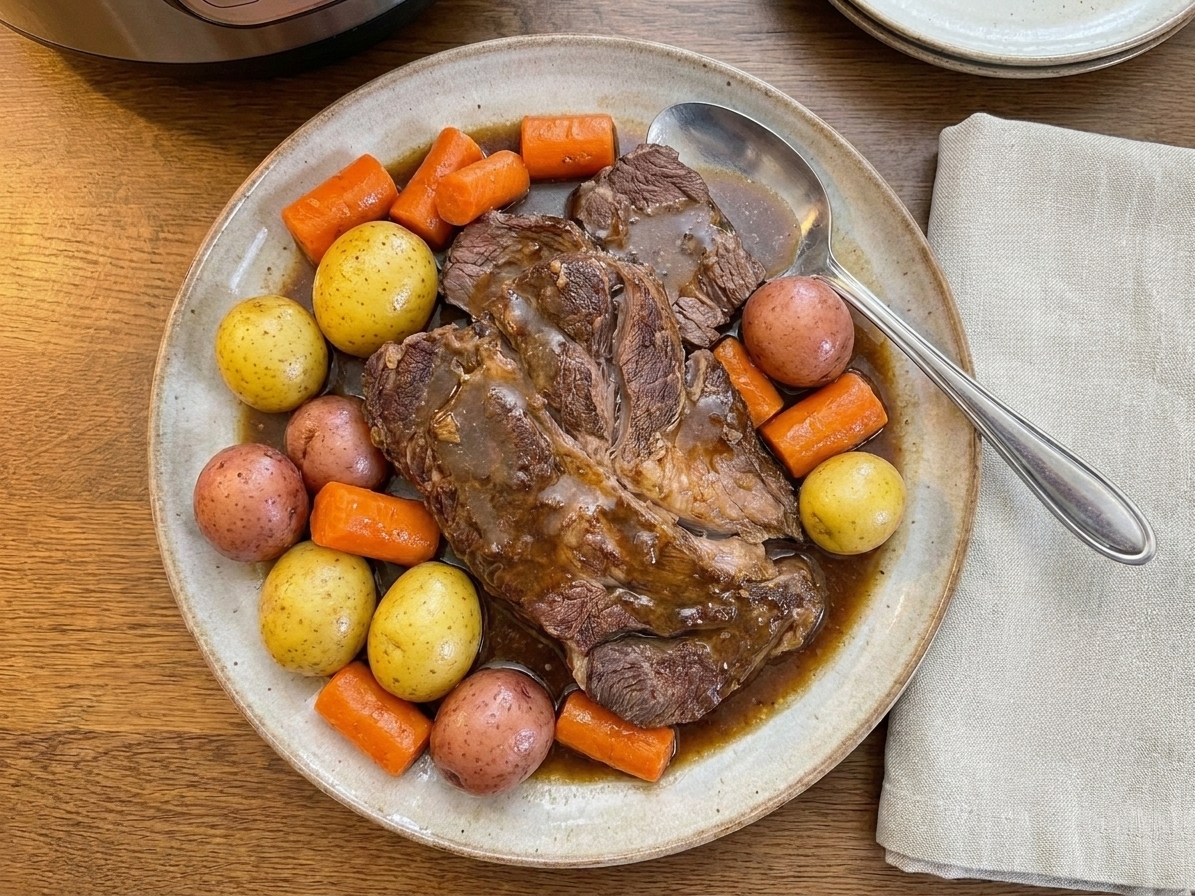
This recipe is my go-to when I want sliceable beef and a real-deal gravy without paying prime rib prices. We sear for flavor, then braise low and slow until the roast relaxes and the onions basically melt into the sauce. The result is cozy enough for Sunday dinner, practical enough for Tuesday leftovers, and dangerously good in a sandwich the next day.
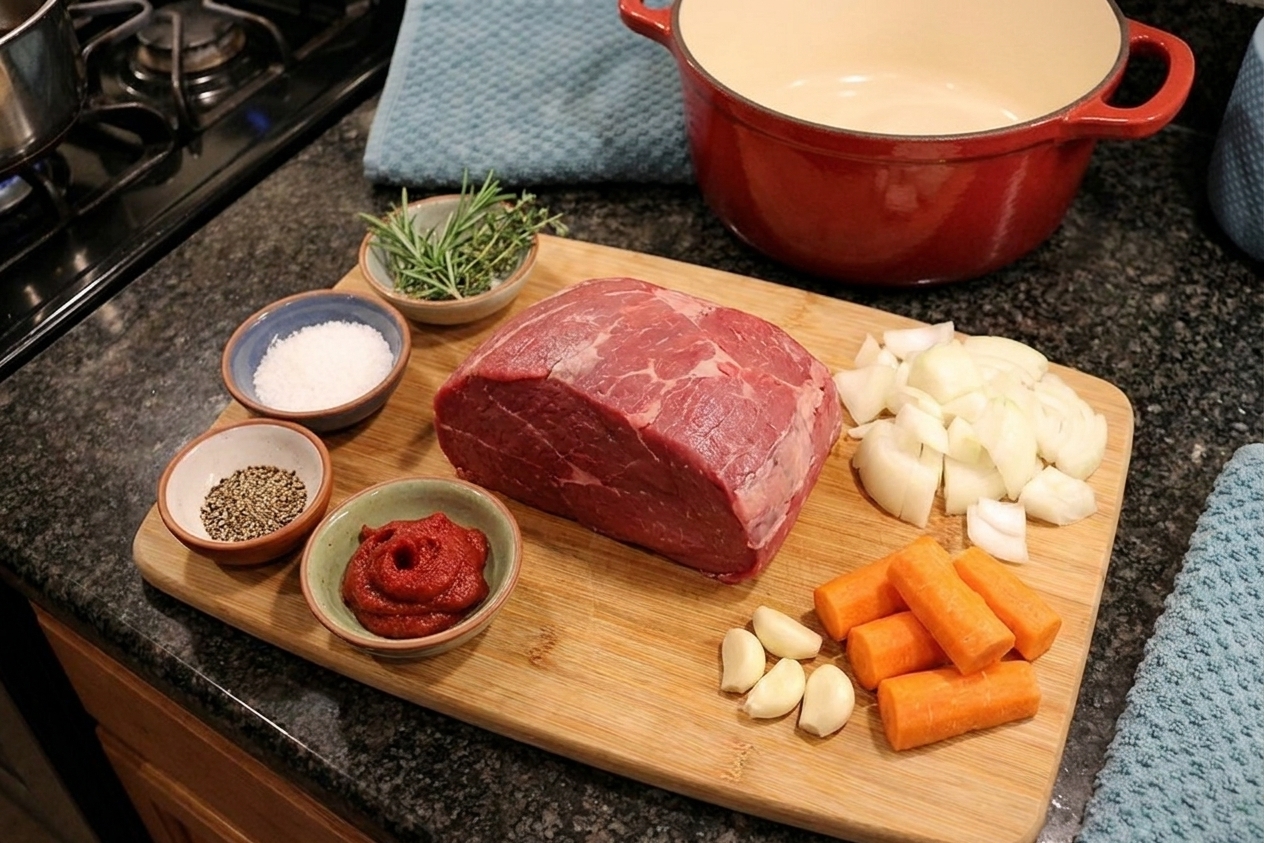
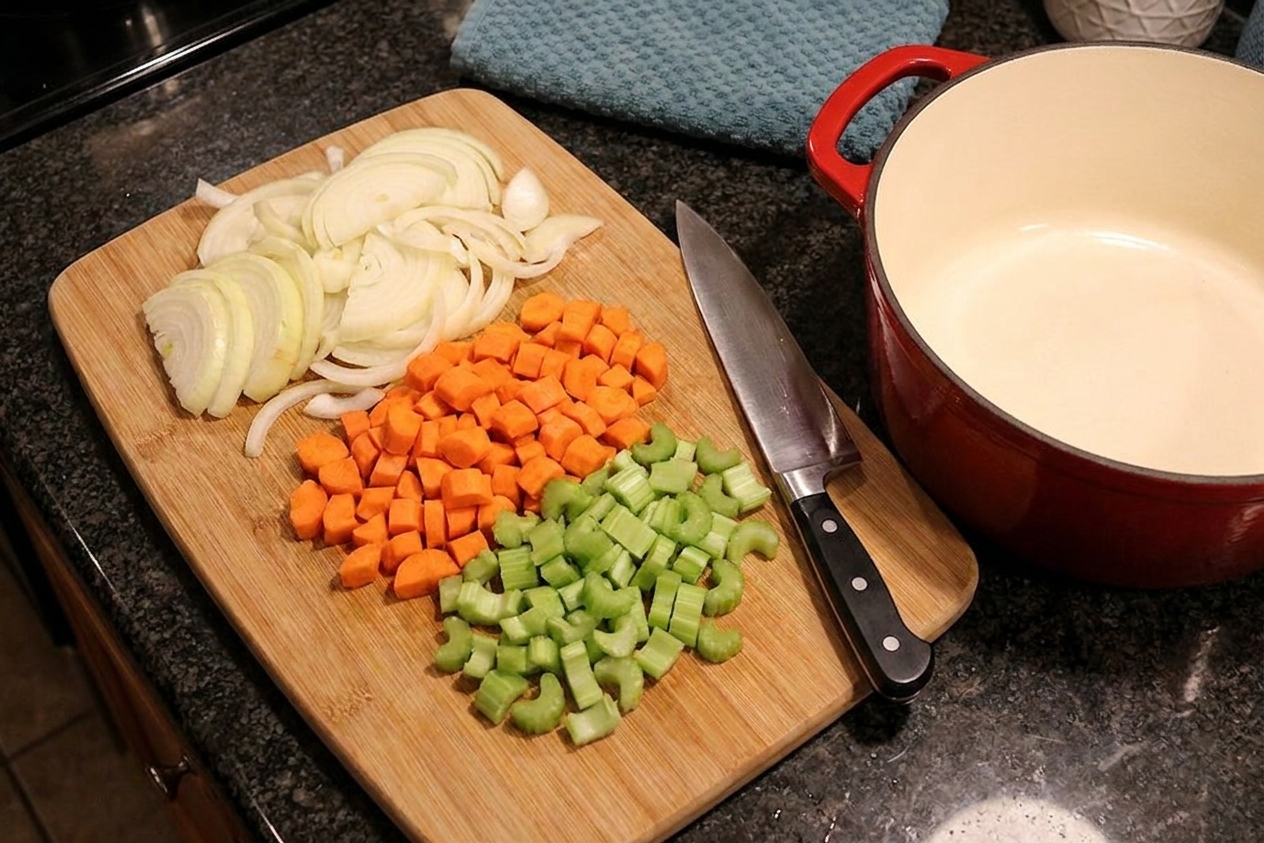
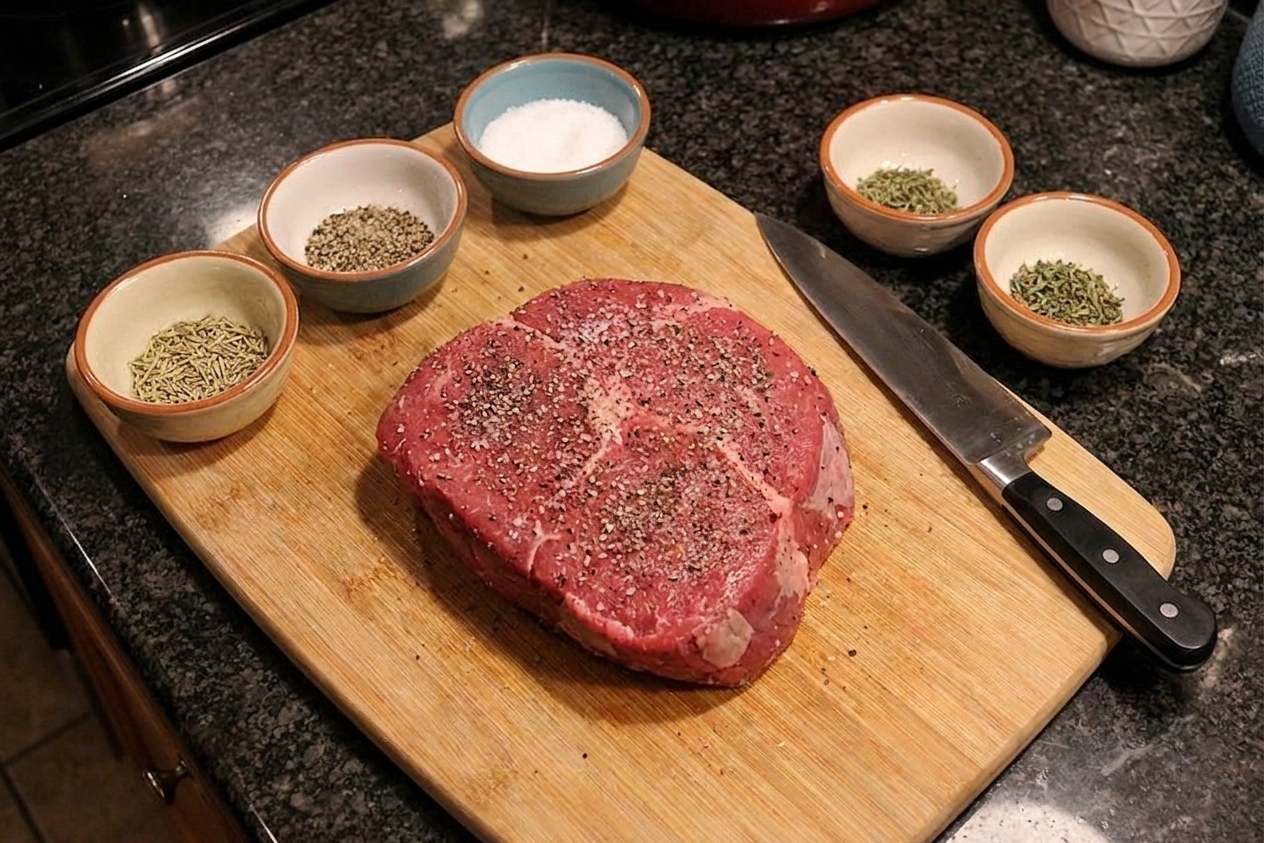
A raw bottom round roast on a cutting board with small bowls of salt, pepper, tomato paste, and herbs, plus onions, garlic, and carrots on a kitchen counter under warm light

Why It Works

  • Low and slow braise does the heavy lifting: bottom round gets tender when collagen has time to break down.
  • Searing first builds a deep, savory base so the gravy tastes like it came from a restaurant pan.
  • Onions plus tomato paste add sweetness and body, balancing the lean beef.
  • Resting and slicing against the grain keeps the roast juicy and makes every bite easier to chew.

Pairs Well With

Storage Tips

Refrigerate: Cool leftovers, then store roast slices in an airtight container for up to 4 days. Keep the gravy separate if you can, or store the beef nestled in gravy to protect it from drying out.

Freeze: Freeze sliced beef with a little gravy in a freezer-safe container for up to 3 months. Thaw overnight in the fridge.

Reheat without drying it out: Warm slices gently in a covered skillet with a splash of broth or extra gravy over low heat until just hot. Microwaving is fine, just do it at 50 to 70 percent power with gravy on top.

Sliced roast beef stored in a glass meal prep container with brown gravy, sitting on a kitchen counter with a lid nearby

Common Questions

Is bottom round the same as chuck roast?

No. Chuck has more fat and connective tissue, so it turns buttery and shreddable. Bottom round is leaner, so it needs gentle braising and smart slicing to stay tender. You can still get great results, just do not rush it.

Should I cook bottom round roast covered or uncovered?

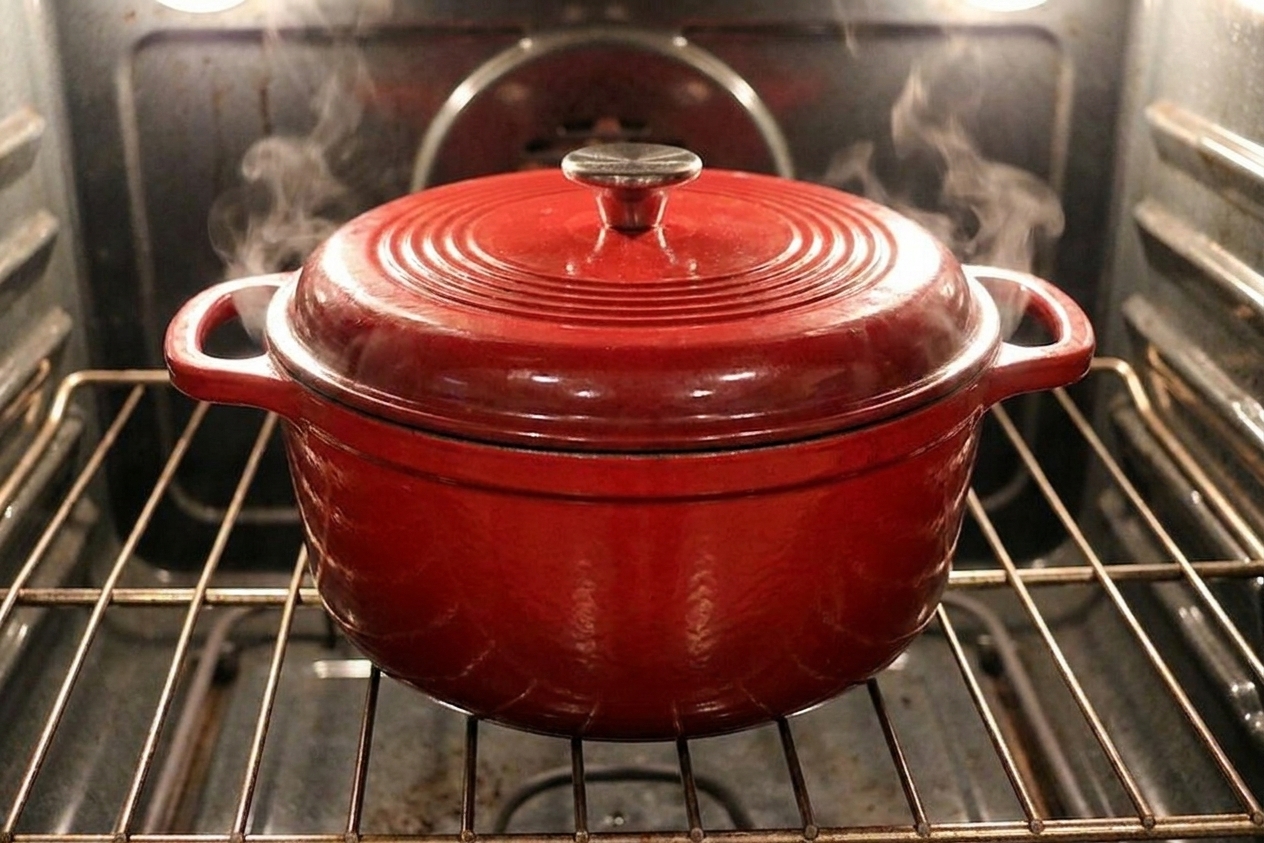
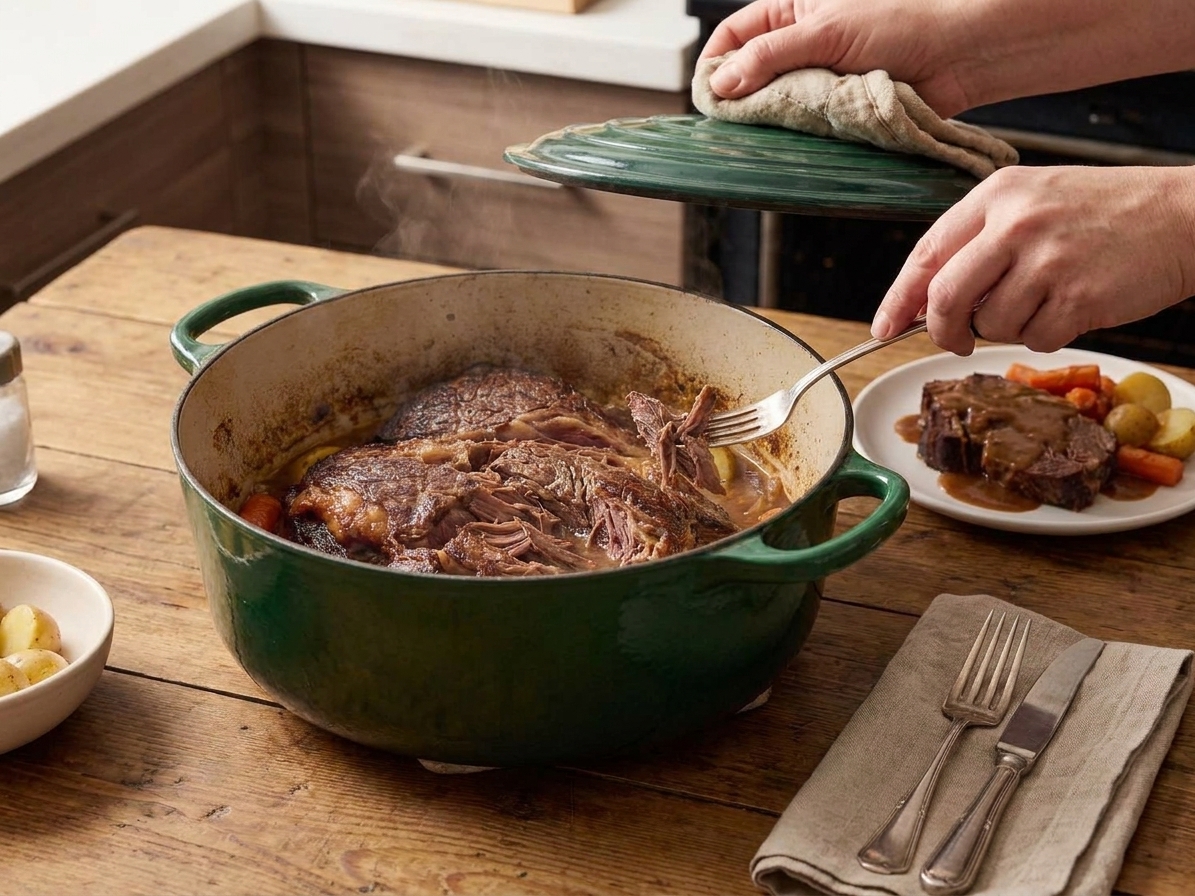
For this recipe, covered. You want a moist environment so the roast braises, not roasts. If you want to reduce the gravy at the end, do that after the beef comes out.

What internal temperature should bottom round roast be?

For a braised bottom round, tenderness is more about time + gentle heat than hitting one magic number. That said, it often starts to feel tender around 195 to 205 F. Use the thermometer as a guide, but trust the fork test: when a fork slides in with little resistance, it is ready. If it still feels tight at 195 F, keep going.

Can I make this in a slow cooker?

Yes. Sear the roast and sauté the aromatics first if possible, then cook on low for 8 to 10 hours, checking for tenderness starting around 7 to 8 hours. Reduce the cooking liquid on the stove afterward to thicken into gravy.

Can I skip the wine?

Absolutely. Swap the wine for more beef broth plus 1 tablespoon balsamic vinegar or Worcestershire for a little depth.

Why is my bottom round roast tough?

Usually one of three things: it was cooked too hot, not cooked long enough, or sliced with the grain. Keep the braise steady and slow, cook until a fork slides in easily, then slice against the grain.

I used to think “round roast” was just a polite way of saying “good luck, kid.” The first time I cooked one, I treated it like a fancy roast and pulled it way too early. It tasted fine, but it chewed like a stress ball.

Now I treat bottom round like a team project. We sear for confidence, then we go low and slow until it stops fighting back. And honestly, once you learn that rhythm, this cut becomes a weeknight hero disguised as a Sunday dinner.