Mom's Best Recipes
Recipe

Tom Yum Soup

A punchy Thai hot and sour soup with lemongrass, lime, chili, mushrooms, and shrimp in a fragrant, craveable broth.

Author By Matt Campbell
4.8
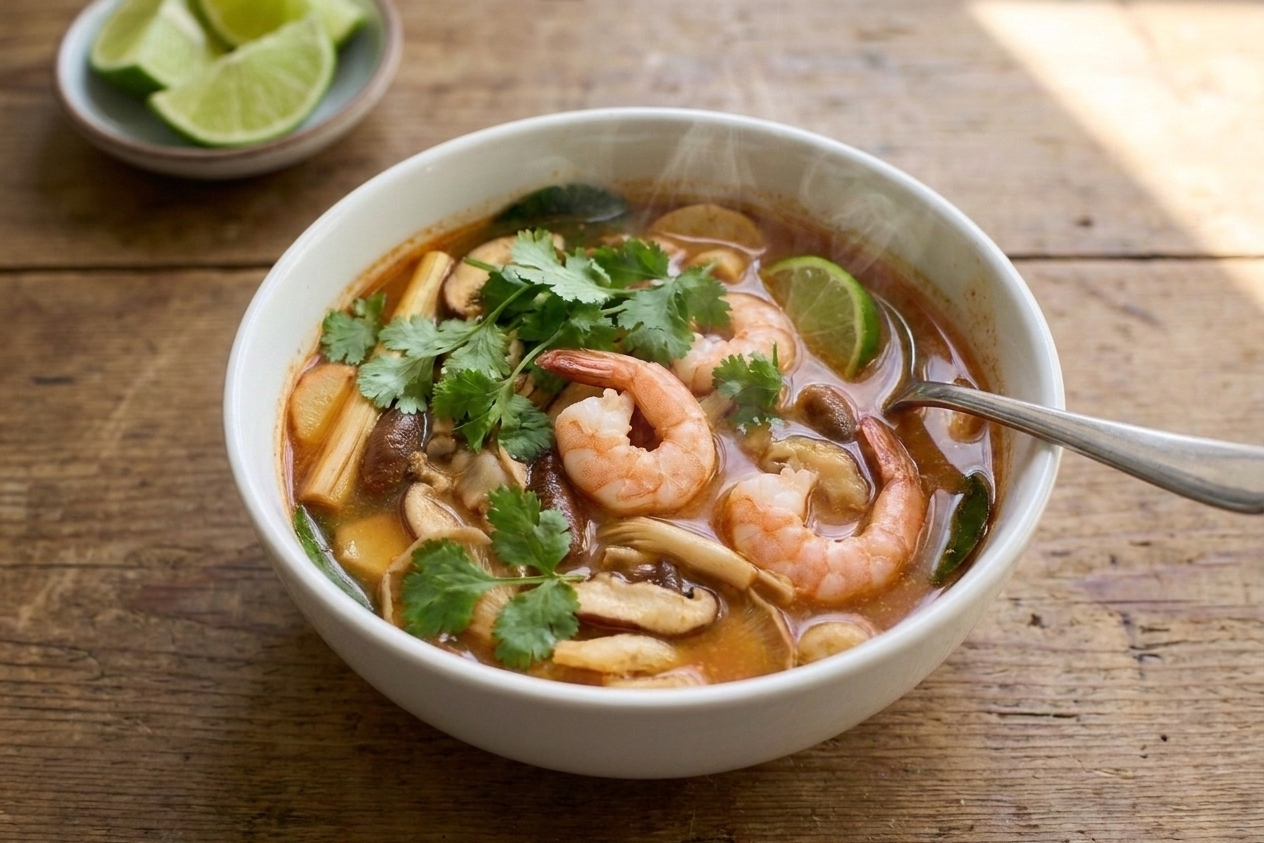
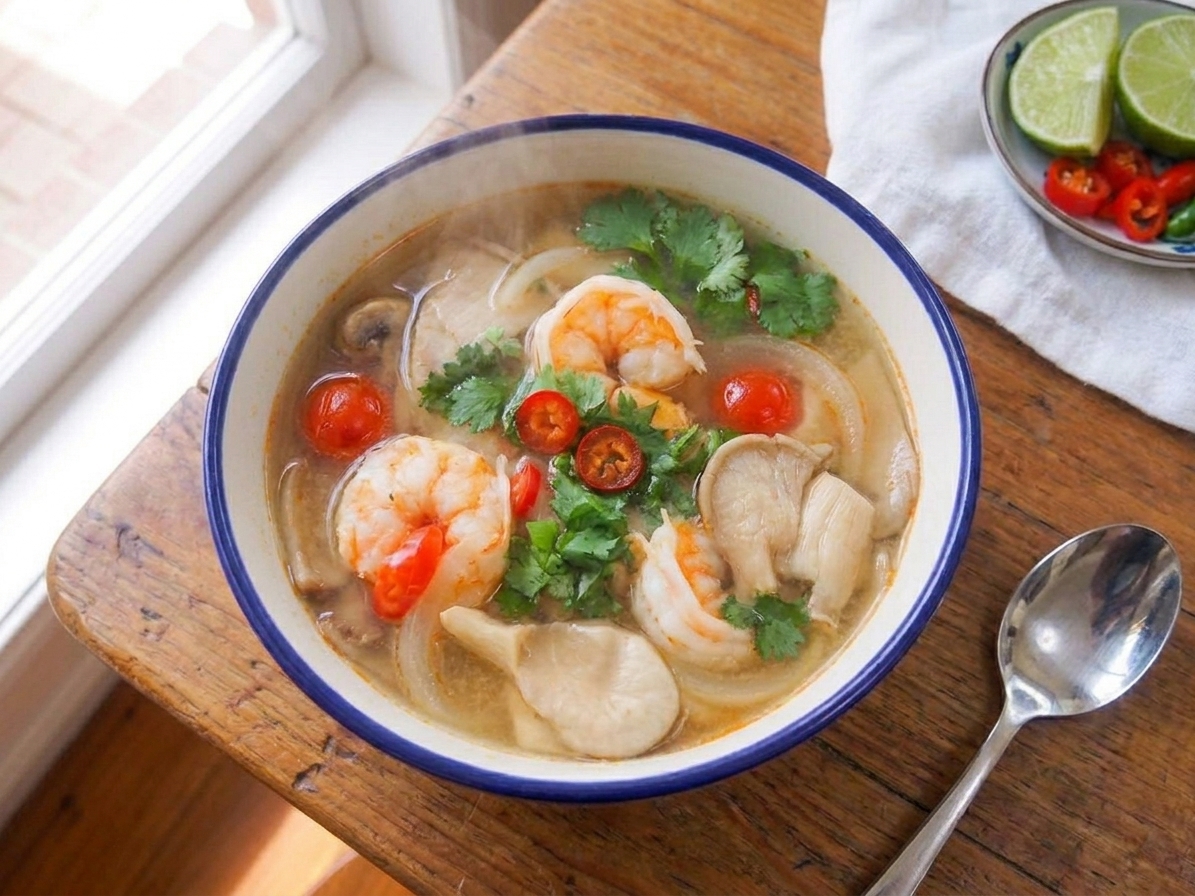
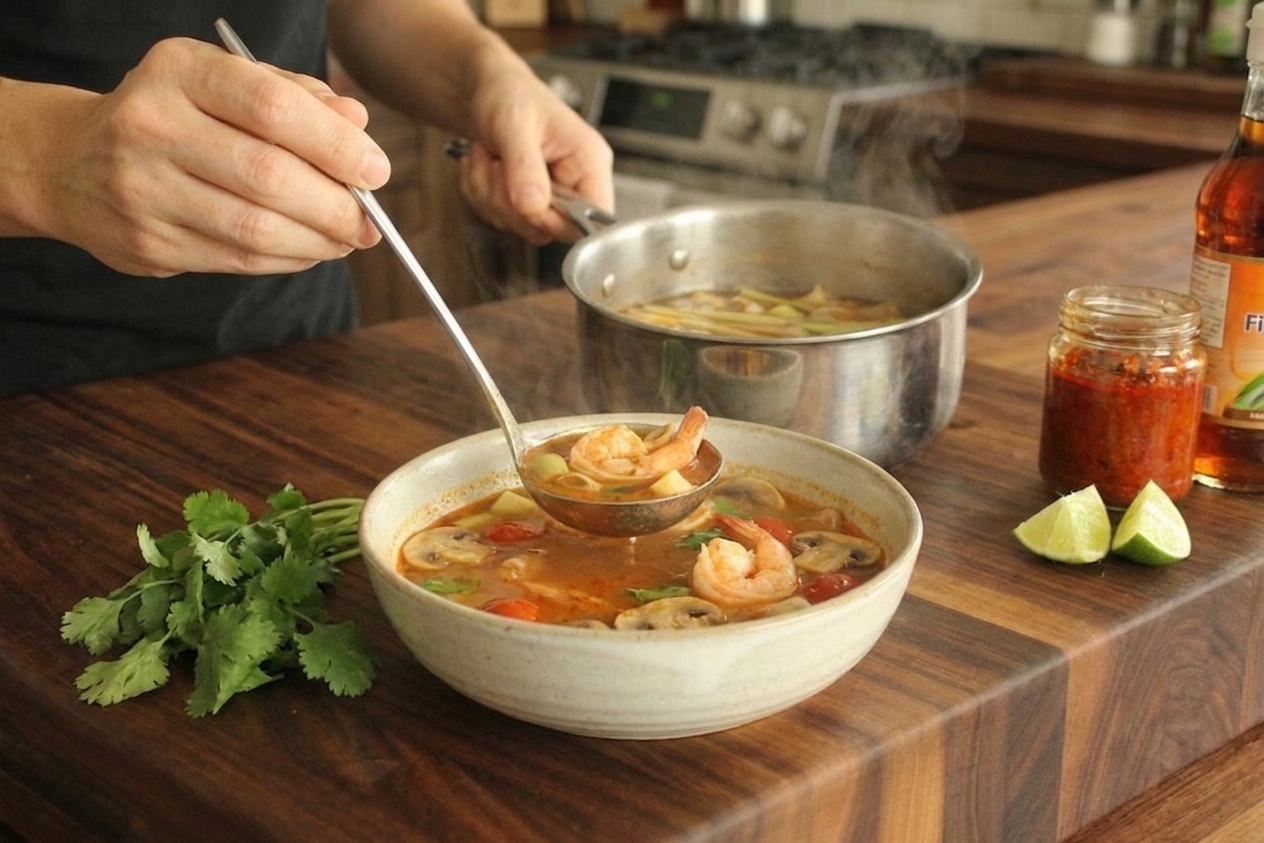
A steaming bowl of tom yum soup with shrimp and mushrooms, garnished with cilantro and lime wedges on a warm-toned kitchen table

Tom Yum is the kind of soup that snaps you awake in the best way. It is bright, spicy, sour, and salty, all at once. You take one spoonful and immediately sit up straighter.

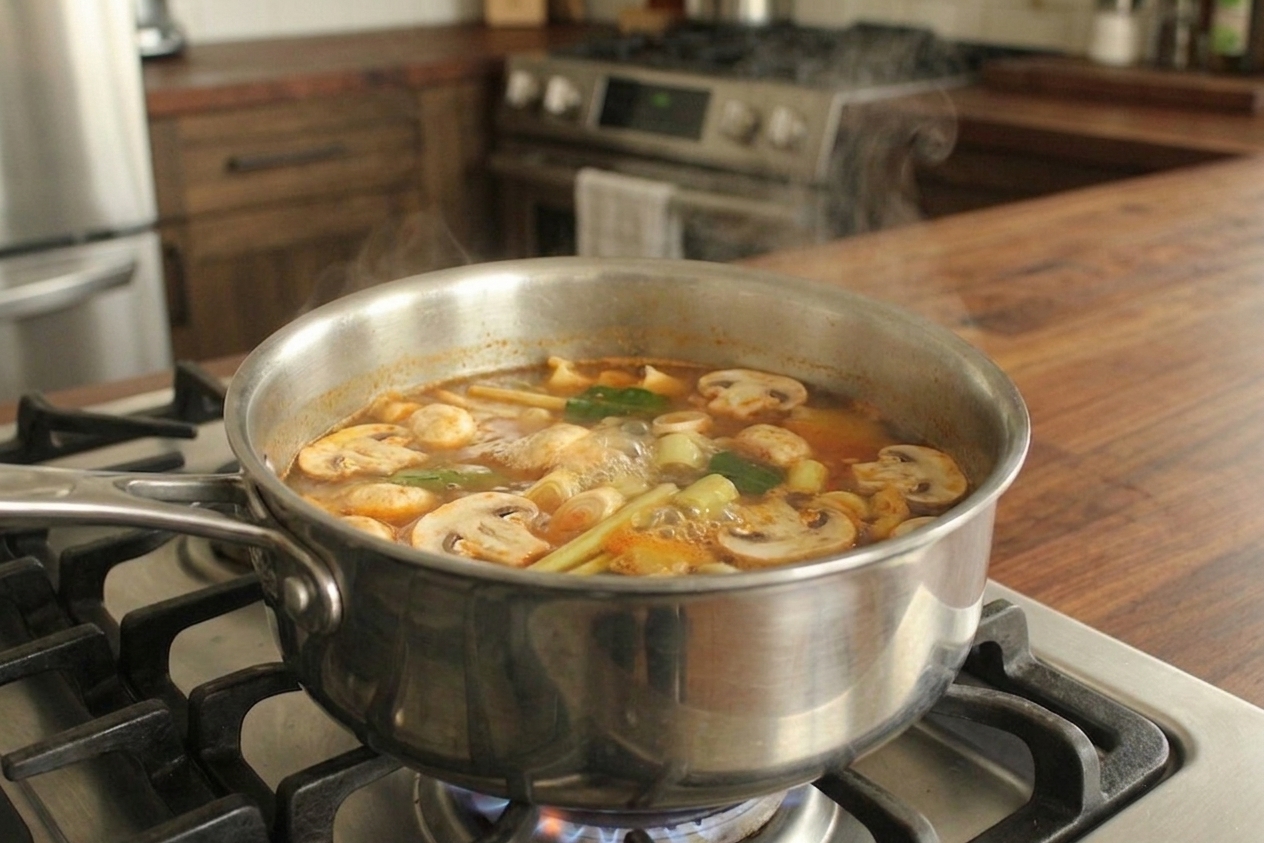
This version keeps things accessible for a home kitchen while still tasting like the real deal. We build the broth with lemongrass and lime, get that signature savory backbone with fish sauce (do not panic, it will not taste fishy), and finish with a little sweetness to round the edges. You can make it with shrimp, chicken, or tofu, and it is weeknight fast if you prep a few aromatics first.

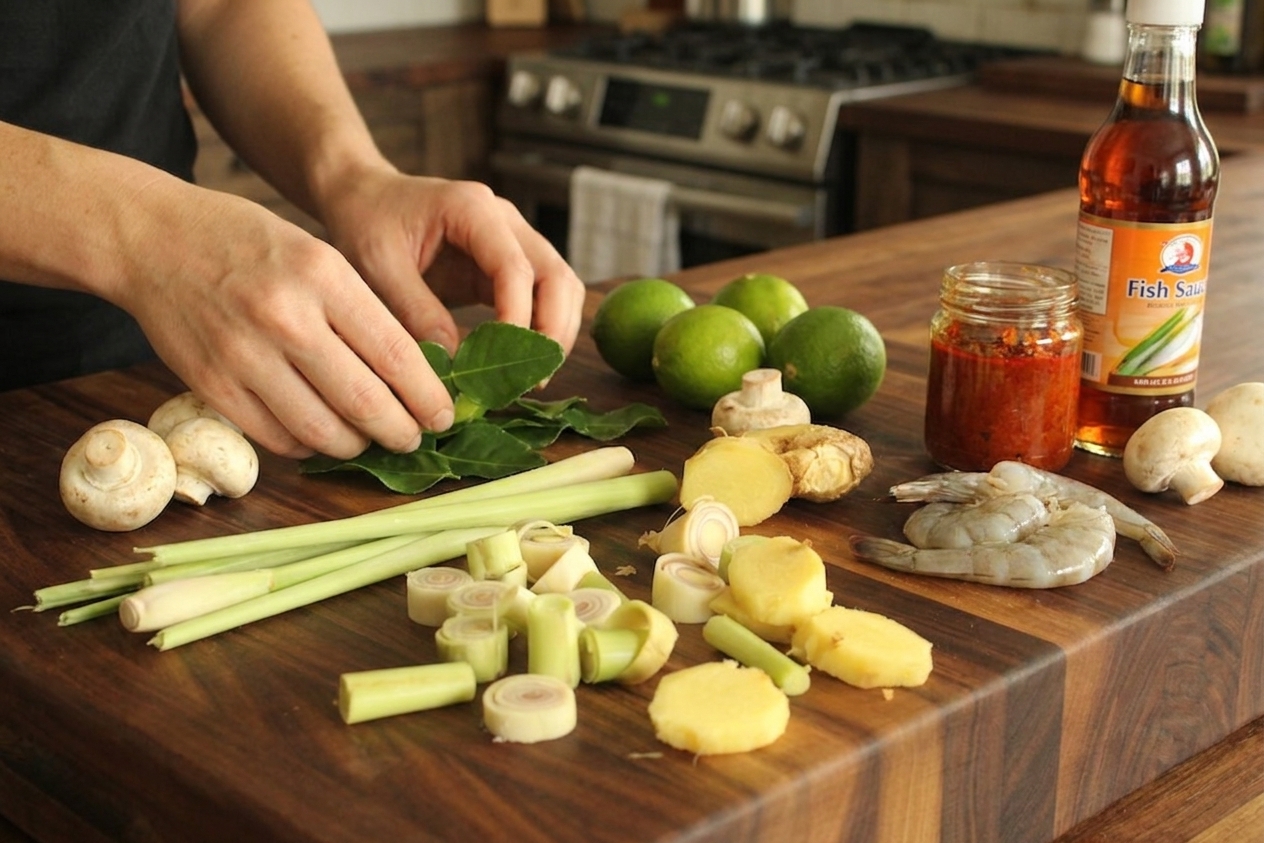
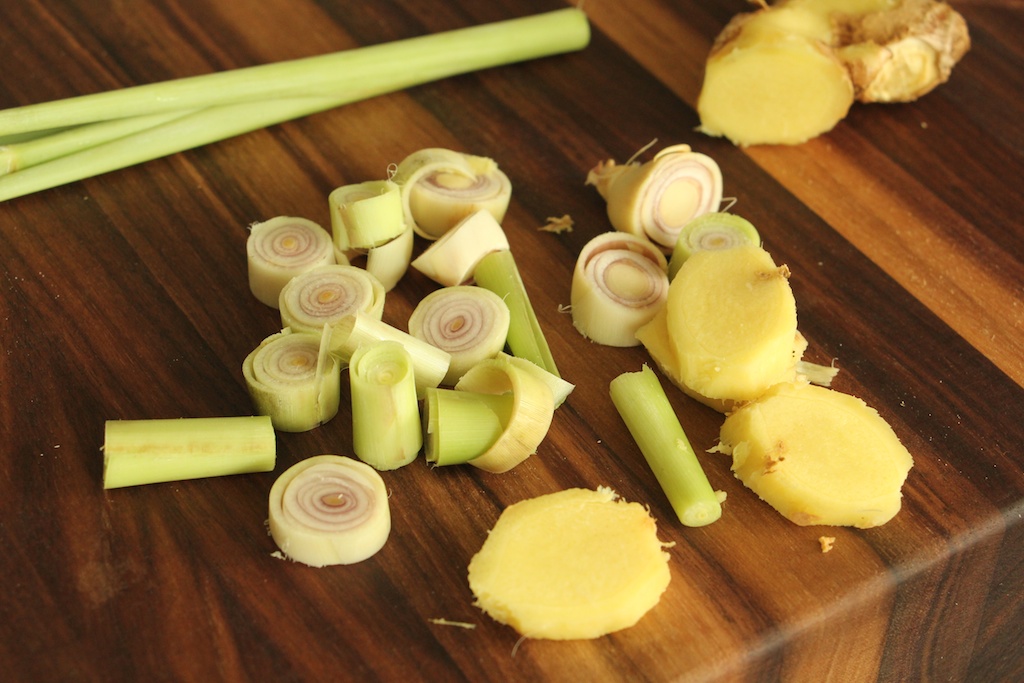
Lemongrass, galangal or ginger, makrut lime leaves, mushrooms, shrimp, limes, tom yum paste, and fish sauce arranged on a kitchen counter

Why It Works

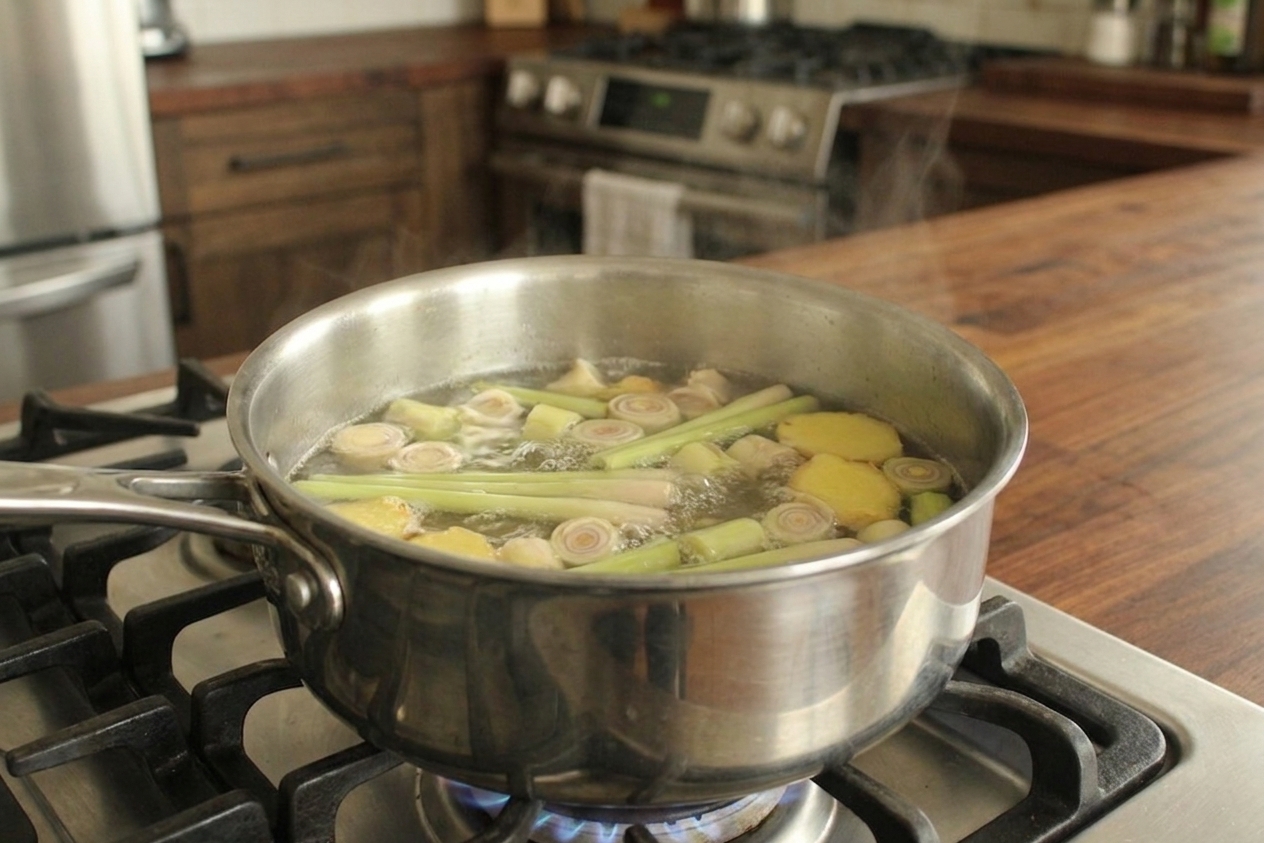
  • Big flavor, clear steps: You will bruise the aromatics, simmer briefly, then season to the sweet spot with lime and fish sauce.
  • Balanced heat and tang: Start with 2 tablespoons paste, then climb to your perfect level.
  • Not one-note: Mushrooms add cozy depth, tomatoes add sweetness, and fresh herbs at the end keep it lively.
  • Flexible proteins: Shrimp cooks in minutes, chicken works great, and tofu is totally welcome.

Pairs Well With

Storage Tips

Refrigerate: Store in an airtight container for up to 3 days.

Pro tip for the best leftovers: If you can, store the broth and the cooked shrimp separately. Shrimp can get a little bouncy if it sits in hot and sour broth for too long.

Reheat: Warm gently on the stove over medium-low heat until steaming. Avoid a hard boil, especially if you have shrimp.

Freeze: The broth (without shrimp) freezes well up to 2 months. Thaw in the fridge overnight, bring to a simmer, then add fresh shrimp and cook right before serving.

Common Questions

Is Tom Yum the same as Tom Kha?

Nope. Tom Yum is typically a clear hot and sour soup. Tom Kha is creamy and coconut-based. Both are amazing, but Tom Yum is the bright, punchy one.

What if I cannot find galangal or makrut lime leaves?

Use ginger instead of galangal. If you cannot find makrut lime leaves (often labeled “kaffir lime leaves”), use lime zest or a wide strip of lime peel. Optional helpers that get you a little closer: add a small bay leaf or an extra piece of bruised lemongrass. It will not be identical, but it will still taste legitimately delicious.

Do I have to use fish sauce?

Fish sauce is the classic salty element. If you need a substitute, try soy sauce or coconut aminos, and consider adding a tiny pinch of salt. The flavor will shift, but you will still land in the Tom Yum neighborhood.

Tom Yum paste vs Thai chili paste: what should I buy?

Look for a jar labeled Tom Yum paste (or Tom Yum soup base) for the most straightforward, classic flavor. Some stores label different products as “Thai chili paste,” but many of those are actually nam prik pao (Thai roasted chili jam), which is sweeter and more roasted. It can be delicious in a creamier Tom Yum, but it is not the same thing as Tom Yum paste.

How spicy is this recipe?

As written, it is medium. Start with less paste, then add more at the end. Tom Yum is supposed to be bold, but it should still taste like soup, not a dare.

Can I make it vegetarian?

Yes. Use vegetable broth, swap fish sauce for soy sauce or vegan fish sauce, and use tofu plus extra mushrooms.

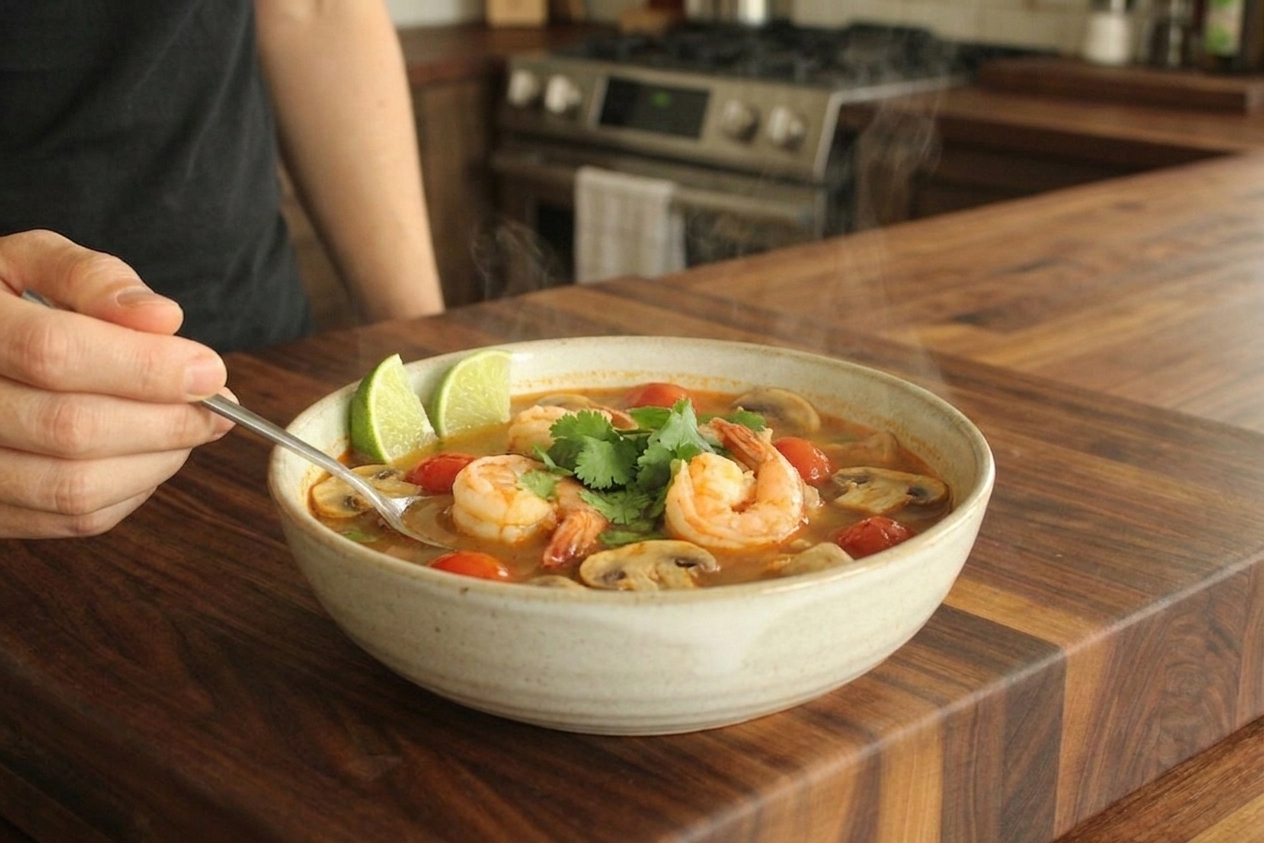
The first time I made Tom Yum at home, I treated it like a normal soup and just tossed everything in. It was fine. But it did not have that restaurant zing.

The fix was simple and kind of fun: bruise the lemongrass, tear the lime leaves, and simmer the aromatics like you mean it. The kitchen instantly smells like you know what you are doing, even if you are still figuring it out. Now it is one of my favorite reset meals when I want something cozy but not heavy.