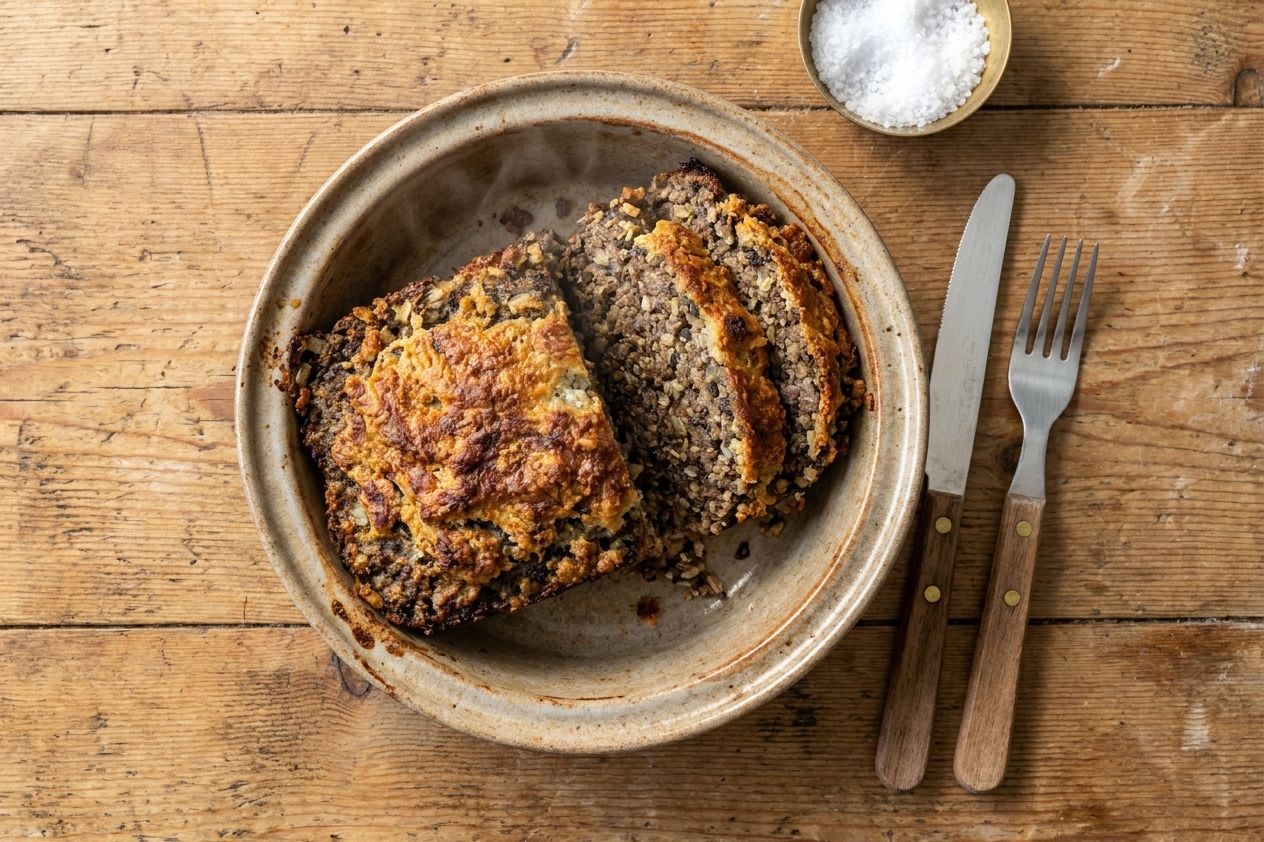
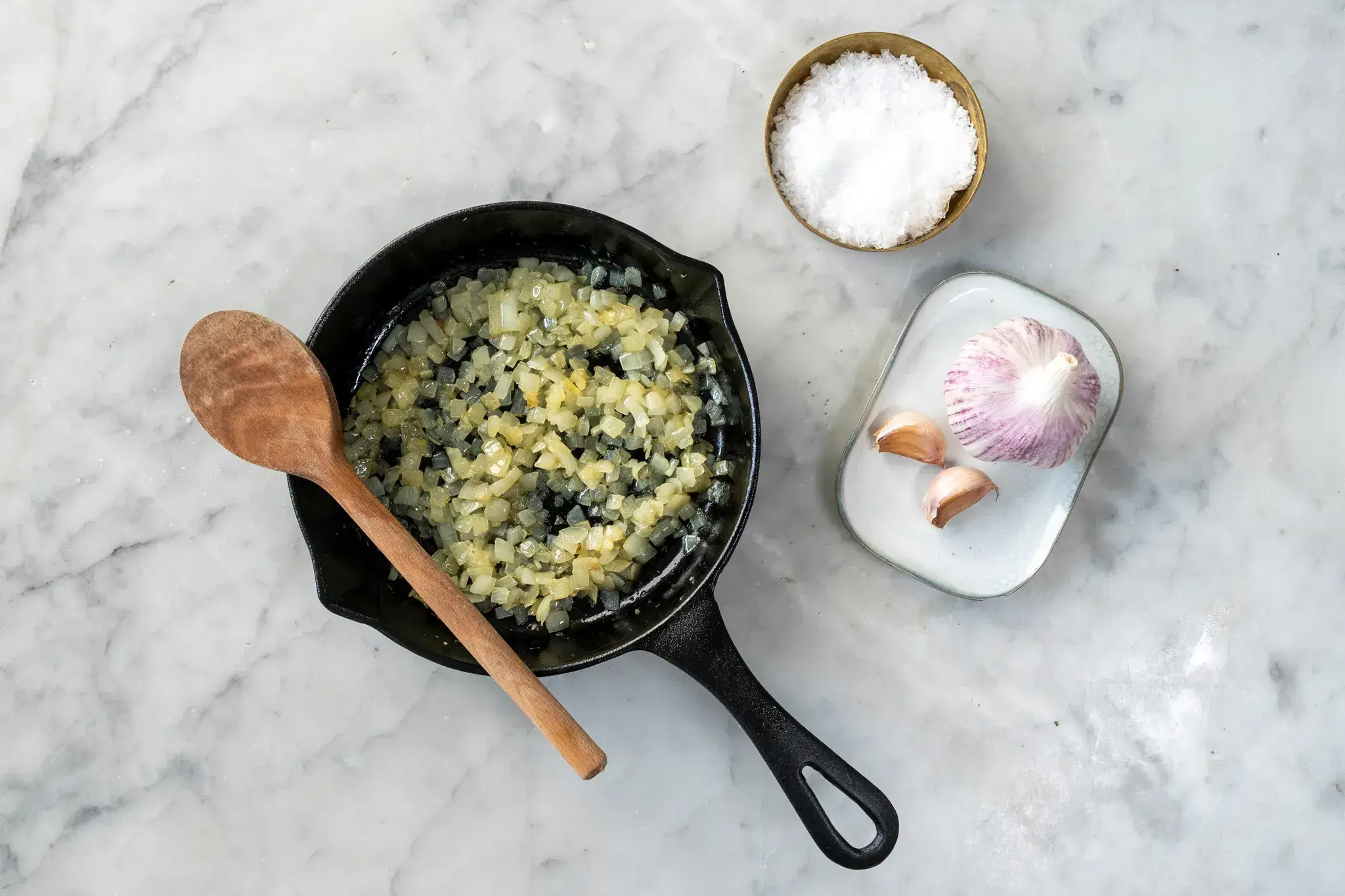
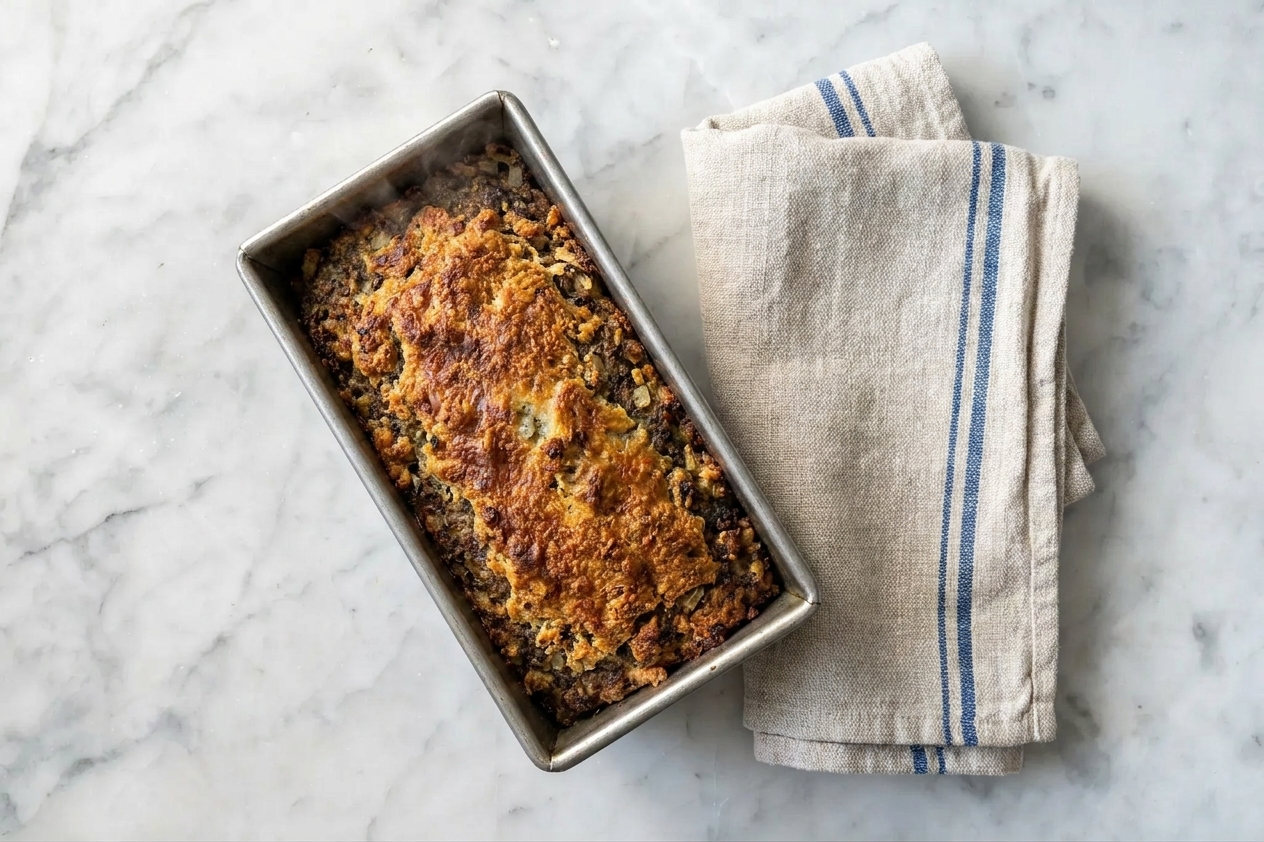
What does haggis taste like?
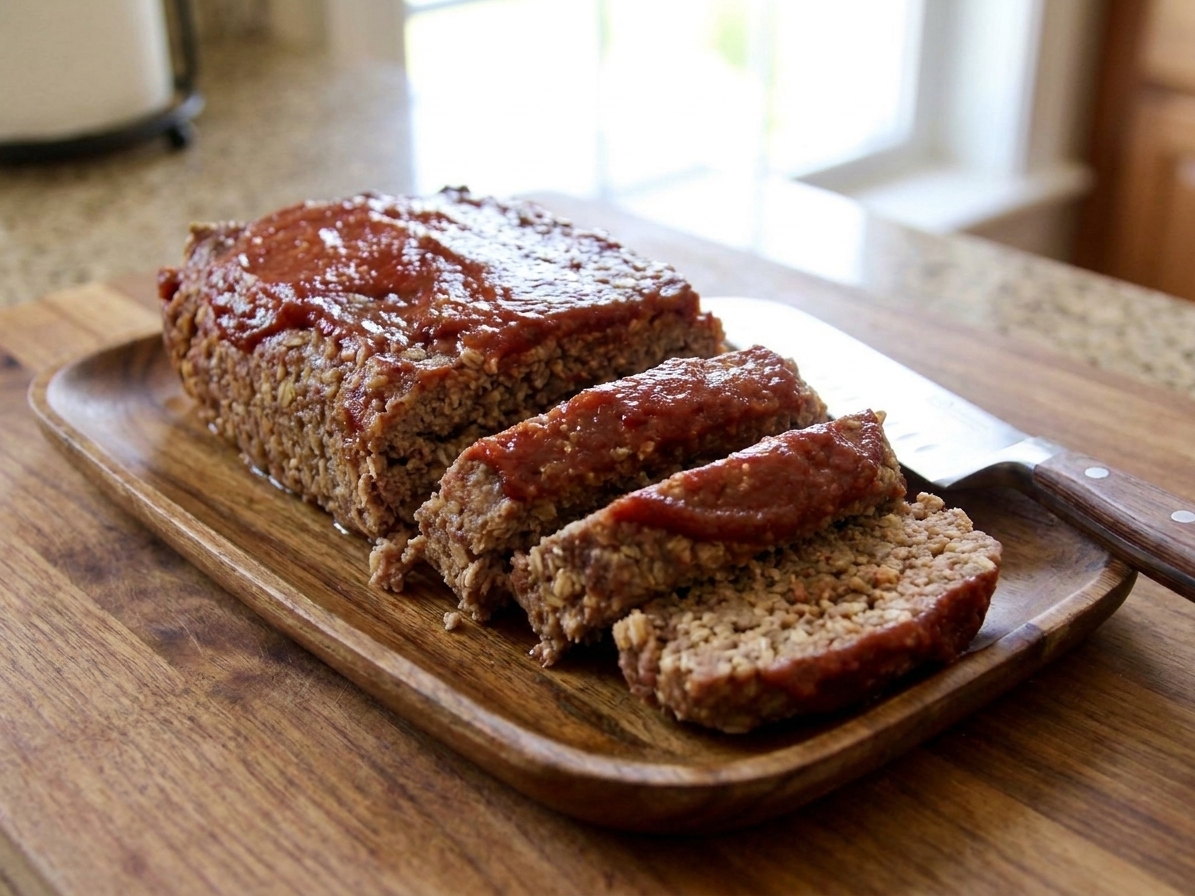
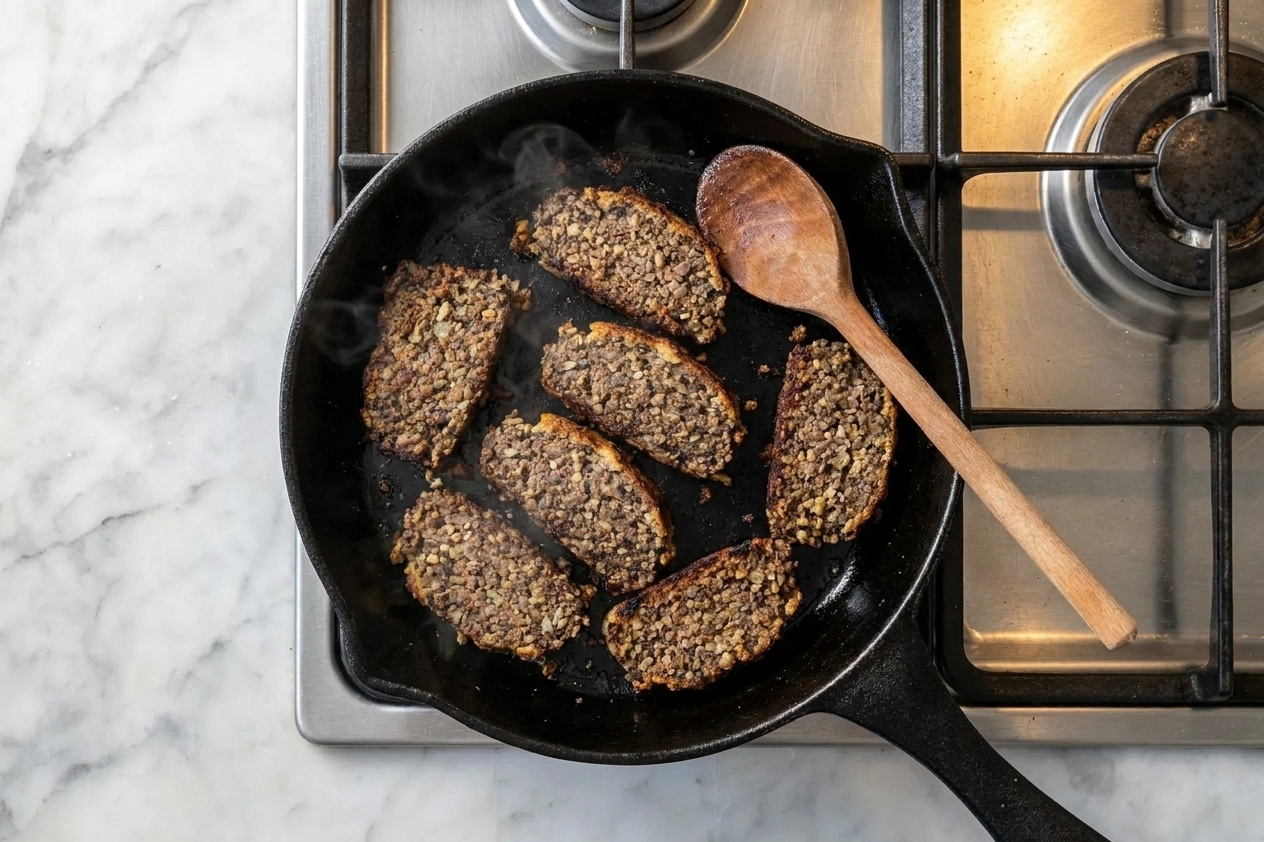
Think savory, peppery, and a little earthy, kind of like a deeply seasoned meatloaf crossed with a breakfast sausage vibe, but with oats giving it a hearty, almost stuffing-like texture.
Is this authentic haggis?
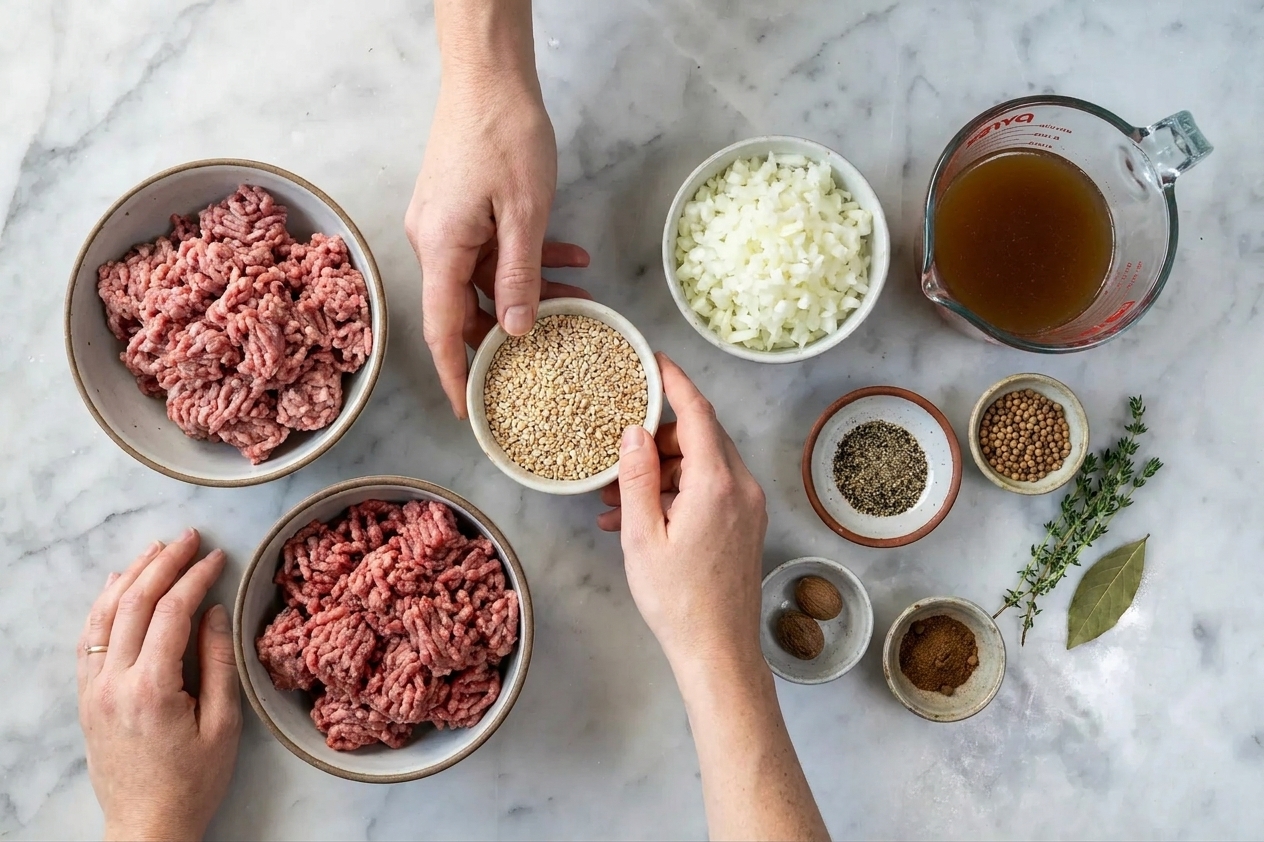
Flavor-wise, it is very close. Traditional haggis is made with sheep’s offal (typically heart, liver, and lungs) and cooked in a stomach casing. This recipe uses ground meats and bakes in a dish to keep it accessible while still hitting the classic notes: oats, onion, black pepper, and warm spices.
Can I use only beef or only lamb?
Yes. All beef is totally fine and a bit milder. All lamb is richer and more assertive. If you are unsure, do the blend for balance.
Do I need steel cut oats?
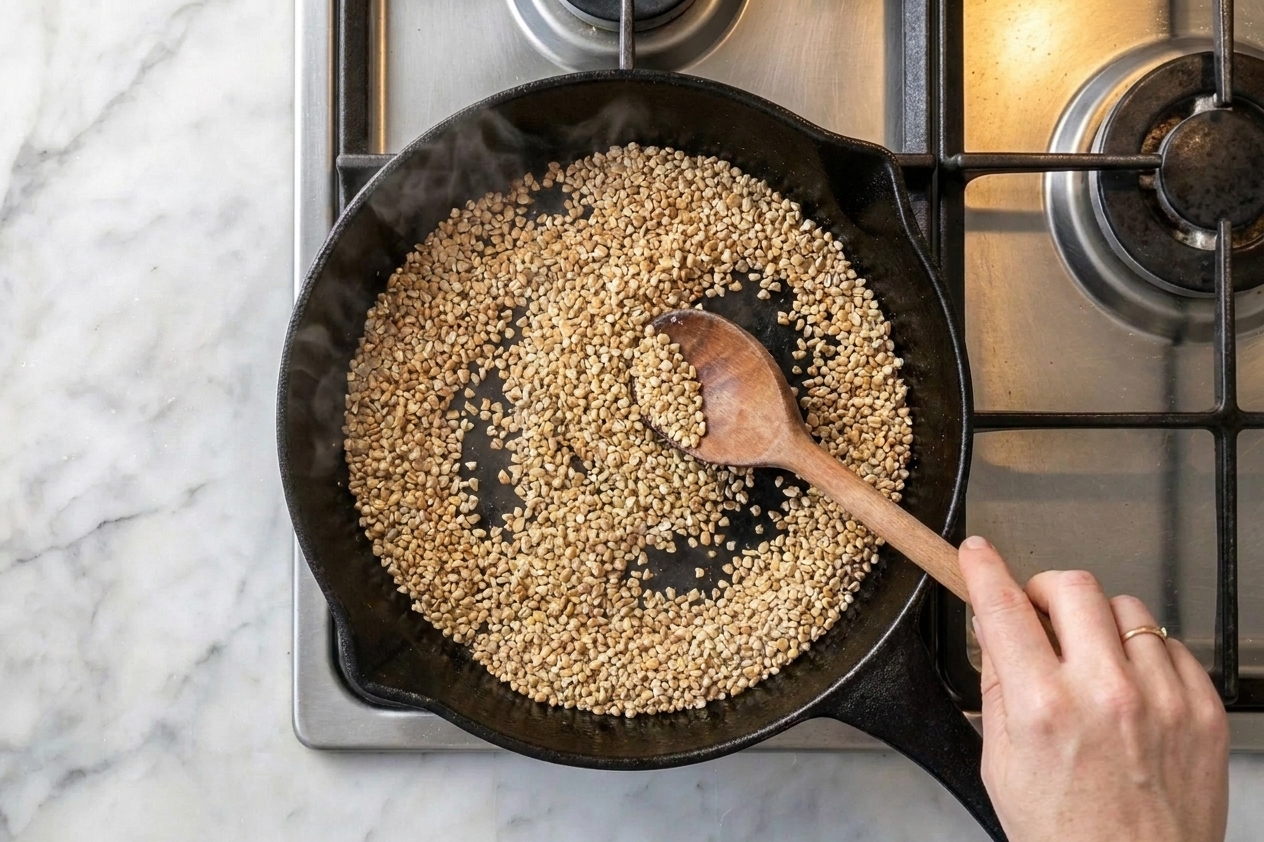
Steel cut oats give the best chew and structure. They are also sold as Irish oats or pinhead oats. Rolled oats work but make a softer, more porridge-like texture.
How do I know it is done?
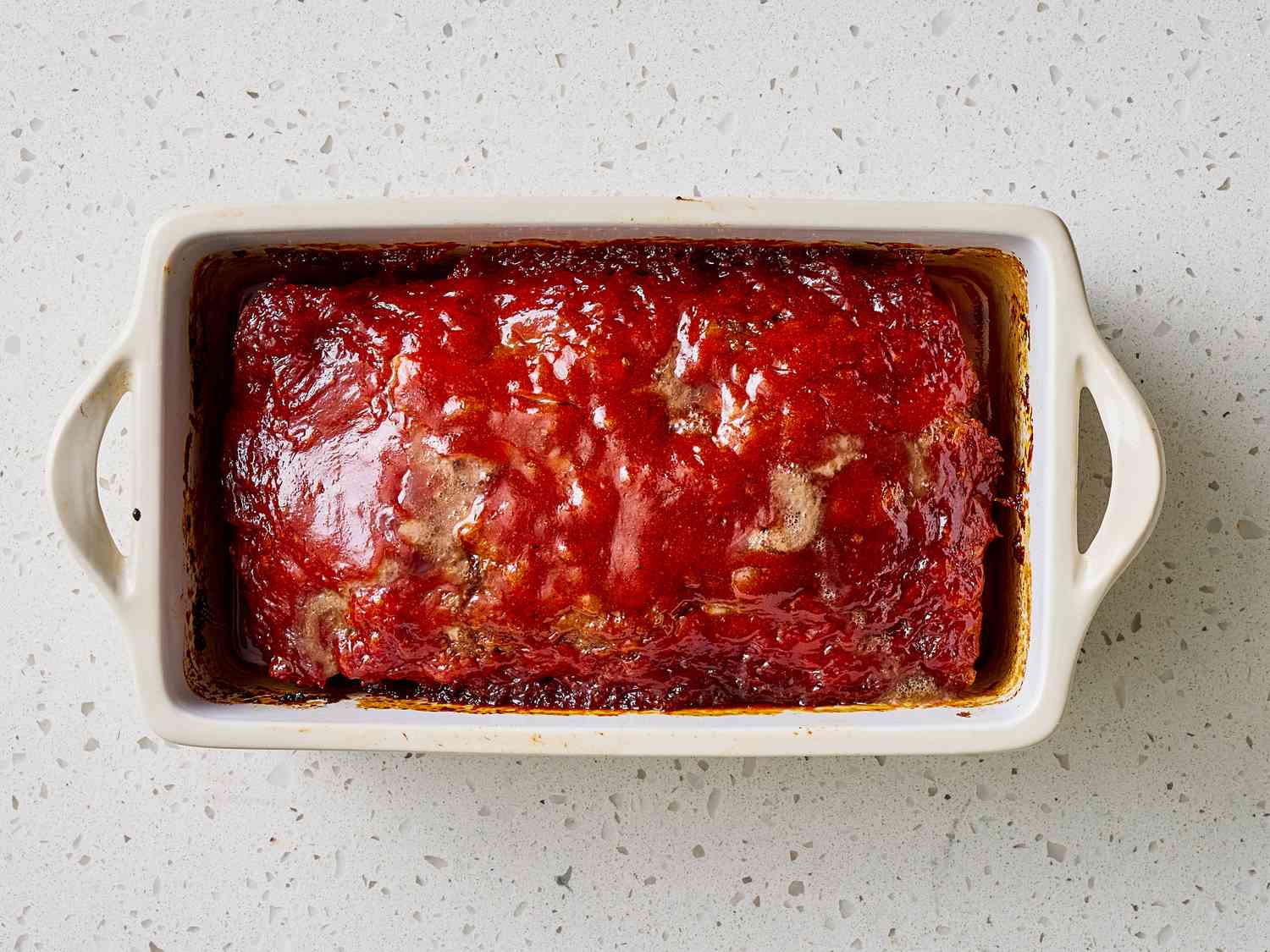
You want it hot throughout and set, not loose. An instant-read thermometer in the center should read 160 to 165°F (follow your preferred food safety standard). Let it rest 10 minutes so it slices cleanly.
What should I serve with haggis?
Classic is neeps and tatties (mashed swede, also called rutabaga, plus mashed potatoes) and a little gravy. It is also great with roasted carrots, buttered peas, or a sharp mustard sauce.
Can I make it ahead?
Yes. You can assemble the mixture up to 24 hours ahead, press it into the baking dish, cover, and refrigerate. Bake from cold and add 5 to 10 minutes to the covered bake time, then uncover and brown as written.
Any allergy or ingredient notes?
Oats are naturally gluten-free but are often processed alongside wheat, so choose certified gluten-free oats if needed. Worcestershire sauce often contains anchovies, and some brands contain gluten, so check labels if that matters for your household.