
Mom's Best Recipes
Recipe

Ugali

A cozy, stir-and-stand cornmeal staple that turns two humble ingredients into the ultimate stew-scooper.

Author By Matt Campbell
4.8
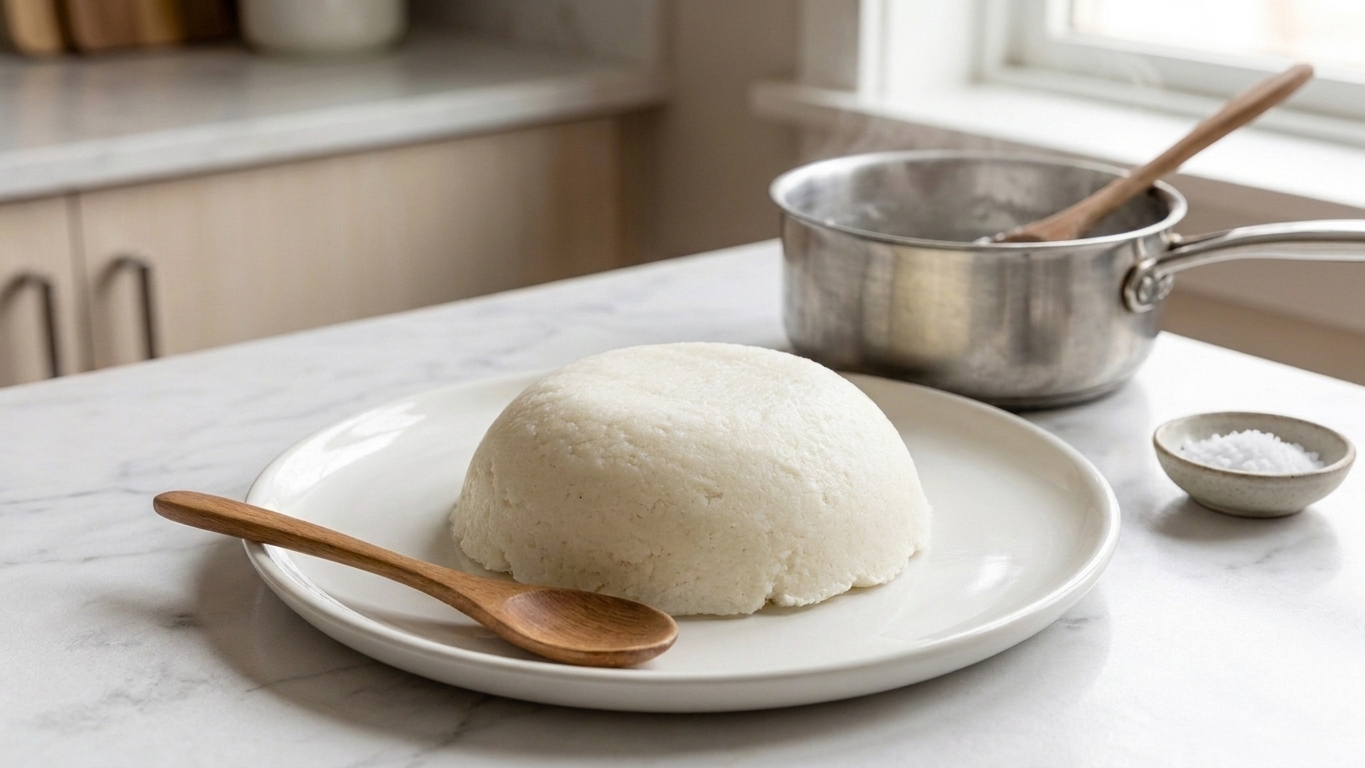
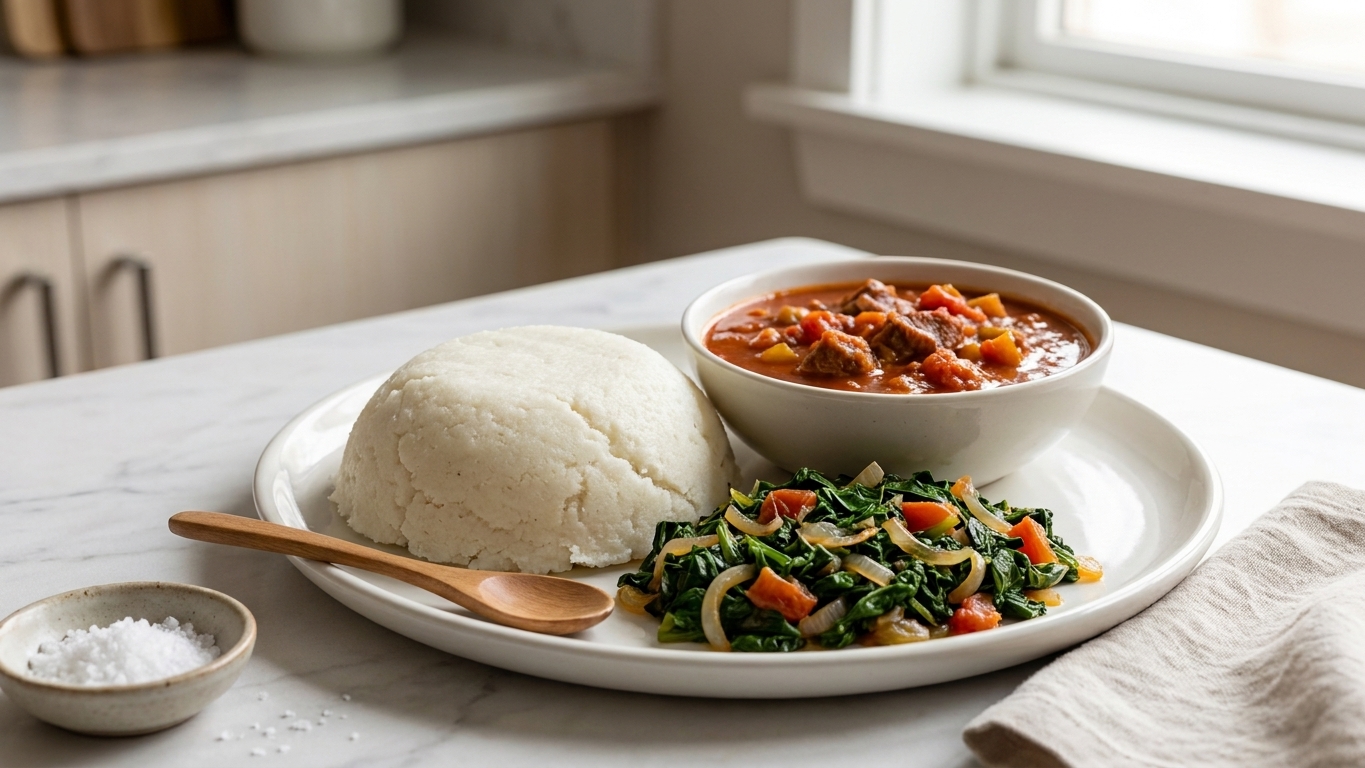
A plated mound of ugali on a white plate with sukuma wiki and a rich tomato stew on the side, warm kitchen table setting with natural light

Ugali is one of those quietly brilliant foods that makes you feel like you have your life together, even if your kitchen is a little chaotic. It is just maize flour (cornmeal) and water, cooked into a thick, smooth dough that you can slice, pinch, and use to scoop up stews, beans, or greens.

If you have ever made polenta or grits, you are already in the neighborhood. The difference is ugali goes for firm and scoopable, not creamy. The goal is a smooth, elastic mound that holds its shape, with a little toasted goodness from the bottom of the pot if you are lucky.
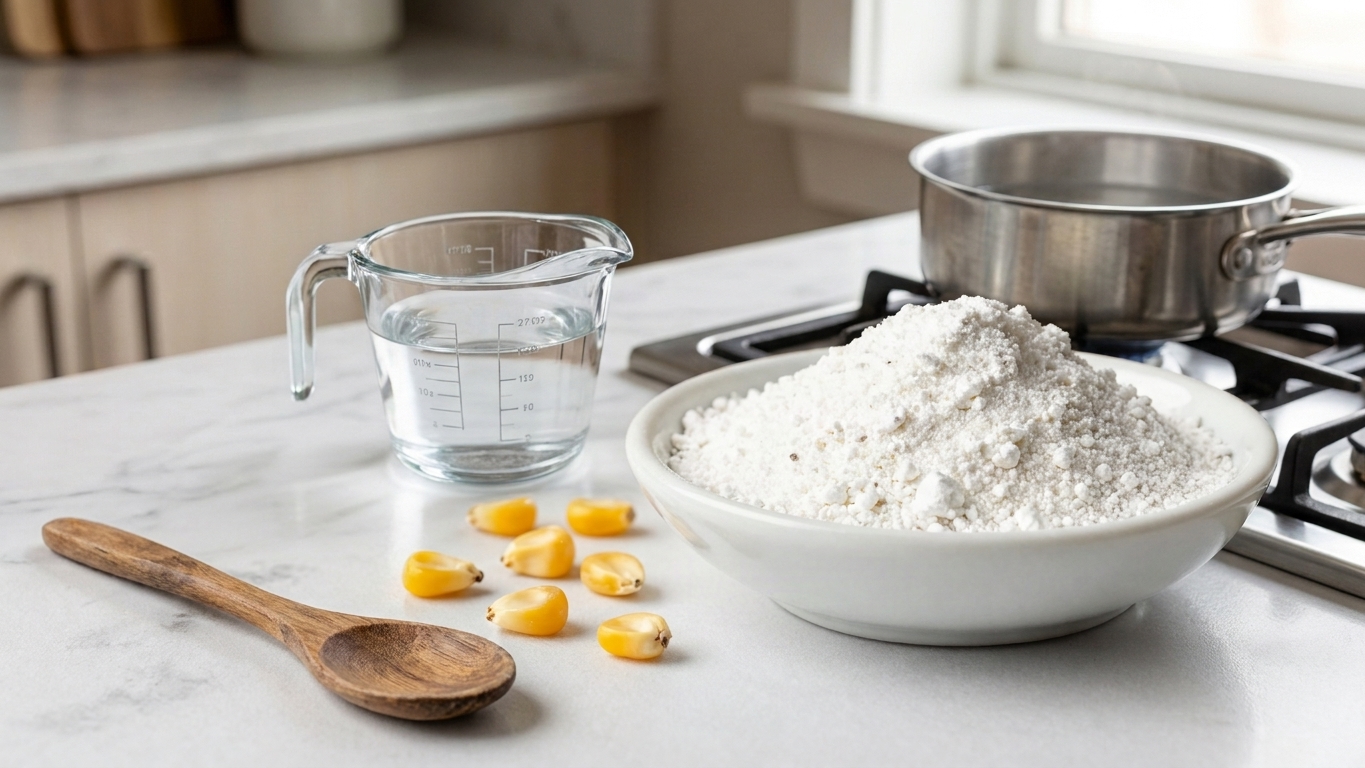
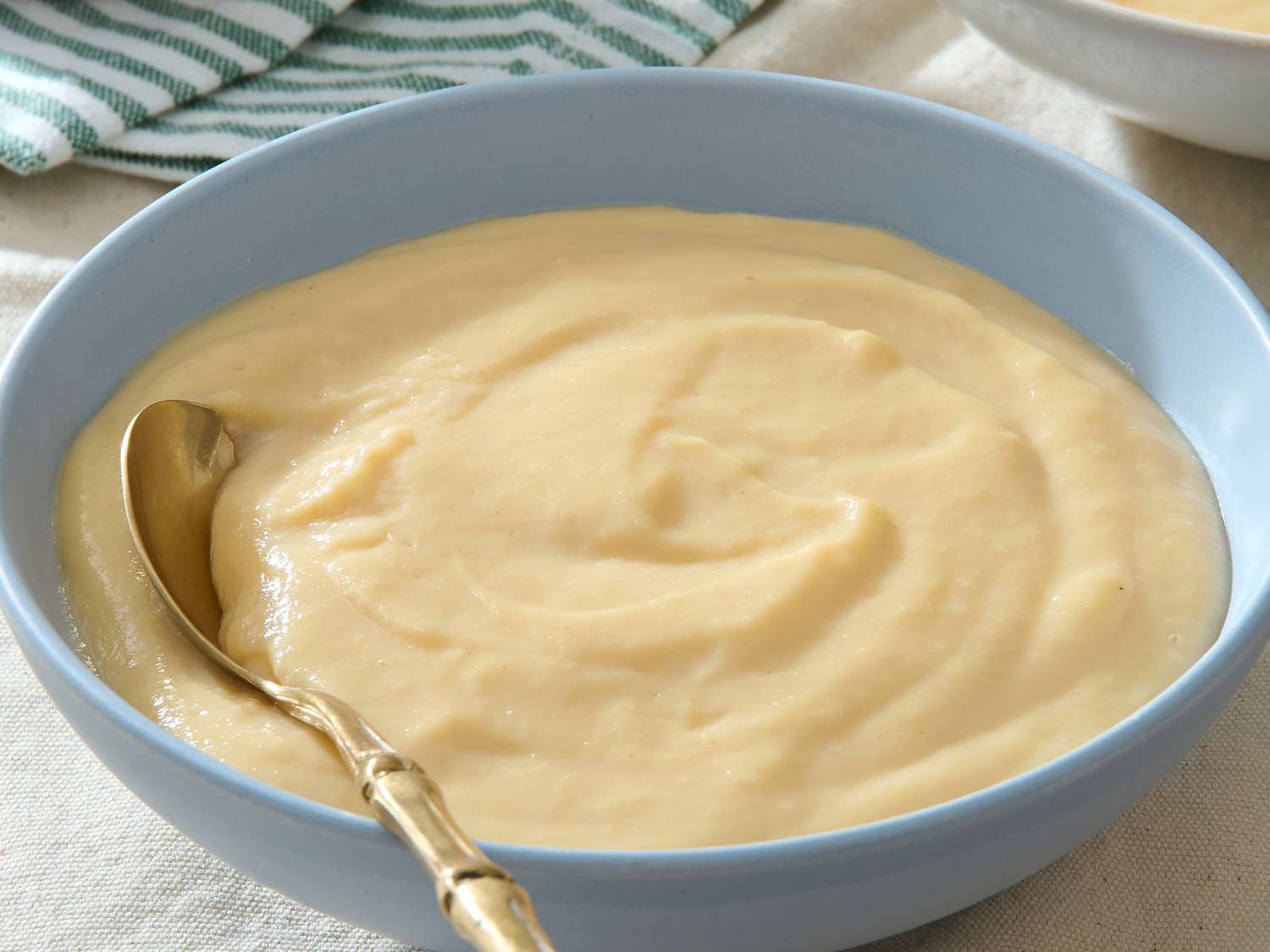
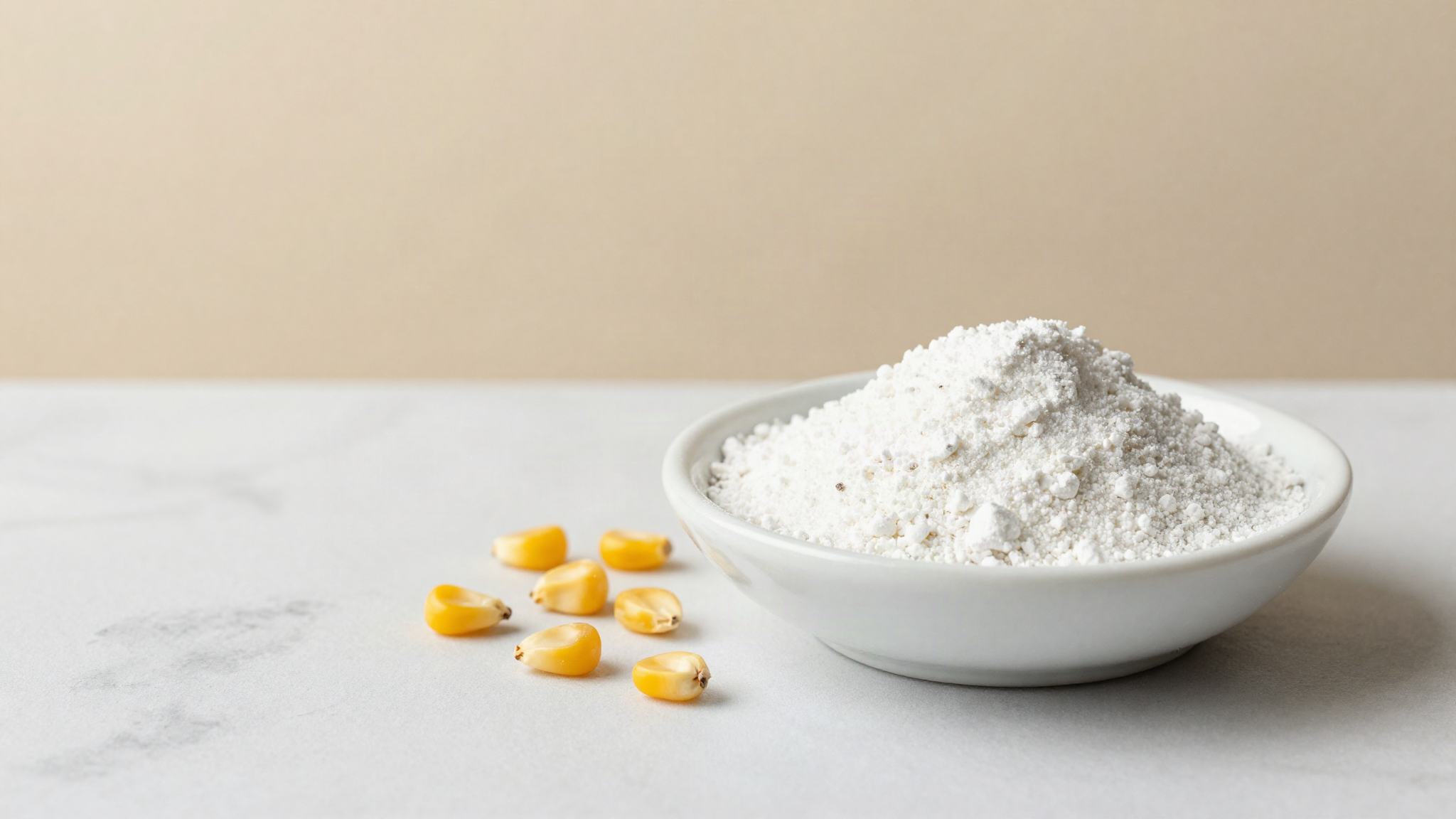
A kitchen counter with a bowl of white maize flour, a measuring cup, a wooden spoon, and a pot of water ready for cooking ugali

Why It Works

  • Reliable texture cues: you will know exactly when it is thick enough, not just when the timer says so.
  • No fancy ingredients: two basics, plus salt if you want it.
  • Fast comfort: done in about 15 minutes, and it turns any stew into a full meal.
  • Forgiving method: too soft or too stiff, you can fix it on the stove in under a minute.

Pairs Well With

Storage Tips

Ugali is best hot, but leftovers are still very useful.

Refrigerate

Let ugali cool, then wrap tightly or store in an airtight container. Refrigerate for up to 4 days.

Reheat

  • Steaming method (best): Cut into thick slices, set in a steamer basket, and steam 5 to 8 minutes until hot and soft again.
  • Skillet method (crisp edges): Slice and pan-sear in a lightly oiled skillet over medium heat until warmed through and browned on the outside.
  • Microwave: Cover with a damp paper towel and microwave in 30-second bursts until hot.

Freeze

Freeze slices wrapped well for up to 2 months. Thaw overnight in the fridge, then steam or pan-sear.

Common Questions

What is ugali made of?

Classic ugali is made from maize flour (often finely ground white cornmeal) and water. Some cooks add a pinch of salt. That is it.

Is ugali the same as polenta?

They are cousins. Polenta is usually cooked to a creamy consistency (or set then sliced), while ugali is typically cooked stiffer so it can be pinched and used to scoop. The corn variety and grind can differ too.

Why is my ugali lumpy?

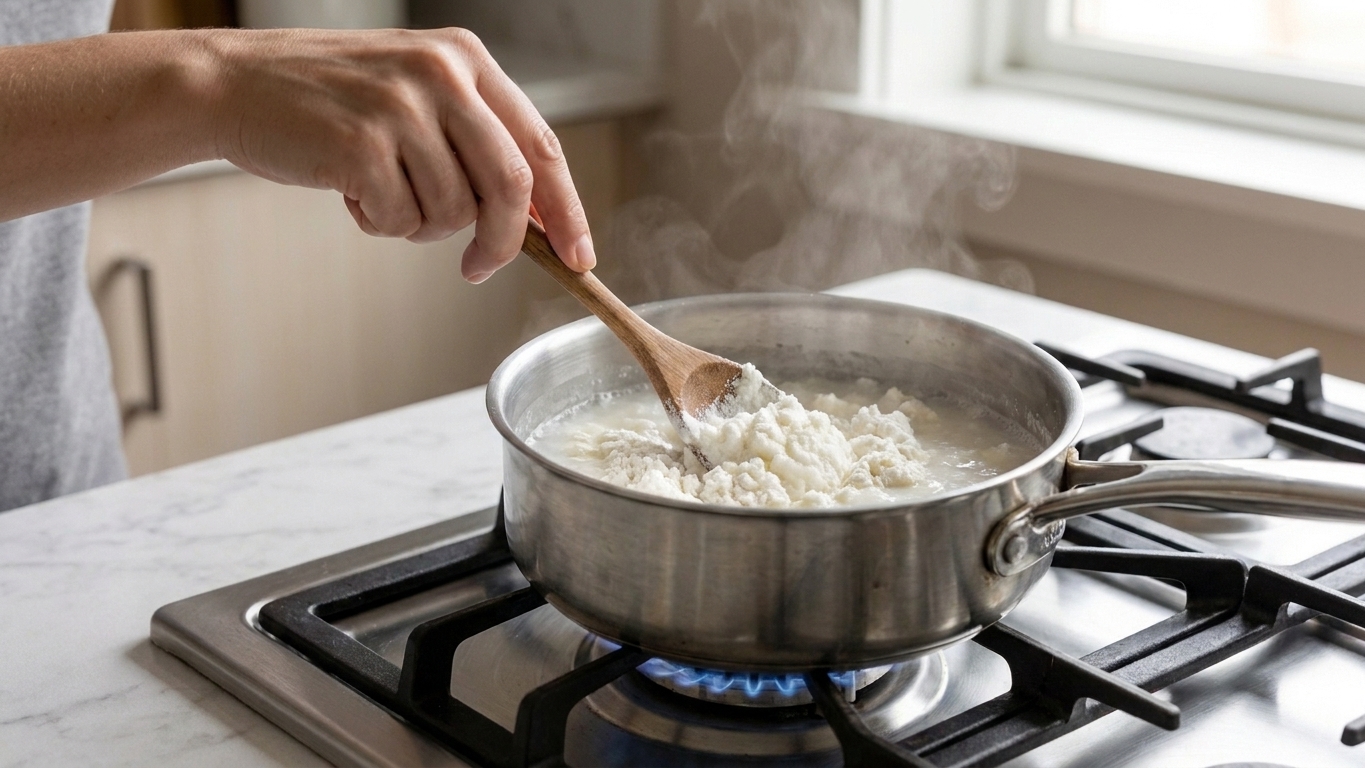
Lumps usually happen when too much flour hits the water at once. Fix it by lowering the heat and beating vigorously with a wooden spoon. Next time, sprinkle the flour in gradually while stirring.

Why is my ugali too soft or too stiff?

  • Too soft: Sprinkle in 1 to 2 tablespoons more flour and cook 1 to 2 minutes, beating until it tightens.
  • Too stiff: Splash in a little hot water (1 tablespoon at a time) and beat until smooth.

Do I need special maize flour?

No, but it helps. If you can find finely ground maize flour labeled for ugali, it makes a smoother result. In many US grocery stores, fine cornmeal works great. Avoid very coarse grinds unless you like a more rustic texture.

How do you eat ugali?

Traditionally, you pinch off a piece with your fingers, roll it into a small ball, make a little thumb dent, and use it to scoop stew, greens, or beans. Wash hands first, then dig in.

The first time I made ugali, I treated it like a gentle porridge. Big mistake. Ugali wants confidence. It wants you to stir like you mean it, then step back and let it set up. Now it is one of my favorite “two ingredients, big comfort” moves, especially when I have a pot of beans or any kind of tomato stew bubbling nearby. It is simple food that somehow feels like a flex.