Mom's Best Recipes
Recipe

Vanilla Buttercream Frosting

Fluffy, not-too-sweet vanilla buttercream that spreads smoothly and pipes clean swirls for cakes, cupcakes, and cookies.

Author By Matt Campbell
4.8
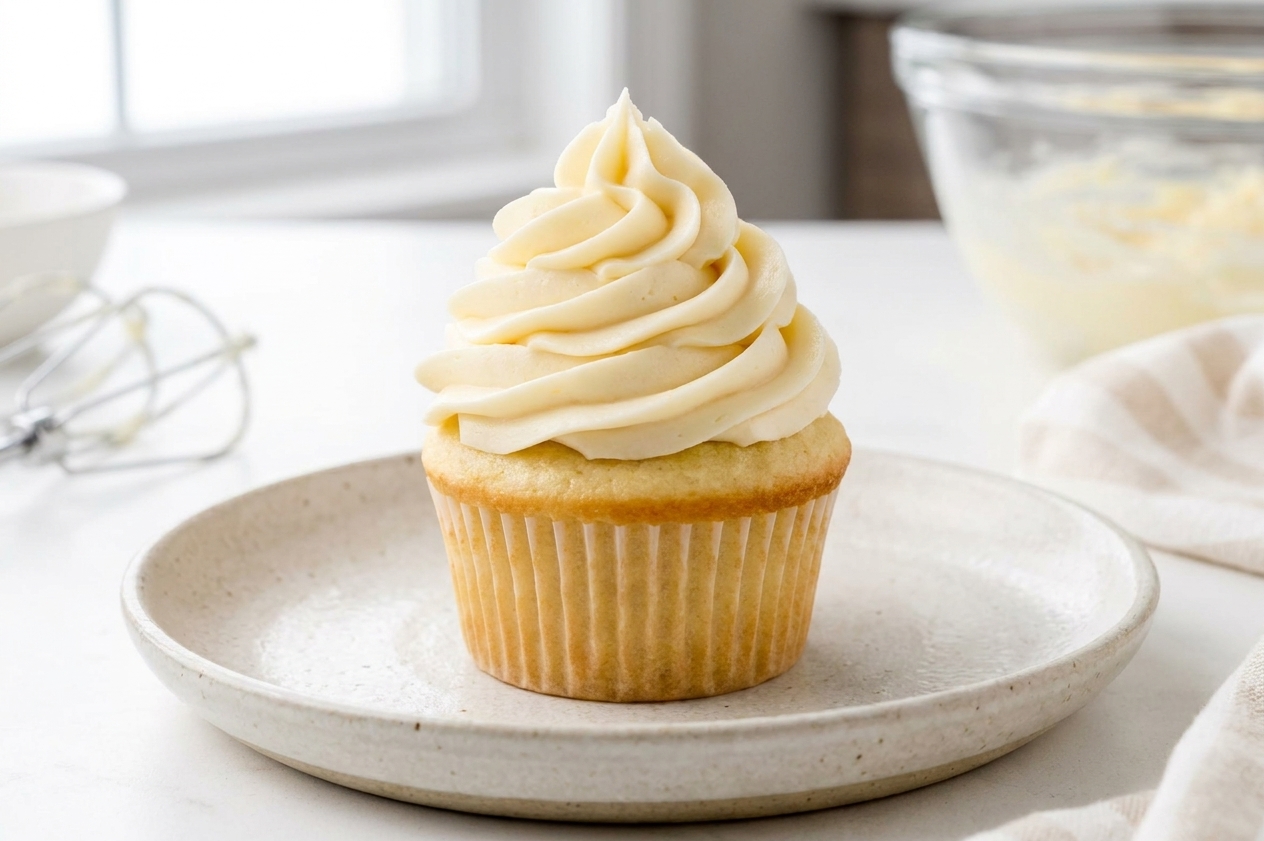
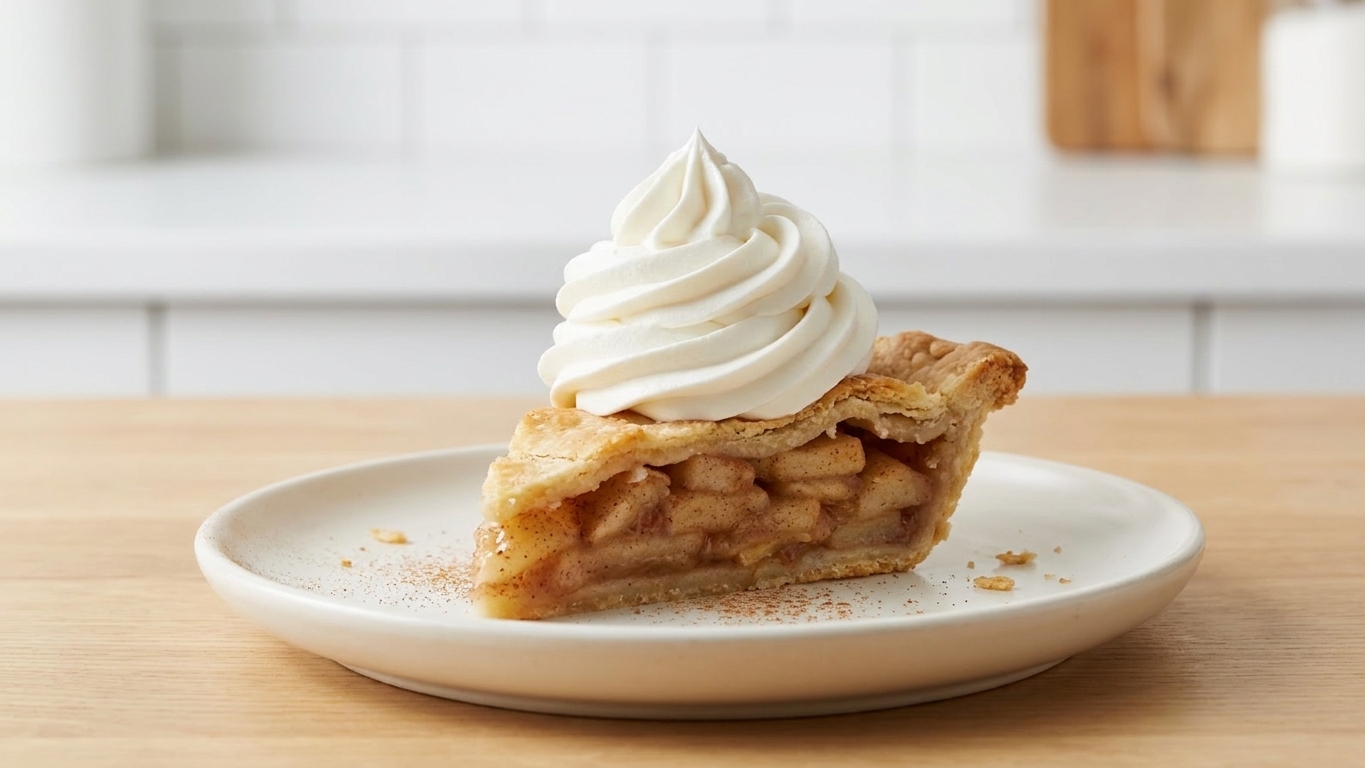
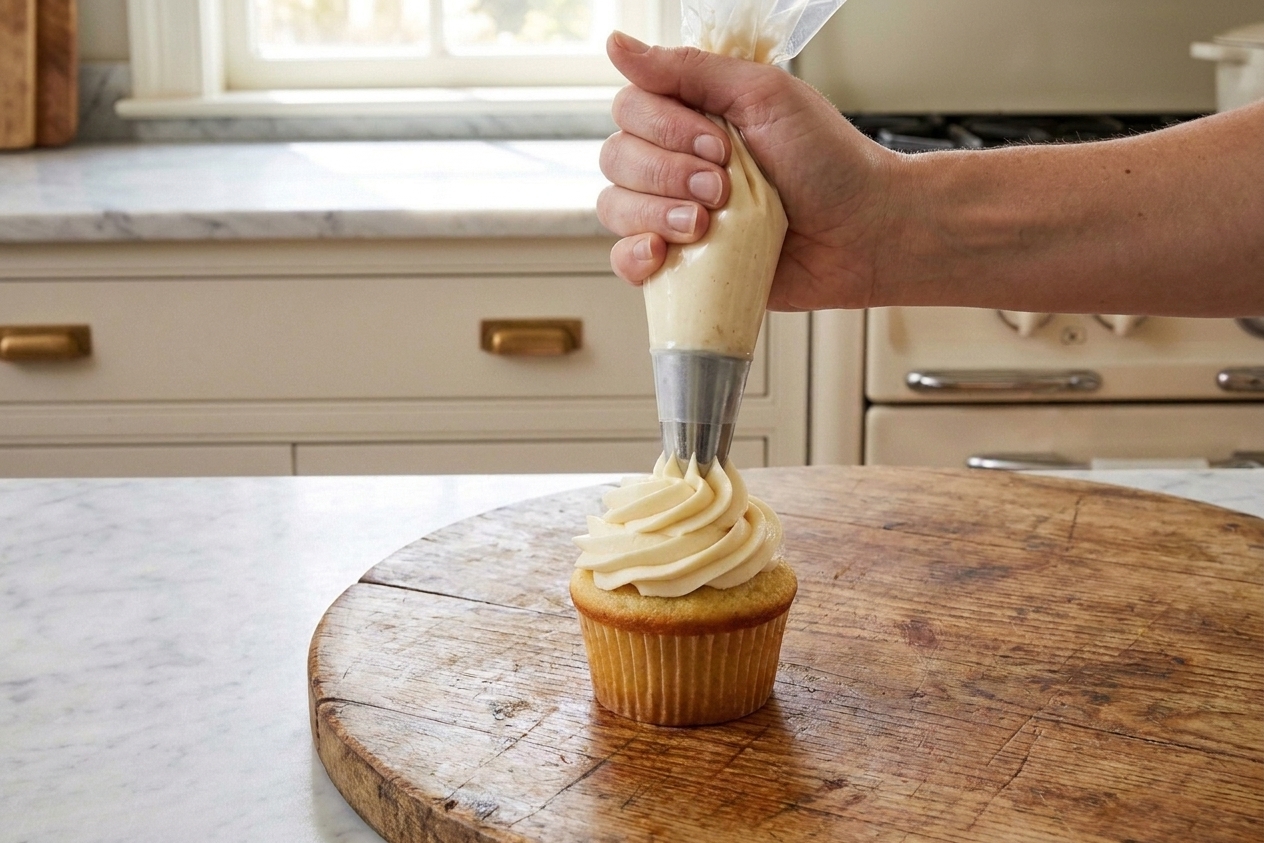
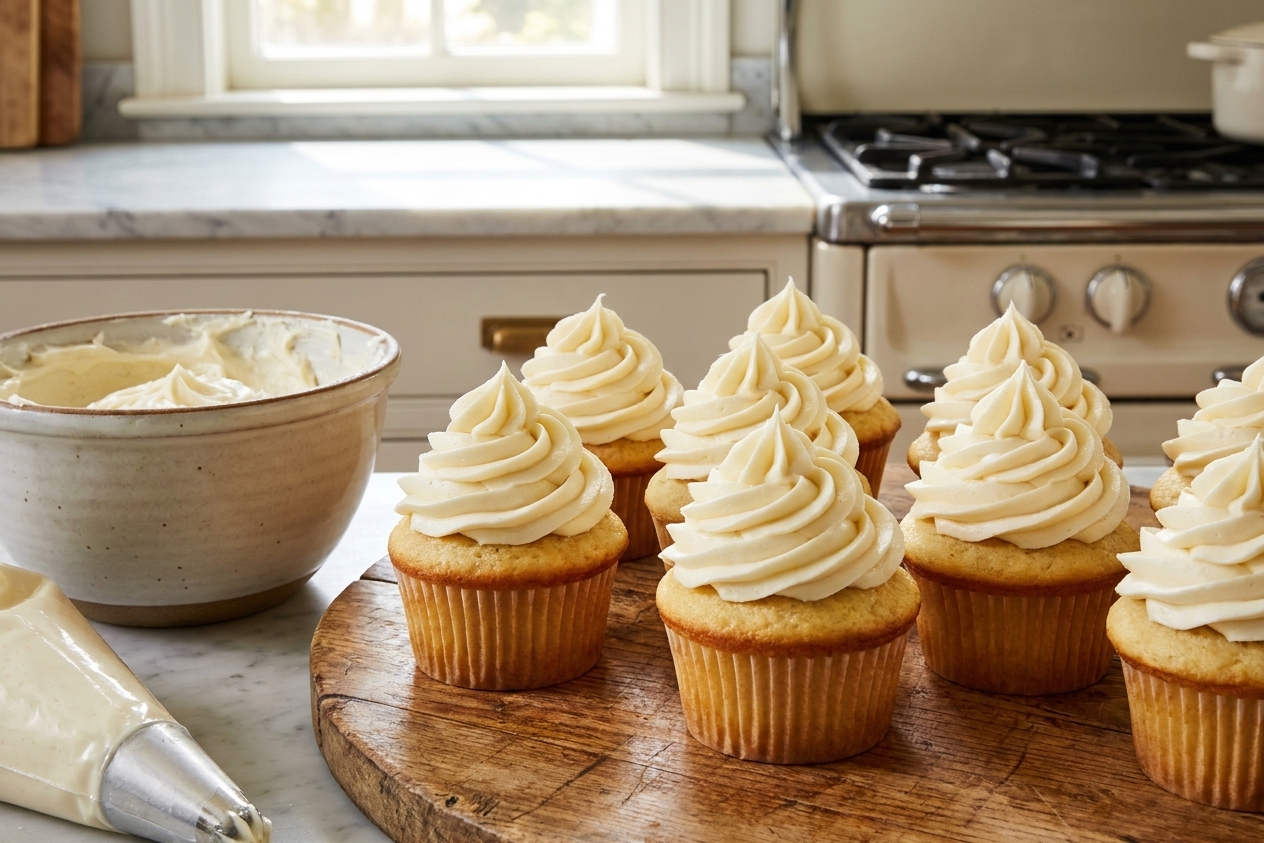
Vanilla buttercream frosting piped in tall swirls on vanilla cupcakes

Buttercream is one of those kitchen basics that feels fancy until you realize it is basically: butter, powdered sugar, and you standing there taste-testing like it is your job. This is my go-to vanilla buttercream when I want something fluffy, smooth, and dependable enough for birthday cakes, weeknight cupcakes, or that one cookie you swear you are only going to frost “a little.”

The goal here is a frosting that is bright with vanilla, easy to spread, and sturdy enough to pipe without turning grainy or sliding off the cake. We are keeping ingredients accessible and the process low-drama. You just need a mixer and the willingness to pause mid-mix and taste.

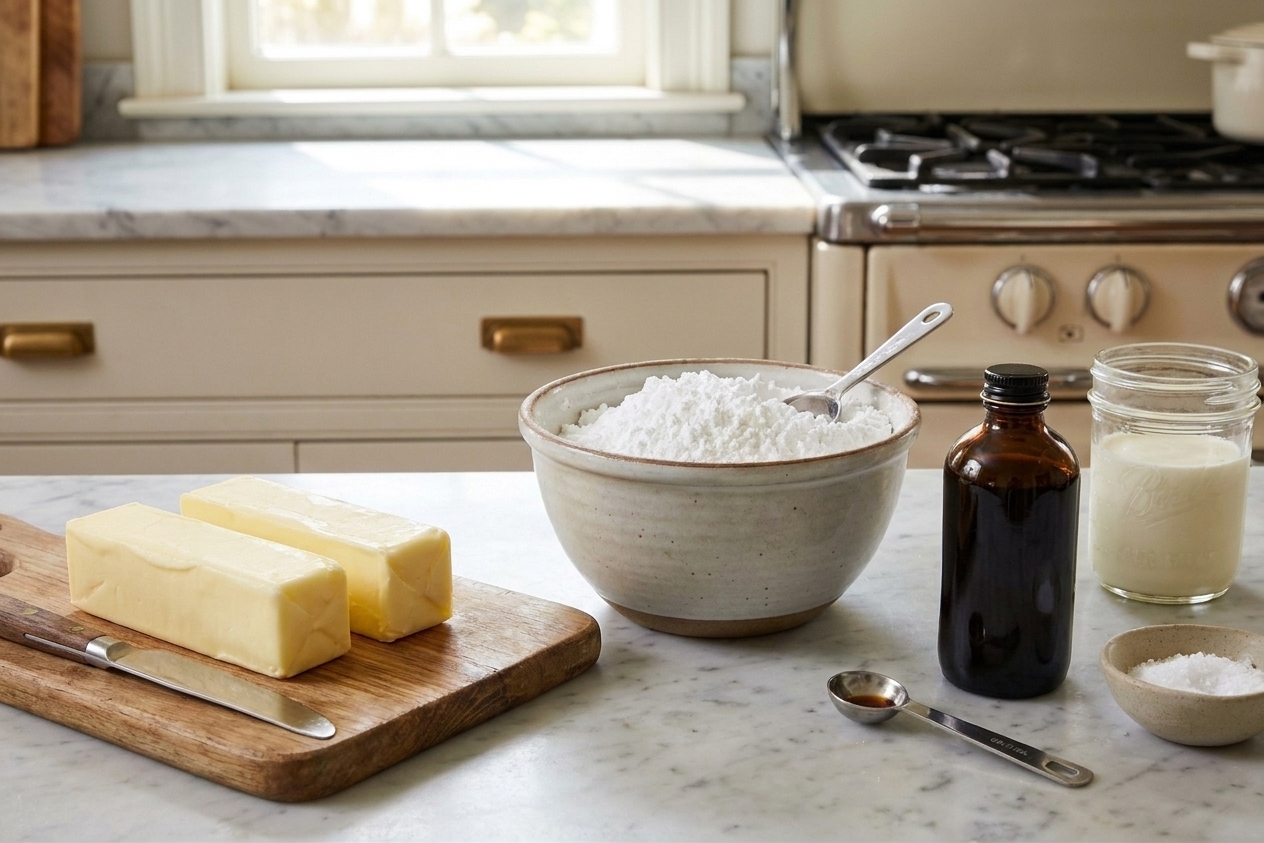
Ingredients for vanilla buttercream arranged on a kitchen counter, including butter, powdered sugar, vanilla, salt, and cream

Why It Works

  • Texture you can control: A little cream and proper mixing gives you a frosting that can go from spreadable to pipeable without guessing.
  • Flavor that does not fall flat: Enough salt and vanilla to keep it from tasting like straight sugar.
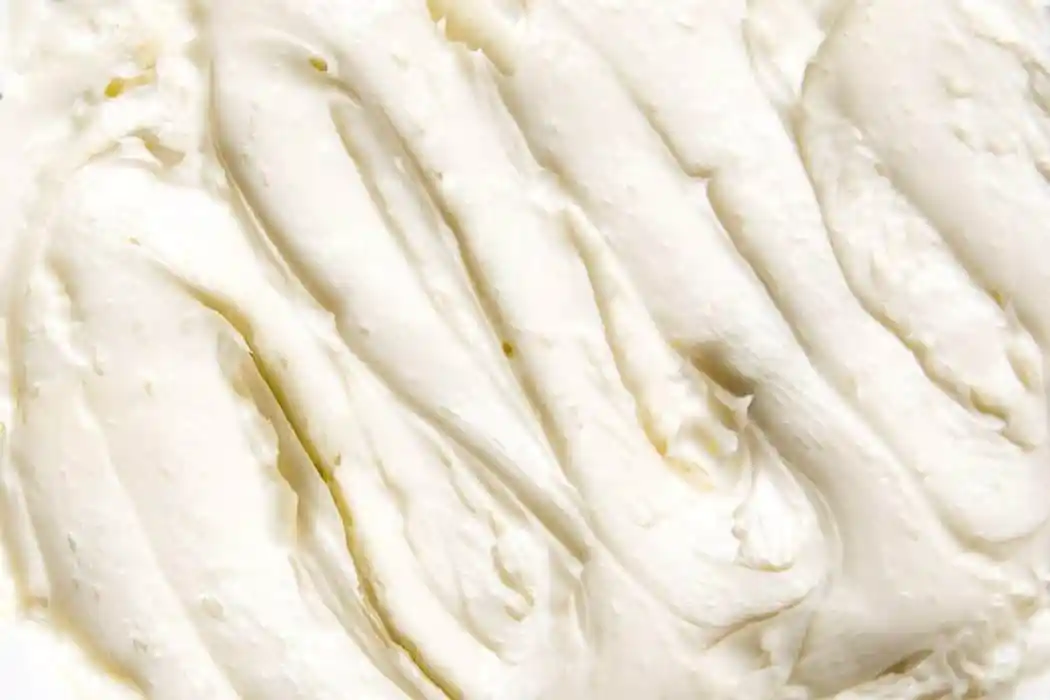
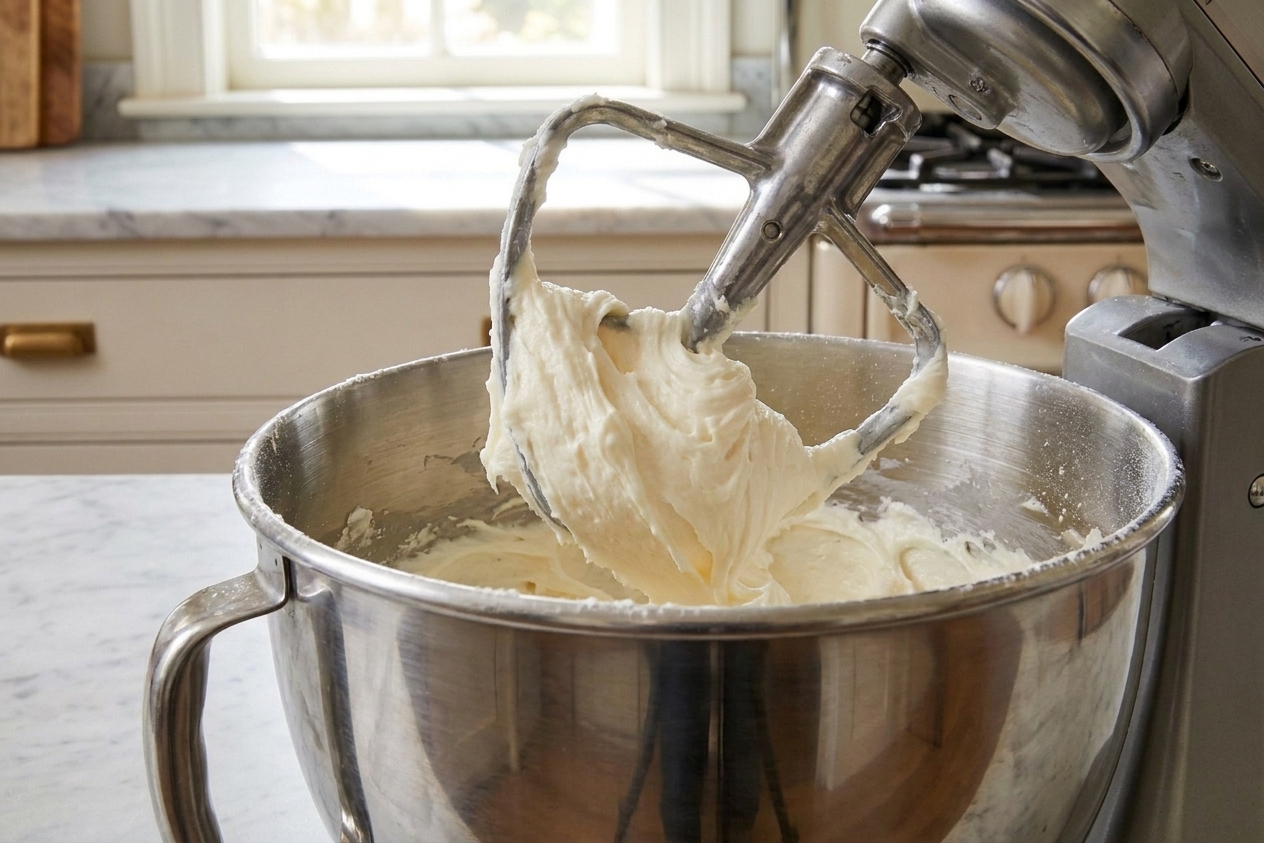
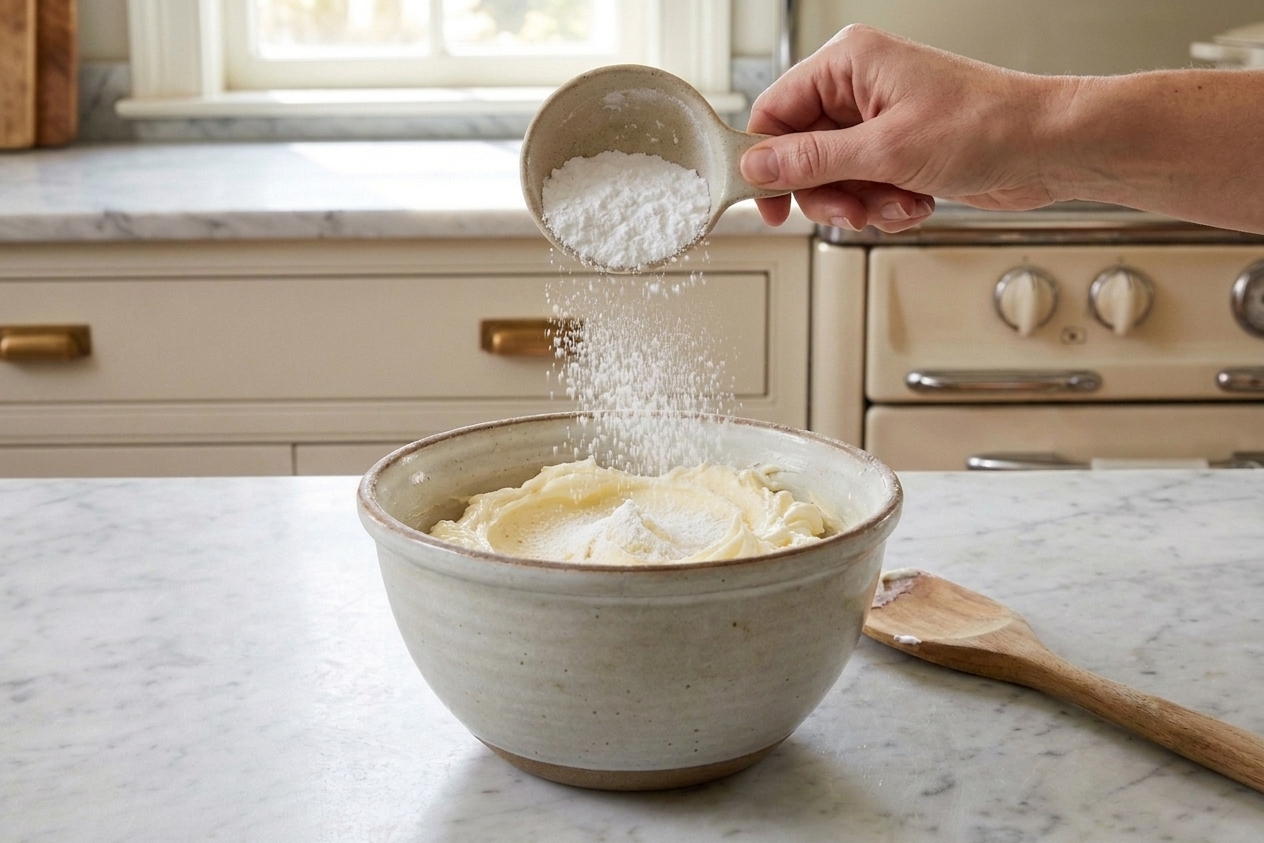
  • Less grit, more silk: Starting with properly softened butter and adding sugar gradually helps everything blend smooth.
  • Make-ahead friendly: It keeps well in the fridge and freezer, then mixes back to life with a quick re-whip.

Pairs Well With

Storage Tips

Refrigerator: Store buttercream in an airtight container for up to 7 days. Press plastic wrap directly on the surface if you want extra insurance against drying out. It is typically safe longer, but the texture gets less airy over time, so it is best within the week for peak fluff.

Freezer: Freeze in a zip-top bag or airtight container for up to 2 to 3 months. (Again, quality is best earlier.) Thaw overnight in the fridge.

How to re-whip: Bring to cool room temperature, then mix for 1 to 3 minutes. If it looks stiff, add 1 teaspoon cream at a time while mixing until fluffy again. If it looks loose or slightly separated, chill for 10 minutes, then mix again.

Food safety note: Buttercream is fine for a short stretch at room temperature while you frost and serve, but keep it cool when you can. Avoid direct sun and warm rooms, and refrigerate leftovers promptly, especially if you used cream.

Common Questions

Is buttercream the same as frosting?

Buttercream is a type of frosting. This recipe is American buttercream, the classic butter plus powdered sugar style that is quick, stable, and easy to flavor.

Why is my buttercream gritty?

Usually it is either the powdered sugar not fully incorporated or the butter being too cool. Start with properly softened butter, add sugar gradually, then mix long enough to get it smooth. Sifting lumpy powdered sugar helps, too. A small splash of cream can also smooth things out.

How do I make it less sweet?

American buttercream will always taste sweet, but you can make it feel more balanced. Try these in order:

  • Add salt a pinch at a time (it makes the sweetness calmer, not salty).
  • Add more vanilla or use vanilla bean paste for a stronger, less candy-like vanilla flavor.
  • Use the lower end of the sugar range (3 1/2 cups). It will be softer and a bit less stable, but still delicious.
  • Use less frosting per serving. A thinner layer tastes less sweet than a towering swirl.
  • If you want a dramatically less-sweet frosting, choose a Swiss or Italian meringue buttercream or ermine frosting instead.

Can I color this buttercream?

Yes. Gel food coloring is easiest because it does not thin the frosting much. Add a little, mix, then decide. Colors deepen slightly as they sit.

How do I make it pipeable for cupcakes?

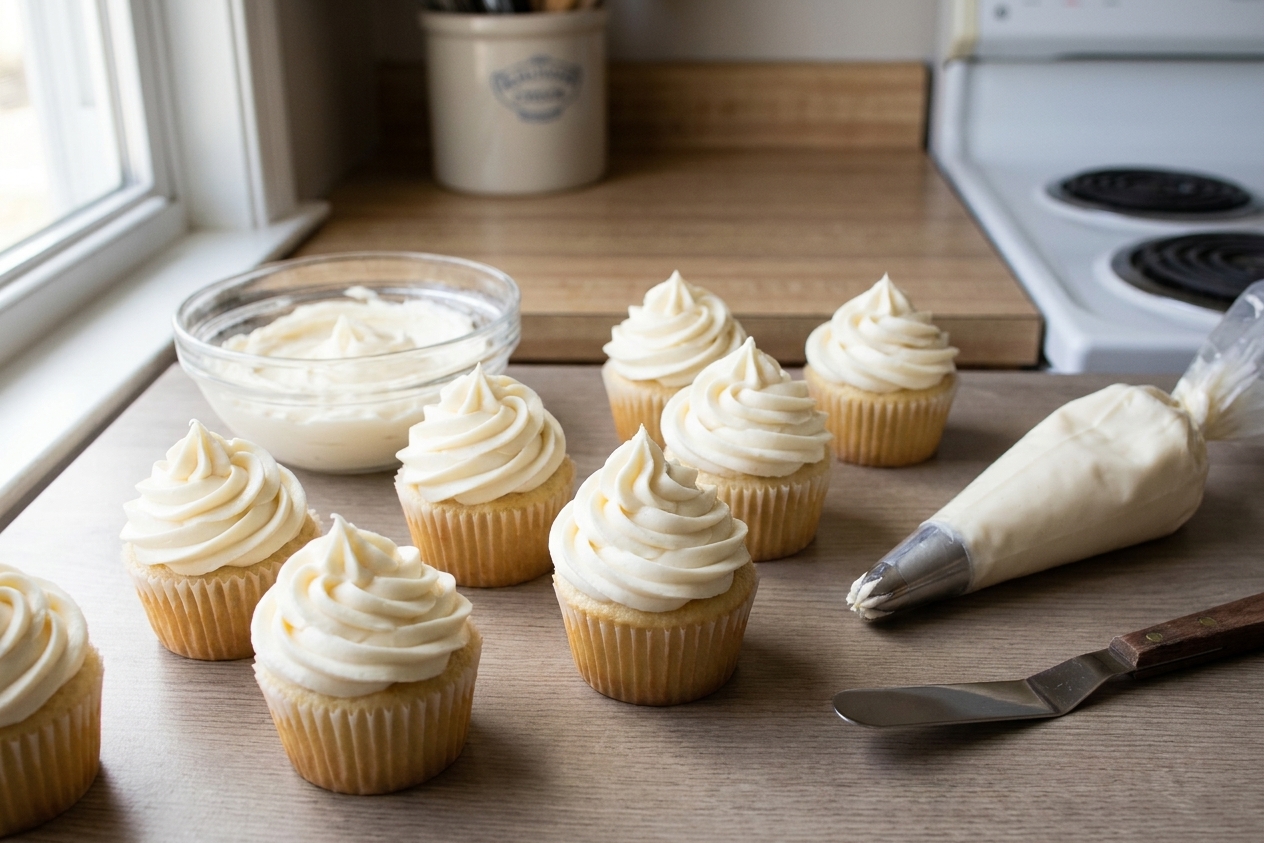
Use the ingredient range as written, starting with less cream. You want it to hold a peak but still feel smooth. If it is too soft, beat in more powdered sugar 2 tablespoons at a time. If your kitchen is warm, chill the frosting (or even the piping bag) for 10 minutes before piping.

Can I use salted butter?

You can. Just reduce the added salt and taste as you go. Salted butter brands vary a lot, so treat salt like a dial, not a rule.

Why is my buttercream too soft or melting?

Buttercream softens fast in warm kitchens. Move the bowl to the fridge for 10 to 15 minutes, then beat again. For very hot days, use less cream, avoid direct sun or heat, and consider a half-butter, half-vegetable-shortening blend for extra stability.

What if it looks separated or curdled?

That is usually temperature. If it looks loose and greasy, it is too warm. Chill briefly, then mix. If it looks chunky, the butter is too cool. Let it sit at room temperature a bit, then mix until smooth.

I did not grow up thinking buttercream was “a skill.” I thought it was just something you stirred together until it looked right. Then I tried to frost a cake in a hurry, realized my butter was still cool, and ended up with a lumpy, sugar-snow situation that looked like it had been through a small weather event.

Now I treat buttercream like a tiny kitchen ritual. Soft butter. Slow sugar. A pinch of salt that makes the vanilla pop. And a quick taste test that usually turns into three. It is relaxed, a little chaotic, and honestly one of the fastest ways to make a homemade dessert feel like a real celebration.