Mom's Best Recipes
Recipe

Vinegar Pie

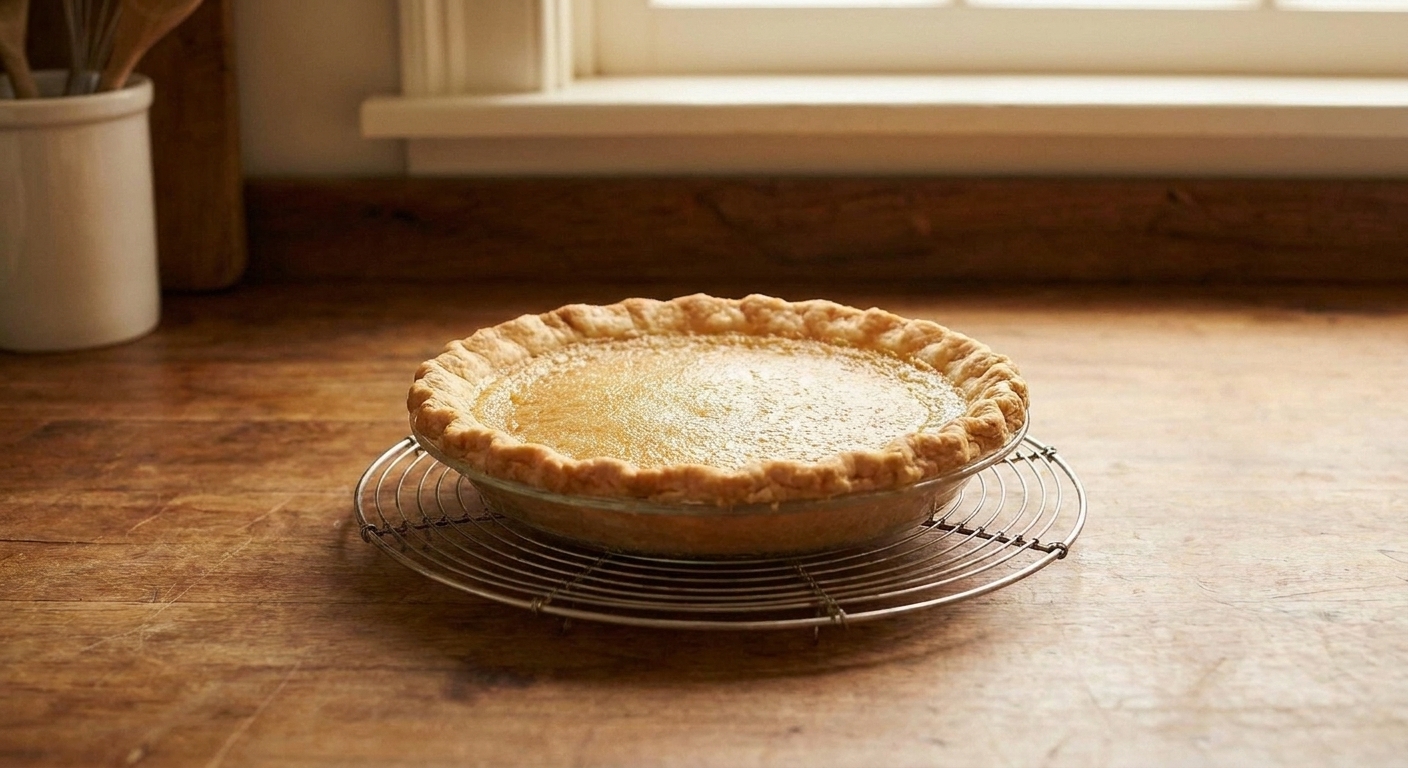
An old-fashioned pantry custard pie with a gentle tang, baked in a flaky crust with a smooth, sliceable center.

Author By Pip
4.7
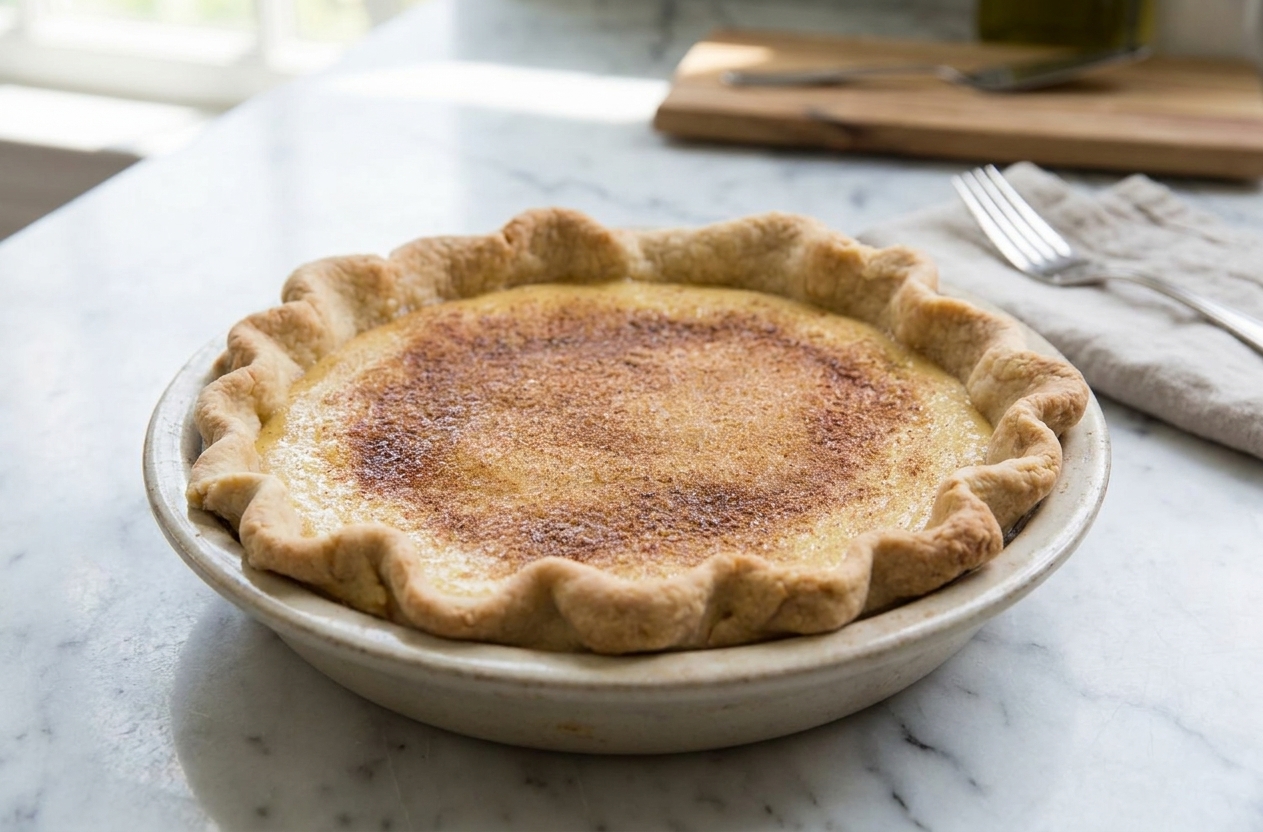
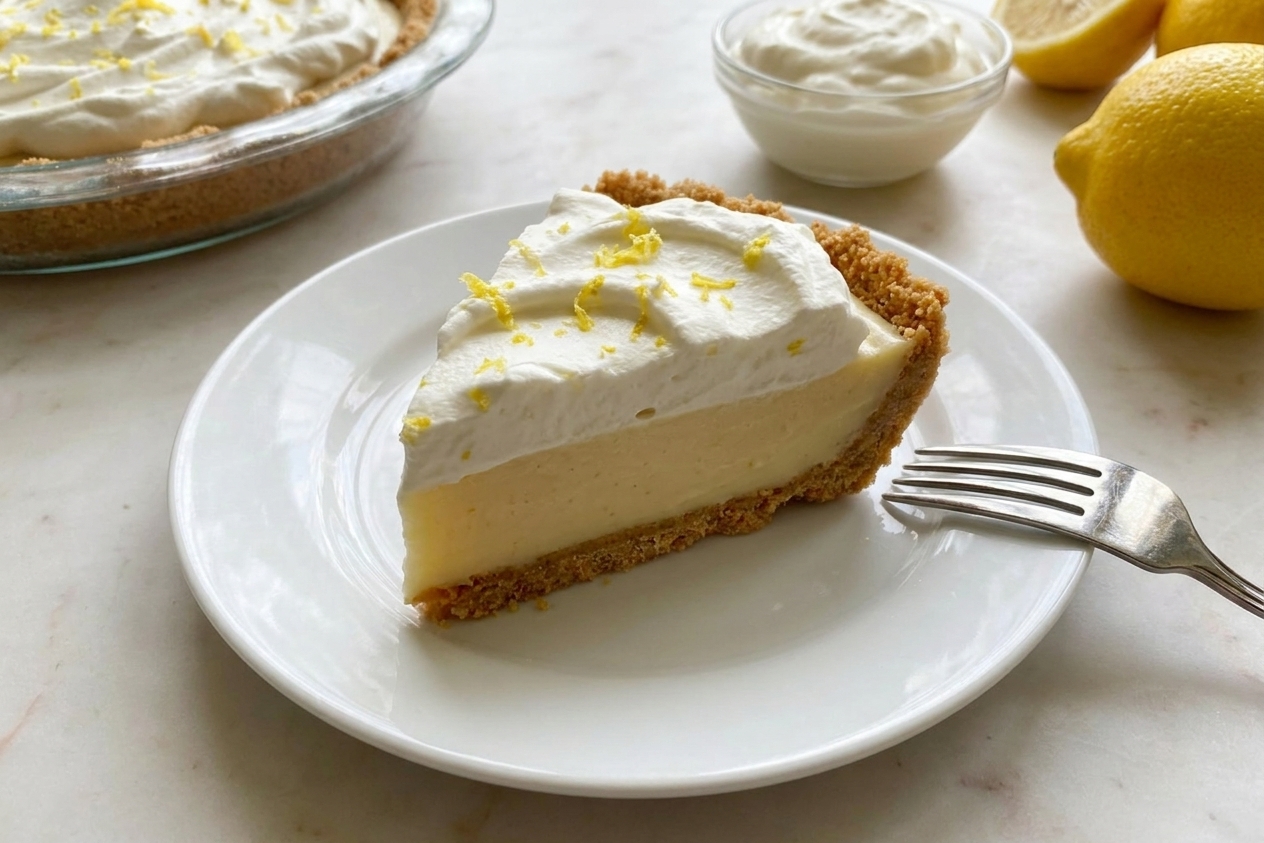
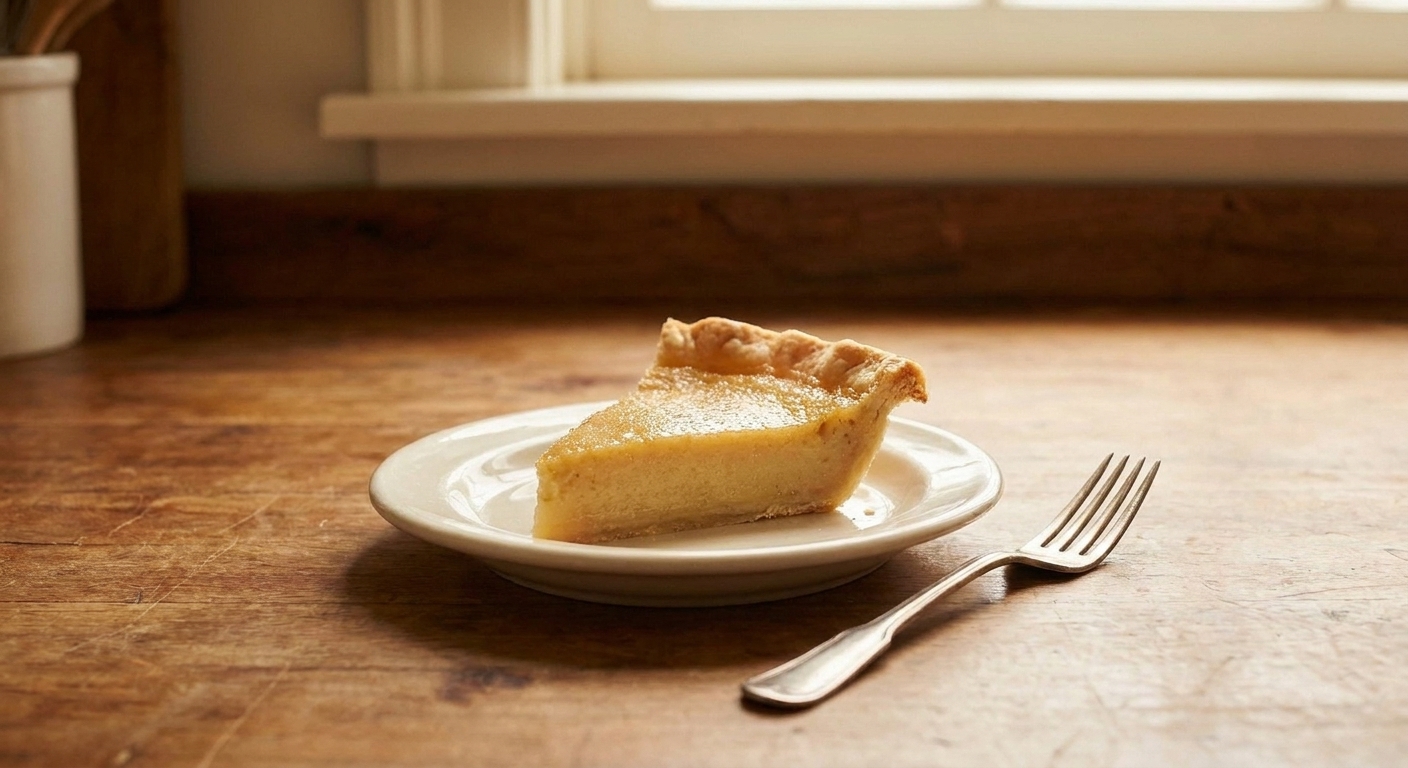
A single slice of vinegar pie on a small dessert plate, showing a pale golden custard filling in a flaky pastry crust, with a fork on the side on a warm kitchen table

Small paws, big appetite, and a soft spot for comfort food.

Vinegar pie is one of those delightfully practical, old-fashioned desserts that sounds like a prank until you taste it. The filling bakes up like a creamy custard with a lemony twang, but the “lemon” comes from a spoonful of vinegar waking everything up. It is sweet, buttery, and just tangy enough to keep you coming back for one more nibble.

Below you will find a reliable vinegar pie filling, plus the little details that matter most: how much vinegar is just right, what temperature your custard ingredients should be, and how to avoid a cracked or weepy center.

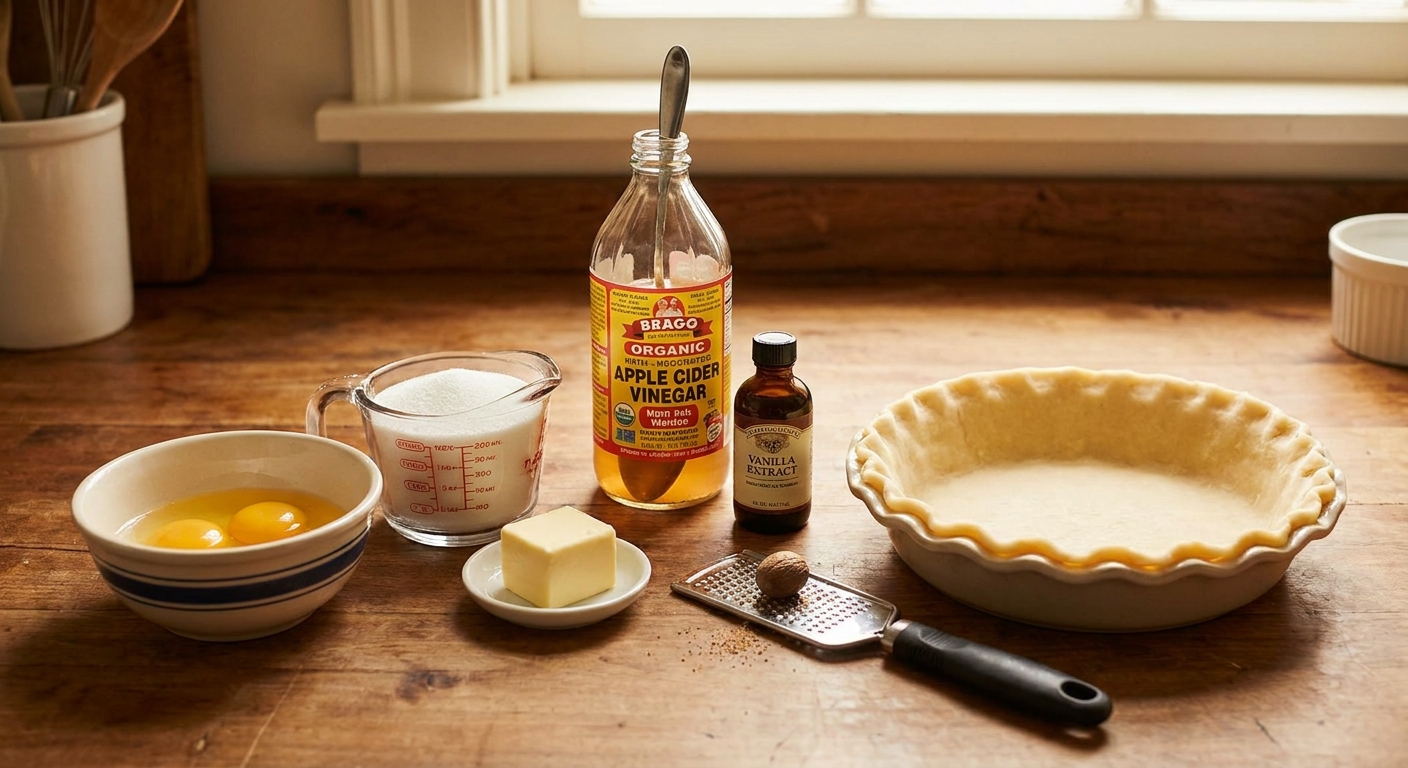
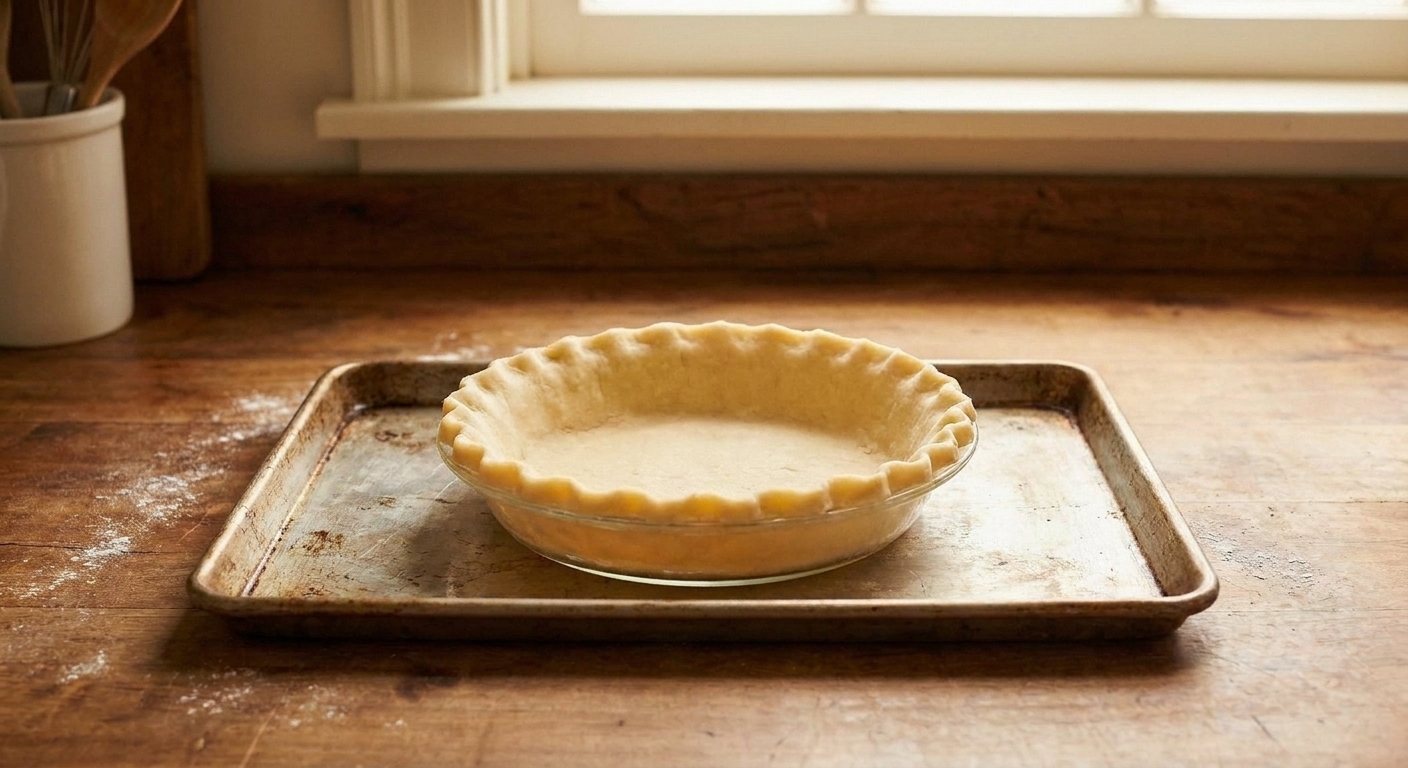
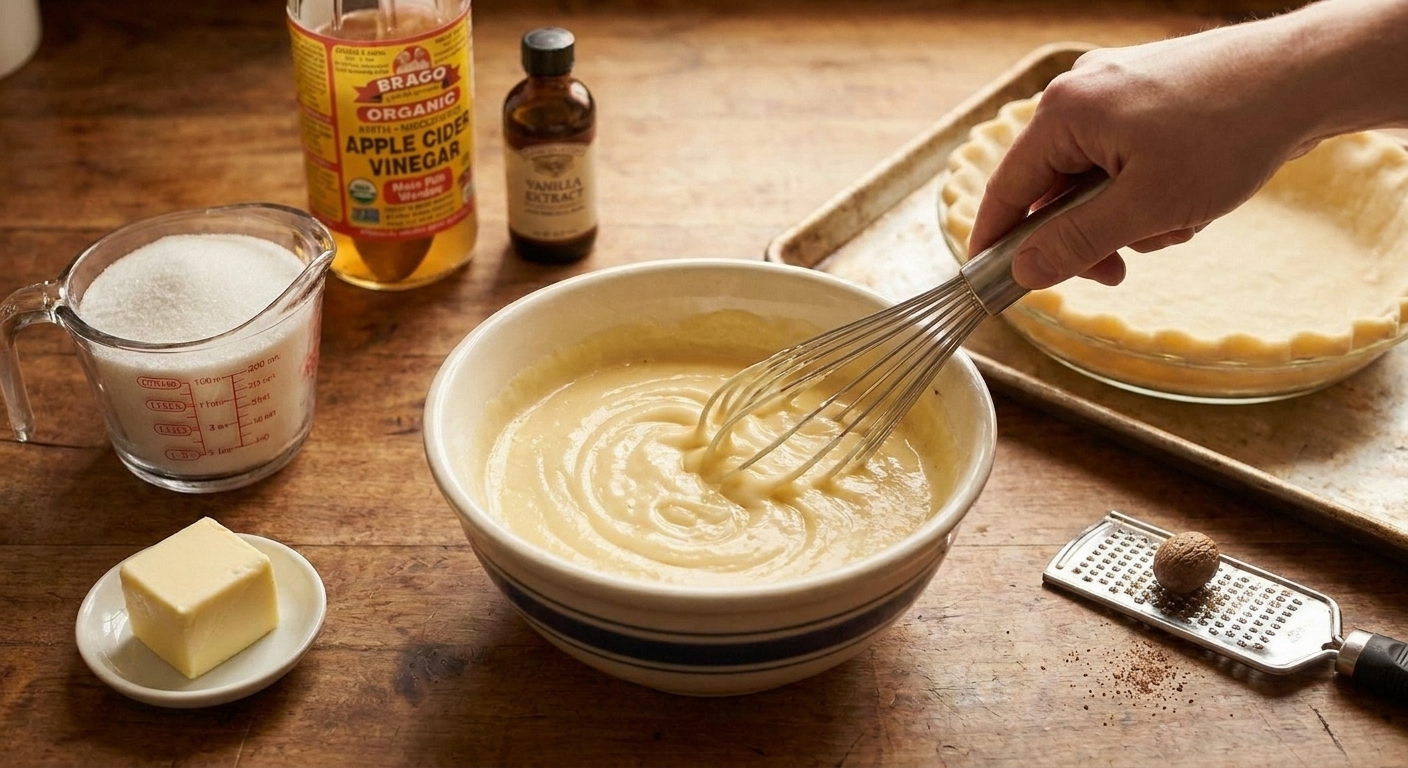
Measured ingredients for vinegar pie filling on a cozy kitchen counter, including eggs, sugar, butter, vinegar, vanilla, and nutmeg beside an unbaked pie crust in a pie dish

Why It Works

  • Bright, balanced tang: Just enough vinegar to mimic citrus without tasting sharp.
  • Silky custard texture: Proper mixing and gentle baking give you a smooth center that slices cleanly.
  • No watery puddles: Tips for mixing, baking, and chilling help prevent separation.
  • No crater cracks: You will learn the “slight jiggle” doneness cue and how to cool gradually.

Pairs Well With

Storage Tips

How to Store Vinegar Pie

Vinegar pie is a custard pie, so it belongs in the refrigerator once it has cooled.

  • Refrigerate: Cover and refrigerate for up to 4 days. For the neatest slices, chill at least 4 hours before serving.
  • Food safety note: Because this is an egg-based custard, do not leave it out at room temperature for more than 2 hours.
  • Covering tip: Press a sheet of plastic wrap or parchment lightly against the surface if you are worried about condensation, then cover the whole pie plate.
  • Freeze: You can freeze vinegar pie, but custard texture can turn slightly more grainy after thawing. If you do freeze it, wrap slices tightly and freeze up to 2 months. Thaw overnight in the fridge.
  • Serving leftover slices: Serve cold, or let a slice sit at room temperature for 10 to 15 minutes to soften the custard.

Common Questions

Common Questions

Does vinegar pie taste like vinegar?

Nope. In the oven, the vinegar’s sharp edge mellows and reads more like a bright, citrusy tang that balances the sugar and butter. If it tastes strongly of vinegar, the vinegar was likely over-measured or the pie was underbaked.

How much vinegar should I use?

For a standard 9-inch pie, 1 tablespoon of distilled white vinegar is my sweet spot for a gentle tang. Some regional recipes go a little higher, so if you want it brighter you can go up to 1 1/2 tablespoons. If you are sensitive to tang, start with 1 tablespoon.

Can I use apple cider vinegar?

Yes. Apple cider vinegar gives a slightly warmer, fruitier tang. Distilled white vinegar tastes the cleanest and most traditional. Either works as long as it is a standard 5% acidity vinegar.

Why did my vinegar pie get watery on top?

That watery layer is usually weeping, and it is most often caused by overbaking or overheating the custard (which can make it separate), or by beating in too much air. Bake until the center has a small jiggle, then cool completely before chilling.

How do I know when the custard is done?

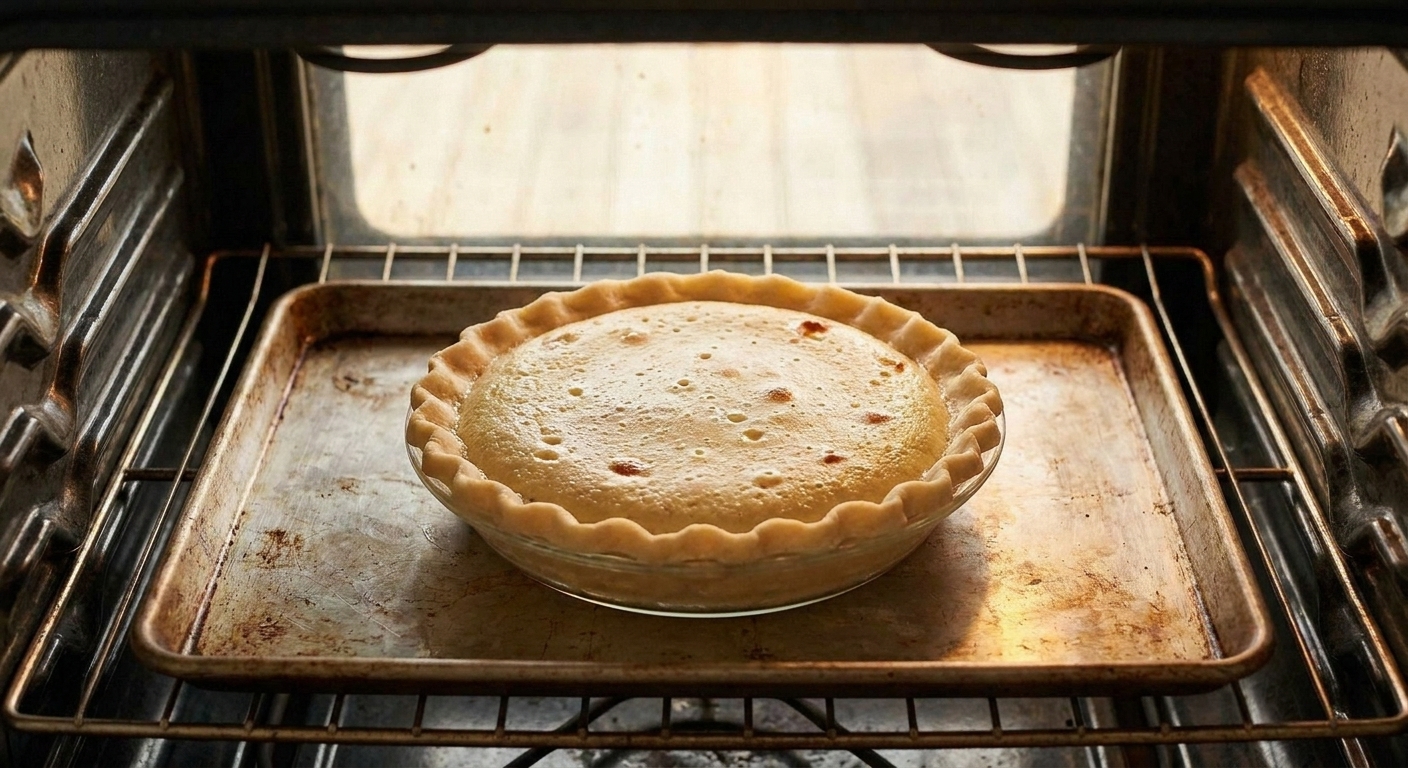
The outer 2 to 3 inches should look set, and the center should wobble like gelatin when you gently nudge the pan. If the center ripples like a liquid wave, it needs more time. If you like numbers, aim for an internal temperature of about 170 to 175°F in the center.

What temperature should my ingredients be?

Use room temperature eggs if you can. Cold eggs can make melted butter seize into tiny bits and encourage overmixing. If your eggs are straight from the fridge, place them in a bowl of warm water for 5 to 10 minutes.

Do I need to blind bake the crust?

Not always, but it can help prevent a soggy bottom, especially with a homemade crust and a juicy oven. If you have time, par-bake the crust at 350°F for 10 to 12 minutes (with pie weights), then remove the weights and bake 3 to 5 minutes more until it looks dry. Let it cool a few minutes, then add the filling and bake as directed.

Can I make vinegar pie without dairy?

This recipe relies on butter for flavor and texture. You can experiment with a plant-based butter, but results vary by brand. If you try it, choose one meant for baking and keep the butter from being overly hot when you whisk it in.

Vinegar pie always makes me giggle a little, because it sounds like a dare and tastes like a hug. It is the kind of thrifty, make-do dessert that feels right on a quiet afternoon when you want something sweet, but you do not want to run out for special ingredients. I like it best when the custard is cool and set, the crust shatters a bit at the edge, and the tang gives a tiny wink after the first bite. If you have small paws in your house like I do, guard your plate, because this one disappears fast.