Mom's Best Recipes
Recipe

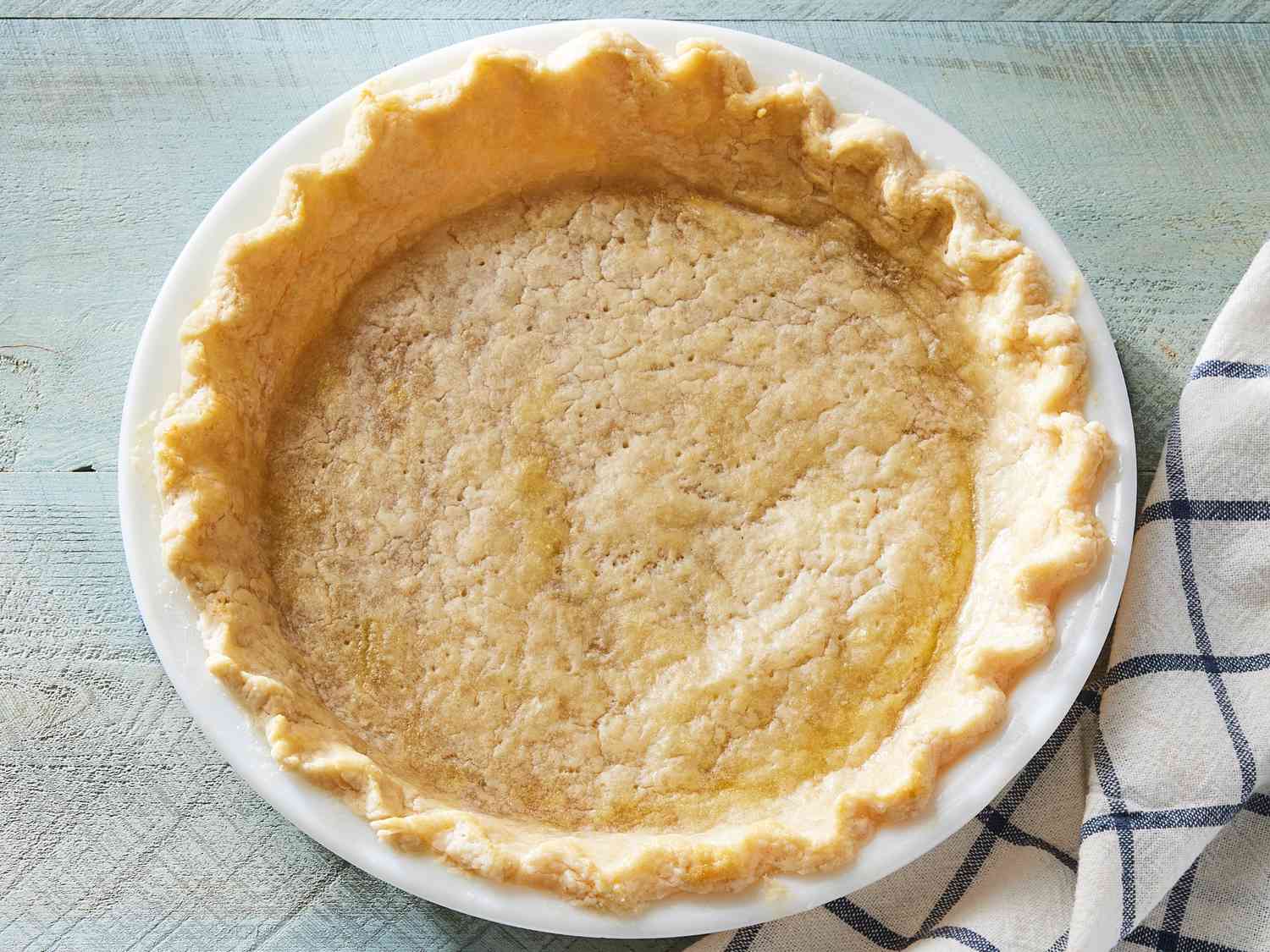
Vodka Pie Crust

An all-butter pie dough that uses vodka for part of the liquid to help you get a tender, flaky crust that rolls like a dream and blind-bakes beautifully.

Author By Pip
4.8
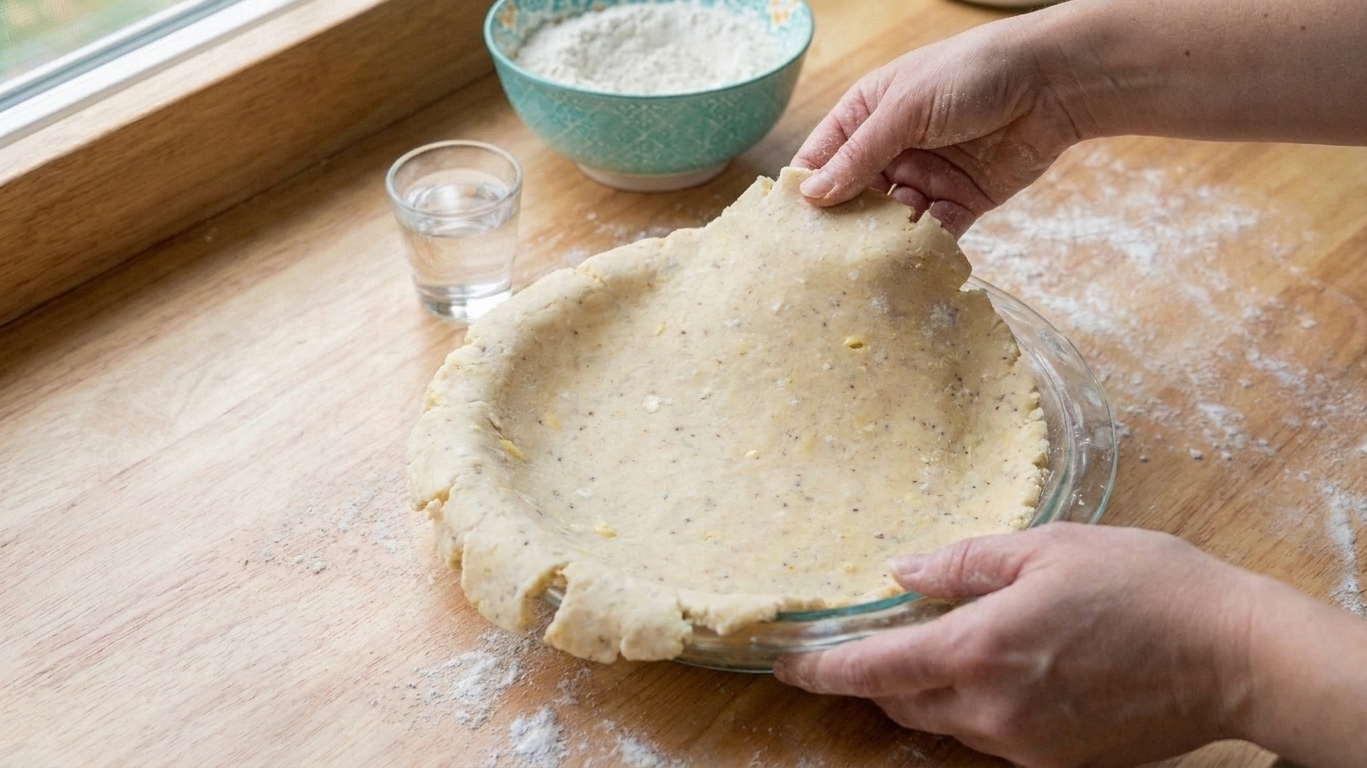
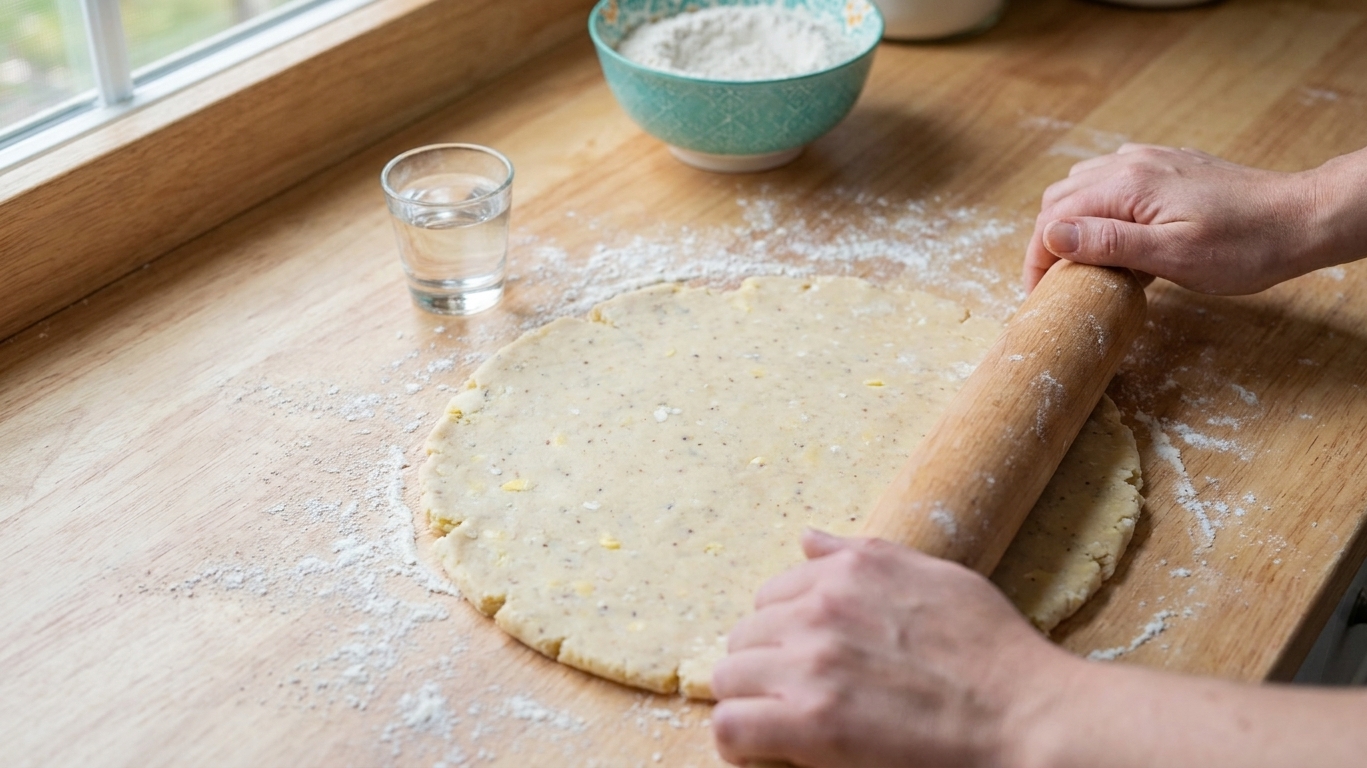
A round of pale, all-butter pie dough being rolled out on a lightly floured wooden counter with a rolling pin, with a small glass of clear vodka nearby in a cozy home kitchen

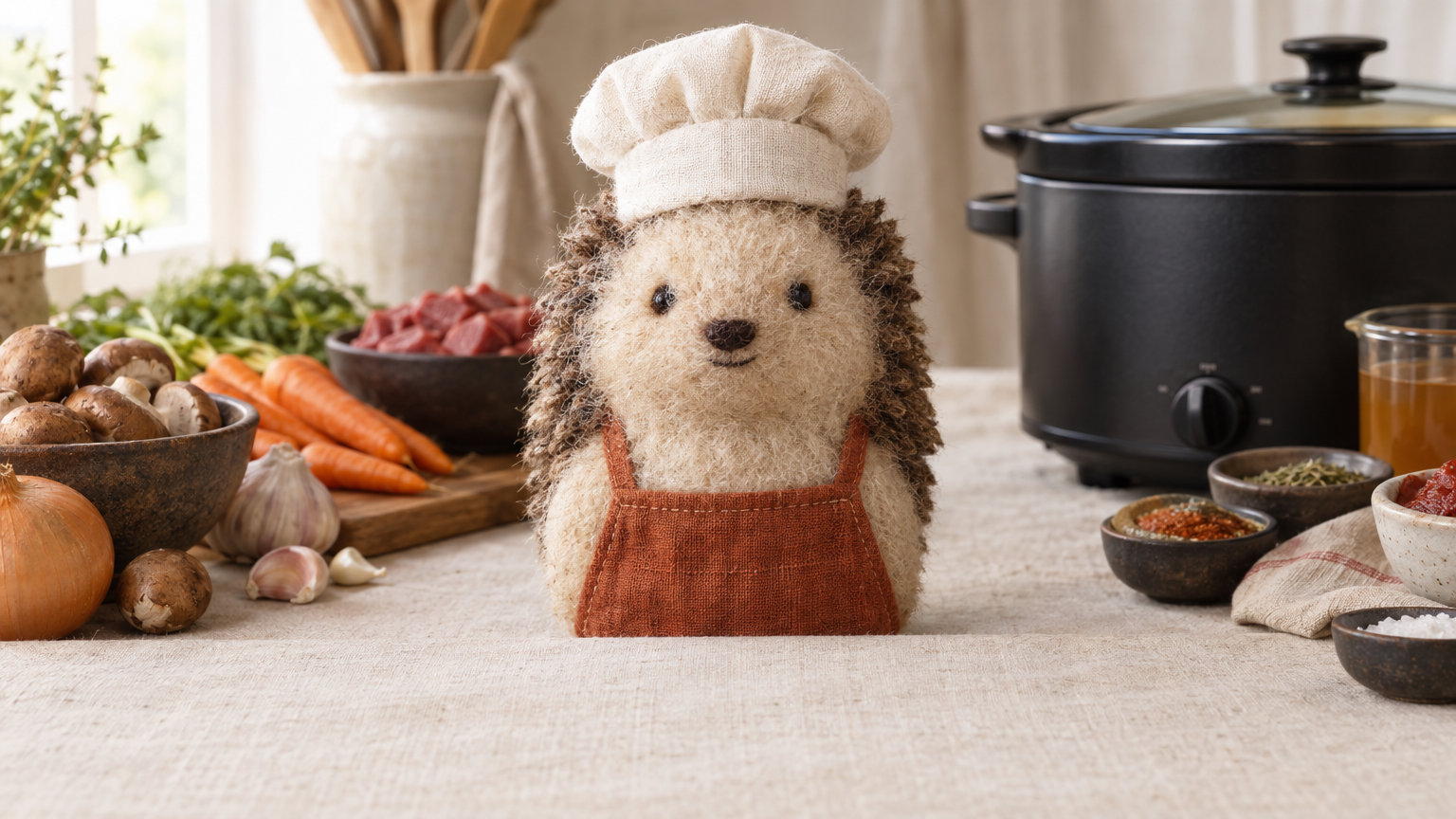
Pull up a chair. Our little hedgehog host is here to talk about a pie crust trick that feels like kitchen mischief but bakes up like pure comfort.

This is a vodka pie crust, which means we replace part of the water with vodka. That ratio is the point. Vodka helps add moisture while you mix and roll, but because it is not 100 percent water, it limits how much water is available to hydrate flour and encourage gluten development. Less gluten development means a crust that stays tender, flakes more easily, and is less likely to fight you when you roll.

Do not worry, you will not taste alcohol after baking. What stays behind is a dough that is easy to handle, beautifully flaky, and very forgiving as long as you keep everything cold. I will show you the cold-dough cues to watch for, plus blind-baking notes so your crust stays crisp under custards and juicy fillings.
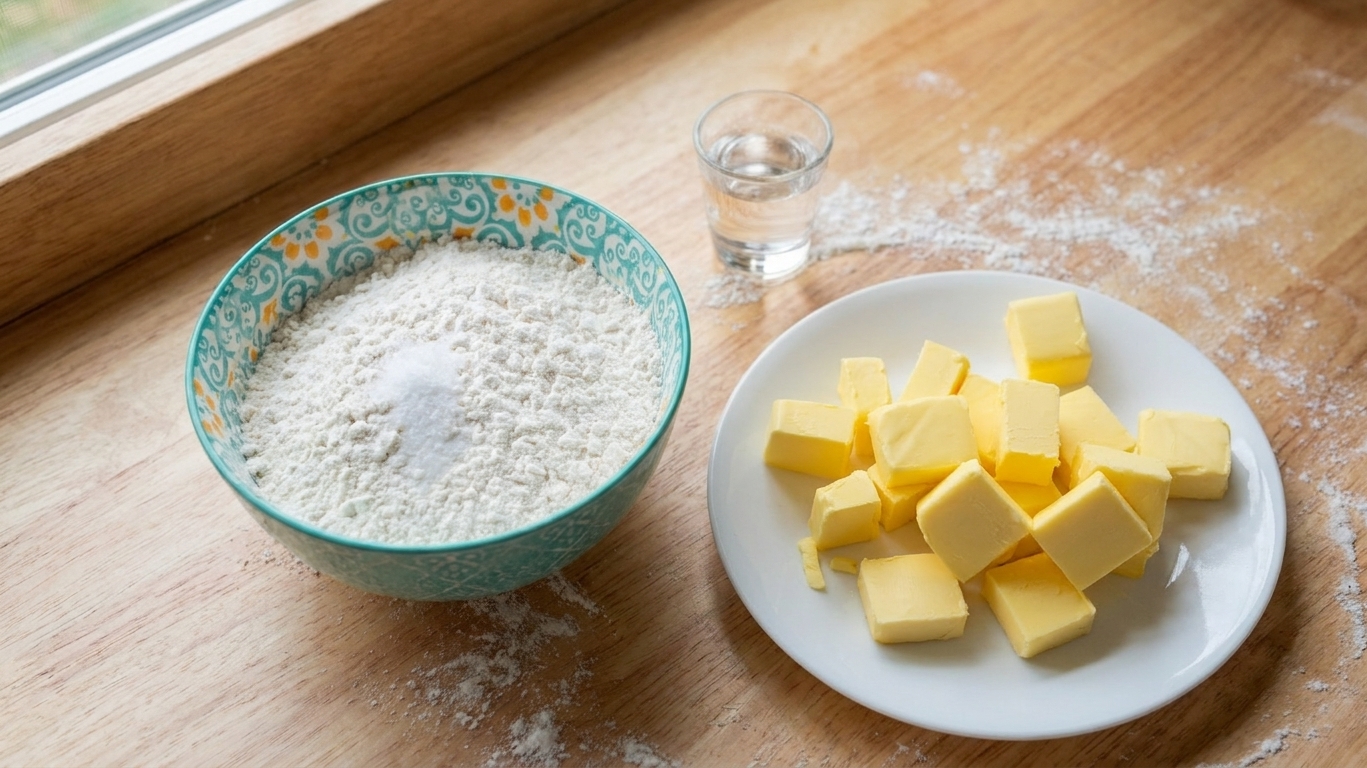
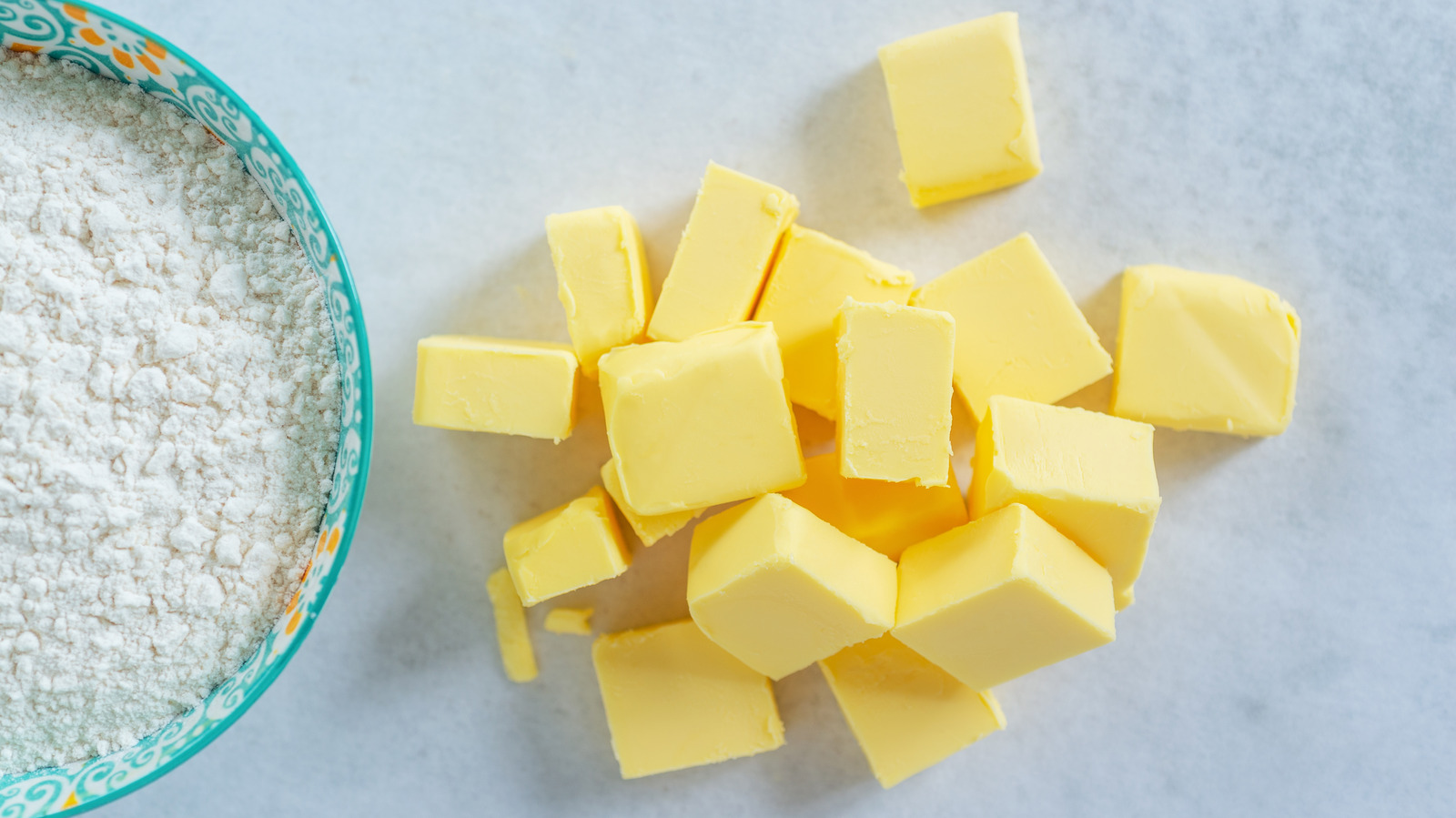
Measured flour and salt in a mixing bowl with cold butter cubes on a plate and a small glass of vodka on a kitchen counter, warm natural light

Why It Works

What you will get

  • Flaky layers from cold butter pieces that melt and puff in the oven.
  • Tender texture because some of the liquid is vodka, which means less water is available to build strong gluten compared to an all-water dough.
  • A dough that rolls more calmly, with fewer cracks and less shrinkage when you chill properly.
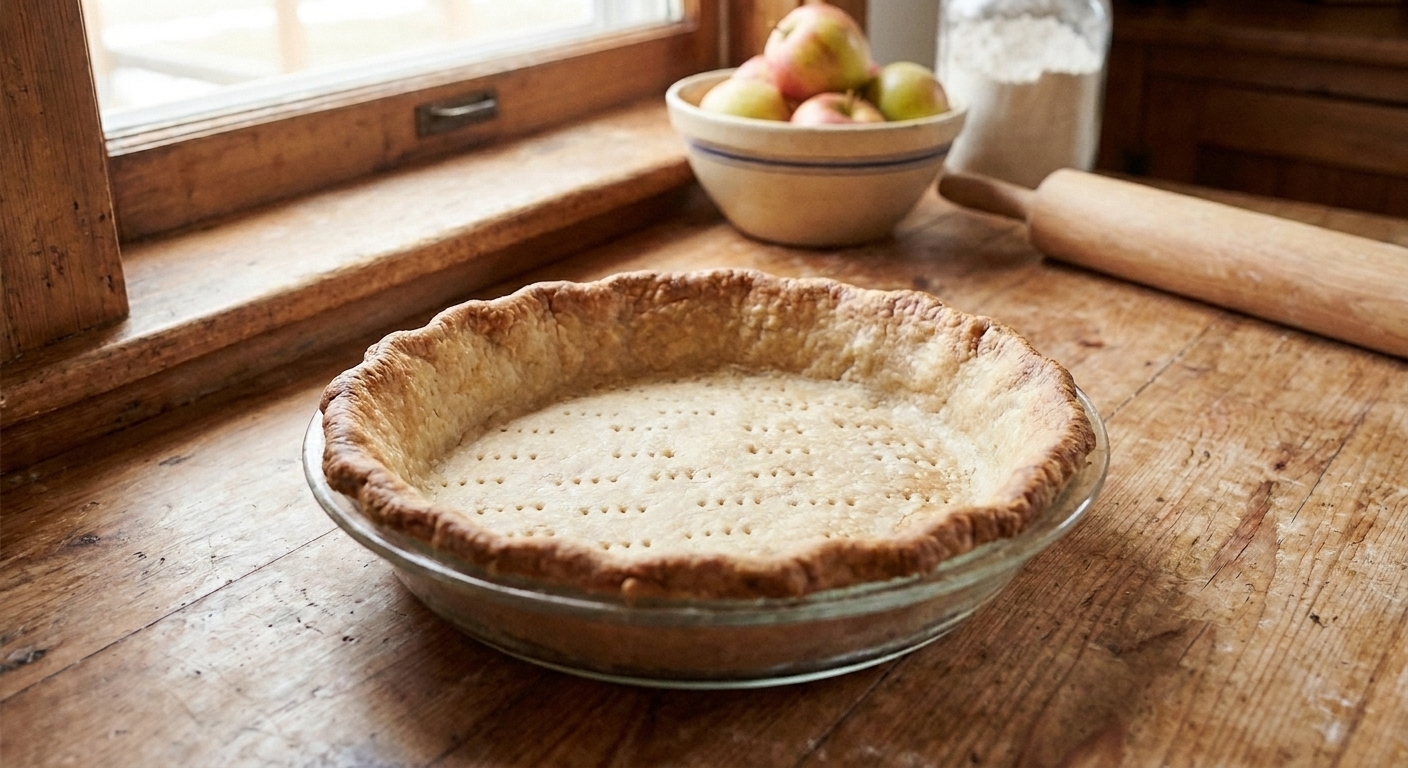
  • Solid blind-bake performance with clear timing and visual cues.

Why vodka matters here

In pie dough, water is the glue that helps bring flour together, but it also hydrates flour proteins so they can link up into gluten. Gluten is great for chewy bread, but it can make pie crust tough.

Vodka is mostly water plus alcohol. Because the total liquid contains less water than an all-water dough, there is less effective hydration for gluten development during mixing. Then, as the crust bakes, most of the alcohol evaporates readily, helping the dough bake up lighter and flakier. That is why the vodka-to-water ratio is not a cute add-on. It is the whole strategy.

Pairs Well With

Storage Tips

Storing the dough

  • In the fridge: Wrap each disk tightly in plastic wrap. Refrigerate up to 3 days. For best rolling, let it sit at room temperature for 5 to 10 minutes so it is pliable but still cool.
  • In the freezer: Wrap tightly, then place in a freezer bag. Freeze up to 3 months. Thaw overnight in the refrigerator.

Storing a baked crust

  • Fully baked empty crust: Cool completely, then cover and store at room temperature for 1 day, or refrigerate for 2 to 3 days. Crisp it in a 350°F oven for 5 to 8 minutes if it softens.
  • Partially baked crust: Cool, cover, and refrigerate up to 2 days. Rewarm briefly before filling if needed.

Common Questions

Does the vodka make the crust taste like alcohol?

Not in any noticeable way. Most of the alcohol evaporates during baking, so what you taste is buttery pie crust, not a cocktail.

How much vodka should I use?

A reliable sweet spot is half vodka, half water for the total liquid. In this recipe, that is 1/4 cup vodka + 1/4 cup ice water. Keep both very cold.

Can I use any vodka?

Yes. Use plain, unflavored vodka. It does not need to be fancy, but avoid strongly flavored bottles since you do not want surprise vanilla-mango-lime pie crust energy.

Why is my dough cracking when I roll it?

Usually it is too cold or too dry. Let it sit 5 minutes, then try again. If cracks still race across the edges, lightly mist the dough with a teaspoon of ice water and press it in gently as you begin rolling.

Why is my dough sticky?

It got warm. Slide it onto a baking sheet and chill for 10 to 15 minutes. Use flour sparingly on the counter and rolling pin.

Do I have to chill the dough twice?

Yes, if you want the flakiest result. Chill after mixing (so flour hydrates and butter firms), and chill again after shaping in the pie plate (so it holds its edges and shrinks less).

Can I make this in a food processor?

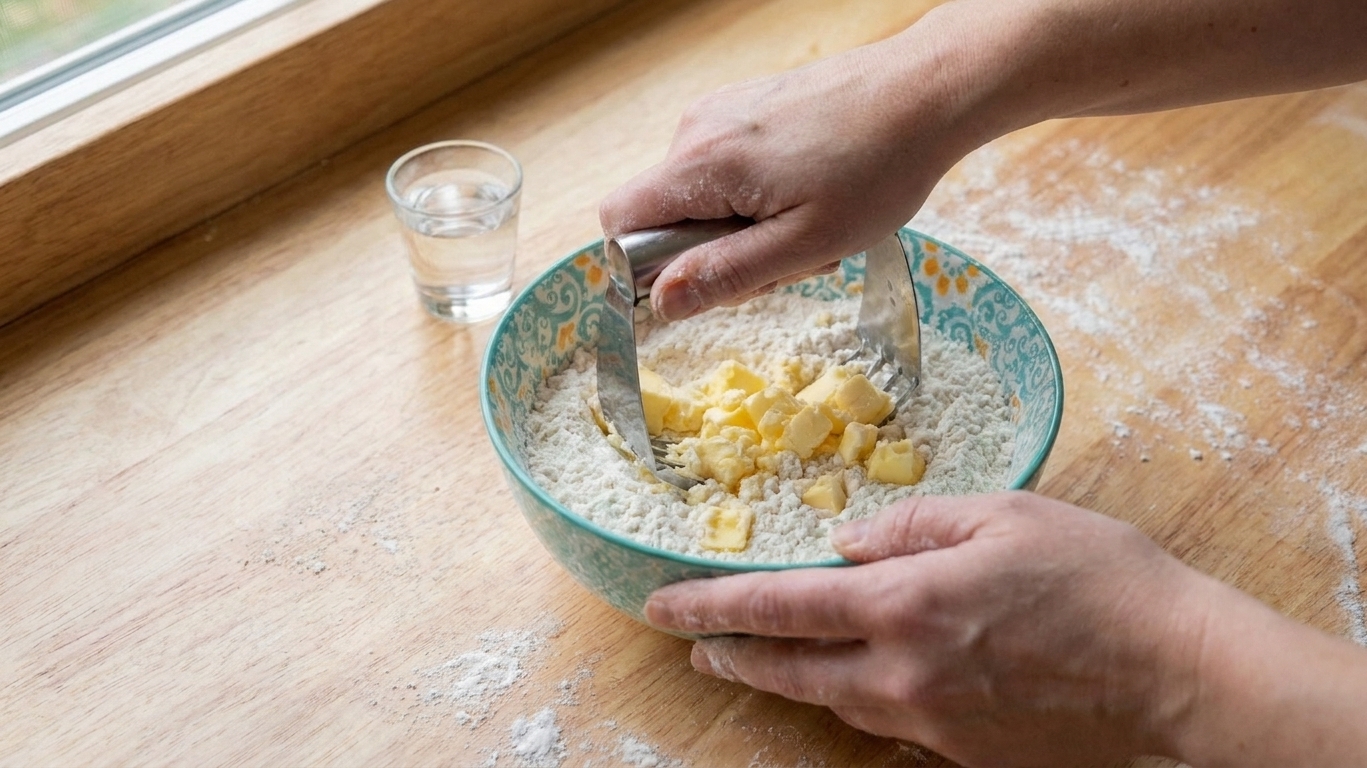
Absolutely. Pulse the butter into the flour until you have pea-size pieces, then drizzle in the cold vodka-water mixture and pulse just until it starts to clump. Finish bringing it together by hand.

How do I know my blind-baked crust is done?

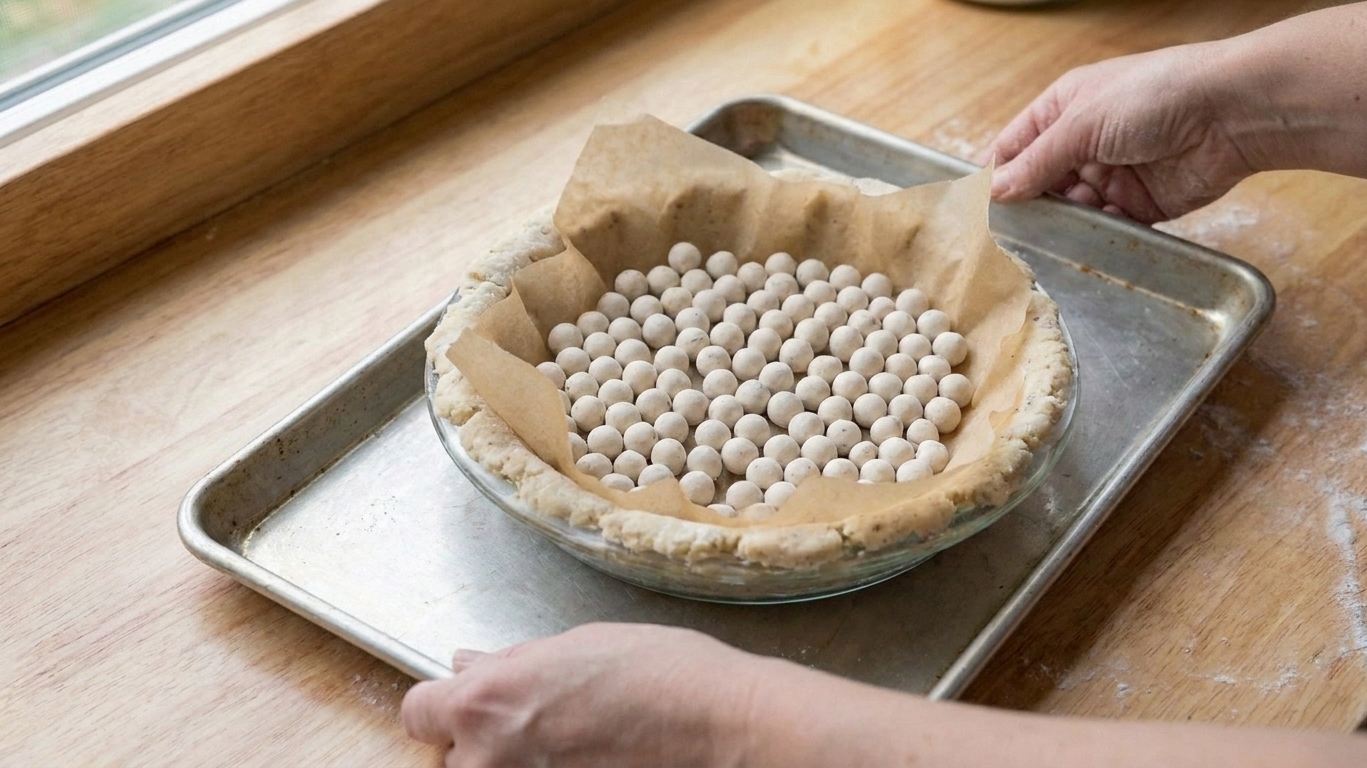
Partially baked: edges look set and just barely starting to color, and the bottom looks set, not wet. Fully baked: the bottom looks dry and lightly golden, not shiny or damp.

Our little hedgehog kitchen companion loves a good secret weapon, especially one that fits in a tiny glass. Vodka pie crust is that kind of trick. It feels a little sneaky, like you are getting away with something, but really it is just smart baking science: keep the butter cold, give the flour enough moisture to come together, and let a vodka-water mix help you do it without turning your crust into a chewy situation.