Common Questions
Is heavy cream the same as whipping cream?
They are close, but not always identical. In the U.S., heavy cream is usually 36% milk fat or higher, while whipping cream is often around 30% to 35%. Labels vary by brand and country, and sometimes “whipping cream” is essentially the same as heavy cream. Both will whip, but higher fat tends to whip up a little richer and more stable.
How cold does everything need to be?
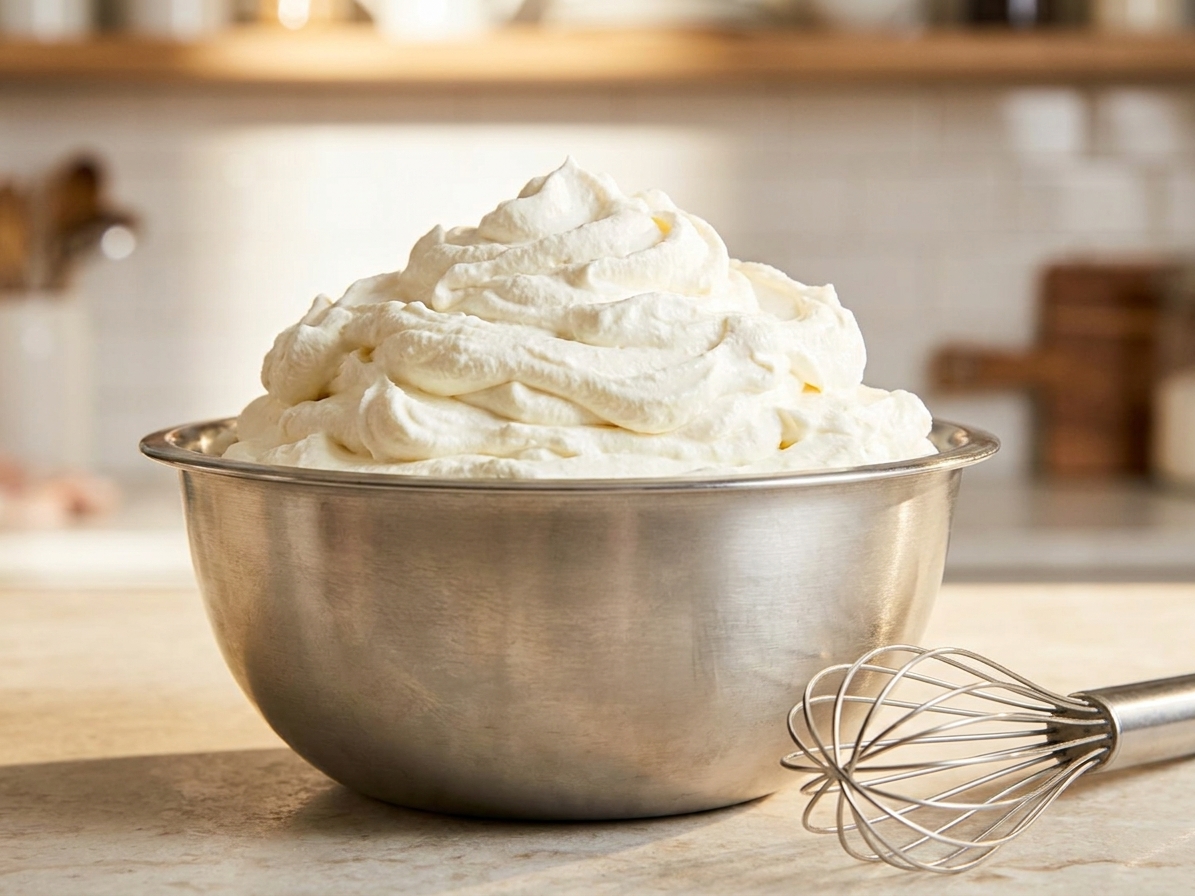
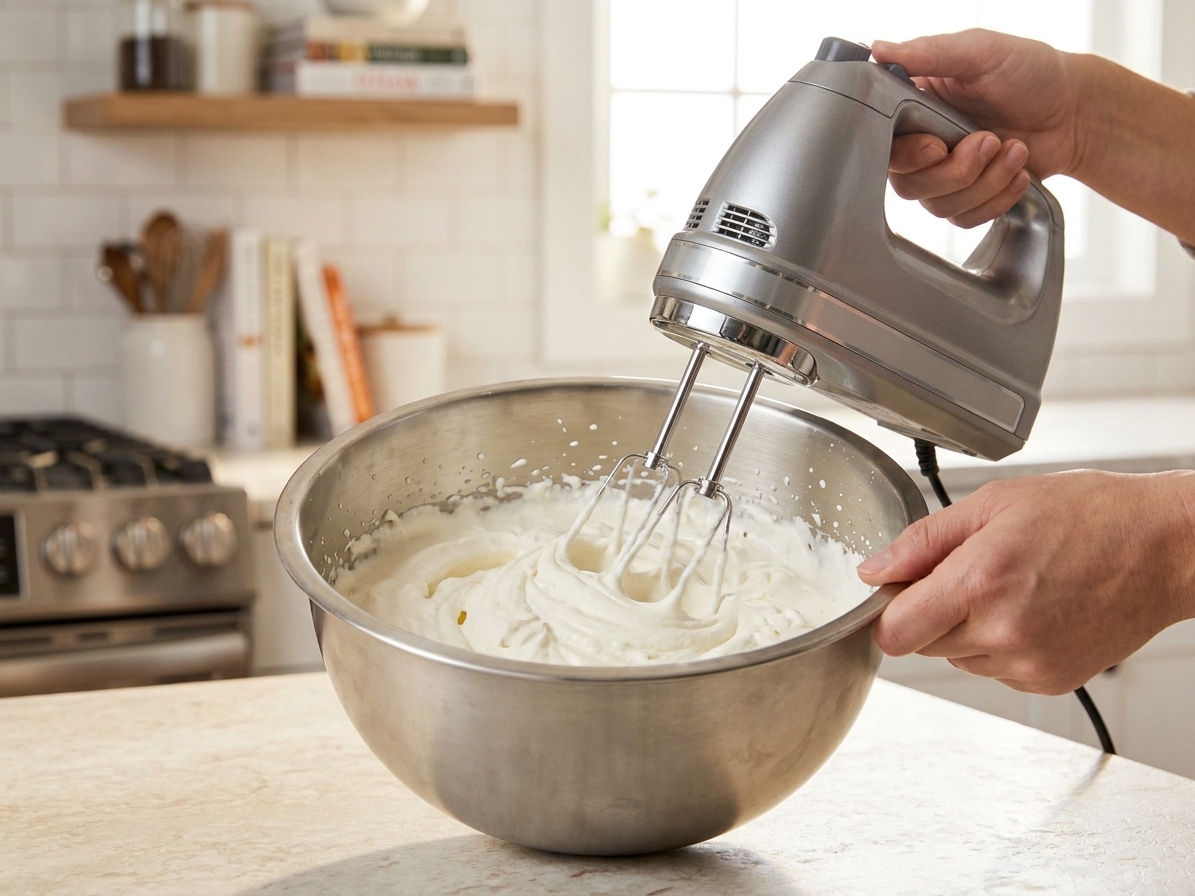
Cold is your best friend. Chill the cream (of course), plus the bowl and beaters for 10 minutes if you can. Warmer cream whips slower and is easier to overwhip into butter.
How do I know when I have soft peaks vs stiff peaks?
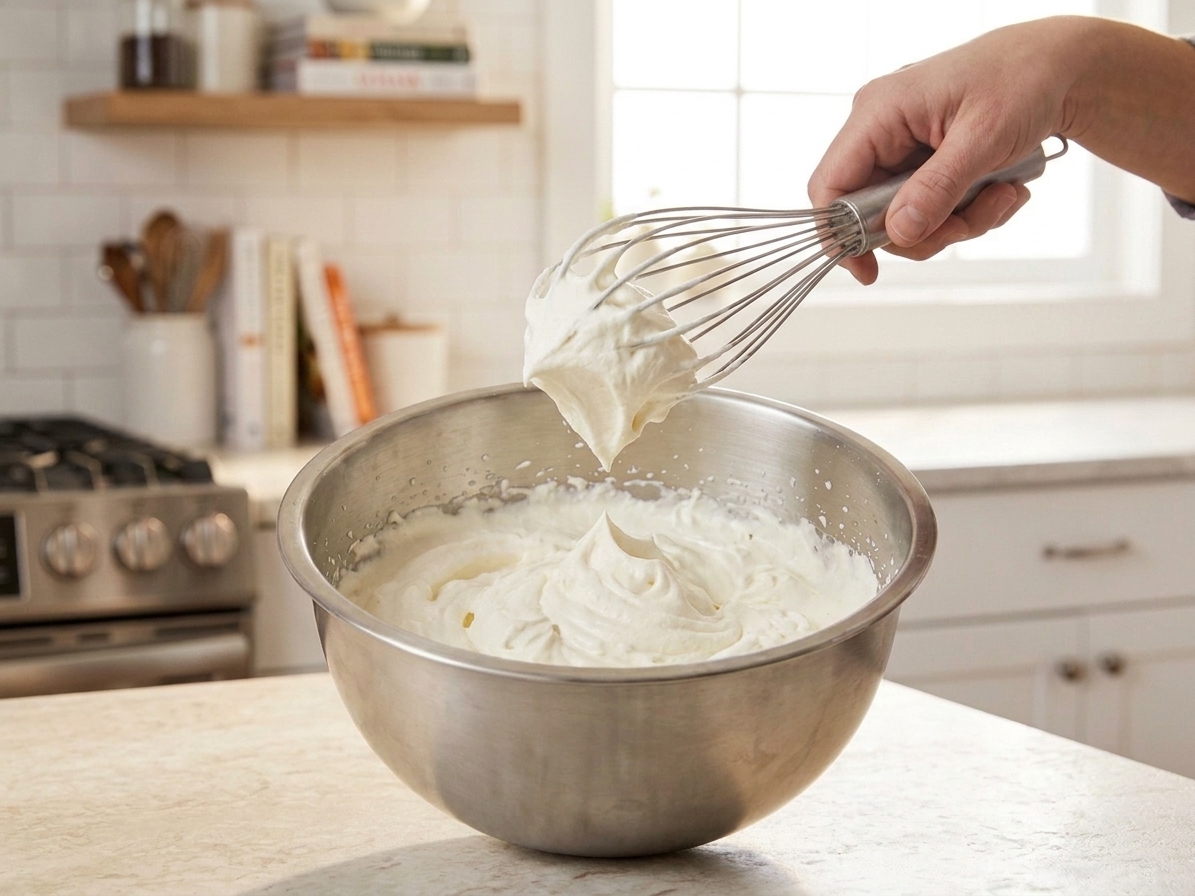
Soft peaks: When you lift the whisk, the cream forms a peak that droops over. Great for spooning on berries.
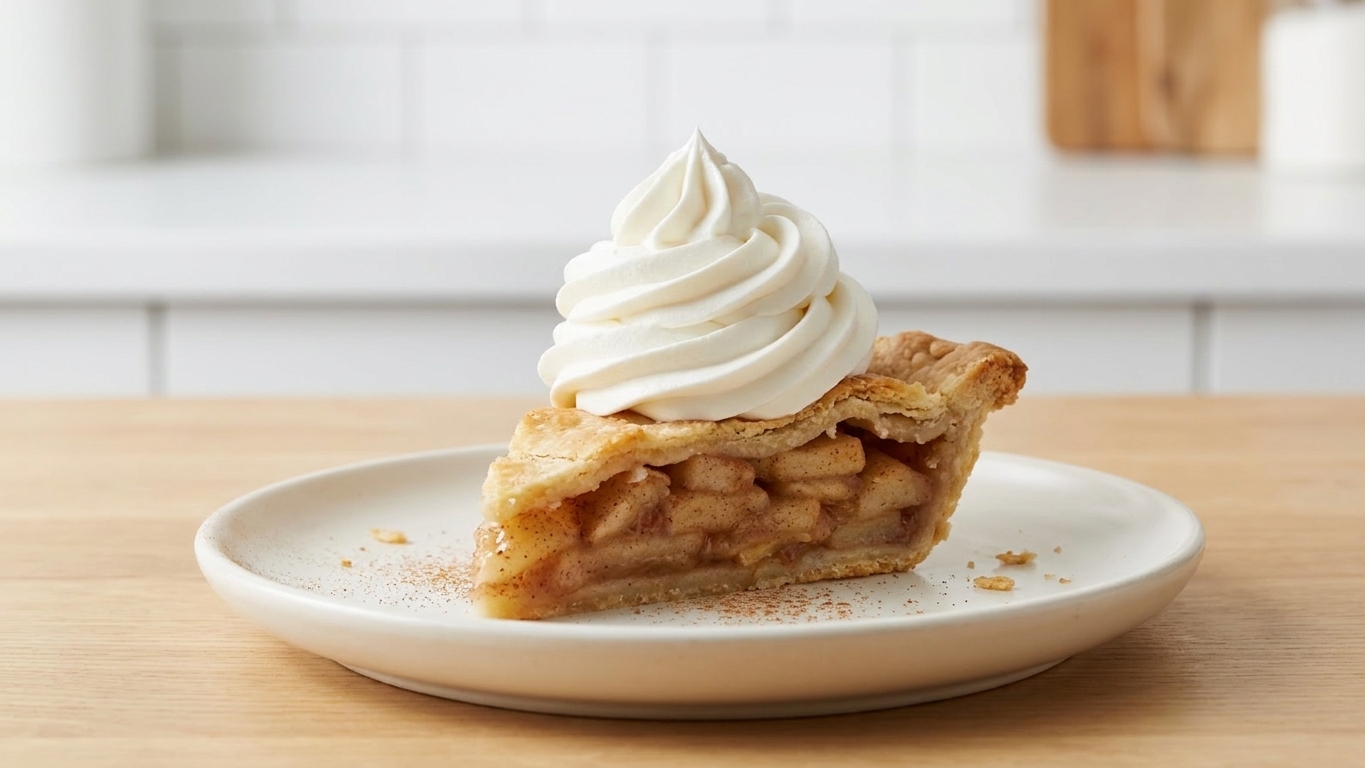
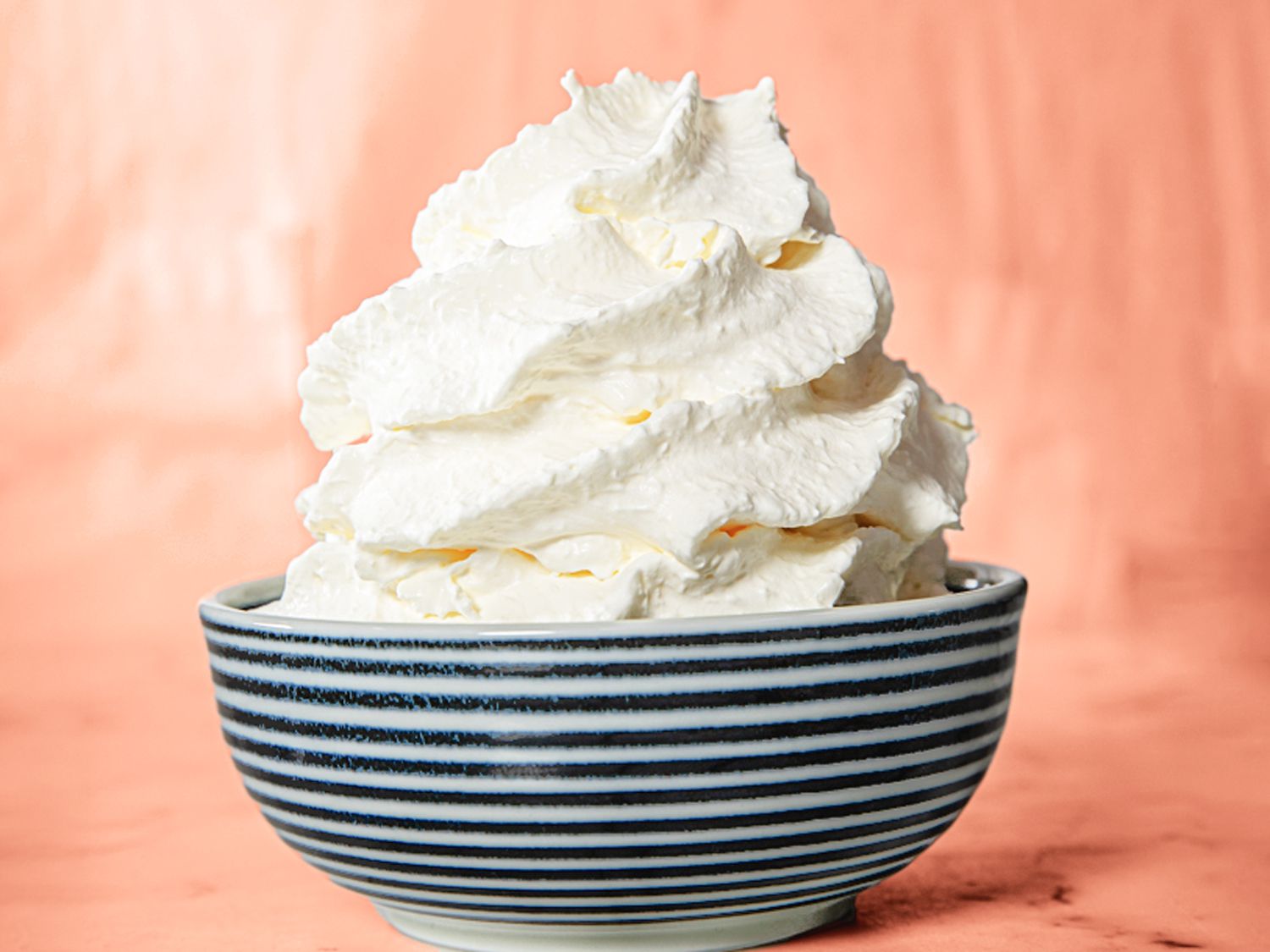
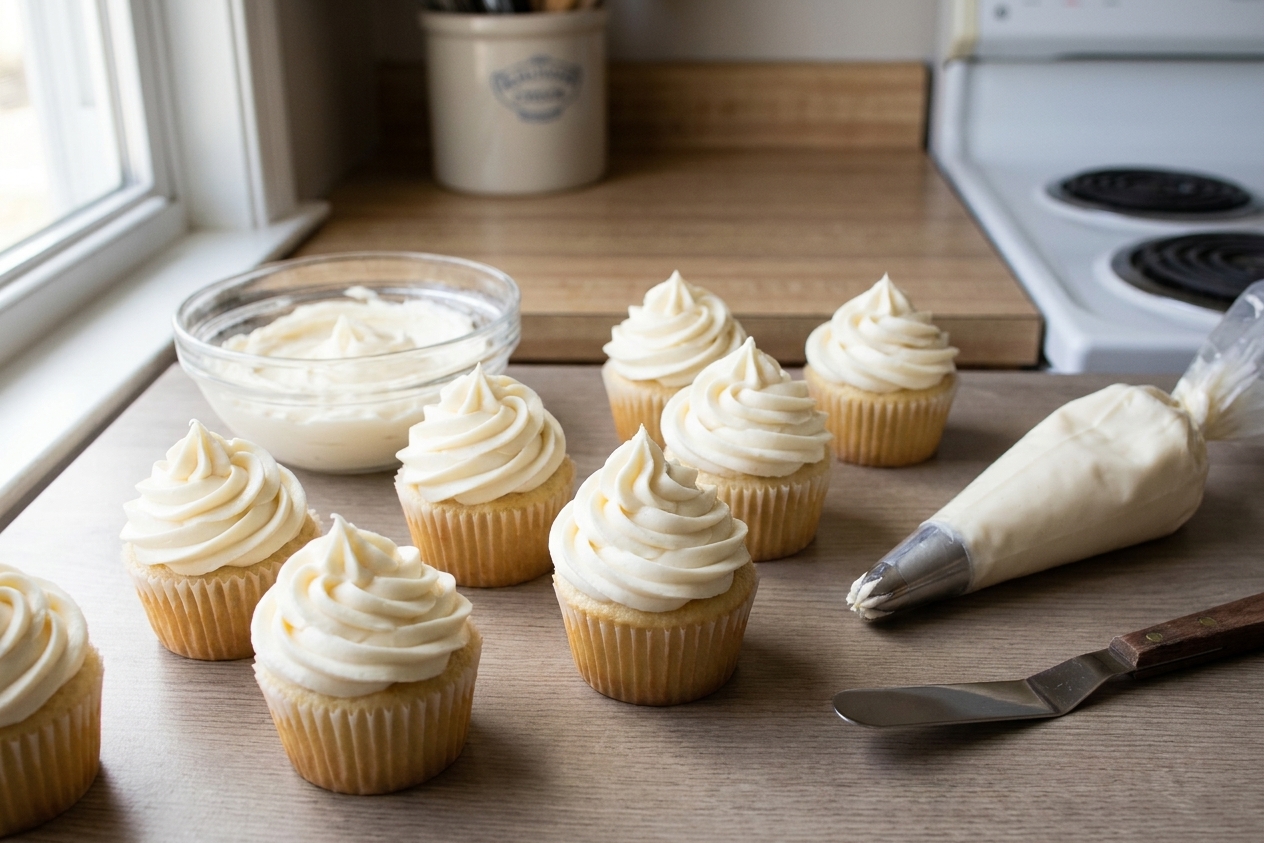
Stiff peaks: The peak stands straight up with just a slight bend at the tip. Best for piping and for topping pies.
Why is my whipped cream grainy or turning into butter?
You overwhipped. Stop immediately. If it is just starting to look a little grainy (no liquid pooling yet), you can often save it by drizzling in 1 to 2 tablespoons cold heavy cream and folding gently, then whisking for just a few seconds. If it is fully butter with liquid sloshing around, you are past the point of no return, but congratulations, you made butter.
Can I sweeten whipped cream with granulated sugar?
Yes, but it dissolves slower and can feel a little gritty. If you use granulated sugar, start whipping the cream first, then add the sugar once it is slightly thickened. Superfine sugar helps if you have it.
How do I stabilize whipped cream for cake?
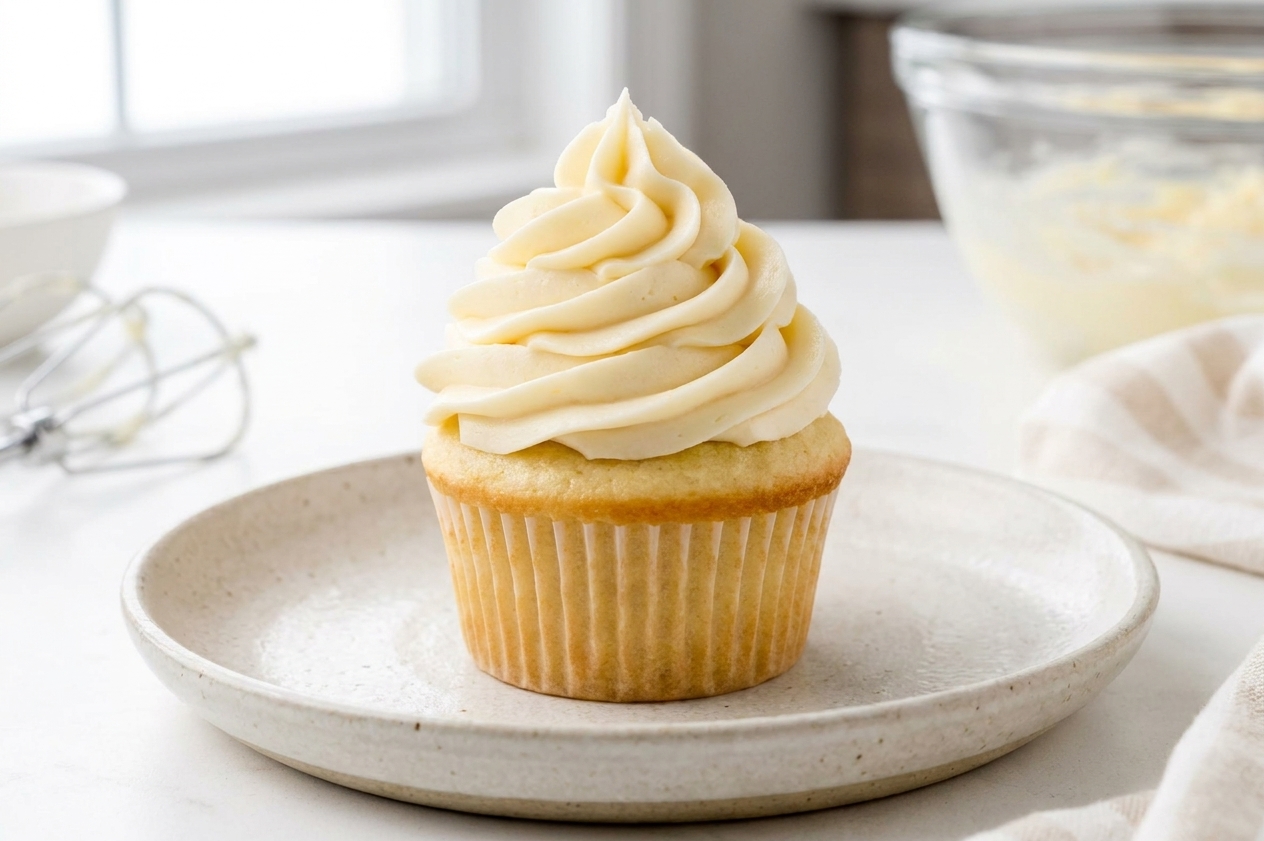
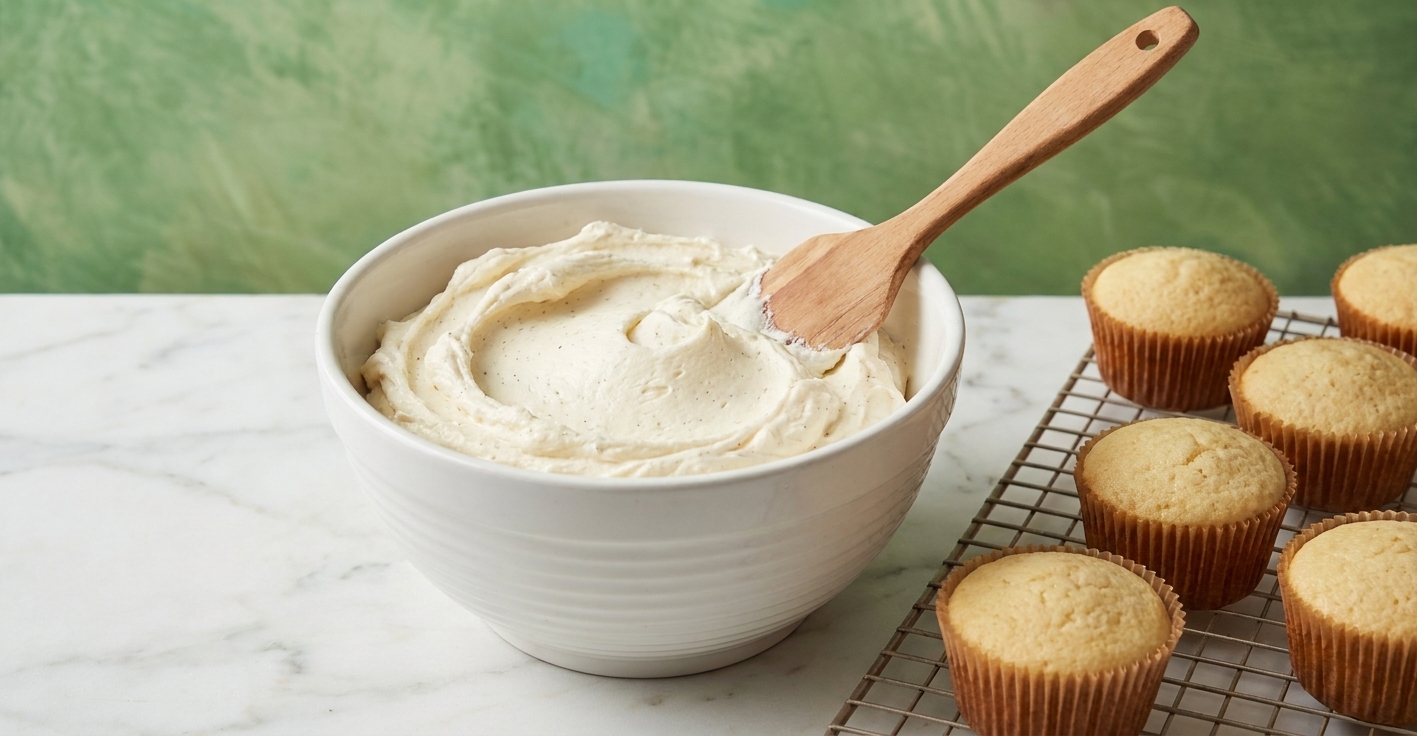
Two easy ways: use powdered sugar (it usually contains a little starch already) or add a little cream cheese (extra structure and a slight tang). You can also use instant pudding mix, which is very effective but gives a slightly thicker, “pudding-ish” finish. All options are in the notes below so you can pick what fits your dessert.