Mom's Best Recipes
Recipe

All-Butter Pie Crust

Flaky layers, crisp edges, and real butter flavor with simple ingredients and low-drama technique.

Author By Matt Campbell
4.8
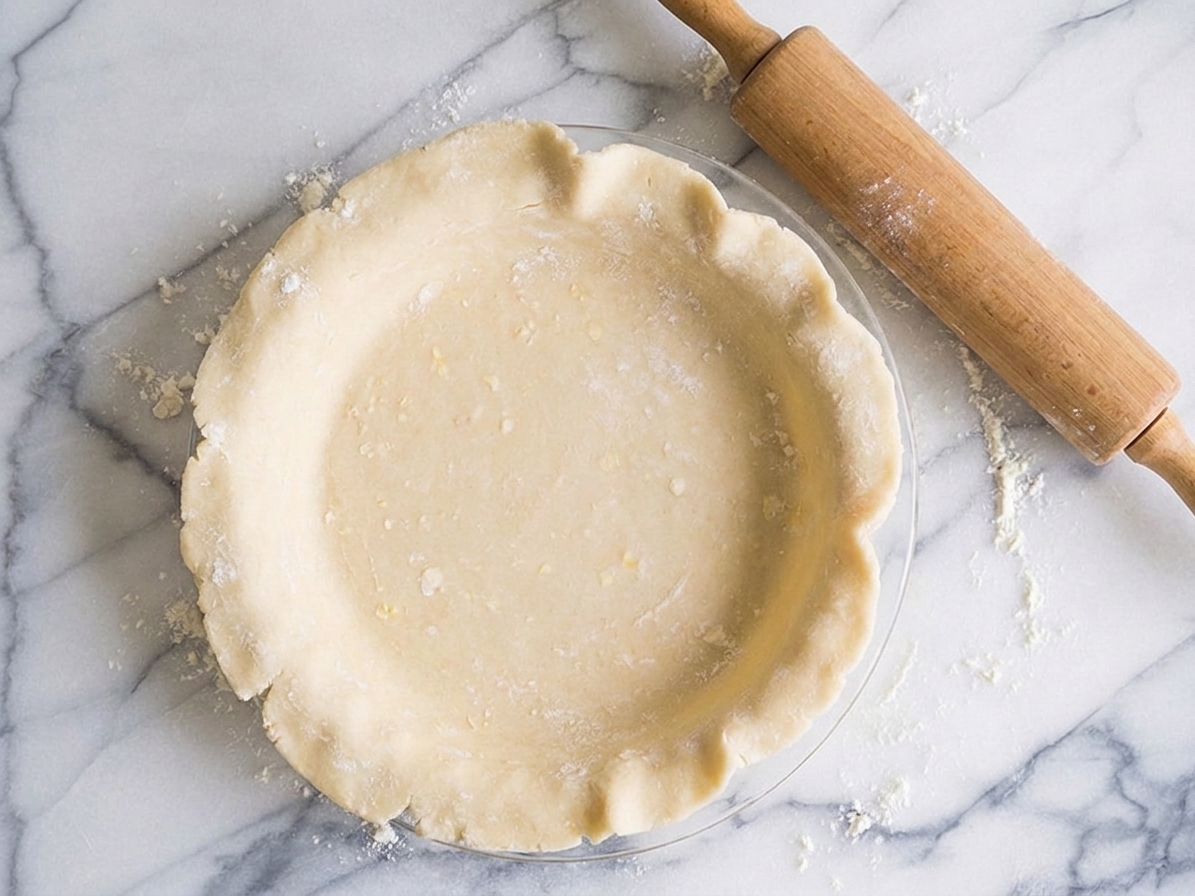
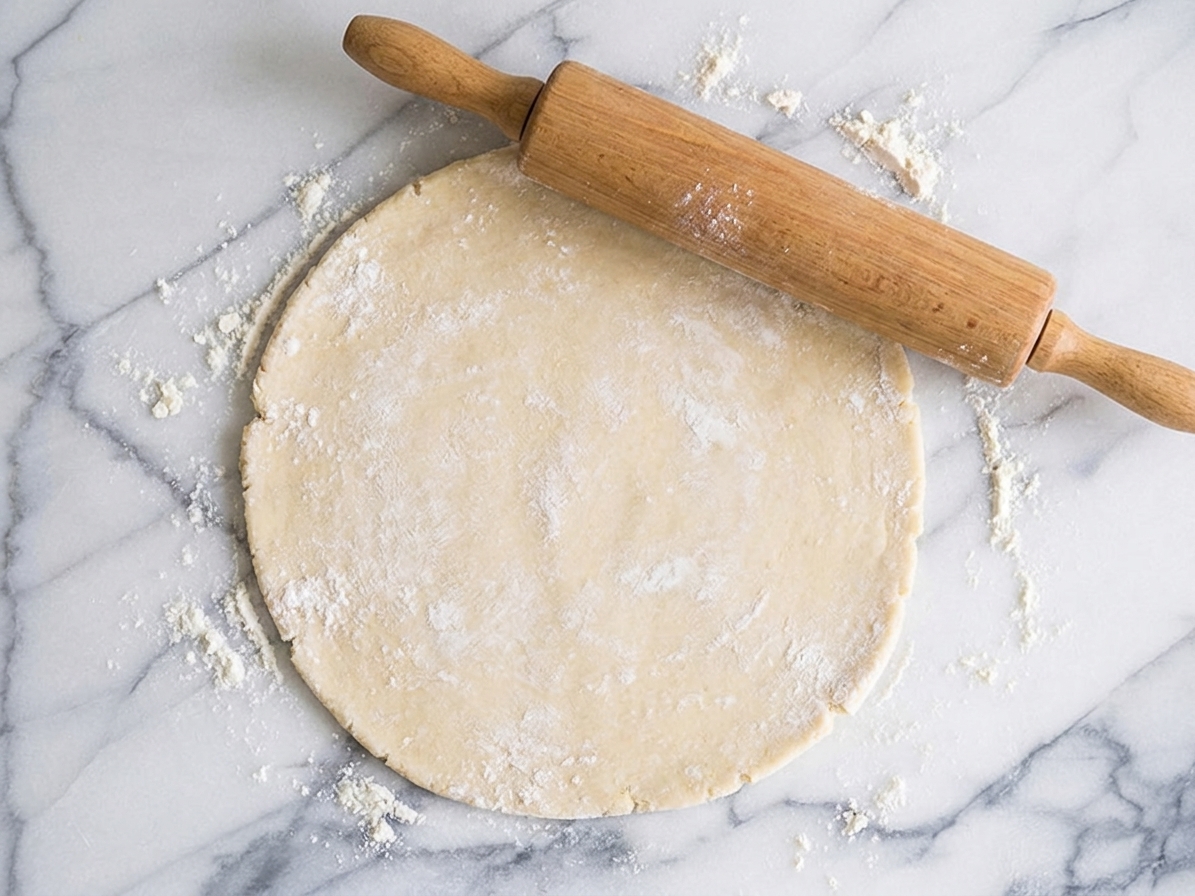
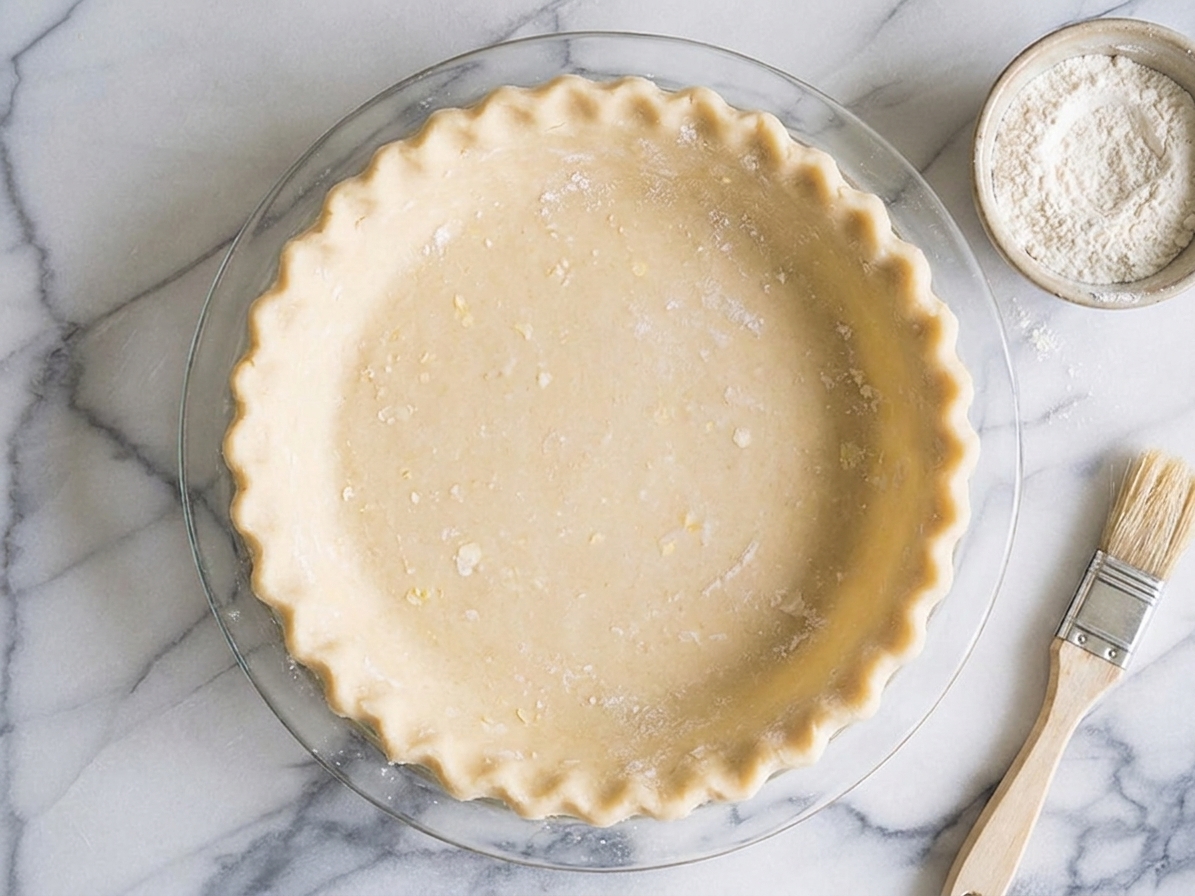
A freshly rolled all-butter pie crust draped over a glass pie dish on a light stone countertop with a wooden rolling pin nearby

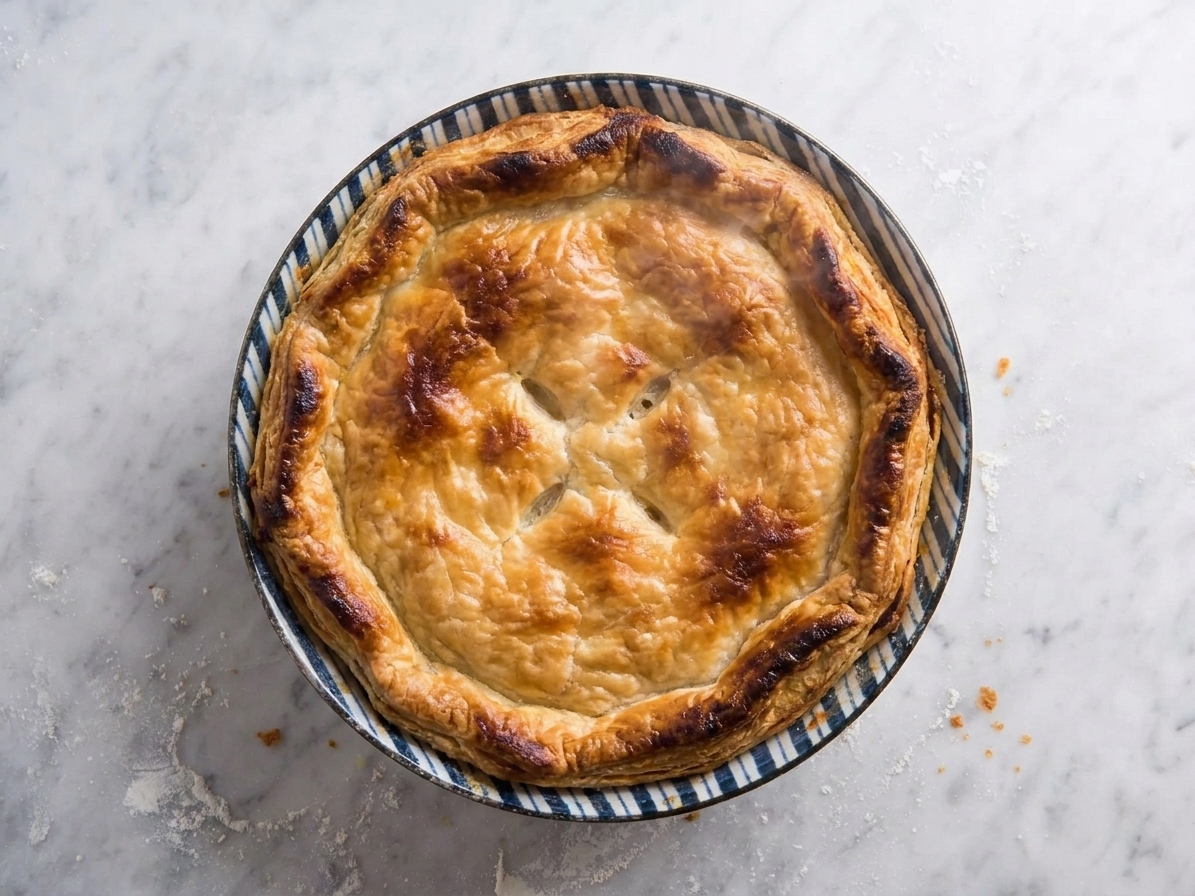
If you've ever wanted a pie crust that tastes like actual butter (because it is) and still turns out flaky, crisp, and not tough, this one's for you. It's my go-to all-butter pie crust for everything from apple to quiche, and it's built for real life: accessible ingredients, clear steps, and enough little tricks to keep you out of the panic zone.

We're going to keep the vibe relaxed but the technique tight. Cold butter. Minimal mixing. A quick chill. Then you roll it out, tuck it into the pan, and suddenly you're the person who “just makes pie crust.”

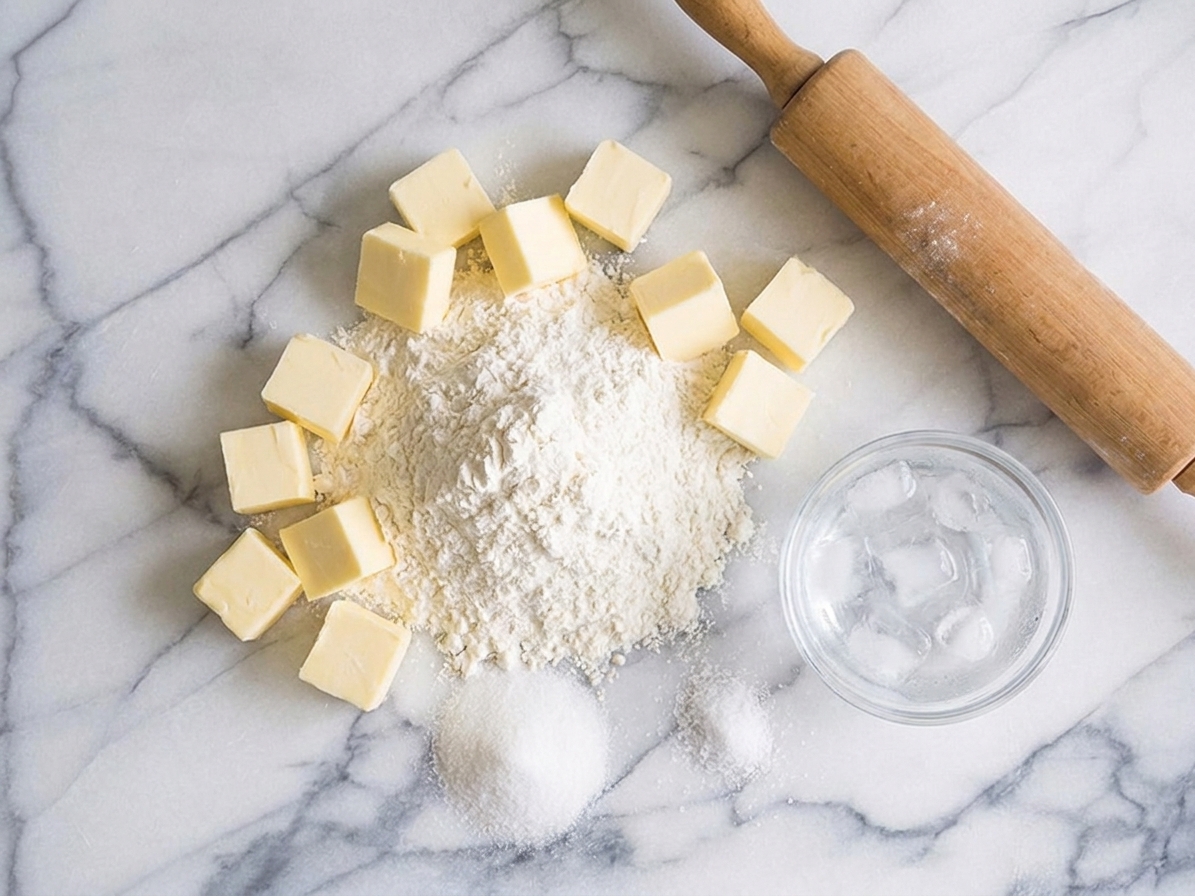
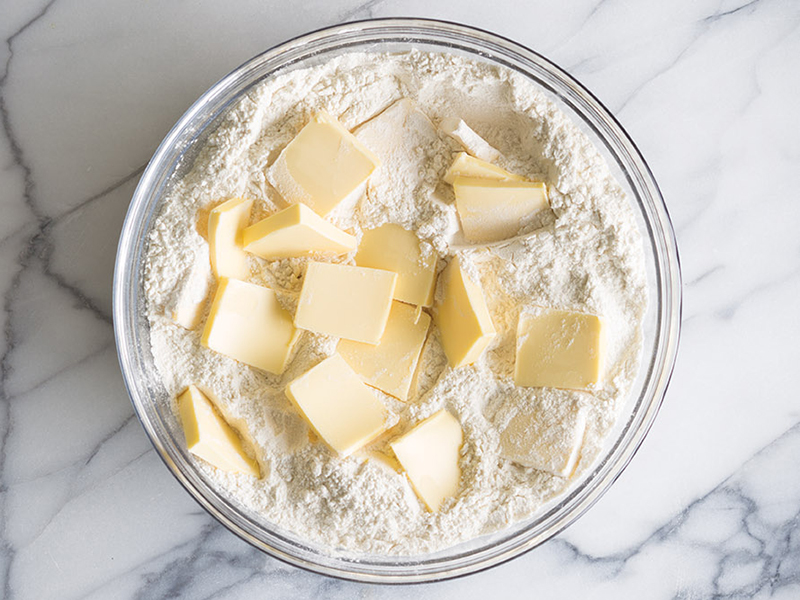
A top-down view of flour, cold butter cubes, salt, sugar, and a small bowl of ice water arranged on a kitchen counter ready for pie crust

Why It Works

  • All-butter flavor: Clean, rich butter taste that stands up to fruit fillings and savory custards.
  • Flaky layers: Cold butter left in small pieces creates steam pockets in the oven, which equals flakes.
  • Not tough: We mix just until it holds together and keep everything cold to avoid overdeveloping gluten.
  • Flexible: Works for single-crust pies, double-crust pies, lattice tops, galettes, and hand pies.

Pairs Well With

Storage Tips

How to Store It

Pie dough in the fridge

Wrap the dough disk tightly in plastic wrap and refrigerate up to 3 days. If it's too firm, let it sit at room temp for 8 to 12 minutes before rolling.

Pie dough in the freezer

Freeze the wrapped dough disk in a freezer bag up to 3 months. Thaw overnight in the fridge.

Rolled crust storage

If you want to get ahead, roll the dough, fit it into the pie plate, and refrigerate covered up to 24 hours. This is a lifesaver for holidays.

Par-baked or fully baked crust

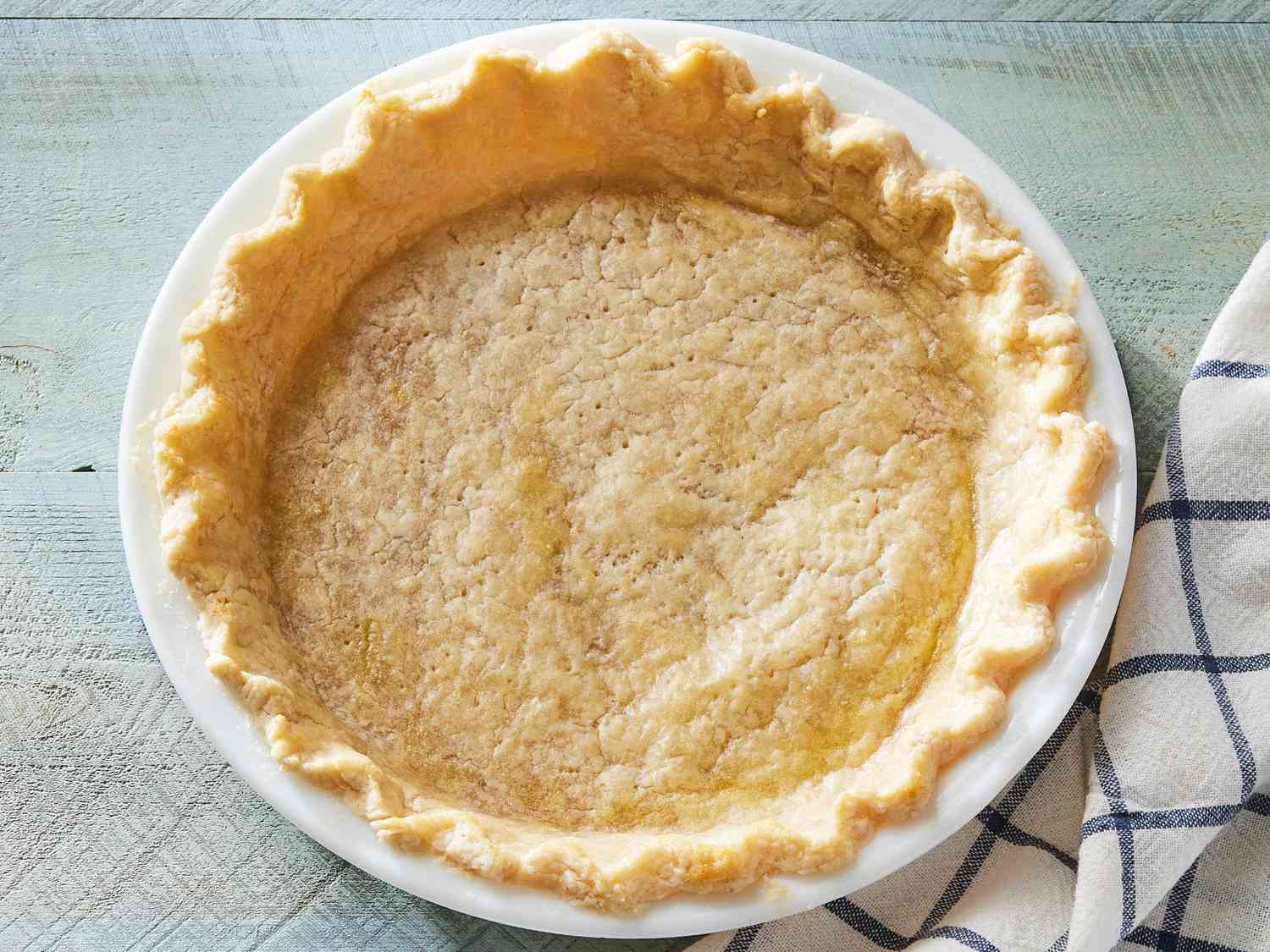
Baked crust keeps at room temperature (covered) for 1 day, or refrigerate up to 3 days. Re-crisp in a 350°F oven for 8 to 12 minutes.

Common Questions

Common Questions

Why is my pie crust tough?

Tough crust usually comes from overworking the dough, which develops too much gluten. Overmixing, over-handling, and adding more water than you need can all contribute. Mix just until the dough holds together when you squeeze it, keep the water cold, and don't knead it like bread. A couple gentle folds are plenty.

Do I need a food processor?

Nope. A pastry cutter works great. A food processor is faster, but it's also easier to go too far. If you're new to crust, mixing by hand gives you more control.

How cold should the butter be?

Cold from the fridge is good, but for extra flake I like to cube it and chill it in the freezer for 10 minutes before cutting it into the flour. You want the butter firm, not frozen solid.

What if I don't have pie weights for blind baking?

Use dry beans, dry rice, or even granulated sugar. Just dedicate them to baking after that.

How do I prevent a soggy bottom?

For juicy fillings, chill the shaped crust well, bake on a preheated sheet pan, and consider a quick egg wash on the bottom (for blind-baked crusts). For fruit pies, a tablespoon or two of flour or cornstarch in the filling helps too.

Can I make this ahead for a double crust pie?

Yes. This recipe makes two dough disks. Keep one chilled while you roll the other, and you'll have a much easier time with the top crust or lattice.
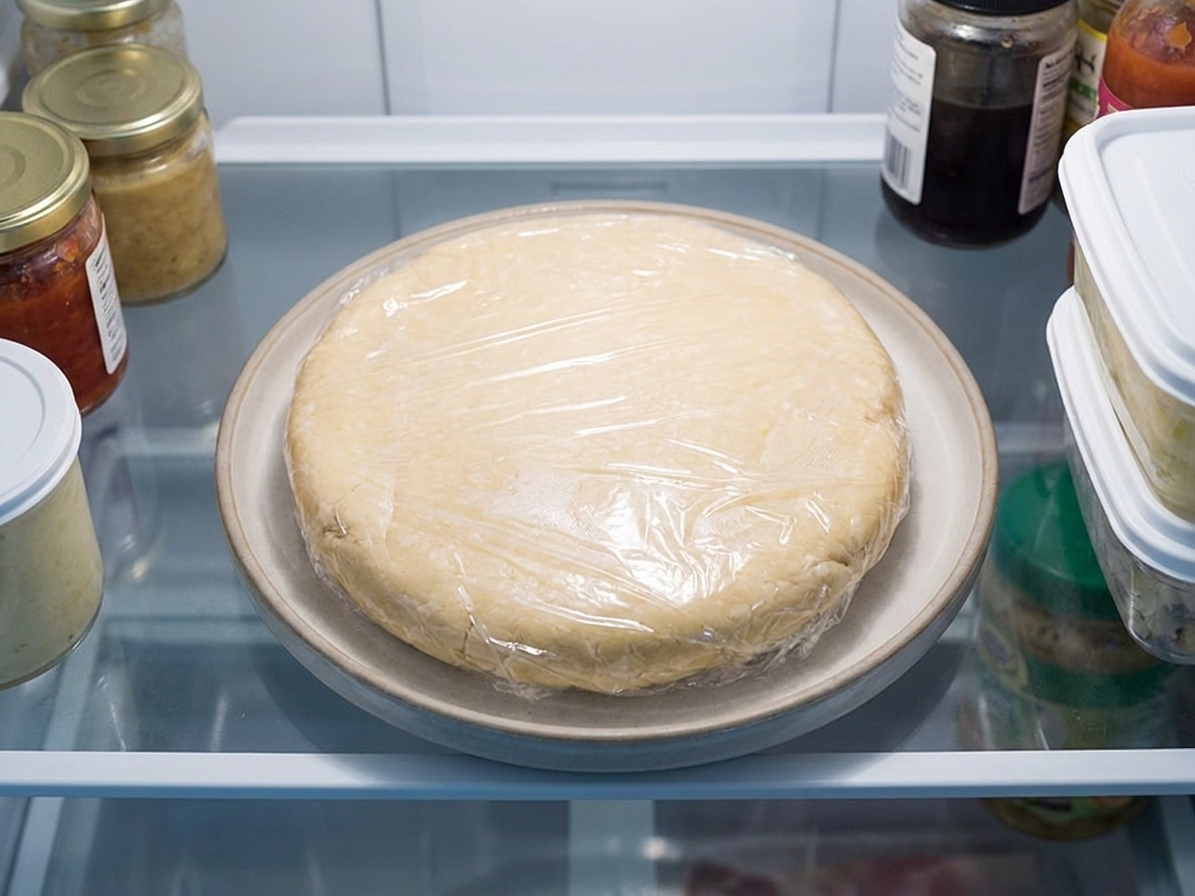

A disk of pie dough tightly wrapped in plastic wrap resting on a plate in a refrigerator

I didn't go the classic culinary school route, but I've chased “practical skills that actually work on a random Tuesday” ever since. Pie crust was one of those make-or-break basics for me. The first time I nailed an all-butter crust, I genuinely stopped mid-bite because it was so crisp and buttery it felt like cheating. Now it's my favorite kind of kitchen chaos: flour on the counter, cold butter flying, and that quiet little flex when the crust hardly shrinks in the oven.