Mom's Best Recipes
Recipe

Beef Daube

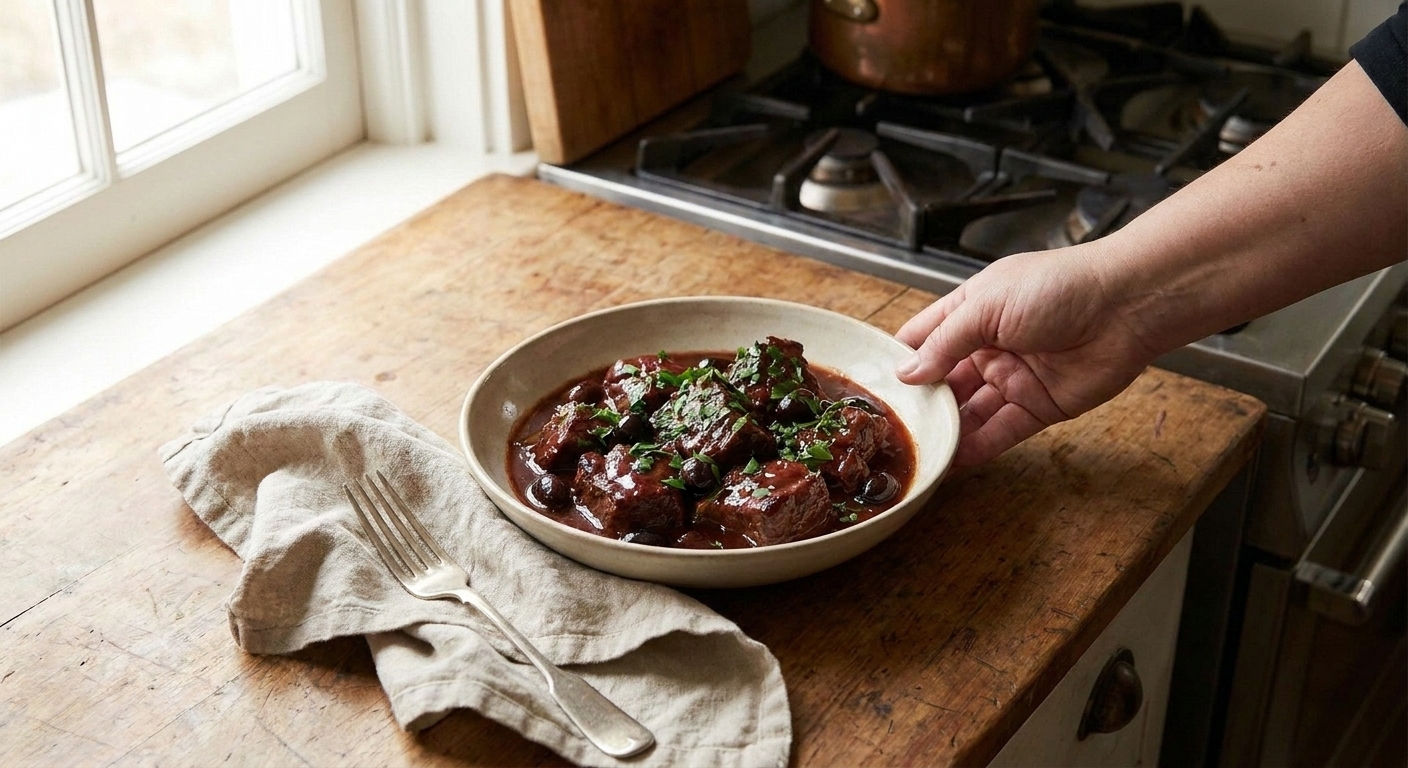
A Provençal beef daube braised in red wine with olives, orange peel, and herbs in a tightly sealed pot for deep, glossy flavor.

Author By Pip
4.7
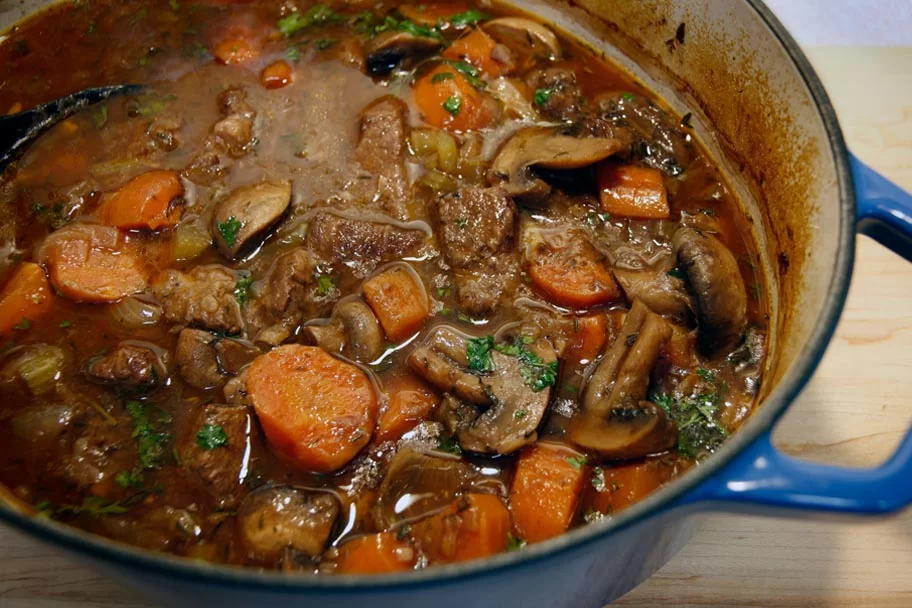
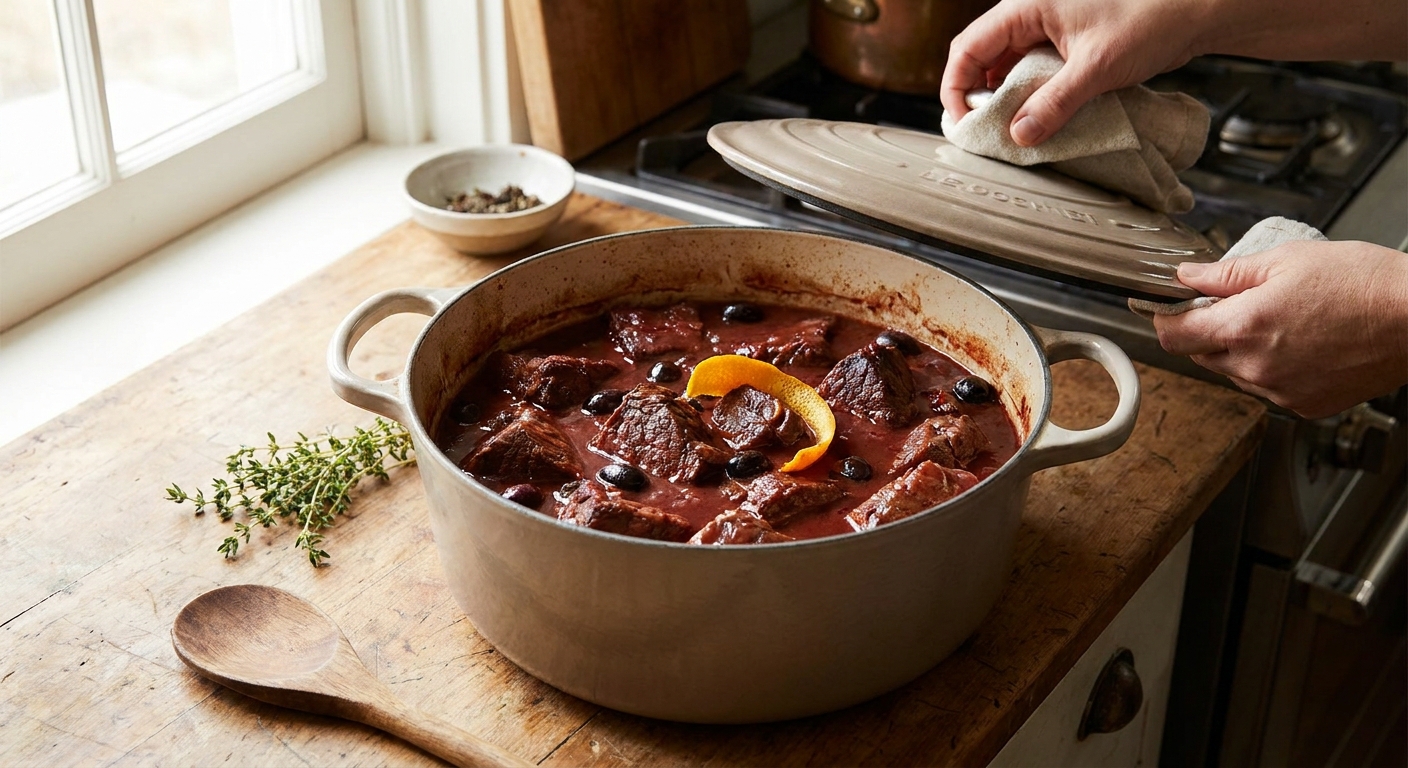
A Dutch oven filled with Provençal beef daube, with tender beef chunks in a glossy red wine sauce, scattered black olives, and a curled strip of orange peel on top, set on a warm kitchen counter with soft natural light

Small paws, big appetite, and a soft spot for comfort food.

When the kitchen smells like red wine, orange peel, and herbs doing a slow, cozy dance together, I know we are headed somewhere delicious. Beef daube is a classic Provençal braise, which means it is not trying to be a chunky, flour thickened American stew. Instead, it becomes something silkier and darker: beef that turns spoon tender in a sealed pot, with a sauce that tastes like it had all afternoon to think about its choices.

This version leans into the Provençal touches I love most: olives, a whisper of citrus, and a bouquet of herbs. Pull up a chair, tie on an apron, and let us make a pot of pure comfort.

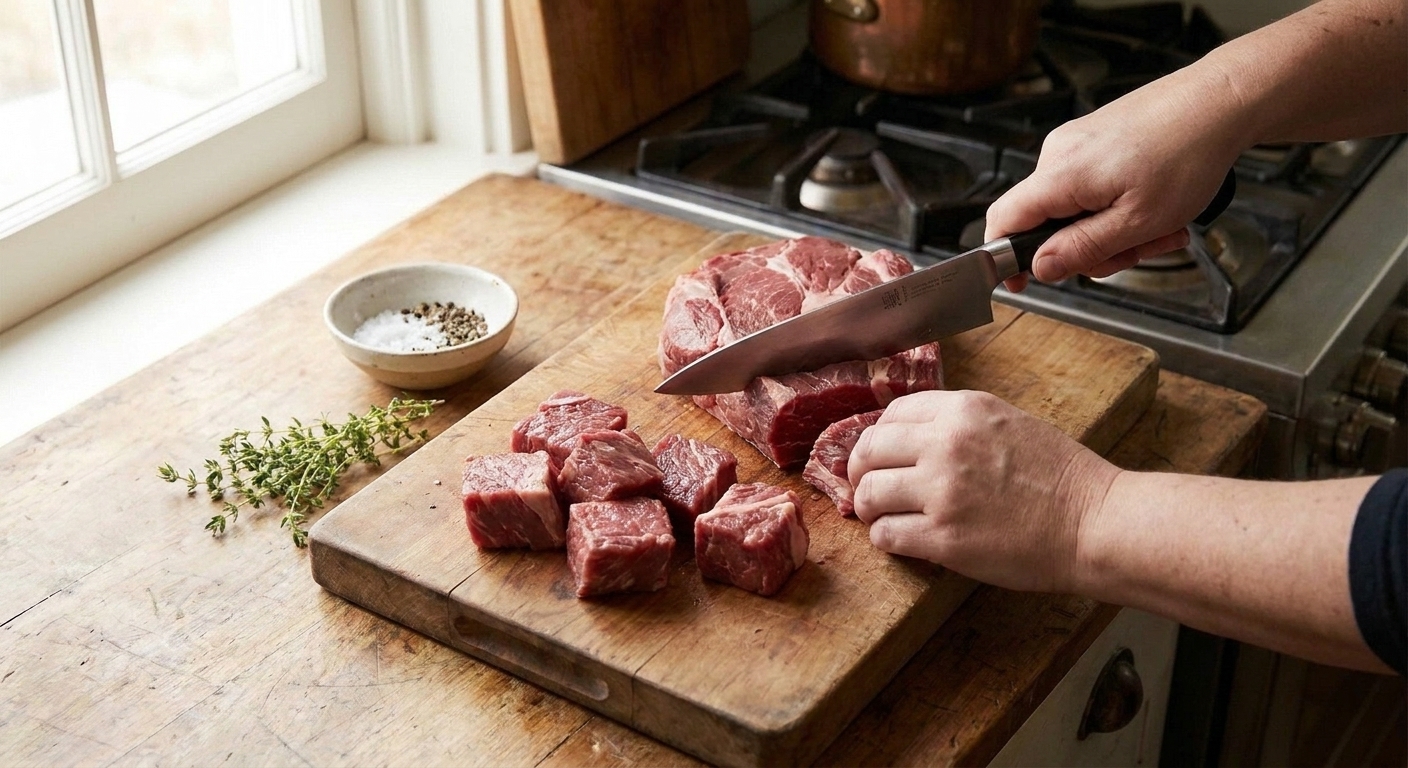
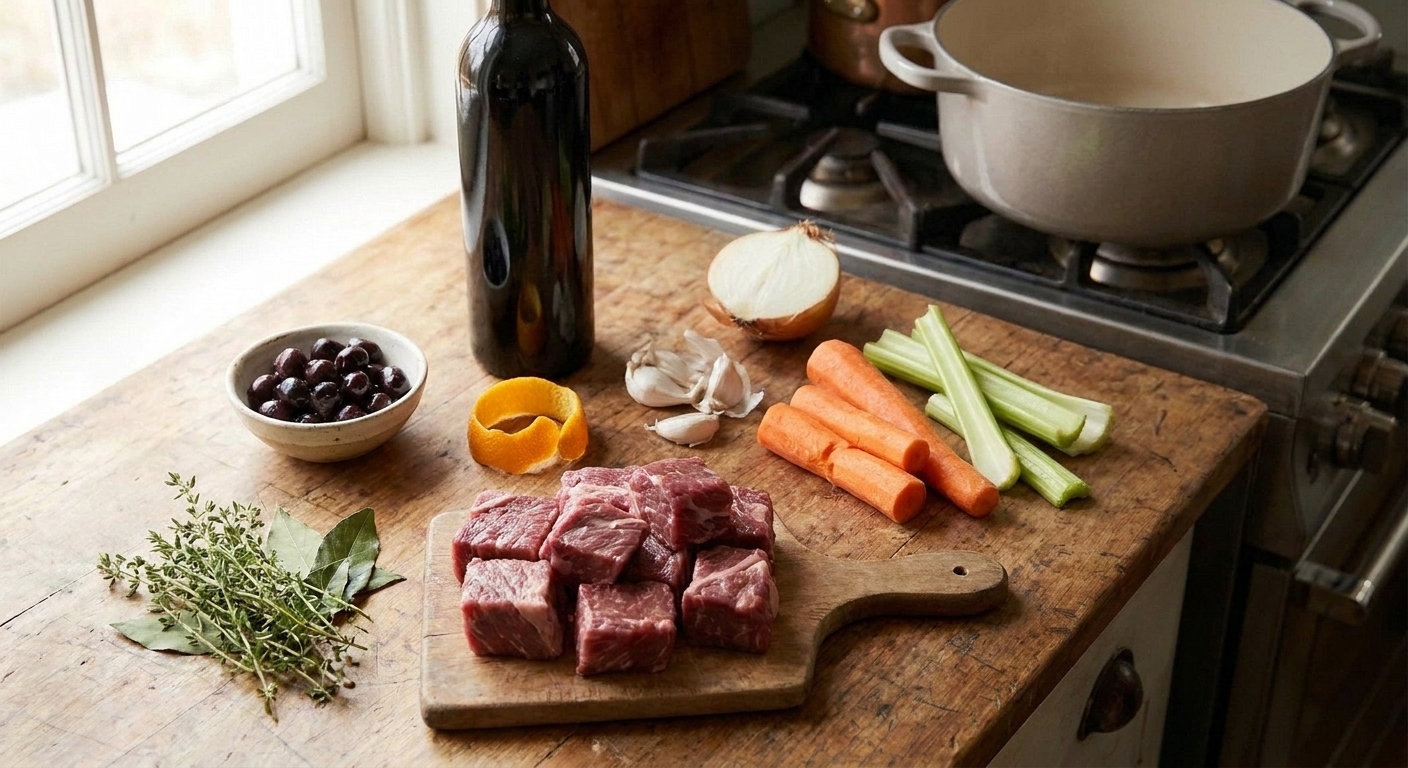
Raw beef chuck cut into large cubes on a wooden cutting board with a chef's knife nearby, in a bright home kitchen

Why It Works

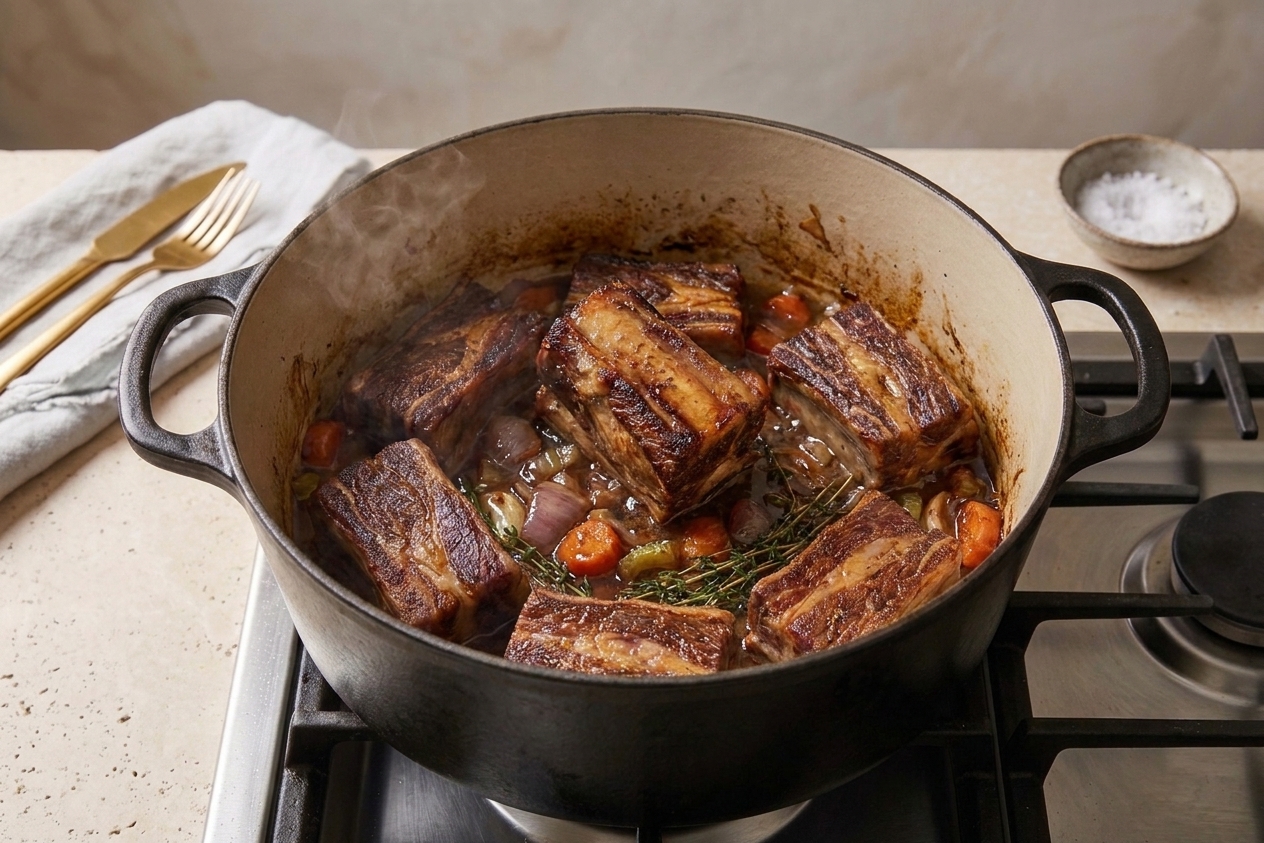
  • Deep, layered flavor from browning the beef and slowly reducing red wine in a sealed pot.
  • A glossy, wine forward sauce thickened naturally by collagen and gentle reduction, with only minimal help if you choose to dust the beef with flour.
  • Balanced Provençal aromatics from orange peel, herbs, and olives added at the right time so they stay pleasantly firm.
  • Make ahead magic since daube tastes even better the next day after the flavors mingle.

Pairs Well With

Storage Tips

How to Store Leftover Daube

  • Refrigerator: Cool completely, then refrigerate in an airtight container for up to 4 days. The sauce will thicken when cold and loosen again as it warms.
  • Freezer: Freeze in freezer safe containers for up to 3 months. Leave a little headspace for expansion.
  • Reheat: Warm gently in a covered saucepan over low heat, stirring occasionally. Add a splash of water or beef stock if the sauce feels too tight.
  • Best next day: Like many braises, daube often tastes even richer after a night in the fridge.

Common Questions

Common Questions

What makes beef daube different from American beef stew?

Daube is a wine braise cooked low and slow, traditionally in a tightly covered pot. Many versions rely on reduction and the natural gelatin released from chuck for a glossy sauce, rather than a stew like gravy. That said, some regional and family daube recipes do use a little flour, bread, or a longer marinade. American beef stew often has more broth, more vegetables, and a roux or flour slurry for a thicker, gravy style finish.

Do I have to marinate the beef overnight?

Some traditional recipes do, but you do not have to. This recipe builds flavor with a strong browning step and a long braise. If you want to prep ahead, you can salt the beef and refrigerate it uncovered overnight for better browning.

When should I add the olives?

Add them in the last 30 to 45 minutes of braising. If they cook for hours, they can turn overly soft and dominate the sauce. Late addition keeps them plump and pleasantly briny.

What kind of olives should I use?

Niçoise olives are the classic Provençal move if you can find them. Kalamata work beautifully too, just know they are bolder and a bit more briny. Either way, a quick rinse helps keep the sauce balanced.

What kind of red wine works best?

Use a dry red you would happily drink. Côtes du Rhône style blends are a great match, but any medium bodied dry red works. Avoid very sweet wines.

Why seal the pot so tightly?

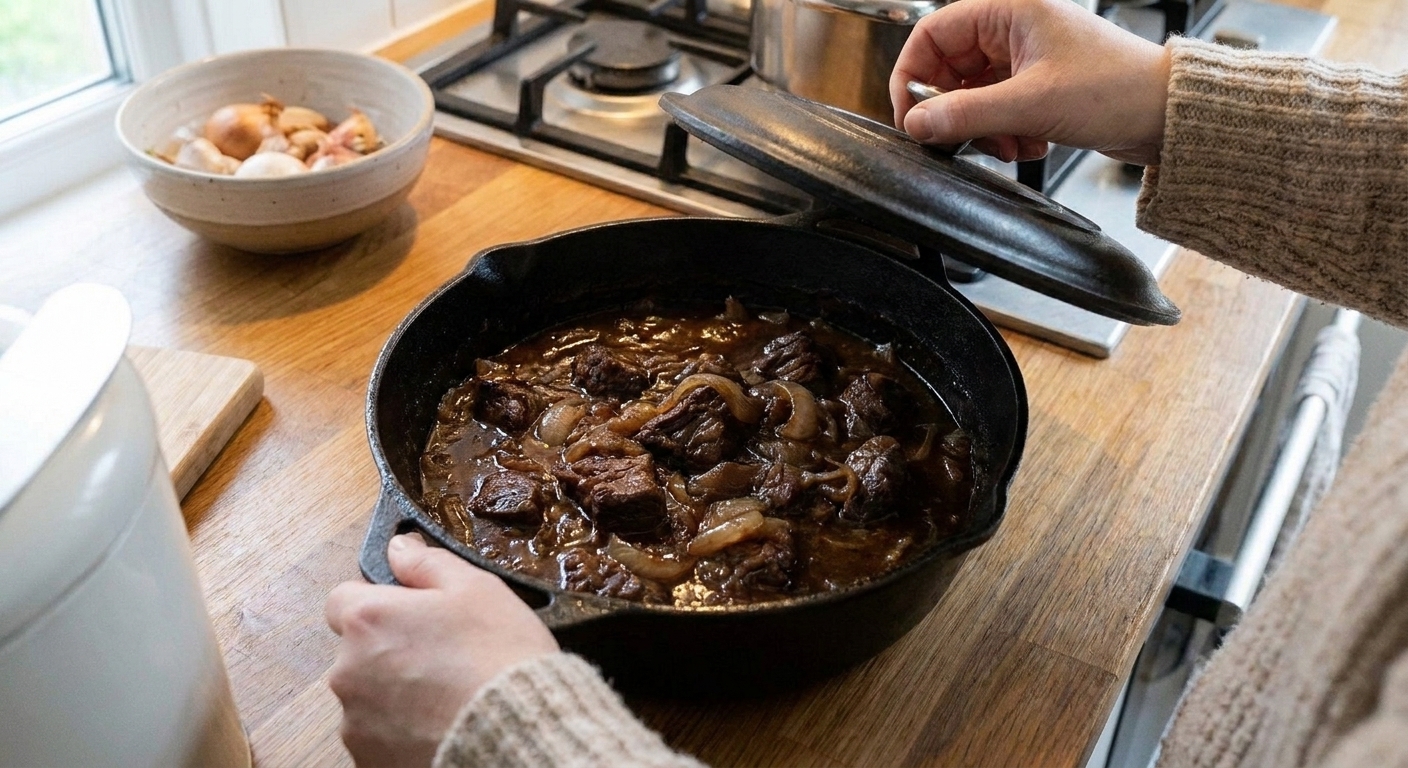
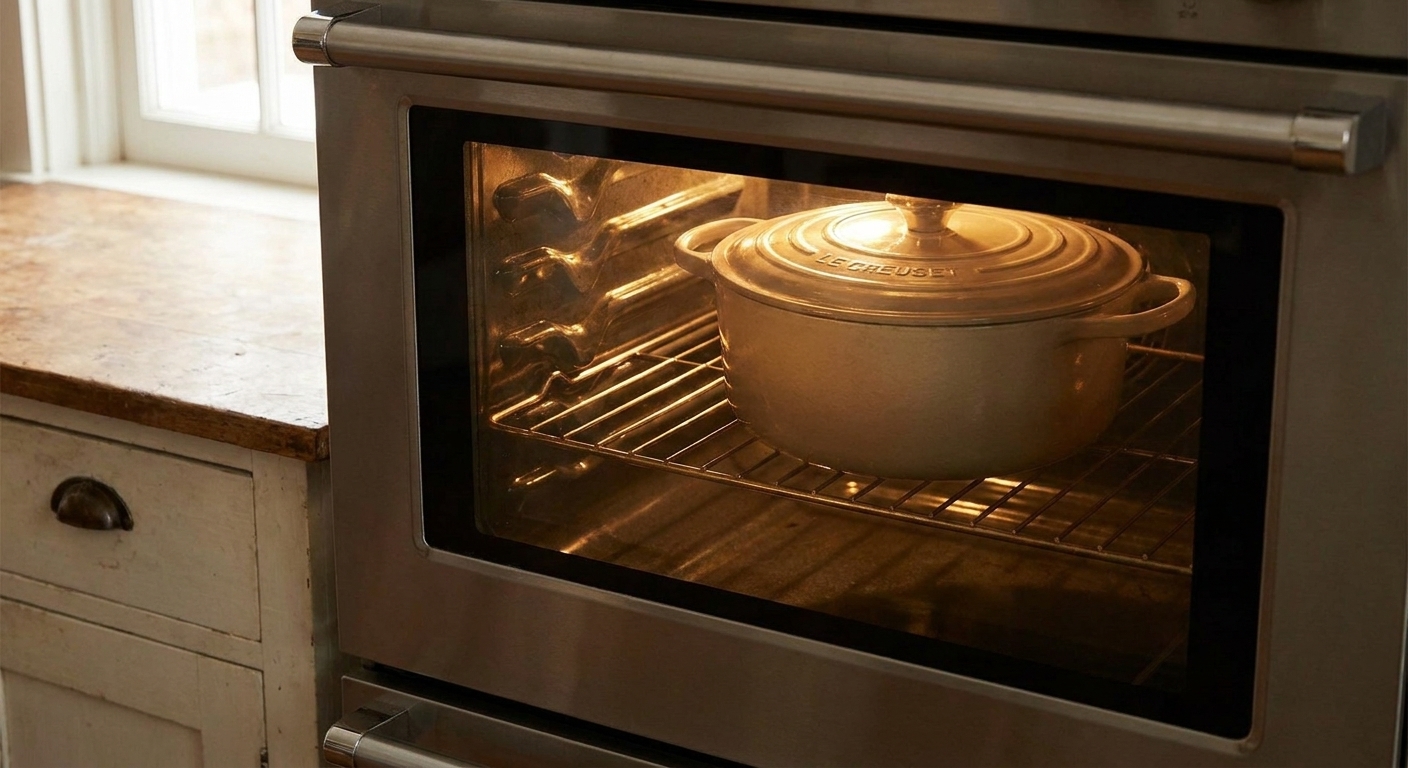
A tight seal keeps moisture in, limits evaporation, and encourages gentle, even cooking. In classic daube, the idea is a calm, steady braise that tenderizes beef without drying it out.

How do I know when the beef is done?

You are looking for fork tender beef that gives in easily. If it is still tight after the listed time, keep braising and check every 20 to 30 minutes. Chuck has opinions and sometimes needs a little longer to fully relax.

Can I make it on the stovetop instead of the oven?

You can, but the oven is easier for steady heat. If using the stovetop, keep it at the barest simmer and stir occasionally to prevent scorching.
I have a soft spot for dishes that feel like a secret you only learn by letting the pot do its slow work. Daube is one of those. It looks humble going in, just beef and wine and a few aromatics, but it comes out tasting like the whole kitchen has been humming quietly in French for hours. Also, I will admit it, tossing in that strip of orange peel makes me feel a little mischievous, like I am sneaking sunshine into a winter dinner.