Mom's Best Recipes
Recipe

Buttery Quiche Crust

Flaky, all-butter quiche crust with a crisp bottom, clean edges, and zero drama. Built for creamy custard fillings without going soggy.

Author By Matt Campbell
4.8
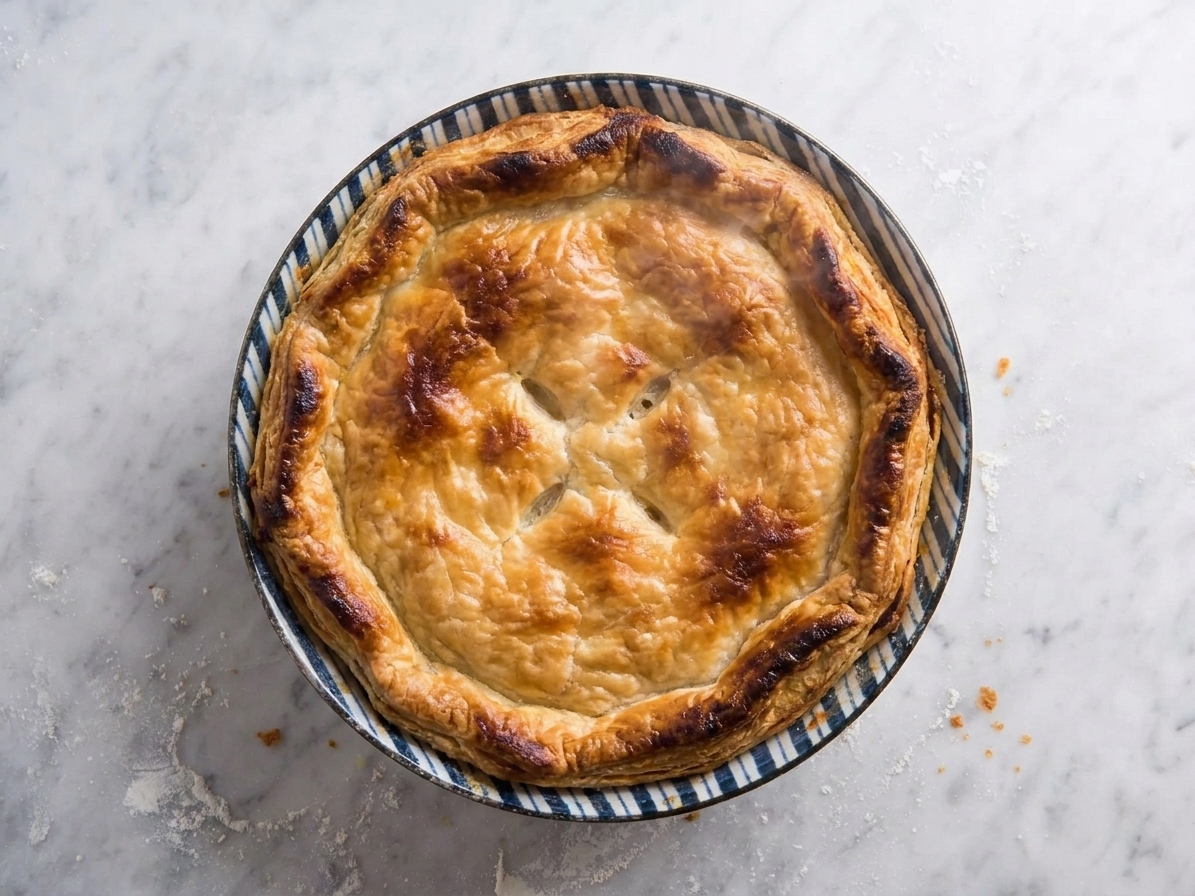
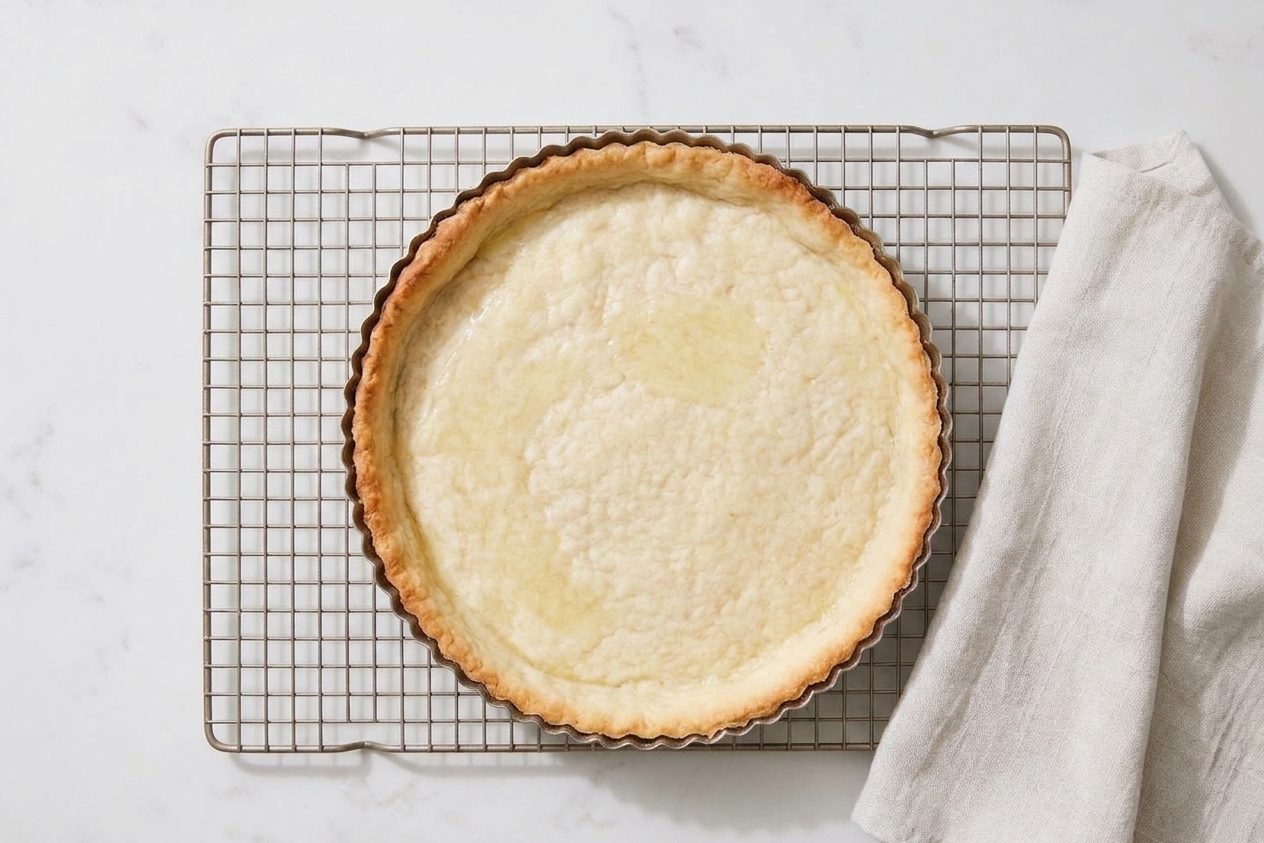
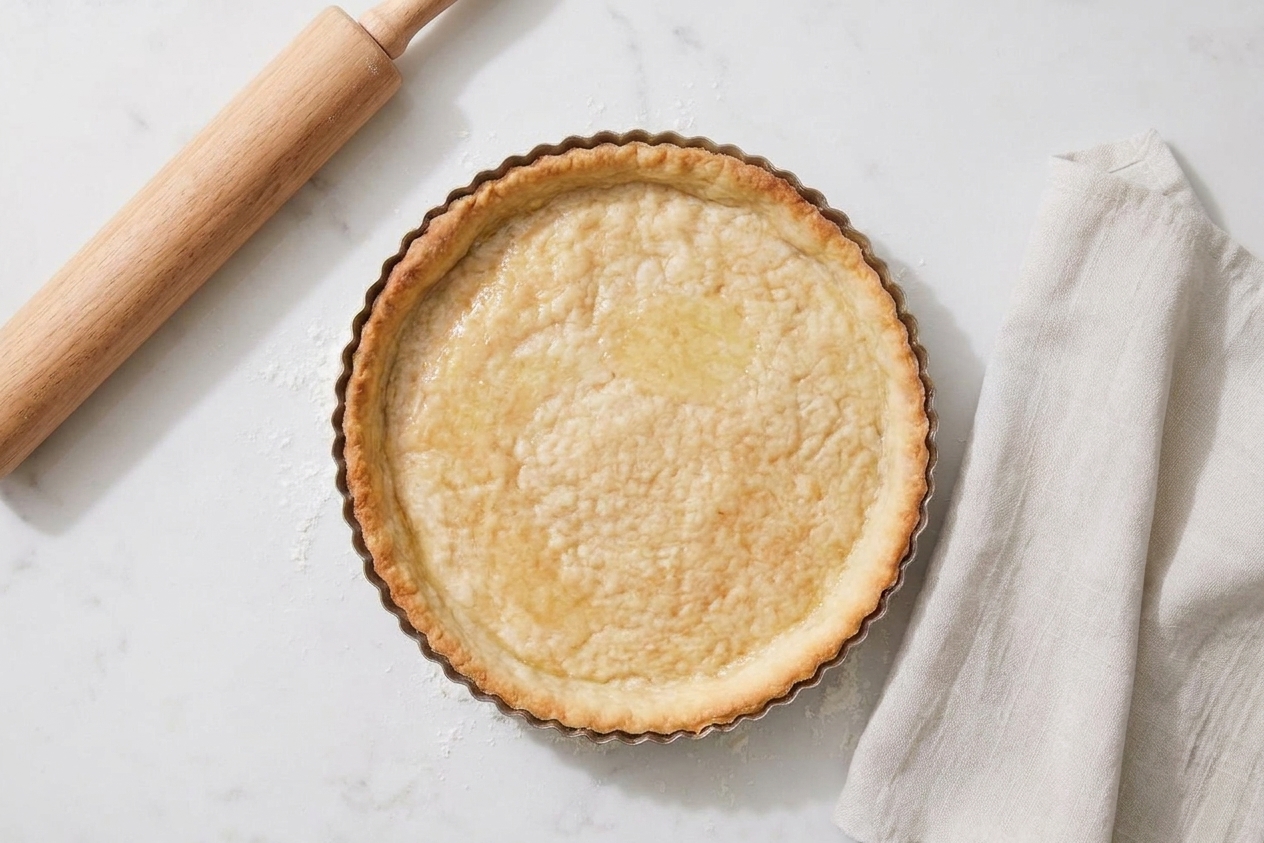
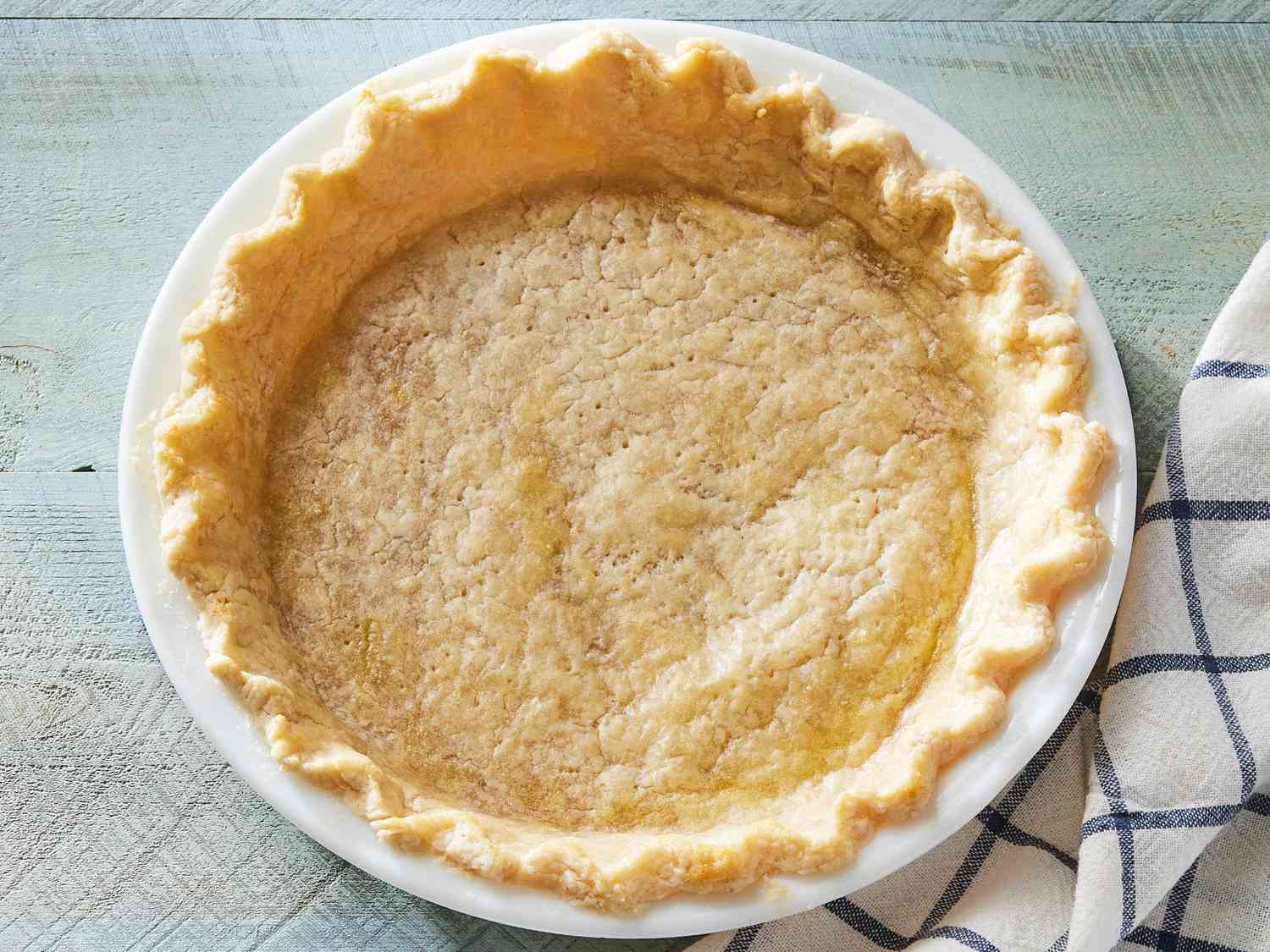
A golden baked quiche crust in a fluted tart pan on a light kitchen counter with a rolling pin nearby

Quiche is basically a cozy custard wearing a very important hat. And if that hat is pale, soggy, or slumped into the pan like it gave up halfway through, the whole thing feels a little sad.

This is my all-butter quiche crust that actually behaves. It rolls more easily, bakes up flaky, and most importantly, stays crisp under a filling that wants to soak it like a sponge. We are going for golden edges, a dry bottom, and the kind of clean slice that makes you feel like you have your life together, even if the kitchen is a flour zone.
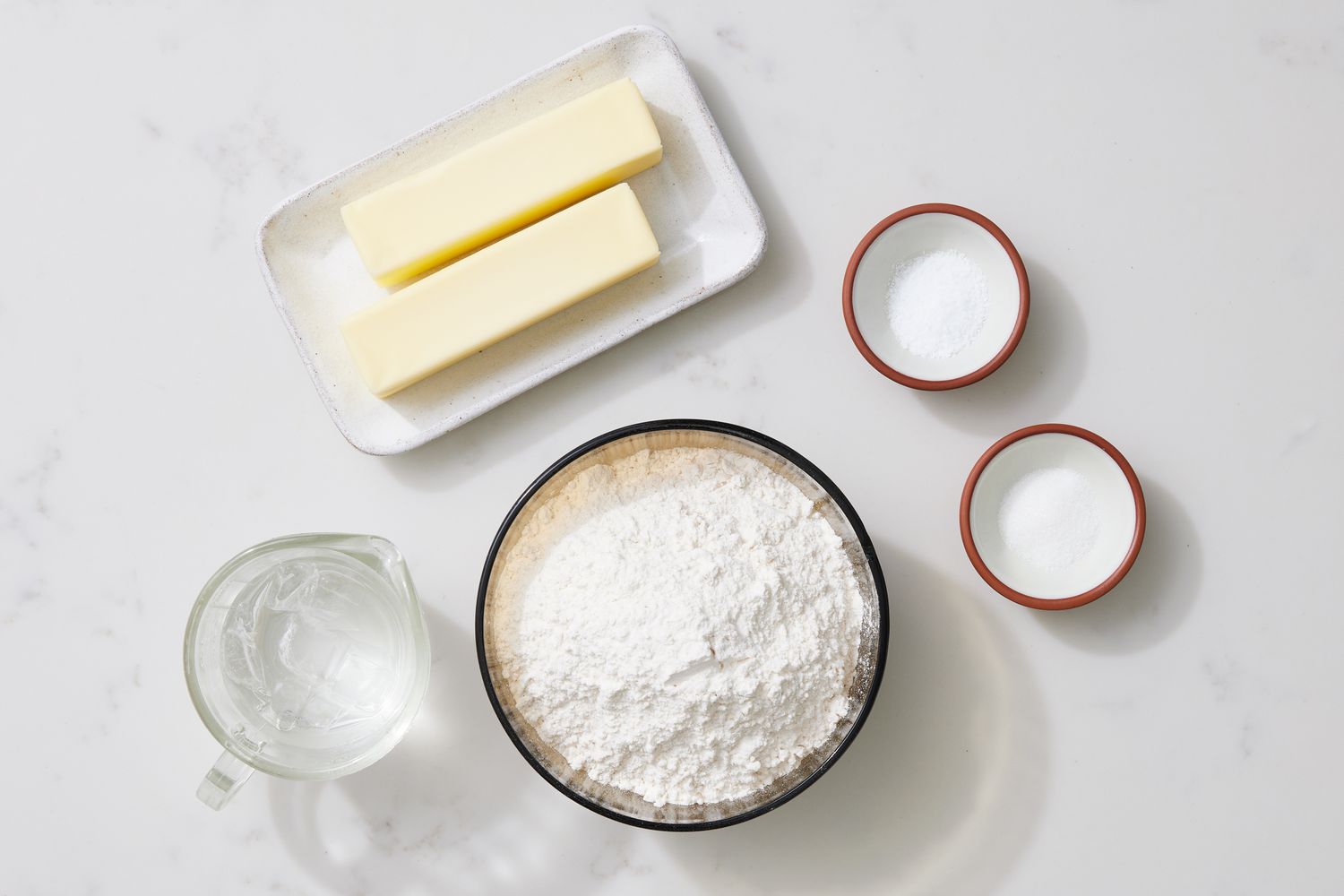
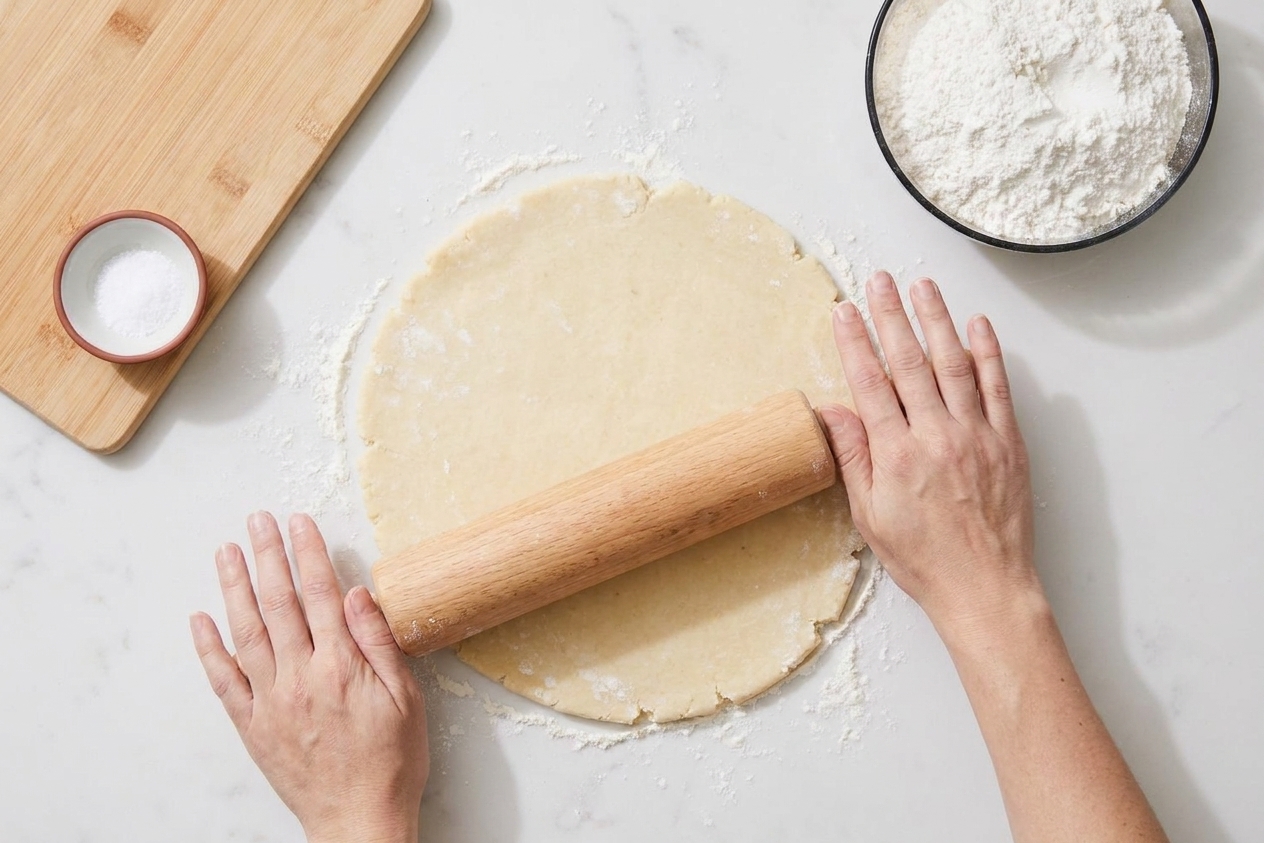
Flour, cold butter cubes, salt, and a small bowl of ice water arranged on a kitchen counter for pie dough

Why It Works

  • All-butter flavor with real flake: Cold butter plus a gentle mix gives you crisp layers instead of a tough crust.
  • Blind baking that actually works: You will partially bake the crust so the custard does not seep in and turn the bottom gummy.
  • Less shrinkage: Chilling the shaped dough and letting it relax helps keep the sides standing tall.
  • A built-in anti-soggy trick: A quick egg white seal makes a subtle barrier that keeps the crust snappy.

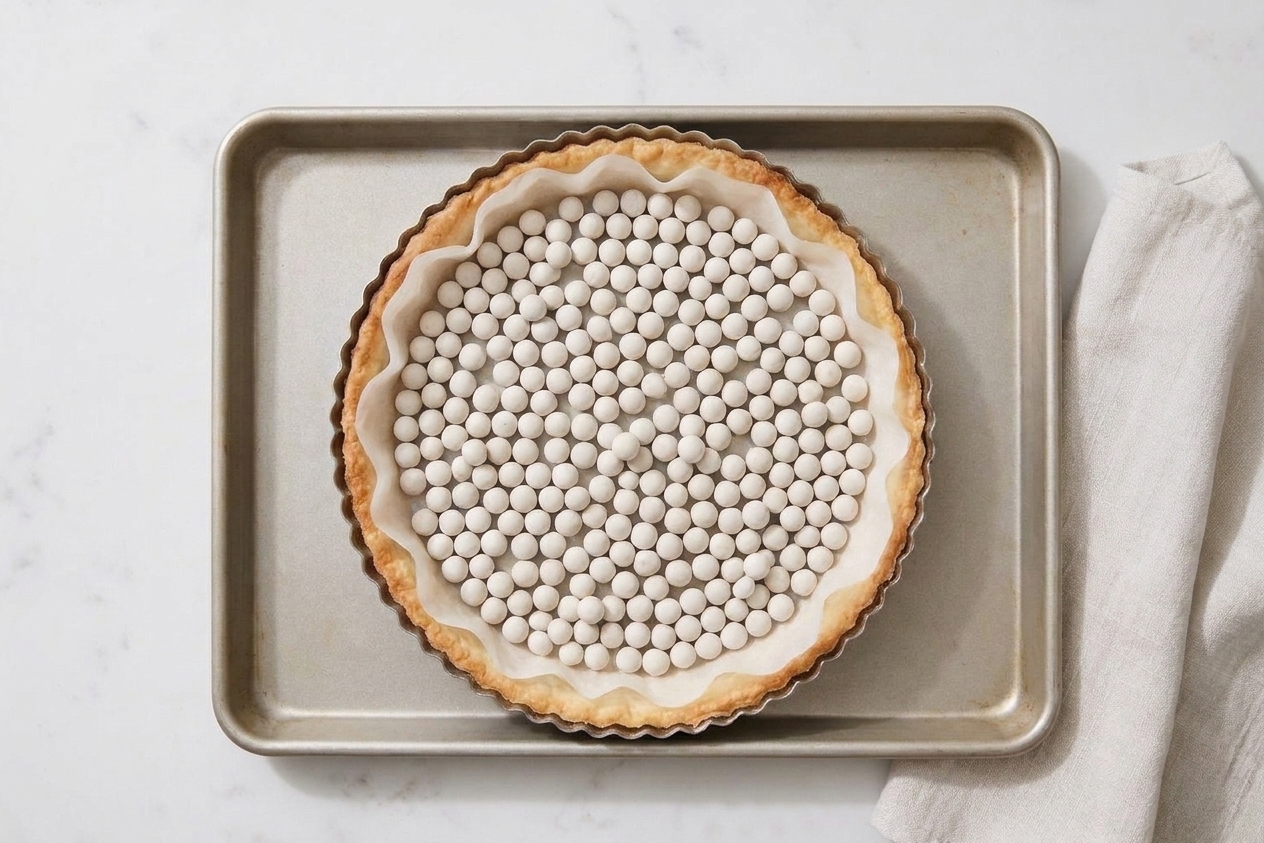
A quiche crust lined with parchment and filled with pie weights on a baking sheet, ready for blind baking

Pairs Well With

Storage Tips

Make Ahead and Storage

  • Unbaked dough (disk): Wrap tightly and refrigerate up to 3 days. Freeze up to 3 months. Thaw overnight in the fridge before rolling.
  • Shaped crust in pan (unbaked): Refrigerate 24 hours, covered. For longer, freeze the pan 30 minutes until firm, then wrap well and freeze up to 1 month. Blind bake from frozen, adding about 5 to 15 minutes to the first bake, and use the visual cue: bake until the edges look set and lightly golden.
  • Blind-baked crust: Cool completely, then cover and keep at room temperature up to 1 day or refrigerate up to 3 days. Recrisp in a 350°F oven for 5 to 8 minutes before filling if needed.

Note: If you are making quiche ahead, bake and cool the quiche, then refrigerate. Reheat slices at 325°F until warmed through so the custard stays silky.

Common Questions

Common Questions

Do I have to blind bake a quiche crust?

For most quiches, yes. Custard is wet and it will try to soak into raw dough. A partial blind bake sets the crust, browns the surface a bit, and gives you a head start on crispness.

Why does my crust shrink down the sides?

Usually one of three things: the dough was stretched when you fit it into the pan, it did not chill long enough before baking, or it was overworked and became too elastic. In this recipe, we chill twice and we press the dough into the corners instead of pulling it.

What if I do not have pie weights?

Use dried beans, uncooked rice, or even clean coins in a pinch. The goal is weight that presses the parchment into the corners so the sides do not slump.

Can I use a store-bought crust with your blind bake method?

Absolutely. The method still helps. Just follow the same chill, parchment, and weights approach and bake until the edges look set.

How do I keep the bottom from getting soggy?

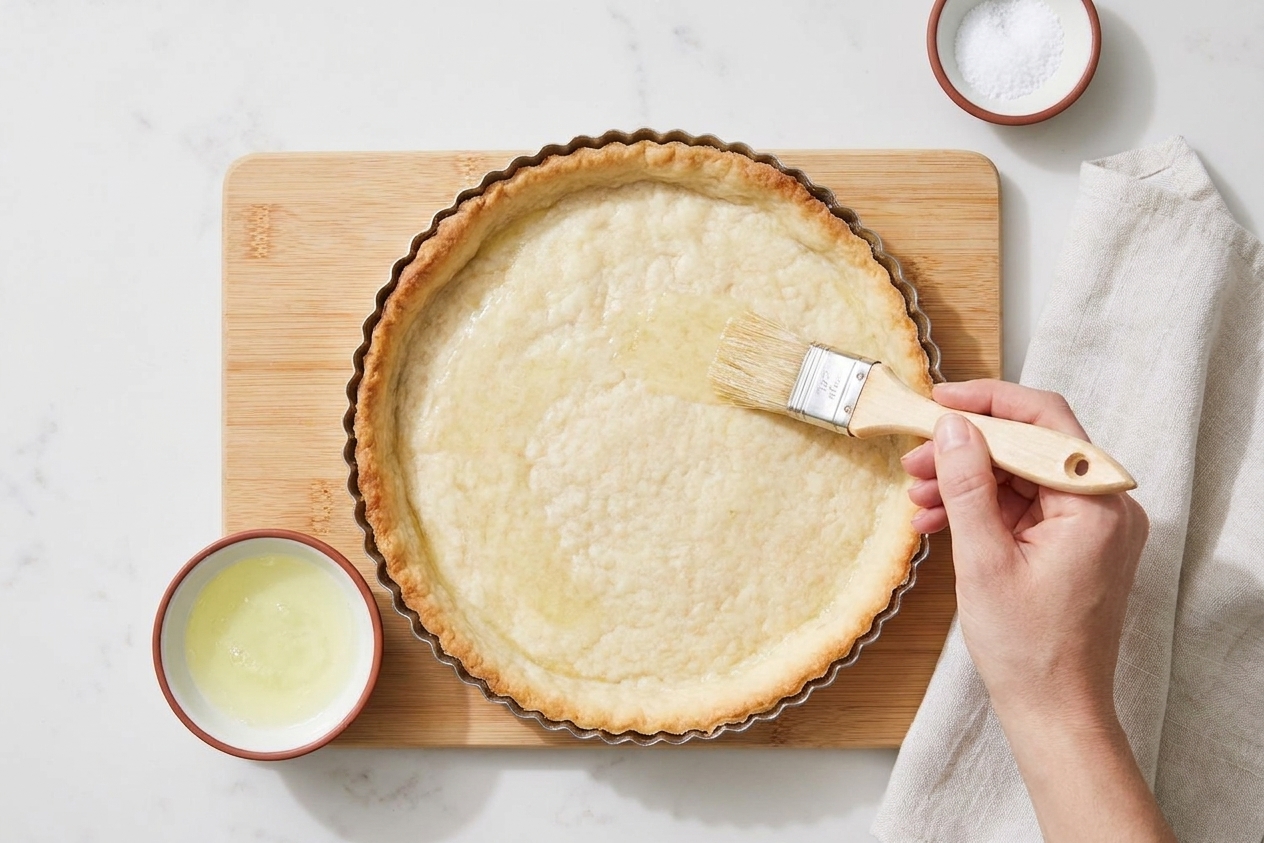
Three moves: blind bake, bake on a lower rack with a preheated sheet pan, and brush with egg white right after the first bake. That egg white trick is quiet and effective.

A pastry brush lightly brushing egg white onto a warm partially baked quiche crust to help seal the bottom

I used to treat quiche crust like a formality, like, yeah yeah, crust, whatever, get to the bacon and cheese. Then I served a quiche with a soft, pale bottom and realized crust is not a side character. It is the plate you can eat. Now I build it like I mean it: cold butter, a solid chill, a blind bake, and a quick egg white seal. It is not fussy. It is just… respectful. To the quiche. To your time. To the person who is going back for a second slice.