Common Questions
What are the best apples for caramel apple pie?
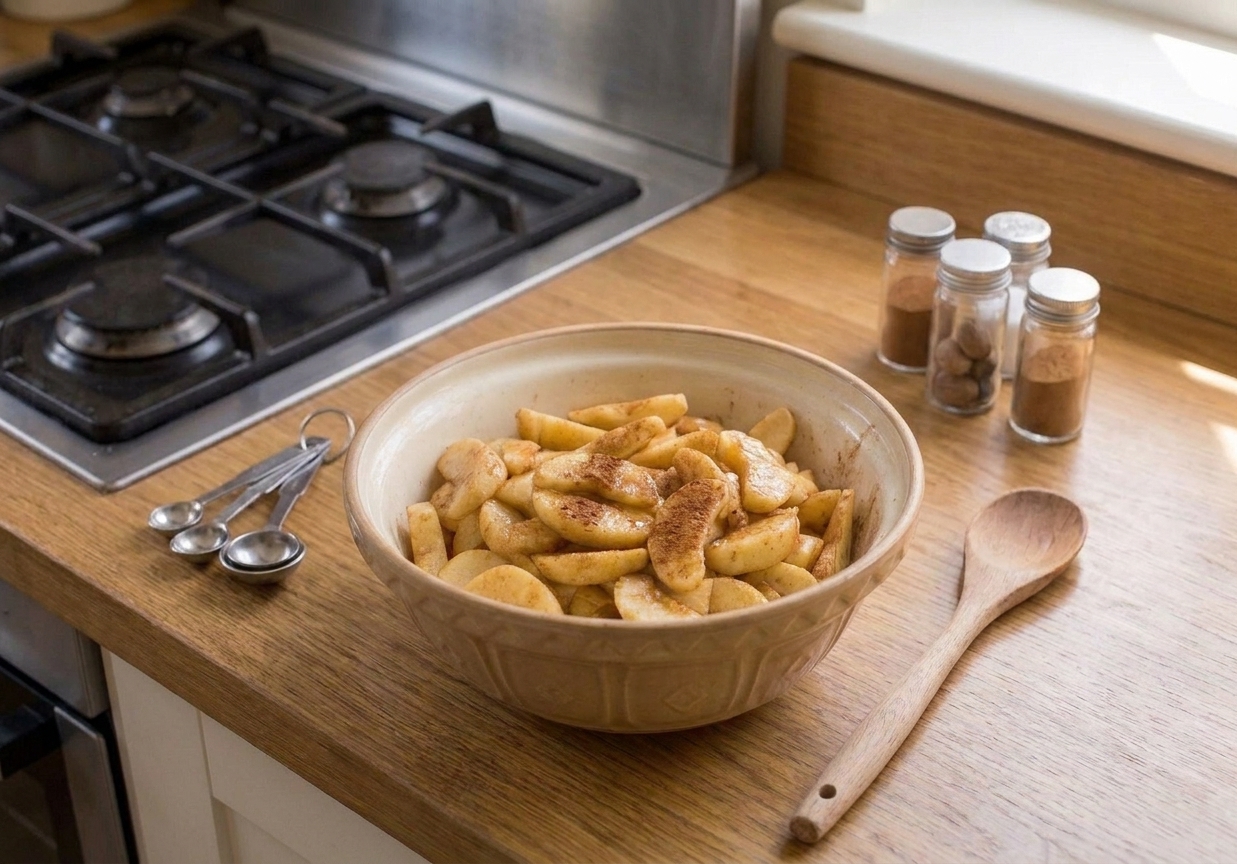
Use a mix for the best texture. My favorite combo is Granny Smith (tart, holds shape) plus Honeycrisp or Pink Lady (sweet, crisp). Avoid very soft apples like Red Delicious.
Do I have to pre-cook the apples?
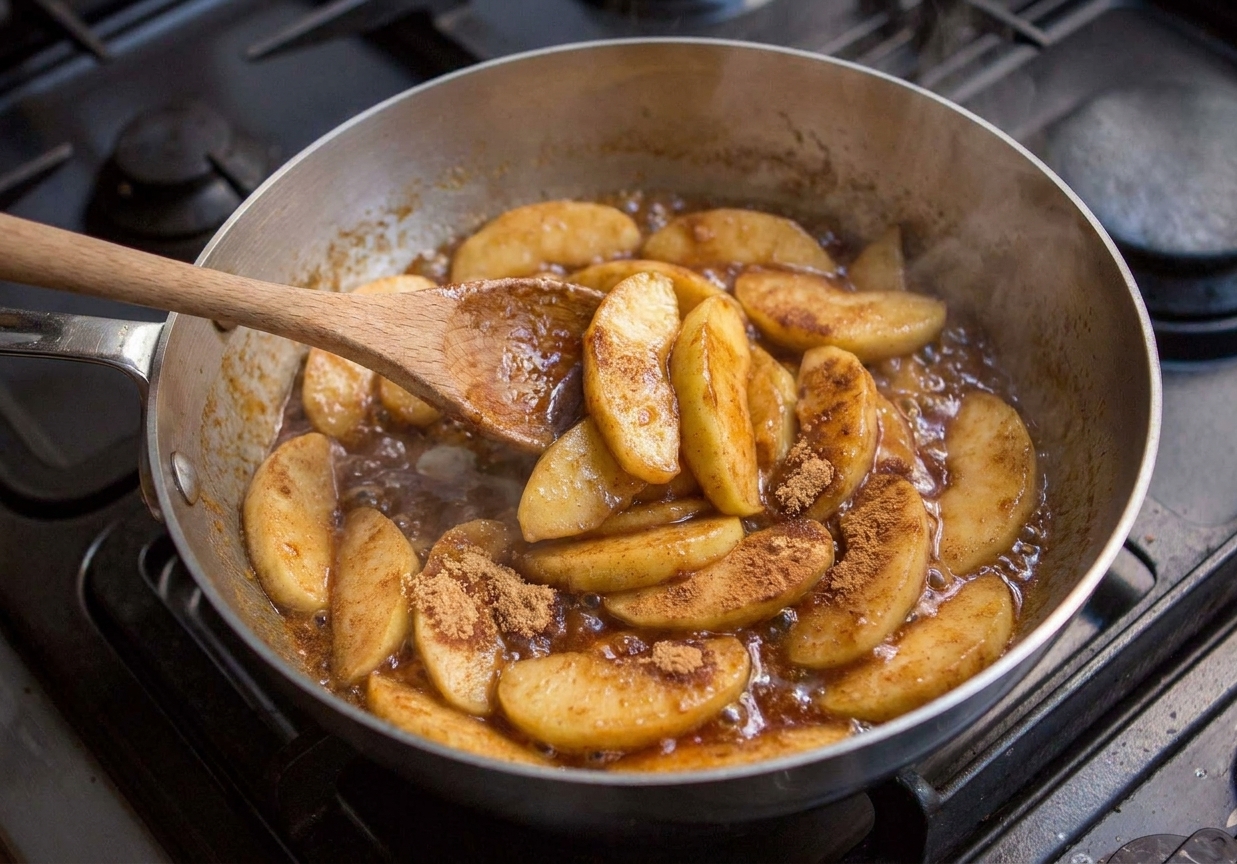
You can skip it, but I do not recommend it. Pre-cooking helps prevent that classic “pie cavity” where the filling shrinks and the top crust collapses. It also thickens the juices before they ever hit the crust.
How do I keep the bottom crust from getting soggy?
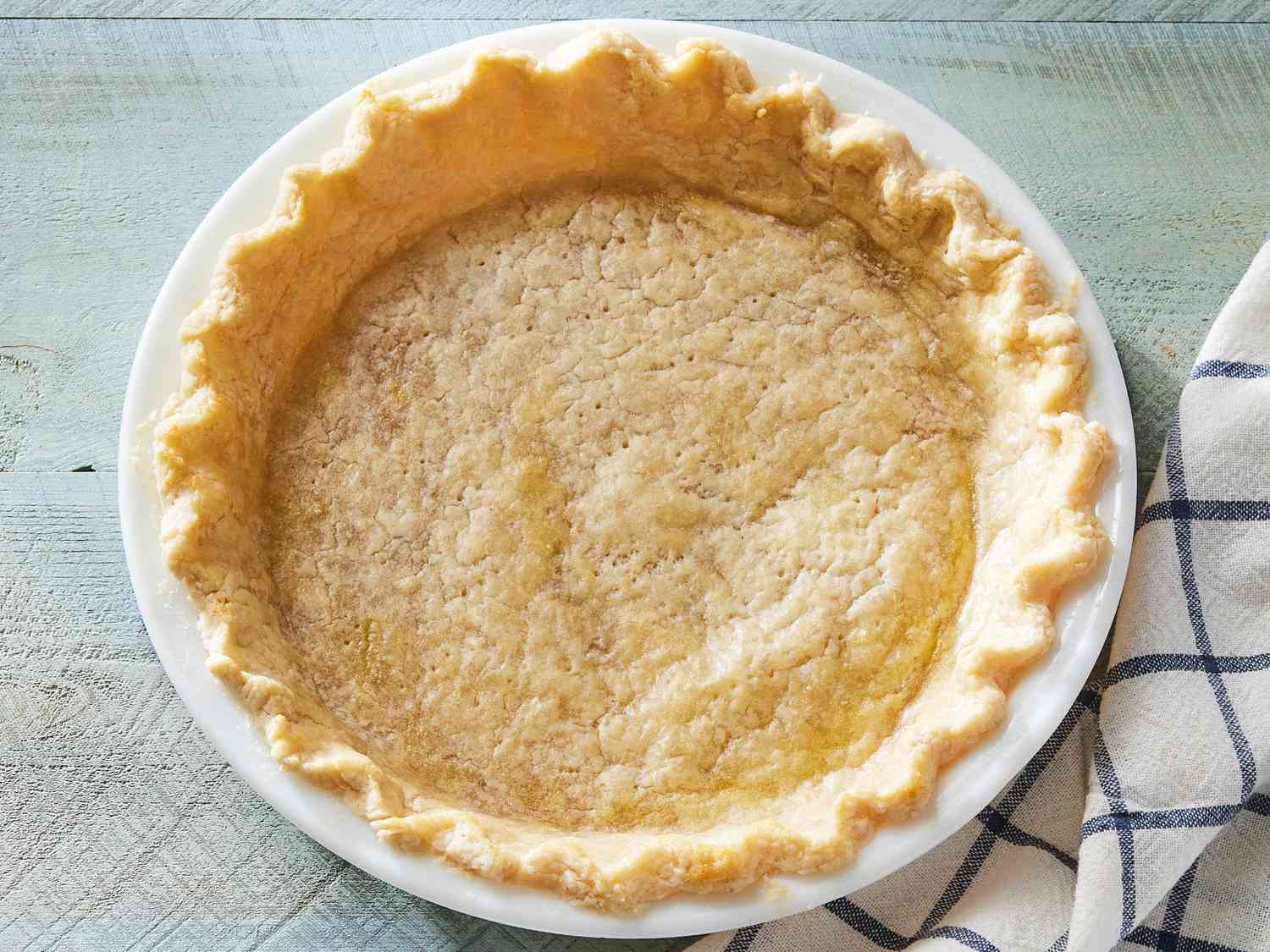
Three things: bake on a preheated sheet pan, start hot at 425°F, and make sure your filling is not watery. Also let the pie cool fully before slicing so the filling sets.
Can I use store-bought caramel sauce?
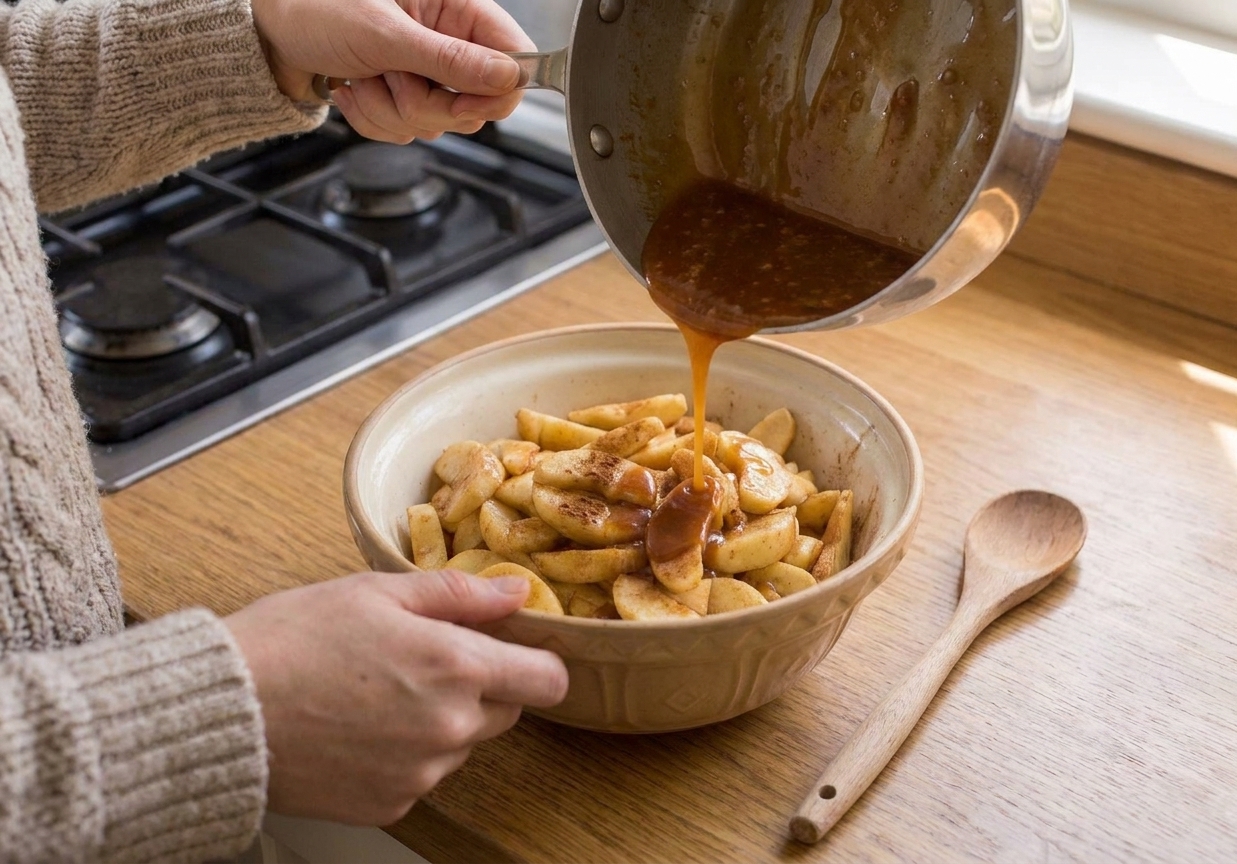
Yes. Use a thick caramel sauce, not a thin coffee syrup style. You will need about 3/4 cup. Warm it slightly so it pours easily, then use it as directed.
Why did my caramel turn grainy?
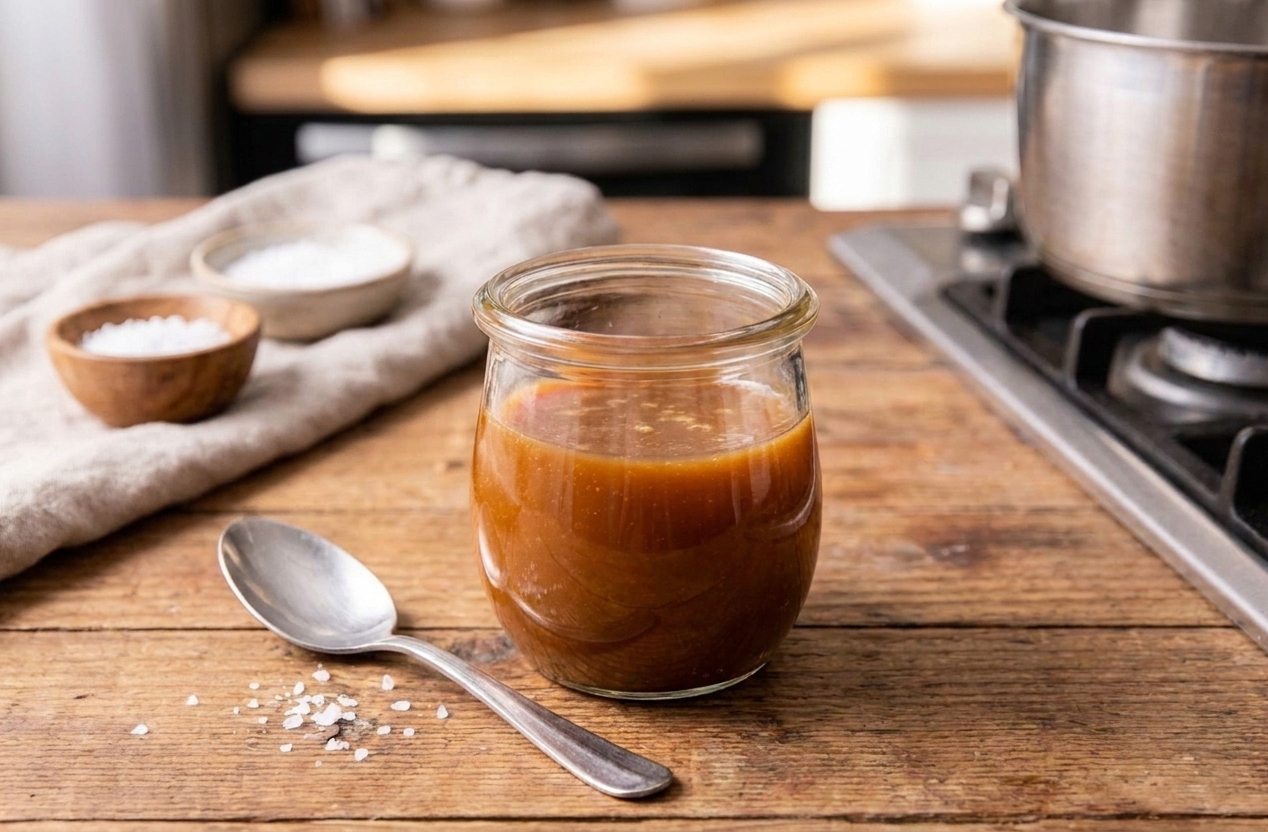
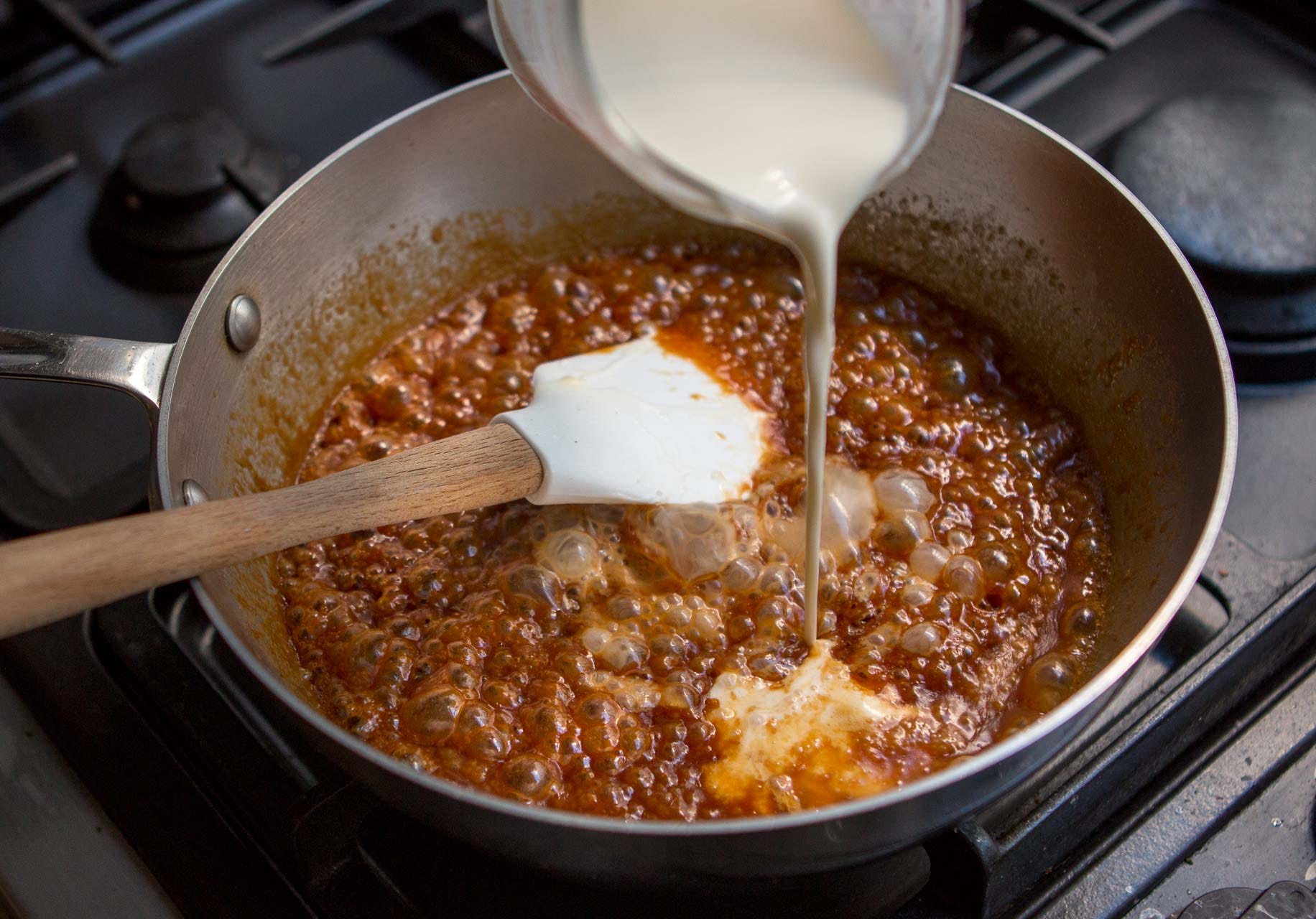
Most of the time it is sugar crystallization (those little sugar bits that turn the whole thing sandy). To prevent it, keep the heat moderate and avoid scraping or stirring any stray sugar from the sides into the caramel. If it does go grainy, you can sometimes rescue it by gently reheating with 1 to 2 tablespoons cream or water, whisking on low until smooth. If it refuses to behave, start over. It happens.
When is the pie actually done?
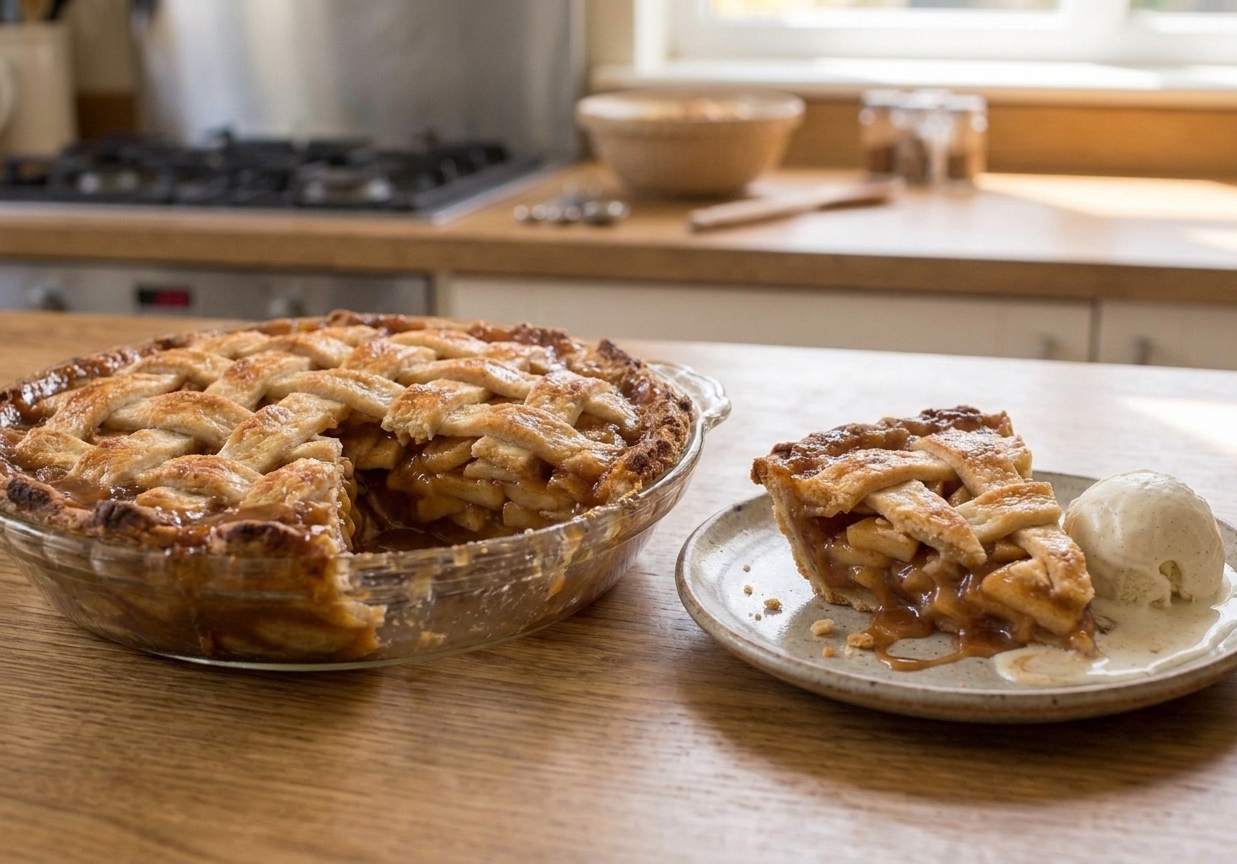
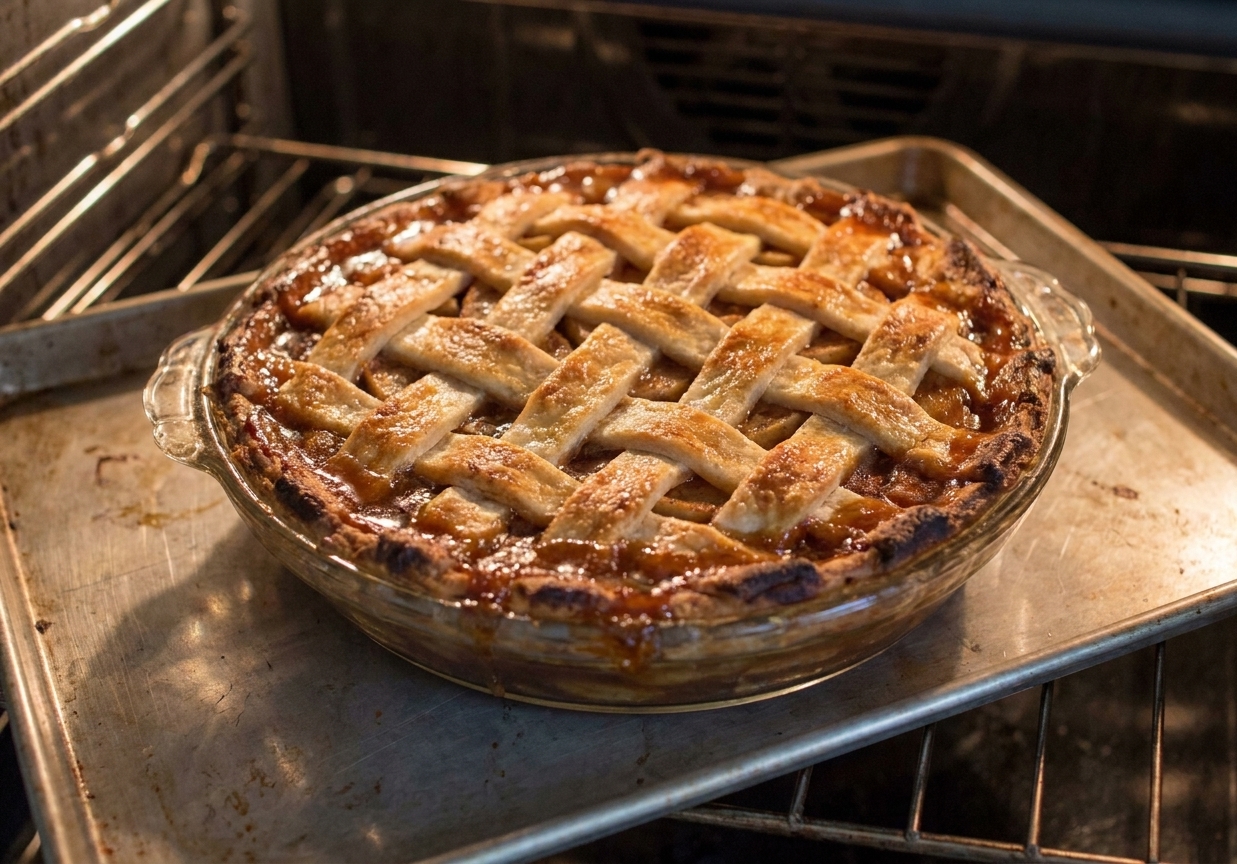
The crust should be deep golden and you should see thick bubbles coming through the vents. If you have an instant-read thermometer, the filling is often in a good place around about 200°F (give or take a few degrees), but bubbling is still the best real-life signal.
Does the pie dish material matter?
Yes, a little. Metal tends to brown the bottom crust faster, while glass can take a touch longer but lets you peek at the browning. Either works. Just use the visual cues: golden crust and thick bubbling.