Mom's Best Recipes
Recipe

Chaomin (Takeout-Style Stir-Fried Noodles)

Springy noodles, crisp vegetables, and a glossy soy garlic sauce you can make in one pan.

Author By Matt Campbell
4.8
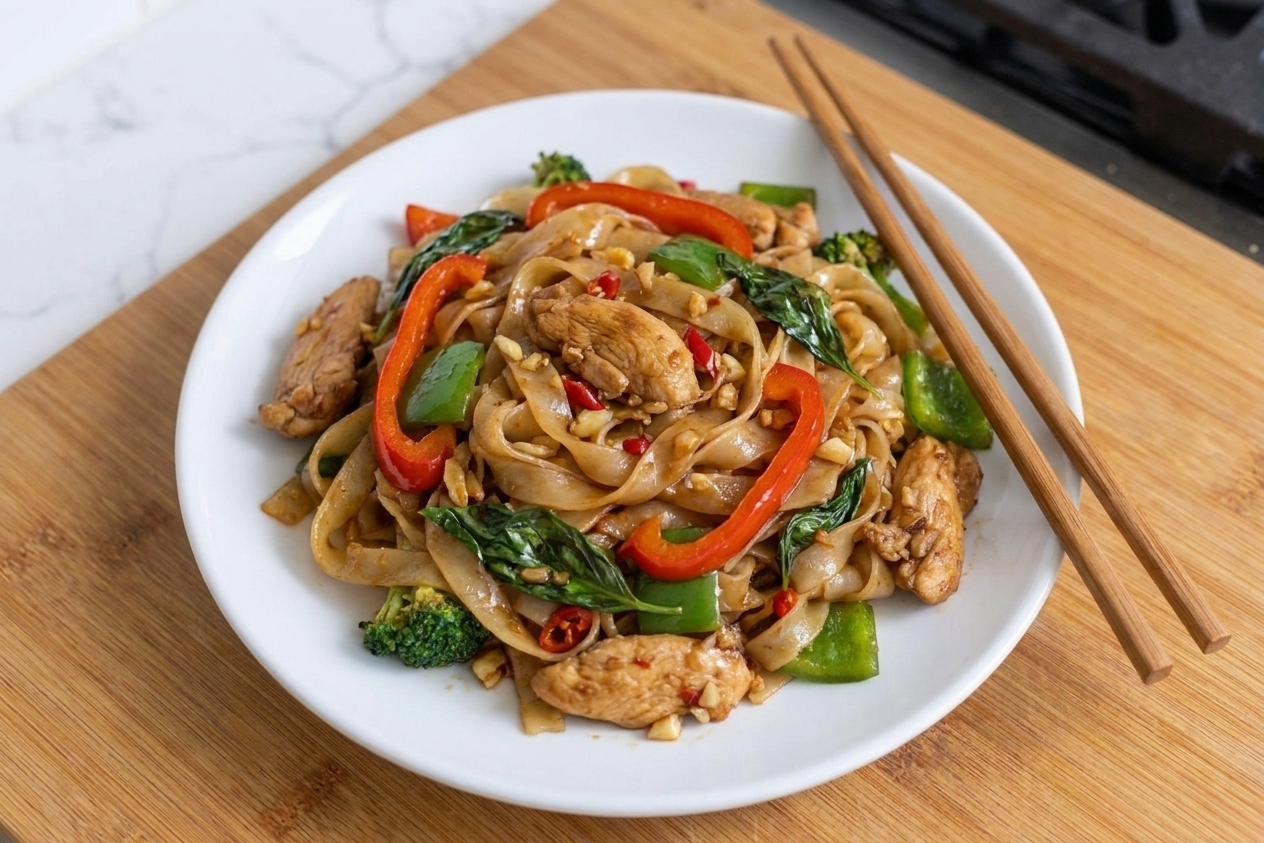
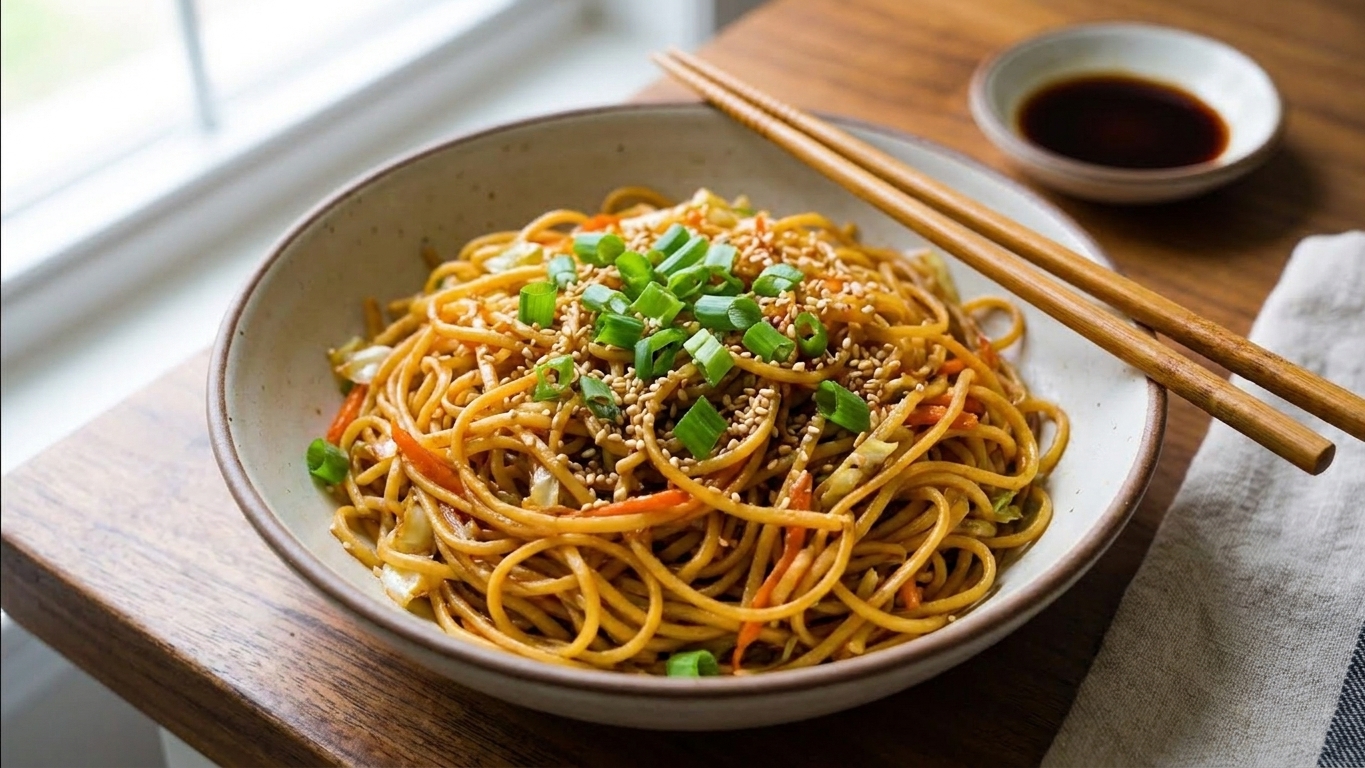
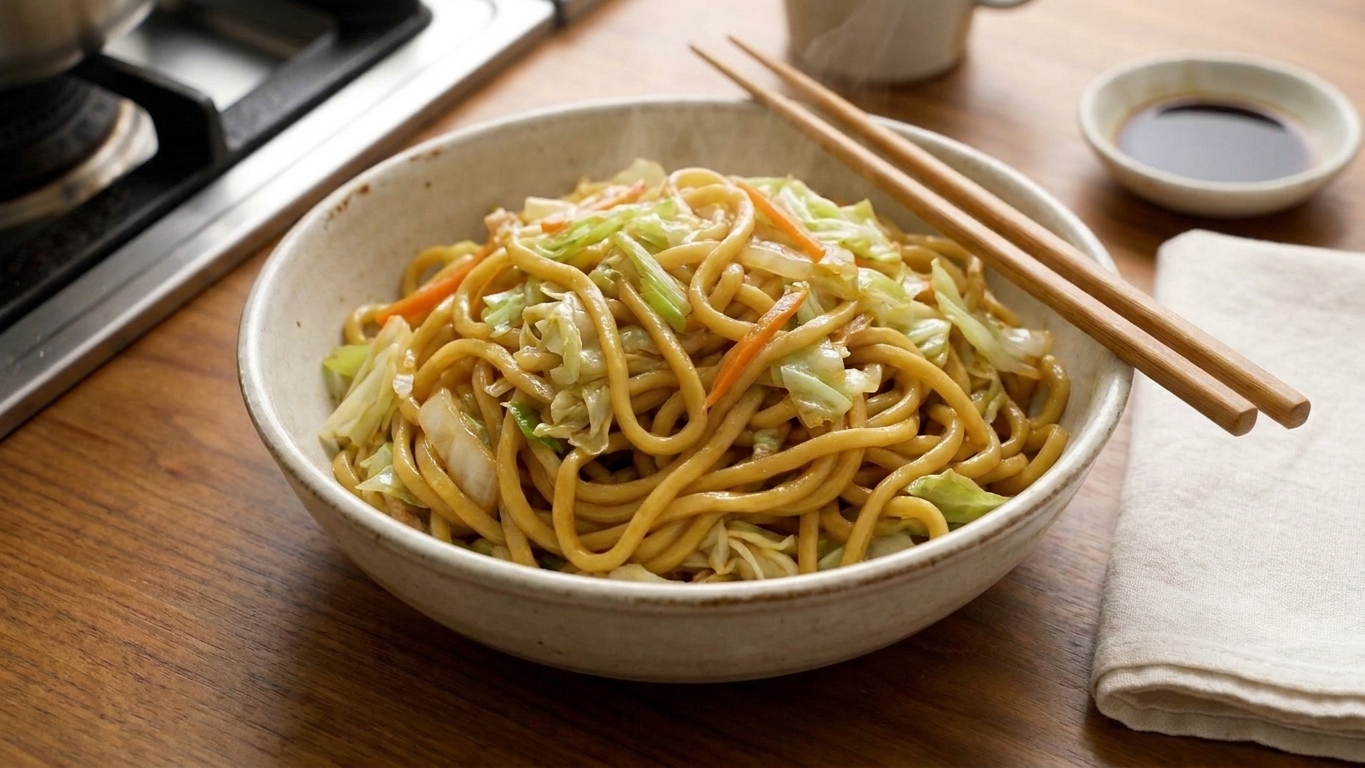
A bowl of chaomin stir-fried noodles with shredded cabbage, carrots, scallions, and glossy soy-garlic sauce on a wooden table with chopsticks

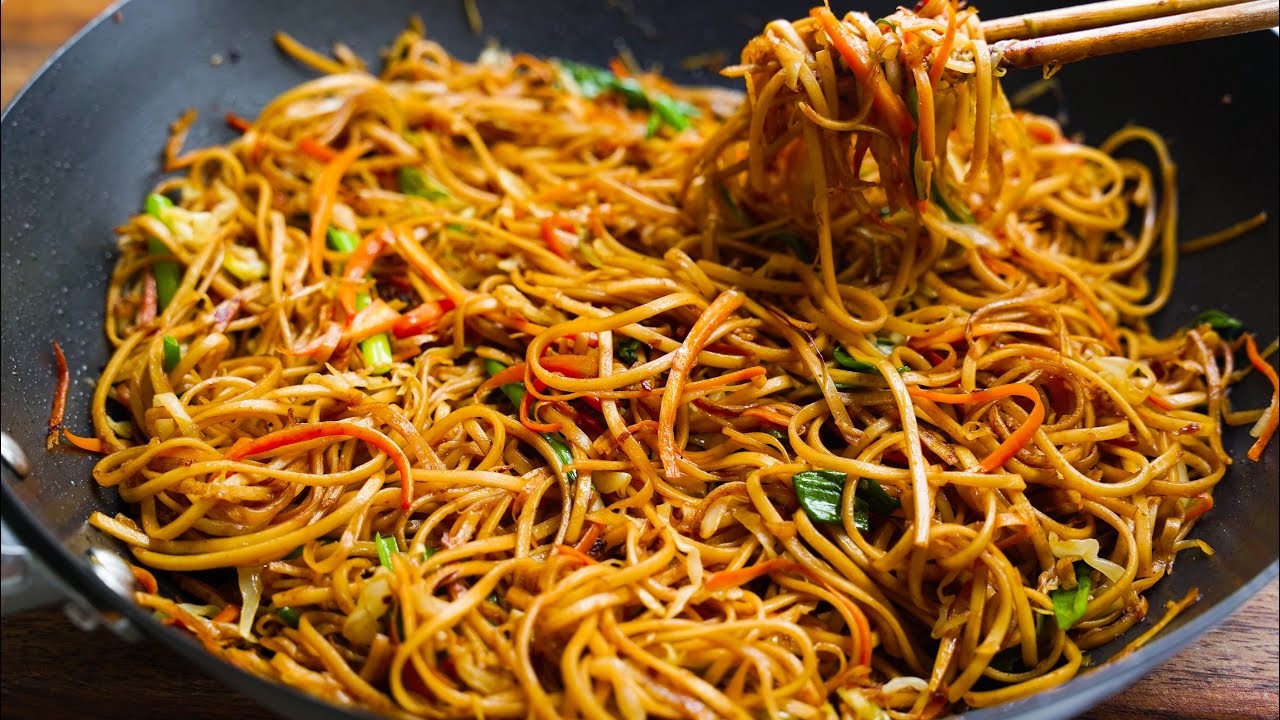
Chaomin is one of those meals that makes you feel like you just hacked dinner. It is stir-fried noodles with crunchy vegetables and a savory, slightly sweet sauce that clings to every strand. Think takeout vibes, but with fresher flavor and way more control over the salt, the heat, and the amount of garlic you want to commit to.

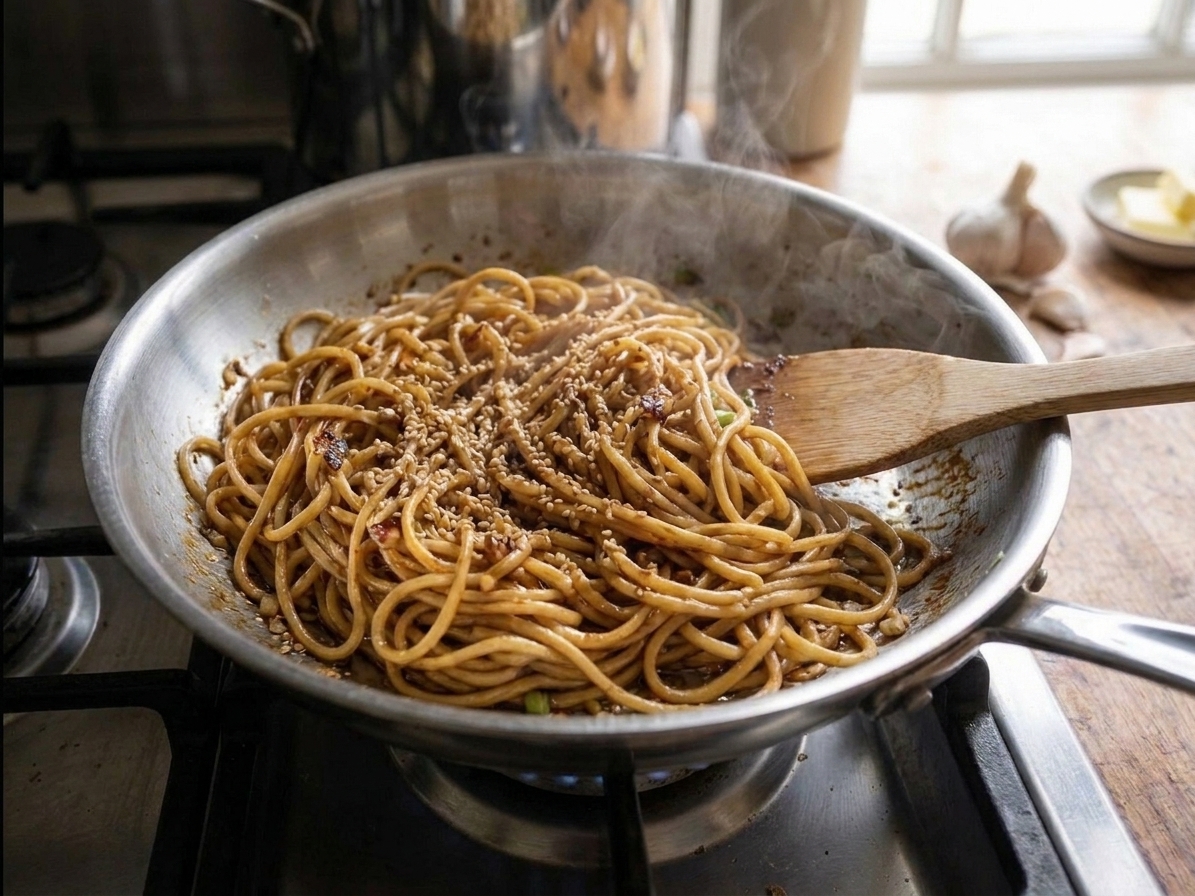
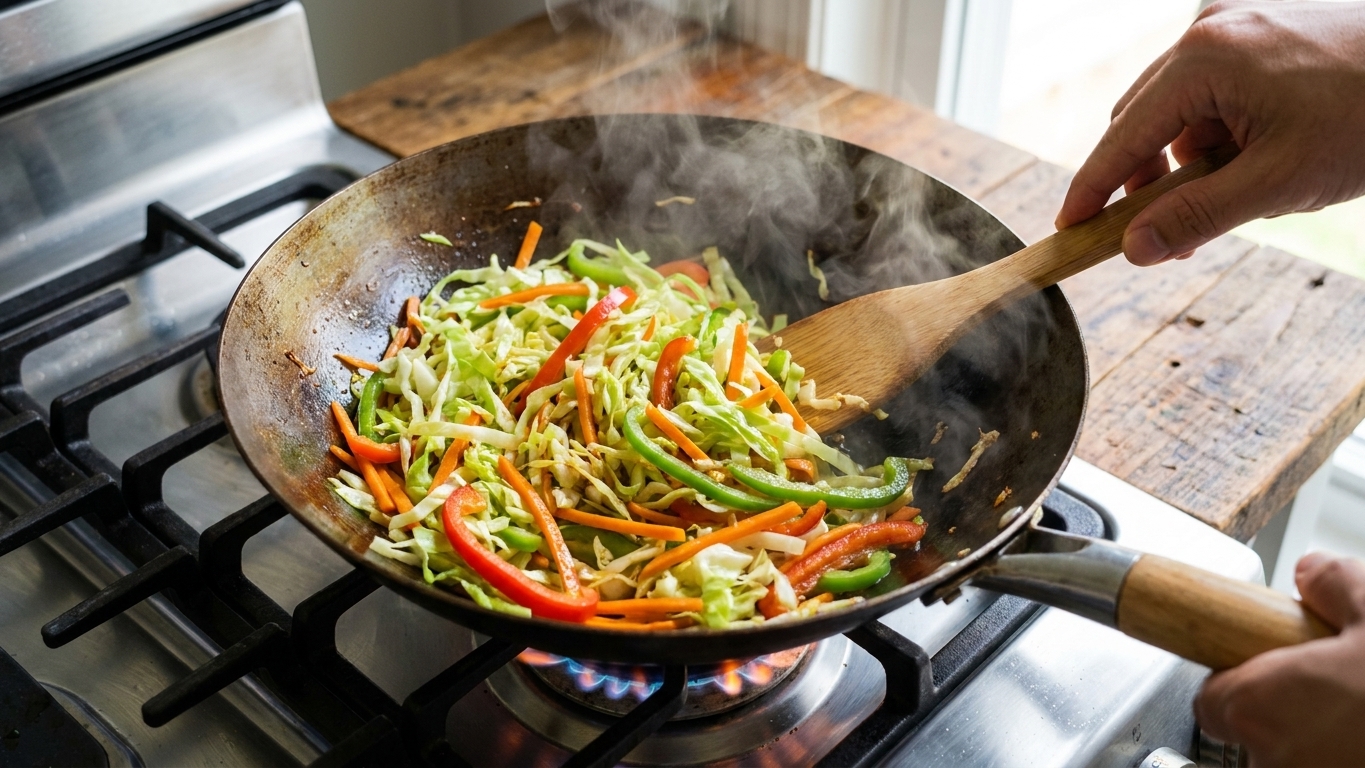
This version keeps ingredients accessible and the steps low-drama. The only real trick is timing: we stir-fry the veggies fast so they stay crisp, then we toss the noodles in hot enough to soak up sauce and pick up a few toasty edges. If your kitchen gets a little chaotic for five minutes, congratulations, you are doing it right.
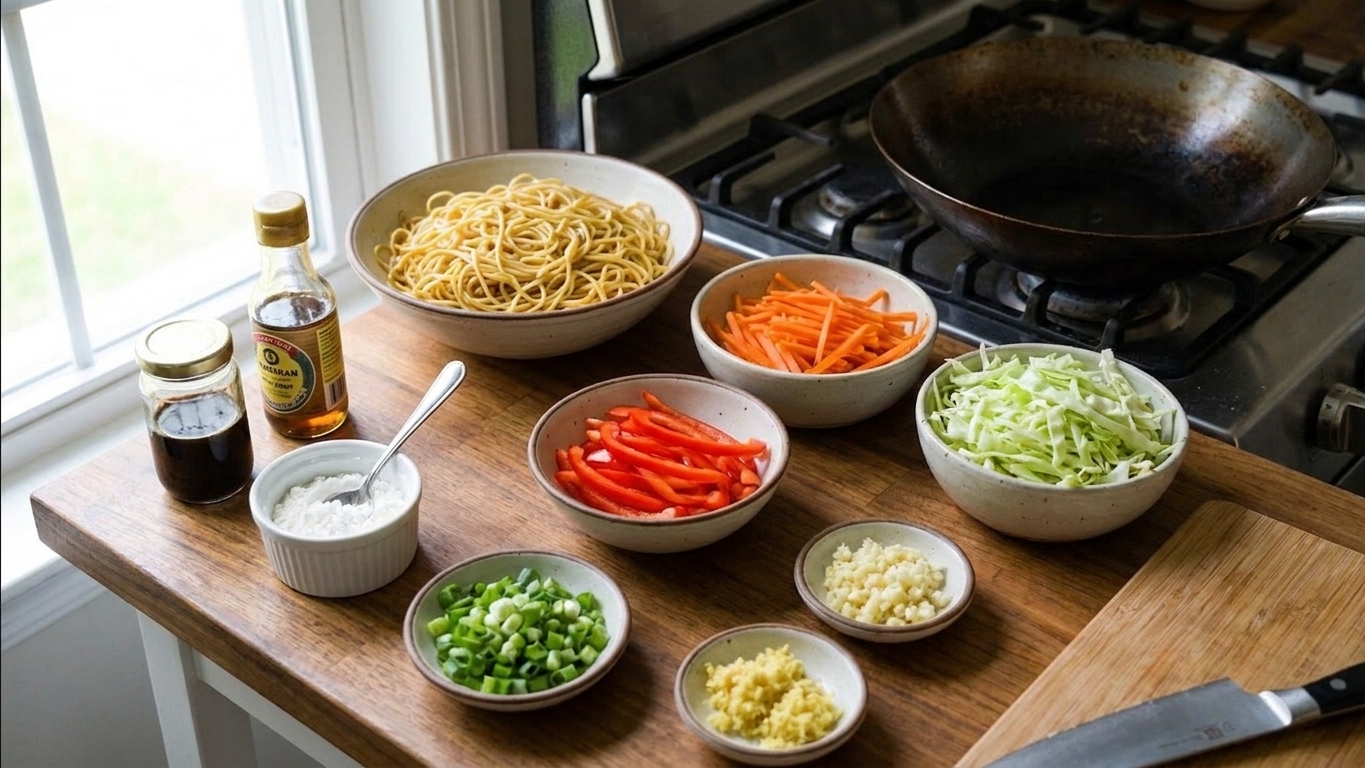
A kitchen counter with bowls of cooked noodles, sliced cabbage, julienned carrots, sliced bell pepper, scallions, minced garlic, grated ginger, soy sauce, sesame oil, and cornstarch ready for chaomin

Why It Works

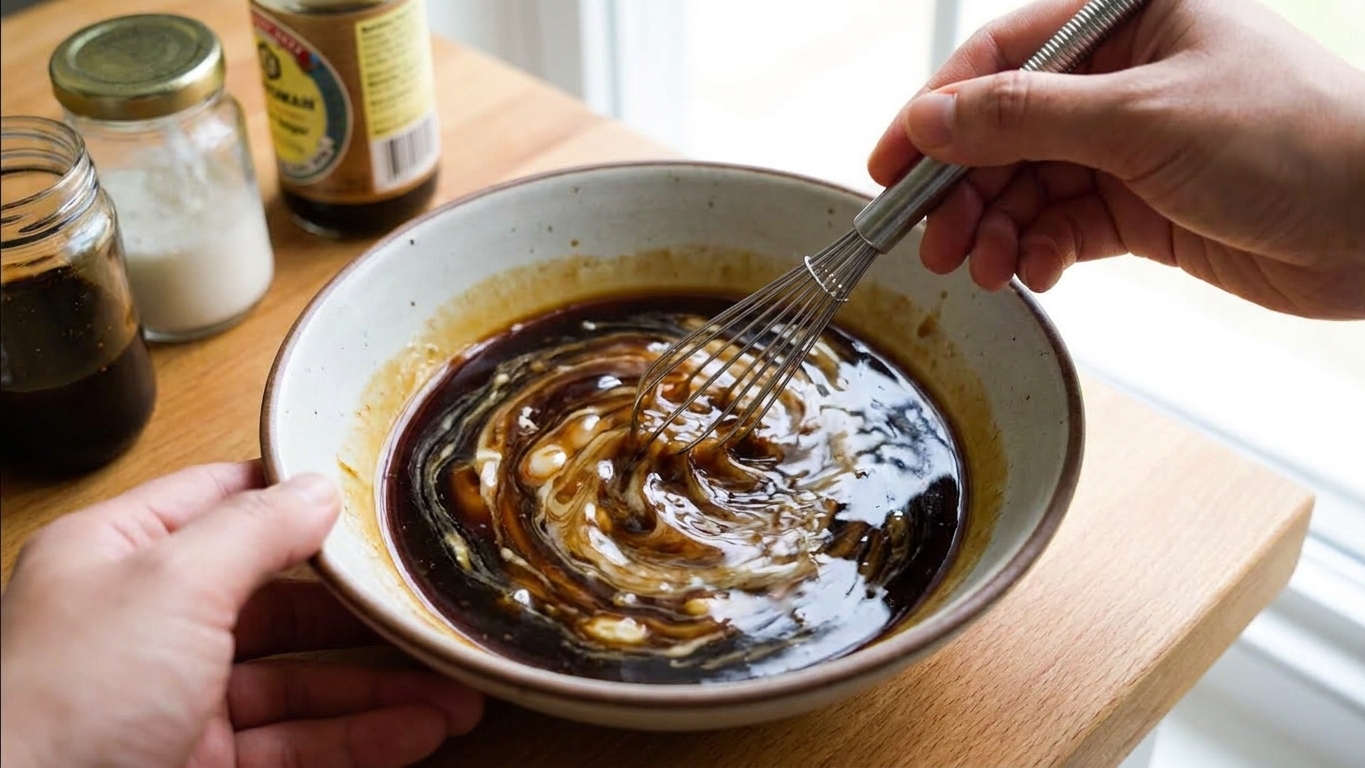
  • Fast flavor build: A quick soy, oyster sauce, and sesame combo tastes deep without simmering for hours.
  • Great texture: Crisp-tender vegetables plus noodles that get a little seared in the pan.
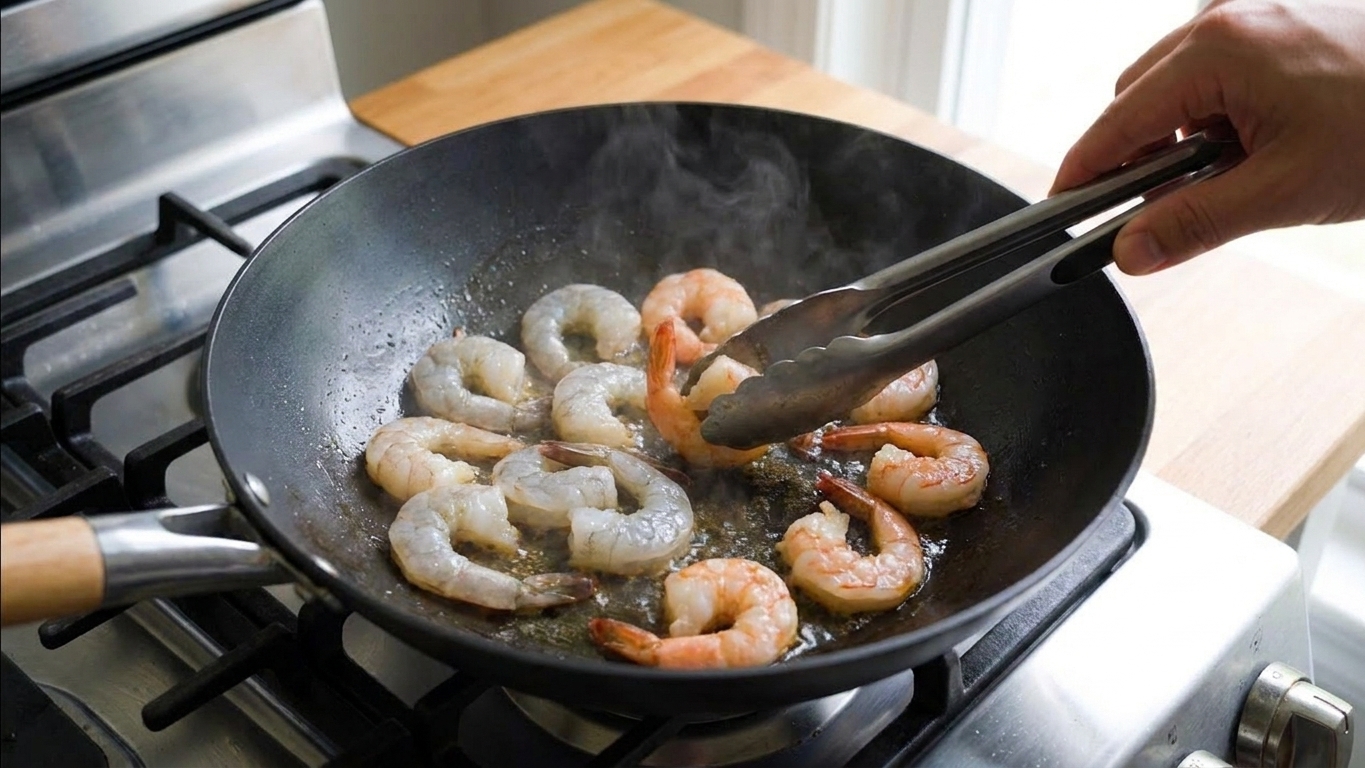
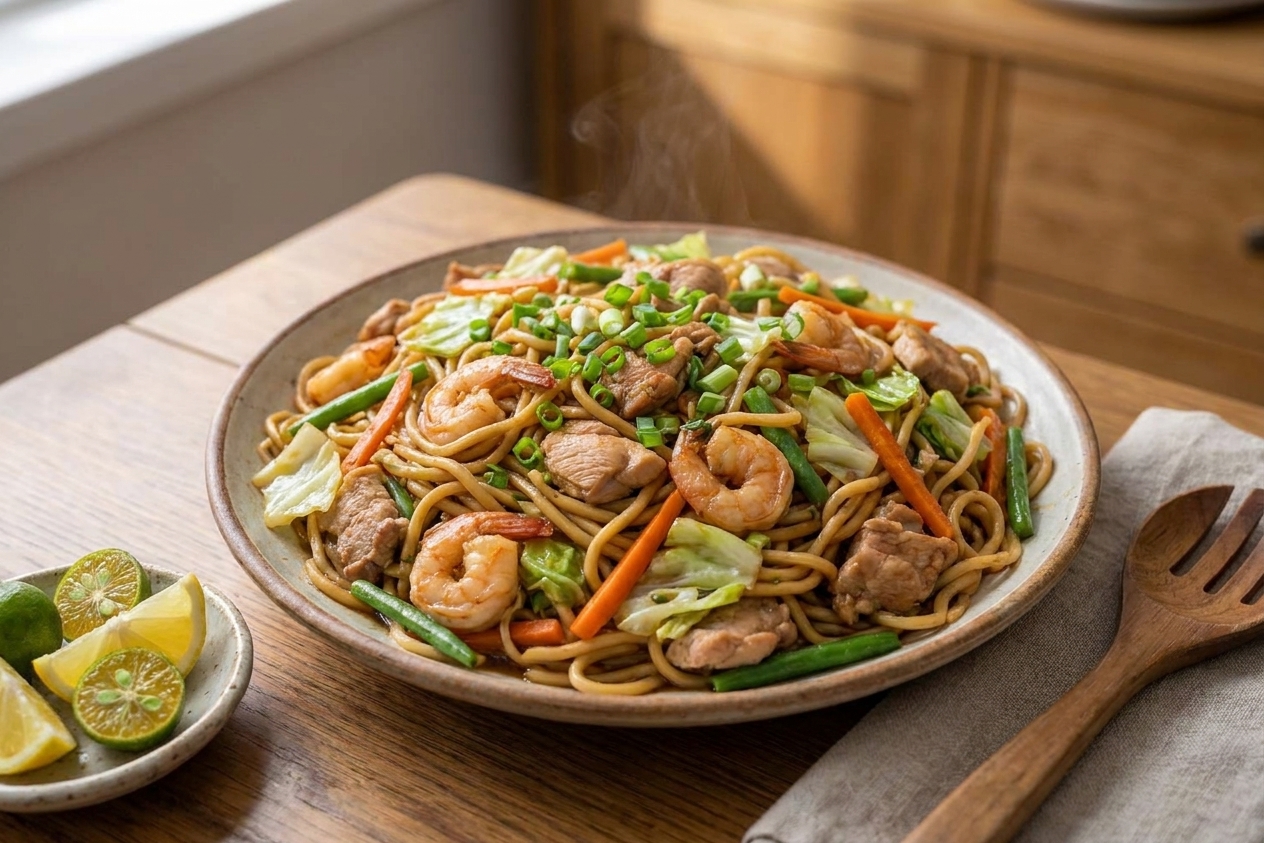
  • Flexible: Works with chicken, shrimp, tofu, or just veggies. Use what you have.
  • Weeknight friendly: One wok or skillet, minimal cleanup, very high reward.

Pairs Well With

Storage Tips

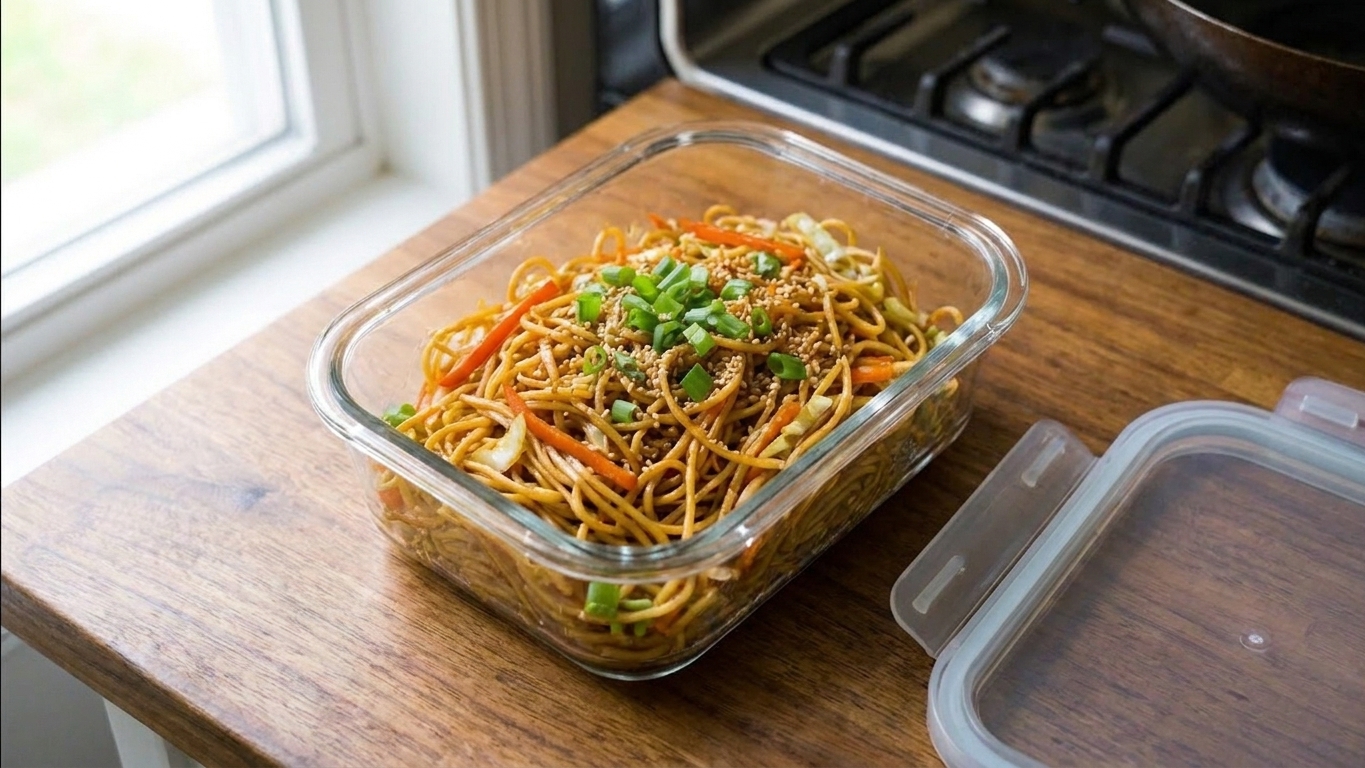
Refrigerate: Cool chaomin quickly, then store in an airtight container for 3 to 4 days.

Reheat: Best in a skillet over medium-high heat with a splash of water to loosen the sauce. Stir-fry 2 to 4 minutes until hot and steaming. Microwave works too, but the noodles stay softer.

Freeze: You can, but the noodles lose some bounce. If you freeze, do it for up to 2 months and reheat in a hot skillet to revive texture.

A glass meal prep container filled with leftover chaomin noodles and vegetables on a kitchen counter with the lid set beside it

Common Questions

Is chaomin the same as chow mein?

They are closely related, but the wording gets a little tangled depending on where you are. Chǎo miàn (炒面) is the Mandarin term that literally means “stir-fried noodles.” “Chow mein” is the common English (Cantonese-influenced) name you will see on menus and takeout boxes. The big picture is the same: noodles, vegetables, high heat, savory sauce. The exact style can vary by region, including soft versus crispy noodles.

What noodles should I use?

If you can find them, use Chinese chow mein noodles (fresh, refrigerated, or dried) or lo mein noodles. For a super convenient substitute, yakisoba-style wheat noodles work well at home because they are already steamed and cook fast, even though they are Japanese-style. Lo mein noodles also work great.

How do I keep the noodles from clumping?

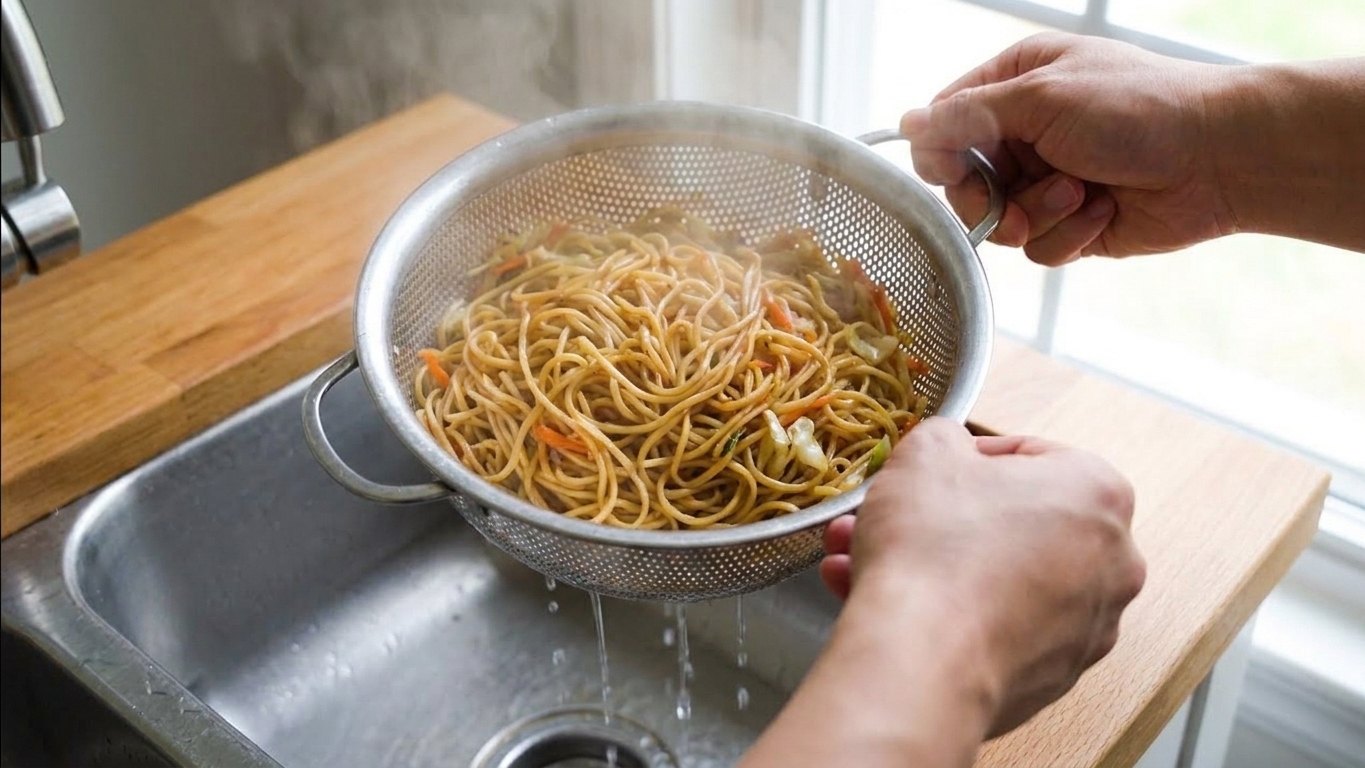
Drain well and toss with a small drizzle of neutral oil. Keep the noodles moving in the pan, and add the sauce only after the noodles hit the heat so they warm through first.

Can I make it vegetarian?

Yes. Swap oyster sauce for vegetarian oyster sauce (usually mushroom-based) or use hoisin plus a little extra soy sauce. Use tofu or edamame for protein if you want it heartier.

How do I make it spicy?

Add chili crisp, sriracha, or a pinch of crushed red pepper to the sauce. I also love a little black pepper at the end for that takeout-style bite.

Chaomin is my comfort food that pretends to be a responsible weeknight dinner. It is the meal I make when I want something cozy and carb-y, but I also want a pile of vegetables that still snap when you bite them. The first time I really nailed it at home, it was because I stopped trying to cook everything at once and started treating it like a fast little team project: sauce ready, veggies prepped, noodles standing by, pan screaming hot. Five minutes later, dinner tasted like I had plans.