Mom's Best Recipes
Recipe

Chicken Bone Broth

Rich, golden broth from leftover chicken bones with simple aromatics. Stovetop and Instant Pot options included.

Author By Matt Campbell
4.8
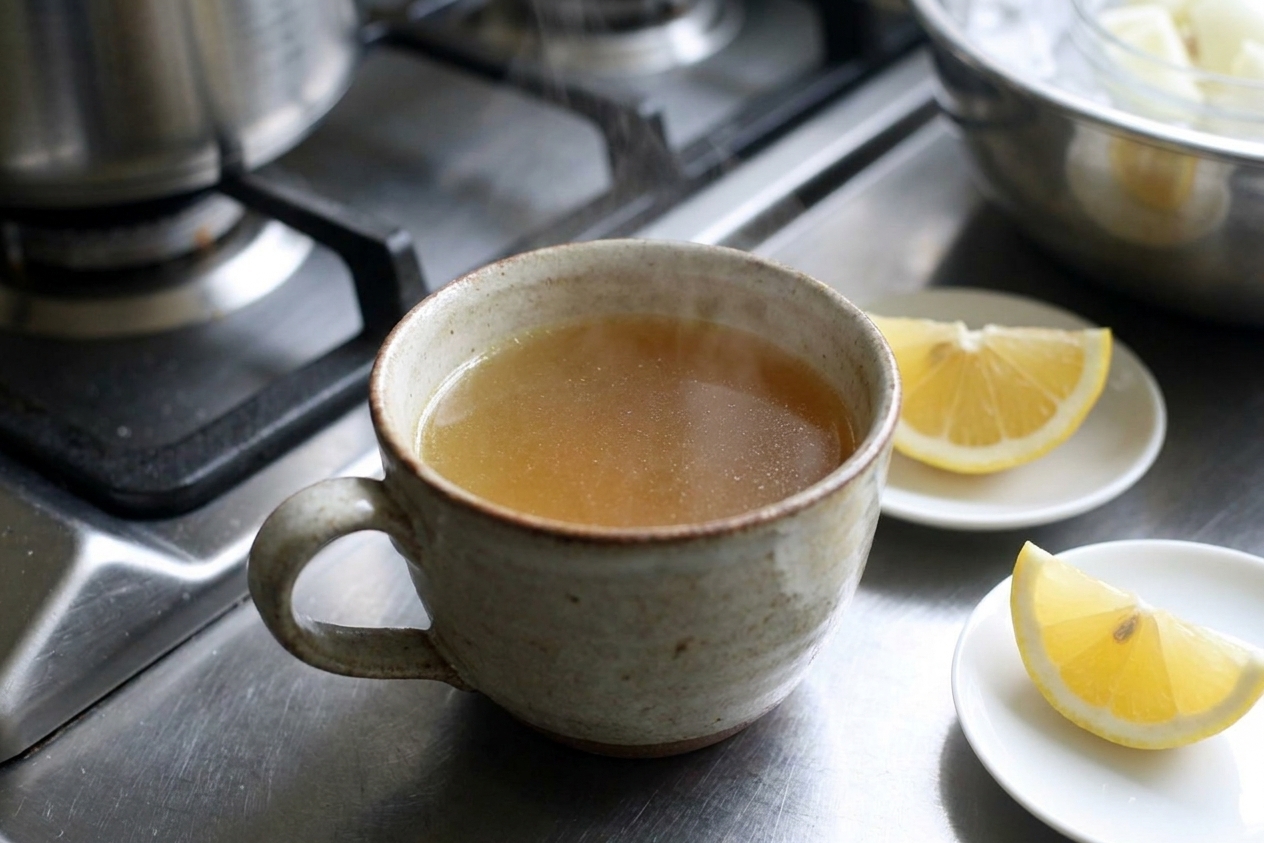
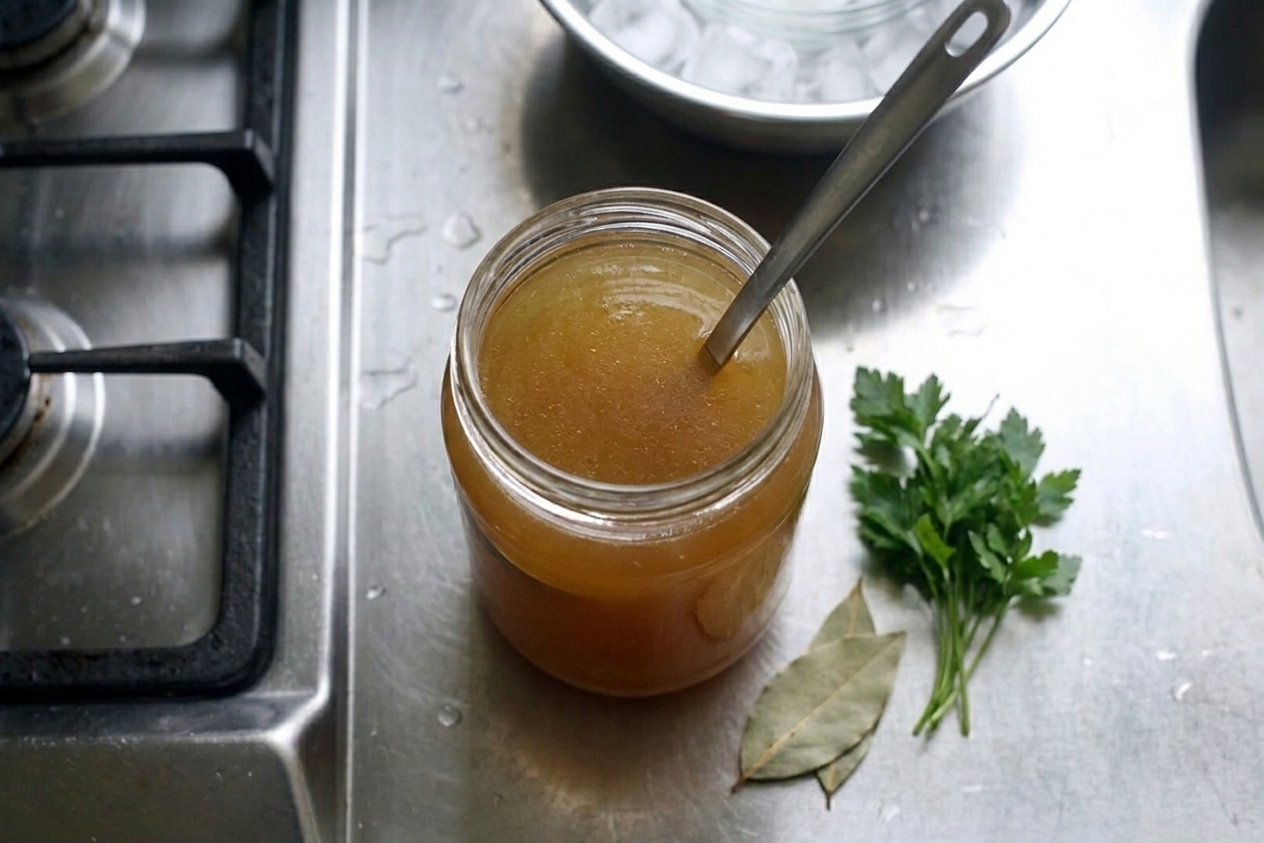
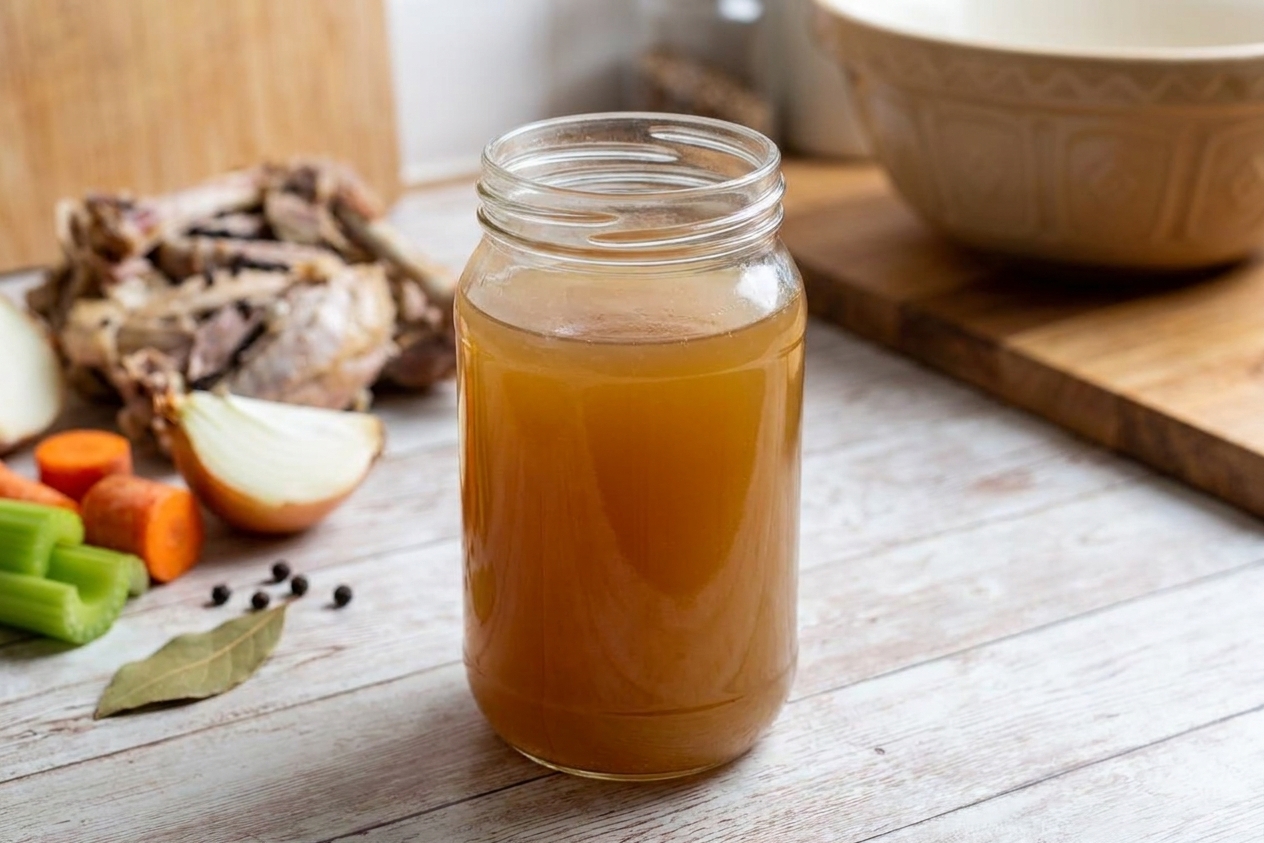
A glass jar of golden chicken bone broth on a kitchen counter with a ladle and parsley nearby

Chicken bone broth is one of those quietly powerful kitchen habits. You eat a roast chicken on Monday, and by Tuesday your freezer is stocked with a golden, savory liquid that makes everything taste like you tried harder than you did.

This version is my go-to because it stays accessible and low drama. No obscure ingredients, no twelve-hour babysitting situation unless you want it. Just bones, a few fridge drawer aromatics, a gentle simmer, and a couple of small moves that make it taste deeply chicken-y instead of bland and watery.

Use it for soups, rice, beans, pan sauces, or anytime you want a cozy boost. Also, if you have a household that gets sniffly or cranky the moment the weather changes, having broth on deck feels like a tiny act of preparedness.
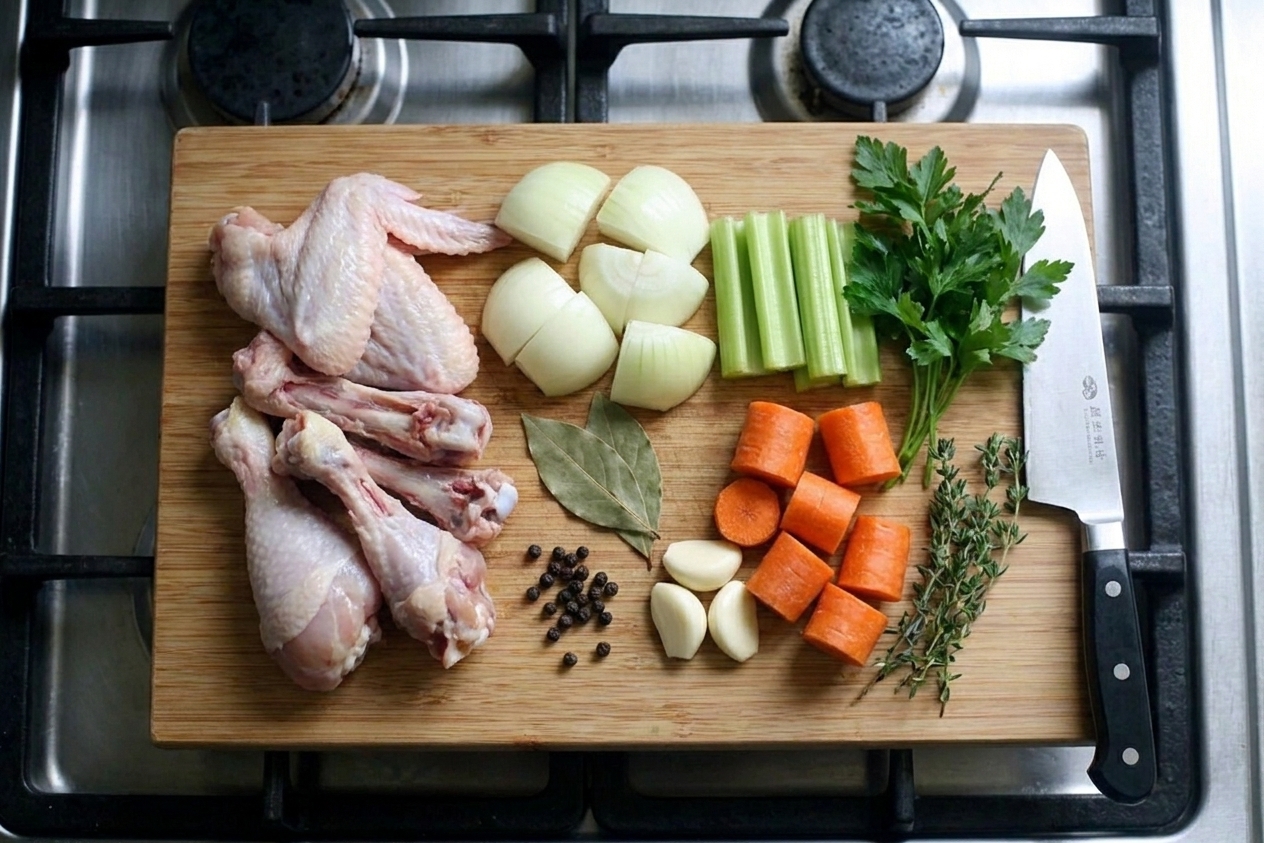
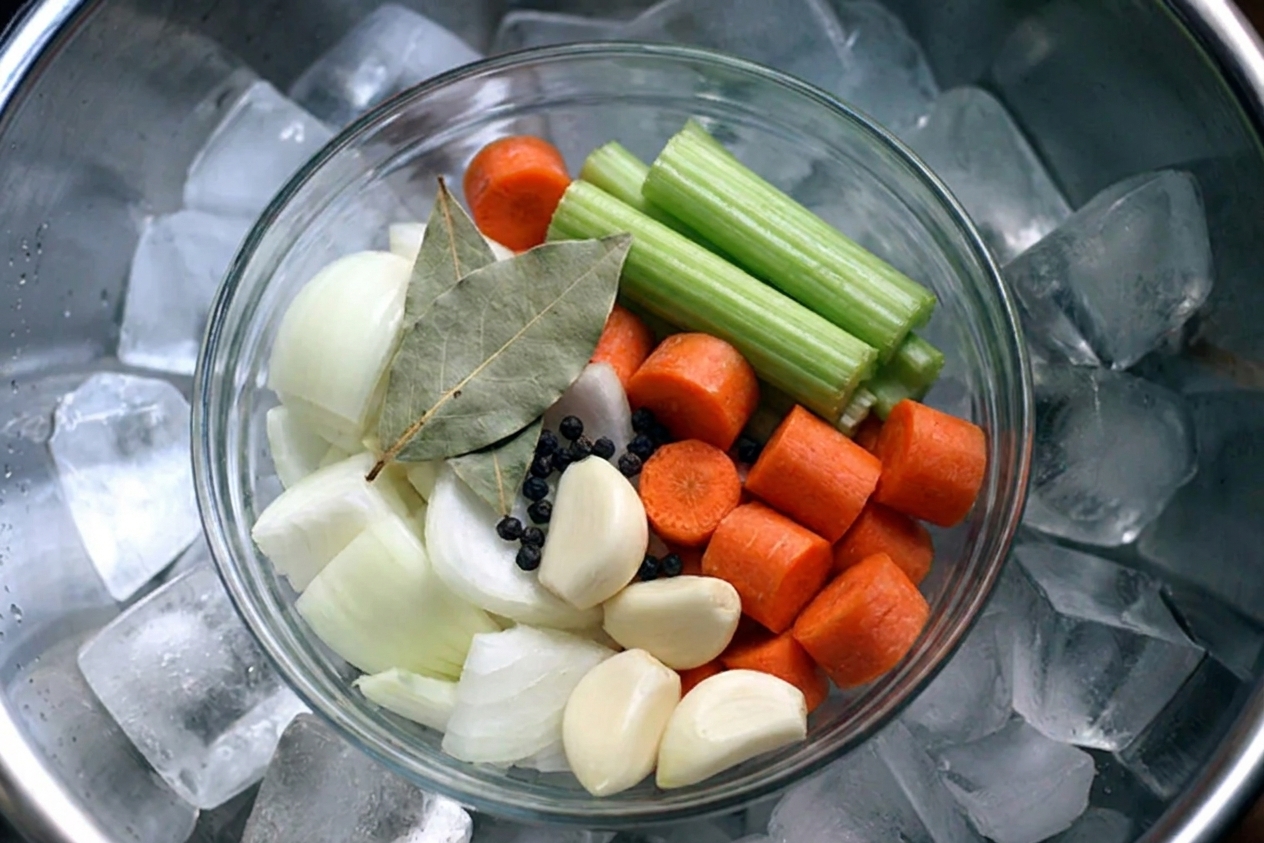
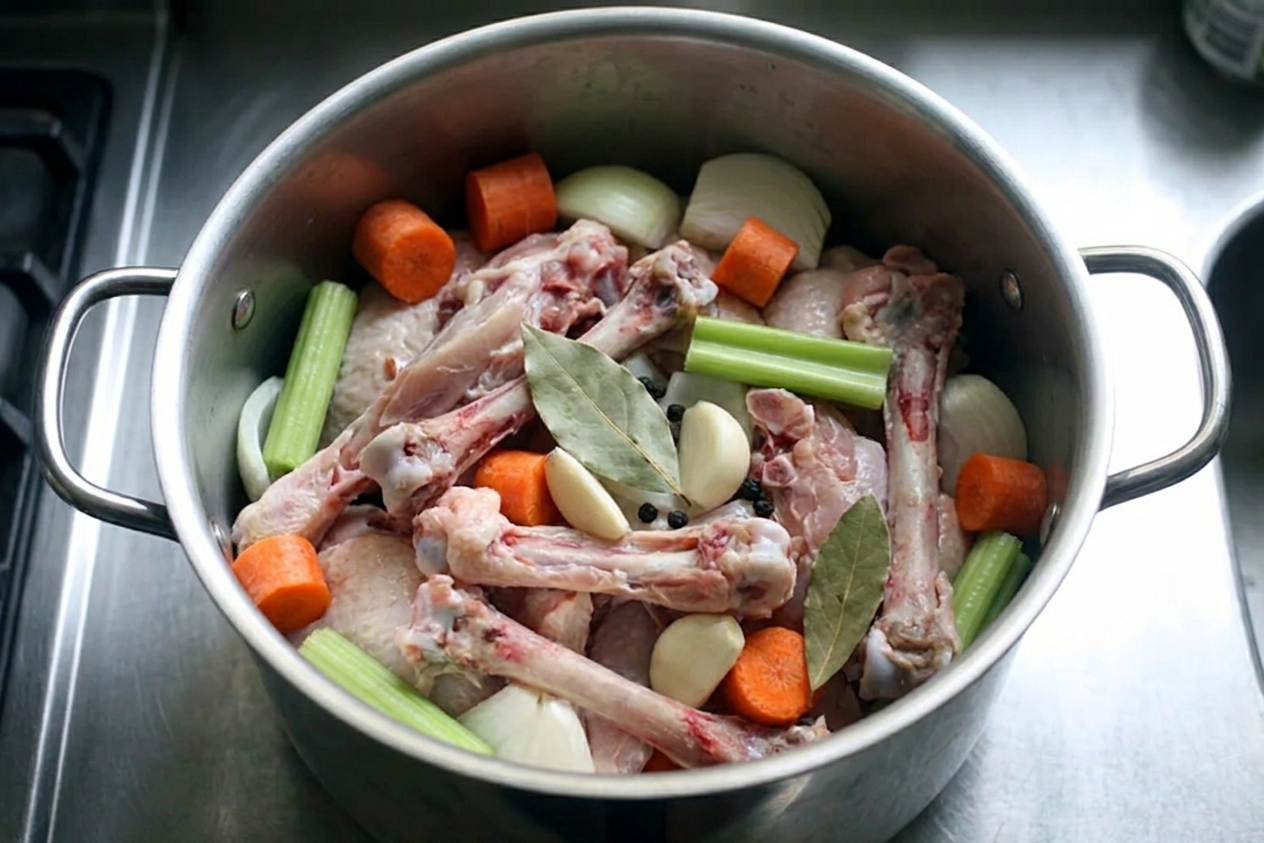
Chicken bones, onion, celery, carrots, garlic, and herbs arranged on a cutting board

Why It Works

  • Big flavor from scraps: leftover bones and a few aromatics turn into a broth that tastes like a real foundation, not just warm salted water.
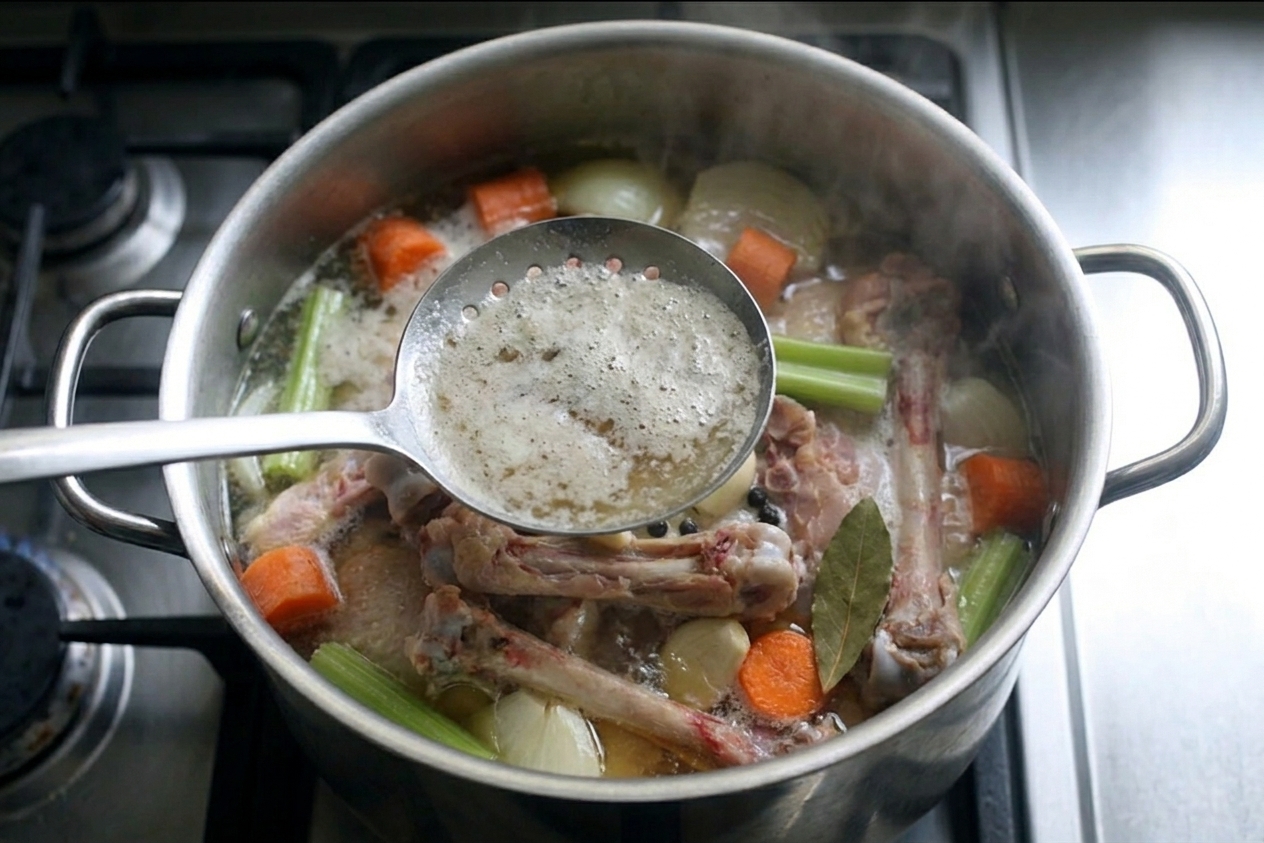
  • Clear, clean results: a gentle simmer keeps the broth from turning cloudy and harsh.
  • Flexible timing: make it on the stovetop when you are home, or use the Instant Pot when you want broth without hovering.
  • Easy to store: fridge for this week, freezer for future you. Both versions are included below.

Note on yield: You will typically end up with about 8 to 10 cups, depending on how hard it simmers and how much your lid is on.

Pairs Well With

Storage Tips

Cool it fast and safely

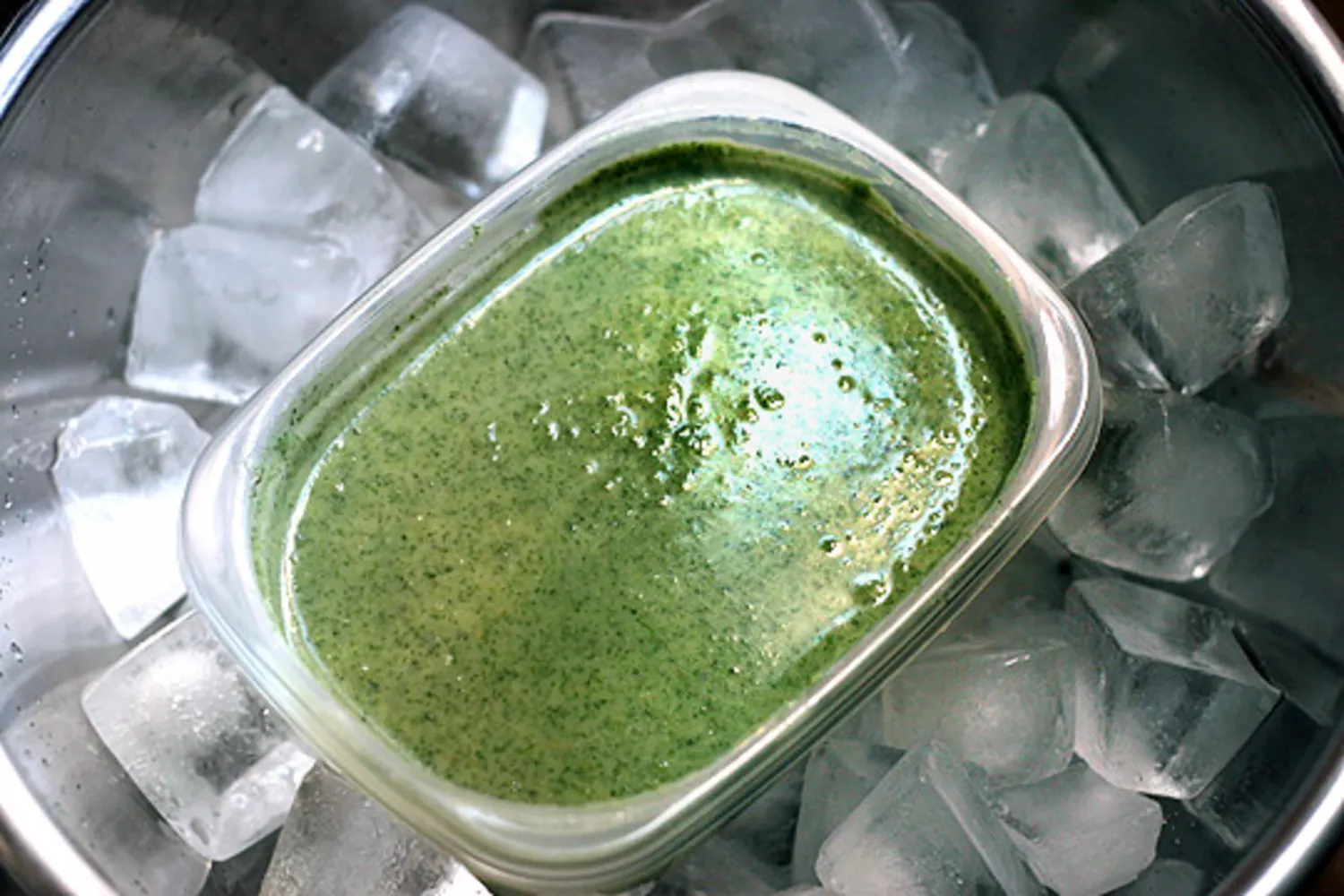
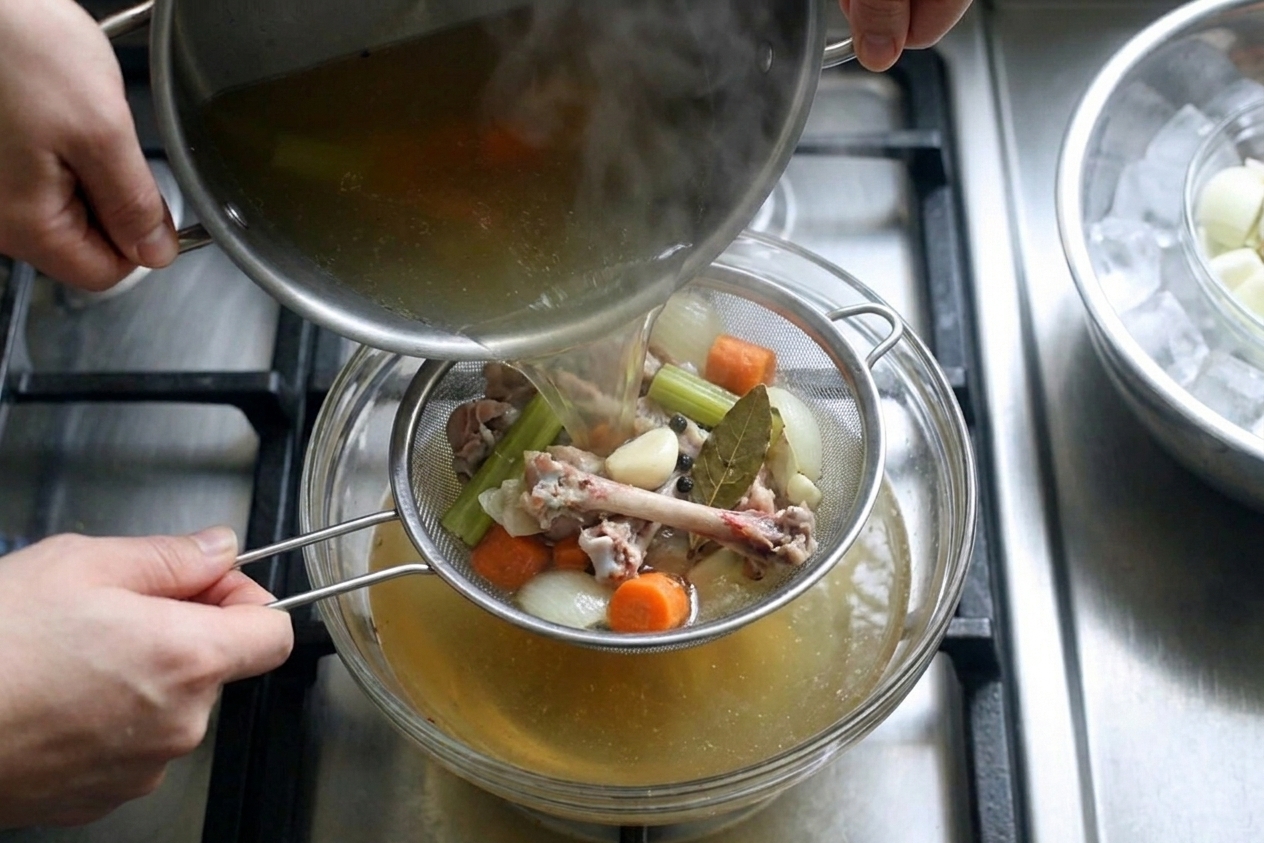
Broth is happiest when it cools quickly. After straining, portion it into smaller containers (or shallow pans) so it drops in temperature faster. You can also set containers in a sink of ice water and stir occasionally until the broth is no longer hot.

As a general rule, do not leave broth sitting out for hours. Get it into the refrigerator as soon as it is cooled down.

Refrigerator

  • Store in airtight jars or containers for up to 4 days.
  • Once chilled, you will see a fat cap on top. Keep it for flavor or lift it off and save it separately for sautéing.

Freezer

  • Freeze for up to 3 months for best flavor. It can last longer, but quality slowly declines.
  • Leave at least 1 inch of headspace in jars, because broth expands as it freezes.
  • For small portions, freeze in silicone muffin cups or ice cube trays, then pop the frozen pucks into a freezer bag.

One more flavor note: Skip bitter vegetables like broccoli, Brussels sprouts, and cabbage here. They can take over. Herbs like thyme are great, and a small amount goes a long way.

A container of strained broth set in an ice water bath to cool

Common Questions

Is chicken bone broth different from chicken stock?

In home kitchens, they overlap a lot. Stock is traditionally bones plus aromatics simmered for a few hours. Bone broth usually implies a longer simmer to pull more body from connective tissue. The good news: this recipe works as either. If you want more richness, go longer.

Do I need apple cider vinegar?

You do not need it. A small splash may help slightly, but the bigger difference comes from time and a gentle simmer. I mostly think of it as a tiny nudge for balance. If you use it, your broth should not taste like vinegar. If it does, you used too much.

Why did my broth turn cloudy?

Usually it was boiled too hard or stirred a lot. Keep it at a very gentle simmer, like a few lazy bubbles. Cloudy broth still tastes great, especially in soups.

How do I make it more gelatinous?

Use bones with connective tissue like wings, backs, feet, and skin. Roast the bones first for deeper flavor, then simmer longer. When chilled, it should jiggle a bit.

Can I make this from a rotisserie chicken carcass?

Absolutely. Rotisserie bones make a great broth. Since the chicken is already seasoned, taste before adding much salt.

Should I salt the broth while it simmers?

I keep it lightly salted or unsalted, especially if I plan to reduce it later. You can always season the final dish.

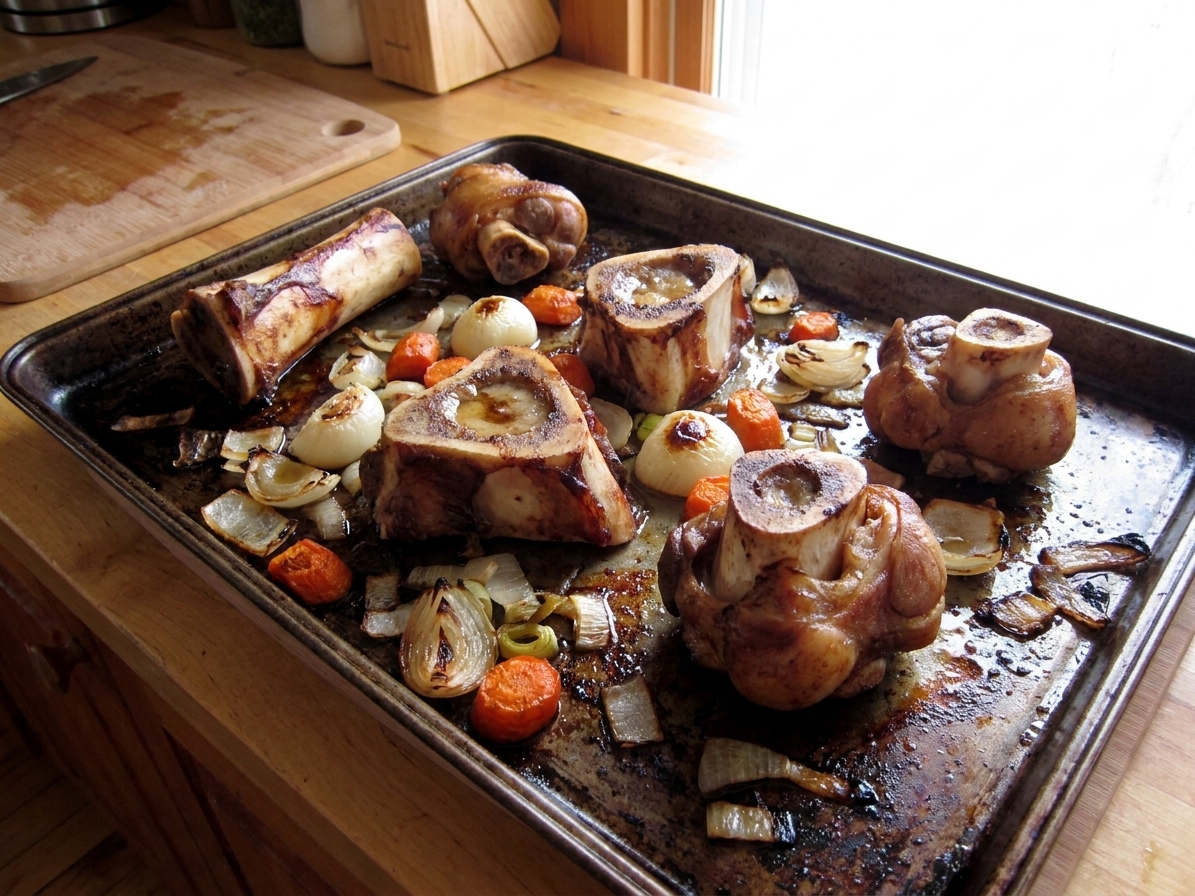
Should I roast the bones first?

Optional, but delicious. Roasting gives you a deeper, more savory broth. If you want a lighter, cleaner flavor (especially for delicate soups), skip roasting and go straight to simmering.

I used to look at a picked-over chicken carcass like it was kitchen trash with good intentions. Then I made broth once on a random cold weeknight, and it clicked. The house smelled like comfort, and suddenly my “quick dinner” pantry meals tasted like I had a plan.

Now I keep a freezer bag labeled broth bones. It is not glamorous, but it is deeply satisfying. Also, it makes you feel like the kind of cook who wastes nothing, even if you are still eating cereal for lunch sometimes. Balance.