Common Questions
Is mincemeat actually meat?
Historically, mincemeat often included meat (and suet), but many modern recipes are fruit-forward and meat-free like this one. If you grew up thinking it was savory, you are not alone.
What is suet, and do I need it?
Suet is hard beef or mutton fat used in traditional British baking. It adds richness and a very specific old-school vibe. You do not need it for great mincemeat. If you want to try it, you can roughly swap 2 tablespoons of the butter for 2 tablespoons finely grated suet. Expect a slightly different texture (suet melts differently than butter), and keep the simmer gentle.
Do I have to use alcohol?
No. Alcohol adds aroma and can help it keep a little longer in some traditional recipes, but in this quick fridge-friendly version it is mainly for flavor. You can replace it with apple juice or orange juice. If you want the flavor without the booze, use 1 teaspoon vanilla plus 1 tablespoon extra orange juice.
Why did my mincemeat turn watery?
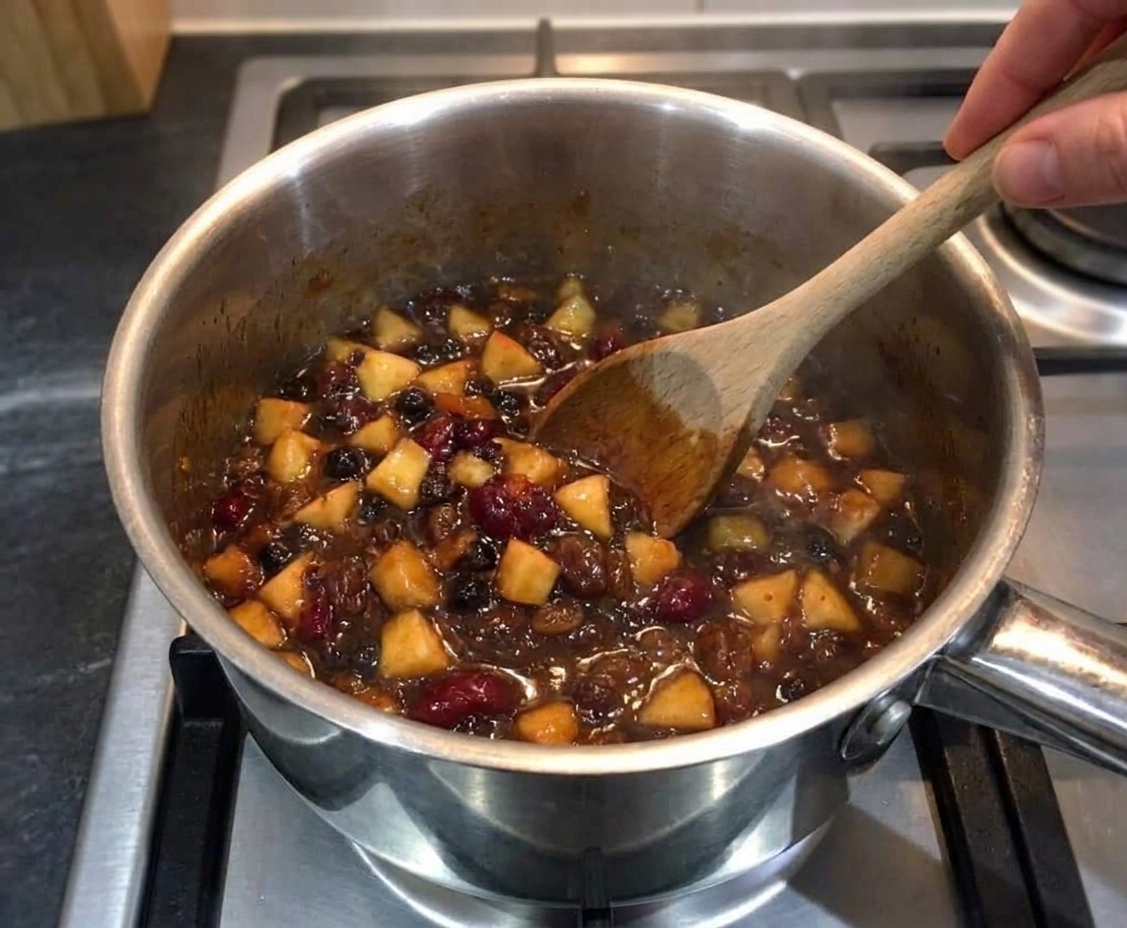
Apples release juice. Just simmer uncovered a little longer, stirring often, until it looks glossy and thick like a loose jam.
Why did my mincemeat get too thick?
Either it reduced more than expected or it chilled and tightened up. Stir in a splash of orange juice, water, or brandy until spoonable again.
What can I bake with mincemeat besides mince pies?
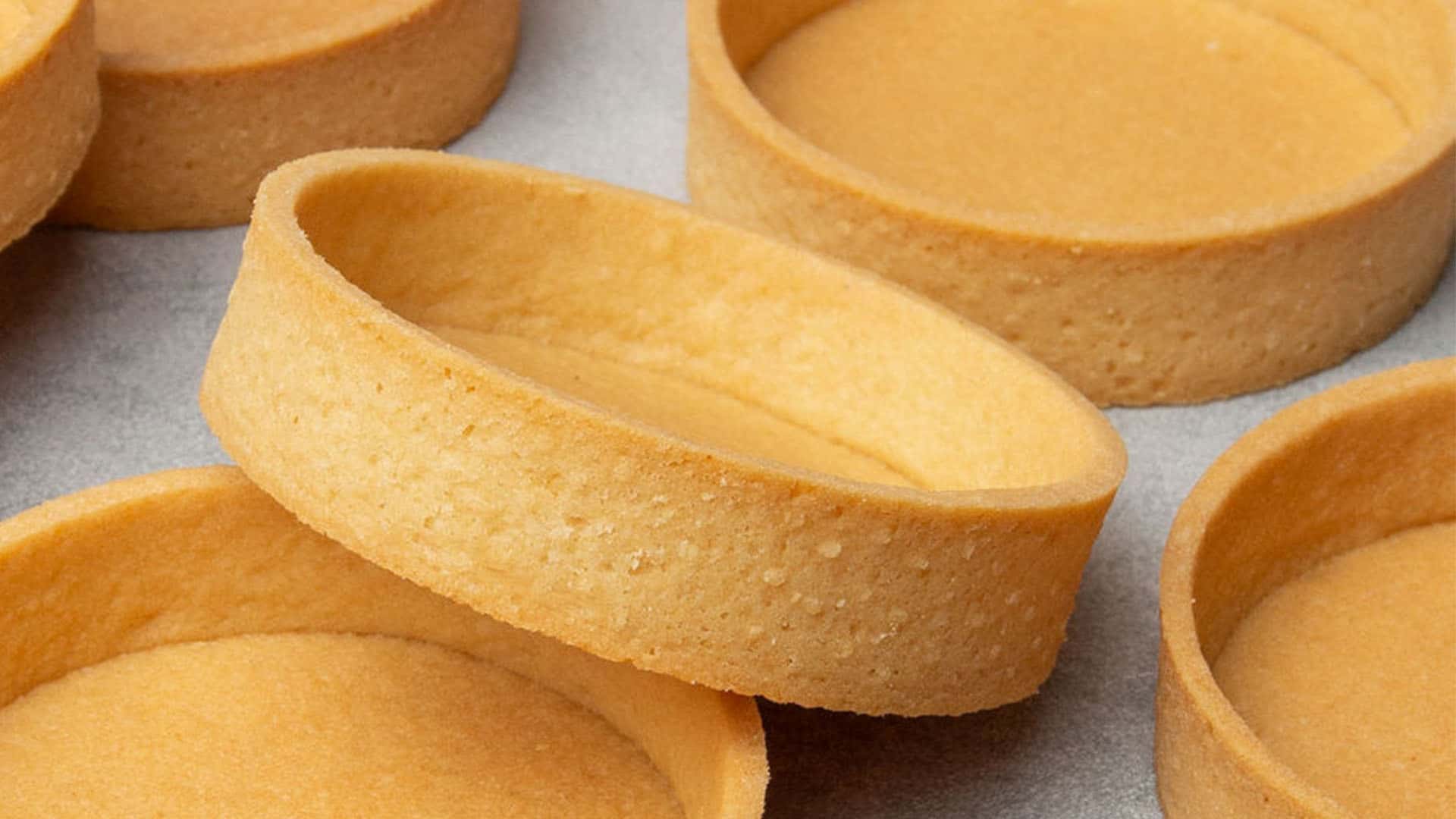
Try it in thumbprint cookies, layered into a tart with frangipane, tucked into hand pies, swirled into cheesecake bars, or spooned over vanilla ice cream with toasted nuts.
Can I can this for shelf-stable storage?
This recipe is written for refrigerator or freezer storage. For shelf-stable canning, follow a tested canning recipe and method from a reliable source.