Common Questions
Are stewed tomatoes the same as canned diced tomatoes?
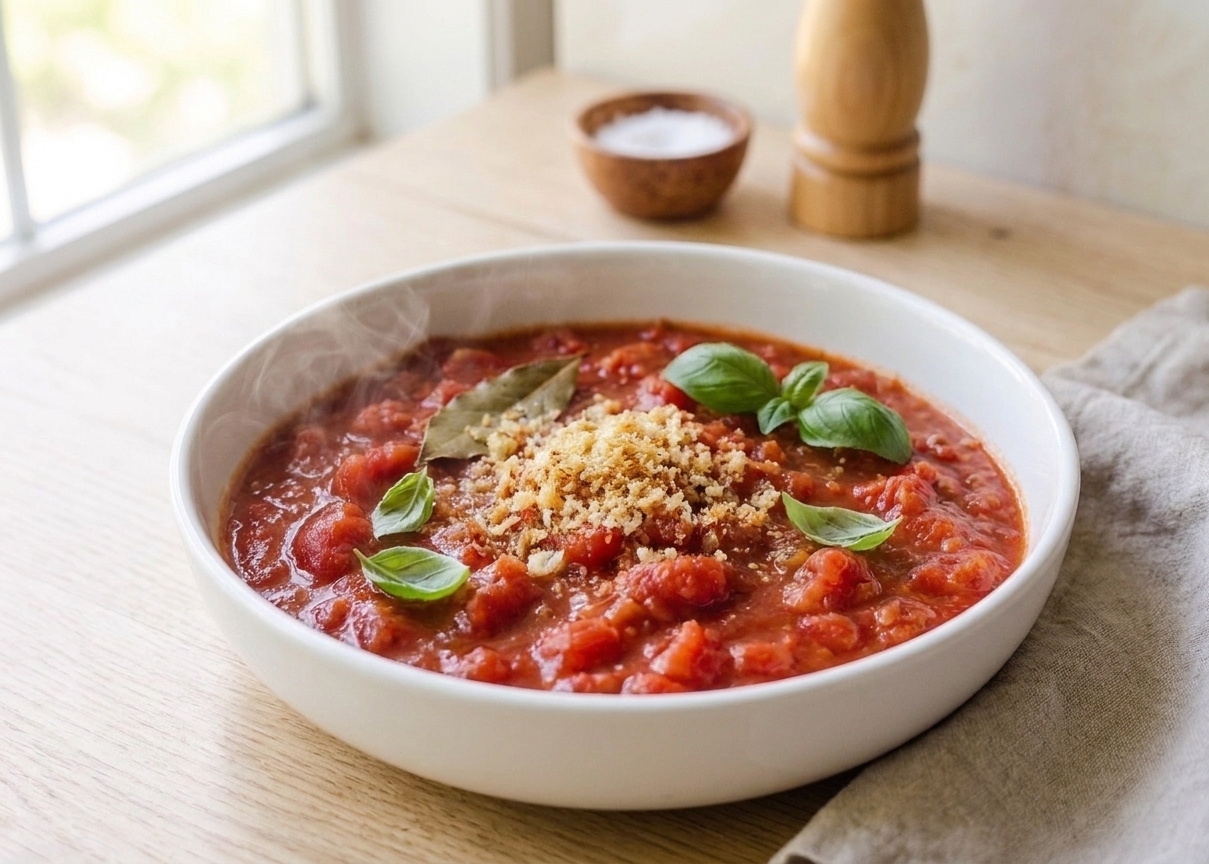
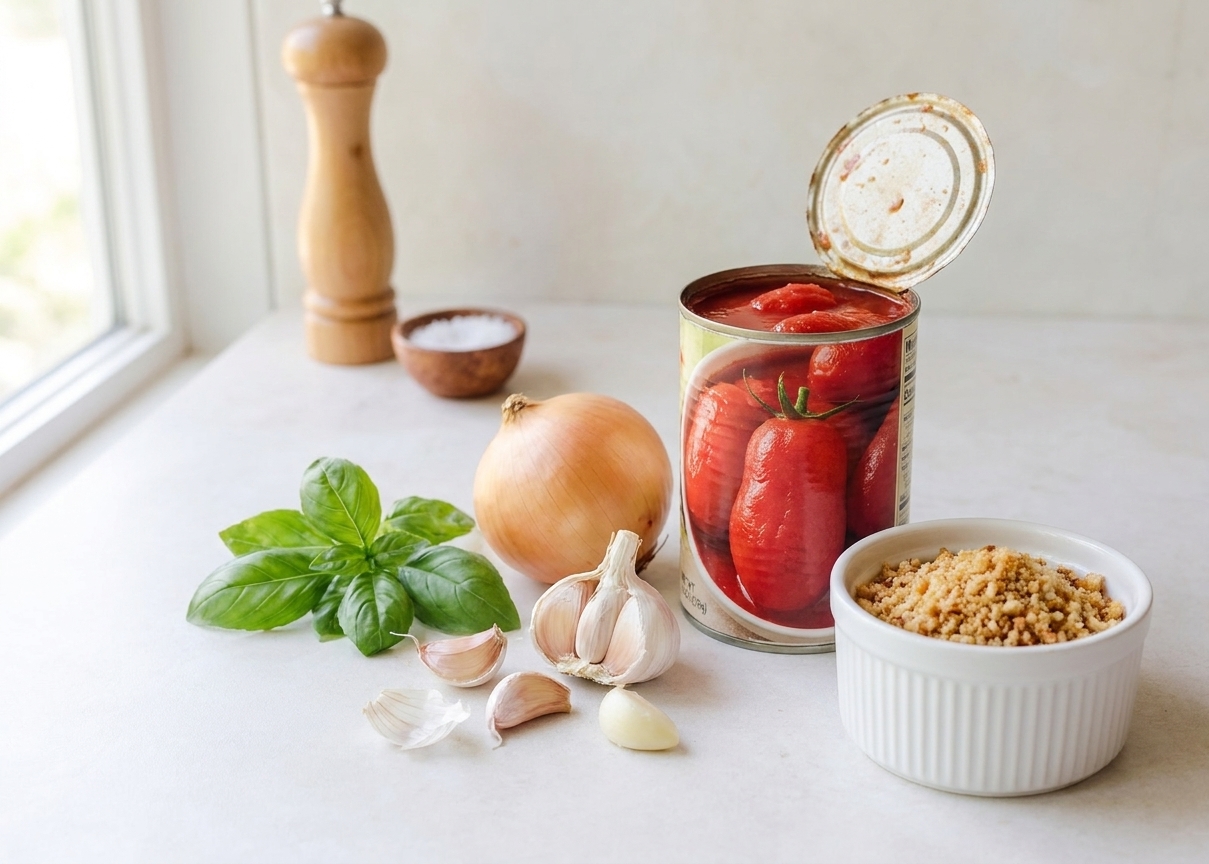
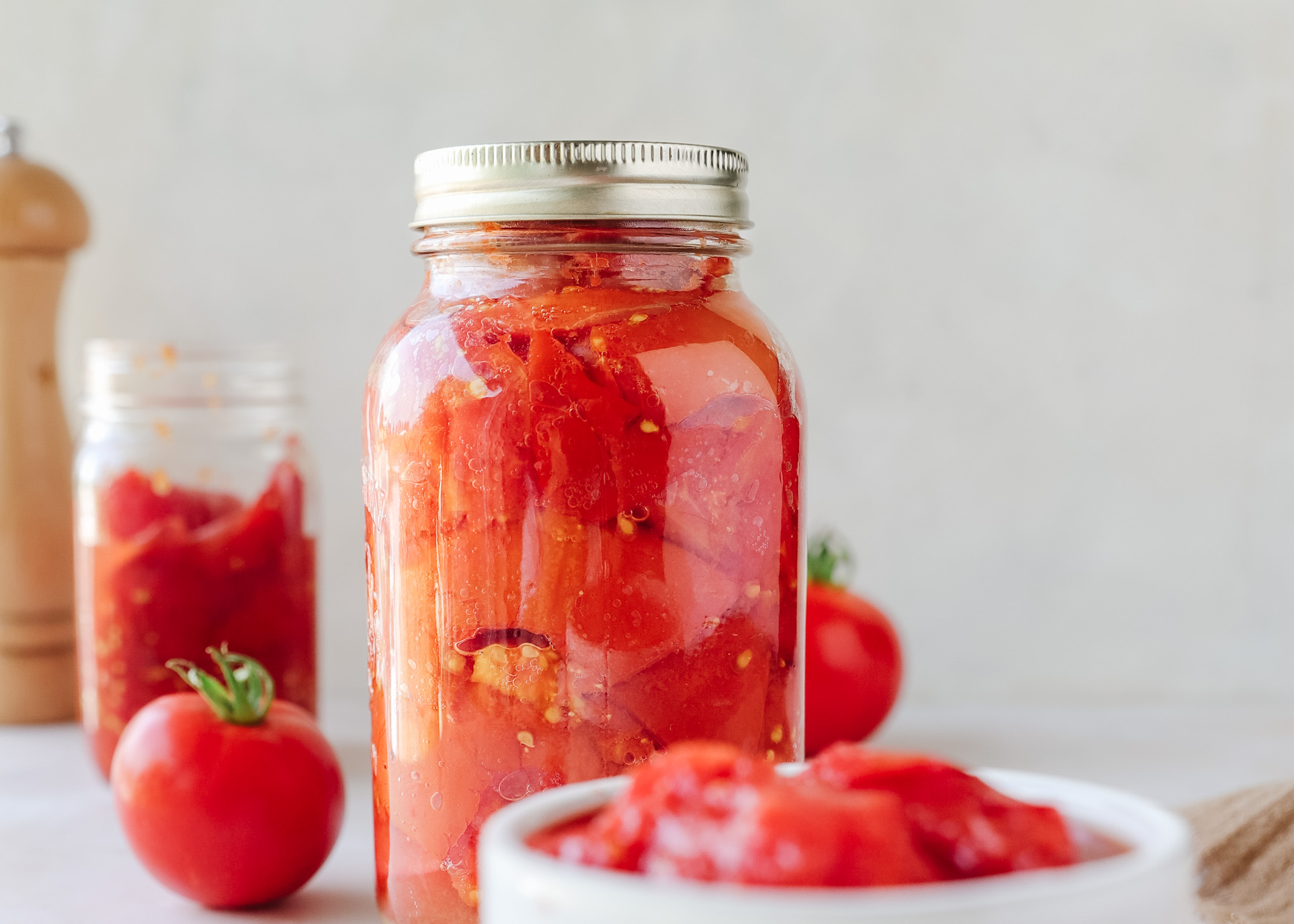
Not exactly. Stewed tomatoes are usually tomatoes cooked with seasonings and sometimes peppers or celery, so they taste more "ready to eat." Diced tomatoes are typically just tomatoes with juice, and many brands include things like citric acid and calcium chloride to help with flavor and texture. For this recipe, we build that stewed flavor ourselves so you can use whole, crushed, or diced tomatoes.
Can I make stewed tomatoes without breadcrumbs?
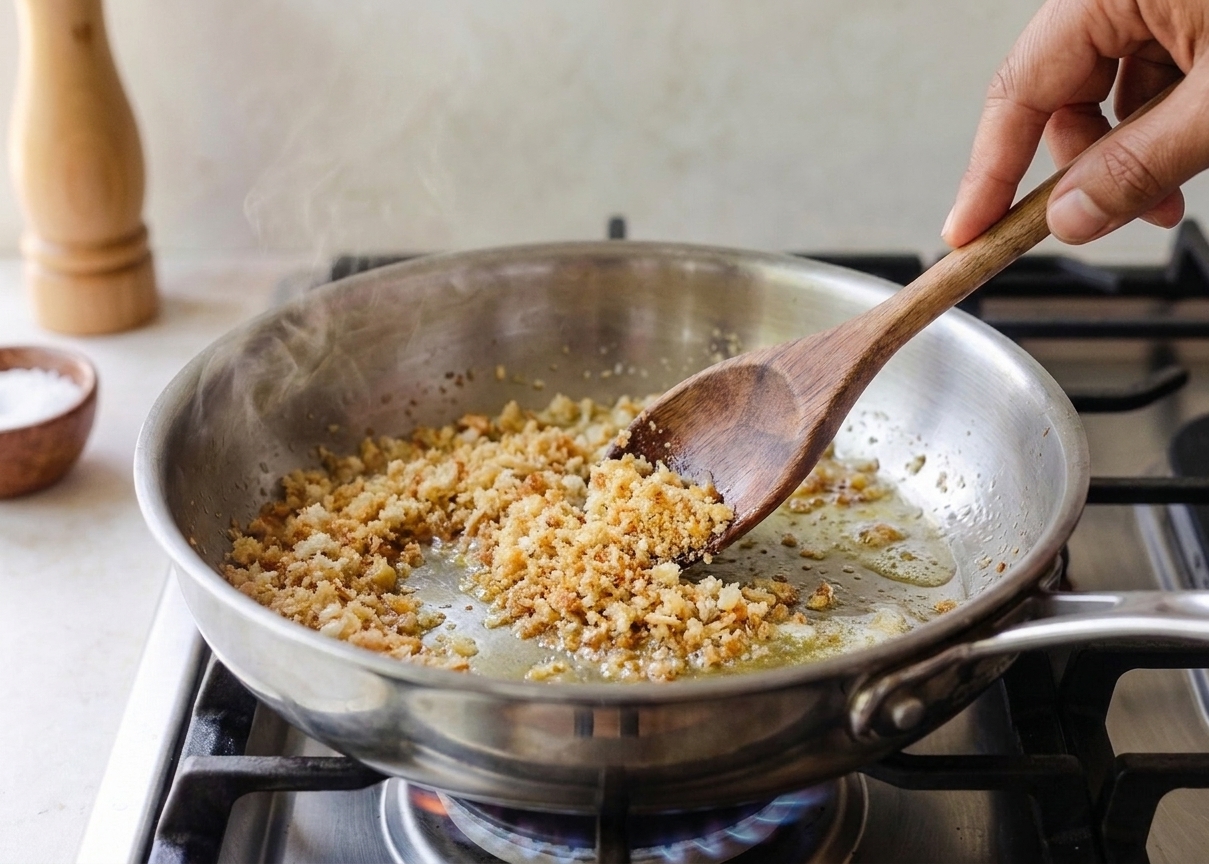
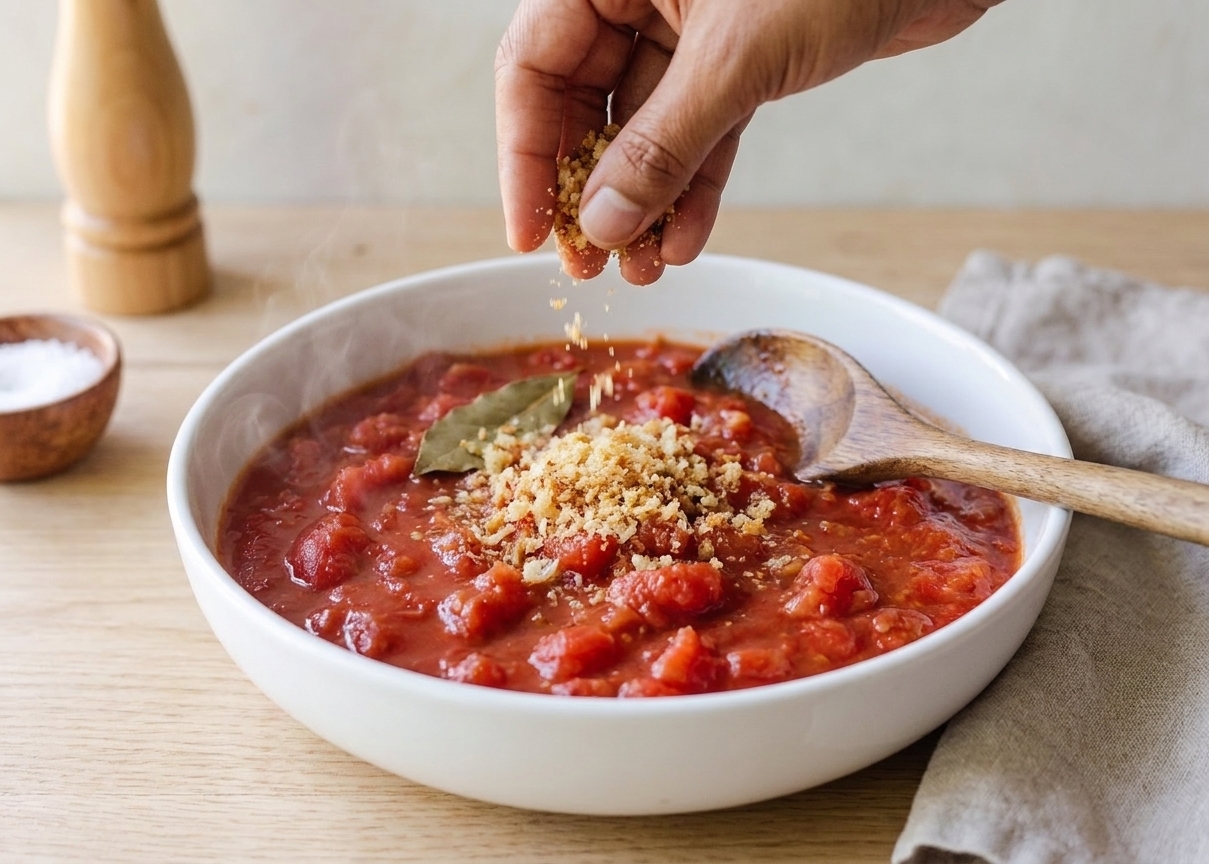
Absolutely. Skip them and finish with a drizzle of olive oil or a small pat of butter. If you still want texture, top bowls with croutons, oyster crackers, panko, or even a handful of grated Parmesan.
How do I make them less acidic?
Start with 1 teaspoon sugar and taste. You can add a little more, but go slowly. Butter helps too. If it is still too sharp, simmer 5 to 10 minutes longer to mellow and concentrate the tomatoes, then taste again.
Can I use fresh tomatoes?
Yes. You will need about 2 1/2 to 3 pounds chopped tomatoes to equal a 28-ounce can, but it is flexible. The yield depends on the variety and how watery they are, so plan on a longer simmer if needed to get to a spoonable, stewy consistency.
What do I serve with stewed tomatoes?
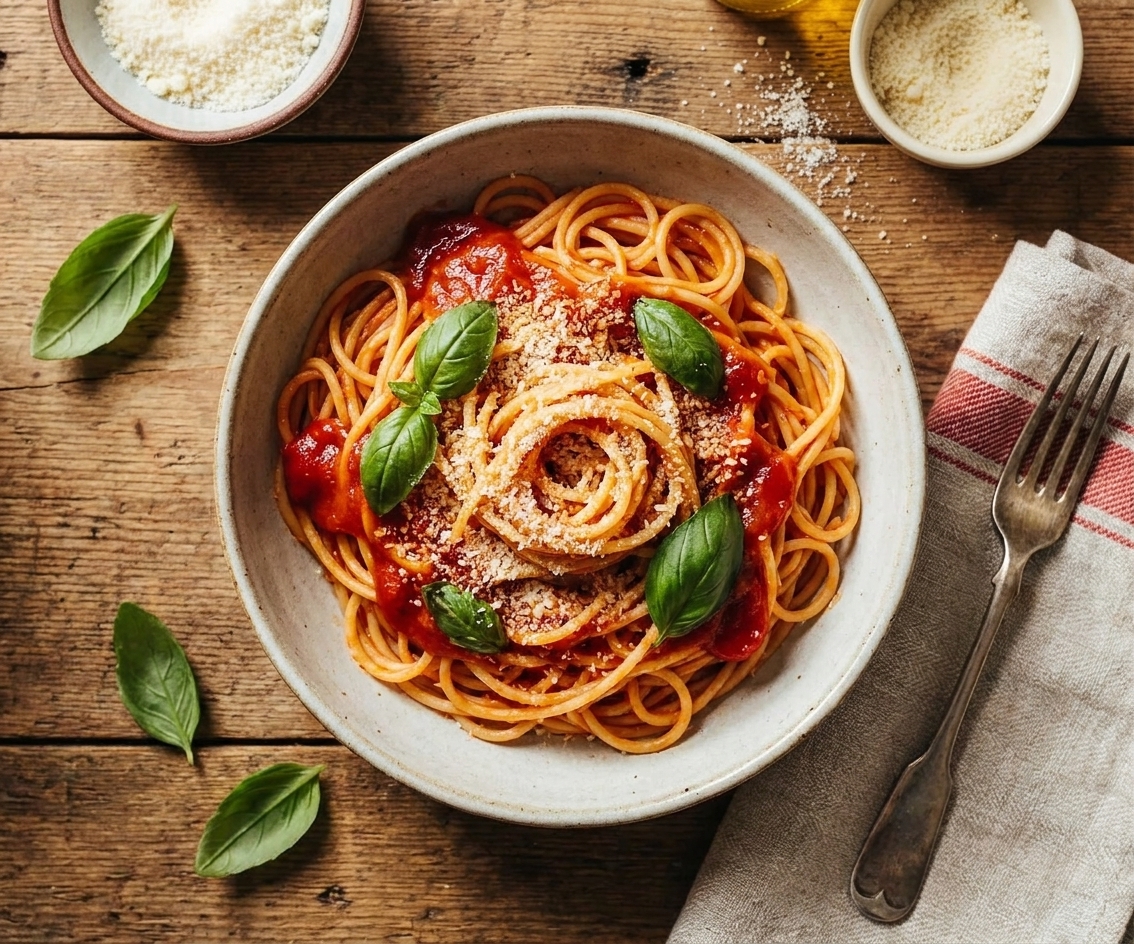
My favorites are grilled cheese, cornbread, rice, buttered noodles, pork chops, meatloaf, or a pile of sautéed greens. Also great as a saucy topper for beans.
Can I make this vegetarian or gluten-free?
Yep. Worcestershire sauce often contains anchovies, so swap in a vegetarian Worcestershire or just skip it. For gluten-free, use gluten-free breadcrumbs or panko, or leave the topping off and finish with a little butter or olive oil instead.
Any easy variations?
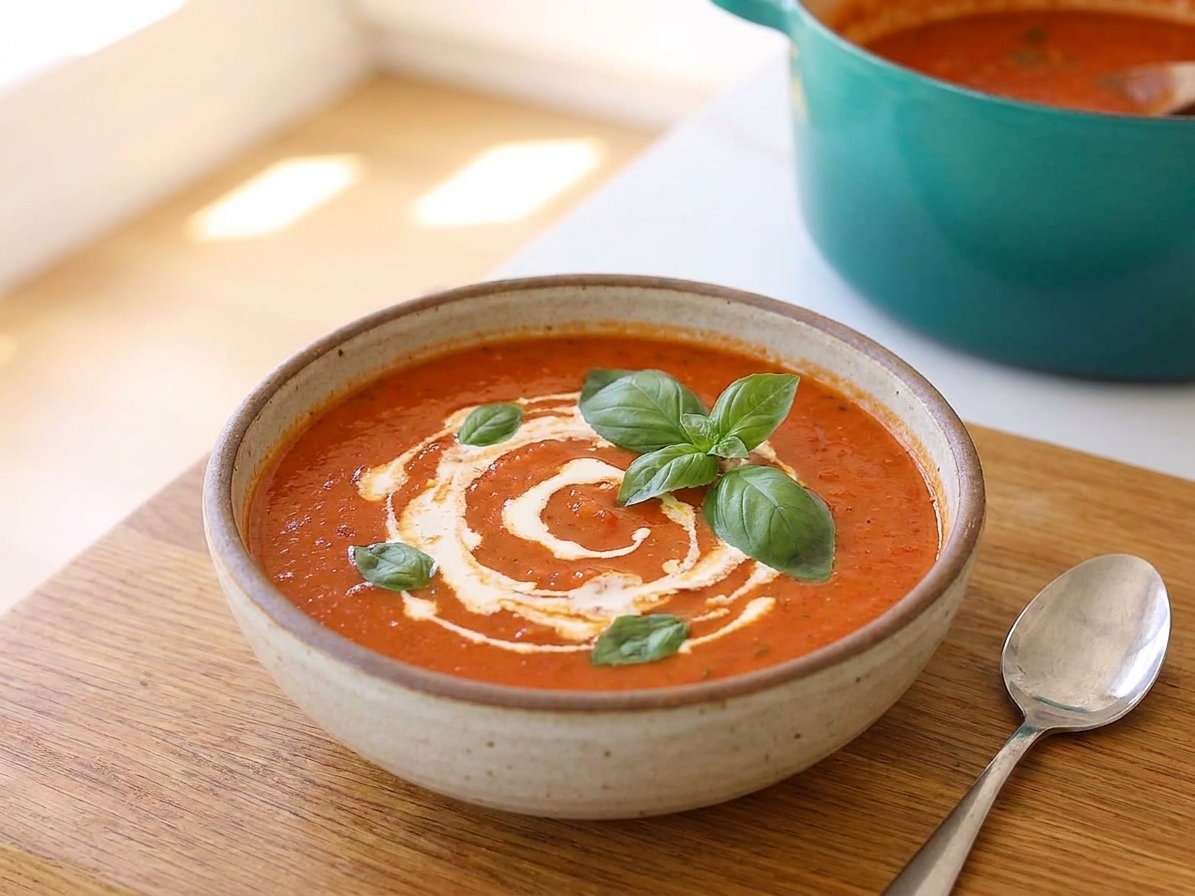
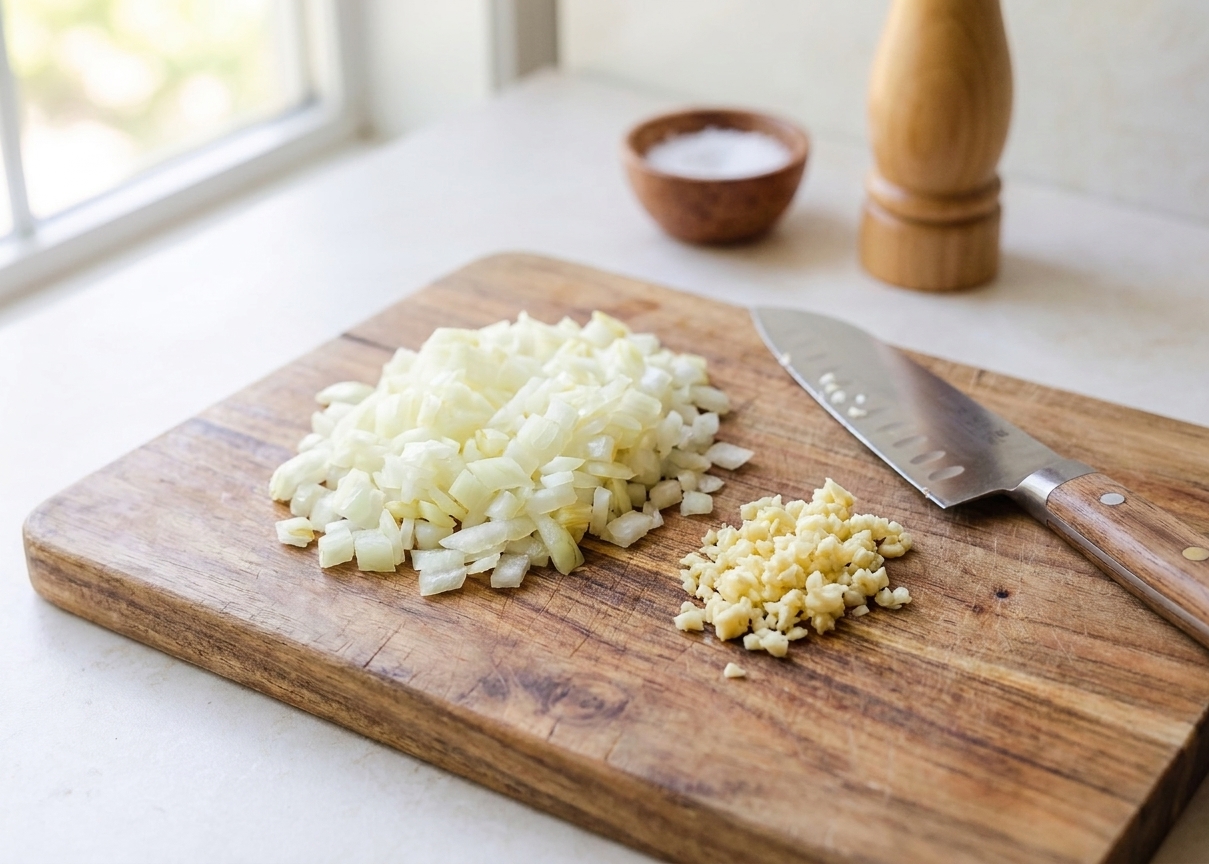
If you want more of that classic stewed-tomato vibe, sauté 1/2 cup chopped celery or 1/2 cup diced green bell pepper with the onion. For a softer, richer finish, stir in a splash of cream right at the end.