Mom's Best Recipes
Recipe

Coconut Custard Pie

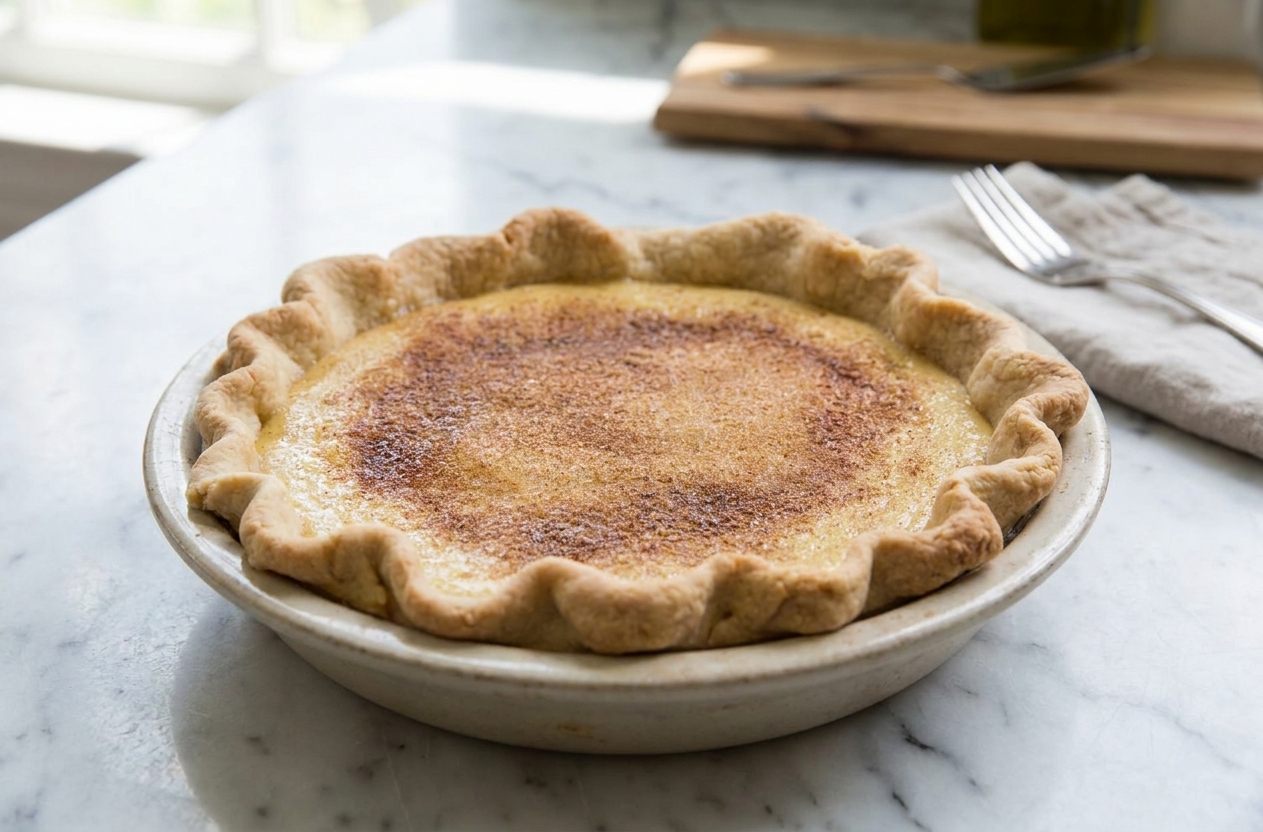
Creamy, coconutty custard baked in a flaky crust with crisp edges and a golden top.

Author By Matt Campbell
4.8
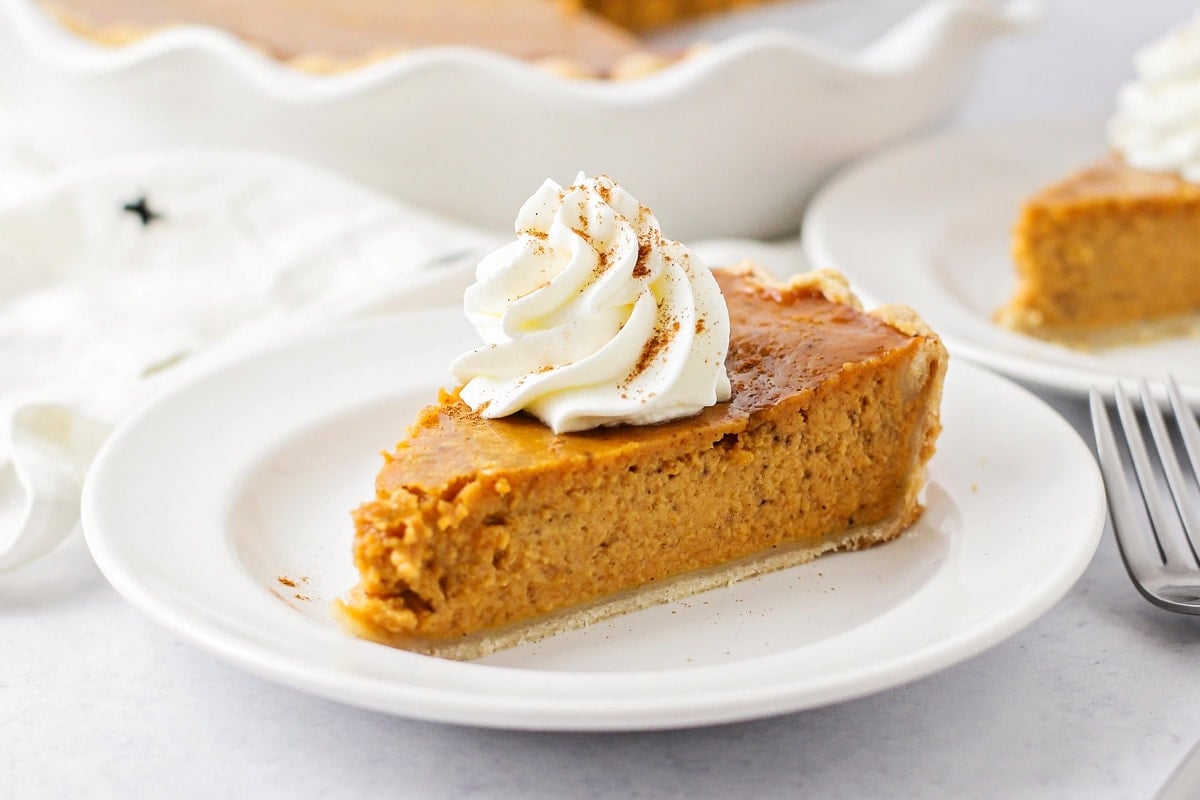
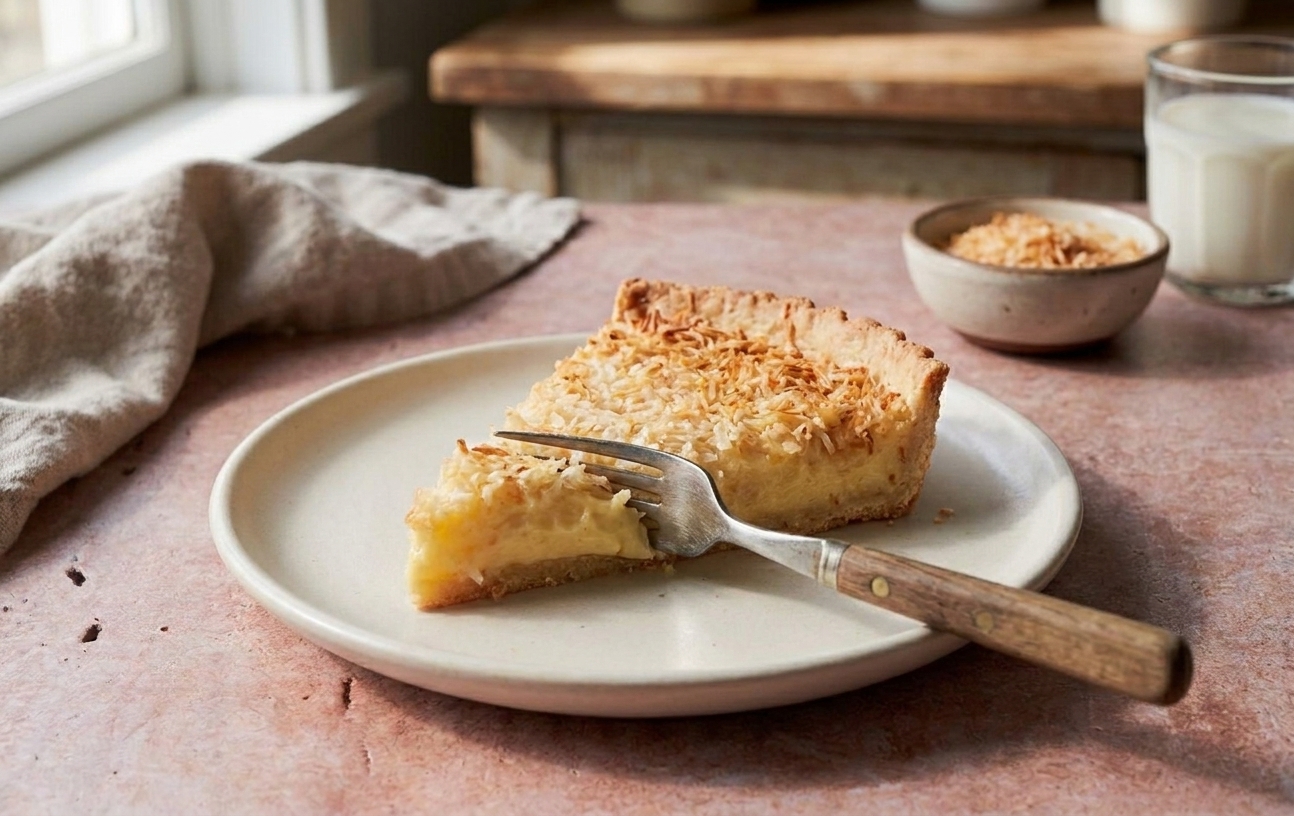
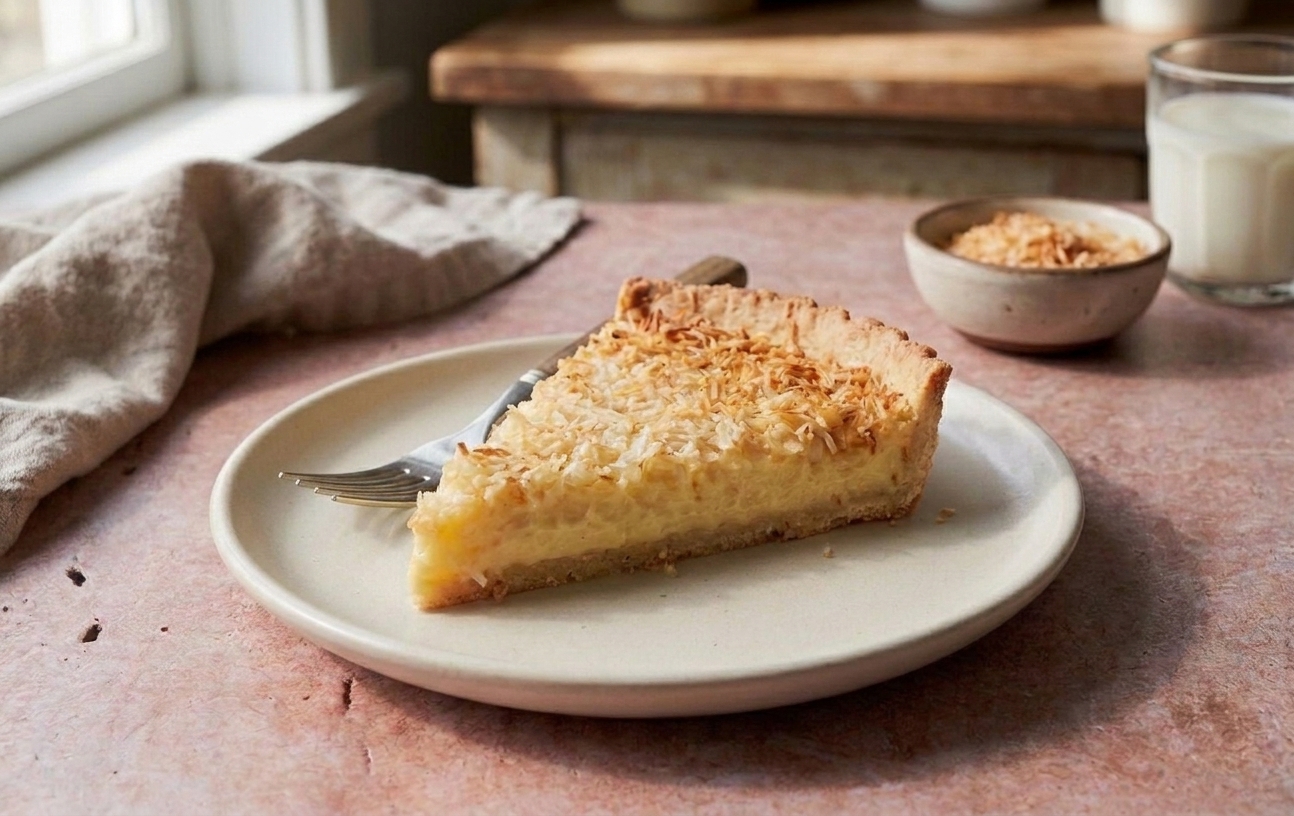
A single slice of coconut custard pie on a dessert plate, showing a creamy set custard and a golden flaky crust, with toasted coconut scattered on top on a bright kitchen table

Coconut custard pie is one of those desserts that feels like it has been quietly winning potlucks for decades. It is not flashy. It is just ridiculously satisfying: a silky custard that sets up like a dream, sweet coconut in every bite, and a crust that stays crisp if you treat it right.

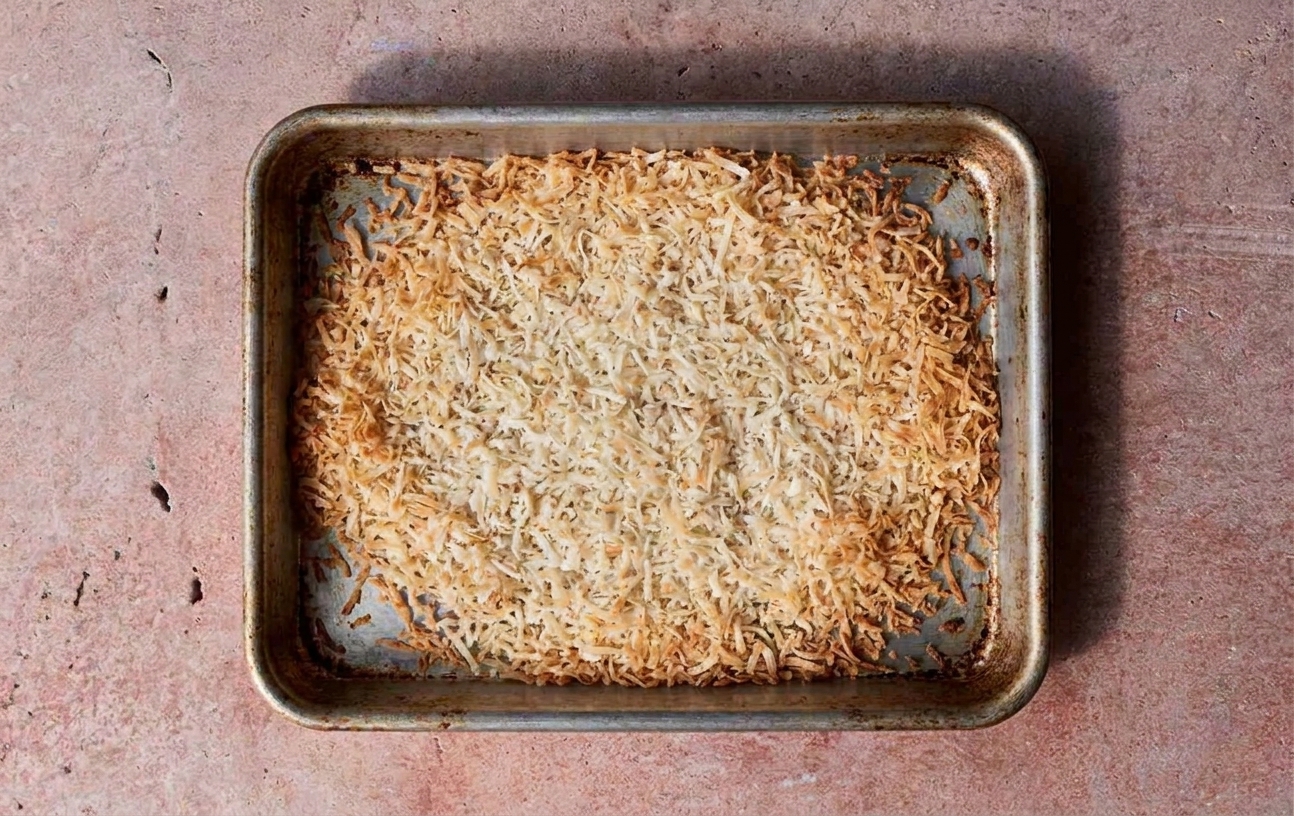
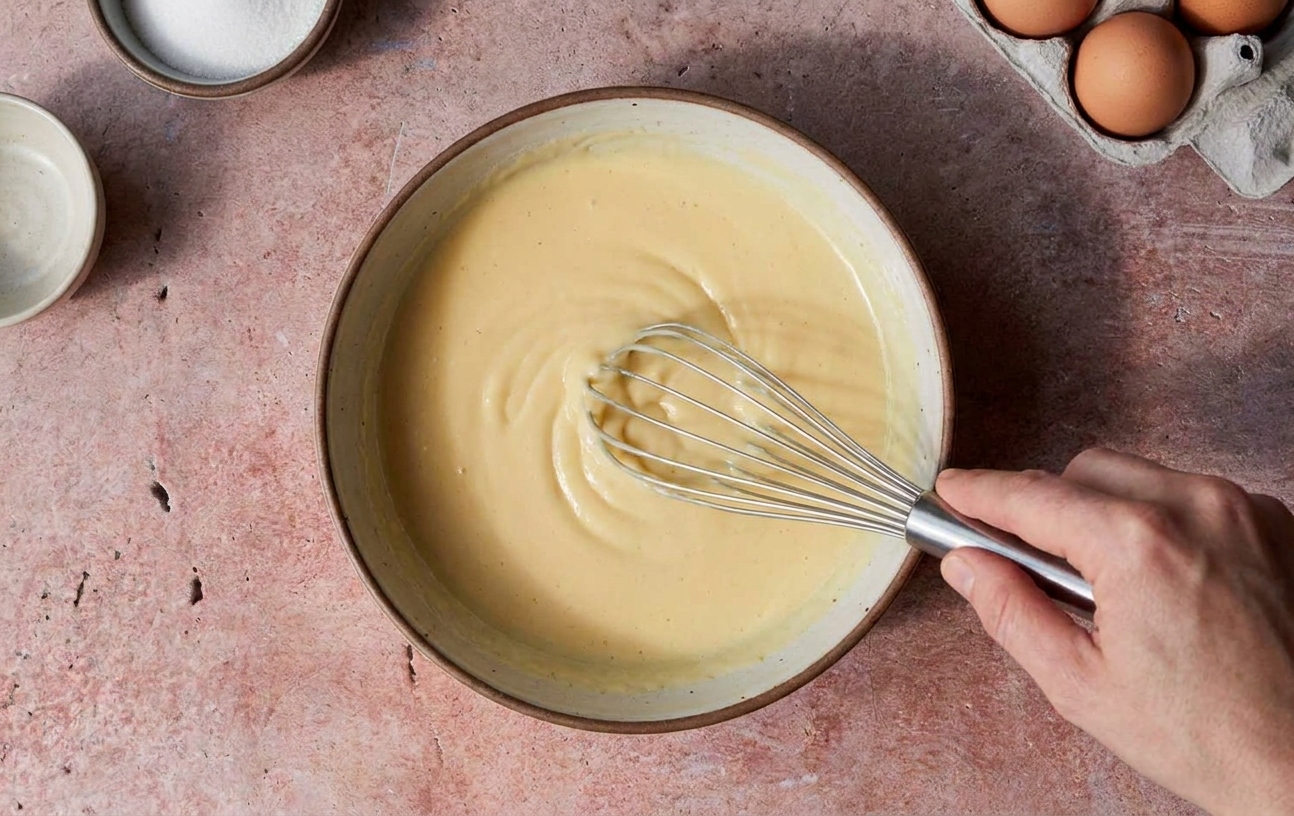
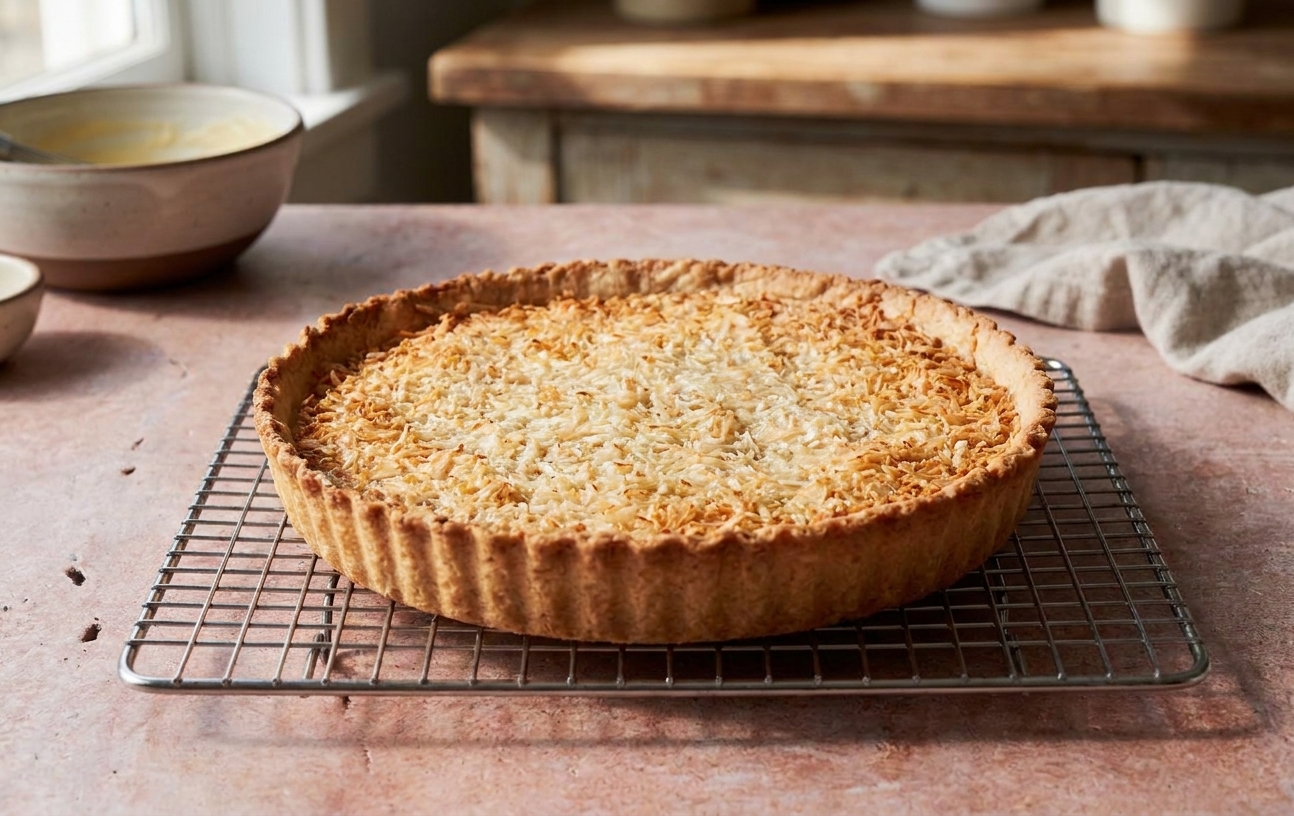
This is the version I make when I want something classic but not bland. We toast a little coconut for the top because it adds that nutty, warm aroma that makes people hover near the oven like they are just checking something. The ingredient list is simple, the method is friendly, and yes, tasting the custard base is tempting (just keep in mind it contains raw eggs, so only do that if you are comfortable with it).

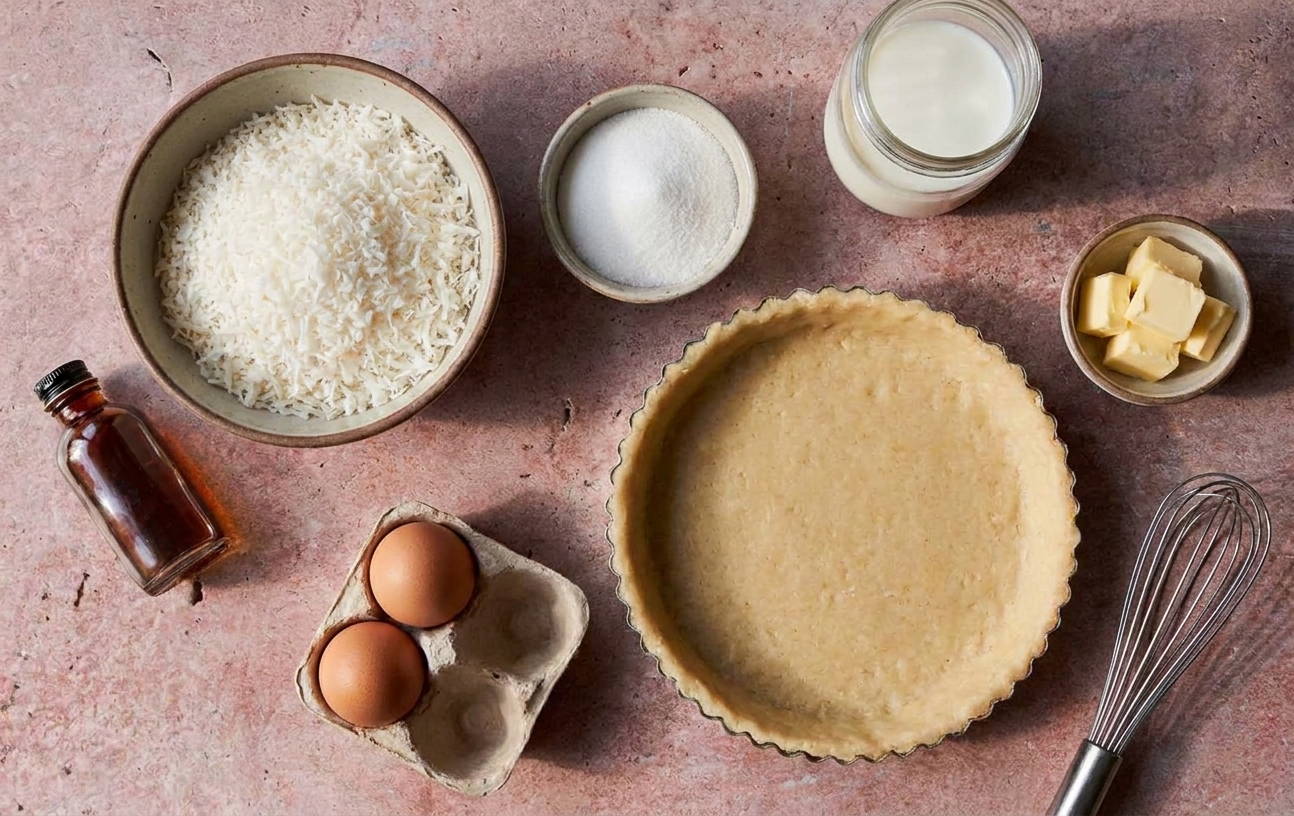
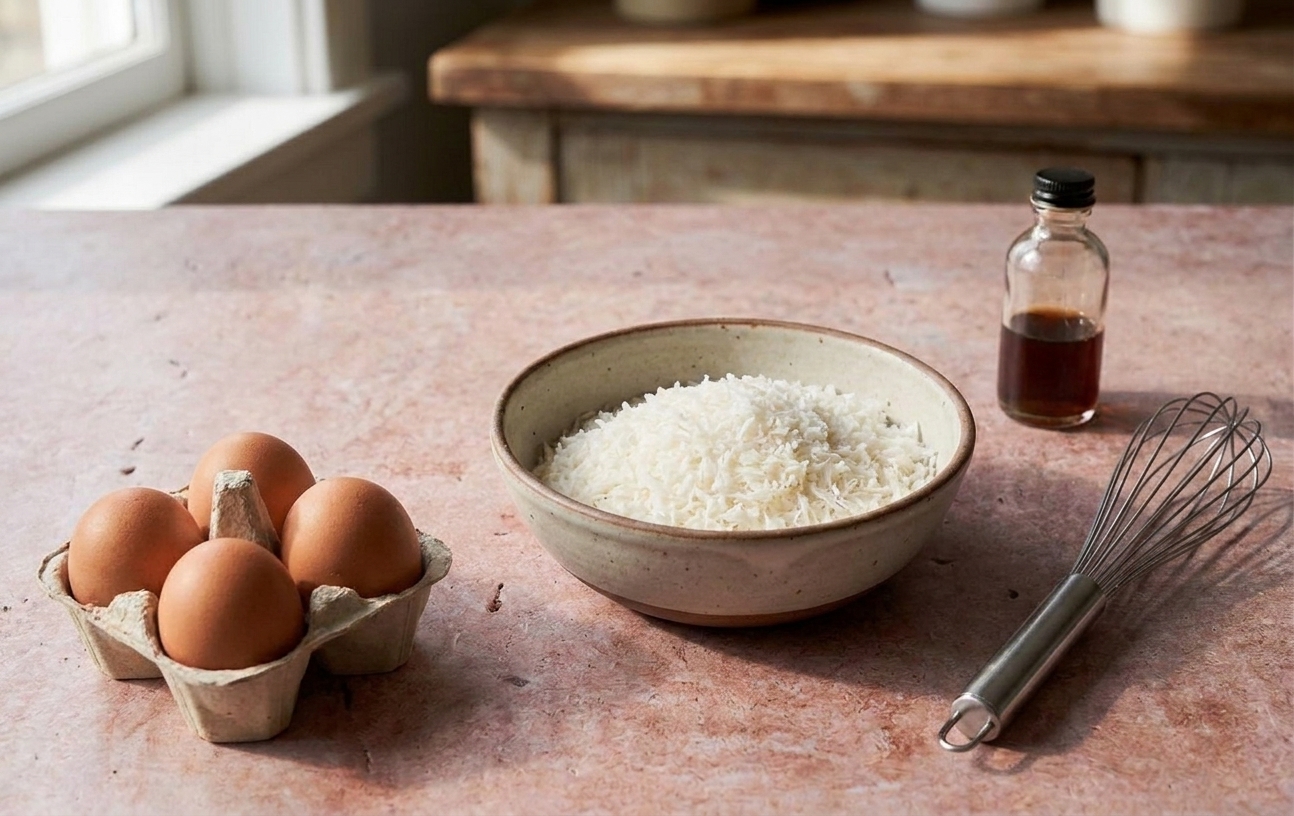
Ingredients for coconut custard pie arranged on a clean kitchen counter, including eggs, milk, shredded coconut, sugar, vanilla, butter, and an unbaked pie crust

Why It Works

  • Custard that actually sets: Using whole eggs plus a touch of flour gives you a sliceable custard that stays creamy, not watery.
  • Big coconut flavor: Sweetened shredded coconut inside for texture, toasted coconut on top for that deeper, caramel-y note.
  • No soggy-bottom sadness: A quick crust pre-bake plus a smart oven temp keeps the bottom crisp and the center silky.
  • Simple pantry ingredients: Nothing weird, nothing fussy. Just good technique and steady heat.

Pairs Well With

Storage Tips

Refrigerate: Cover the pie (or individual slices) and refrigerate for up to 4 days. For best food safety, get it into the fridge within 2 hours after cooling from the oven.

Freeze: You can freeze slices, but the texture can get slightly weepy as it thaws. If you do it anyway, wrap slices tightly in plastic wrap, then foil, and freeze up to 1 month. Thaw overnight in the fridge.

Serving leftovers: This pie is excellent chilled. If you prefer it less cold, let a slice sit at room temp for 10 to 15 minutes. Avoid microwaving, which can push the custard from creamy to scrambled in a hurry.

Common Questions

Do I need to blind bake the crust?

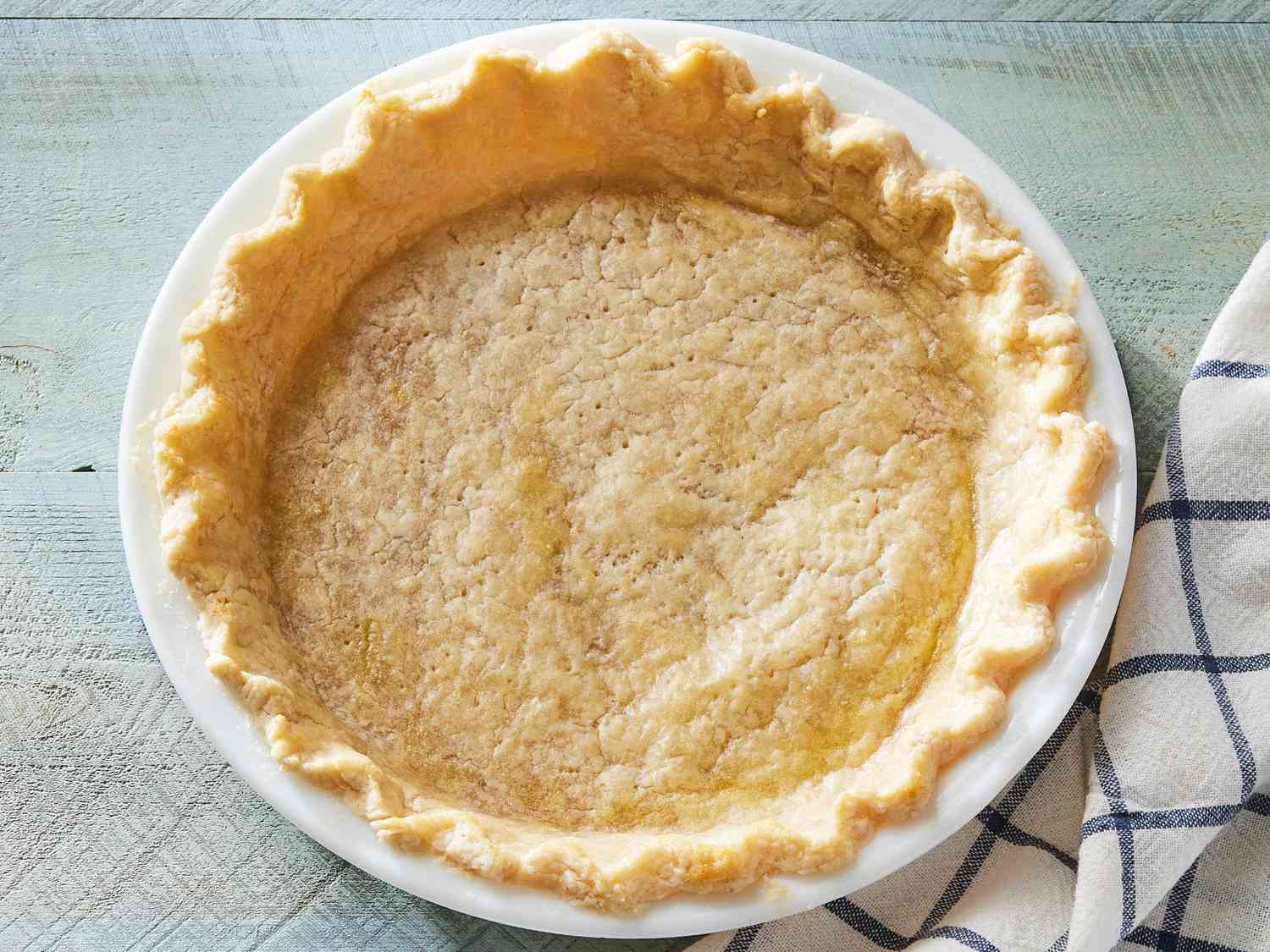
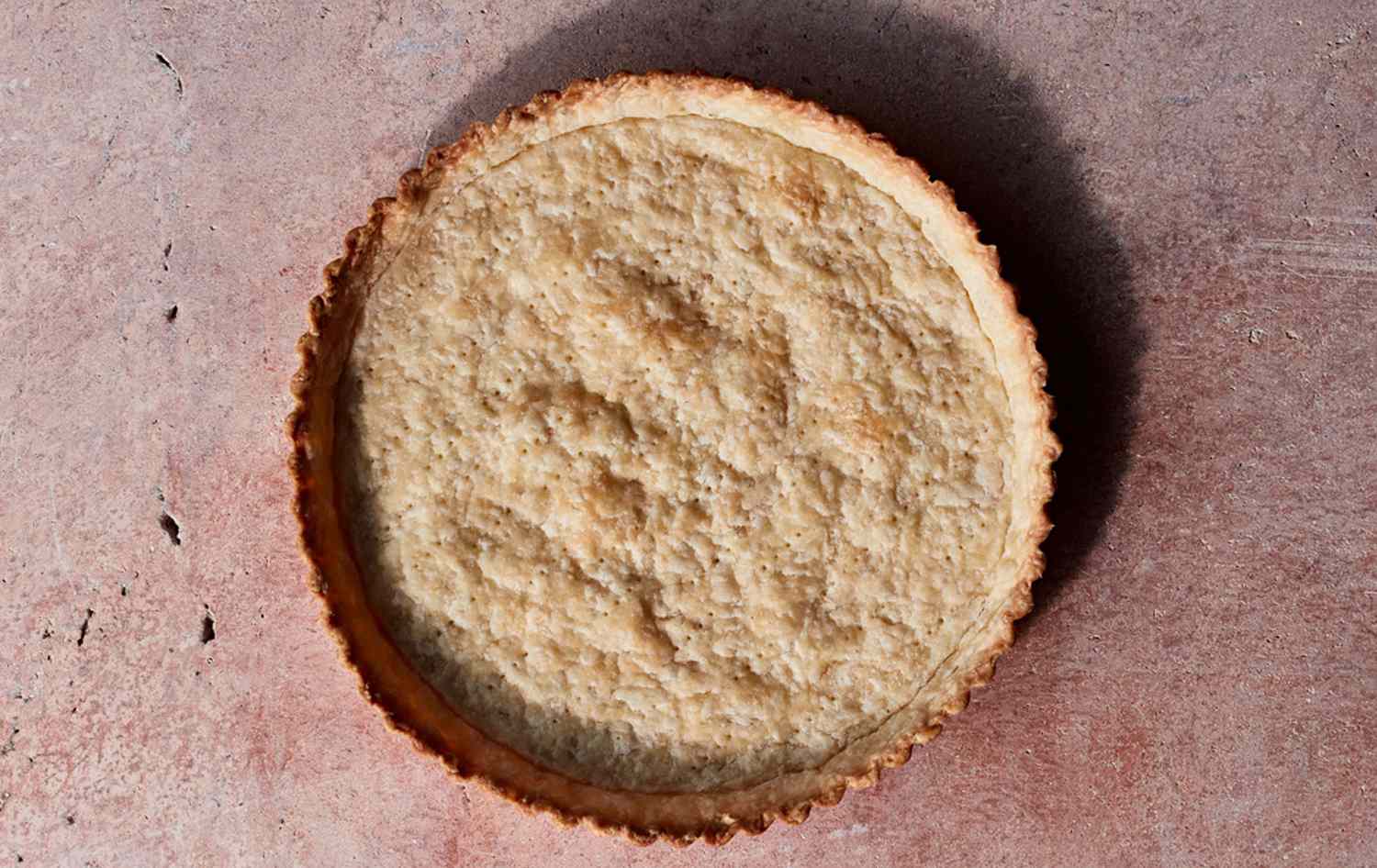
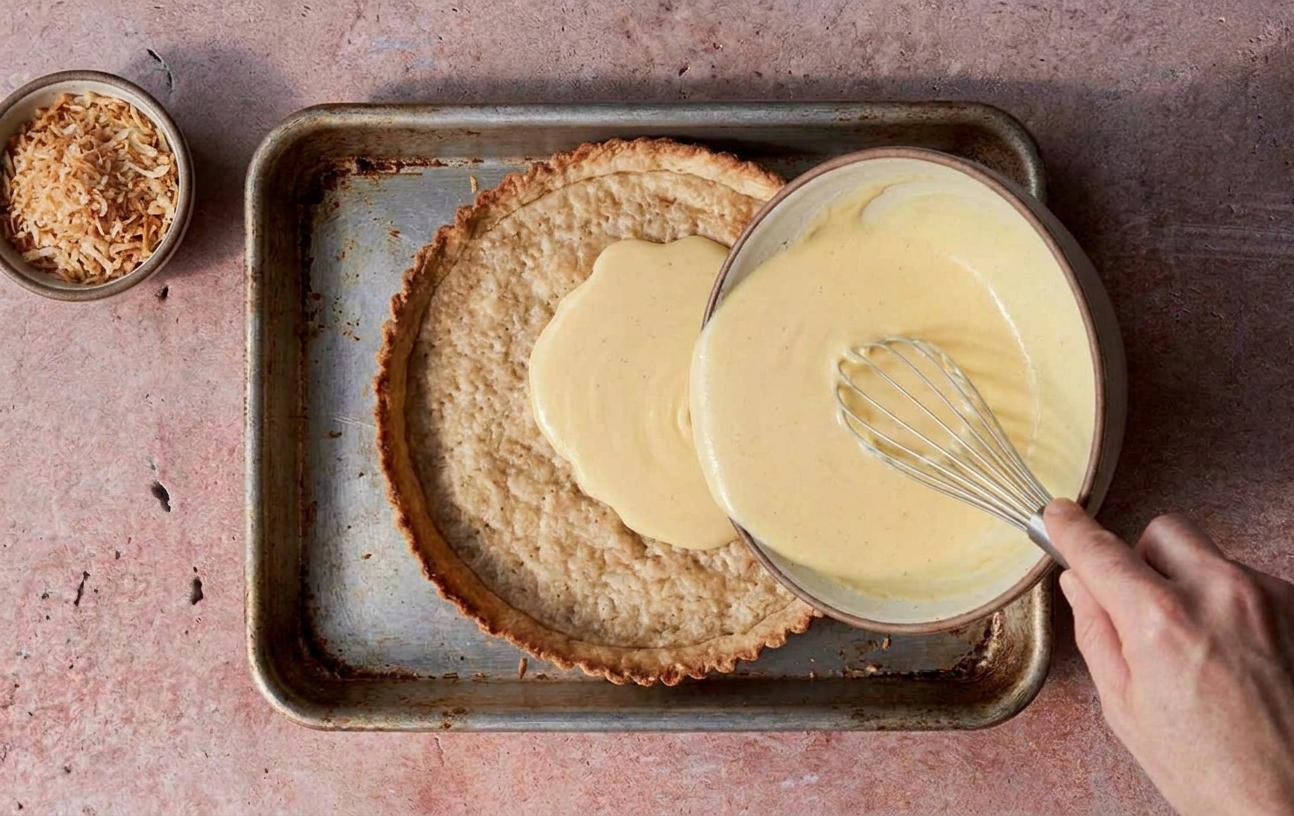
I strongly recommend it. Coconut custard is a wet filling, and a quick pre-bake helps the bottom crust stay crisp instead of turning into a soft, pale layer. You do not need a full blind bake, just 10 to 12 minutes with pie weights and a short finish without them.

How do I know when coconut custard pie is done?

Look for a gentle jiggle. The edges should be set, and the center should wobble like Jell-O, not slosh like liquid. If you have an instant-read thermometer, the center is usually done around 170°F to 175°F (carryover heat can take it a little higher as it cools).

Why did my custard crack or puff up?

That is usually a sign of slightly high heat or a little overbaking. Custard is basically eggs doing chemistry, so when it gets too hot, it tightens and can crack. Pull it when the center still has a small jiggle and let carryover heat finish the job.

Can I use unsweetened coconut instead of sweetened?

Yes. The pie will be less sweet and a bit drier in texture. If you swap to unsweetened, consider increasing the sugar by 2 to 3 tablespoons, and definitely toast the coconut for more flavor.

Can I make this with a store-bought crust?

Absolutely. This is a weeknight-friendly pie if you let it be. Use a standard 9-inch crust (not deep-dish) and pre-bake it as directed so it holds up. If you use a deep-dish shell, the filling may look a little shallow unless you scale it up.

Does coconut custard pie need to be refrigerated?

Yes. Because it is egg and dairy based, it should be stored in the refrigerator once cooled. For best food safety, refrigerate the pie within 2 hours once it has cooled down from the oven.

Should I use shredded or flaked coconut?

Shredded coconut works best here because it disperses evenly through the custard. Larger flakes can float more and give you a thicker coconut layer on top.

I like custard pies because they feel like cooking with your ears and eyes, not just a timer. You listen for the gentle simmer of the oven, you watch for that golden top, and you learn what a jiggle actually means. Coconut custard pie was one of the first desserts that made me realize baking is not only precision, it is also attention. And honestly, toasted coconut on top is my little friend move. It makes the whole kitchen smell like someone is about to do something wonderful.