Mom's Best Recipes
Recipe

Cornish Pasty

Flaky hand pies packed with beef, potato, rutabaga, and onion, baked until golden and cozy.

Author By Matt Campbell
4.8
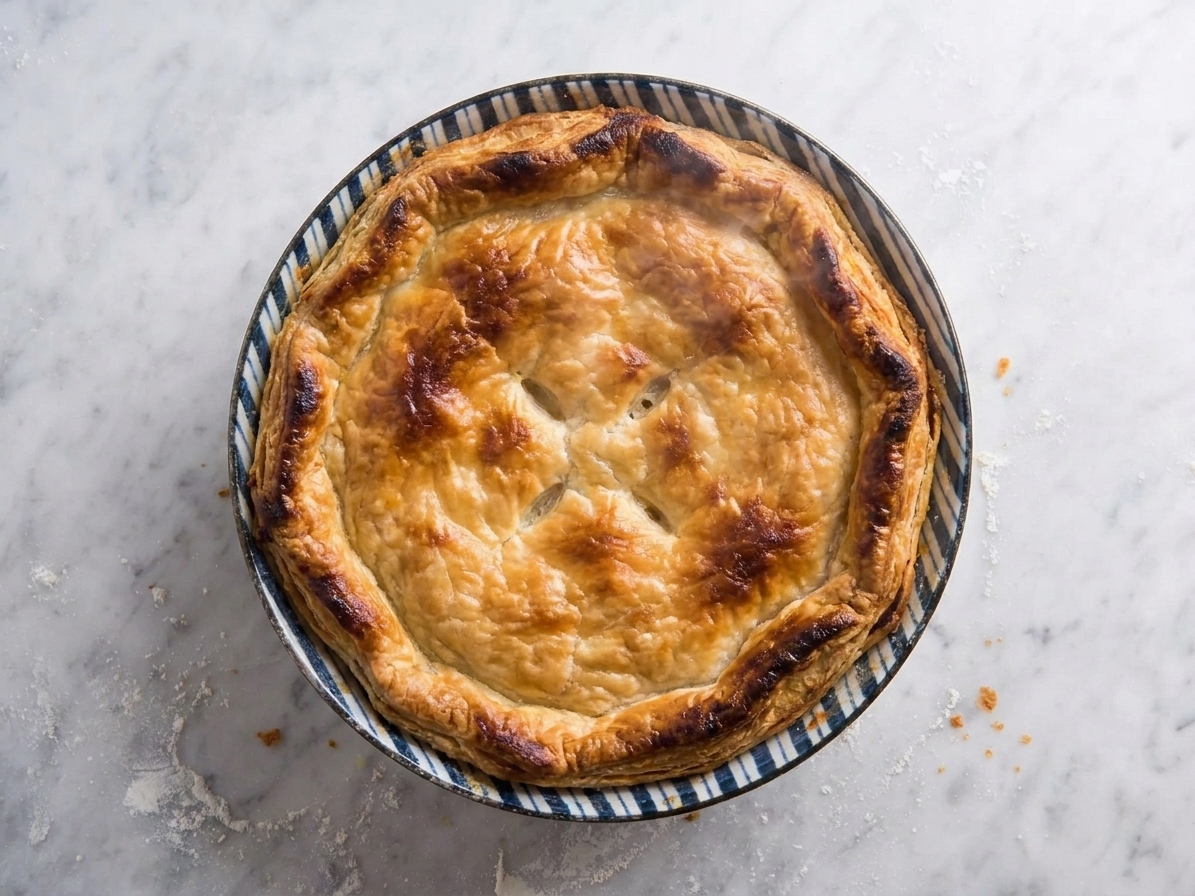
A single golden Cornish pasty on a stoneware plate with a small dish of mustard on a wooden table, soft natural window light

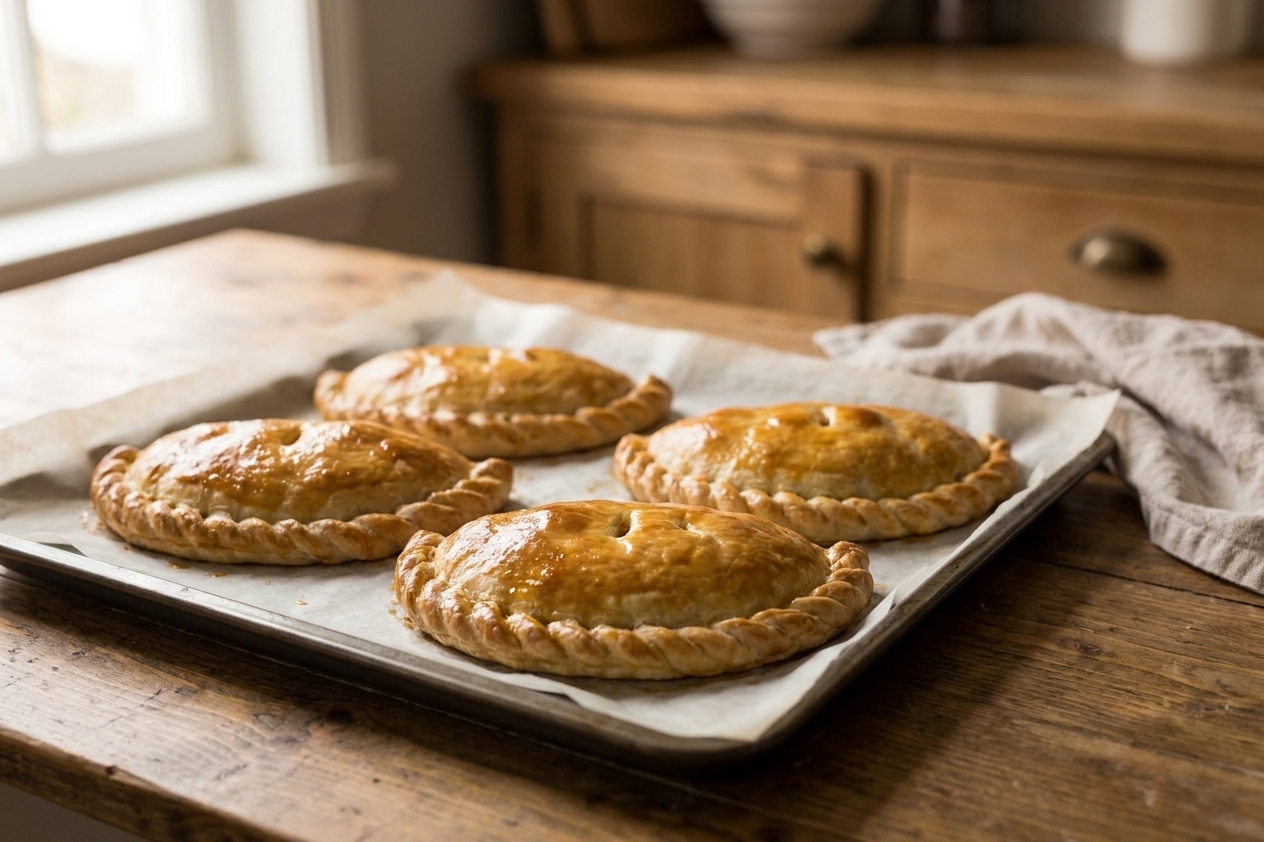
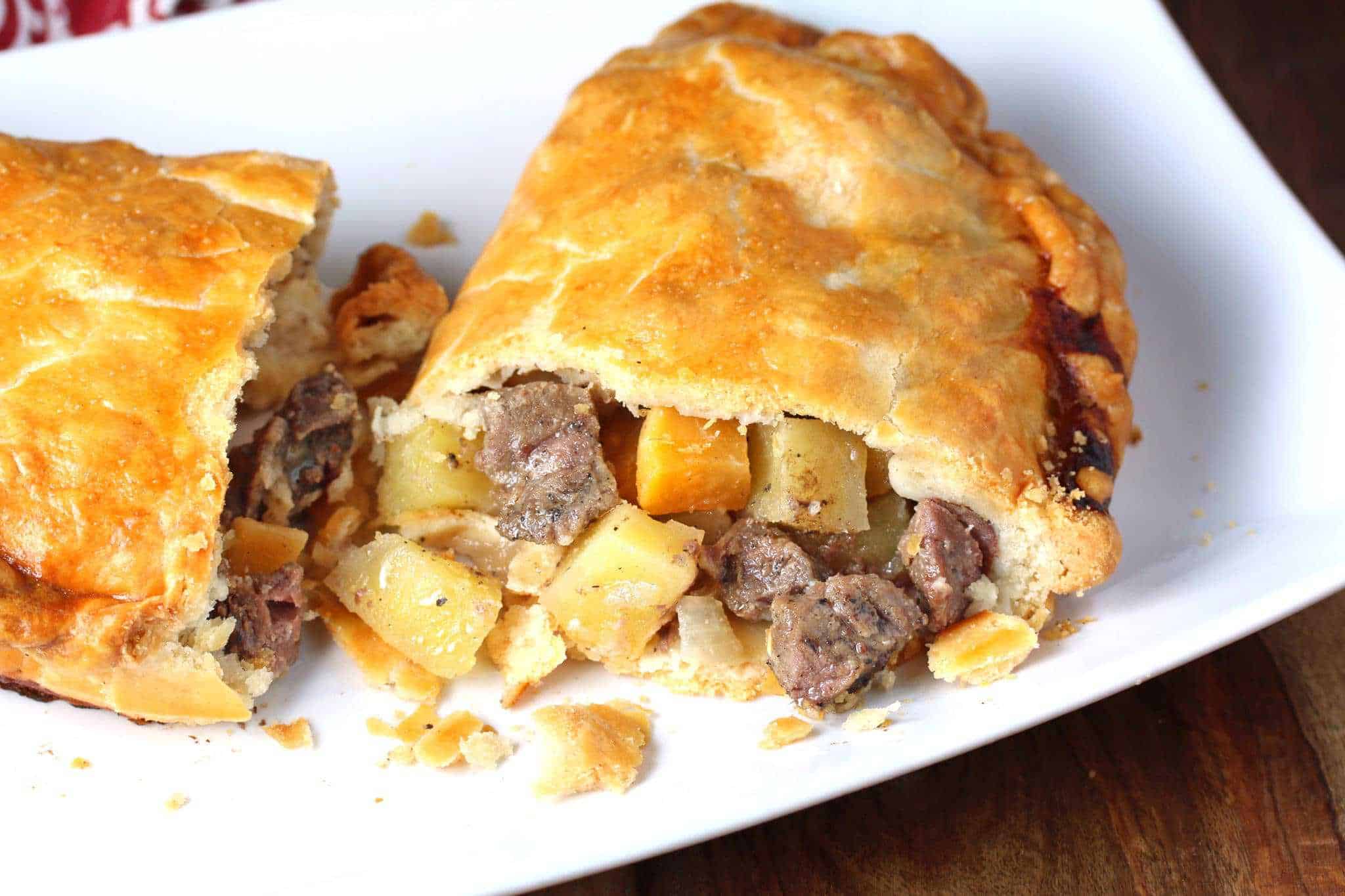
Cornish pasties are the ultimate portable comfort food. Think: a flaky, golden crust that shatters a little at the edges, wrapped around a hearty filling of beef, potato, rutabaga (also called swede), and onion. It is a whole meal you can hold in one hand, which is frankly the kind of practicality I respect.

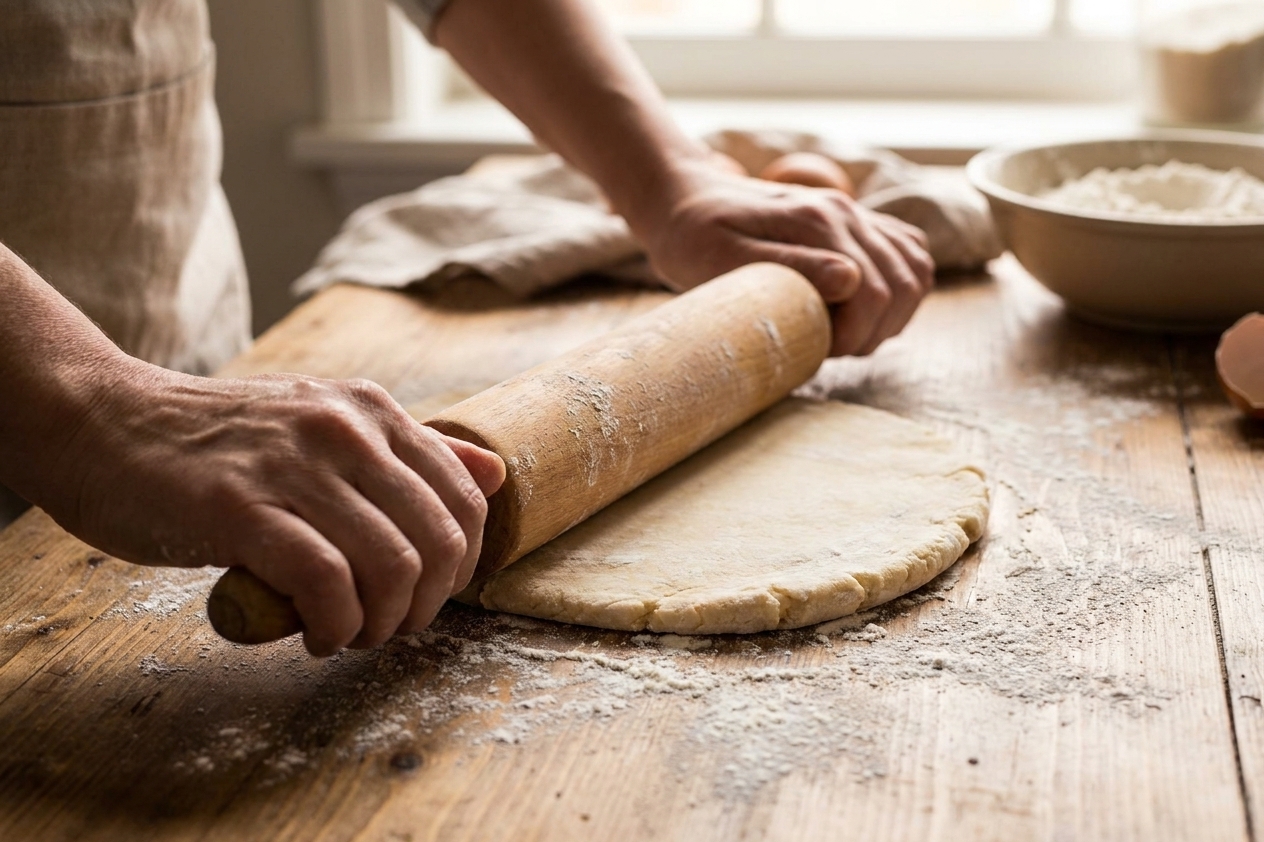
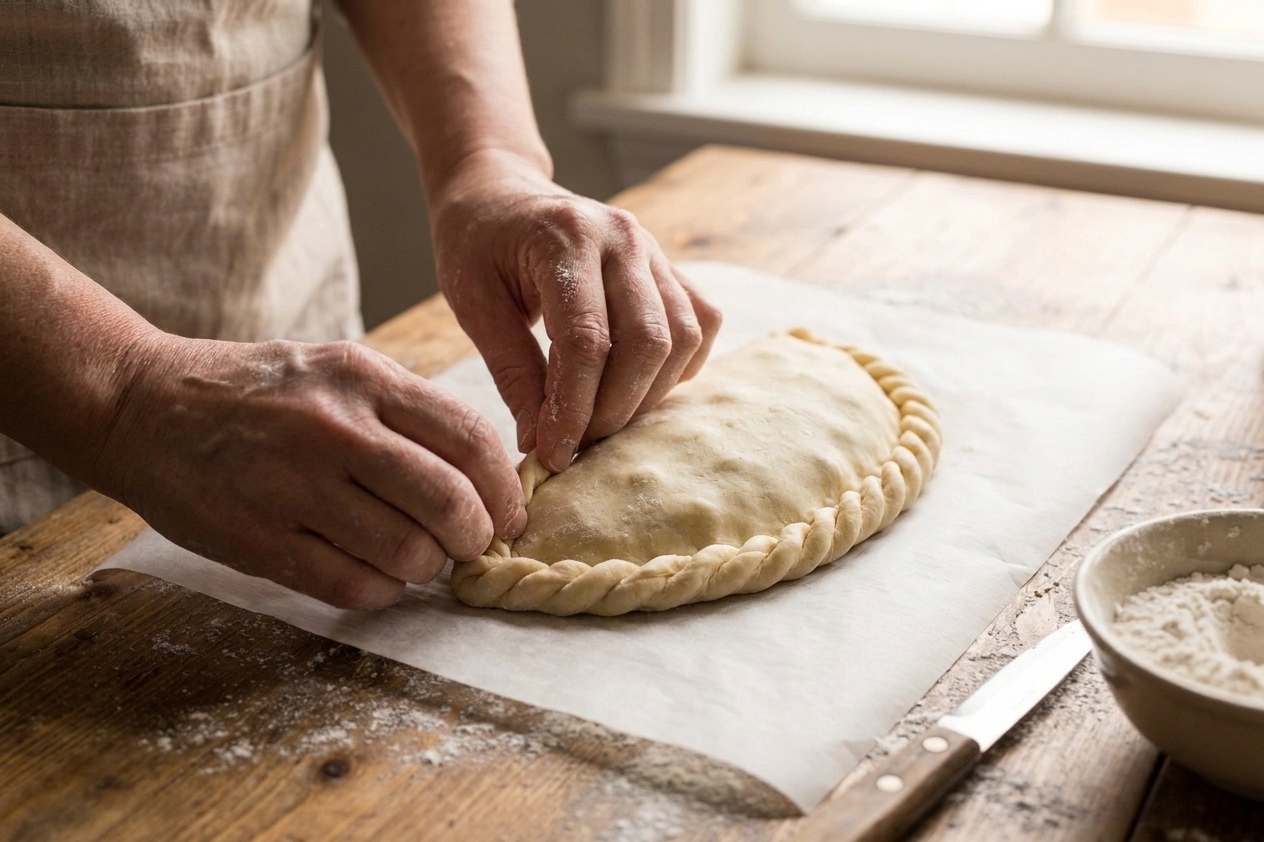
This version stays classic, but I am going to make it home-cook friendly. We are using accessible ingredients, a simple rough puff style pastry that bakes up crisp, and a filling that cooks right inside the pasty so you do not have to babysit a skillet first. And yes, I will show you the crimp that makes it look like you know what you are doing even if you are still learning. That is my favorite kind of kitchen magic.
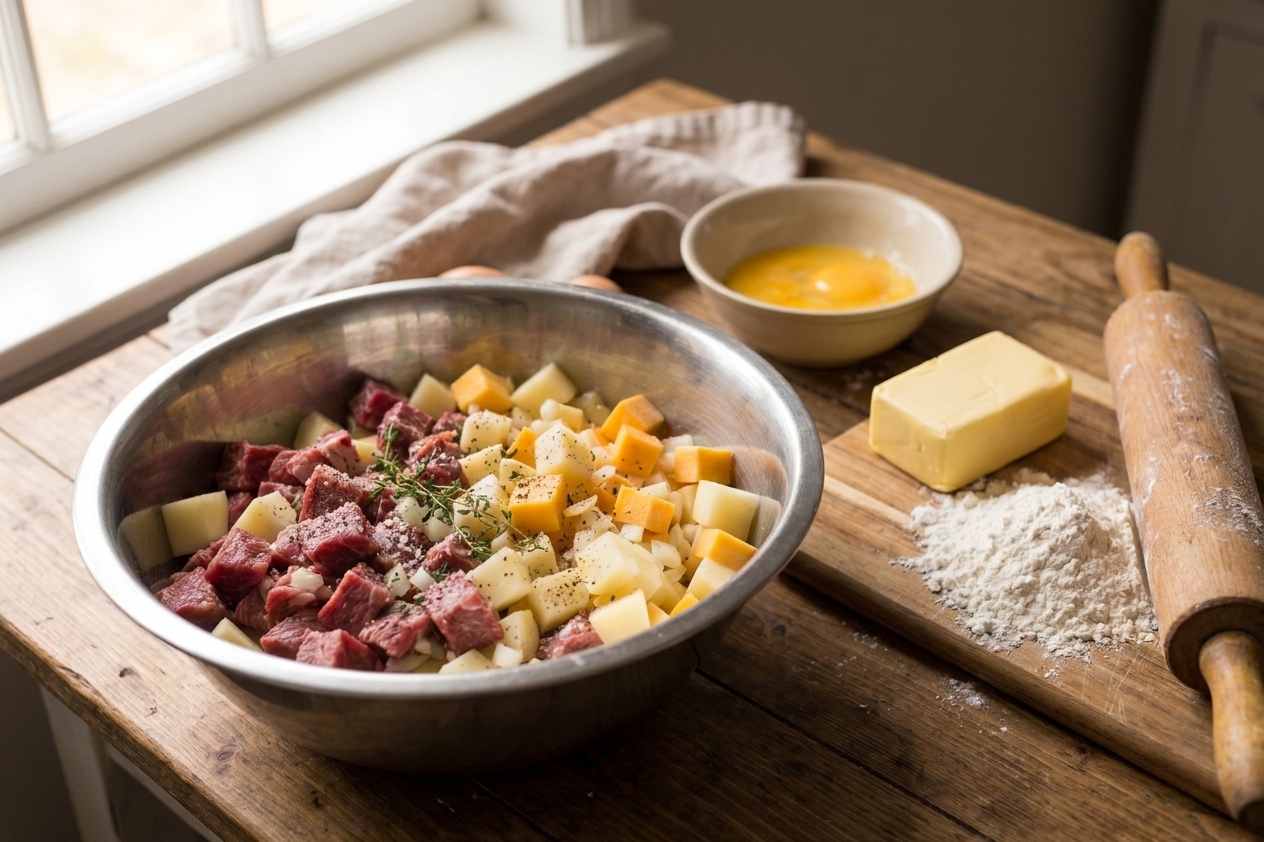
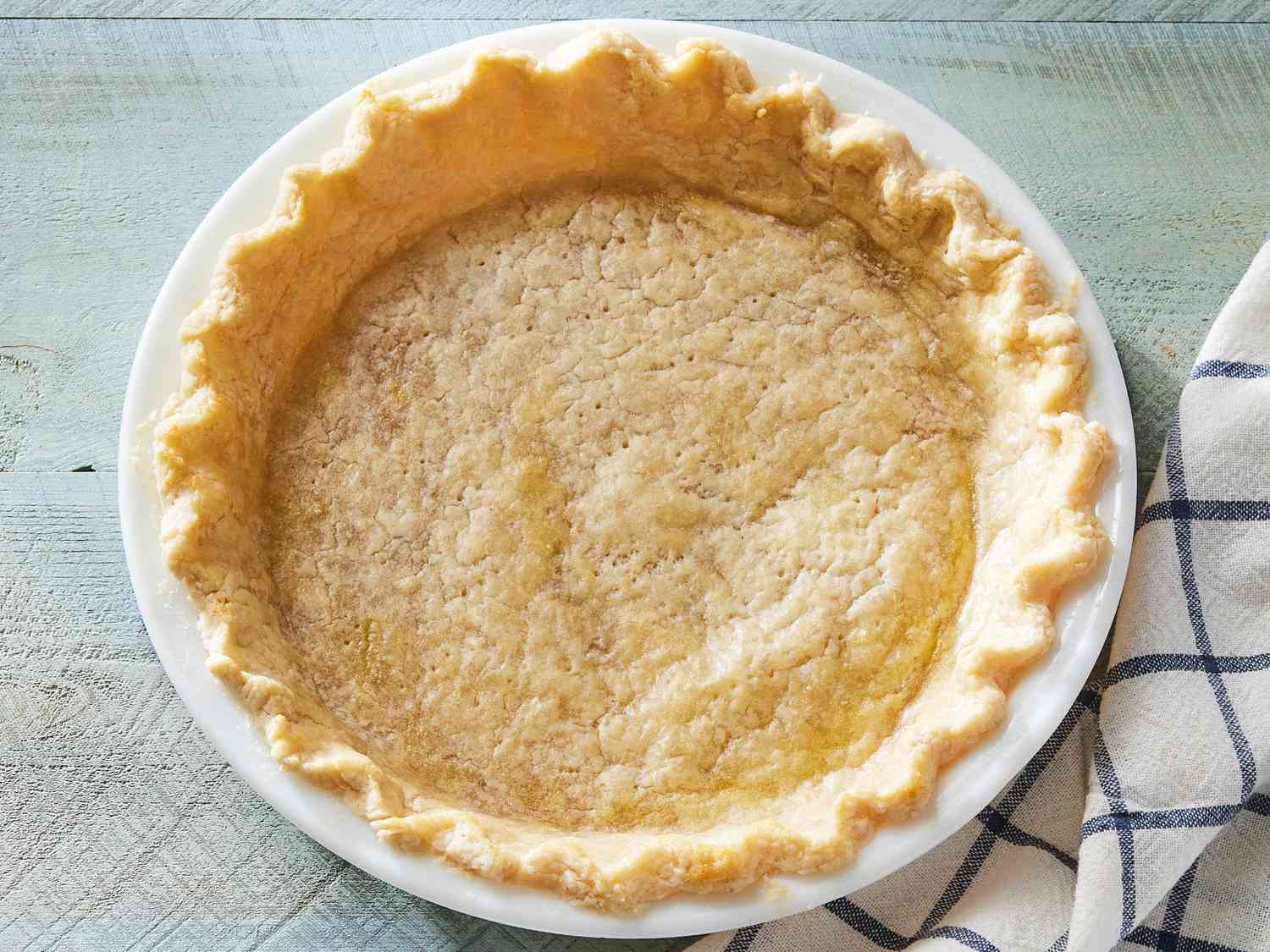
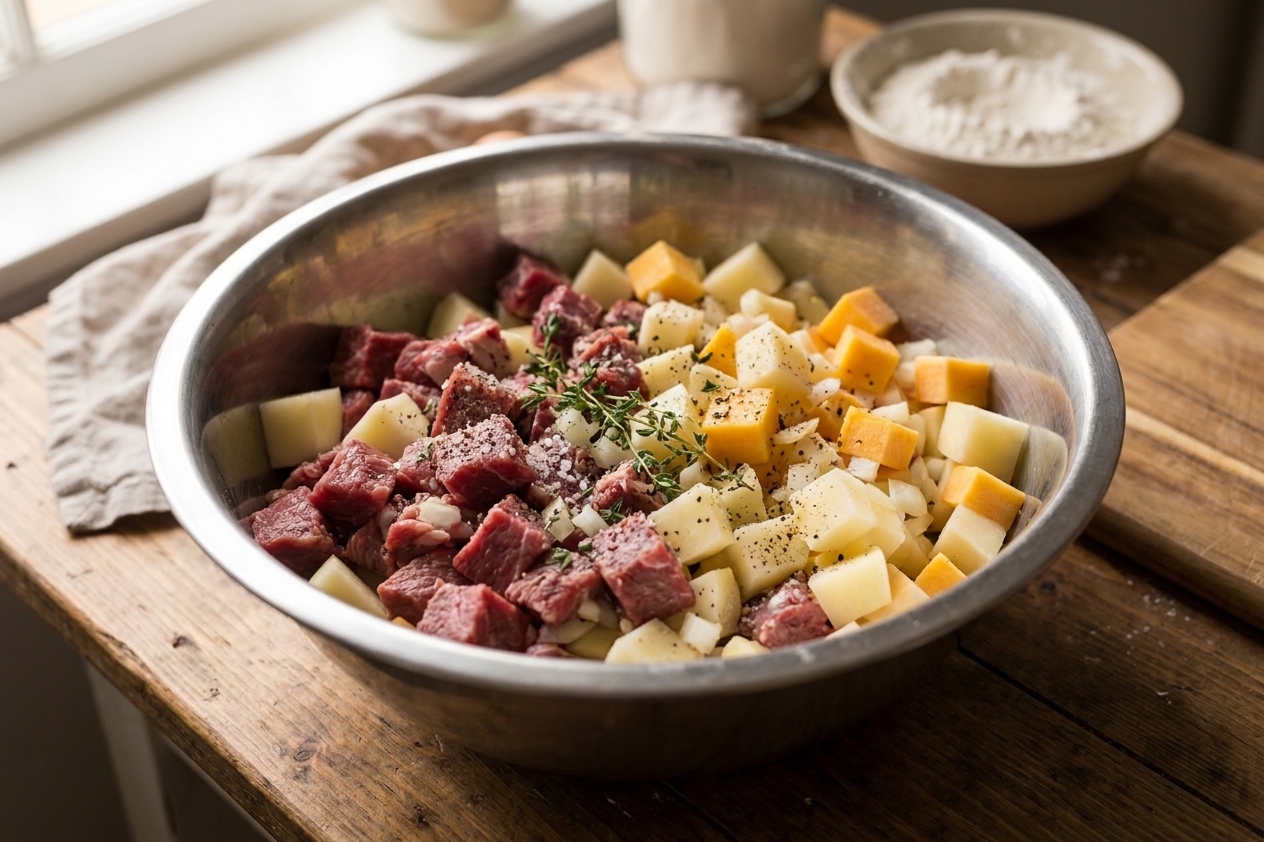
Butter, flour, beef cubes, potatoes, rutabaga, onion, salt, pepper, and a beaten egg arranged on a clean kitchen counter in bright natural light

Why It Works

  • Flaky crust with crisp edges: Cold butter plus a hot oven gives you that classic golden shell.
  • Big flavor, minimal fuss: The filling goes in raw, then steams and braises inside the pastry as it bakes.
  • Real-deal texture: Small dice on the veggies means everything cooks evenly without turning to mush.
  • Make-ahead friendly: You can assemble and chill, or freeze for future you, who deserves nice things.

Pairs Well With

Storage Tips

Refrigerate: Let pasties cool completely, then wrap individually and refrigerate up to 4 days.

Freeze: Freeze baked pasties (wrapped well) up to 2 months. You can also freeze unbaked pasties on a sheet pan until firm, then bag them.

Reheat (best method): Oven or toaster oven at 350°F until hot throughout, about 15 to 20 minutes from the fridge or 25 to 35 minutes from frozen. If the crust is browning too fast, tent with foil.

Microwave option: It works, but it softens the crust. If you must, microwave briefly to warm the center, then crisp in a hot oven for a few minutes.

Common Questions

Do I have to use rutabaga?

Rutabaga is traditional and gives the filling a slightly sweet, earthy depth. If you cannot find it, use turnip, parsnip, or even carrot. The vibe stays cozy.

Should the filling be cooked before baking?

Not for this style. The meat and vegetables cook inside the pasty as it bakes. The key is a small, even dice and a little butter tucked into the filling for moisture. If your dice is too large, the veggies can stay undercooked.

What cut of beef works best?

Use chuck steak or another stewing cut with some marbling. Lean beef can turn dry.

How do I keep the bottom from getting soggy?

Three things help: bake on the lower third of the oven, use a preheated sheet pan (or a pizza stone), and do not overload the filling. Also, keep the dough cold so it sets fast. And keep the filling on the dry side, do not add extra liquid, and pat the diced veg dry if it seems wet.

Can I make smaller pasties?

Absolutely. Cut the dough into 6 to 8 rounds for smaller hand pies and start checking them around 35 to 45 minutes.

The first time I made Cornish pasties, I treated them like precious museum artifacts. I overthought the crimp, worried about leaks, and stared through the oven door like I was watching a season finale.

Now I make them like I make most things I love: a little more relaxed and a lot more hungry. The crimp does not have to be perfect. The filling just has to be well-seasoned. And when you break into a pasty that is still steaming and the crust crackles a bit, it feels like you just pulled off something old-school and deeply satisfying, which is the best kind of kitchen win.