What makes a pasty “Cornish”?
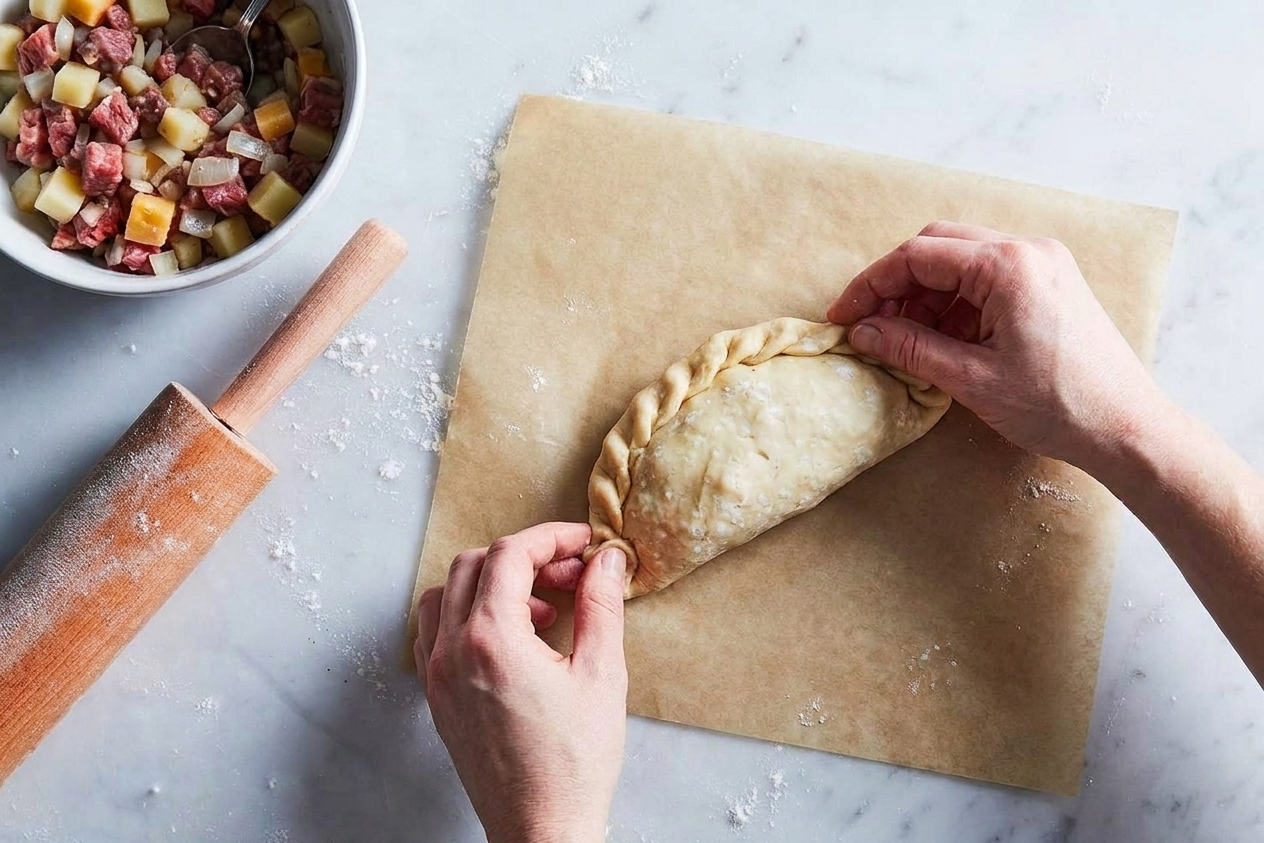
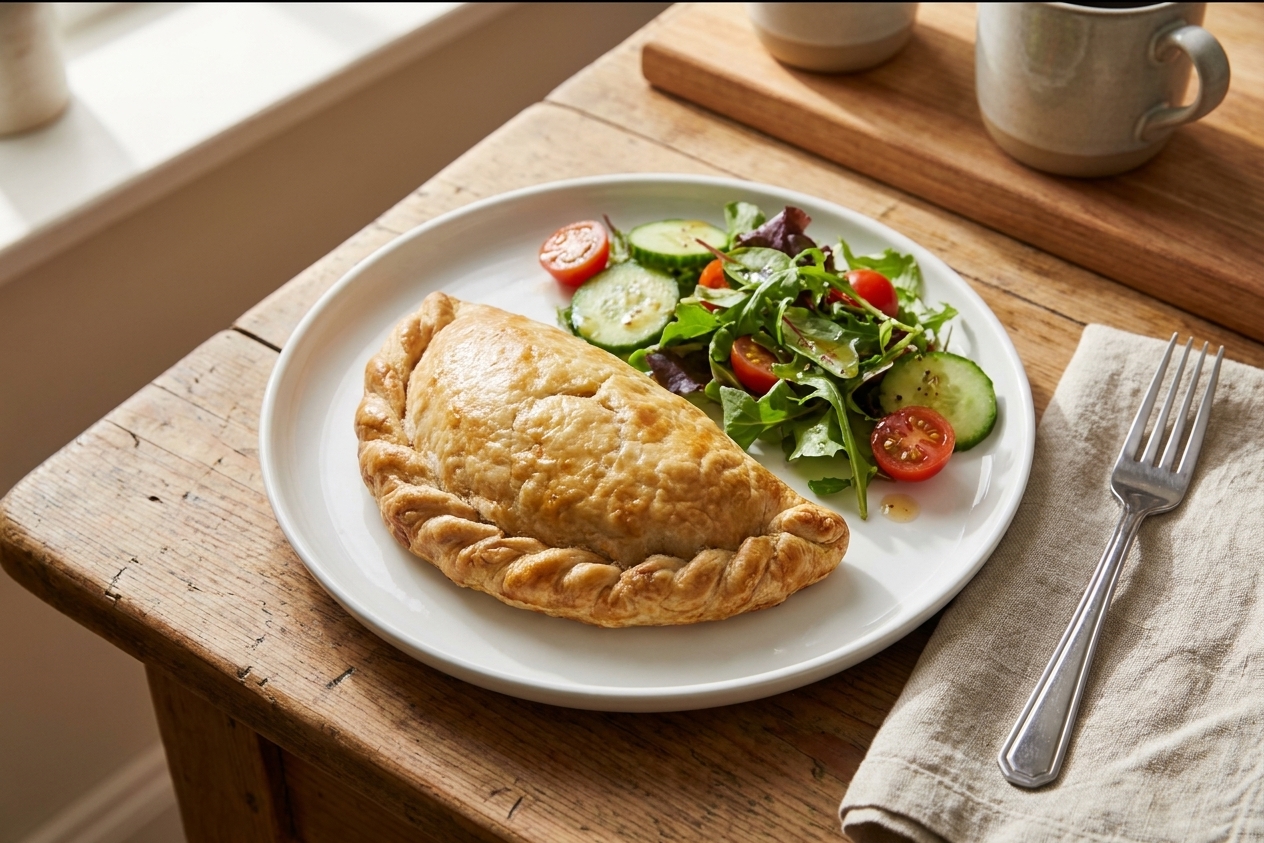
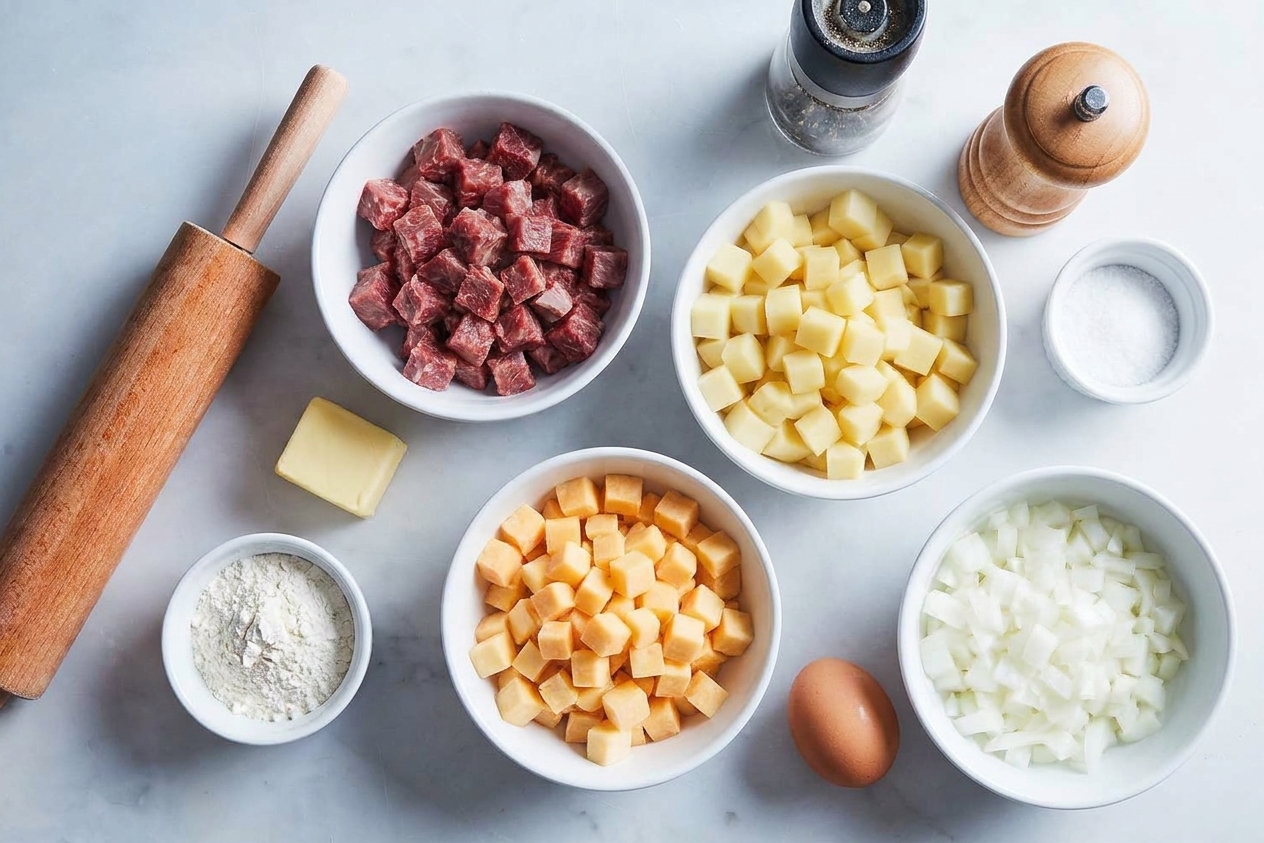
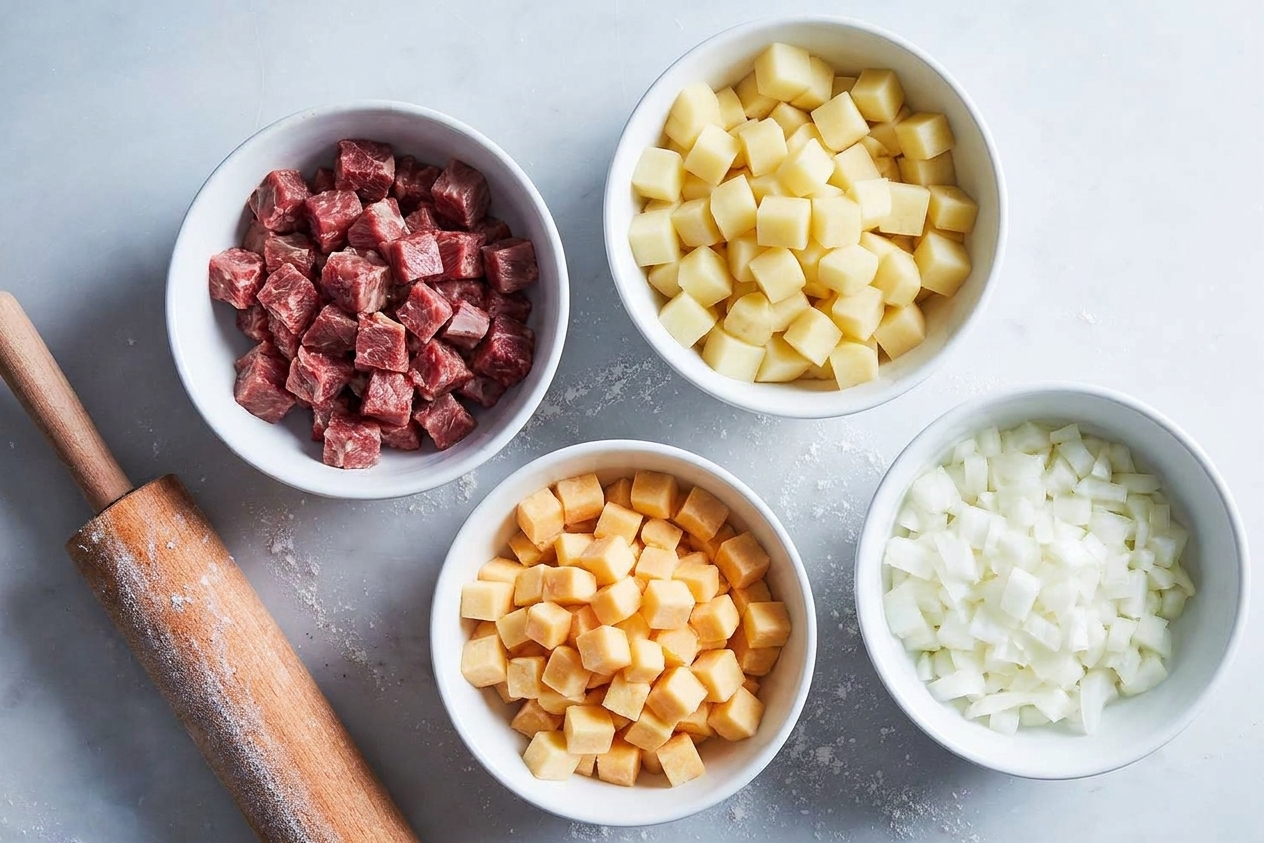
Traditionally, a Cornish pasty is filled with beef, potato, rutabaga (swede), and onion, seasoned simply with salt and lots of black pepper, then sealed with a thick crimp along the side. If we are being extra technical, the protected Cornish Pasty (PGI) spec is stricter in a few ways. For a home kitchen, this recipe sticks to the classic spirit: simple, sturdy, and baked with a raw filling so it cooks into its own gravy.
Do I have to use rutabaga?
Rutabaga is the signature flavor, so I recommend it. If you cannot find it, you can swap in turnip, parsnip, or more potato. The taste will be a little different but still very good.
Why is my pasty leaking?
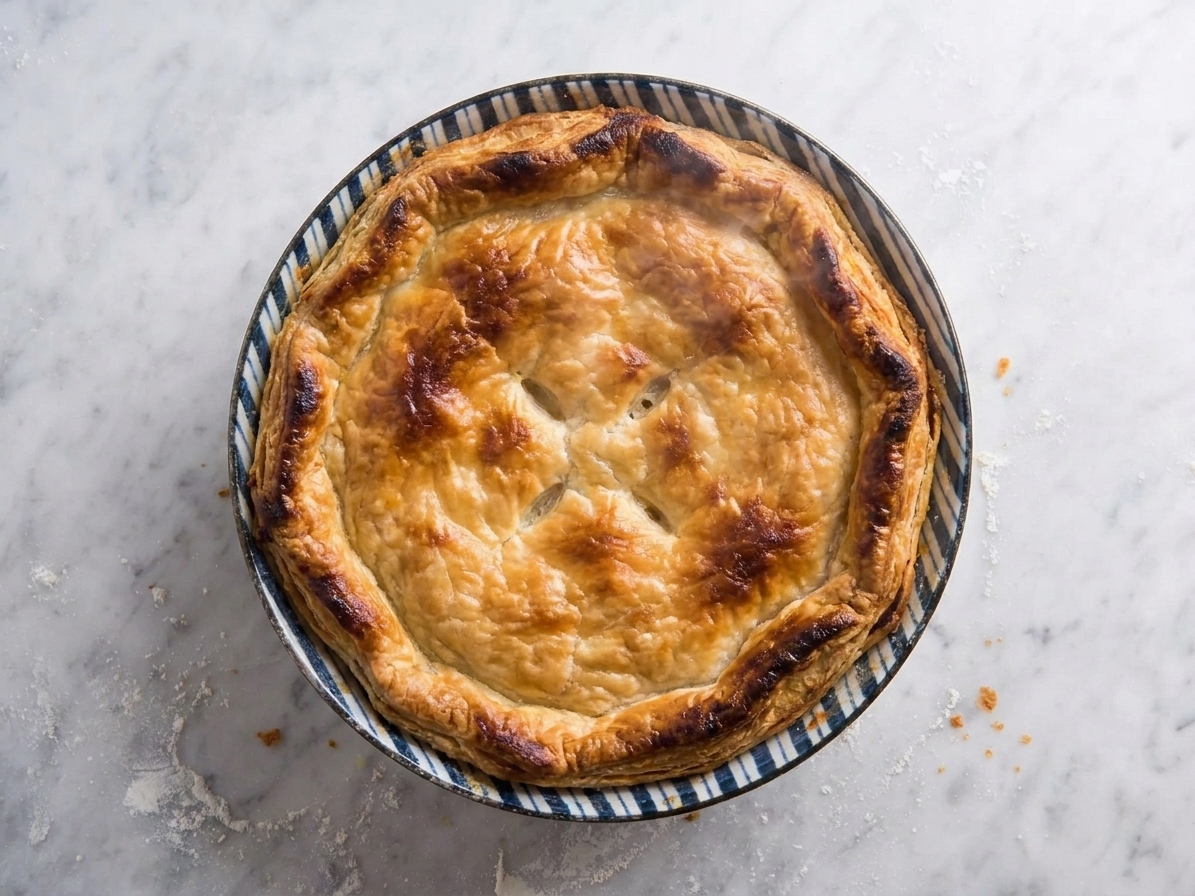
Usually it is one of three things: the seal was not tight, the filling was too wet, or there is a tear in the dough. Keep the filling raw but not watery, crimp firmly, and patch small holes with a little dough like a tiny edible bandage. Also, keep the seam and crimp on top or along the side, not underneath, so it does not sit in its own juices.
Can I use ground beef?
You can, but diced beef gives a better traditional texture. If using ground beef, use 90% lean so it does not get greasy, and keep pieces of potato and rutabaga on the smaller side so they cook through.
How do I know the filling is cooked?
Look for a few signs: steam coming from the vents, a little bubbling at the slits, and potatoes and rutabaga that feel tender when you slide a thin knife into the center. If you use a thermometer, a center temp of 165°F is a safe, very-done target and works well as an all-purpose check.