Mom's Best Recipes
Recipe

Cornish Pasty Pastry

A classic shortcrust-style pasty pastry that is sturdy, golden, and built for savory fillings.

Author By Matt Campbell
4.8
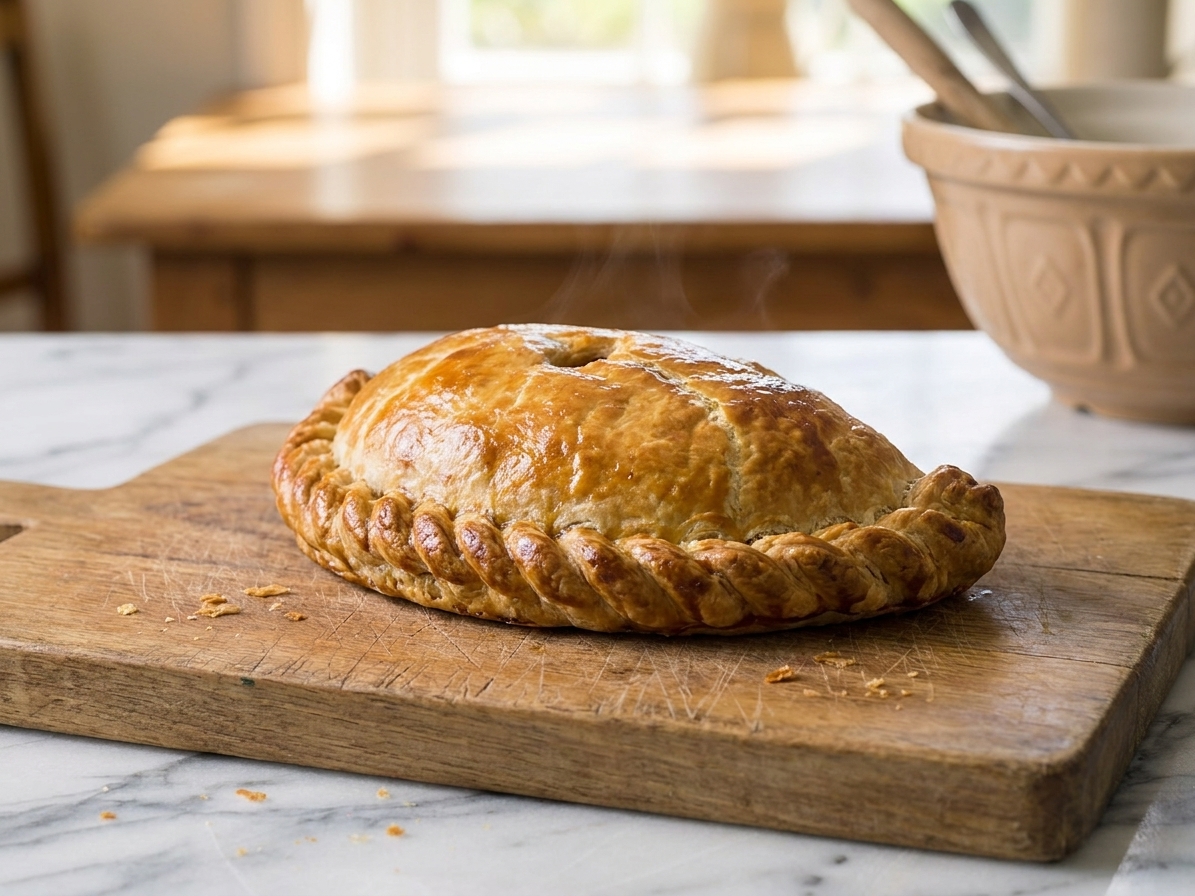
A freshly baked Cornish pasty with a deep golden crust and a defined rope crimp on a wooden cutting board in a bright home kitchen

Cornish pasties are one of the great original pocket meals. Hearty filling, sealed edges, and a crust that is not here to fall apart the second you pick it up. This is that crust.

This Cornish pasty pastry is simple and old-school: flour, fat, salt, cold water. No drama, no rare ingredients, and no sad, crumbly dough that splits at the seams. We are going for sturdy but tender, with crisp edges and that classic golden finish that makes you want to tap the crust like it is a little bread drum.

Use it for traditional steak-and-swede vibes, chicken and leek, veggie, or whatever you are trying to tuck into a portable, cozy carb blanket. Flour your counter. Crimp with confidence.

Heads up: This recipe is for the pastry. Once you assemble your pasties, plan on about 45 to 55 minutes of bake time, depending on size and filling.
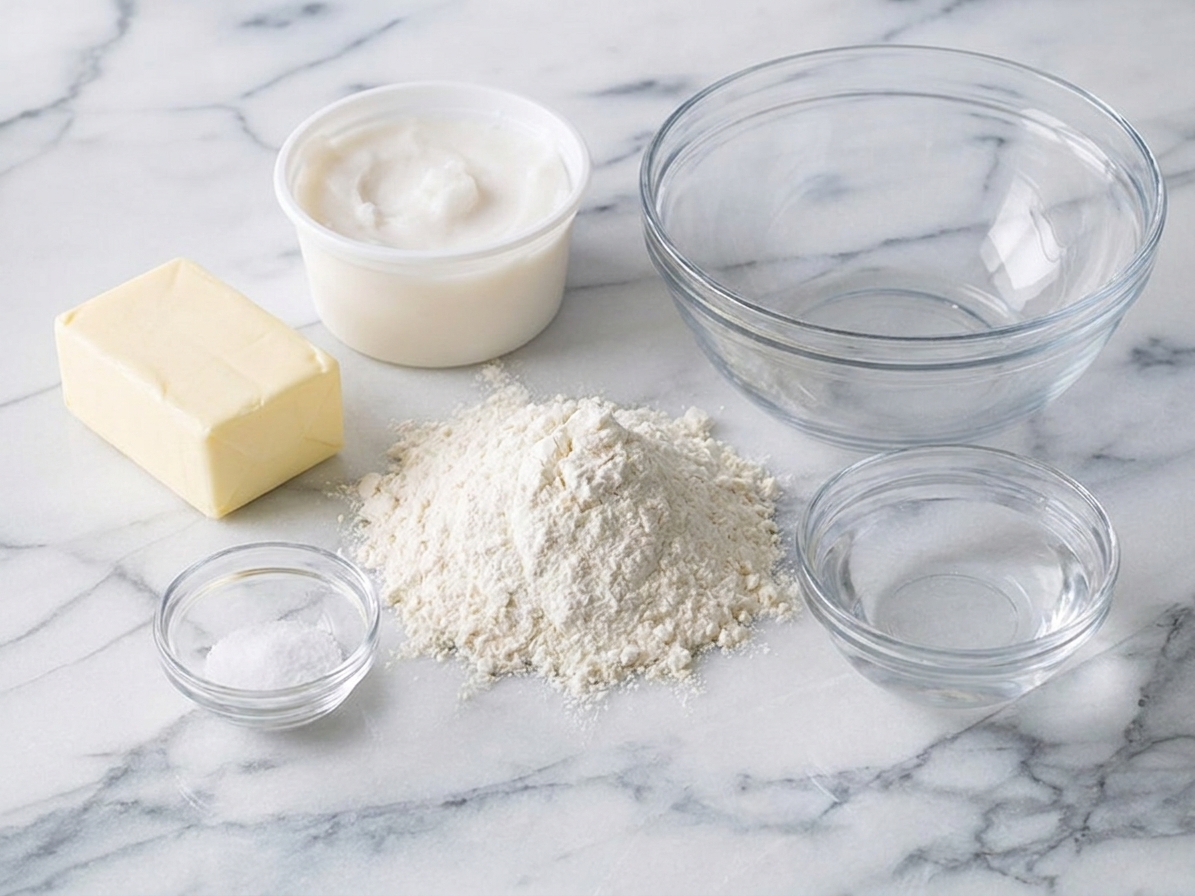
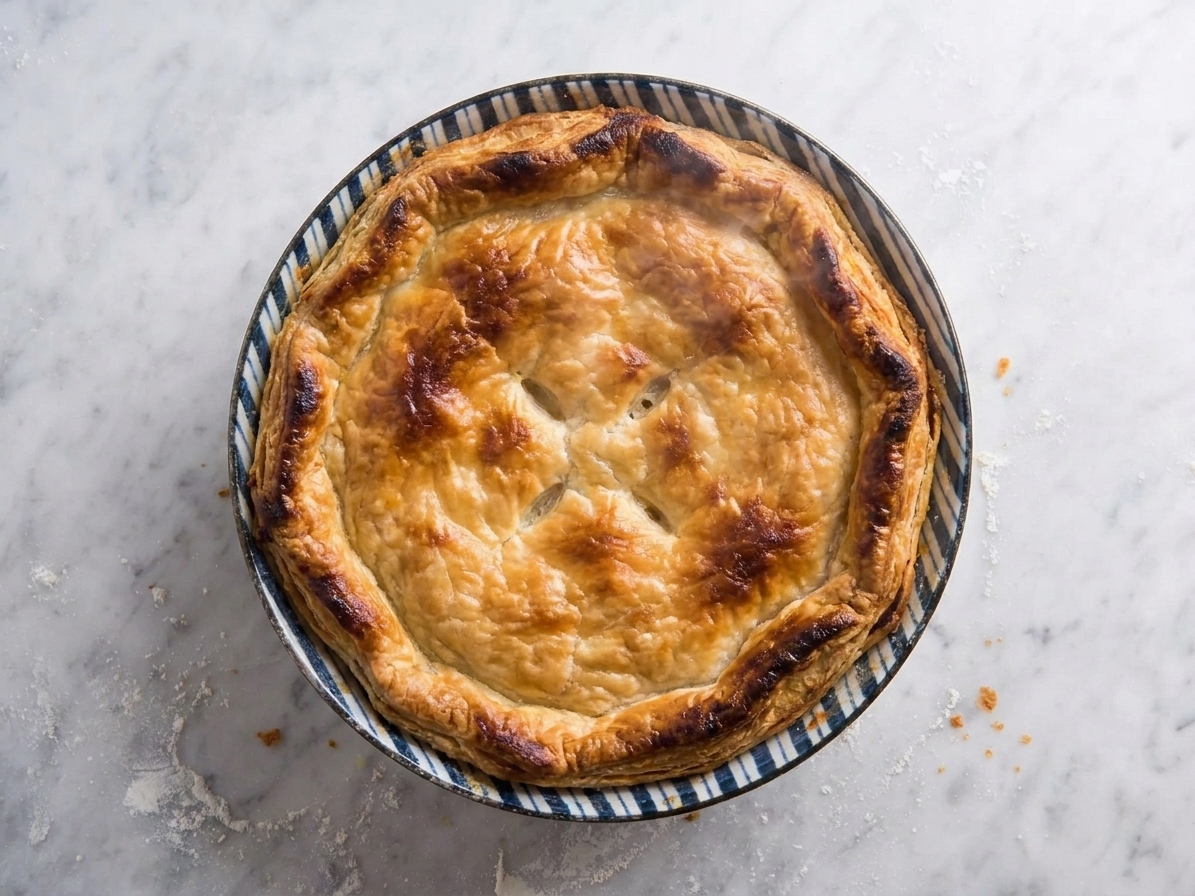
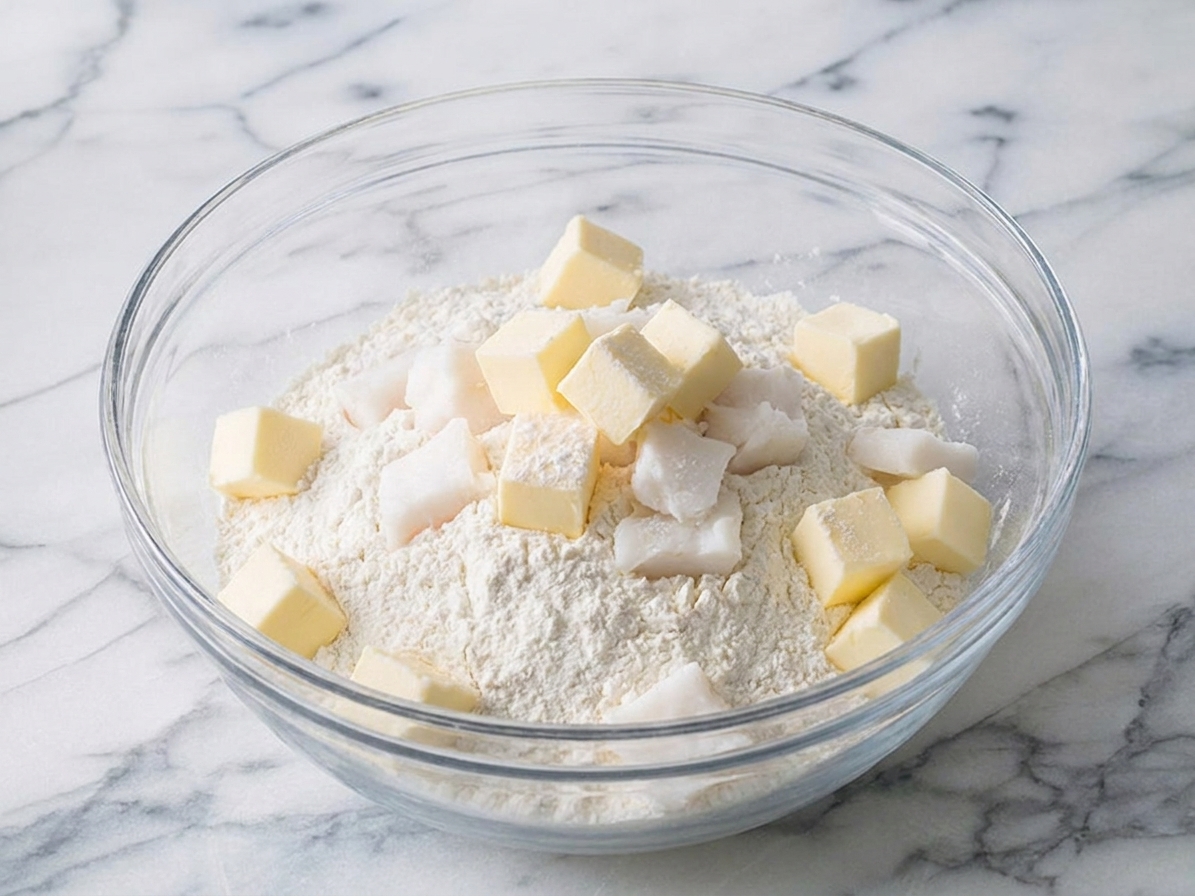
Butter, lard, flour, salt, and a small bowl of water arranged on a clean kitchen counter with a mixing bowl nearby

Why It Works

  • Holds its shape: This dough is firm enough to roll, fill, fold, and crimp without tearing.
  • Flaky-tender texture: Butter brings flavor and lard (or shortening) adds that classic short, crisp bite.
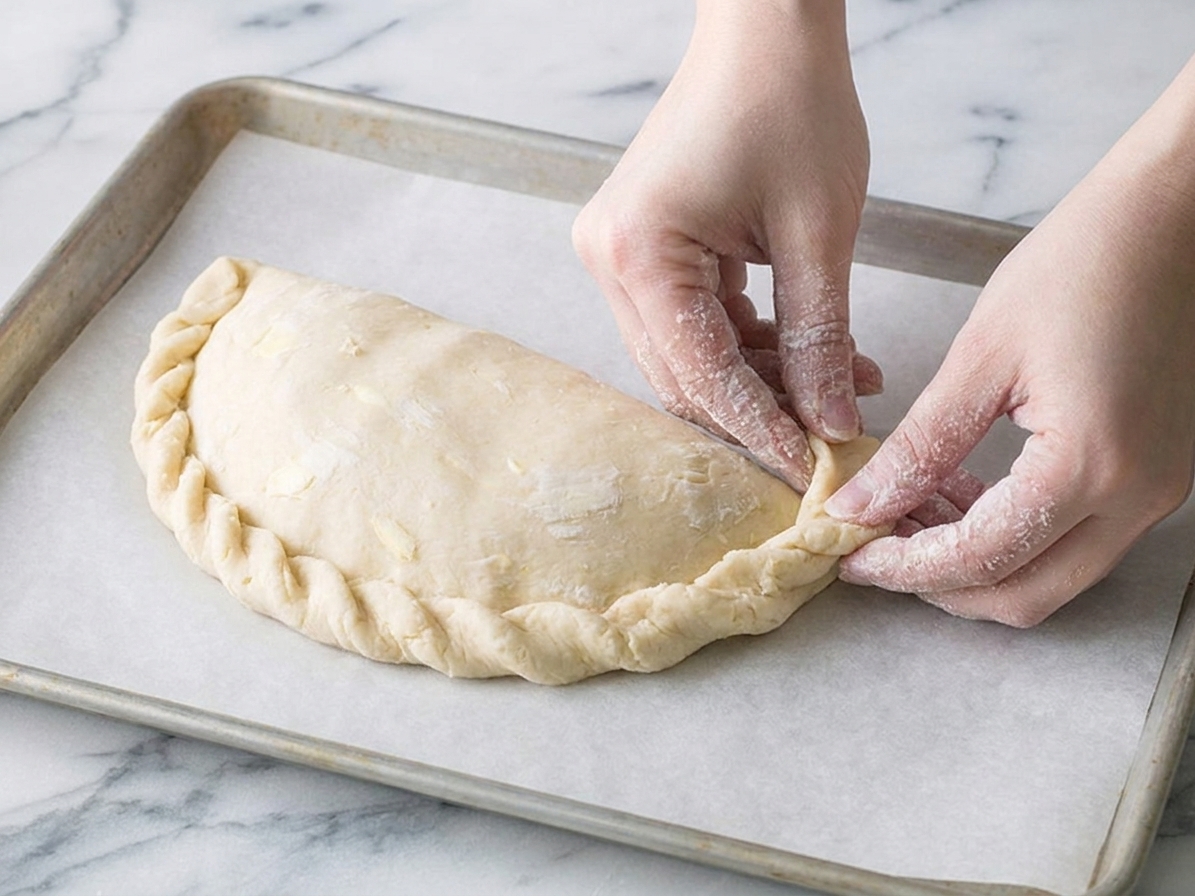
  • Reliable seal: Resting helps relax gluten, but a great seal also comes from proper hydration, not overfilling, and a firm crimp.
  • Golden finish: A quick egg wash gives you that bakery-level color.

Pairs Well With

Storage Tips

Storage Tips

Fridge (best for next day)

Wrap the dough tightly in plastic wrap and refrigerate for up to 3 days. Let it sit at room temp for 10 to 15 minutes before rolling so it does not crack.

Freezer (best for meal prep)

Wrap well, then place in a freezer bag. Freeze up to 3 months. Thaw overnight in the fridge.

Make-ahead tip

If you know you are doing pasties later, mix the dough the night before. Dough that has rested is easier to roll and crimp.

Common Questions

Common Questions

What makes Cornish pasty pastry different from pie dough?

It is similar, but the goal is slightly different. Pasty pastry is usually rolled a touch thicker and is meant to be sturdy enough to carry a filling without collapsing. You want a crust that eats like a tender shortcrust, not a delicate shatter-bomb.

Do I have to use lard?

No. Lard gives a classic texture and crispness, but you can swap it 1:1 with vegetable shortening. Using all butter works too, but the dough can be a little softer and more prone to tearing, so keep it cold and handle gently.

Why is my dough cracking when I roll it?

Usually it is too cold or a bit dry. Let it warm on the counter for 10 minutes, then try again. If it still cracks, knead in 1 teaspoon cold water at a time until it rolls smoothly.

Why is my dough shrinking back when I roll it?

That is the gluten being a little tense. Cover the dough and let it rest for 10 to 15 minutes, then roll again. (This is also why the chill time matters.)

How thick should I roll pasty pastry?

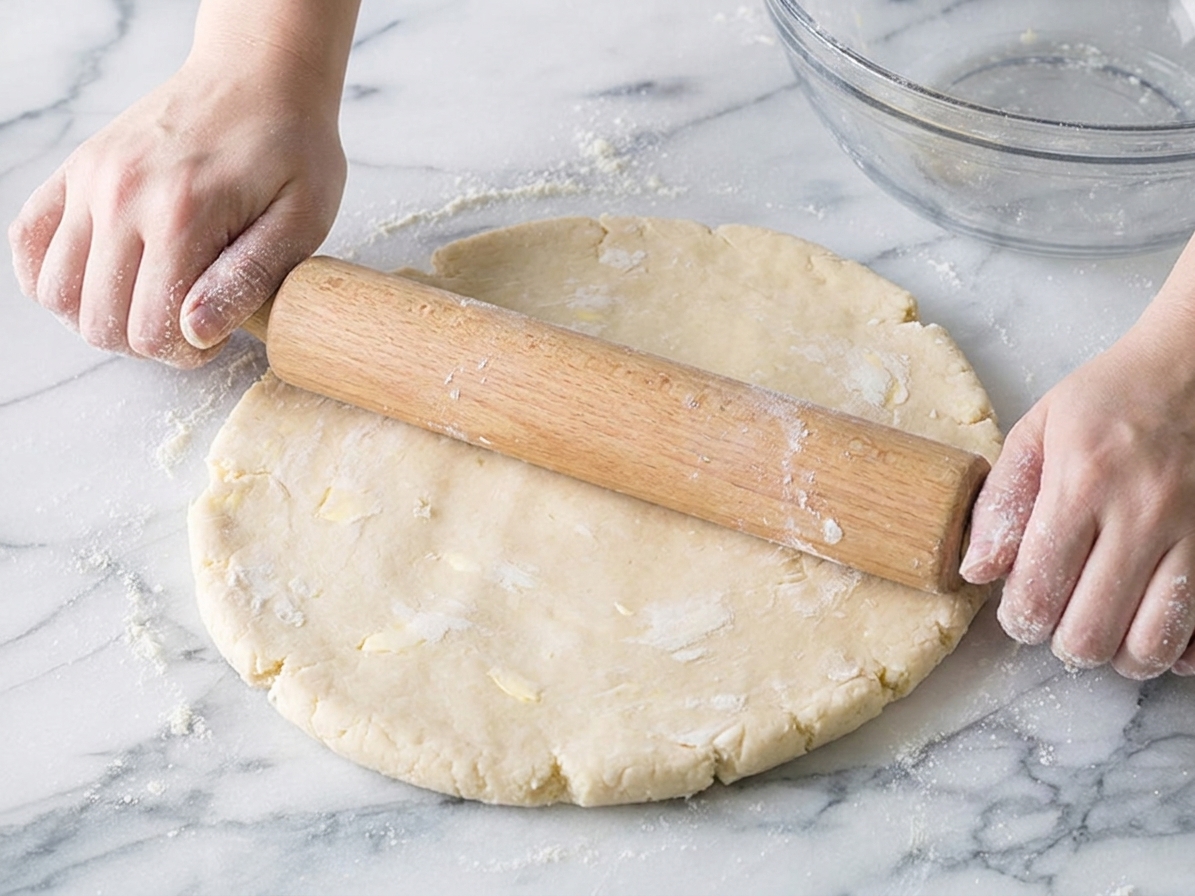
For most home pasties, aim for about 1/8 inch, a little thicker at the edges is totally fine since you are crimping. Too thin and it can split. Too thick and it bakes up bready.

Can I make this in a food processor?

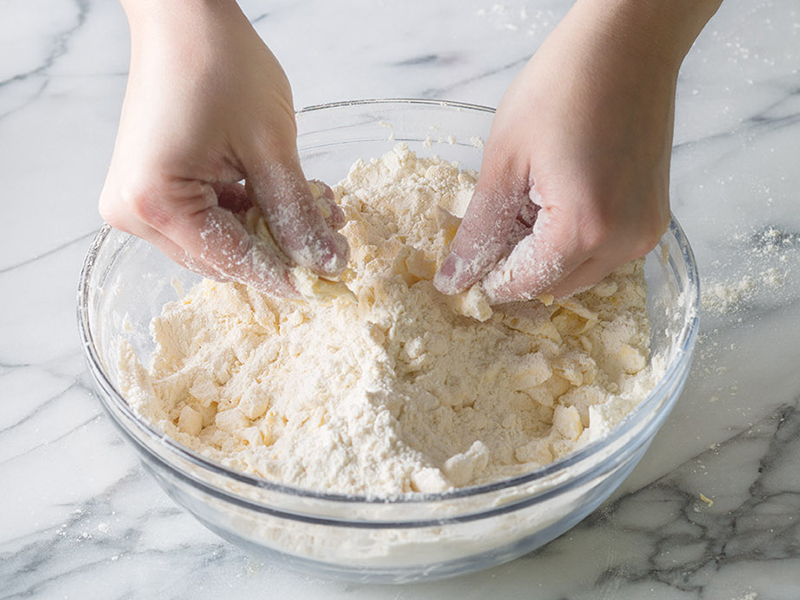
Yes. Pulse the flour, salt, and fats until you have pea-sized bits, then pulse in water just until the dough starts clumping. Stop before it turns into paste.

Do I need to vent pasties?

It helps. Cut 1 to 2 small slits on top so steam has somewhere to go. Less steam pressure means fewer blowouts.

The first time I tried making pasties at home, I got cocky. I nailed the filling, then used a random pie crust recipe and rolled it too thin because, in my head, thin equals flaky. Reader, it split like it was auditioning for a soap opera. Filling leaked, edges tore, and I basically baked a tray of delicious regret.

This pastry is the fix. It is the dough that lets you be a little chaotic in the kitchen and still come out looking like you planned it. Thick enough to trust, tender enough to crave, and absolutely begging for a confident crimp.