Mom's Best Recipes
Recipe

Crisco Pie Crust

A classic all-shortening crust that rolls easily, bakes up flaky, and stays tender for sweet or savory pies.

Author By Matt Campbell
4.8
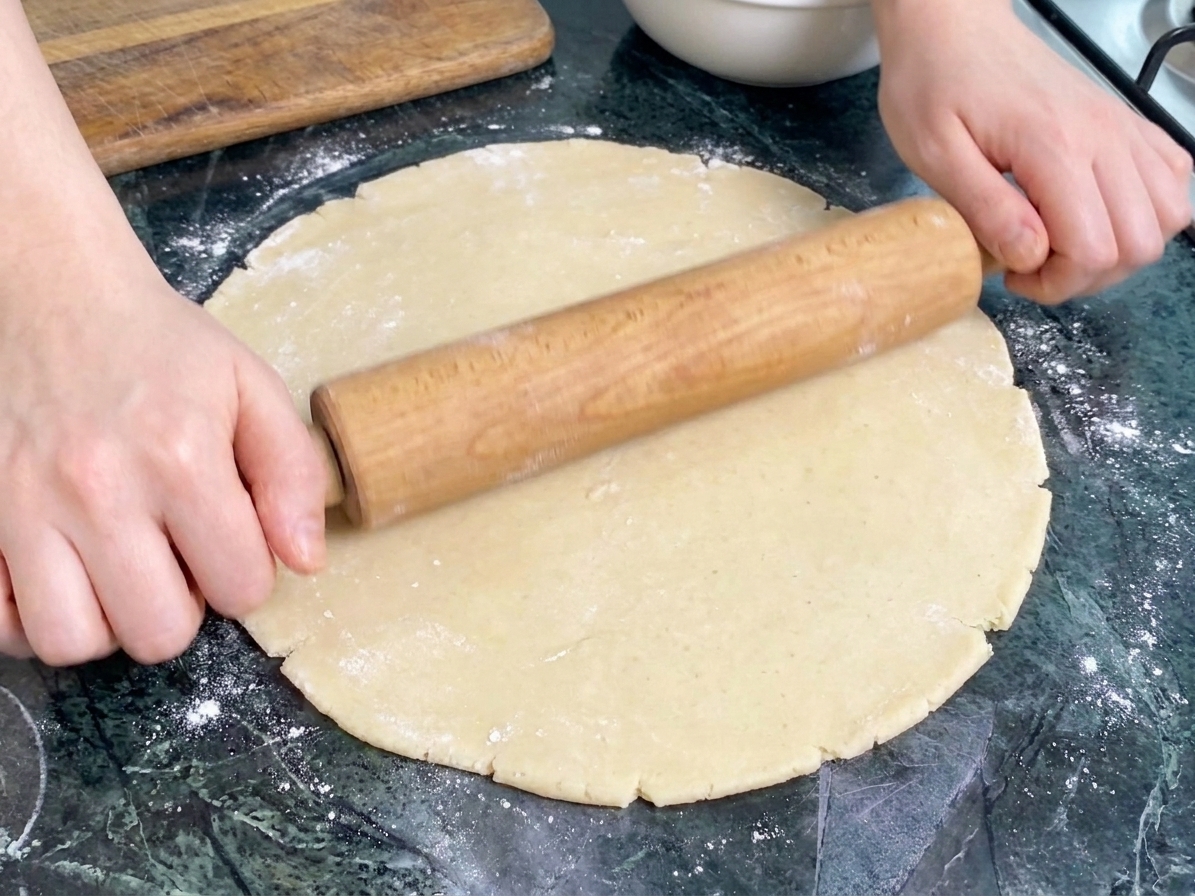
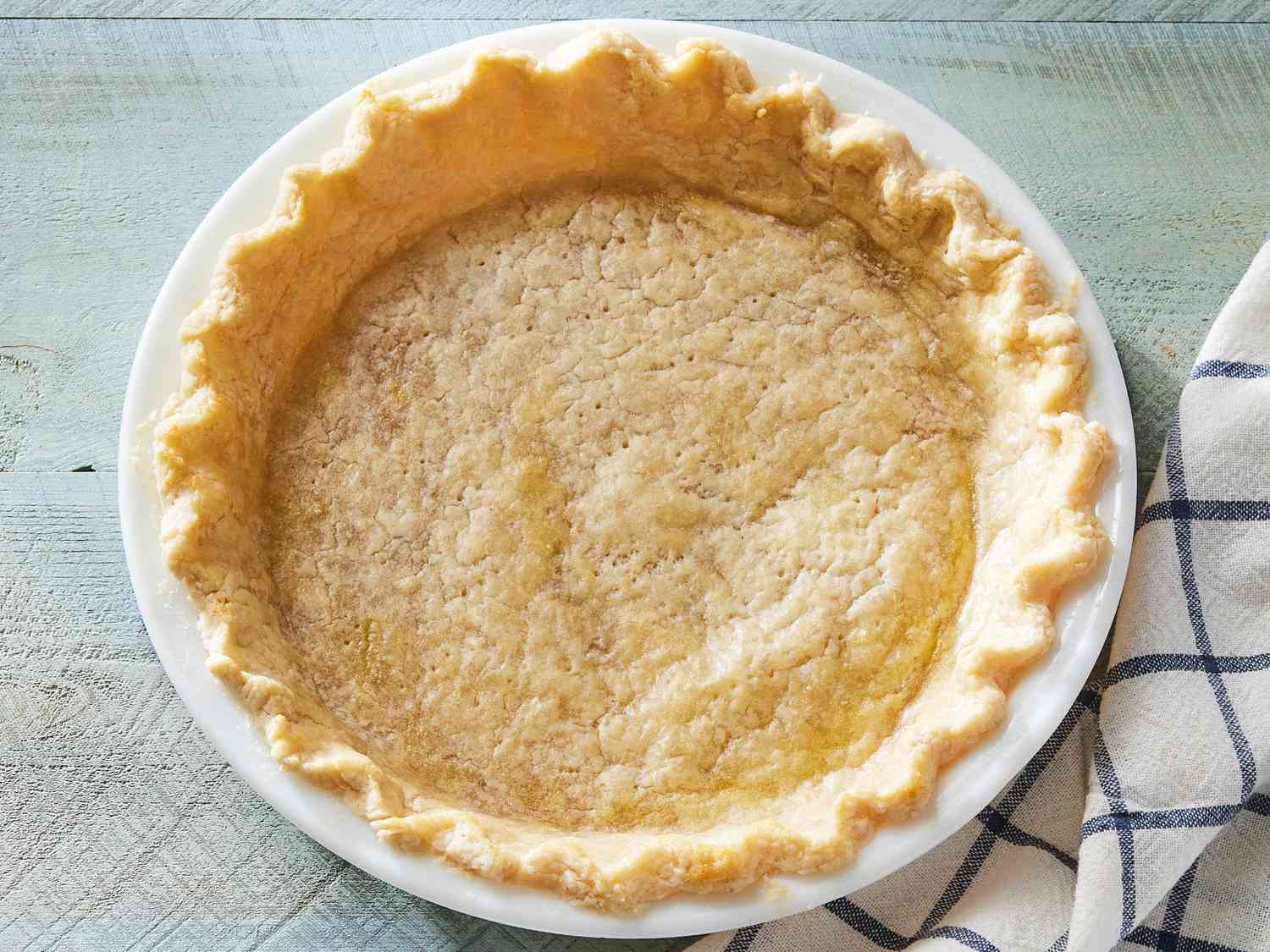
A 9-inch pie dish lined with rolled Crisco pie crust dough on a warm wood counter, with a rolling pin and a small bowl of flour nearby

If you want a pie crust that rolls like a dream and forgives a slightly chaotic kitchen, this is your crust. Crisco (aka vegetable shortening) makes dough that stays flexible longer than butter, which means fewer cracks, fewer panic patches, and a lot more confidence when you lift that circle of dough into the pan.

This recipe is my go-to when I need a dependable crust for pumpkin pie, apple, chicken pot pie, quiche, or anything that needs a clean slice and crisp edges. It is classic, simple, and built for real life. Flour on the counter, music on, taste your filling, and let the crust do its thing.
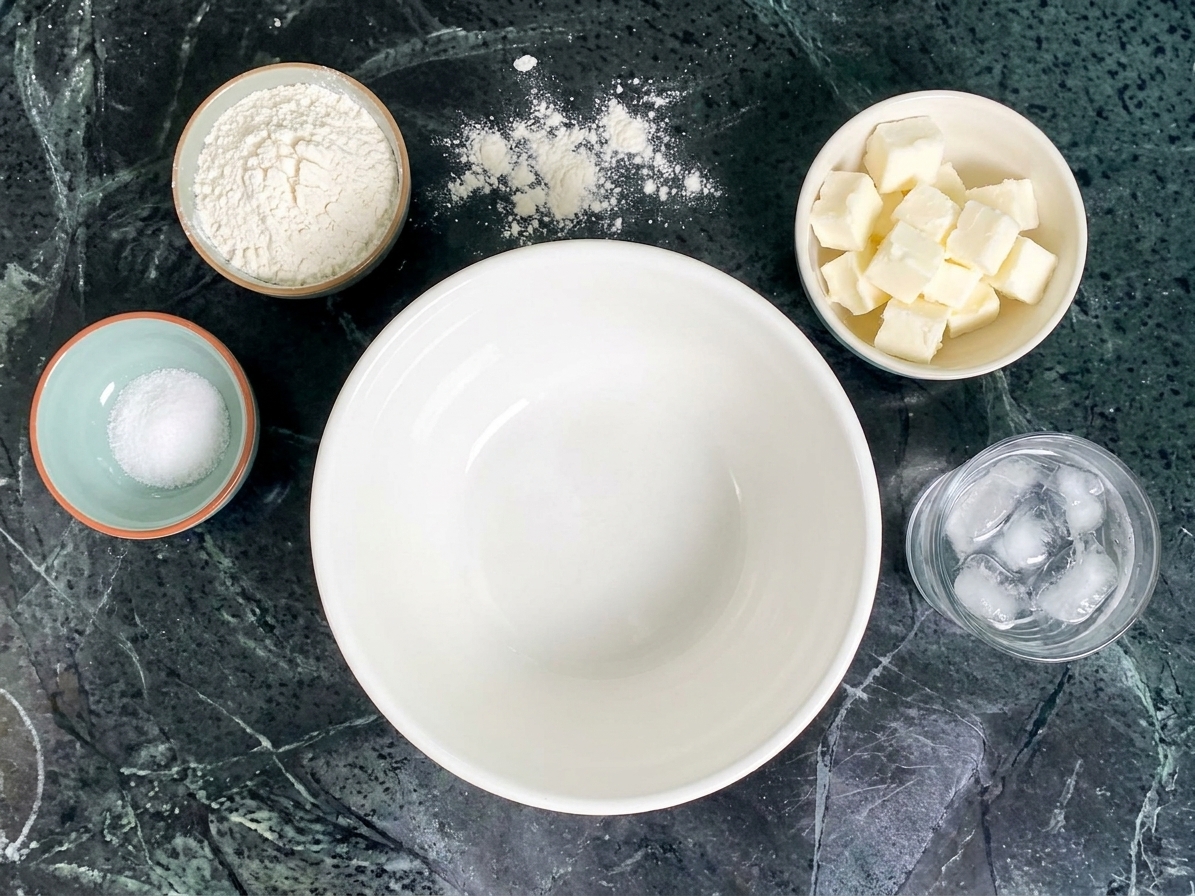
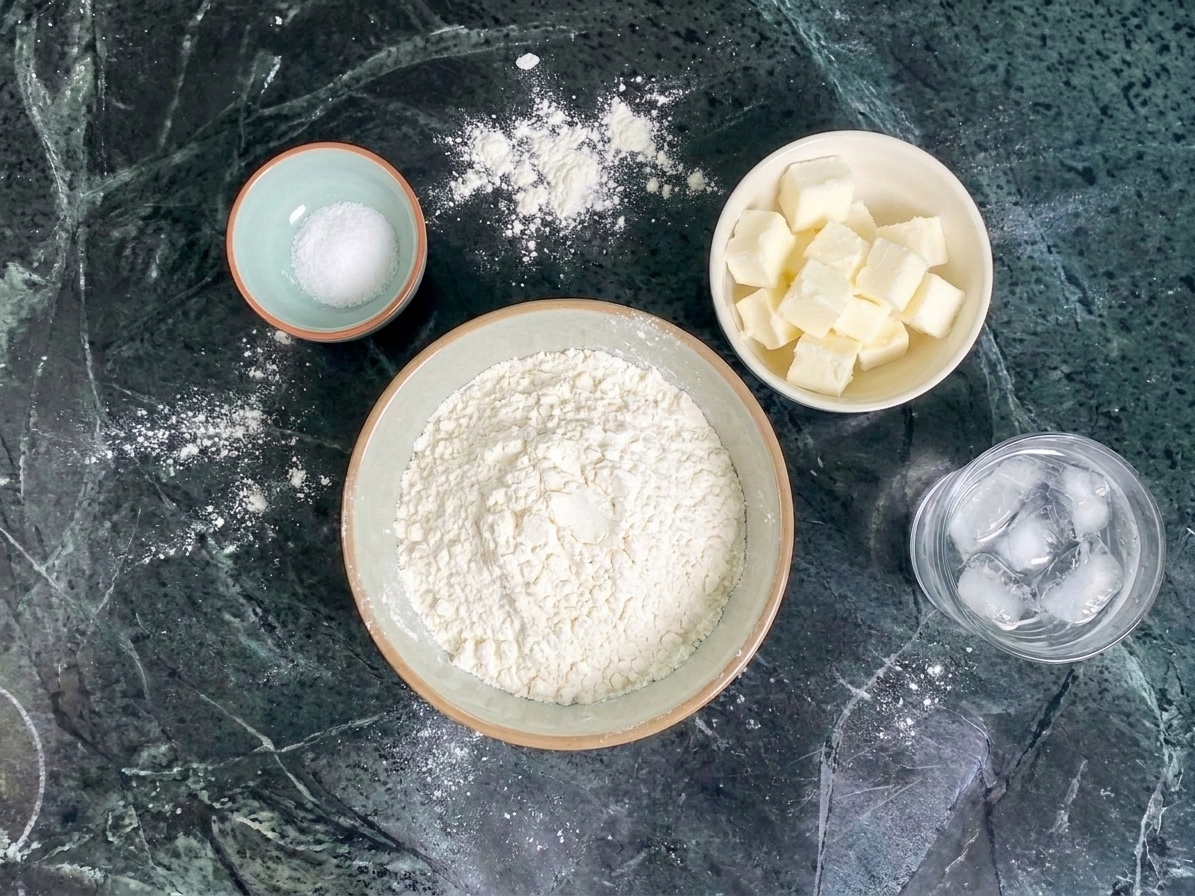
Measured flour, salt, cold vegetable shortening, ice water, and a mixing bowl arranged on a bright kitchen counter

Why It Works

  • Flaky layers without fuss: Shortening coats flour efficiently, which helps create tender, flaky structure once it hits the oven.
  • Easy to roll and transfer: This dough stays pliable, so you can roll thinner and still move it into the pan without tearing.
  • Neutral flavor that lets filling shine: Perfect for sweet pies and savory bakes. Add a touch of sugar for dessert crusts if you want a hint of sweetness.
  • Beginner-friendly timing: You can mix it quickly, chill it briefly for best results, and it is very patchable if you need to fix a crack.
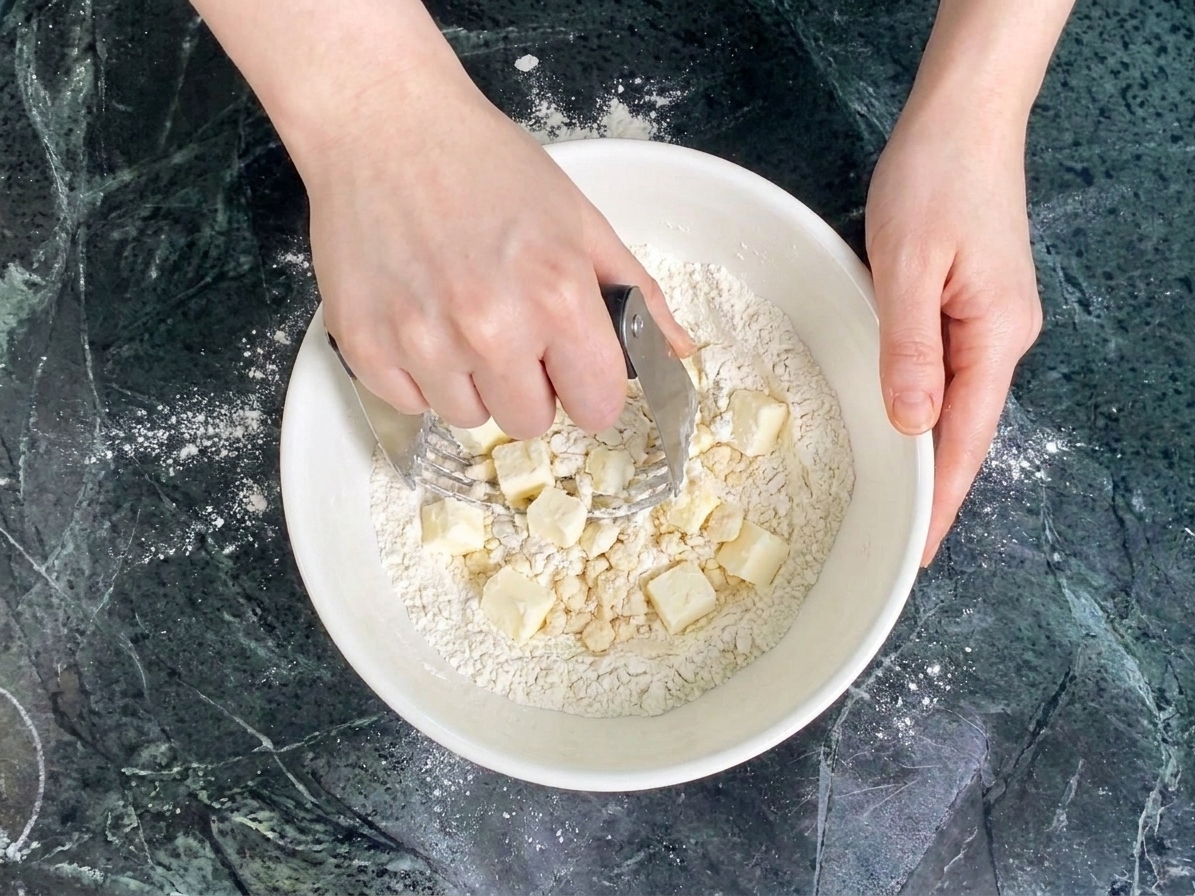
Hands using a pastry cutter to cut cold vegetable shortening into flour in a large bowl until pea-size crumbs form

Pairs Well With

Storage Tips

Make-ahead and storage

Unbaked dough

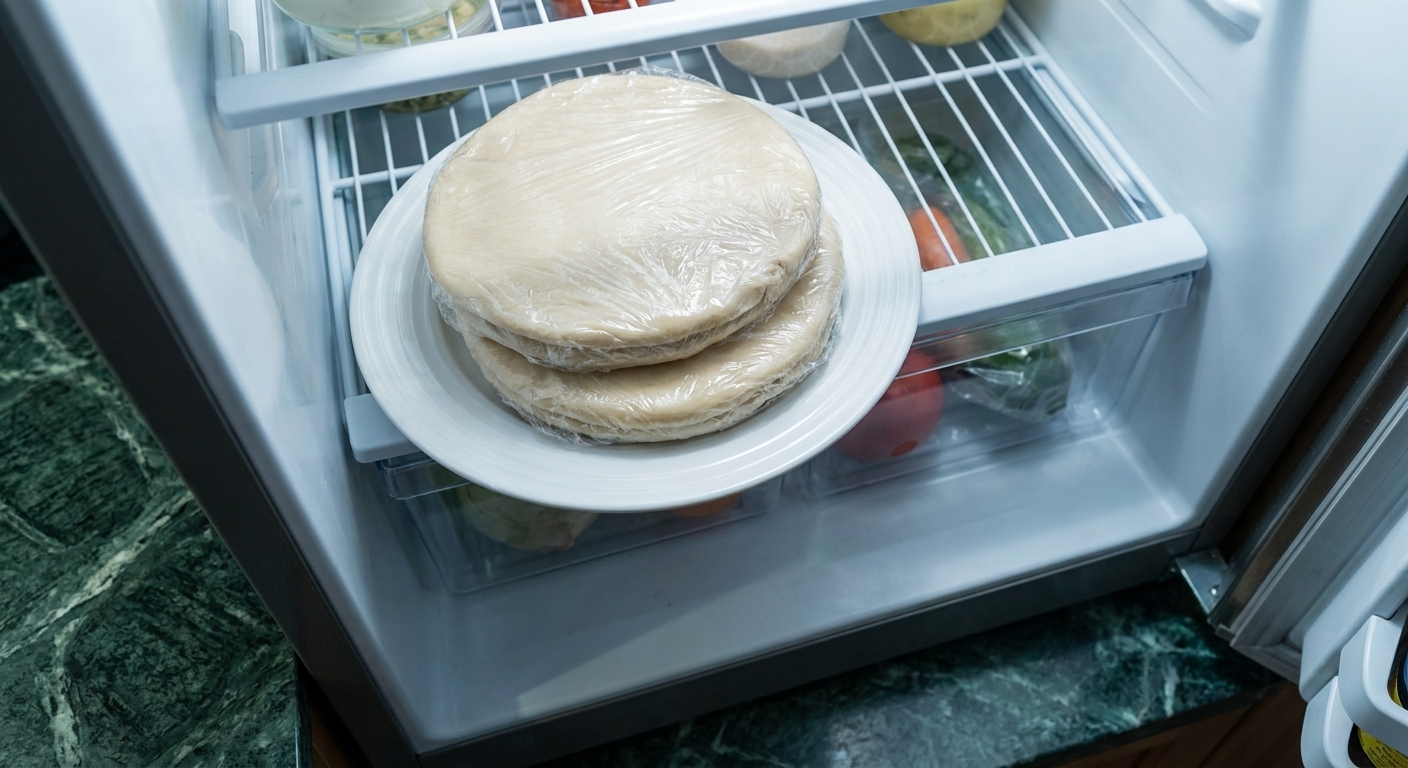
  • Refrigerator: Wrap each disc tightly in plastic wrap and refrigerate up to 3 days.
  • Freezer: Wrap, then place in a freezer bag. Freeze up to 3 months. Thaw overnight in the fridge.

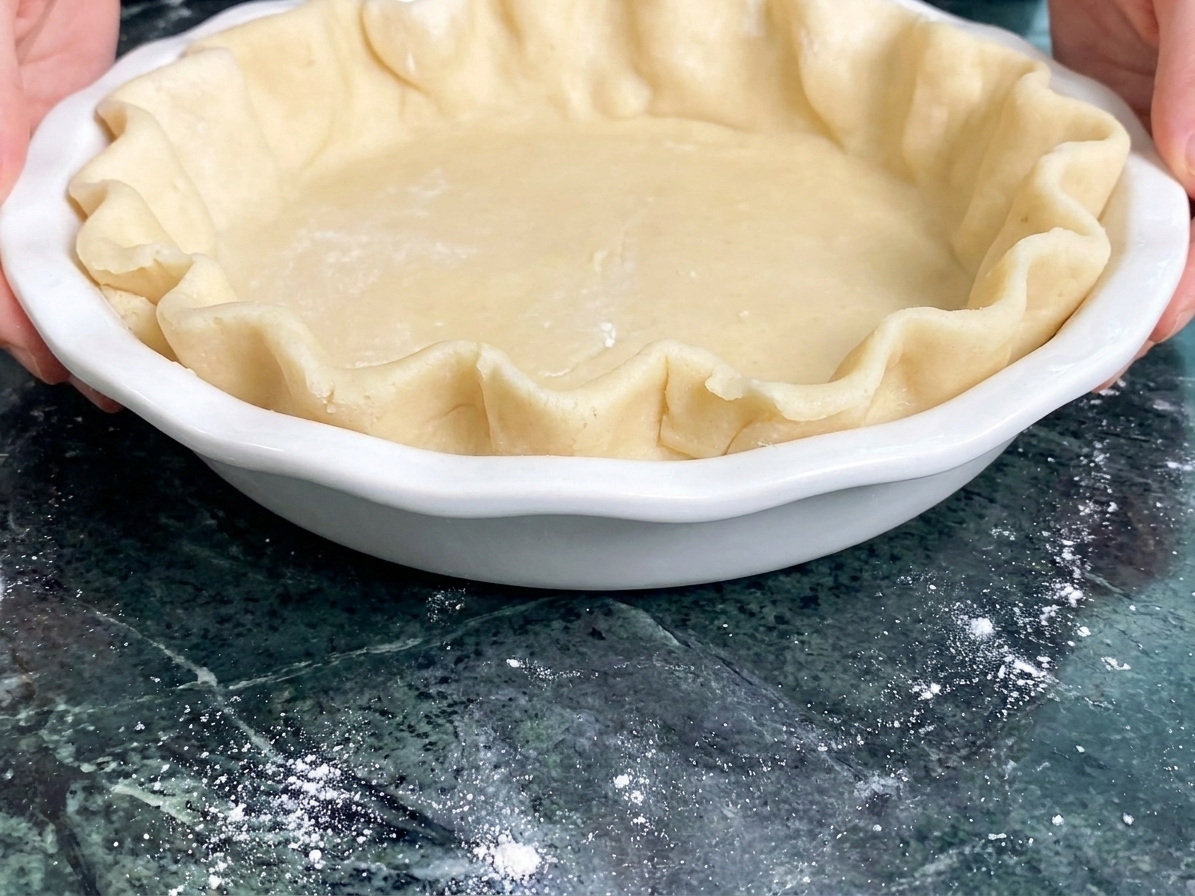
Unbaked crust in the pie dish

  • Refrigerator: Cover well and chill up to 24 hours. Great for next-day pie assembly.
  • Freezer: Freeze the lined pie dish until firm, then wrap tightly. Freeze up to 1 month. You can blind bake from frozen, just add a few minutes.

Baked pie crust (blind baked)

  • Room temp: Cool completely, then cover and store 1 day.
  • Freezer: Wrap well and freeze up to 2 months. Thaw at room temp, then crisp in a 350°F oven for 5 to 8 minutes.
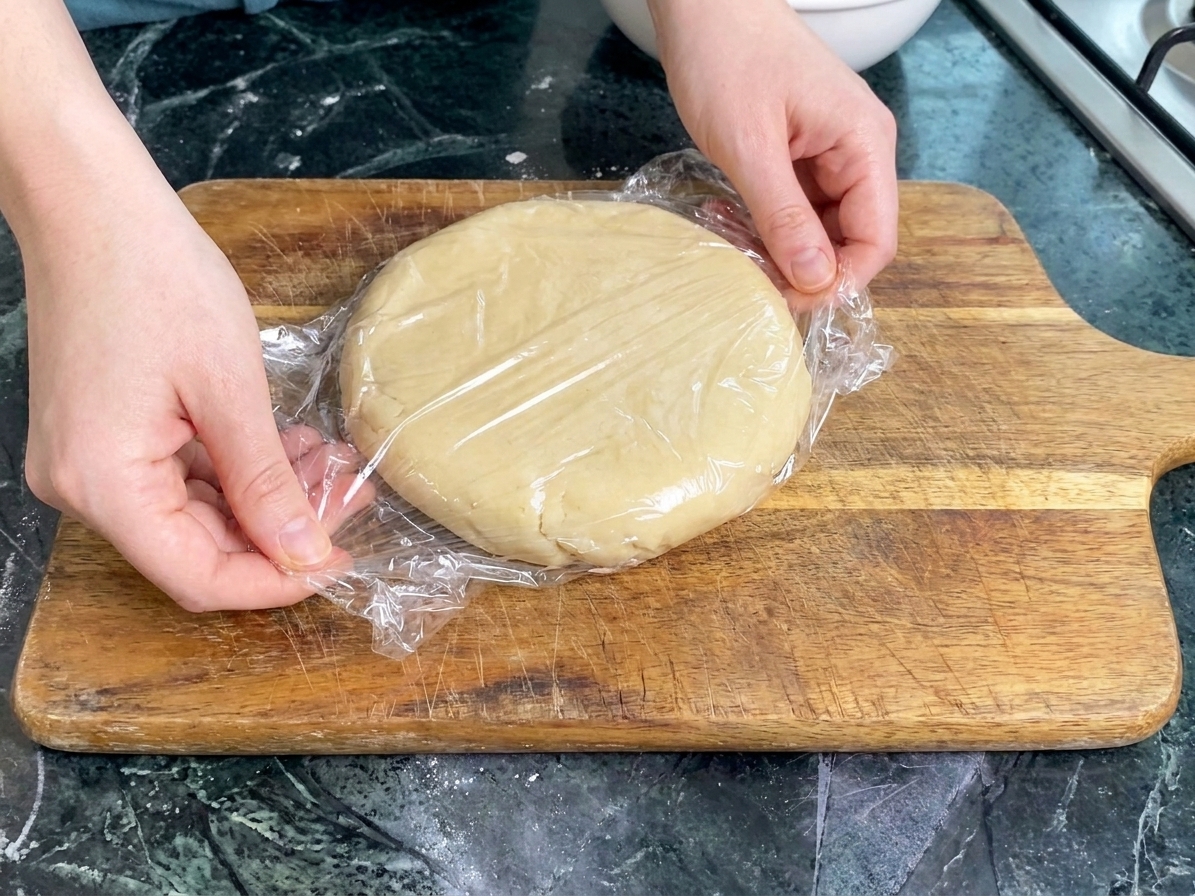
Two discs of pie dough wrapped tightly in plastic wrap on a plate in a refrigerator shelf

Common Questions

Common questions

Do I have to chill the dough?

You do not have to, but chilling for 20 to 30 minutes makes the crust flakier and helps prevent shrinkage. If your kitchen is warm or the dough feels soft, chill it.

Why is my Crisco pie crust tough?

Usually it is either too much water or too much mixing. Add ice water a tablespoon at a time, stop once the dough holds together when squeezed, and mix just until combined.

Why does my crust shrink down the sides?

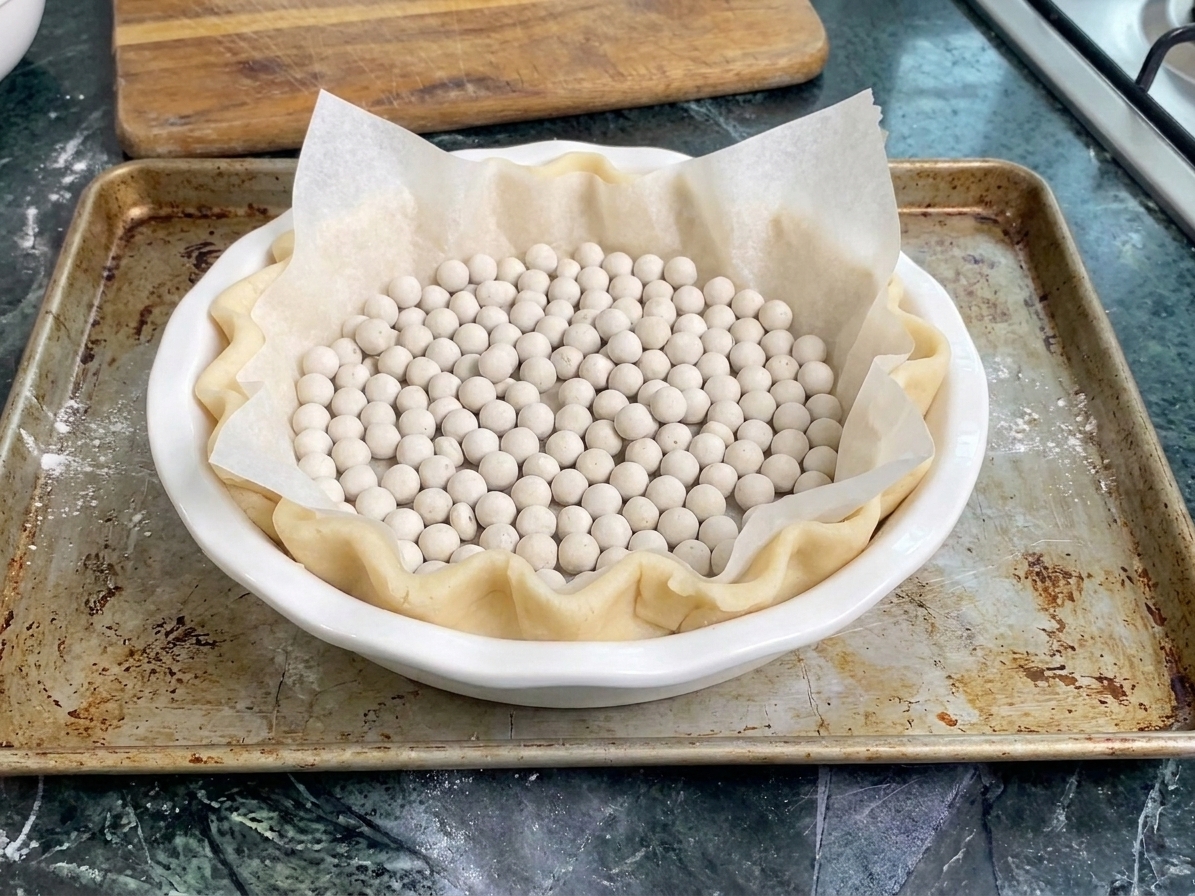
Two main culprits: the dough was stretched when you fit it into the pan, or it was not chilled before baking. Lay the dough in gently, trim, crimp, then chill. For blind baking, use pie weights all the way up the sides.

How do I fix cracks when rolling?

Patch it, no stress. Dab the crack with a tiny bit of water, lay a small piece of dough over it, and press to seal. Once it bakes, nobody is filing a complaint.

Can I use this for a savory pie?

Absolutely. Skip the optional sugar. For extra savory vibes, add 1/4 teaspoon black pepper or a pinch of dried thyme to the flour.

Can I substitute butter for Crisco?

This recipe is written for all shortening. If you want butter flavor, a common swap is half shortening and half cold butter by weight, but the dough will be a bit more delicate and may need extra chilling.

I only have kosher salt. What should I do?

This recipe uses fine salt. If you are using kosher salt, start with 1 1/2 teaspoons (and adjust to taste next time). Different brands vary, so treat it as a range.

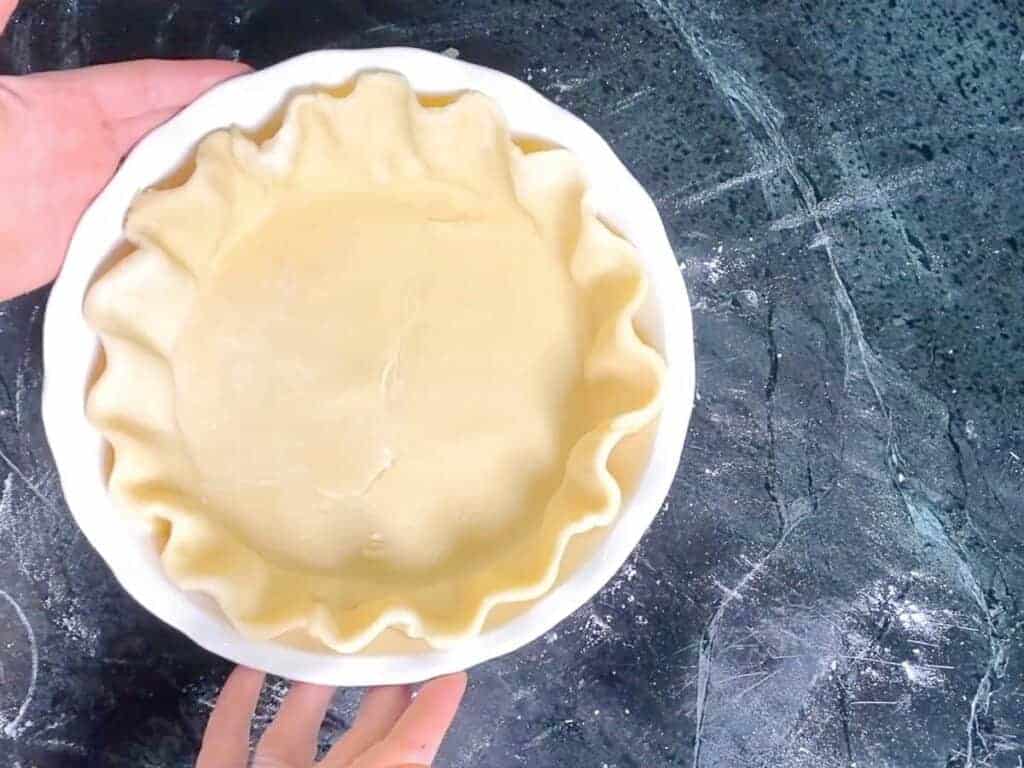
Close-up of a raw pie crust edge neatly crimped around a ceramic pie dish on a kitchen counter

I was the kid who loved the idea of pie crust but hated the drama. Butter crusts are incredible, but they can be a little high-maintenance when you are just trying to get dessert on the table without turning your kitchen into a sauna of stress. The first time I made a Crisco crust that rolled smoothly and slid into the pan without ripping, I was sold. It felt like the crust was on my team.

Now it is my reliable pick for holidays and for random Tuesdays when I want quiche and do not feel like negotiating with a crumbly dough. It is not fussy, it bakes up crisp, and it gives you that satisfying moment when the knife goes through with a clean, flaky crunch.