Mom's Best Recipes
Recipe

Crispy Skin Sockeye Salmon

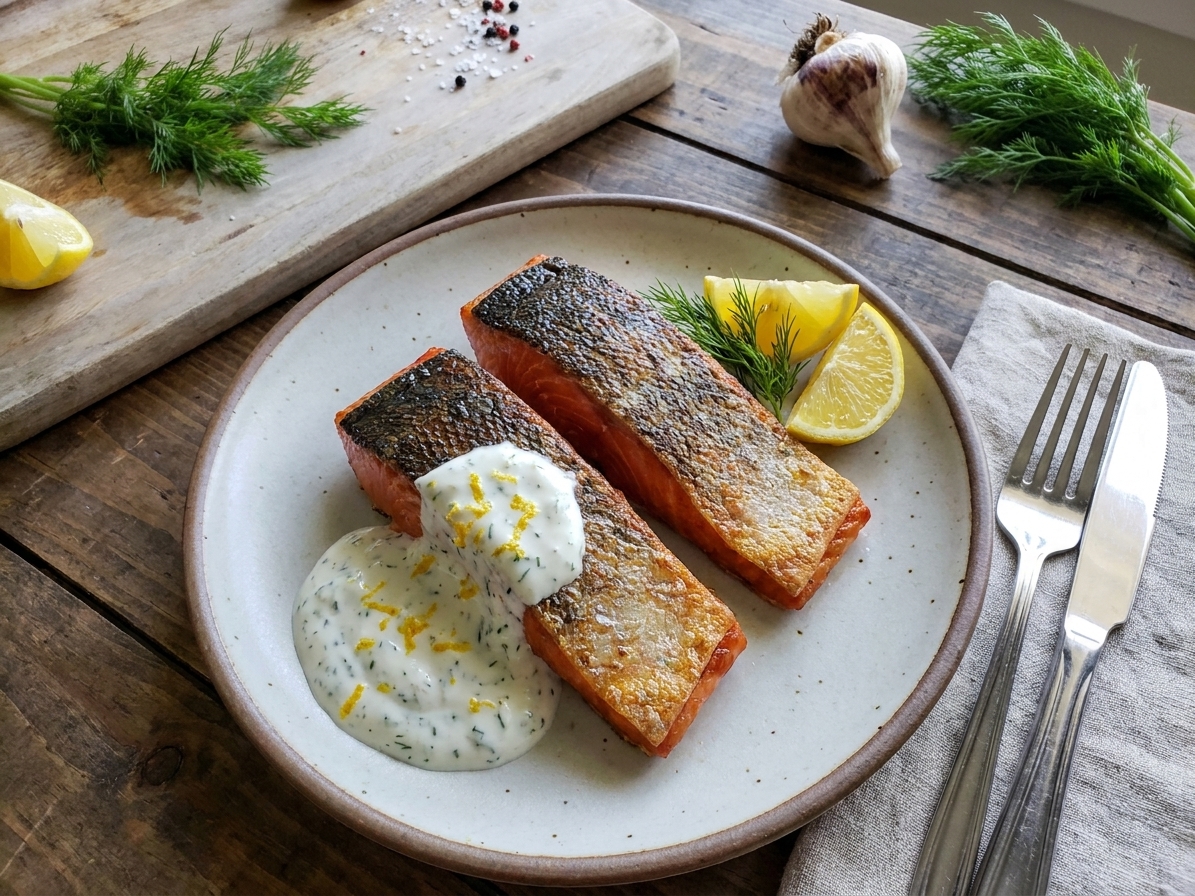
A quick skillet recipe with crisp edges, tender salmon, and a bright lemon-dill yogurt sauce.

Author By Matt Campbell
4.8
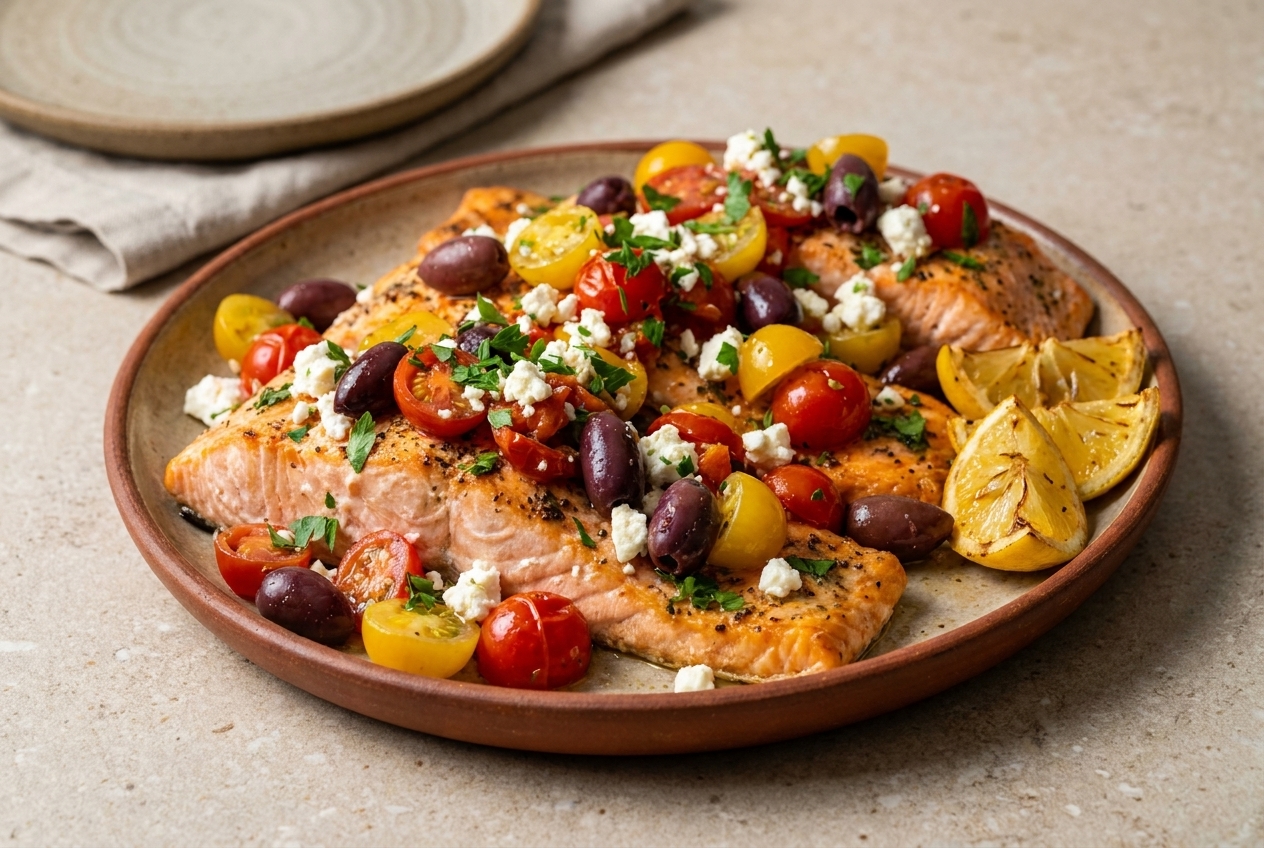
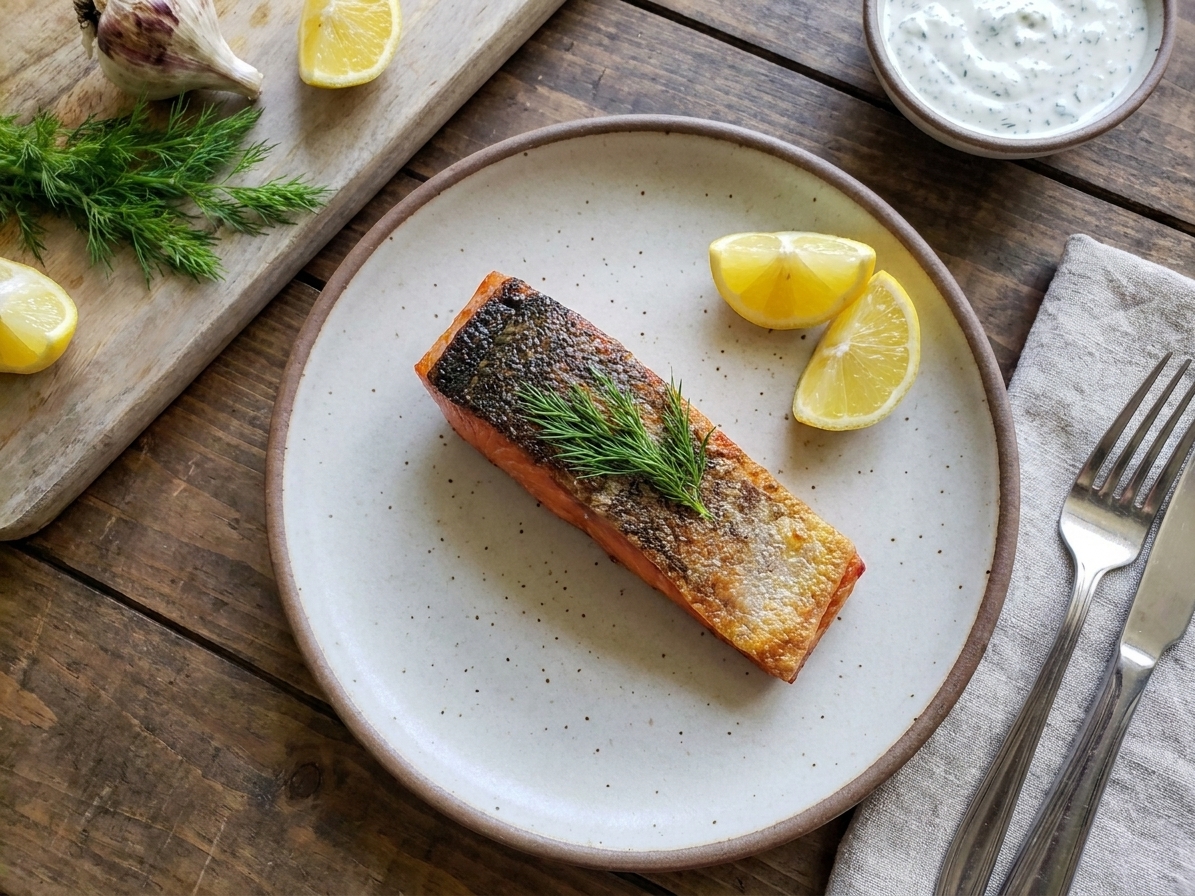
A plated crispy-skin sockeye salmon fillet topped with fresh dill and served with lemon wedges on a neutral ceramic plate at a wooden dinner table

Sockeye salmon is the friend in the seafood case who looks intense (that deep red color), but is secretly very easy to cook well if you treat it right. It is leaner than king salmon, which means it cooks fast and can go from perfect to dry in the time it takes to find your pepper grinder. So we are going to do this the low-drama way: a hot pan, a quick crisp on the skin, and a bright, cold sauce that makes the whole thing feel like you tried harder than you did.

This is my go-to when I want dinner to taste like a restaurant but still happen on a Tuesday. Crisp skin for texture, lemon for lift, dill because it is basically salmon’s best friend, and Greek yogurt to keep things creamy without feeling heavy. You can serve it with rice, potatoes, salad, or just stand at the counter and “taste test” until it mysteriously disappears. No judgment.
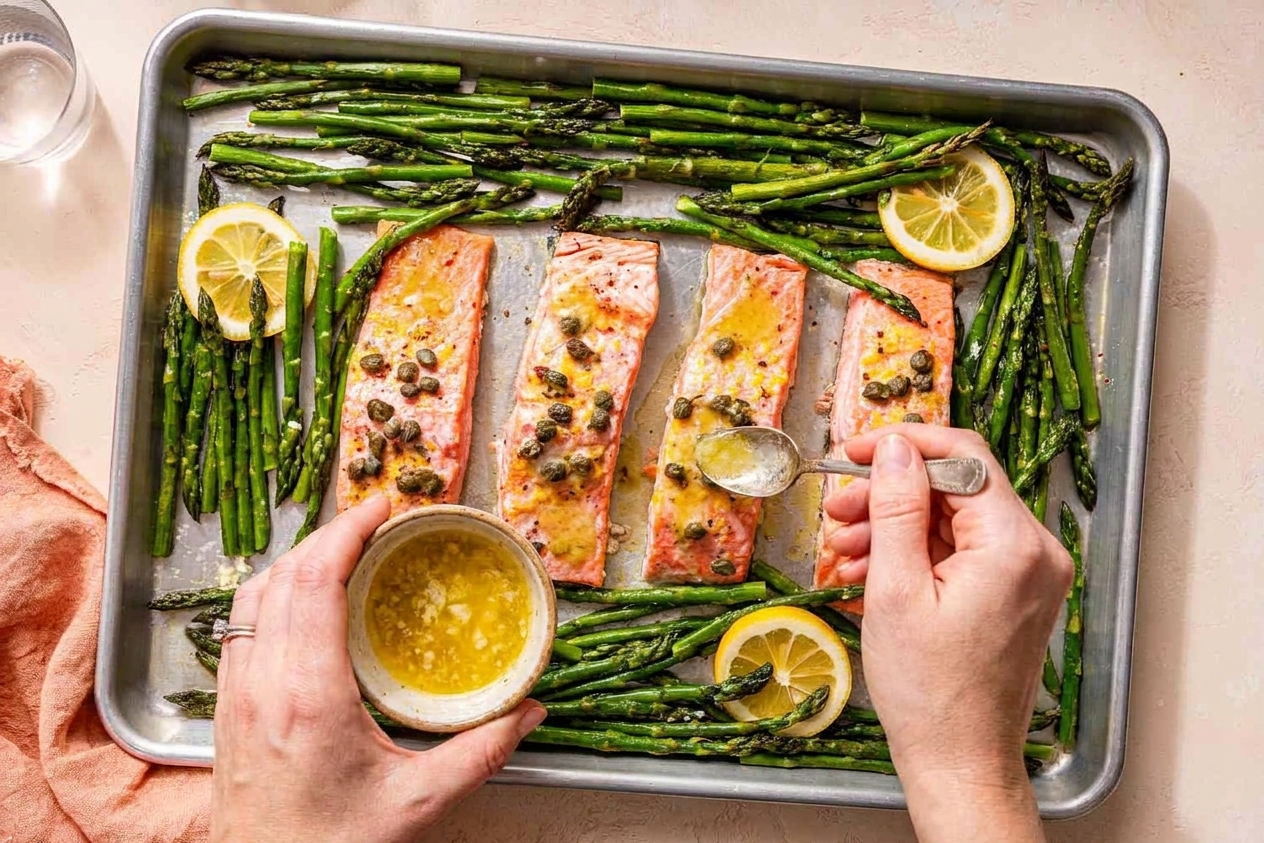
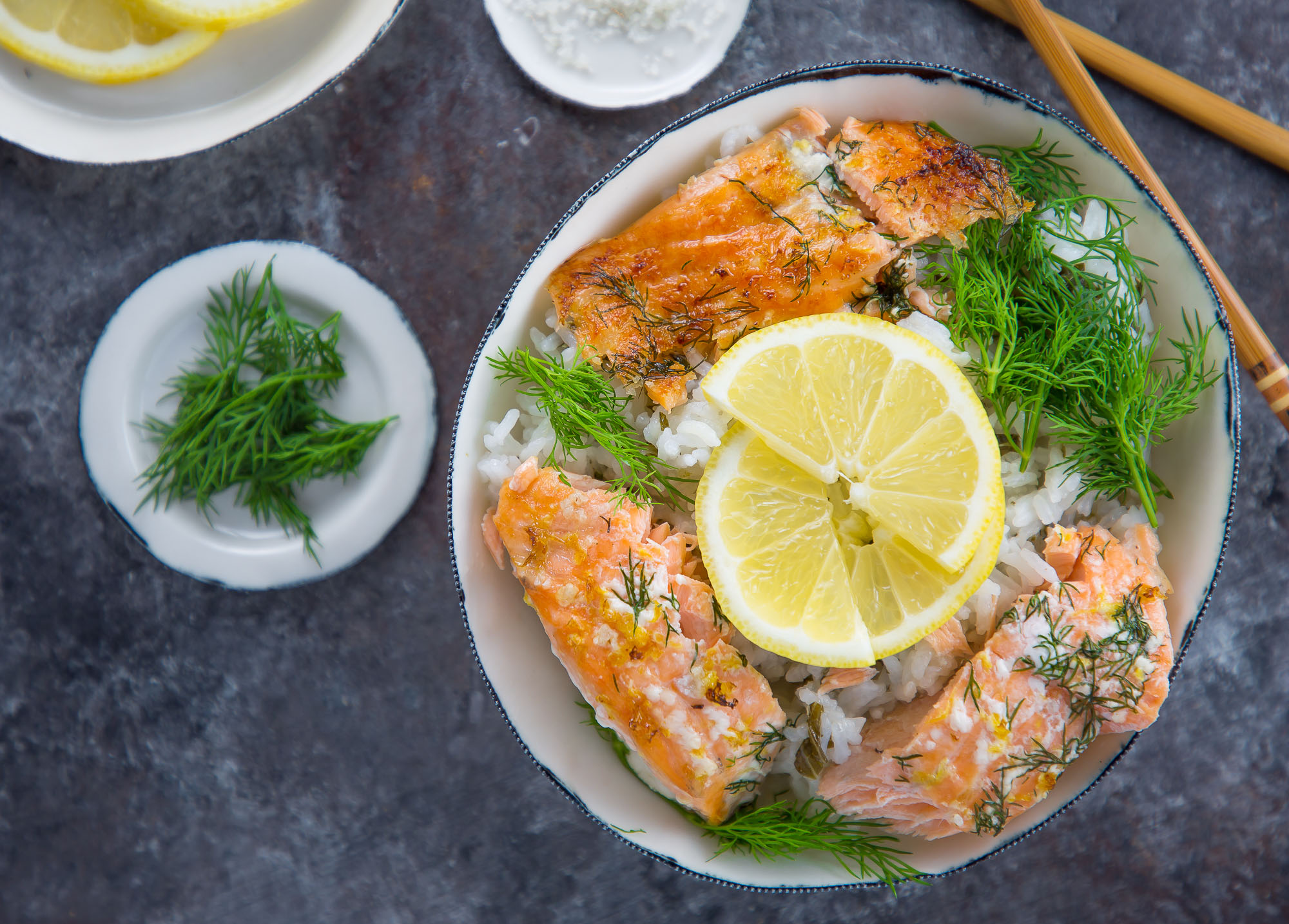
Why It Works

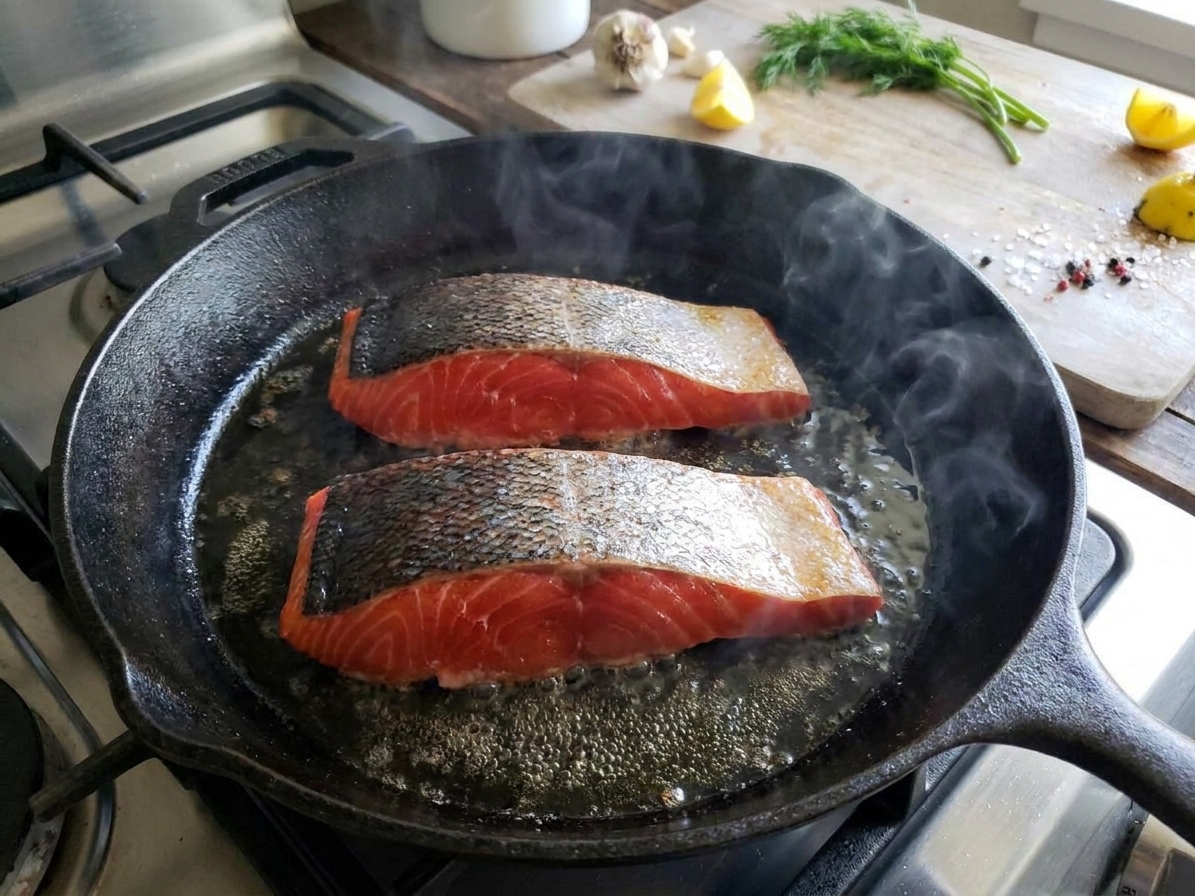
  • Crispy skin without sticking: We start skin-side down in a properly heated skillet and let the salmon release naturally.
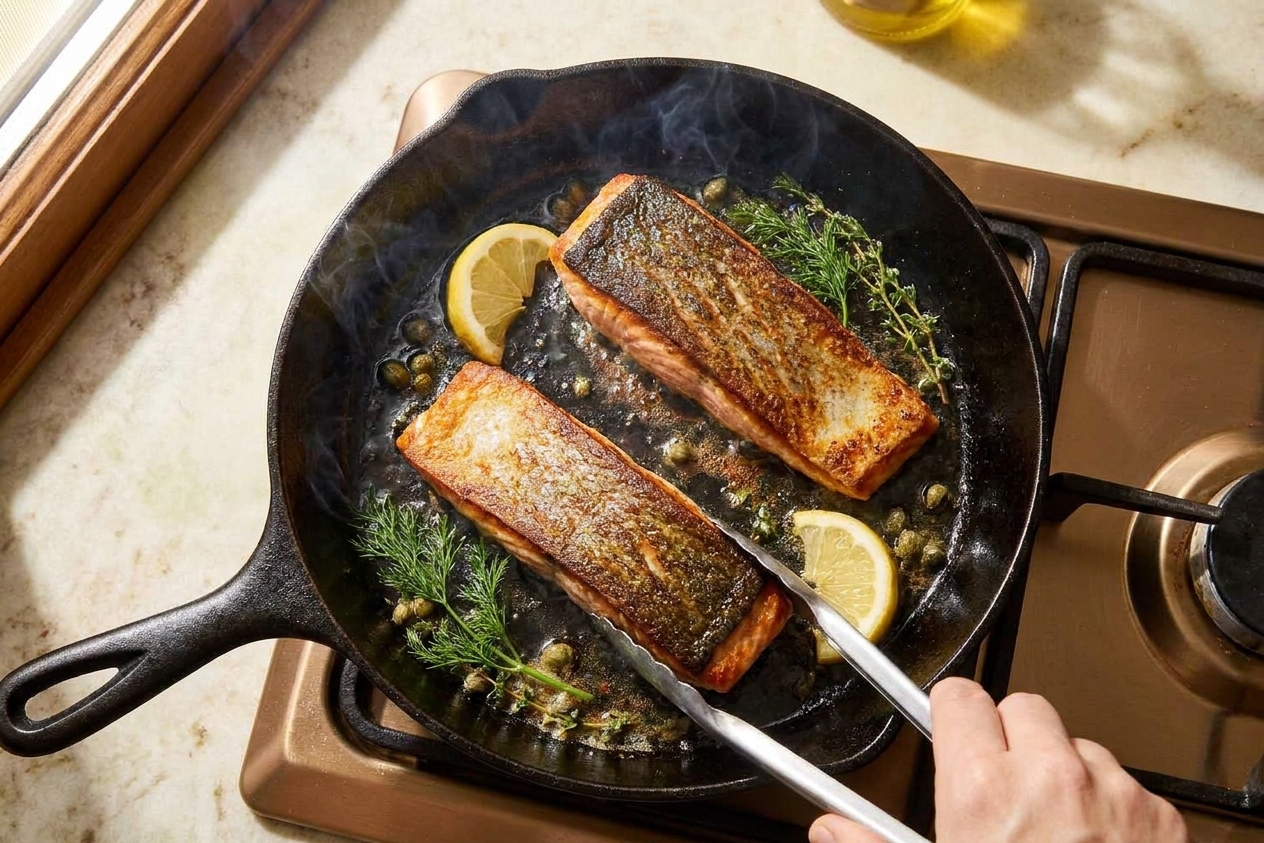
  • Juicy, not dry: Sockeye is lean, so we keep the cook time short and finish with a gentle flip.
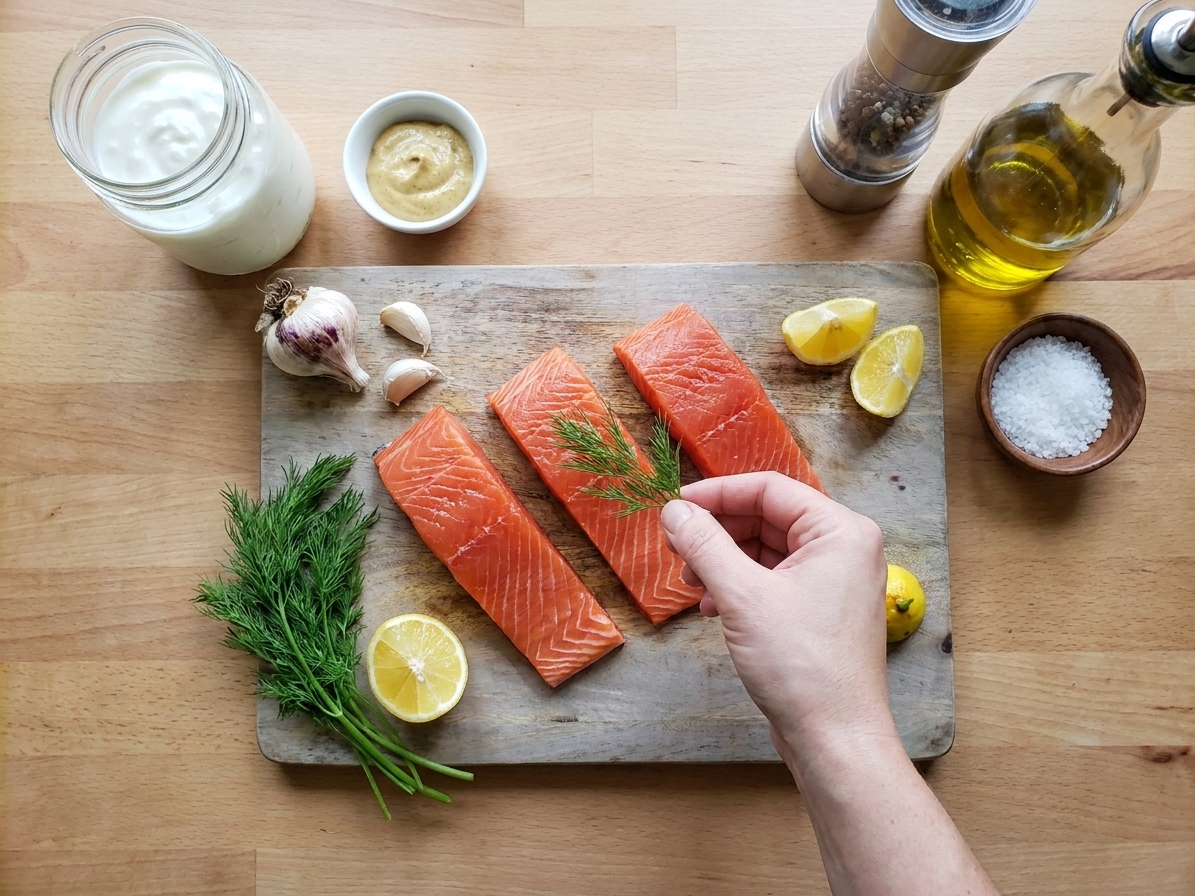
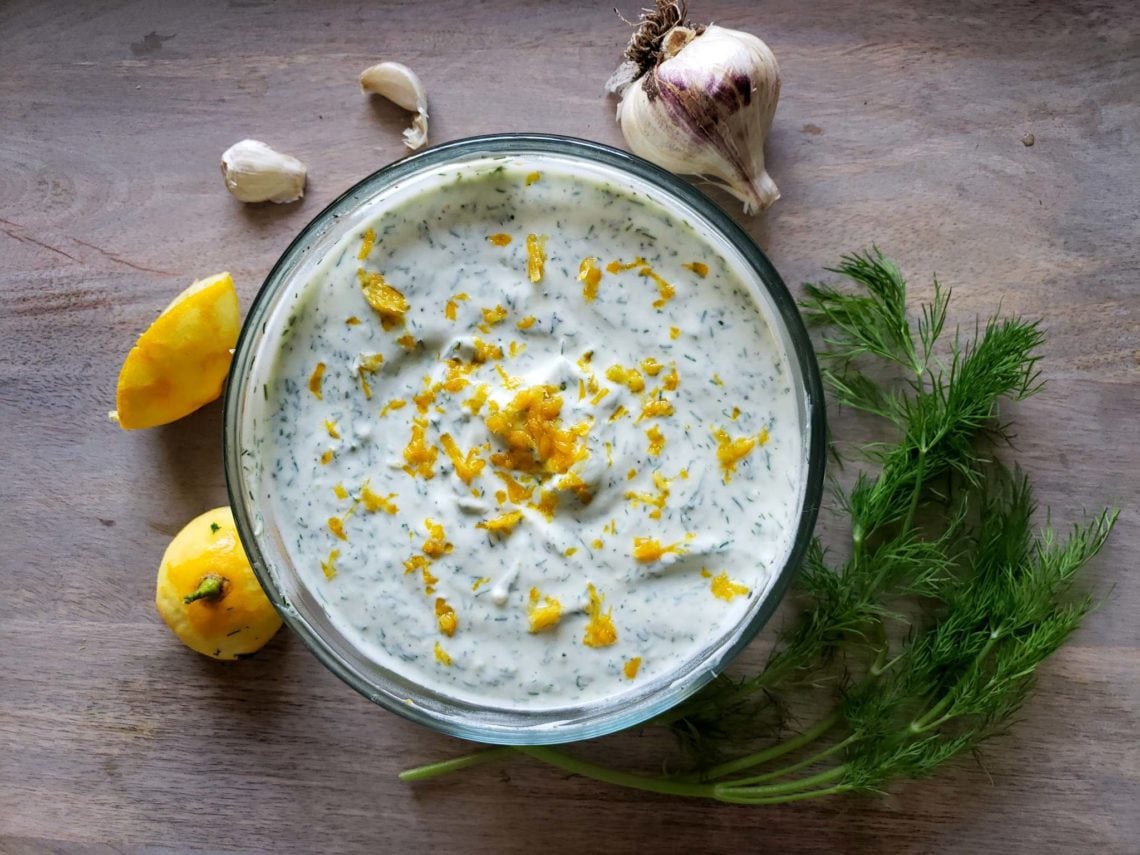
  • Big flavor, small ingredient list: Lemon zest, dill, garlic, and a little Dijon turn yogurt into a sauce you will want on everything.
  • Weeknight flexible: Works with fillets or a larger side portioned into pieces, and pairs with basically any “what do I have” carb.

Pairs Well With

Storage Tips

Refrigerate: Store leftover salmon in an airtight container for up to 2 days. Keep the sauce separate if you can.

Reheat (best option): Warm salmon gently in a skillet over low heat with a tiny splash of water, covered, 2 to 4 minutes. This keeps it from drying out.

Oven reheat: 275°F for 8 to 12 minutes on a sheet pan until just warm. Sockeye dries out fast, so stop early.

Cold leftover move: Flake it into a salad or grain bowl and spoon that lemon-dill yogurt over top. Honestly, this might be better than reheating.

Common Questions

Is sockeye salmon supposed to be “fishier”?

Sockeye has a stronger salmon flavor than milder varieties, but it should not taste overly fishy. If it smells sharp or ammonia-like, skip it. Fresh sockeye smells clean and ocean-y, not aggressive.

Do I need to remove the skin?

Nope. The skin is your built-in nonstick layer and your crisp factor. If you do not like eating it, still cook with it on, then slide the salmon off after cooking. You get the benefits without committing.

How do I know when sockeye is done?

Look for the flesh to turn opaque and flake easily with gentle pressure. For a foolproof check, aim for 125°F to 130°F in the thickest part for moist salmon, or up to 135°F if you like it more done. It will carry over a bit after the heat.

Food safety note: The FDA recommends fish reach an internal temperature of 145°F. If you are pregnant, immunocompromised, serving young kids, or just prefer it fully done, cook it to 145°F and expect a firmer, less juicy result.

Can I use frozen sockeye?

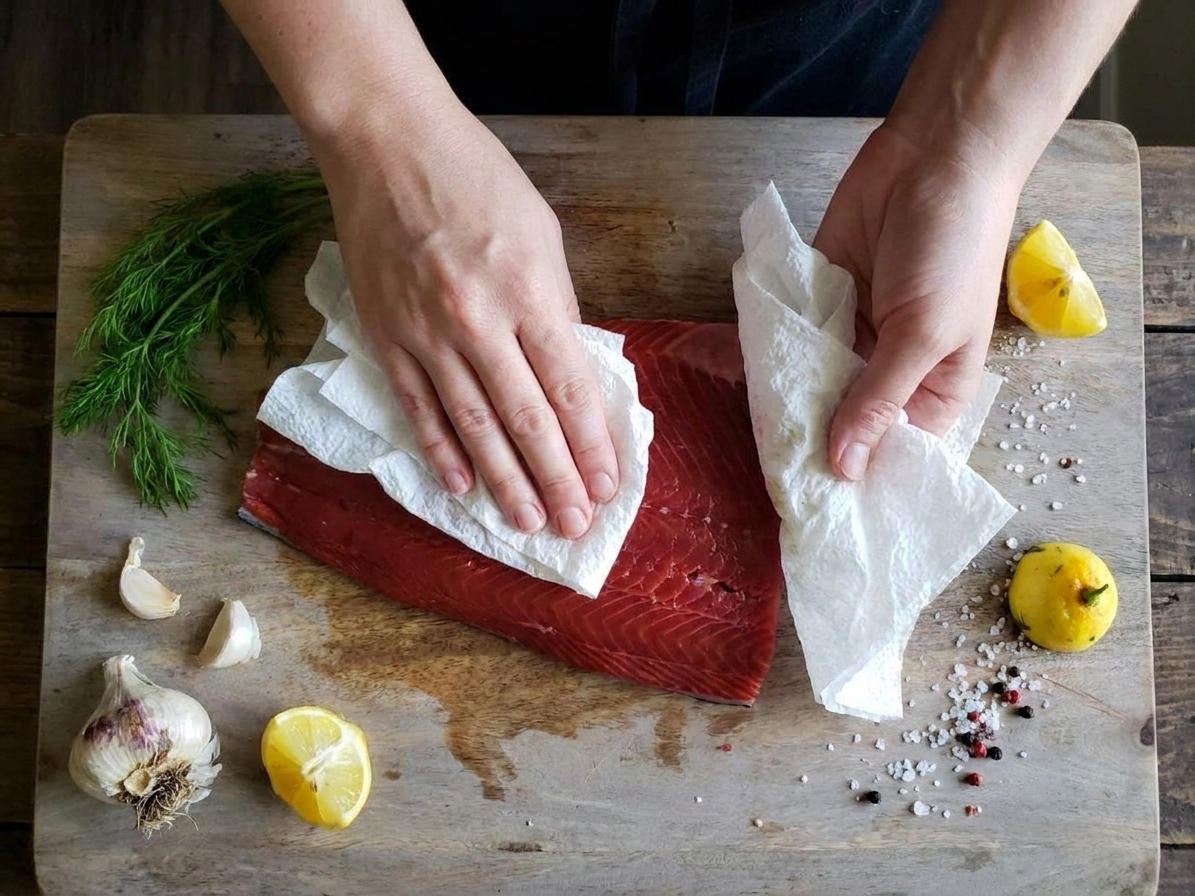
Yes. Thaw overnight in the fridge, then pat very dry. Water is the enemy of crisp skin.

What if I only have skinless fillets?

Still good. Sear the presentation side first for color, then flip and finish quickly. Keep the heat a touch lower since you do not have that skin buffer.

The first time I cooked sockeye at home, I treated it like a thicker, fattier salmon and basically speed-ran it into dryness. Still edible, but it had that “I swear it was juicy a second ago” vibe. Now I cook it like it wants to be cooked: hot pan, quick timing, and a sauce that shows up with personality. This lemon-dill yogurt is my safety net and my flex. If you have ever been nervous about salmon, this is the one that makes you feel like you have it handled.