Mom's Best Recipes
Recipe

Double-Crust Apple Pie

A reliable, flaky double-crust apple pie with a warmly spiced filling that sets up nicely and tastes like the cozy classic you want.

Author By Matt Campbell
4.8
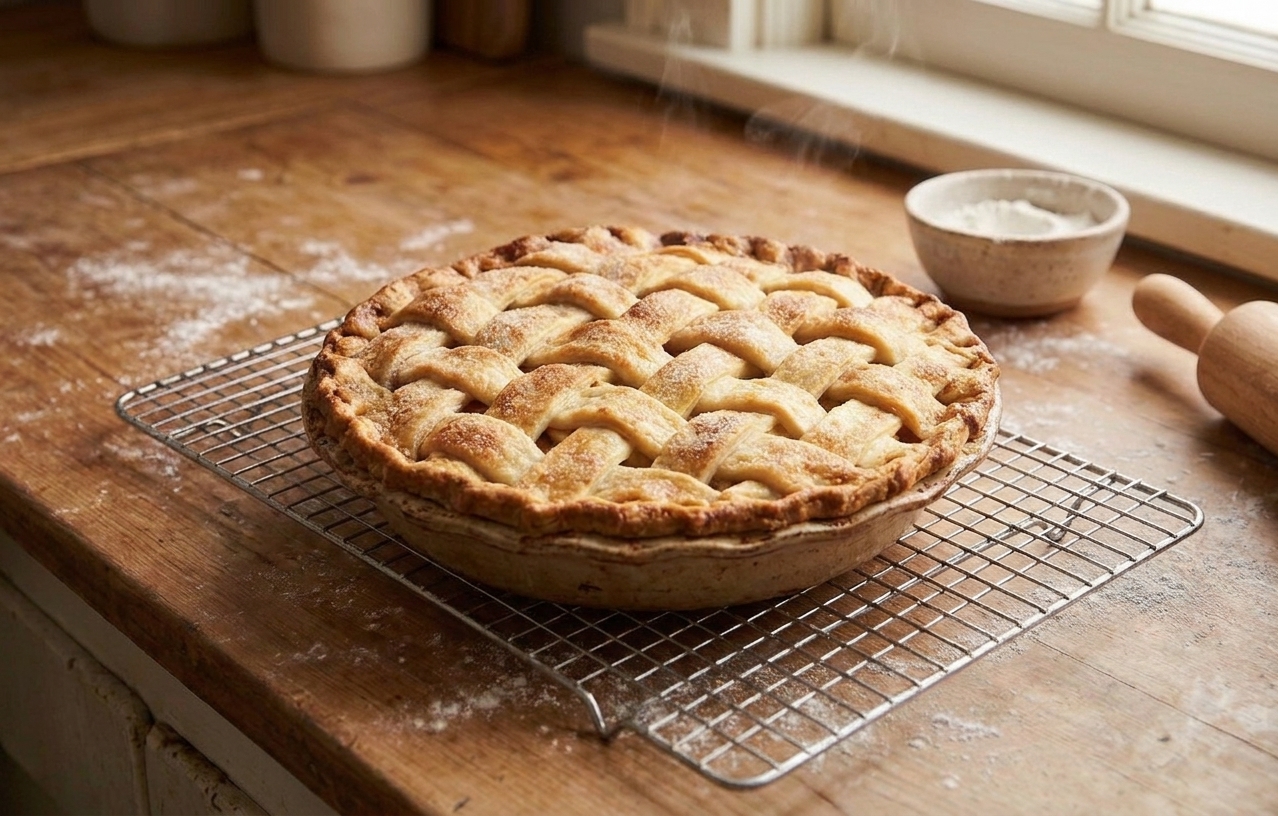
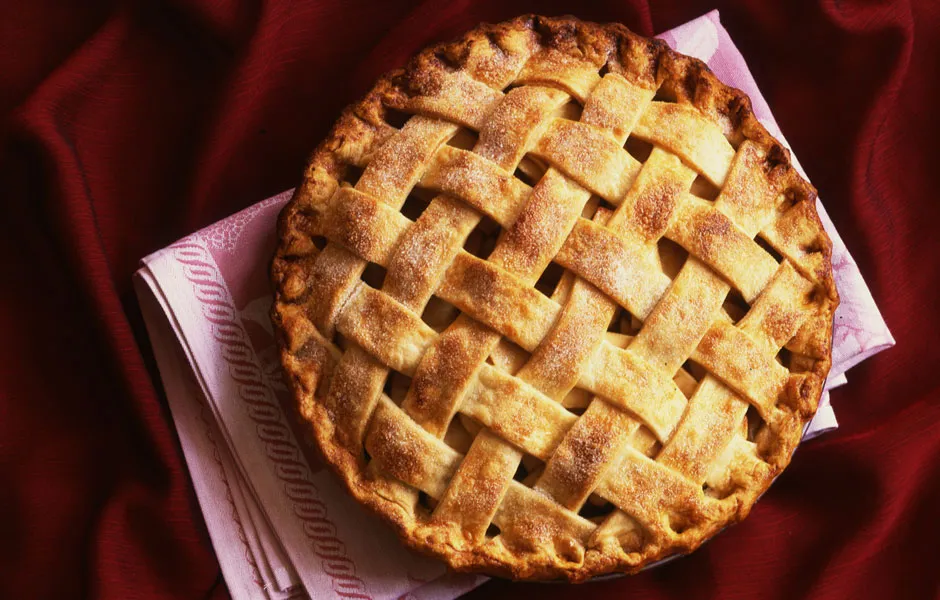
A golden-brown double-crust apple pie cooling on a wooden counter with visible flaky layers and a lightly sugared top crust

Some desserts are flashy. Apple pie isn't trying to be one of them. It's trying to be exactly what you want: buttery crust that shatters a little at the edges, apples that are tender but not baby food, and a cinnamon-scented filling that doesn't flood the plate the second you cut a slice.

This is my go-to double-crust apple pie, built for real life. The ingredient list is approachable, the steps are clear, and the results are big time cozy. If your crust confidence is shaky, don't worry. We're going to keep it calm, keep it cold, and keep tasting as we go.
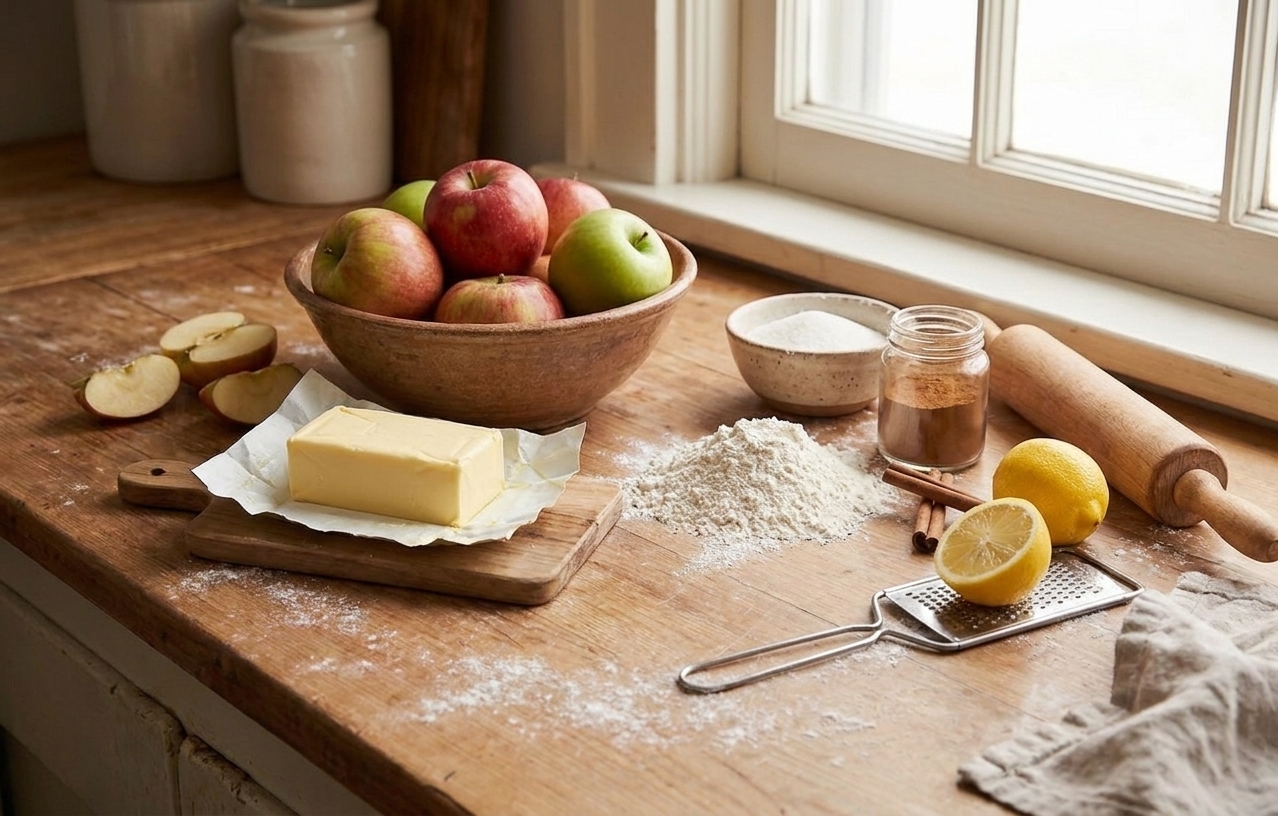
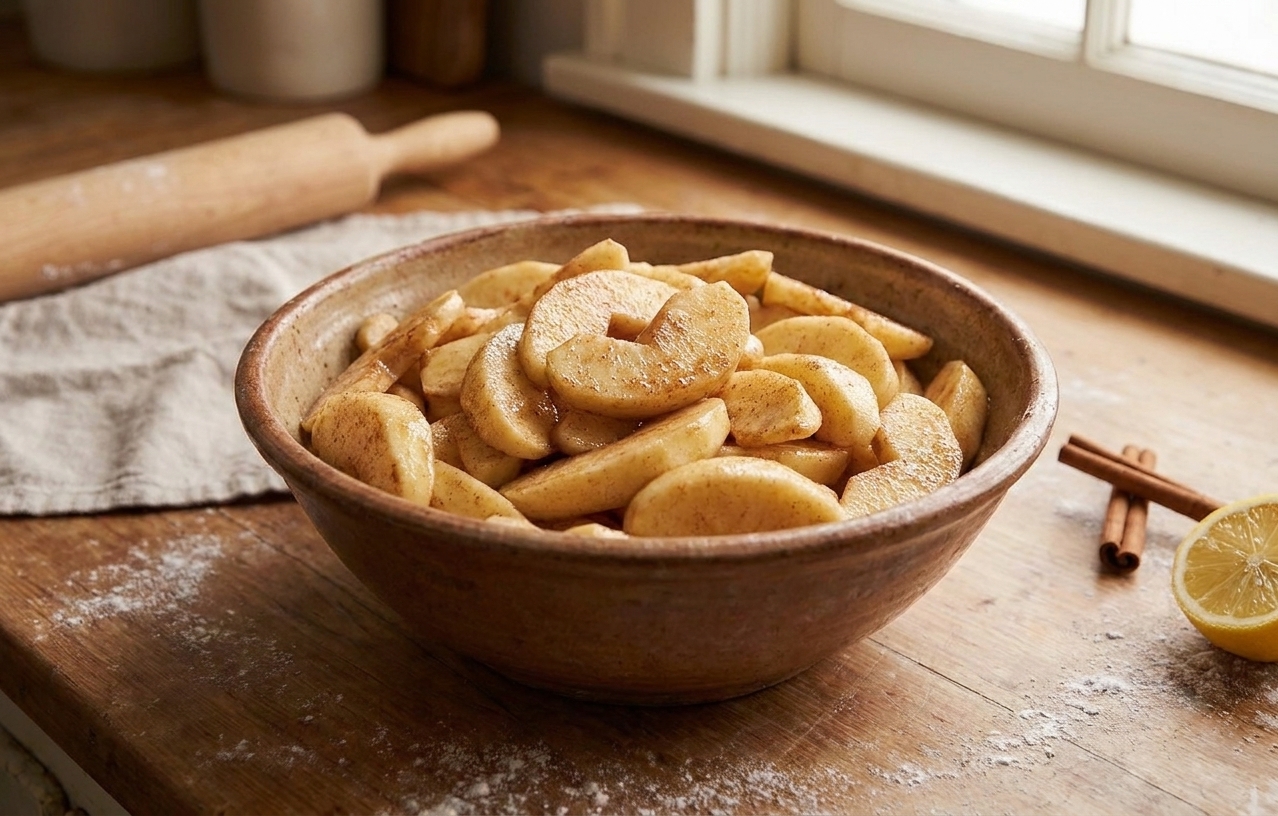
Butter, flour, sugar, apples, cinnamon, lemon, and a rolling pin arranged on a bright kitchen counter for apple pie prep

Why It Works

  • Flaky, tender crust: Cold butter plus a quick mix means crisp layers and fewer tough spots.
  • Filling that holds: A smart combo of sugar, lemon, and starch thickens the juices so slices stay neat.
  • Big apple flavor: Using a mix of apples gives you the best of both worlds: structure and sweetness.
  • Better browning: Egg wash and a sprinkle of sugar make that glossy, golden top happen on purpose.
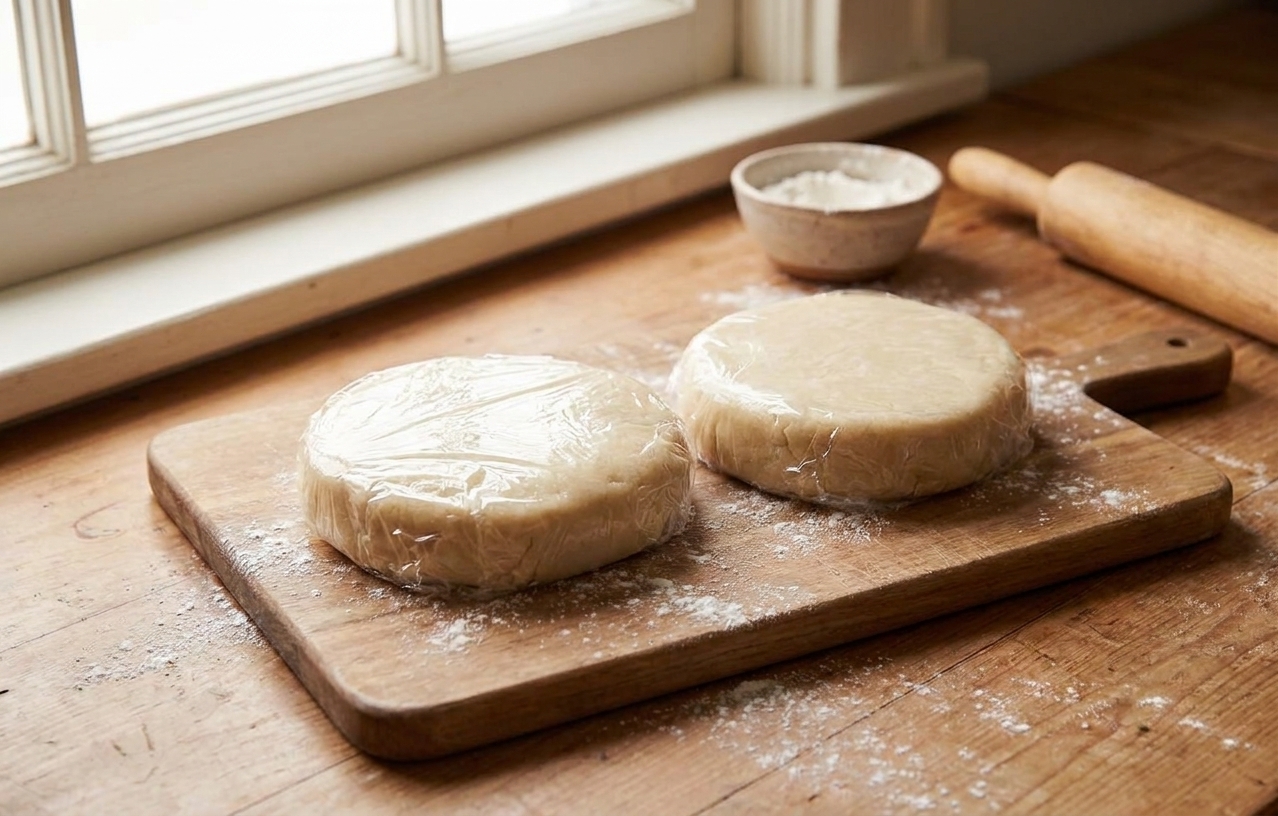
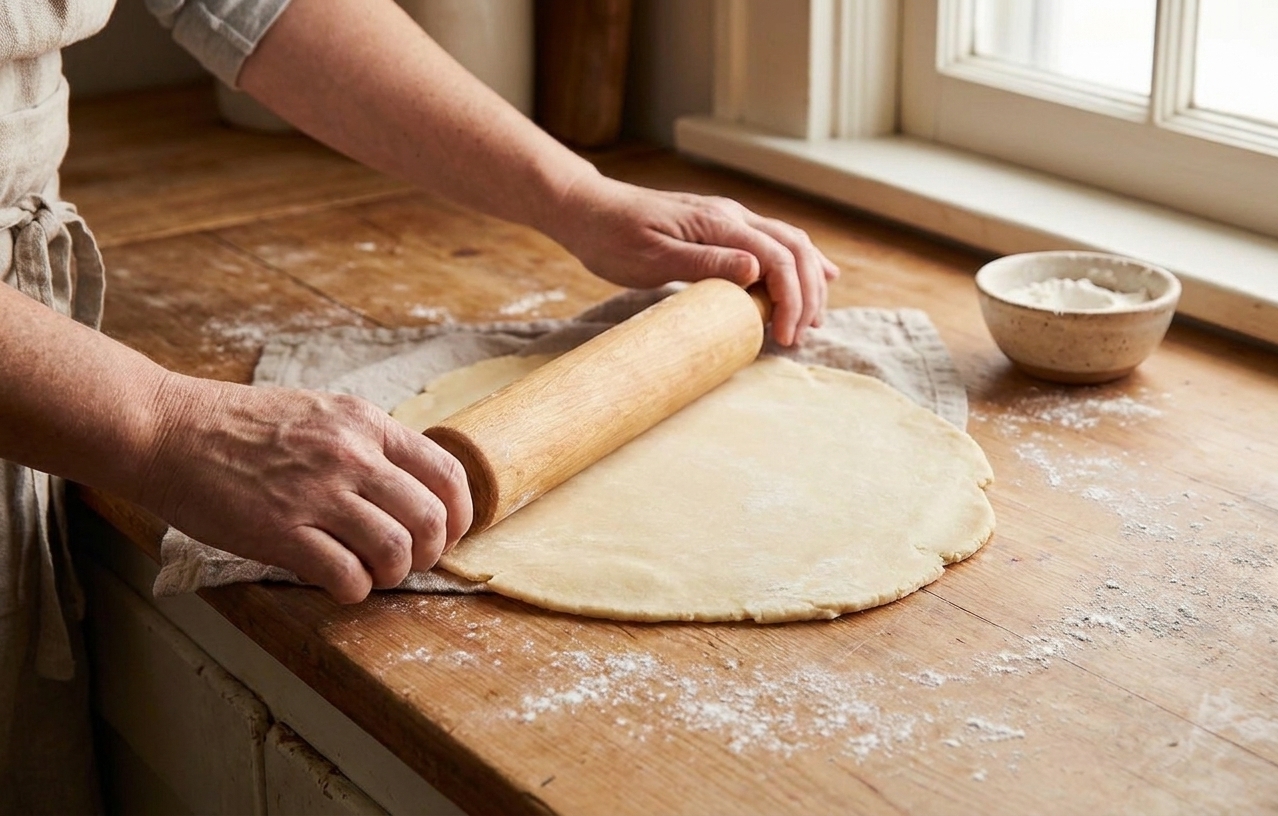
Hands rolling out pale pie dough on a lightly floured countertop with a wooden rolling pin

Pairs Well With

Storage Tips

Room temperature: If you plan to finish the pie within 1 to 2 days, cover it loosely with foil or a pie dome and keep it on the counter. If your kitchen runs warm, or you want to play it extra safe, refrigerate after day 1.

Refrigerator: For longer storage, refrigerate up to 4 days. The crust softens a bit, but a quick reheat brings back some crisp.

Freezer: Freeze baked pie, wrapped well, for up to 3 months. Thaw overnight in the fridge.

How to reheat for crisp crust

  • Slice: 350°F for 10 to 15 minutes on a sheet pan.
  • Whole pie: 350°F for 20 to 30 minutes, tenting with foil if the top is getting too dark.
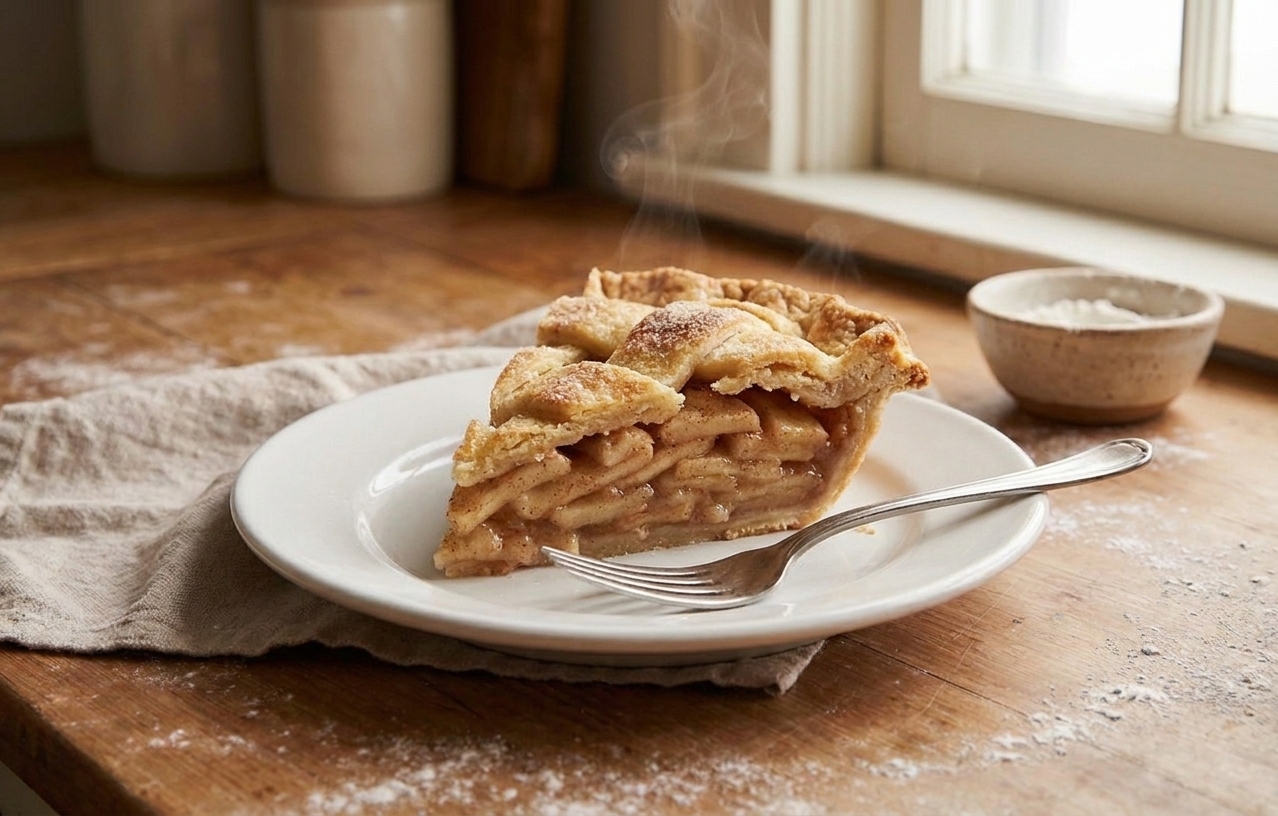
A warm slice of double-crust apple pie on a white plate with a fork, showing tender apple layers and flaky crust

Common Questions

What apples are best for double crust apple pie?

I like a mix: something sturdy and tart plus something sweeter. Try Granny Smith with Honeycrisp, Pink Lady, or Braeburn. Using only very soft apples can turn the filling mushy.

How do I keep the bottom crust from getting soggy?

  • Make sure your oven is fully preheated.
  • Bake on the lower third of the oven so the bottom gets more heat.
  • Use enough thickener and let the pie cool fully before slicing.

Do I need to pre-cook the apple filling?

Not for this recipe. We slice the apples thin enough to cook through in the oven. If you want extra insurance against a gap under the top crust, you can briefly macerate the apples with sugar and then drain some liquid, but it's optional.

Why did my pie filling turn watery?

Usually one of three things: not enough thickener, apples that release a lot of juice, or slicing before the pie cooled. Letting the pie cool for at least 3 hours makes a huge difference.

Can I make this pie ahead?

Yes. You can make and chill the dough up to 3 days ahead, or assemble the whole pie and refrigerate it (unbaked) for up to 24 hours. Bake from cold, and plan on it taking longer than the written time. Go by doneness cues: bubbling in the center and a deep golden crust.

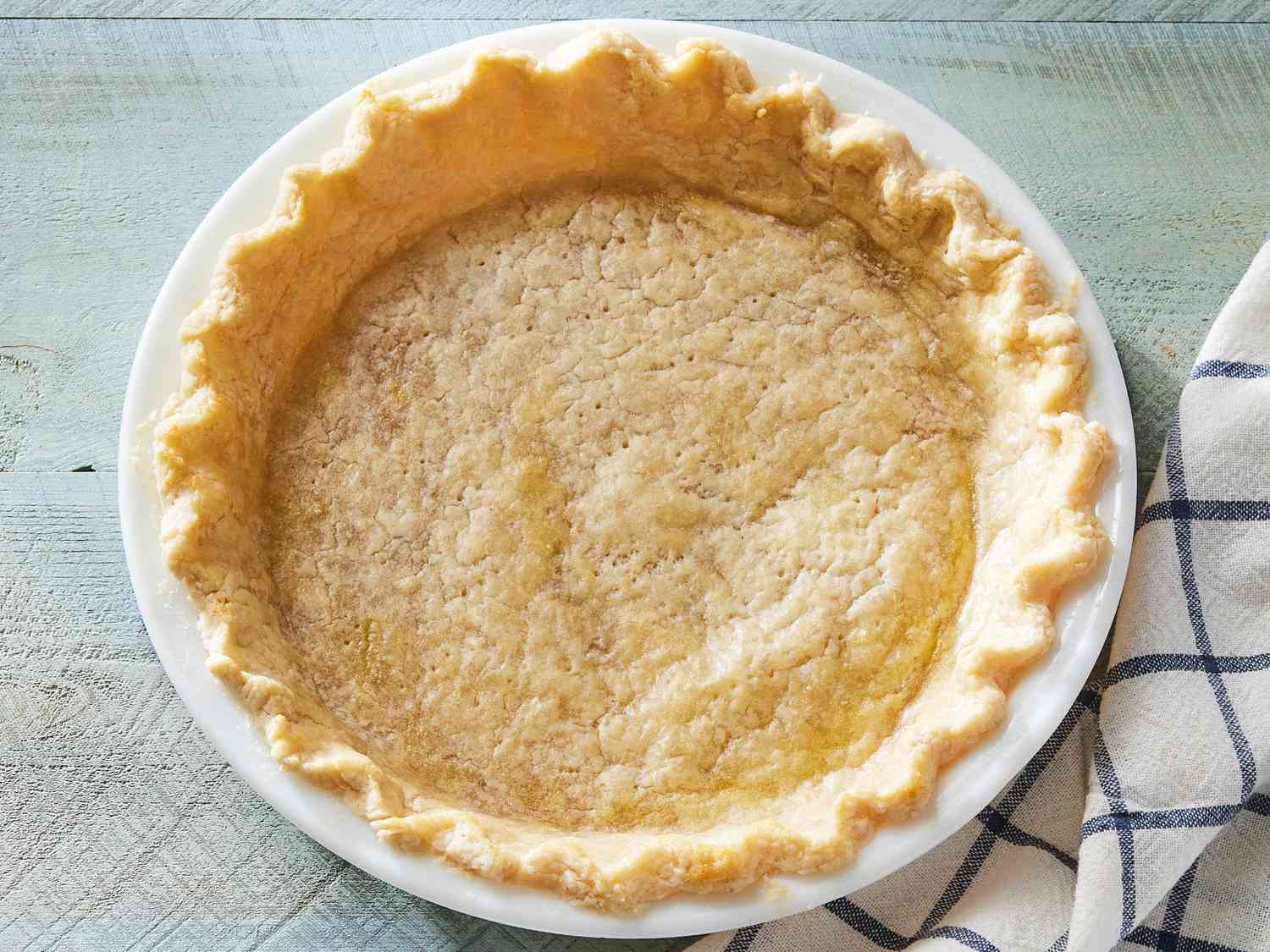
I used to think apple pie was all about the apples, until I made a few crusts that baked up like beige cardboard and realized, oh, this is a pastry relationship. The good news is crust isn't magic. It's temperature control and restraint. Keep the butter cold, don't overwork it, and give the dough time to chill so it can relax. Now this double-crust apple pie is the one I make when I want the house to smell like someone has their life together, even if the sink says otherwise.

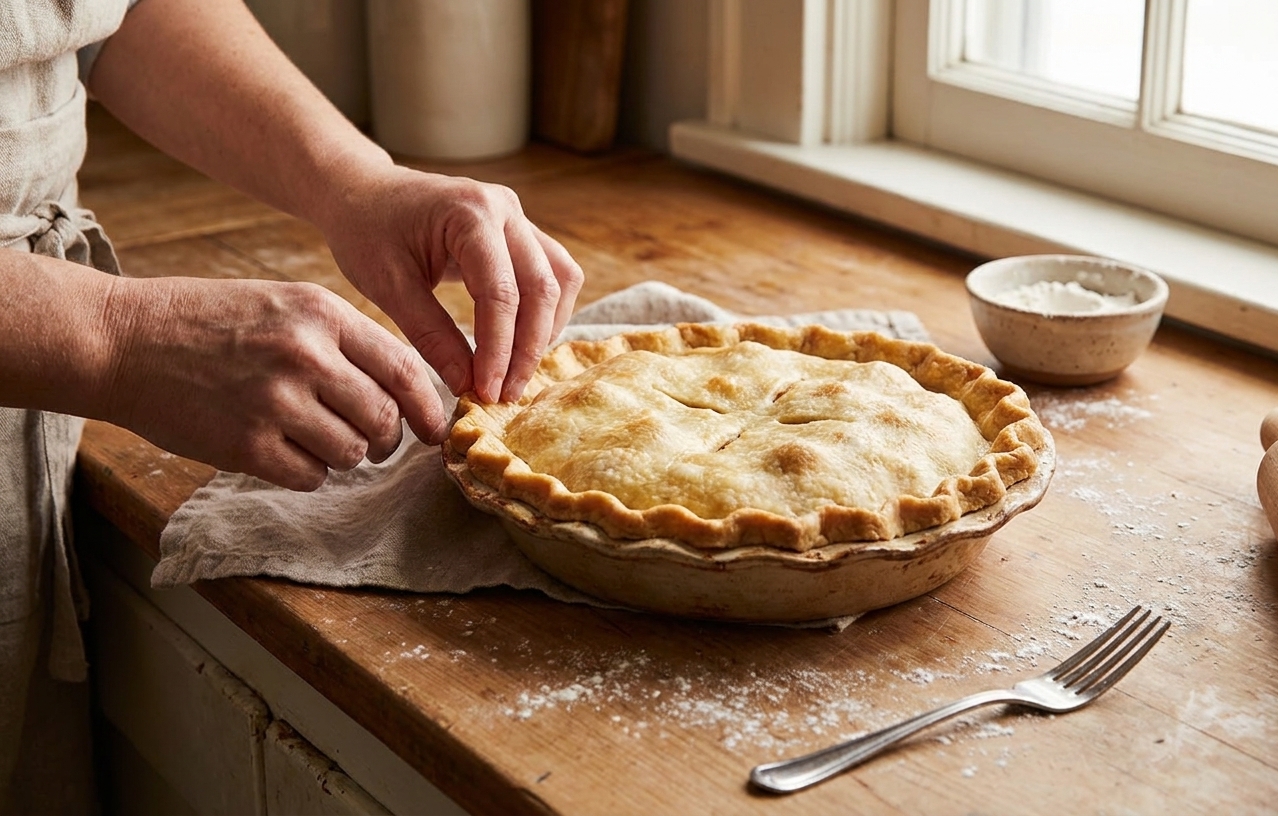
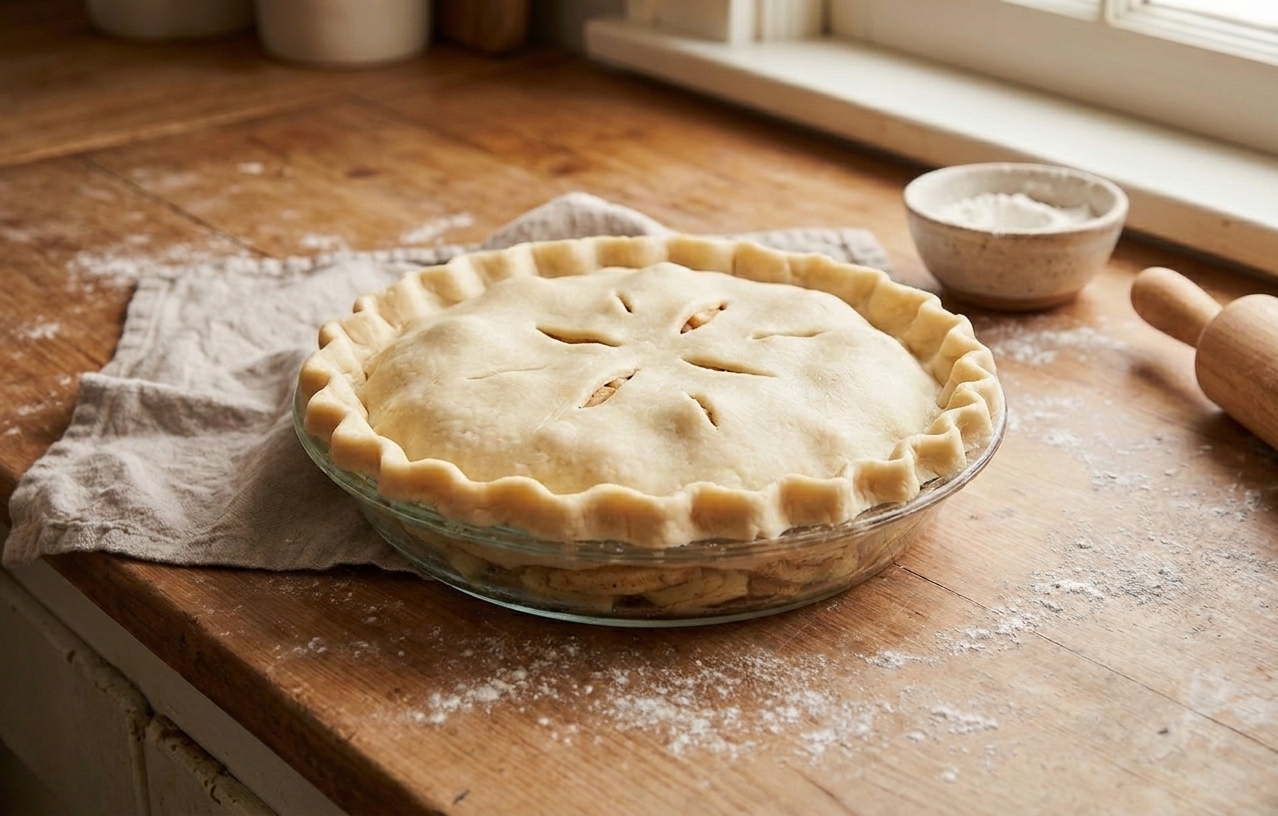
Hands crimping the edge of a double-crust pie in a ceramic pie dish on a kitchen counter