Mom's Best Recipes
Recipe

Easy Yeast Bread

A beginner-friendly homemade bread that rises beautifully, bakes up golden, and slices like a dream for toast and sandwiches.

Author By Matt Campbell
4.8
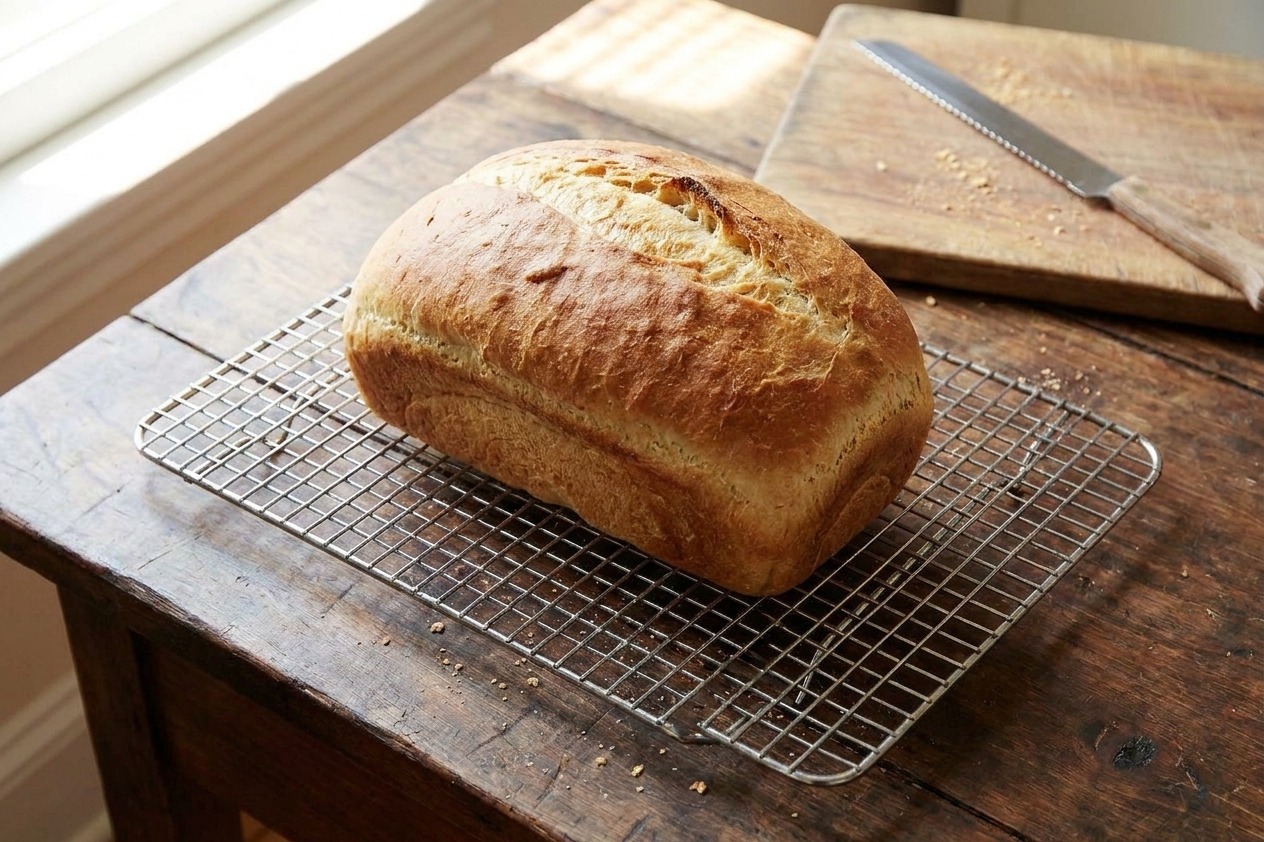
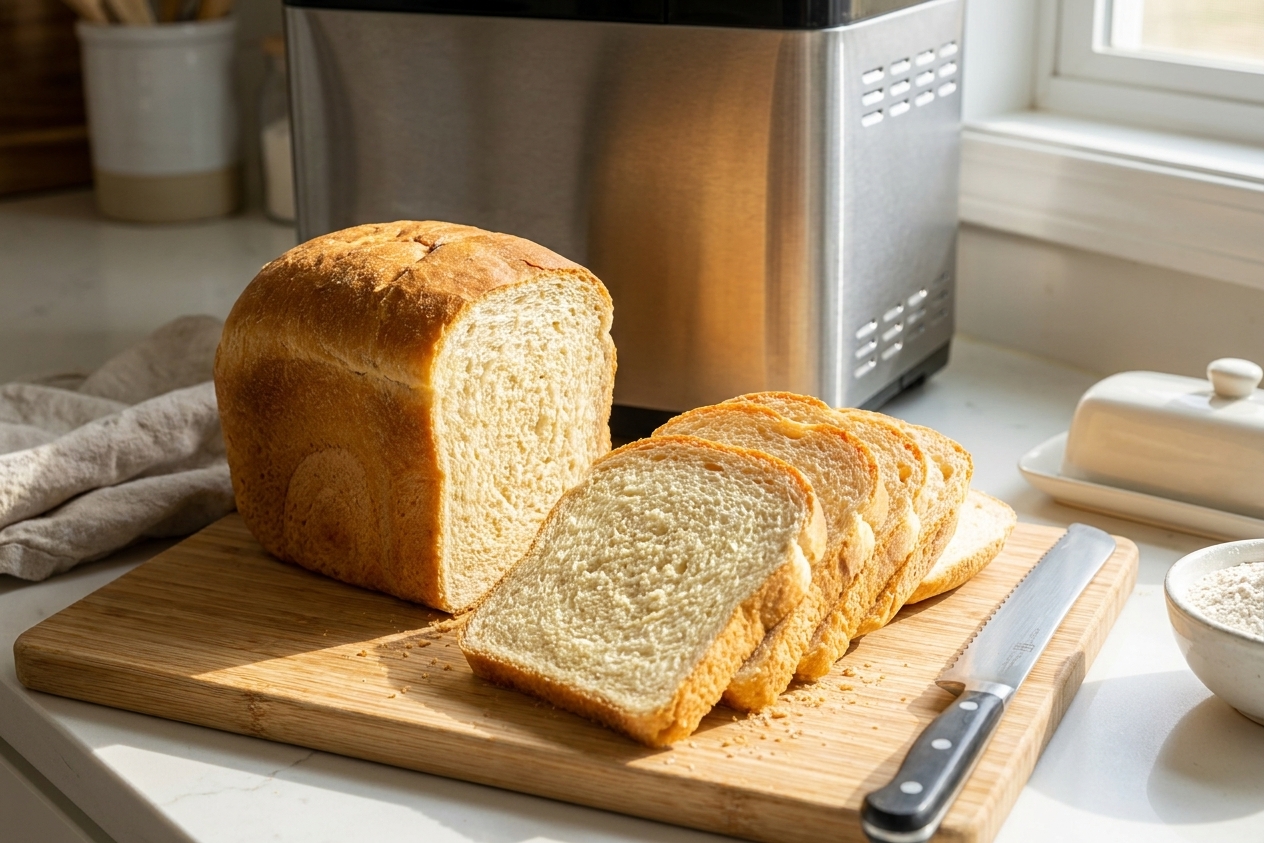
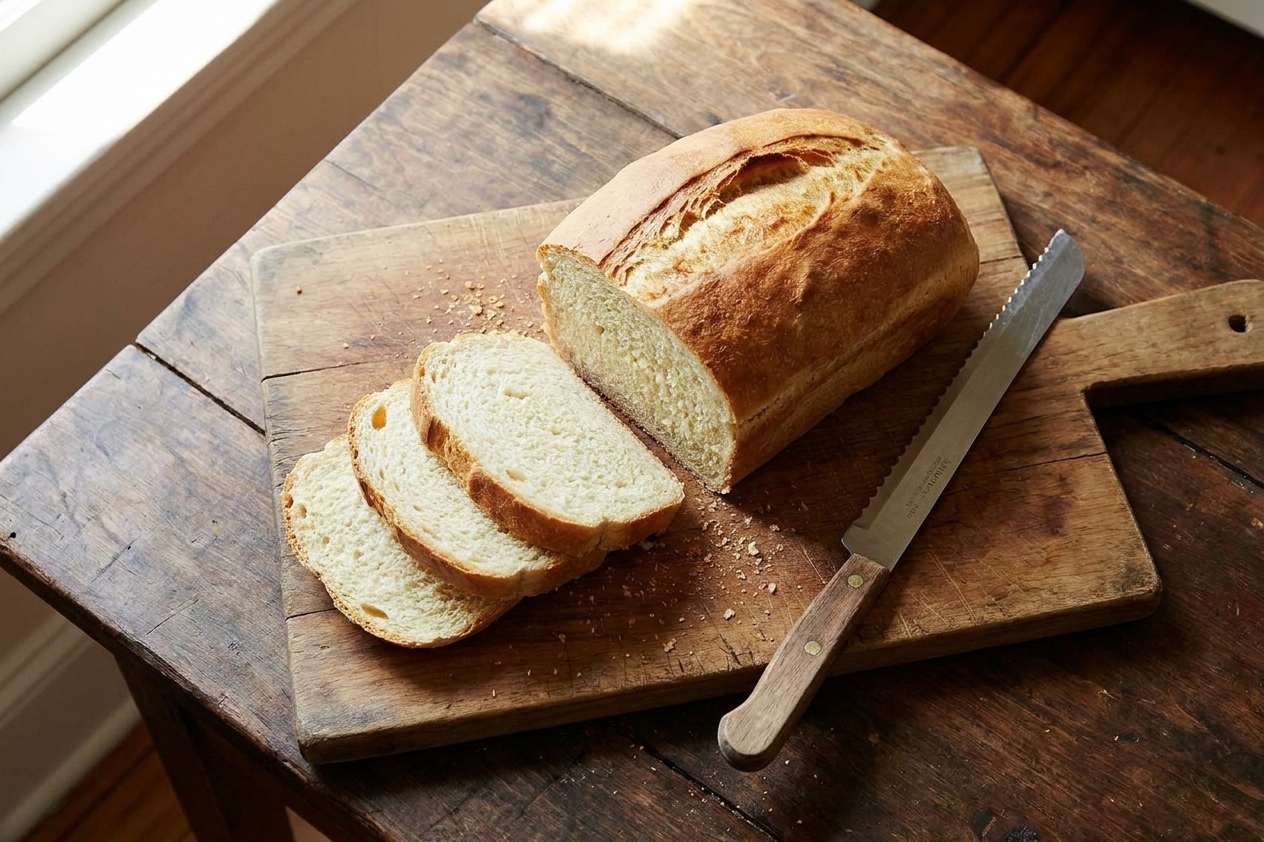
A single golden loaf of homemade yeast bread cooling on a wire rack on a warm, softly lit kitchen counter

Yeast bread has a reputation for being fussy, but honestly, it just wants a little warmth, a little time, and a cook who is willing to trust the dough. This loaf is my go-to when I want something cozy and useful, the kind of bread that can handle a fried egg, a thick smear of butter, or a serious sandwich situation.

No fancy flour. No stand mixer required. Just a bowl, a spoon, and the small thrill of watching a shaggy dough turn into something alive.

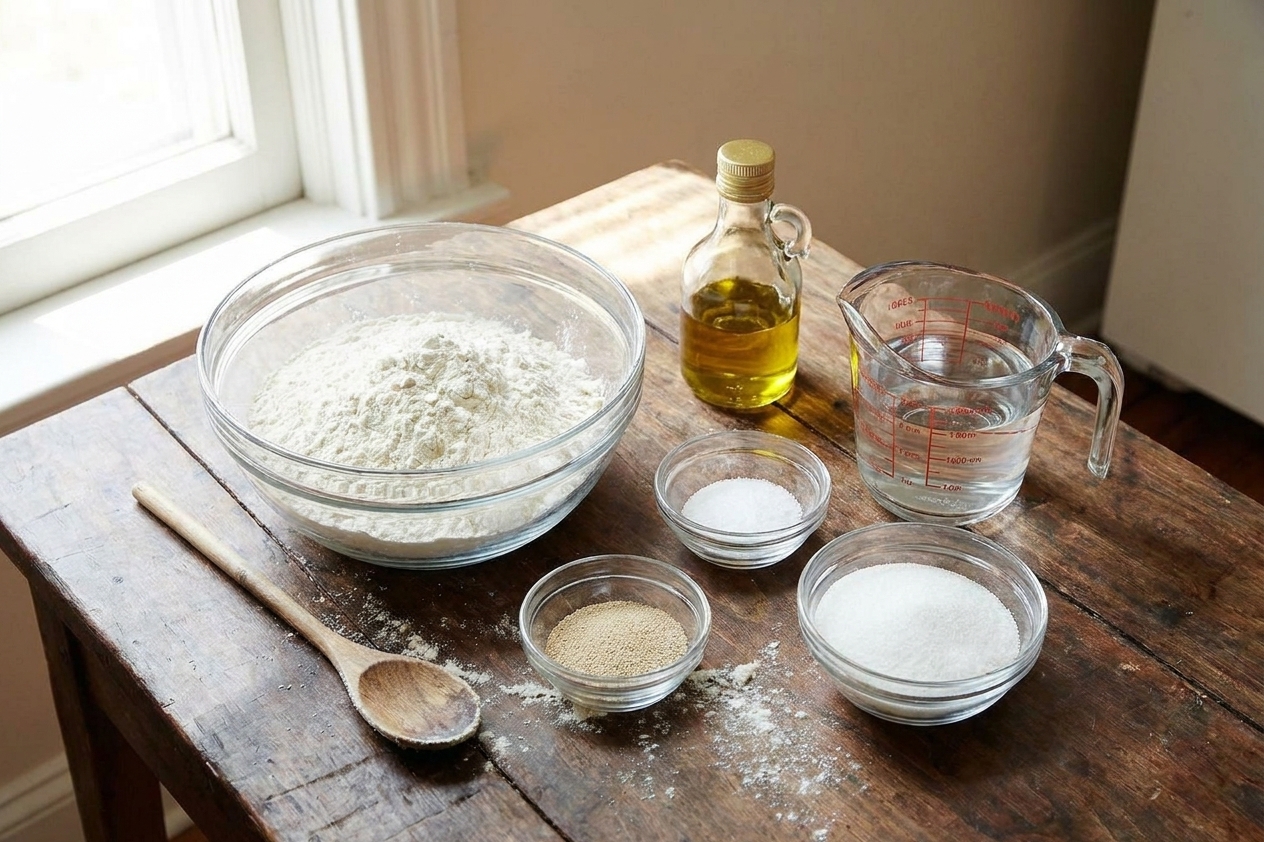
Flour, yeast, salt, sugar, oil, and a measuring cup of warm water arranged on a tidy kitchen counter in soft natural light

Why It Works

  • Soft, sliceable crumb: A touch of oil and a simple knead give you that tender, everyday bread texture.
  • Golden crust: A hot oven gives you that classic color without drying out the inside.
  • Beginner-proof timing: I give visual cues for each rise so you are not stuck guessing what “doubled” looks like.
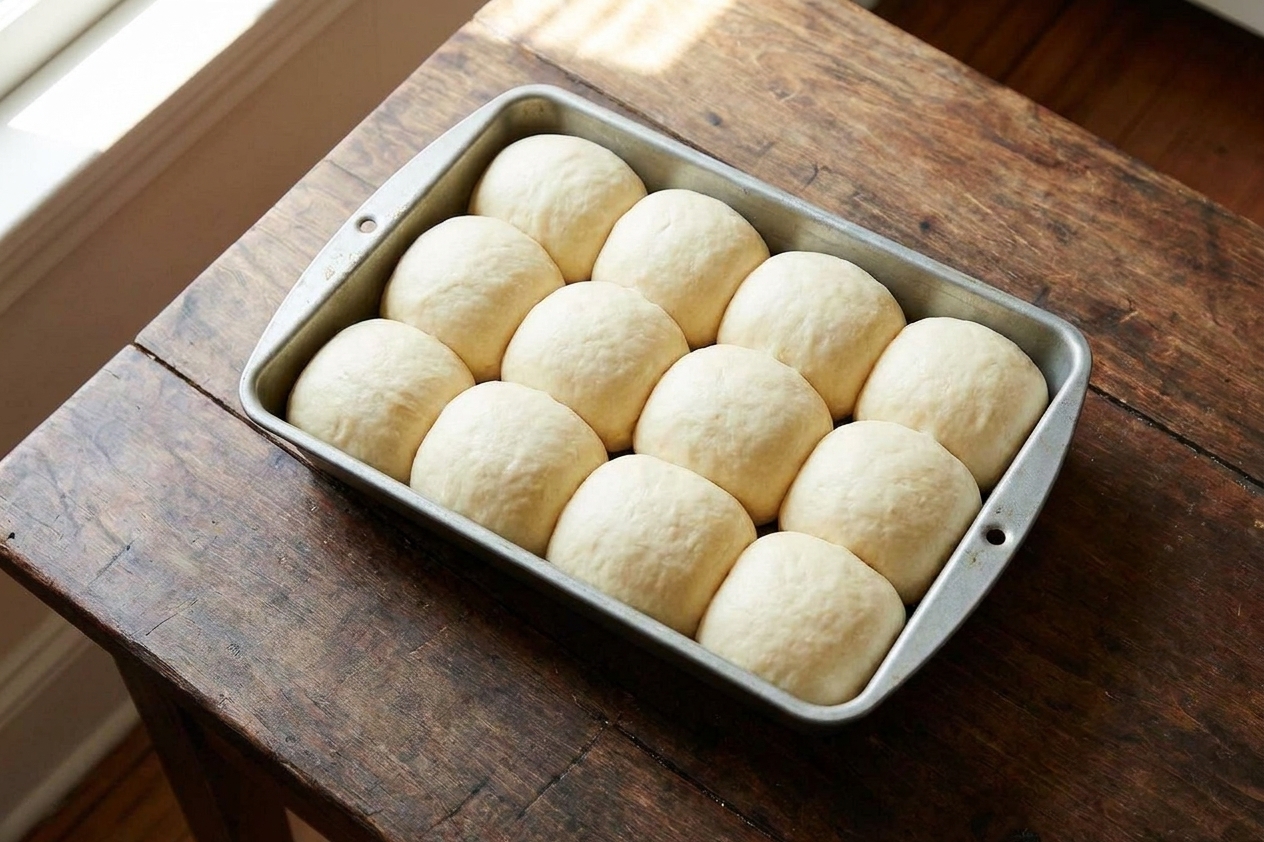
  • Flexible dough: Shape it into a loaf or into rolls when you want dinner bread with minimal drama.

Pairs Well With

Storage Tips

Room temperature: Let the loaf cool completely, then store in a bread bag or zip-top bag for 2 to 3 days. If your kitchen runs humid, keep it loosely wrapped so the crust does not go soft.

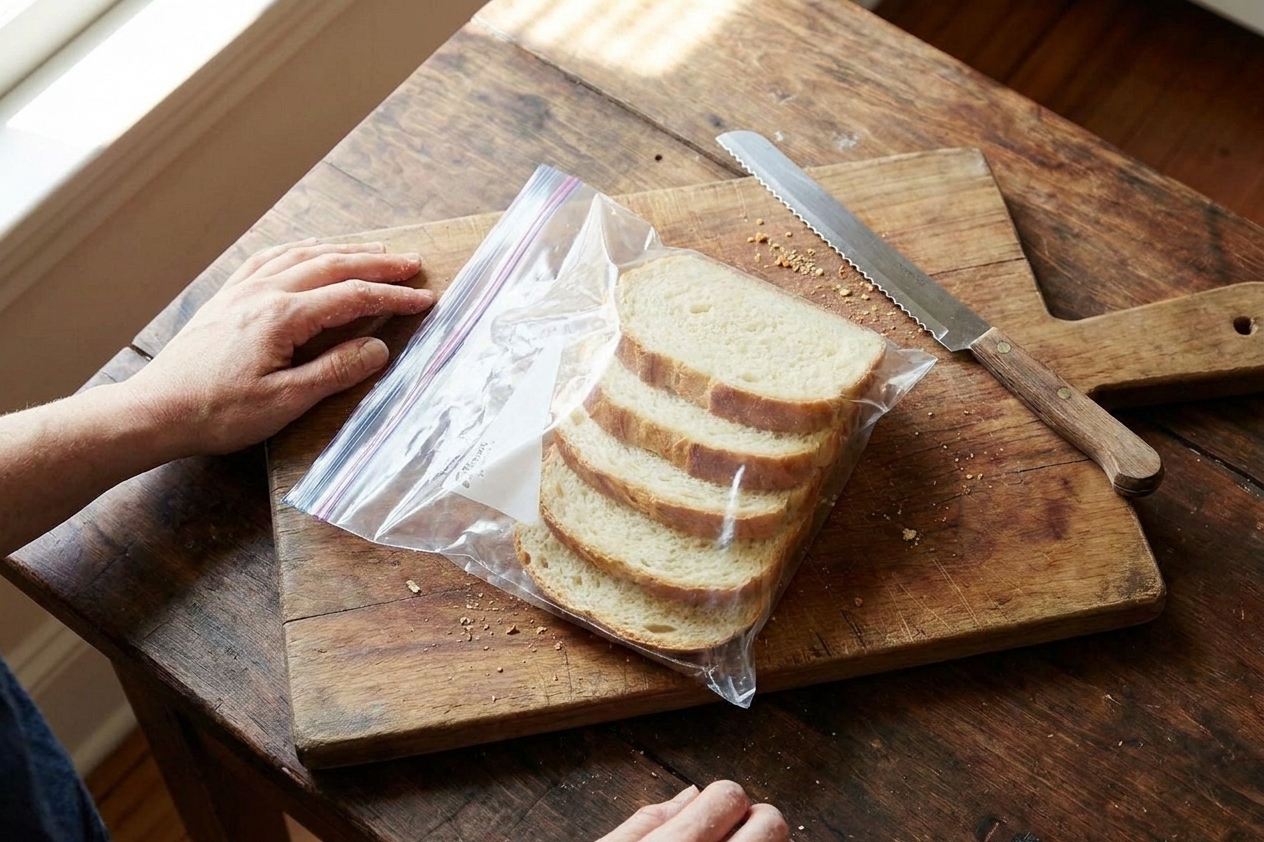
Freeze: Slice the loaf, then freeze slices in a freezer bag for up to 3 months. Toast slices straight from frozen. It is the best kind of future-you gift.

Revive day-old bread: For this soft sandwich loaf, warm slices in the toaster, or wrap the loaf in foil and heat at 350°F for 10 to 15 minutes until soft and steamy. The quick water rinse trick is best saved for crustier, leaner loaves.

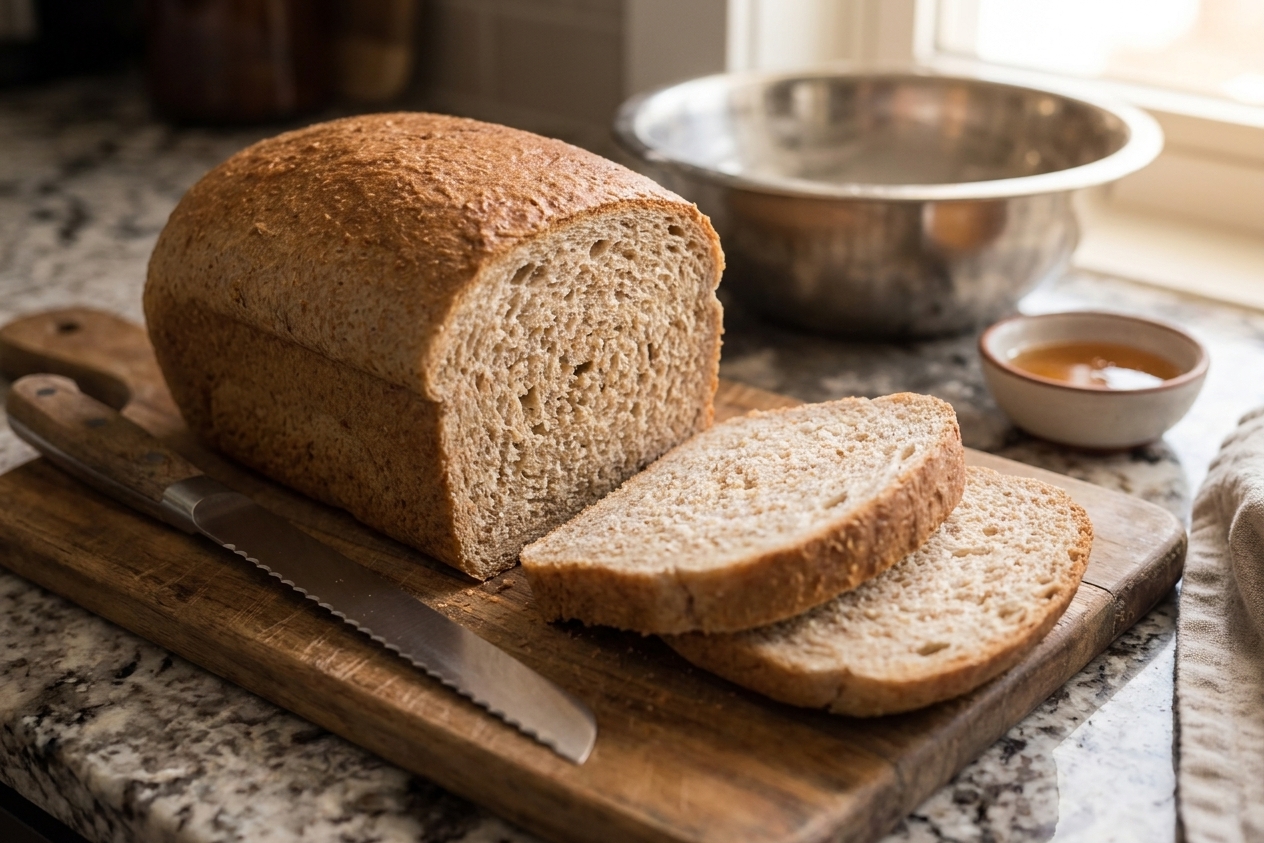
Slices of homemade bread stacked inside a clear freezer bag on a kitchen counter, ready for freezing

Common Questions

Can I use instant yeast instead of active dry yeast?

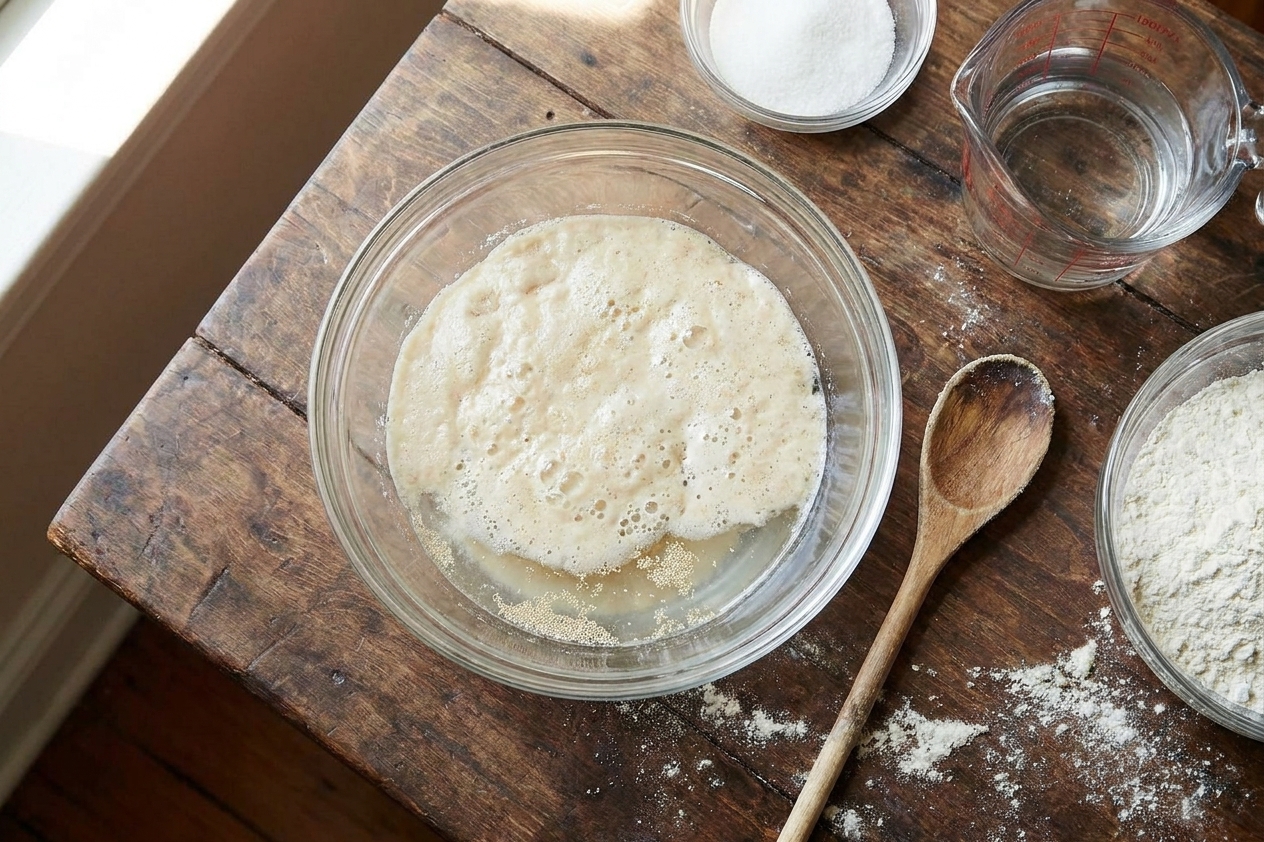
Yes. Use the same amount. Instant yeast can be mixed right into the dry ingredients. Still, I usually dissolve it in warm water anyway because it is a nice confidence boost to see it get foamy.

What temperature should the water be?

Aim for about 105°F to 115°F. If you do not have a thermometer, it should feel very warm but not hot. If it is hot enough to make you pull your finger away fast, it is too hot and can damage the yeast.

My dough is sticky. Did I mess it up?

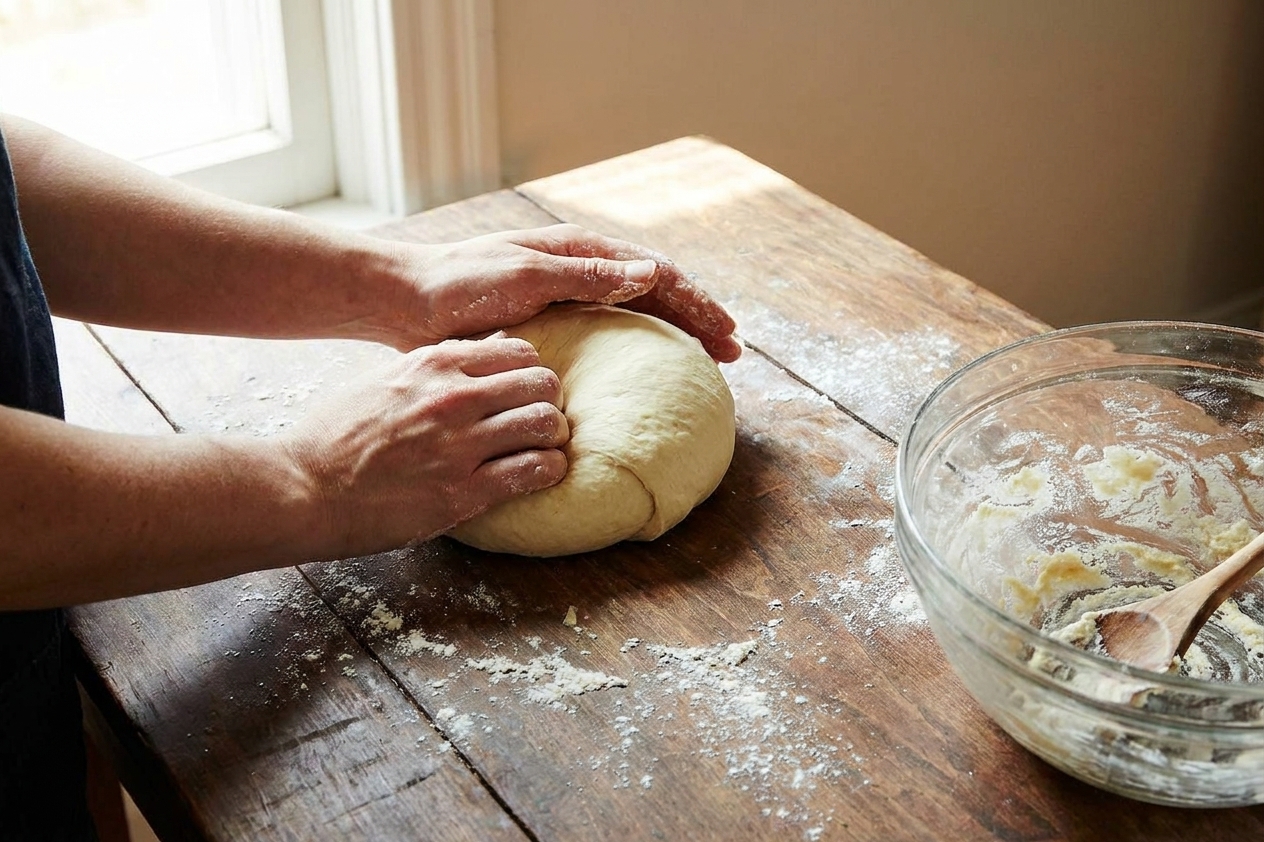
Probably not. Slightly sticky dough often bakes up softer. Add flour 1 tablespoon at a time during kneading until the dough is tacky but not gluey. Humidity matters more than people admit.

Why did my bread not rise?

Common culprits: old yeast, water too hot or too cold, a chilly kitchen, or too much flour. Rise times are a range for a reason. In a cool kitchen, the first rise can take up to 90 minutes. For a warmer rise, put the covered bowl in an off oven with the oven light on.

How do I know it is baked through?

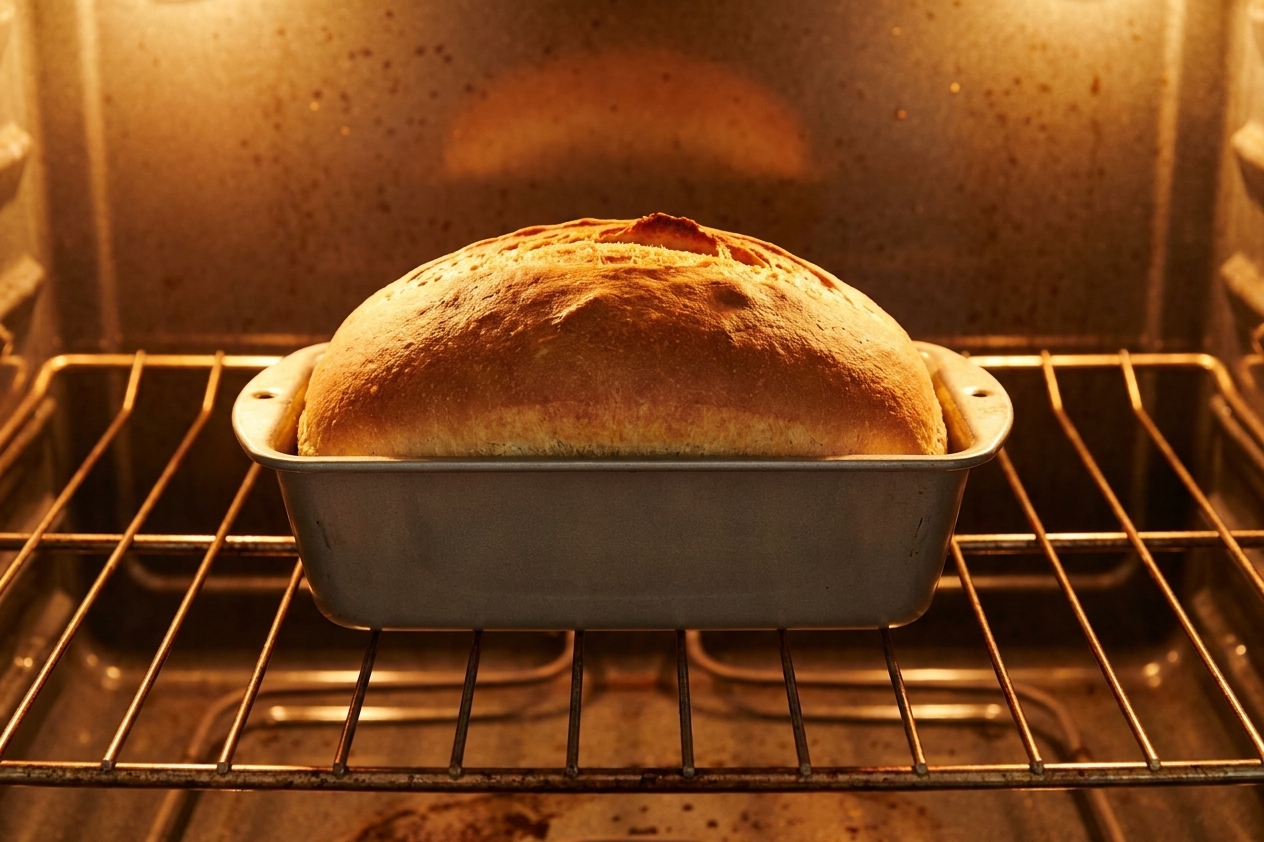
The loaf should be deeply golden, sound hollow when tapped on the bottom, and ideally read around 190°F to 195°F in the center for this soft sandwich-style loaf if you have an instant-read thermometer.
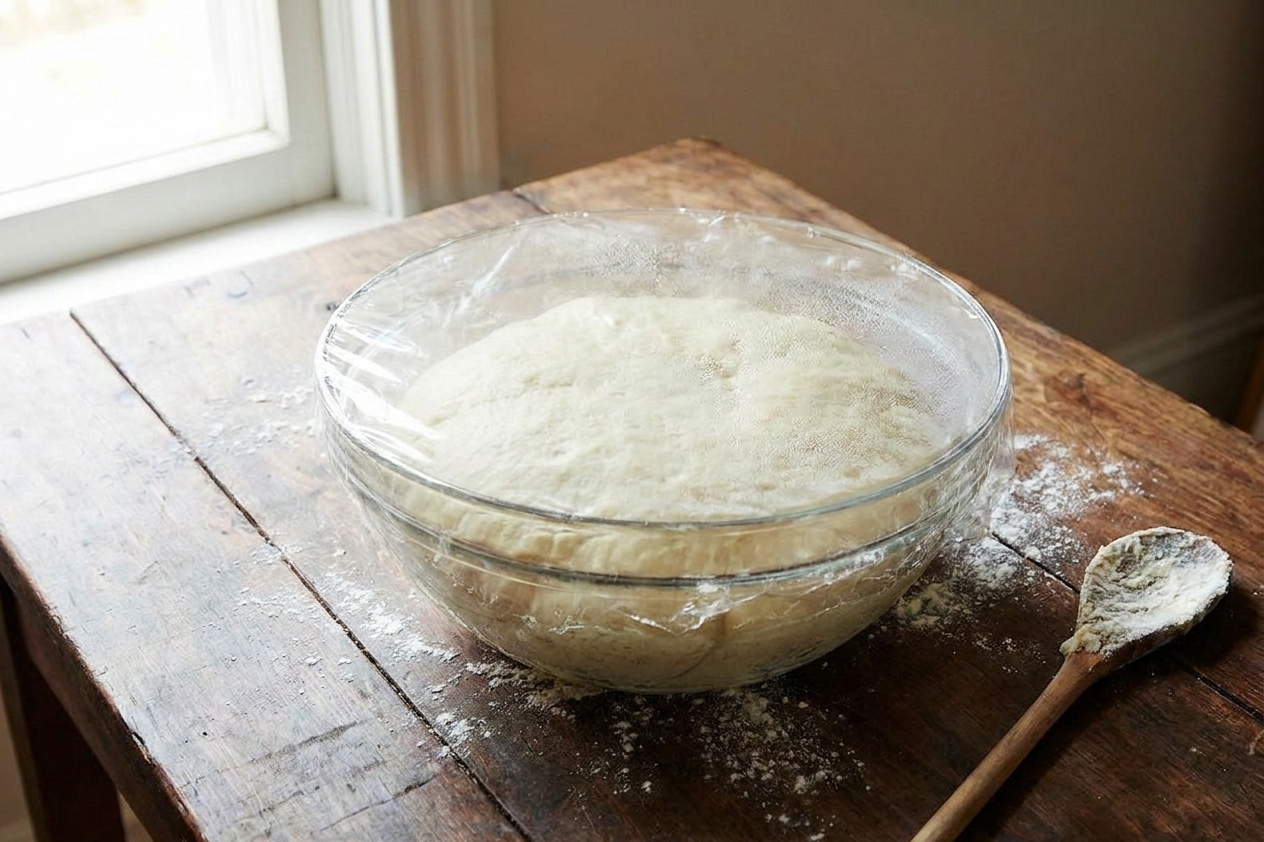

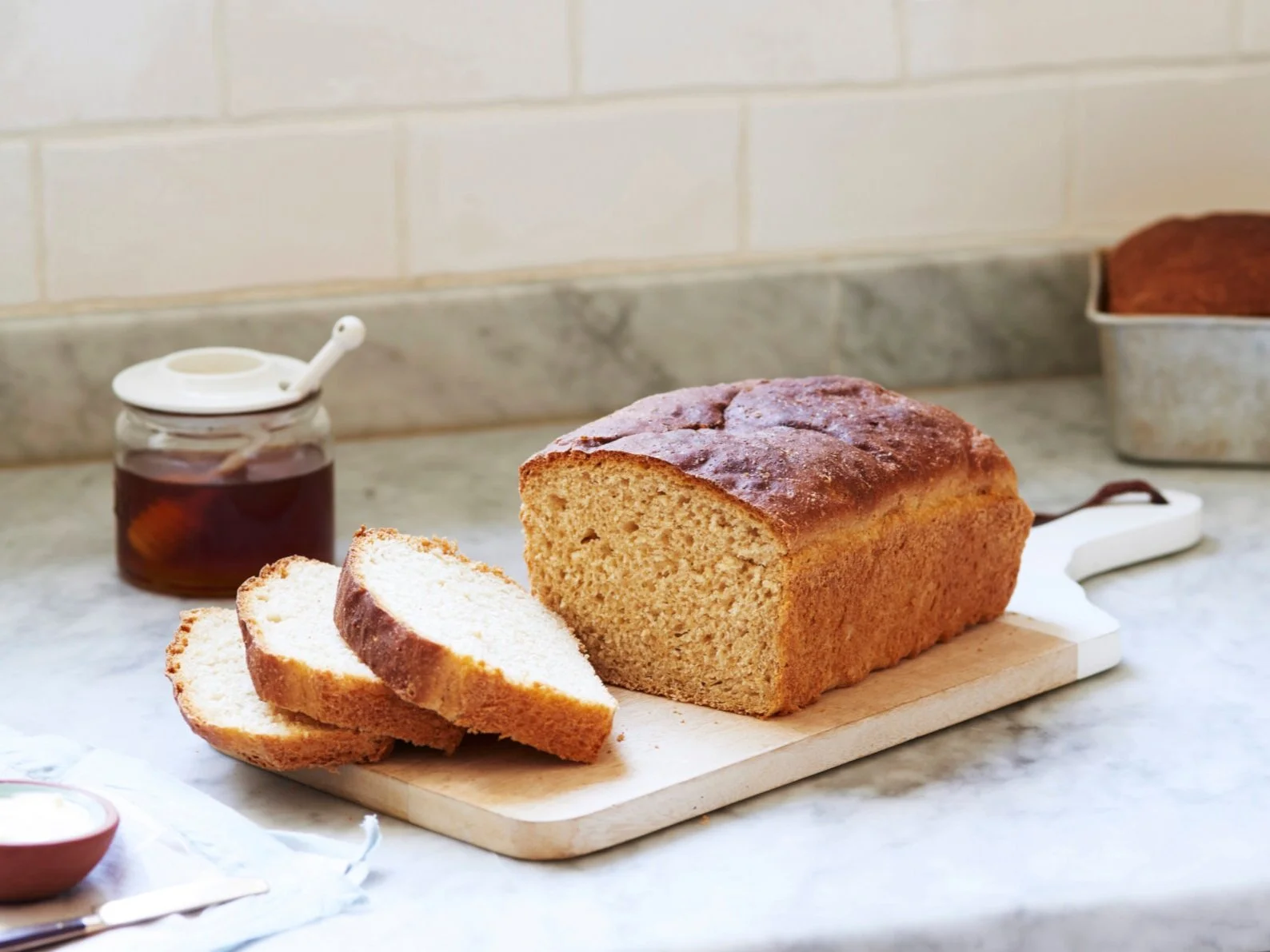
A bowl of yeast dough that has doubled in size, covered with slightly foggy plastic wrap on a kitchen counter

The first time I made yeast bread on my own, I kept lifting the towel like I was checking on a sleeping baby. Nothing happened for 20 minutes, and I was convinced I had killed the yeast. Then the dough finally puffed up like it took a deep breath, and I got it. Bread is not complicated, it is just alive. Now I make this loaf when I want the kitchen to feel calm, even if I am doing dishes with flour on my elbows.