Mom's Best Recipes
Recipe

Empanada Dough

A simple, dependable empanada dough with a tender bite and crisp edges, designed for baking or frying with minimal drama.

Author By Matt Campbell
4.8
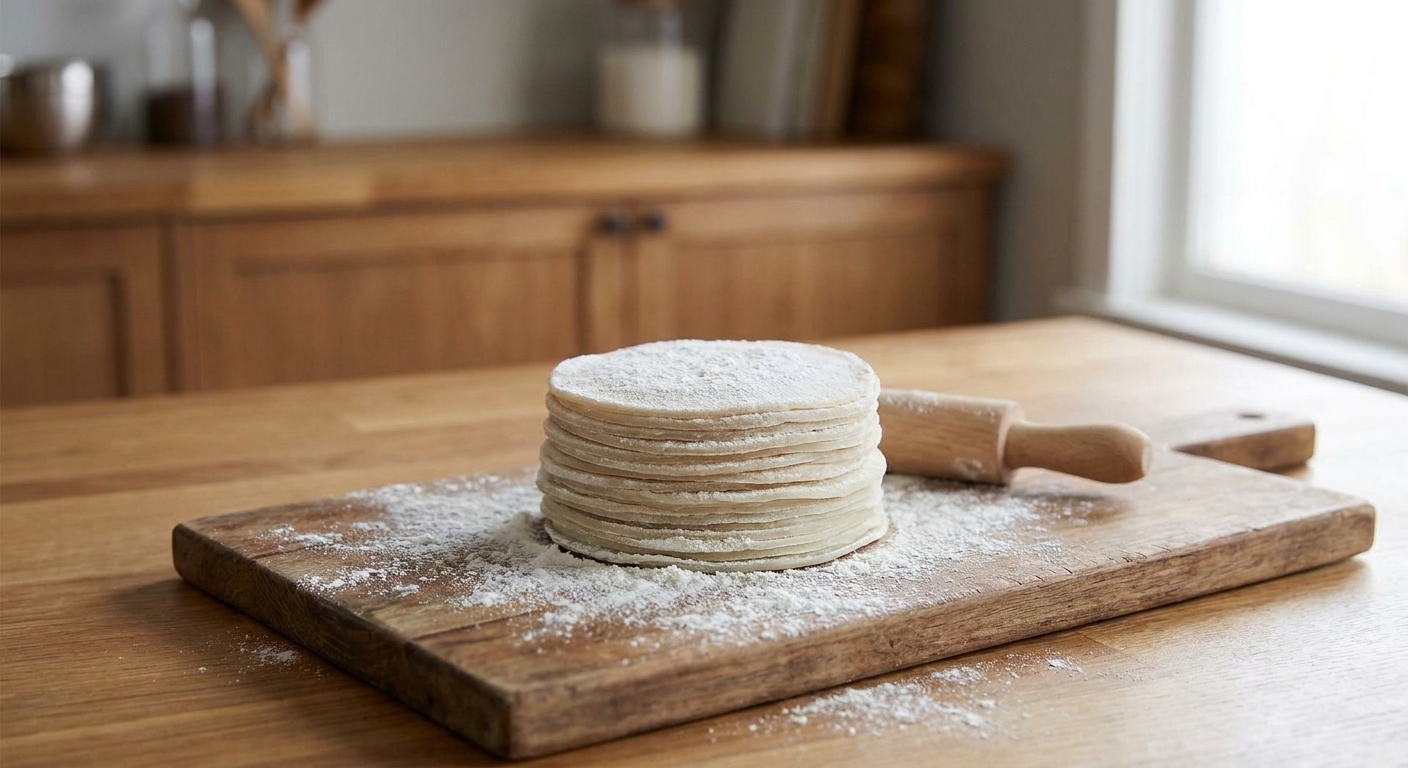
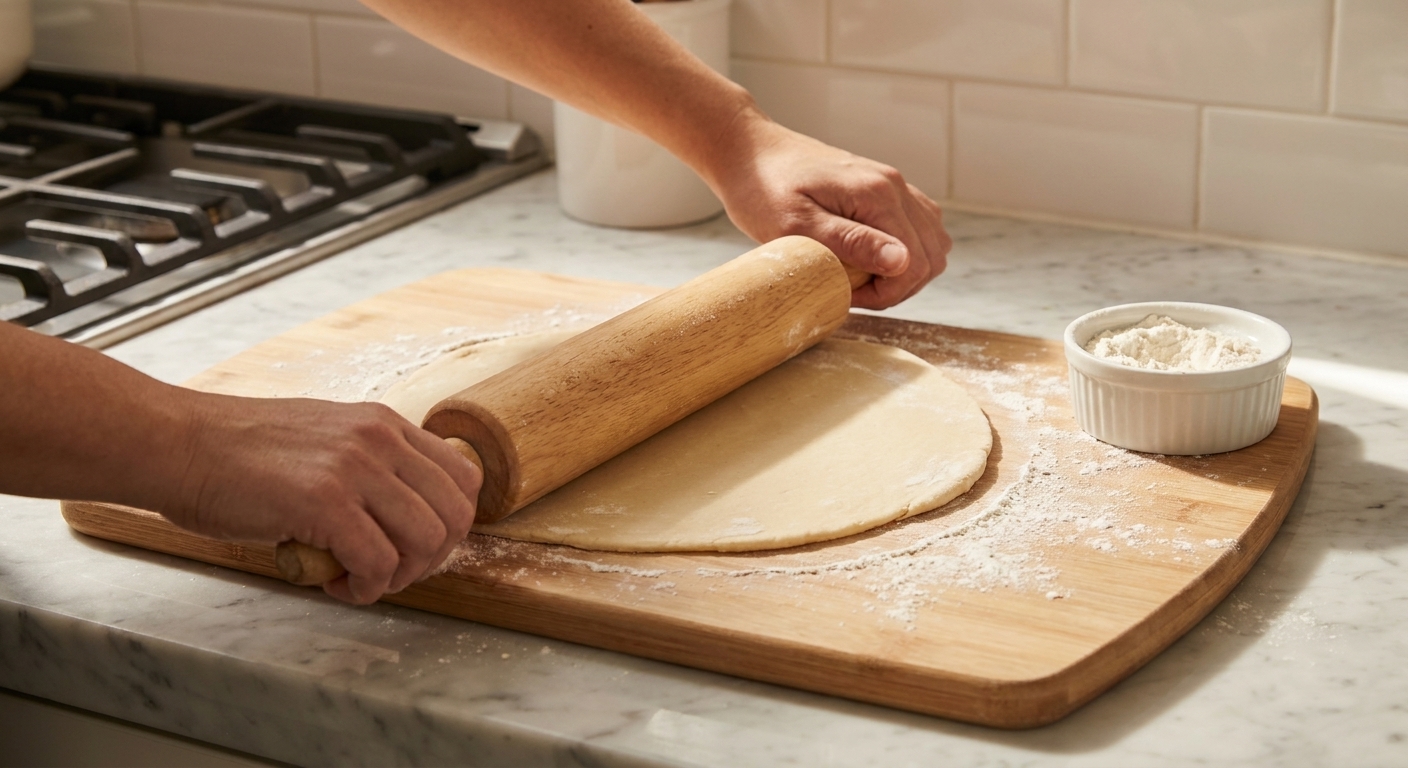
A real photo of empanada dough being rolled on a lightly floured kitchen counter with a wooden rolling pin, small bowl of flour nearby, warm natural light

Empanada dough is one of those kitchen things that sounds like it should be fussy. In reality, it is mostly about two moves: keep the fat cold enough to behave, and let the dough rest so it stops fighting you. Do that, and you get that dreamy combo we are all chasing: a tender, flaky interior with crisp, bronzed edges that crackle when you bite.

This is my go-to dough when I want empanadas on a weeknight without making the kitchen look like a flour bomb went off. It rolls smoothly, seals well, and works whether you are team baked, team fried, or team “I will bake them now and fry the leftovers tomorrow.”
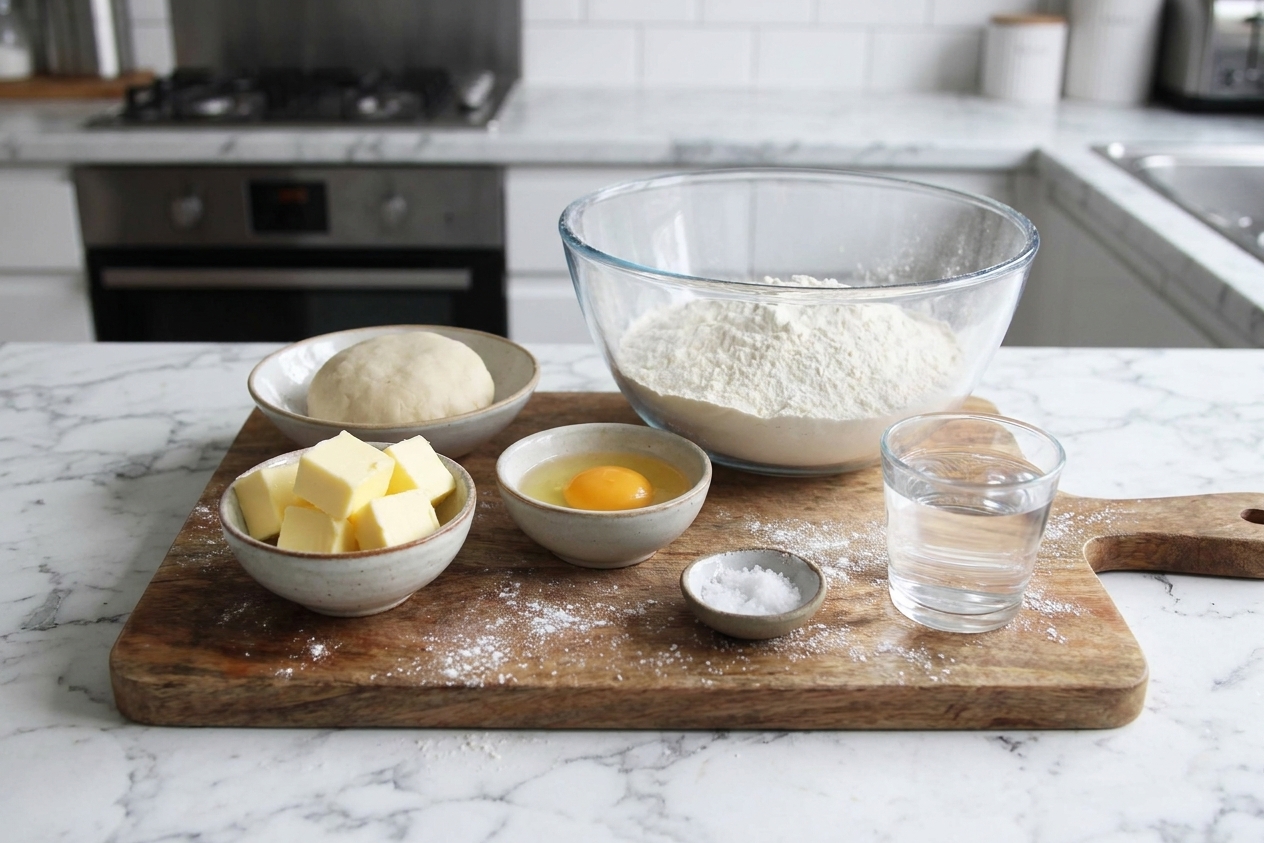
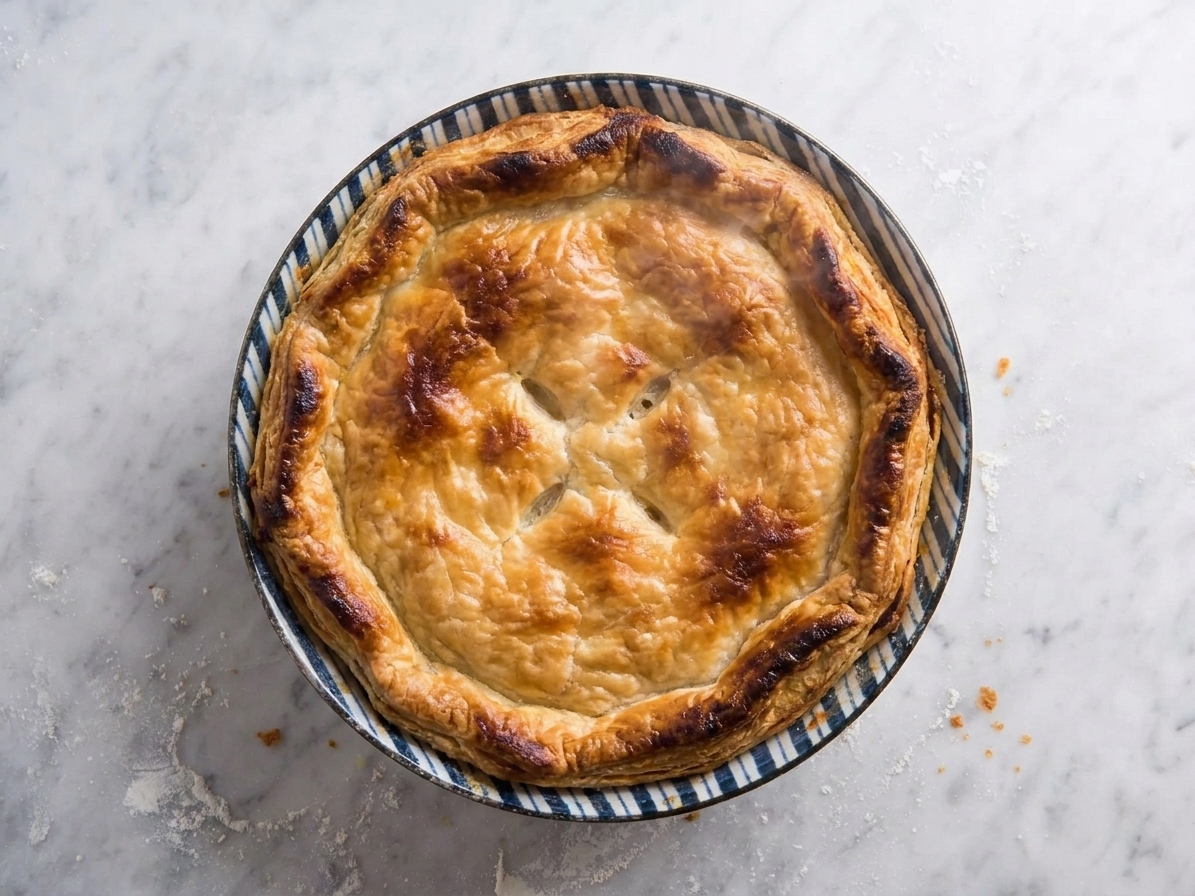
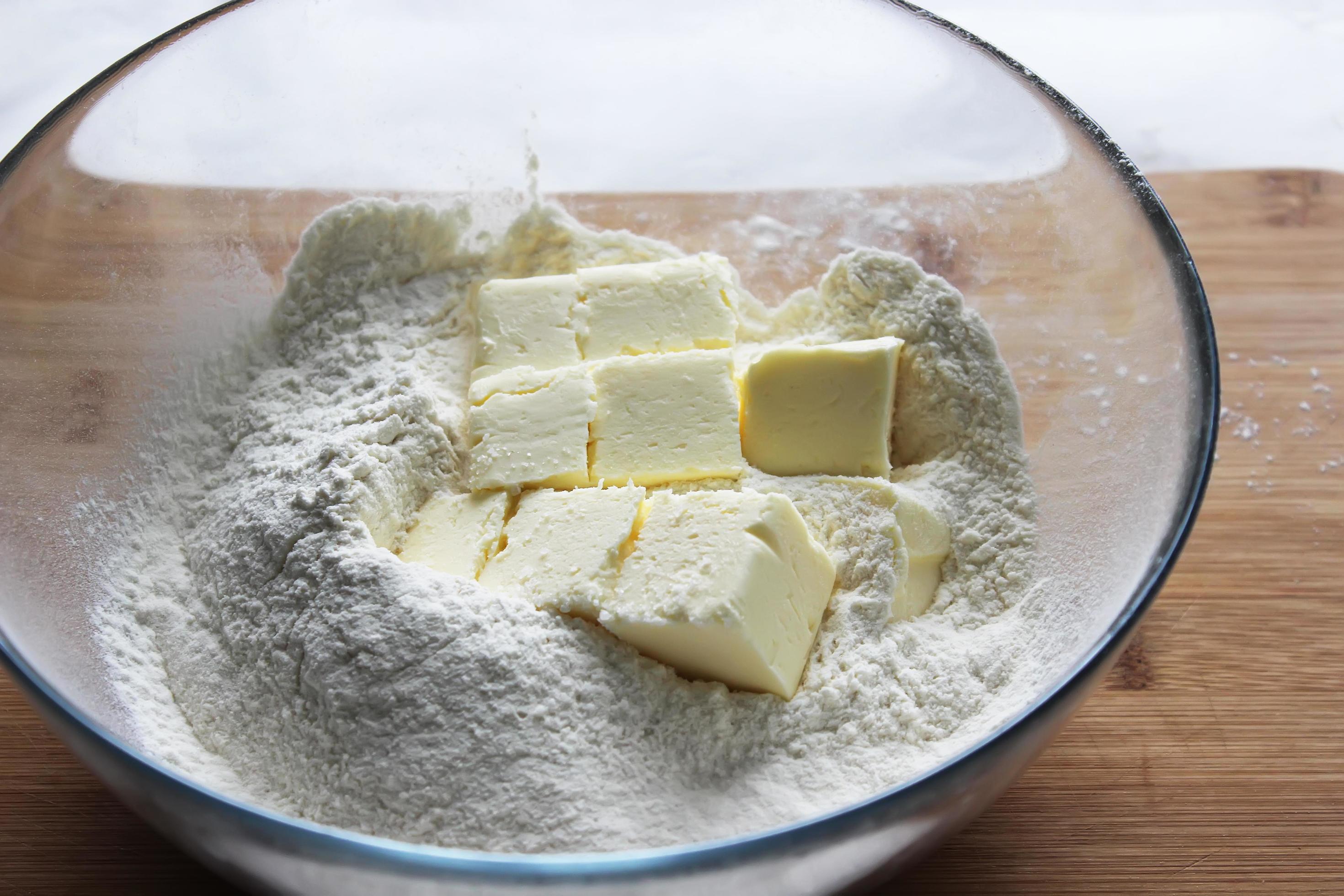
A real photo of empanada dough ingredients on a kitchen counter including flour, butter, an egg, salt, and a small glass of water, neatly arranged in bowls

Why It Works

  • Easy to roll: A touch of egg and the right hydration give you a dough that does not crack the second you move it.
  • Flaky but sturdy: Butter builds tenderness and light layers while still holding up to juicy fillings.
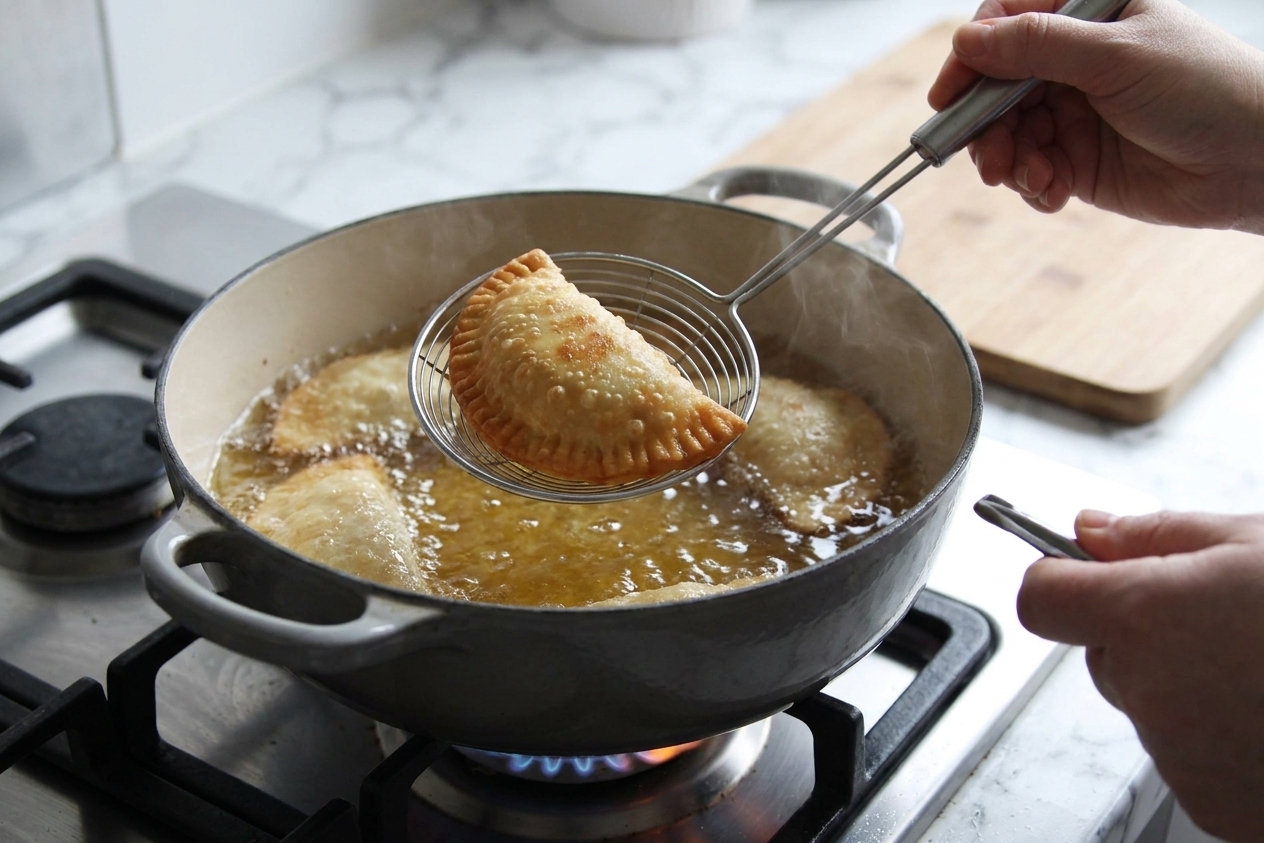
  • Bake or fry friendly: Bakes golden and crisp, and fries up blistery without turning greasy when your oil temp is right.
  • Make-ahead win: Resting and chilling improve texture and make assembly calmer and faster.

Pairs Well With

Storage Tips

In the fridge: Wrap the dough tightly in plastic wrap (or beeswax wrap) and refrigerate for up to 3 days. Let it sit at room temp for 15 to 30 minutes before rolling so it relaxes.

In the freezer: Freeze the dough as a disk, tightly wrapped, for up to 3 months. Thaw overnight in the fridge. If the surface feels damp after thawing, dust lightly with flour and press and fold a few turns to bring it back together.

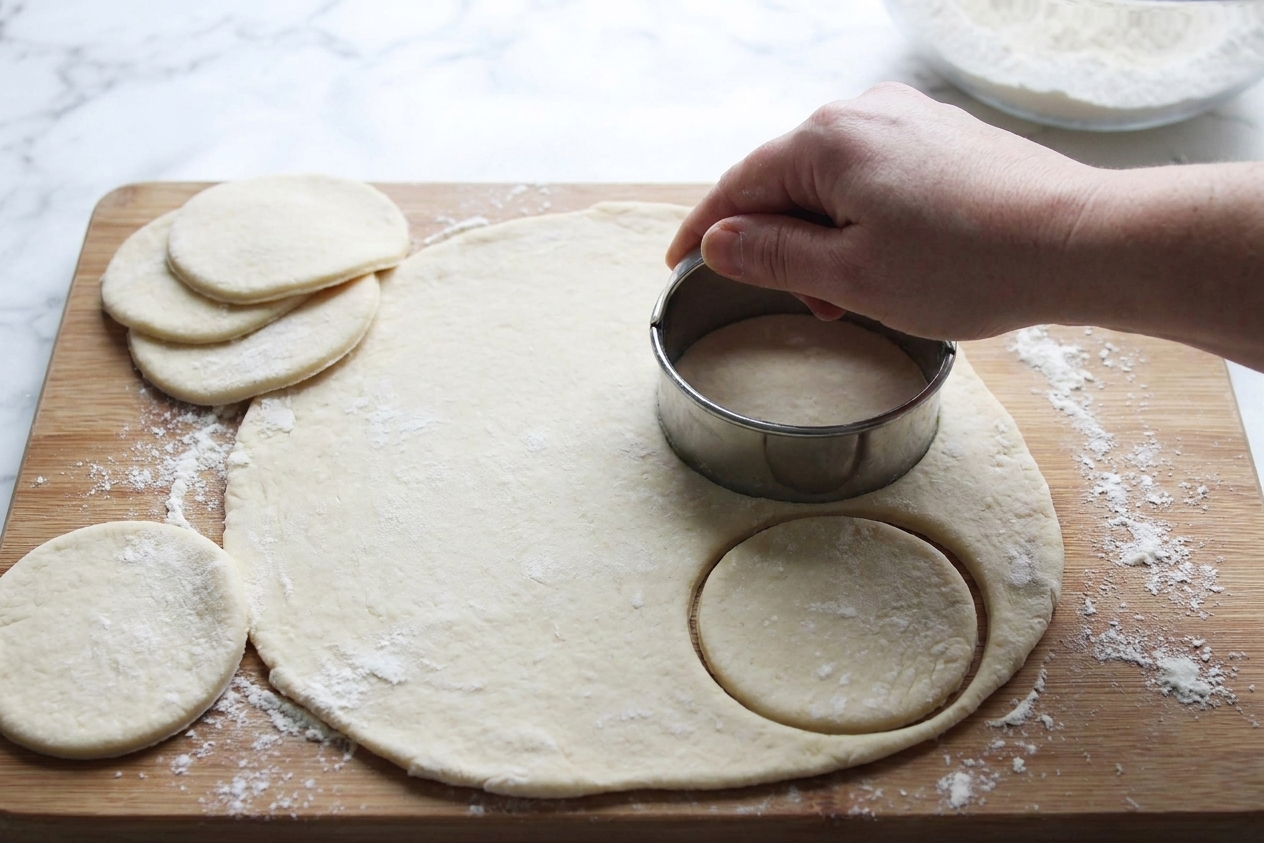
Freezing dough rounds: Roll and cut circles, stack with parchment between each, seal in a freezer bag, and freeze up to 2 months. Thaw in the fridge, still stacked, so they do not dry out.

Already assembled empanadas: Fill and shape, then freeze on a sheet pan until firm. Transfer to a freezer bag. Bake from frozen, adding 5 to 10 minutes as needed, until deep golden and hot in the center, or thaw overnight before frying.

Common Questions

Can I make empanada dough without butter?

Yes. You can swap the butter for lard (very traditional, extra crisp) or vegetable shortening (easy to work with, mild flavor). Use the same amount by weight. Butter gives the most flavor, lard gives the crispest fry.

Why is my empanada dough cracking when I roll it?

Cracking usually means the dough is either too dry or not rested enough. Let it rest 15 more minutes, then roll again. If it still cracks, knead in 1 teaspoon water at a time until smooth.

How thin should I roll it?

Aim for about 1/8-inch thick. Thin enough to get crisp edges, thick enough to hold filling without blowing out.

Do I need to use vinegar?

Not required, but I like it. A small splash of vinegar can help keep the dough tender and easier to roll, and many bakers find it makes the dough a little more forgiving.

Baked or fried, which is better?

Fried is louder and crispier. Baked is easier and less messy, and still super good if you brush with egg wash and bake hot. This dough works for both, so you do not have to pick a side.

My empanadas leaked in the oven. What happened?

Common culprits: filling was too wet, you overfilled, or the seal was not tight. Cool your filling before assembling, leave a clean border of dough, and seal firmly. If you want insurance, do a tight crimp and chill the shaped empanadas for 15 minutes before baking.

The first time I made empanada dough, I treated it like pizza dough and tried to bully it into shape. Bad plan. It snapped back, cracked at the edges, and I convinced myself empanadas were “a weekend project.” Then I started resting the dough like it was part of the recipe, not an optional suggestion, and everything got easier. Now it is one of my favorite make-ahead moves: dough in the fridge, filling on standby, and suddenly a random Tuesday feels like you planned something.