How big should a fletching table be?
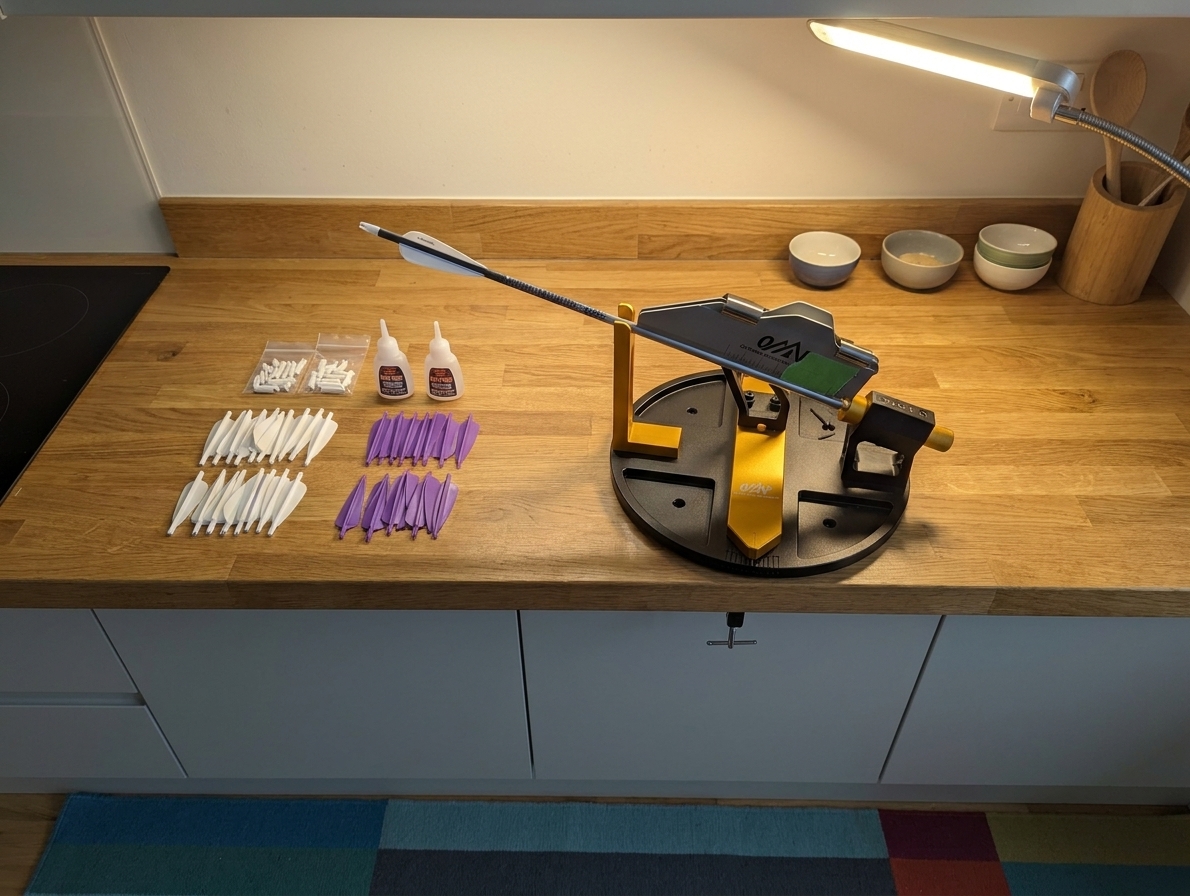
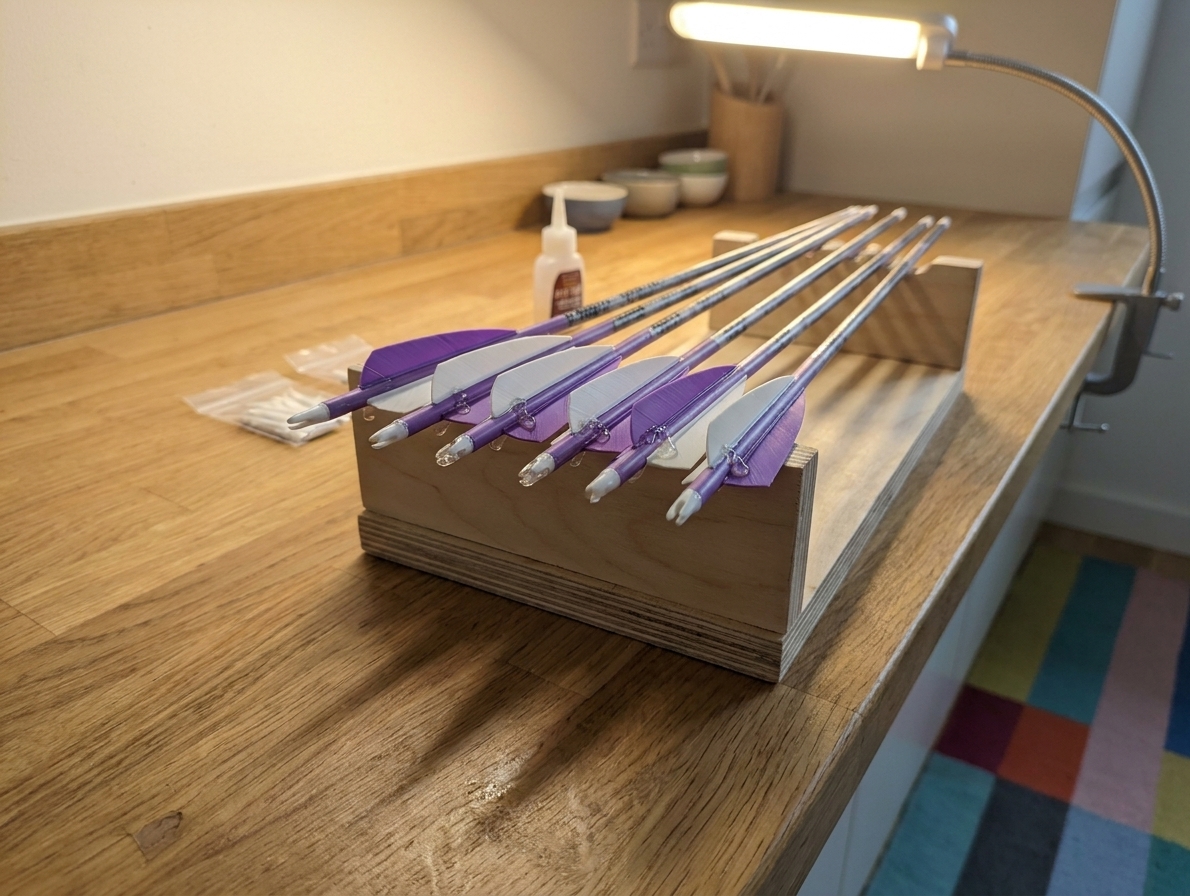
Common sizes are 48 in x 24 in as a great starting point and 60 in x 30 in if you have the space. A typical arrow is roughly 28 to 32 inches long, so a 48 inch table length gives you comfortable clearance for the shaft, the jig, and your hands without anything hanging off into chaos. What matters most is a flat surface and enough room to lay an arrow down without it tipping into your glue zone.
Do I need a dedicated table, or can I use a folding table?
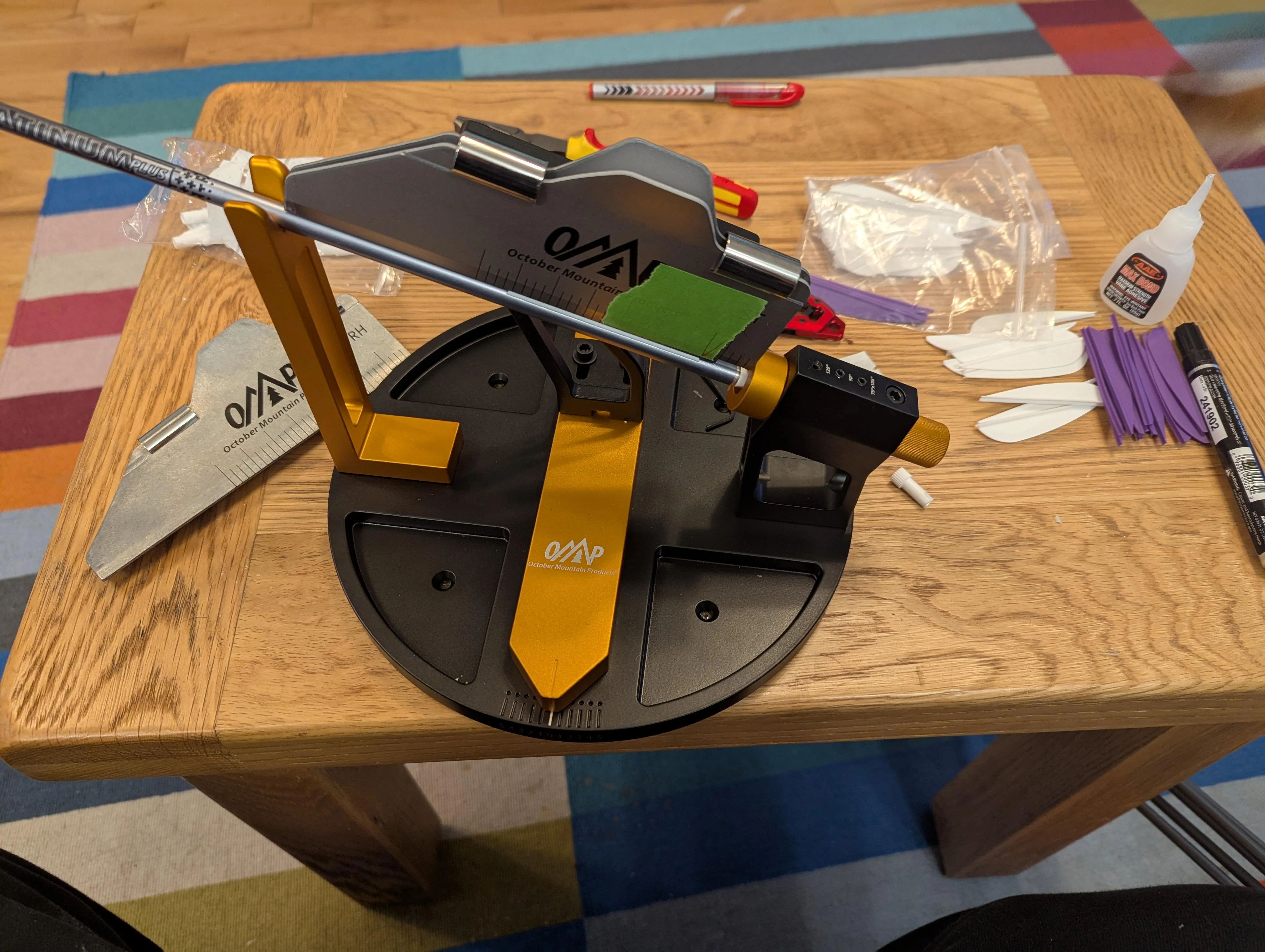
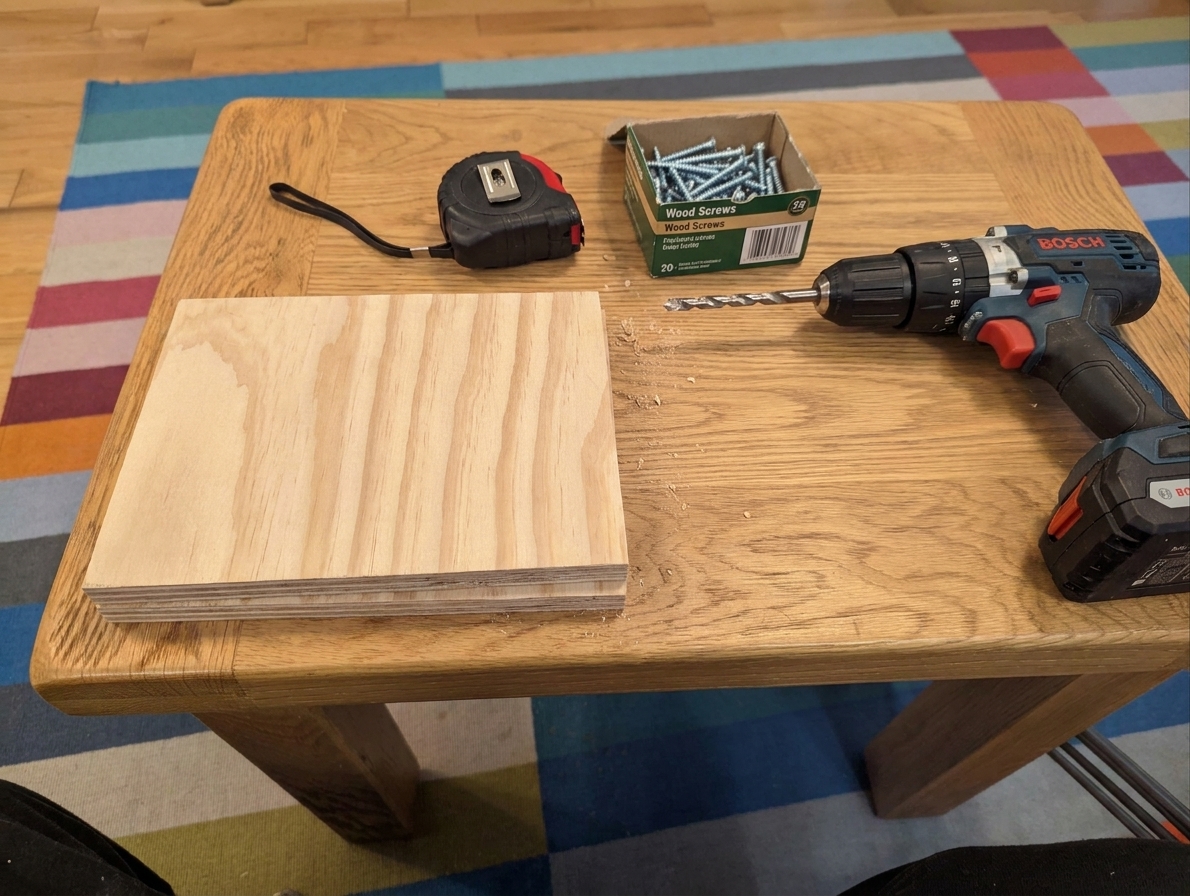
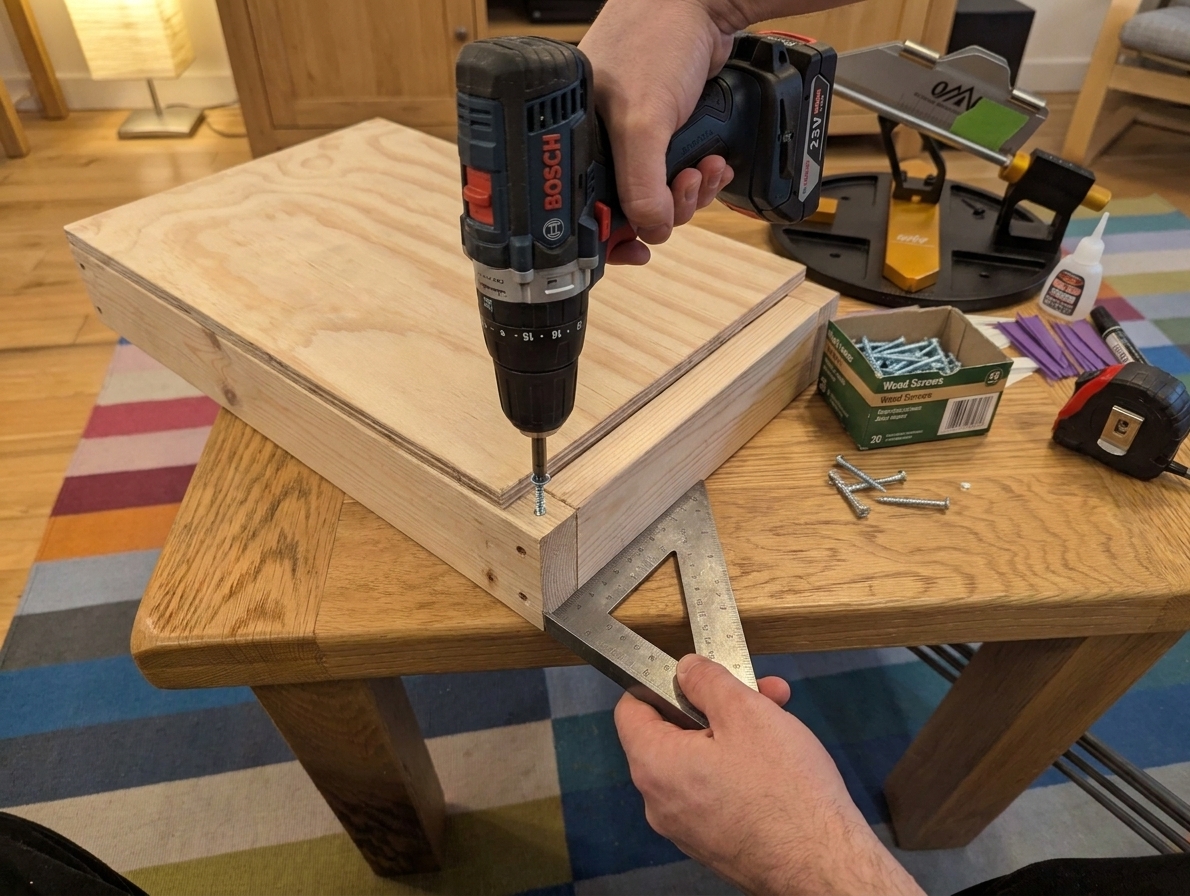
You can use a folding table if it is stable. Add a thick top (like a piece of 3/4 inch plywood) and clamp it down. Wobble is the enemy when you are trying to place vanes precisely.
What is the best height?
For most people, a standing height around 34 to 38 inches feels right for precision work. If you prefer sitting, aim for 28 to 30 inches like a desk, and use a chair that keeps your forearms level with the surface. If it feels a touch high, that is often fine for detail work. If it feels low, your back will complain quickly.
How do I keep glue fumes under control?
Work in a well-ventilated area and follow the adhesive label. A small fan that pulls air away from you toward an open window or door helps. If the label recommends it, use a respirator. Also, avoid aiming a fan directly at the work surface because you do not want it blowing dust into fresh glue.
What should I put under the jig?
A self healing cutting mat or a silicone work mat is perfect. It protects the surface and makes cleanup painless. If you use CA glue (common for fletching), add a little extra insurance with wax paper or a small piece of sacrificial cardboard under the clamp area to catch drips.
How do I stop small parts from disappearing?
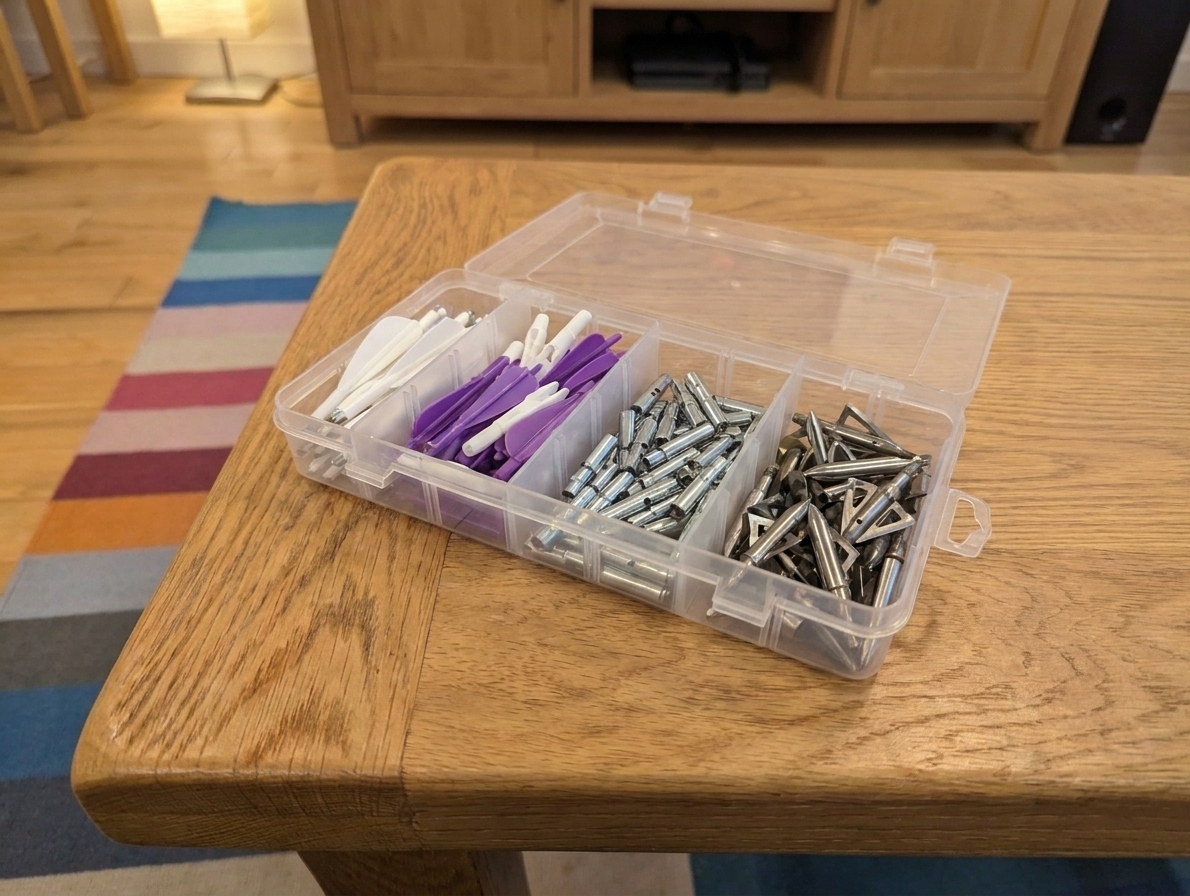
Two fixes: a magnetic parts tray for metal bits, and a shallow rimmed tray for everything else. Also, keep a single “staging bowl” on the table. Yes, like cooking. It works.