Mom's Best Recipes
Recipe

Garlic Rosemary Lamb Roast

A straightforward lamb roast with big flavor: garlic, rosemary, lemon, and a simple pan gravy that makes the whole kitchen smell like you know what you are doing.

Author By Matt Campbell
4.8
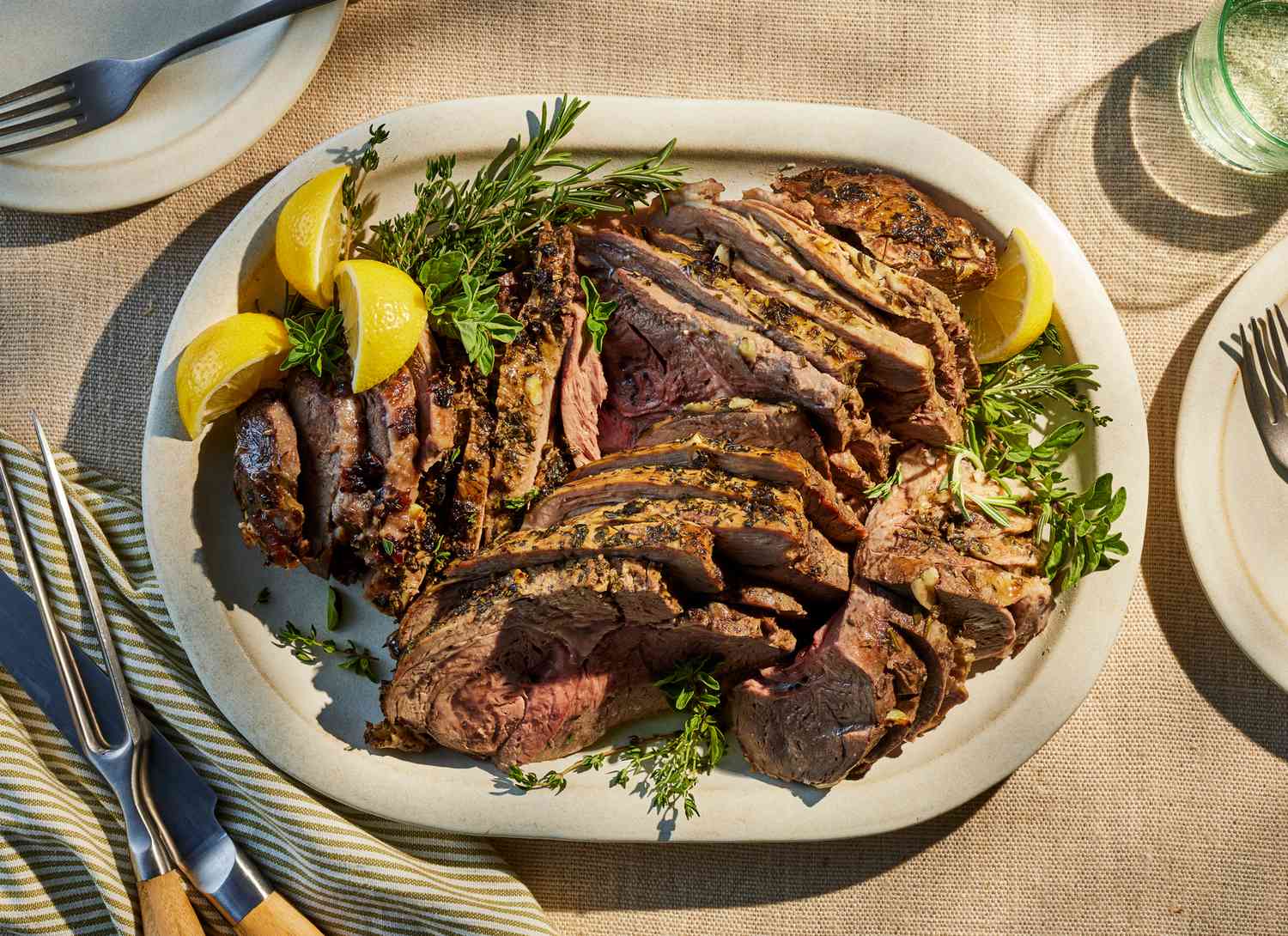
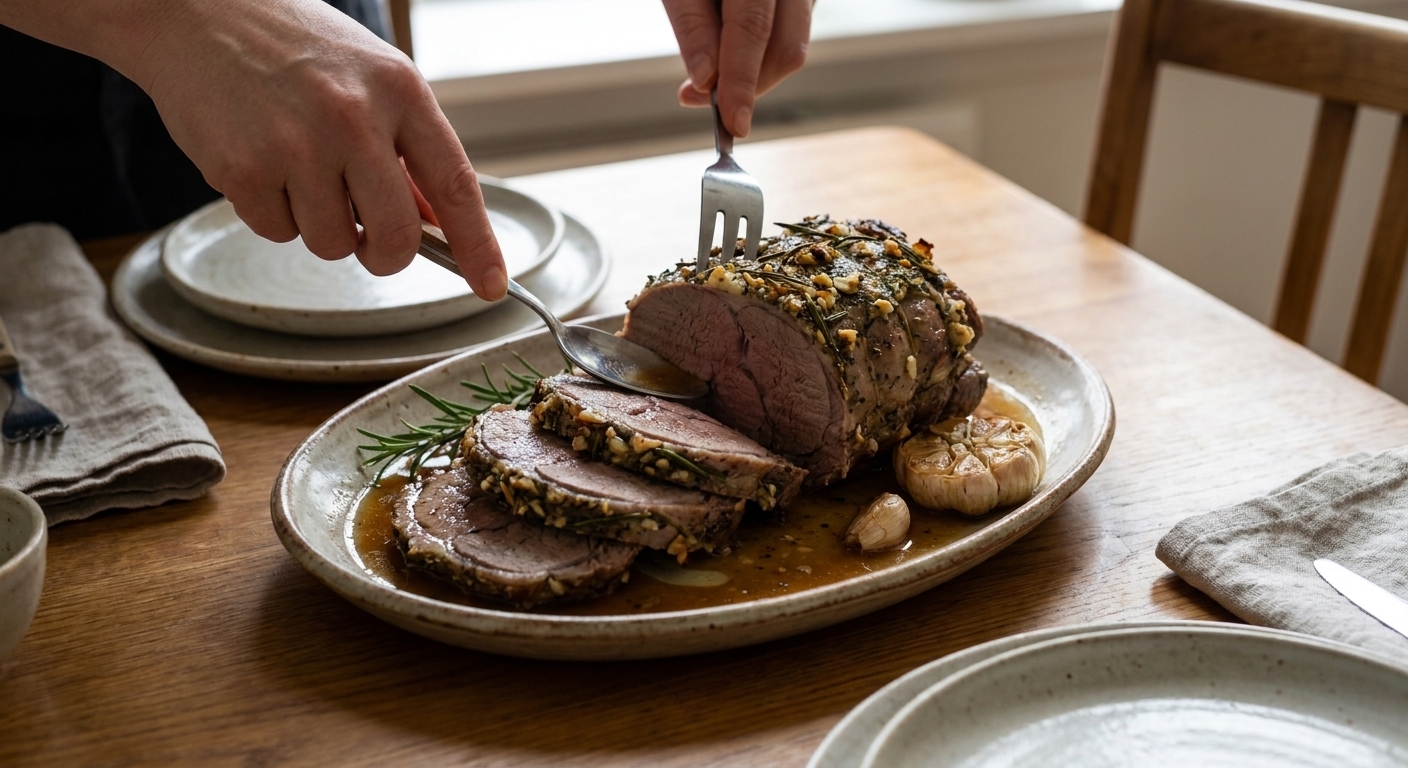
A sliced garlic rosemary lamb roast on a serving platter with pan juices, roasted garlic cloves, and rosemary sprigs on a warm-toned dining table

Lamb roast is one of those dishes that feels like a big deal, but the actual work is mostly: season aggressively, start hot for browning, then let the oven do its thing. My version is a classic garlic and rosemary situation with a little lemon to keep it bright. You get crisp edges, juicy slices, and a pan gravy that tastes like you planned the whole weekend around it.

This recipe works for a boneless leg of lamb or a bone-in leg. I will walk you through both, plus the temperatures that keep lamb tender instead of turning it into expensive jerky.

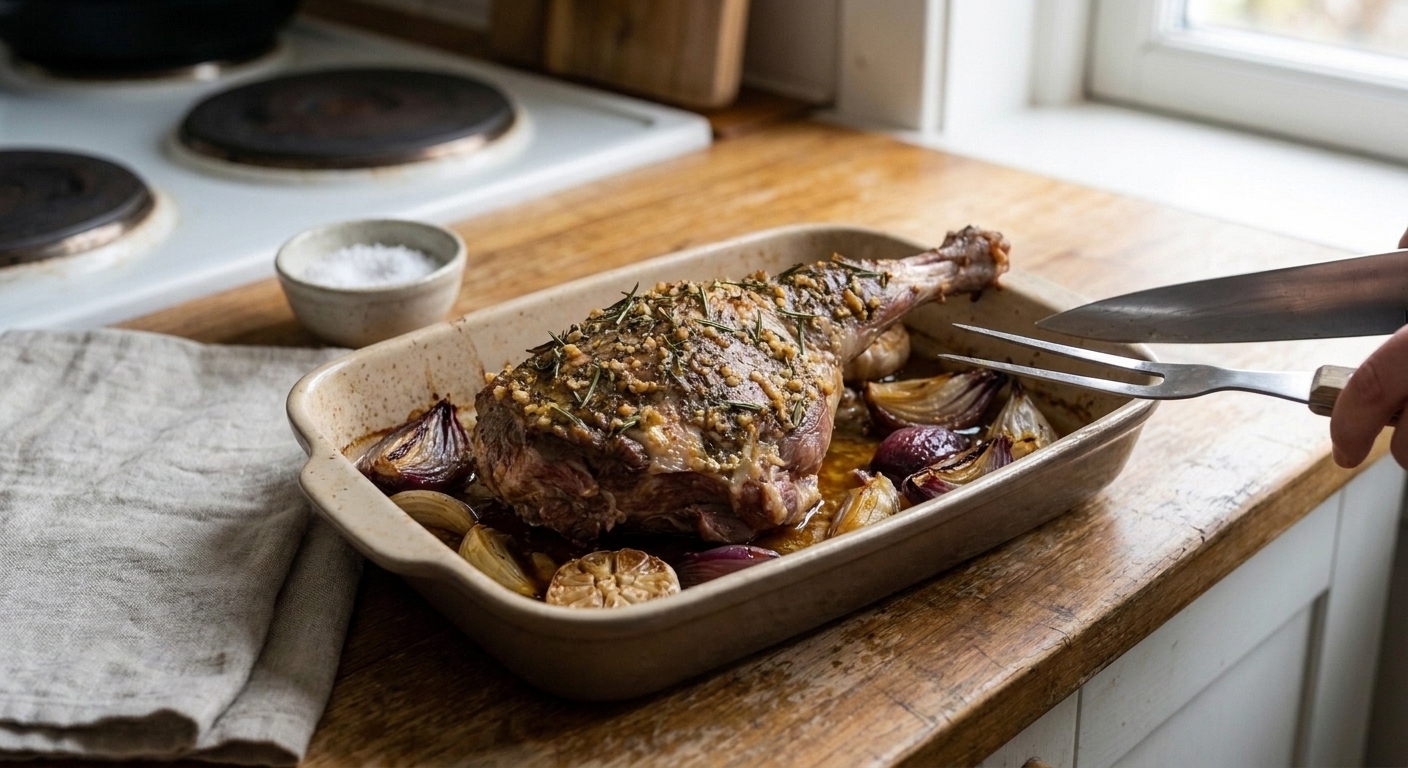
A roasted leg of lamb with garlic and rosemary, resting before slicing with roasted onions in the pan

Why It Works

  • Big flavor without weird ingredients: garlic, rosemary, lemon, and Dijon build a bold, classic crust.
  • Juicy, not dry: a hot oven start plus a temperature-based roast keeps the meat tender.
  • Pan gravy that fixes everything: onions and broth pick up the browned bits and turn them into a glossy sauce in minutes.
  • Flexible doneness: clear internal temp targets so you can go rosy or more cooked without guessing.

Pairs Well With

Storage Tips

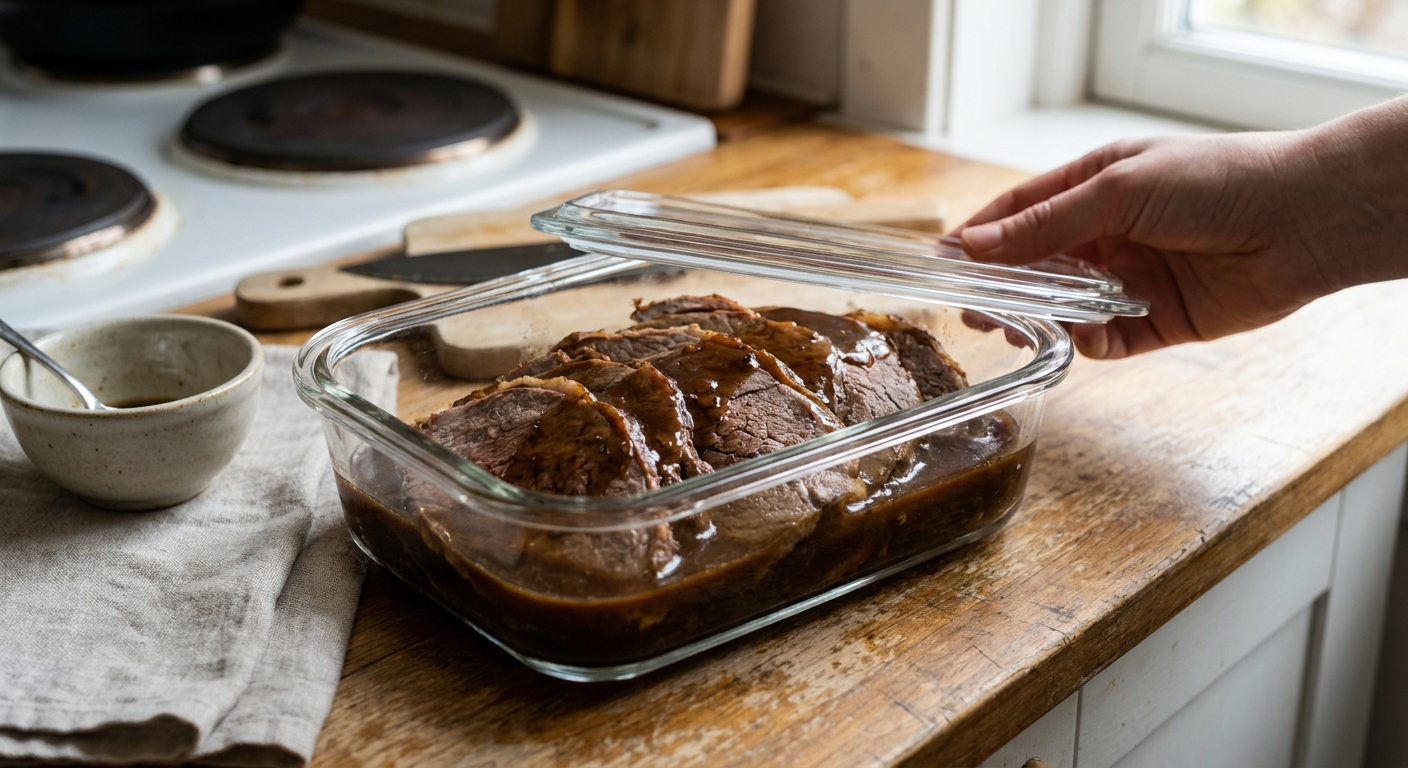
Fridge: Cool leftovers fast, then store sliced lamb in an airtight container for up to 4 days. Spoon a little gravy or pan juice over the slices to keep them from drying out.

Freezer: Freeze sliced lamb (and gravy separately if you have it) for up to 2 months. Wrap tightly to avoid freezer burn.

Reheat: My favorite move is gentle heat. Put slices in a baking dish with a splash of broth or gravy, cover with foil, and warm at 300°F until just hot. Microwave works too, just use lower power and add a spoon of liquid.

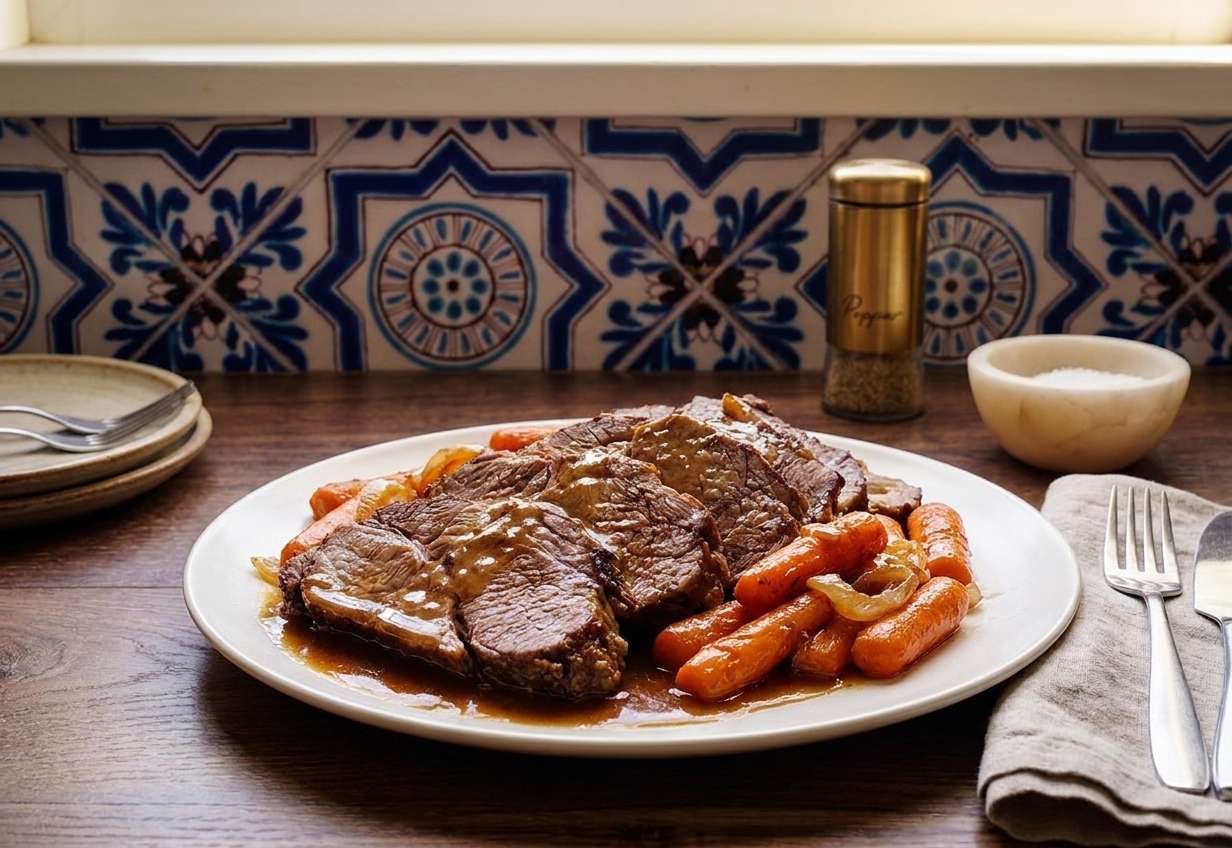
Sliced lamb roast stored in a glass container with a little gravy to keep it moist

Common Questions

What cut of lamb is best for roasting?

Leg of lamb is the classic. Boneless is easier to carve and cooks a bit faster. Bone-in can be slightly more forgiving and looks extra impressive on the table.

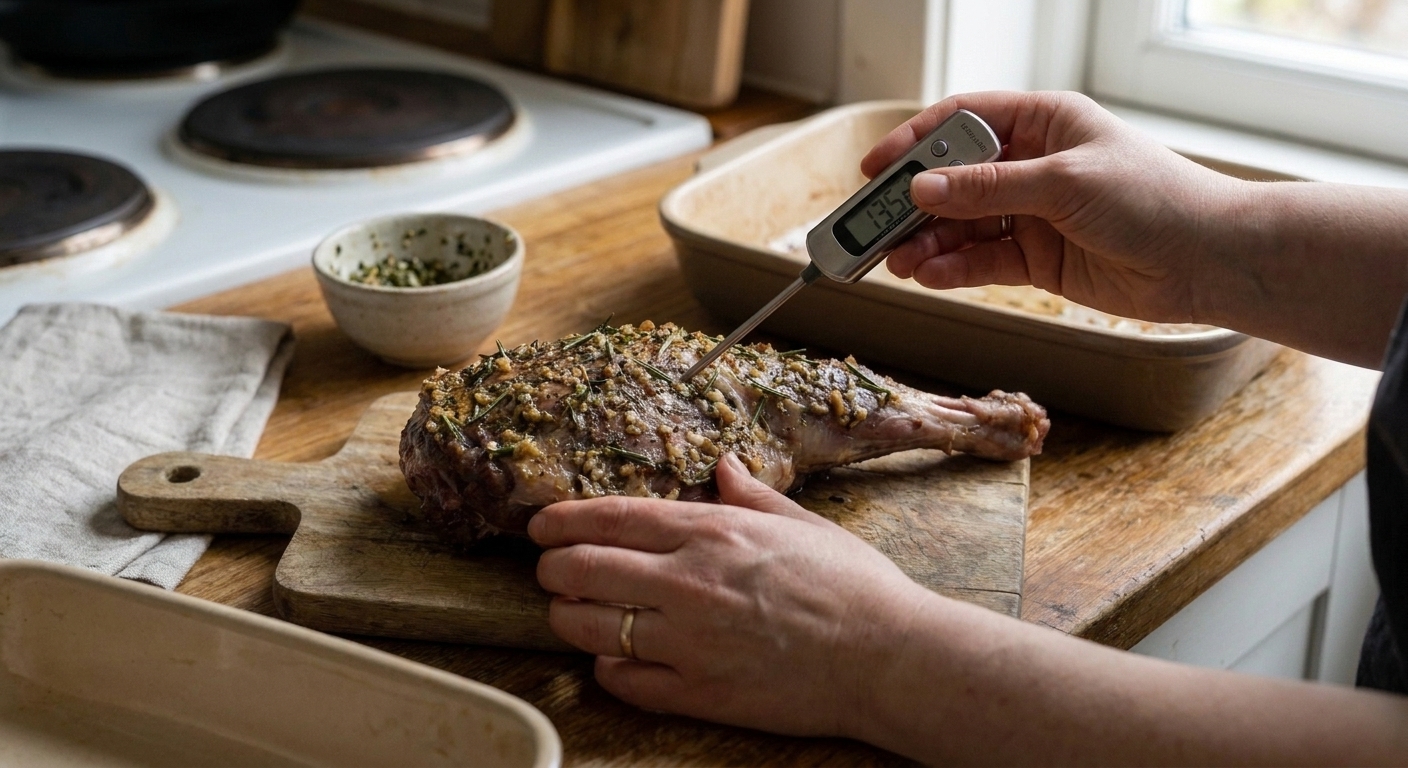
What internal temperature should lamb be?

Use an instant-read thermometer and pull the lamb a little early because it will carry over as it rests.

  • Medium-rare: pull at 125°F to 130°F, rest to about 130°F to 135°F
  • Medium: pull at 135°F to 140°F, rest to about 140°F to 145°F
  • Medium-well: pull at 145°F to 150°F, rest to about 150°F to 155°F

For this recipe, I recommend medium-rare to medium for the best texture. Note: 145°F is also the USDA minimum safe temperature for whole cuts of lamb, followed by a rest.

Do I need to marinate lamb overnight?

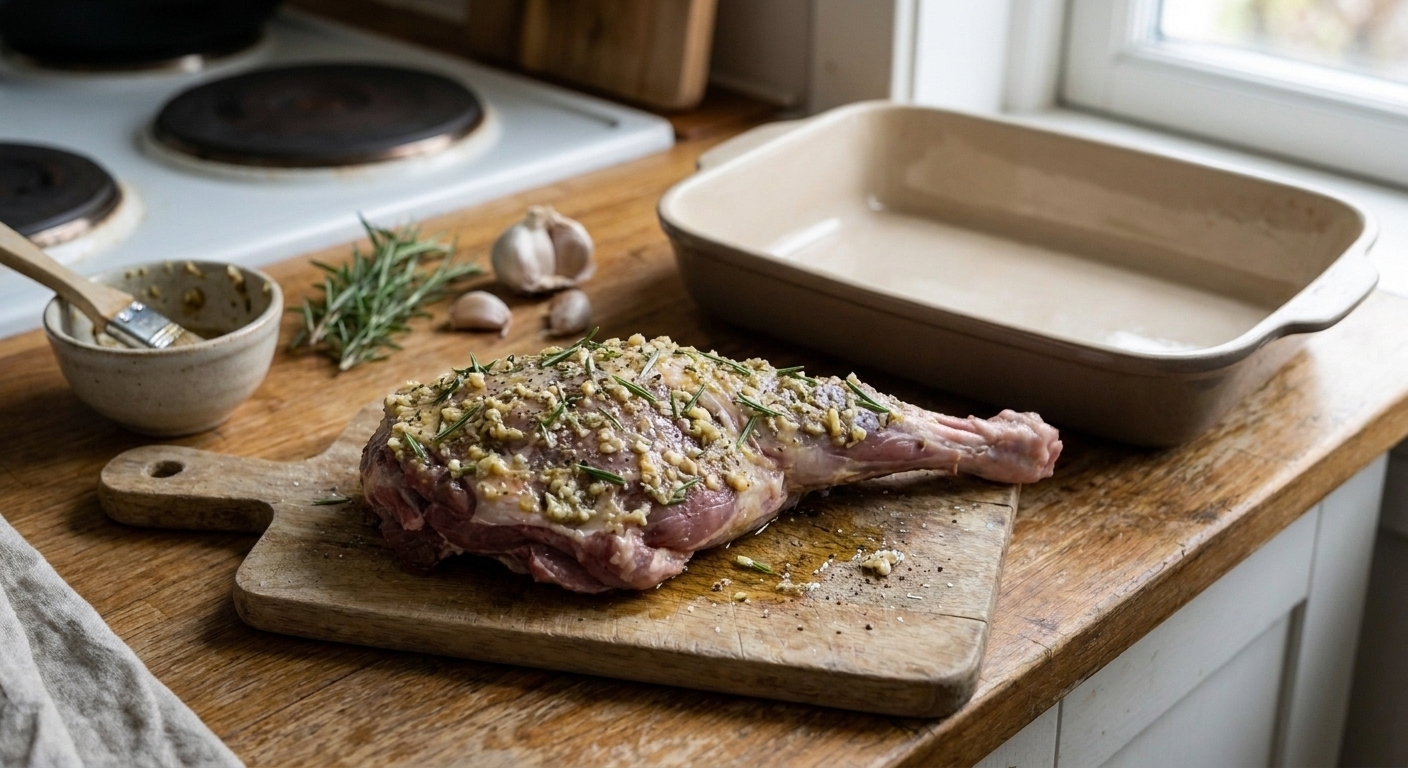
Not required, but it helps. If you can, rub it and chill uncovered for 8 to 24 hours. If you cannot, even 45 minutes at room temp with the rub still makes a difference.

Should I cover lamb while roasting?

Roast uncovered so the outside browns. If the top gets too dark before the inside is done, loosely tent with foil near the end.

Why is my lamb tough?

Usually one of two things: it was cooked too far past your target temp, or it was sliced without resting. Resting for 15 to 25 minutes is non-negotiable if you want juicy slices.

Can I make this without a roasting rack?

Yes. Set the lamb on a bed of thick-sliced onions so it sits up out of the juices. It also makes the gravy better.

Do I need to score the fat cap?

If your leg has a thick fat cap, lightly score it in a shallow crosshatch (do not cut into the meat). It helps the fat render and gives the rub more places to hang out.

Convection or regular oven?

Either works. If you use convection, consider lowering the temp by about 25°F and start checking a little earlier. Thermometer wins either way.

I used to think lamb roast lived in the same category as “holiday-only food,” right next to the fancy candles you never light. Then I realized it is basically the ultimate low-drama centerpiece. Season hard, start hot, roast, and suddenly your kitchen smells like a restaurant. The first time I nailed the timing, I stood at the counter eating a slice straight off the cutting board like a goblin, quietly proud and covered in rosemary.