Mom's Best Recipes
Recipe

Herb-Roasted Cornish Hens

Crispy skin, juicy meat, and a lemony pan sauce. This is the low-drama dinner party move that also works on a random Tuesday.

Author By Matt Campbell
4.8
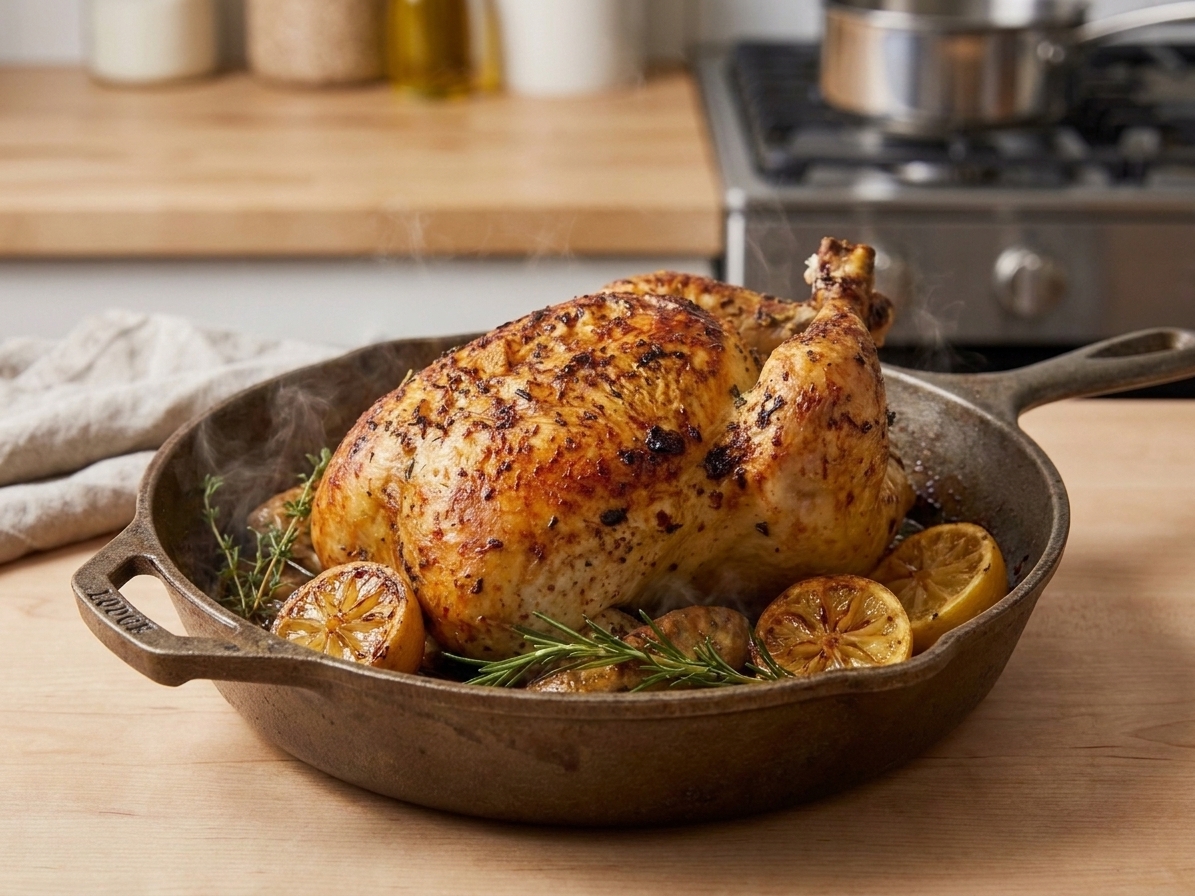
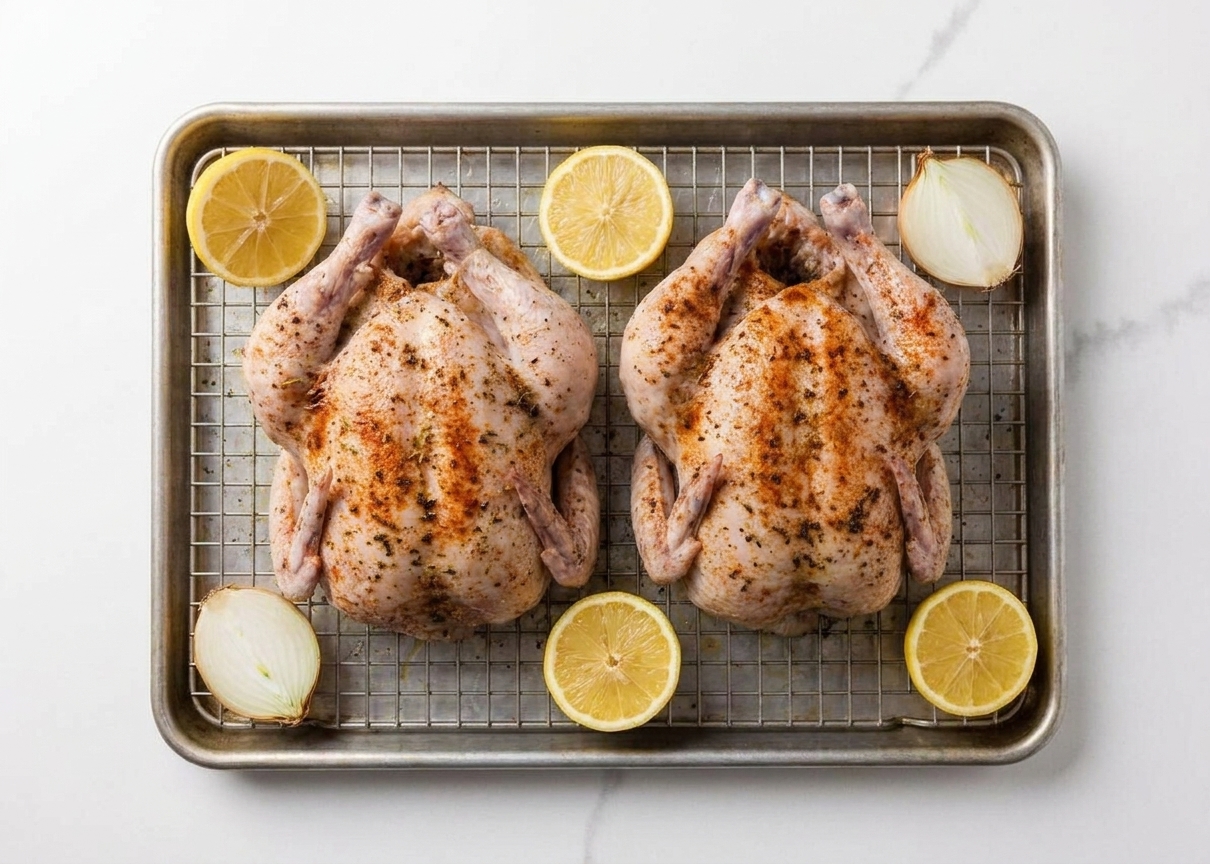
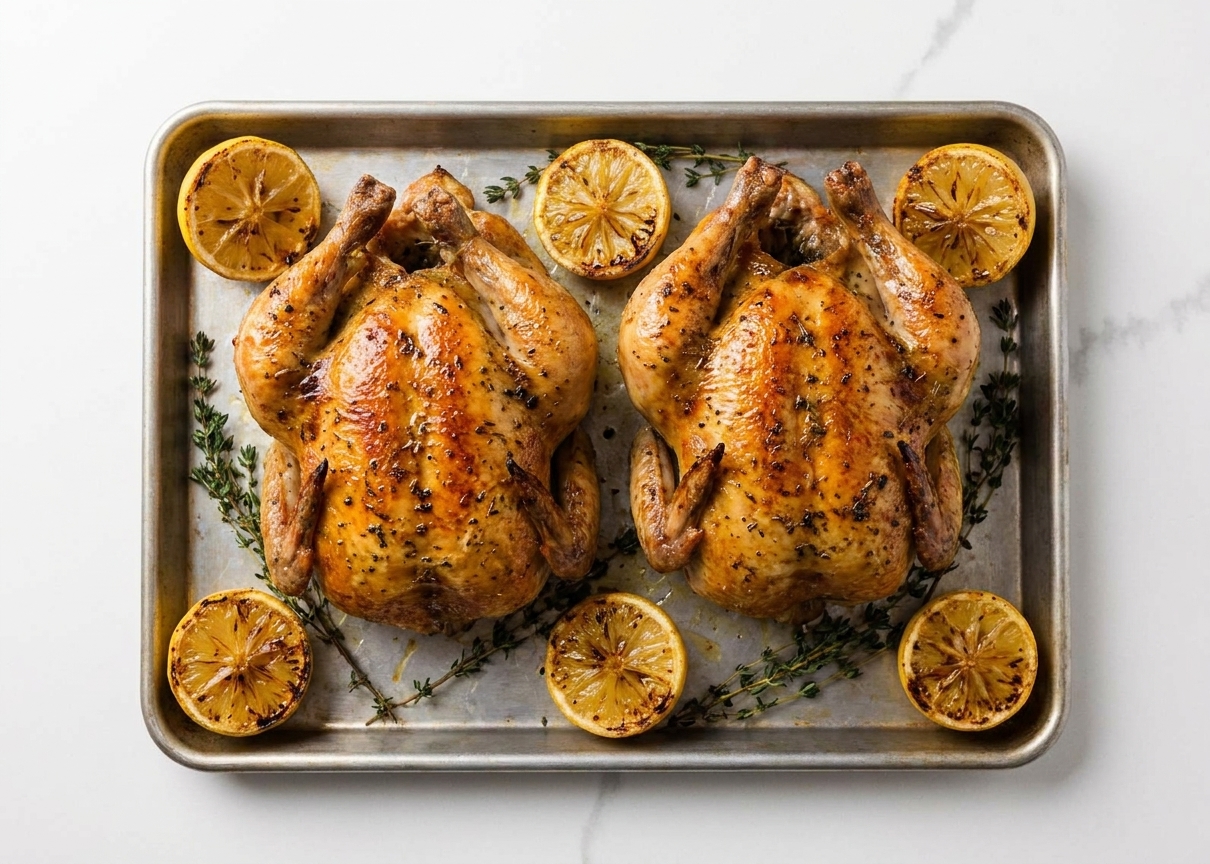
Two golden brown herb-roasted Cornish hens on a rimmed baking sheet with lemon halves and thyme sprigs in warm kitchen lighting

Cornish hens are one of my favorite kitchen magic tricks. They look like a whole production, they carve like a dream, and they cook faster than a full-size bird. Translation: you get that cozy roast chicken vibe without committing your entire evening to poultry.

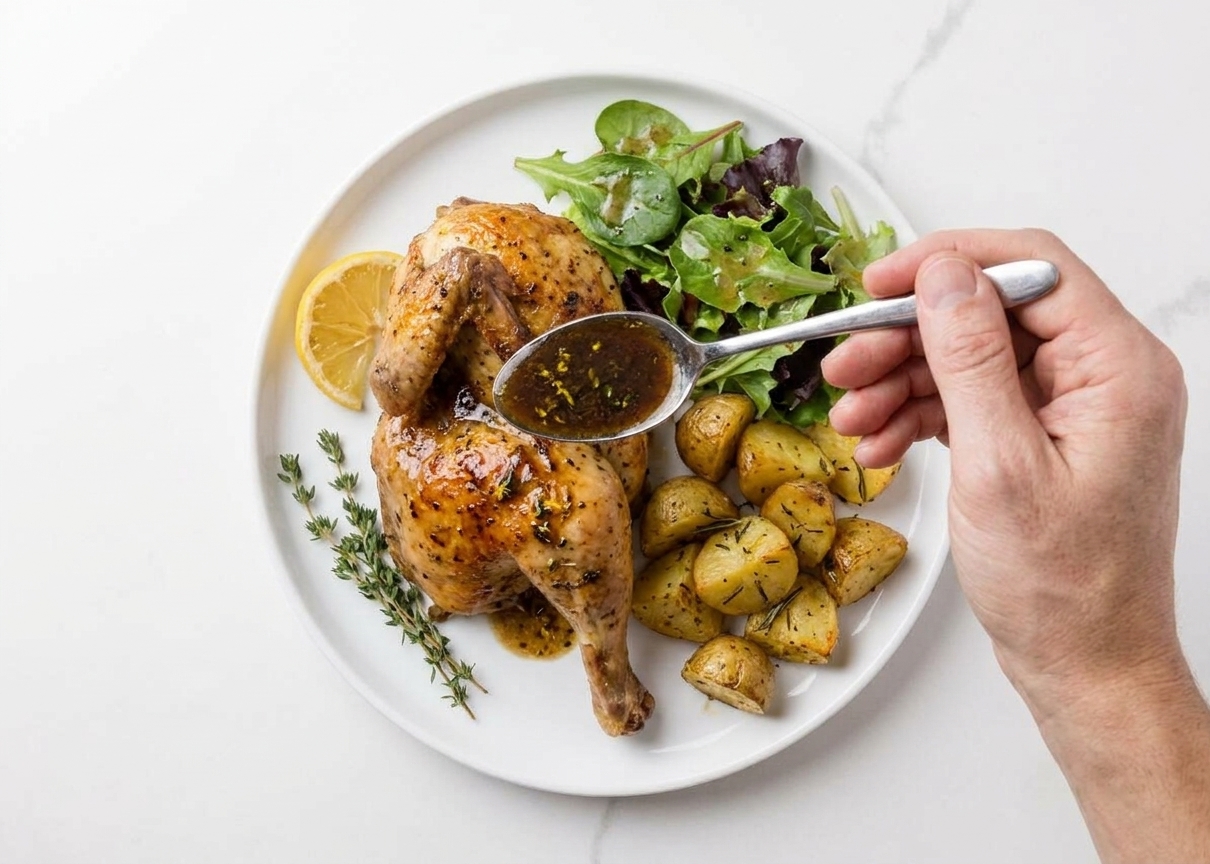
This version goes heavy on the good stuff: lemon, garlic, butter, and herbs, plus a quick pan sauce that tastes like you quietly went to culinary school. The goal is crisp edges, juicy meat, and a spoonable, bright sauce you will want on everything on the plate. Yes, even the potatoes. Especially the potatoes.

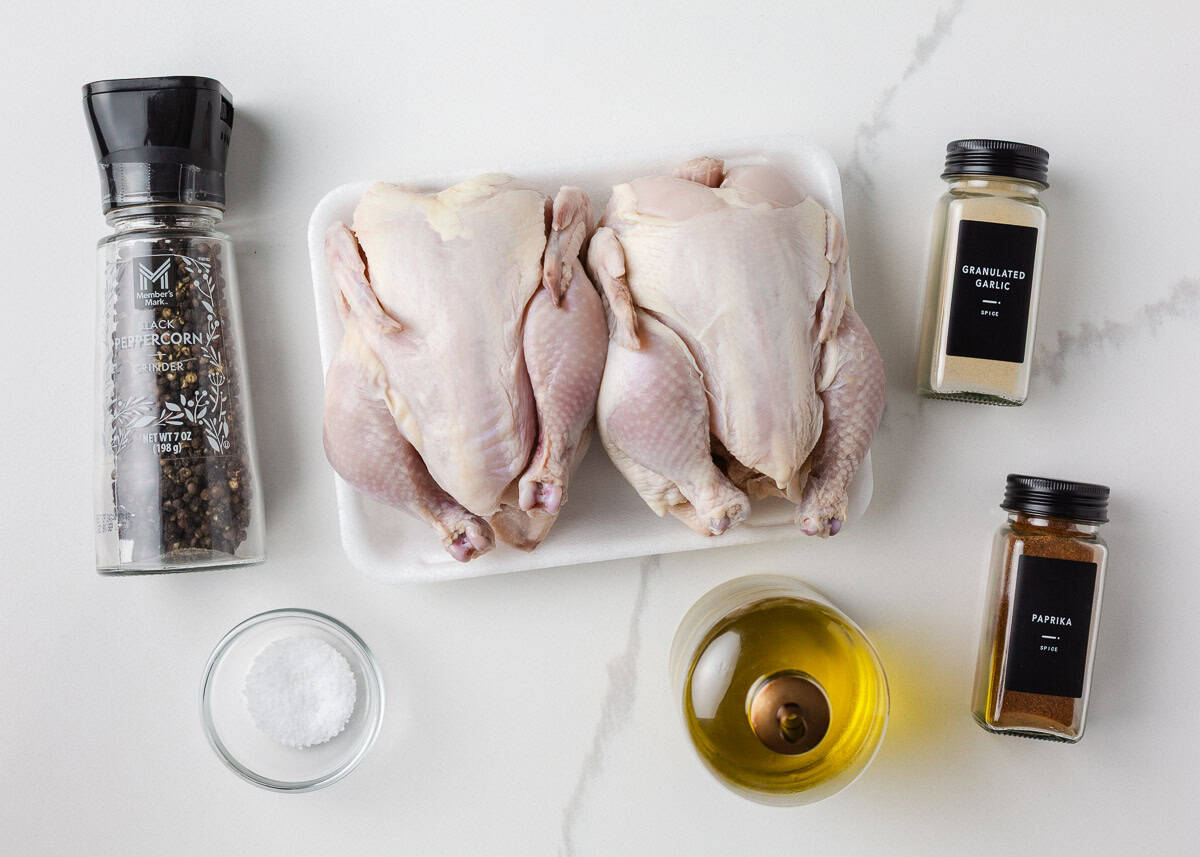
Raw Cornish hens, lemon, garlic, butter, olive oil, thyme, rosemary, salt, pepper, and chicken broth arranged on a light kitchen counter

Why It Works

  • Crispy skin without deep frying anything: A hot oven and dry skin do most of the work.
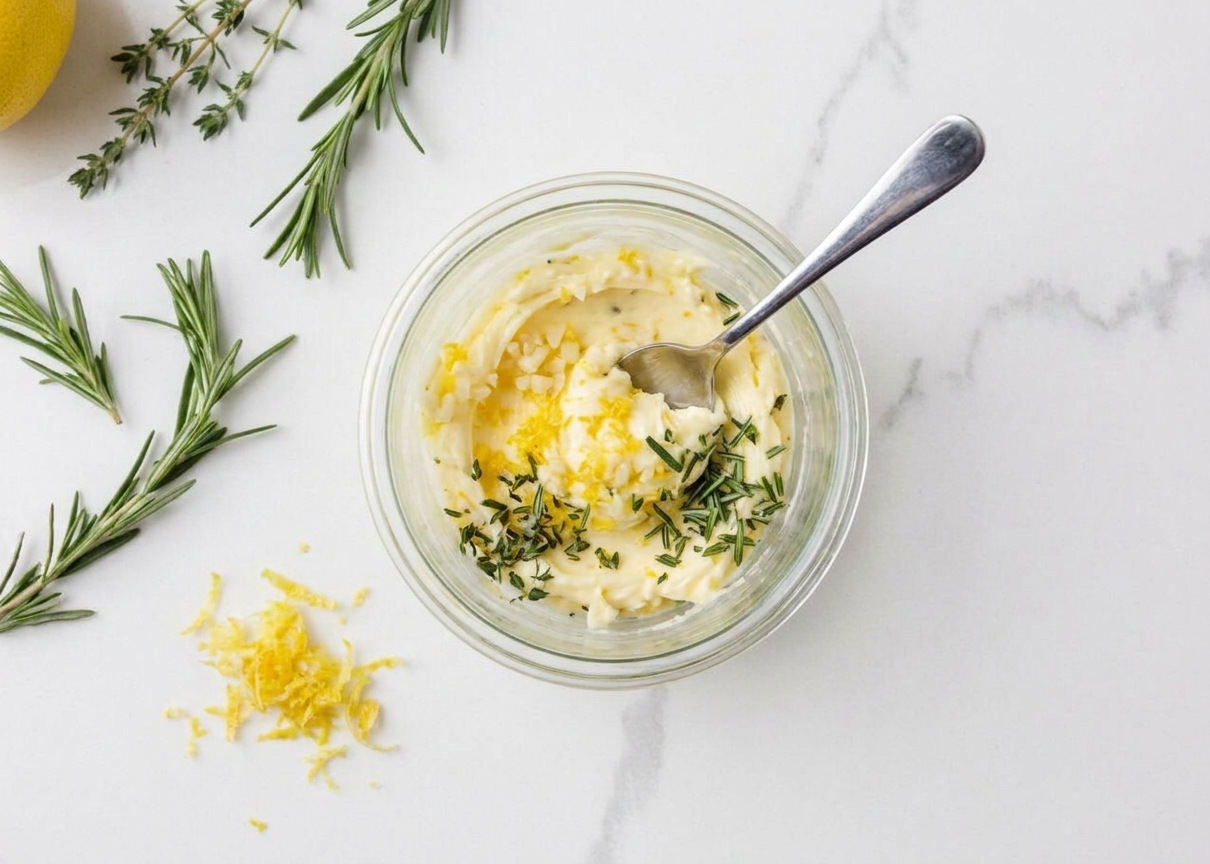
  • Juicy, flavorful meat: Herb butter under the skin is the move. It seasons the breast from the inside out.
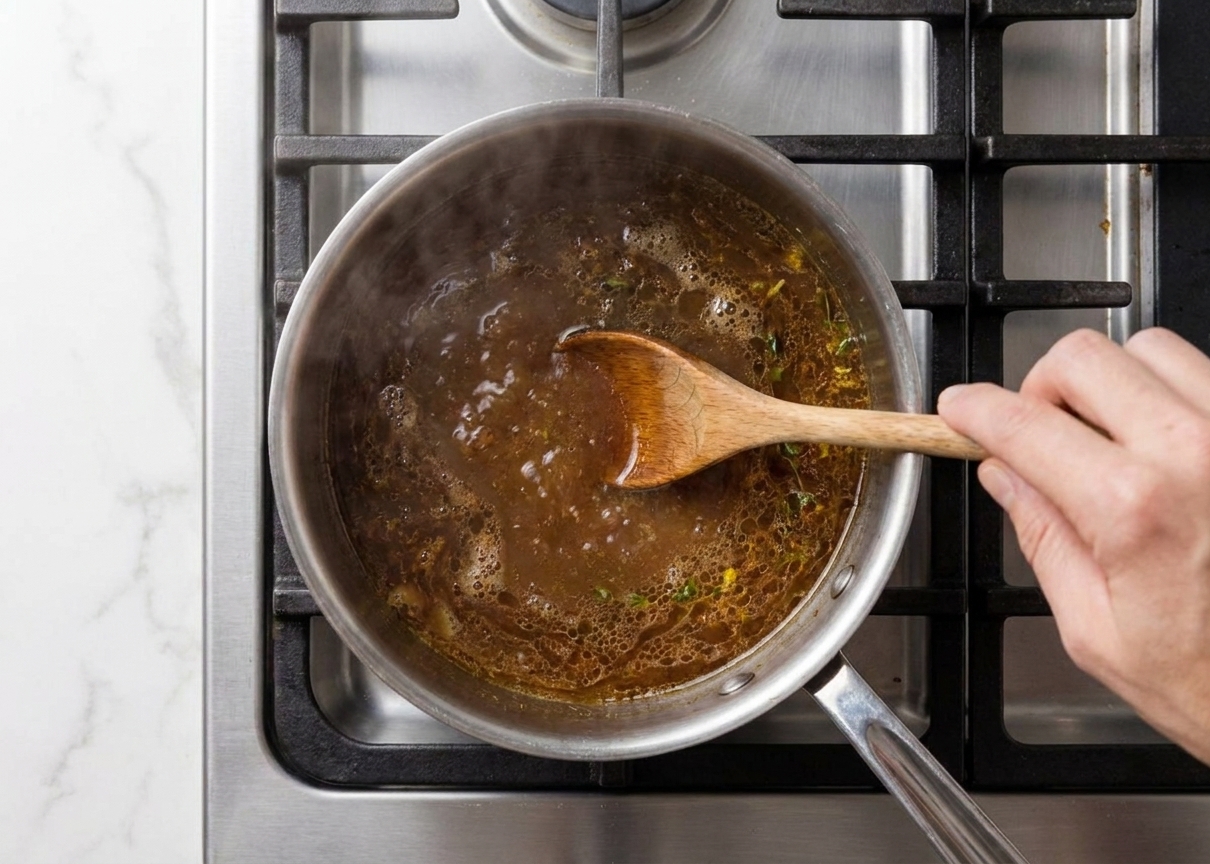
  • A pan sauce that saves the whole meal: Broth plus lemon plus those browned bits equals instant restaurant energy.
  • Easy portions: One hen feeds two people nicely, or one very hungry person who had a day.

Pairs Well With

Storage Tips

Fridge: Cool leftovers within 2 hours, then store meat in an airtight container for up to 3 to 4 days. Keep any sauce separate if you can.

Freezer: Pull the meat off the bones, wrap well, and freeze for up to 2 months. (It thaws and reheats more evenly off the bone.)

Reheating: For best texture, reheat covered in a 325°F oven with a splash of broth until warmed through. If you want the skin to crisp back up, uncover for the last 5 to 8 minutes. Microwave works, but you will lose the crisp.

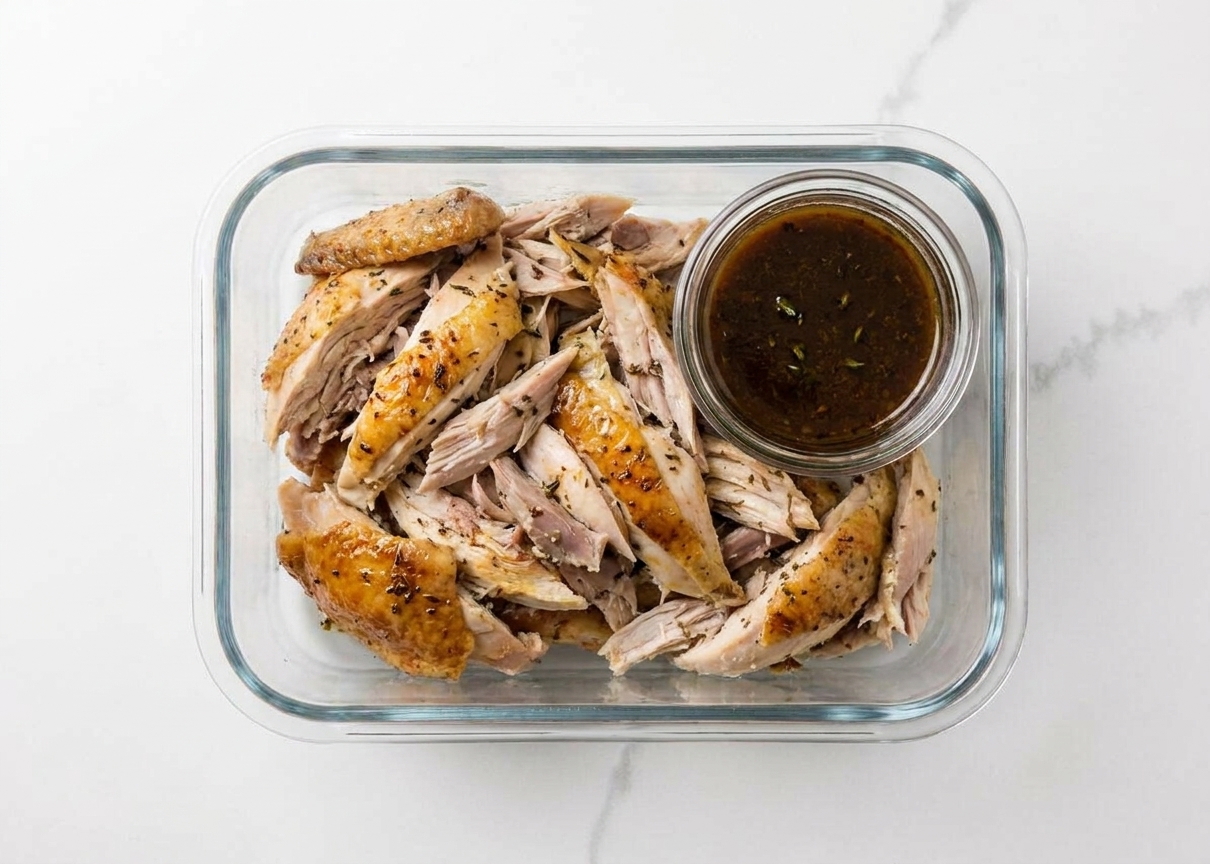
Shredded cooked Cornish hen meat in a glass meal prep container with a small cup of pan sauce beside it

Common Questions

Is a Cornish hen just a small chicken?

Pretty much. Cornish hens (also called Cornish game hens) are small broiler chickens, usually around 1 to 2 pounds each. They cook faster than a standard roasting chicken and are great for individual portions.

How do I know when Cornish hens are done?

Use a thermometer. 165°F is the safe minimum anywhere in the bird. For best texture, many people like thighs closer to 170 to 175°F. If you do not have a thermometer, the juices should run clear and the legs should wiggle easily, but a thermometer is still the least dramatic path.

Do I need to brine them?

No, but you can. This herb butter plus proper roasting gives you juicy results. If you want extra insurance, dry brine: salt the hens and refrigerate uncovered for 8 to 24 hours. Crispier skin, deeper seasoning.

Can I make these ahead for guests?

You can prep ahead. Season, tuck herb butter under the skin, and refrigerate the hens uncovered for up to 24 hours. Roast right before serving so the skin stays crisp.

What if my sauce tastes flat?

Add a pinch of salt, a squeeze of lemon, or a small knob of butter. If it is too sharp, add a splash more broth. Taste, adjust, repeat. That is the whole secret.

How do I make the sauce thicker?

Option one: simmer a few minutes longer. Option two: stir in a quick cornstarch slurry (1 teaspoon cornstarch mixed with 1 teaspoon cold water), then simmer for about 30 to 60 seconds until it tightens up. If it gets too thick, loosen it with a splash of broth.

The first time I cooked Cornish hens, I was trying to impress someone with a “fancy” dinner while still very much living in my practical-skills era. I remember thinking, this is either going to feel effortless or I am going to set off every smoke alarm I own. Good news: it landed in the effortless camp. Ever since, Cornish hens have been my go-to when I want big roast chicken comfort with small roast chicken commitment.