Mom's Best Recipes
Recipe

Herbes de Provence Seasoning Blend

A quick DIY French style herb mix that makes chicken, vegetables, potatoes, and soups taste like you tried harder than you did.

Author By Matt Campbell
4.8
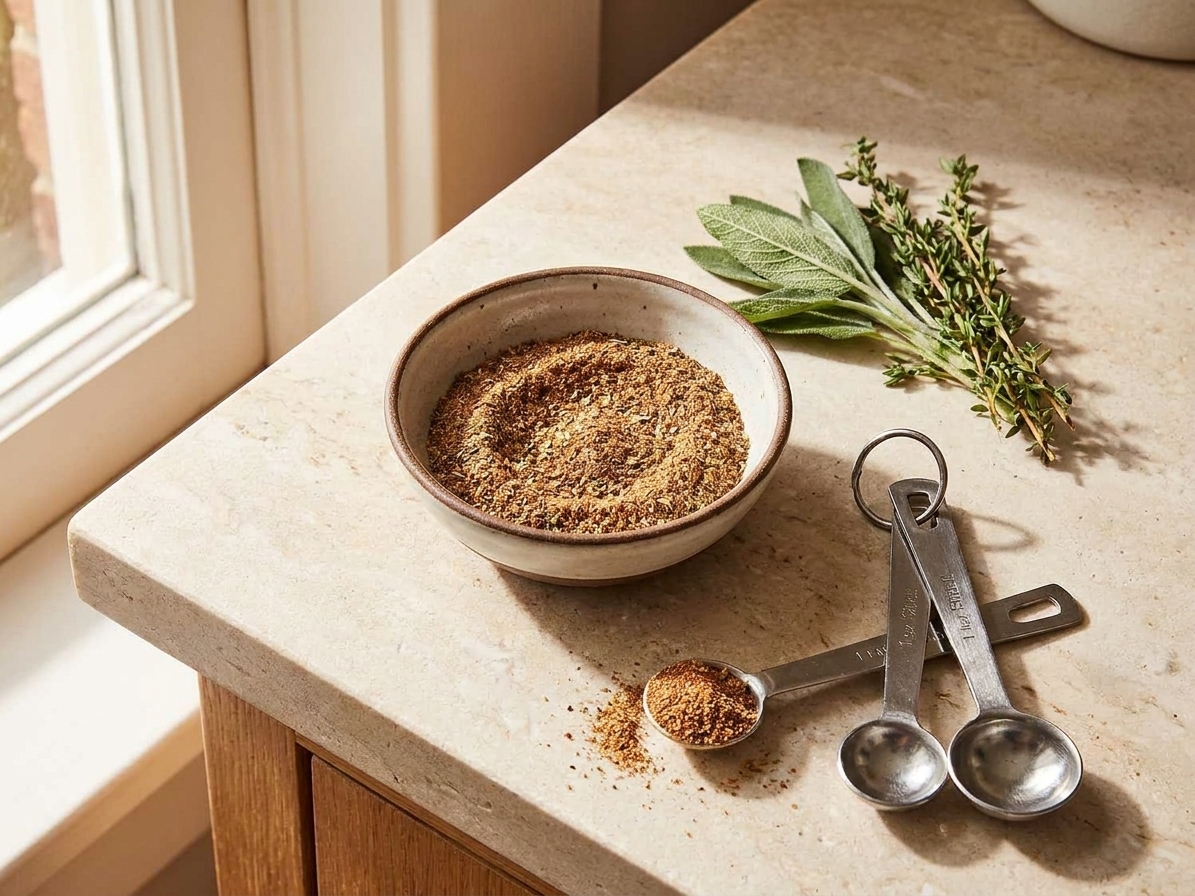
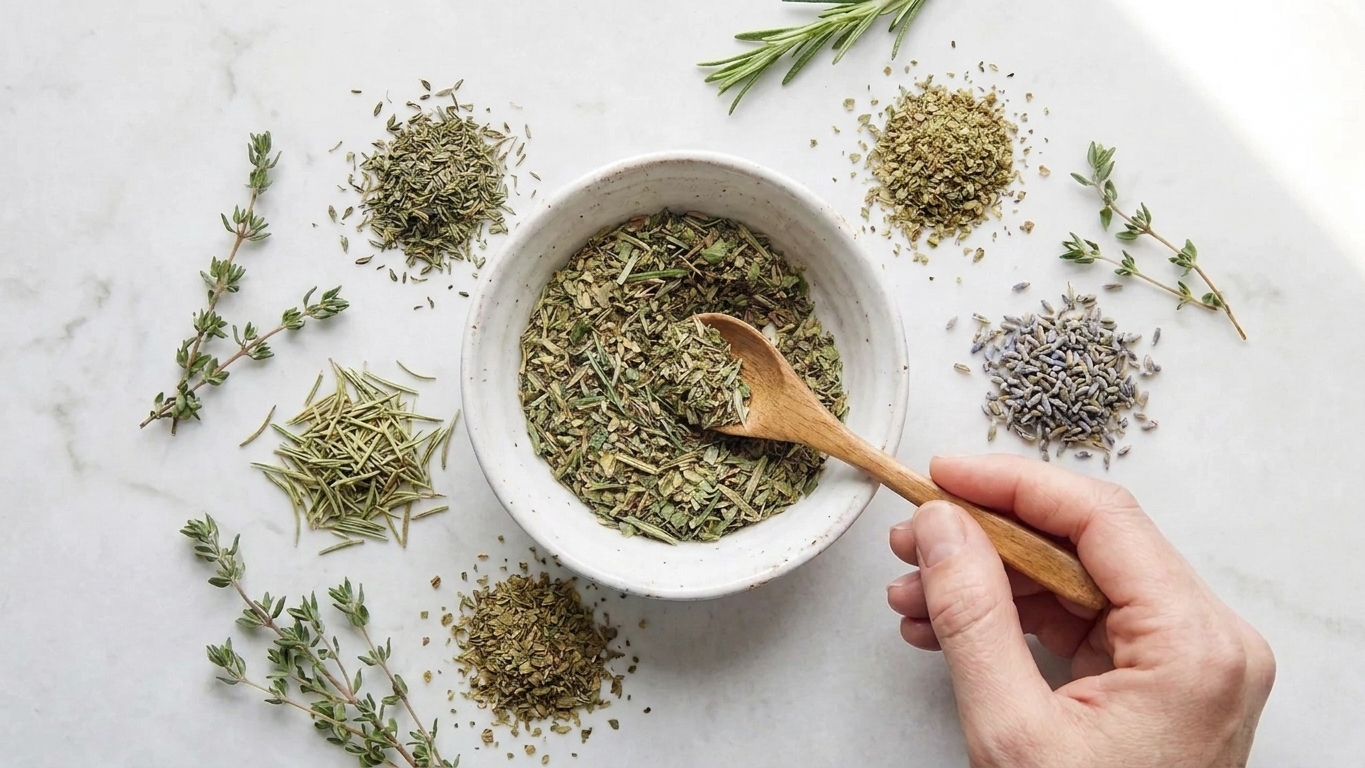
A small ceramic bowl filled with herbes de Provence on a light stone kitchen counter, with small piles of dried thyme, rosemary, oregano, and lavender nearby

Herbes de Provence is one of those seasonings that quietly saves dinner. It smells like a sunny herb garden, tastes like roasted chicken skin should taste, and somehow makes a sheet pan of vegetables feel like a real plan.

It is a mix of dried herbs associated with the Provence region of France. You will often see lavender included in some modern commercial blends (especially in U.S. grocery stores), which is lovely when it is used with a light hand. The good news: you do not need a passport or a specialty shop. You need a few dried herbs, a jar, and five minutes.

This recipe is my go-to pantry blend for weeknight cooking because it is accessible, forgiving, and ridiculously versatile. Sprinkle it on potatoes, stir it into soup, rub it on chicken, and taste as you go. That last part is not optional.
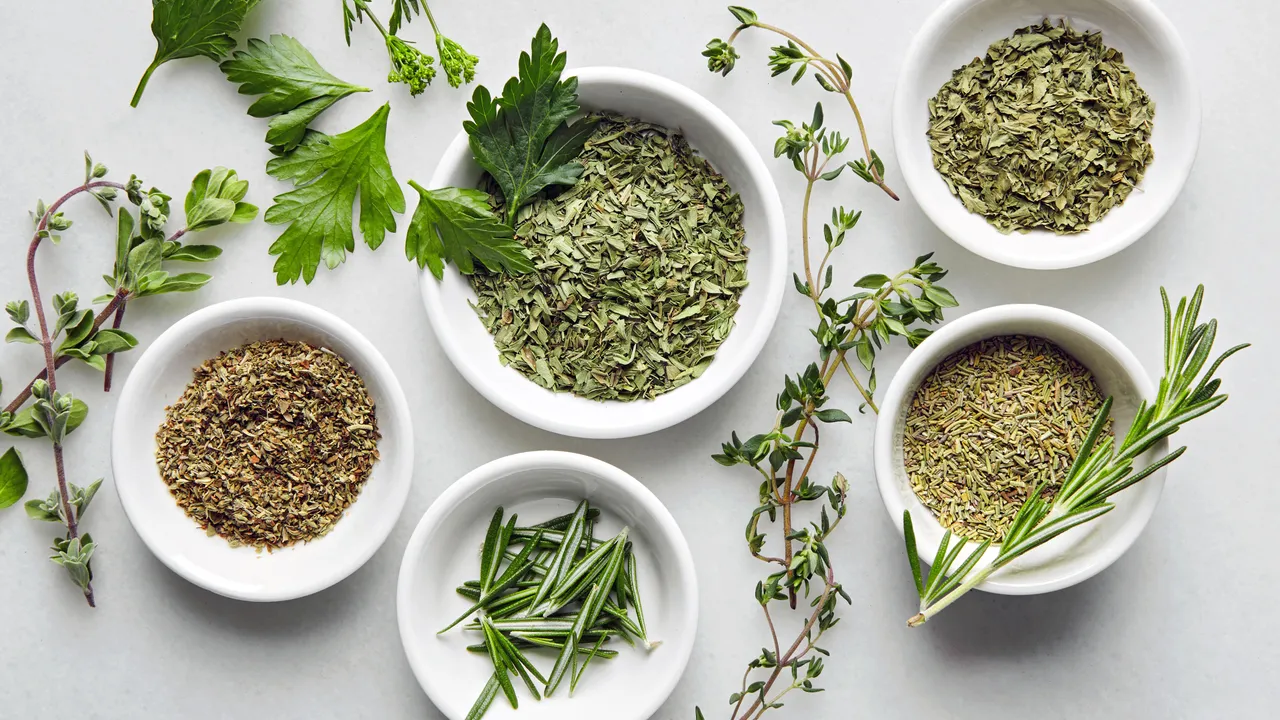
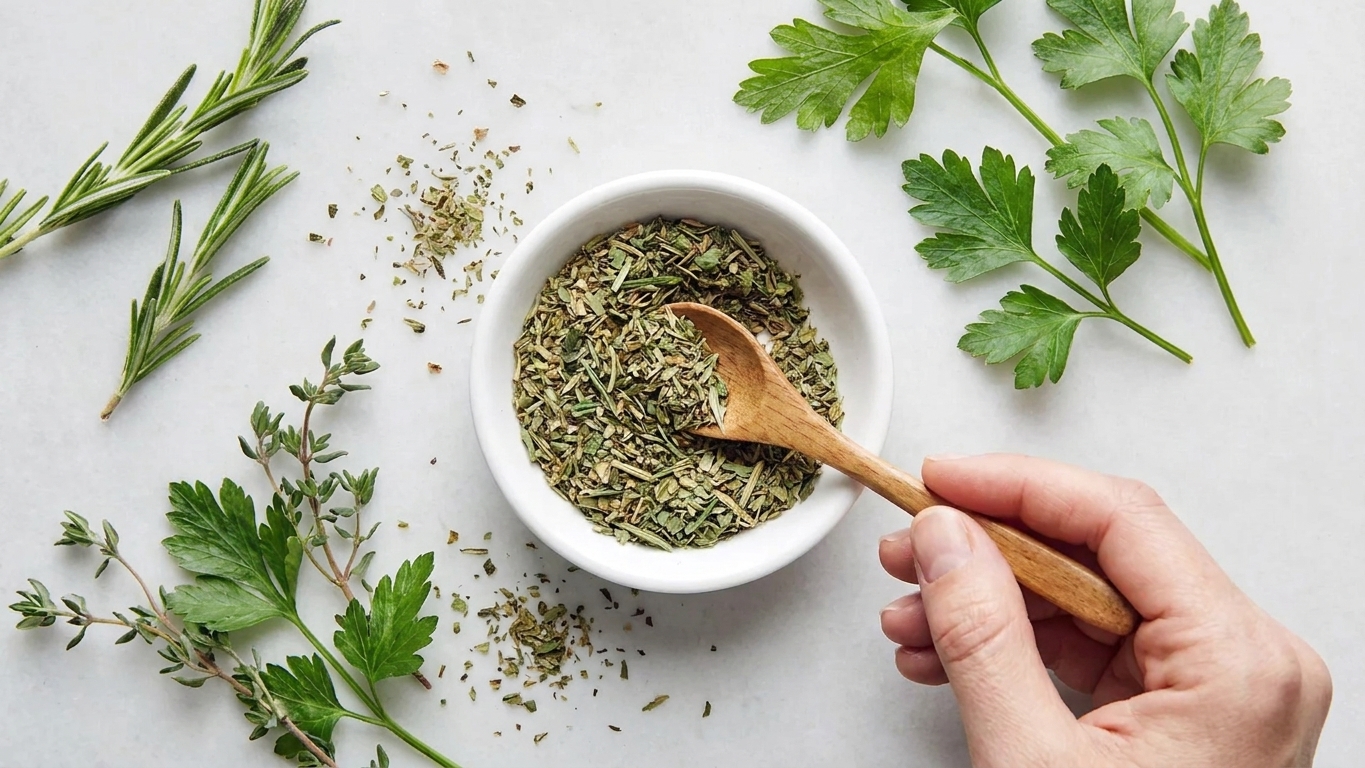
Dried thyme, rosemary, and oregano in small pinch bowls on a bright kitchen counter, ready to be mixed

Why It Works

  • Big flavor, minimal effort: dried herbs bloom quickly in oil, butter, and roasting heat, so the payoff is fast.
  • Balanced and flexible: thyme and savory bring the backbone, rosemary adds piney punch, and marjoram and oregano round it out.
  • Lavender is optional: include it for a modern supermarket classic, or skip it if you want an all-purpose blend that plays nicely with everything.
  • Built for busy cooking: it works as a rub, a roast seasoning, or a quick stir-in for sauces and soups.

Pairs Well With

Storage Tips

Store: Keep your blend in an airtight jar in a cool, dark cabinet. Light and heat are the enemies of dried herbs.

Best flavor window: For the strongest aroma, use within 6 to 12 months. It is safe longer, but eventually it starts tasting more like “dried grass” than “French countryside.”

Make it last: If your rosemary pieces are large, crush them slightly before mixing so the flavor distributes evenly and the texture is less twiggy.

Salt note: If you add salt to the blend, taste before salting your dish again. It is very easy to overdo it when your seasoning is already seasoned.

Common Questions

What is in herbes de Provence?

The most common core is thyme, rosemary, oregano, and marjoram. Many blends also include savory. Some commercial blends (especially outside France) include lavender. There is no single official formula, so different brands vary.

Does herbes de Provence always have lavender?

No. Lavender is common in some modern supermarket blends, but it is not required. If you are nervous about it, start with a small amount or skip it entirely.

Any tips for using lavender?

Use culinary-grade lavender buds and keep it subtle. Too much can read perfumey fast. Start with the amount listed, then adjust after you smell and taste the blend.

What does it taste like?

Herbal, slightly piney, and gently peppery from rosemary and thyme, with a soft sweetness from marjoram. With lavender it becomes lightly floral. Think “roast chicken, but prettier.”

What is the difference between Italian seasoning and herbes de Provence?

Italian seasoning usually leans on oregano and basil, sometimes parsley and garlic. Herbes de Provence is typically more thyme-forward with rosemary and often savory. Lavender is the wildcard that makes it feel distinctly Provençal (in many modern blends).

How much should I use?

As a general rule, use 1 to 2 teaspoons per pound of meat or vegetables. For soups and sauces, start with 1 teaspoon, simmer, then adjust. Dried herbs need a little time to wake up.

Can I use fresh herbs instead?

For this blend, stick with dried herbs for shelf stability. If you are cooking with fresh, use the same herb combo and aim for about 3 times the amount (fresh is less concentrated), then taste and adjust.

I started keeping a jar of this blend around when I was trying to cook more confidently without turning every weeknight into a project. The first time it really clicked was on a sheet pan of potatoes and carrots with olive oil, salt, and herbes de Provence. The edges got crisp, the kitchen smelled incredible, and I remember thinking, “Wait, that is it?” Now it is my go-to when dinner needs a nudge in the right direction but I am not trying to overcomplicate my life.