Common questions
Is cultured buttermilk the same as old-fashioned buttermilk?
Not exactly. Old-fashioned buttermilk was the liquid left after churning butter. Most store-bought cultured buttermilk today is milk (often low-fat) that has been cultured with mesophilic bacteria to make it tangy and slightly thick. This homemade version copies that cultured style.
What kind of milk should I use?
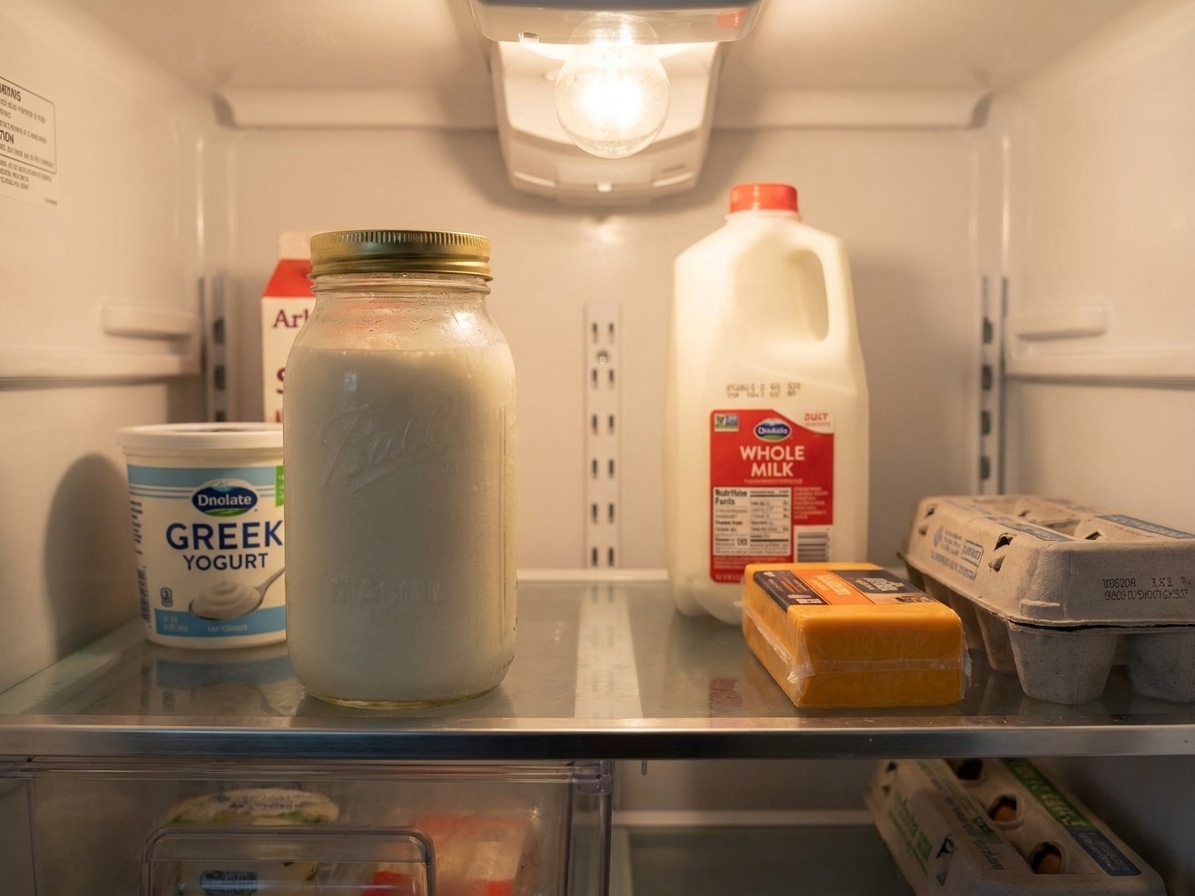
Whole milk makes the thickest, most satisfying cultured buttermilk. 2% works too, just a little thinner. Ultra-pasteurized milk can culture, but it sometimes sets more loosely. If you want the best odds of a thick set, use regular pasteurized whole milk.
Can I make cultured buttermilk with non-dairy milk?
Not reliably with this method. The classic cultures are designed to ferment dairy. Some people have success culturing certain non-dairy milks with probiotic capsules or specific vegan starters, but that is a different process and the results vary a lot.
What counts as a buttermilk starter?
Use store-bought cultured buttermilk that says it contains live and active cultures. That is your starter. Avoid shelf-stable “buttermilk” products that are meant for baking only and do not contain live cultures.
What temperature do I need to culture it?
Aim for a cozy range of 70 to 78°F. Cooler than that and it will still work, just slower. Warmer kitchens can speed it up, but if you push much past 85°F you can end up with off flavors or a less pleasant texture.
How long does it take?
Most kitchens land at 12 to 24 hours. If your house is cooler, plan on closer to 24 hours. If it is warm, you might be done in 10 to 14 hours.
How do I know it’s done?
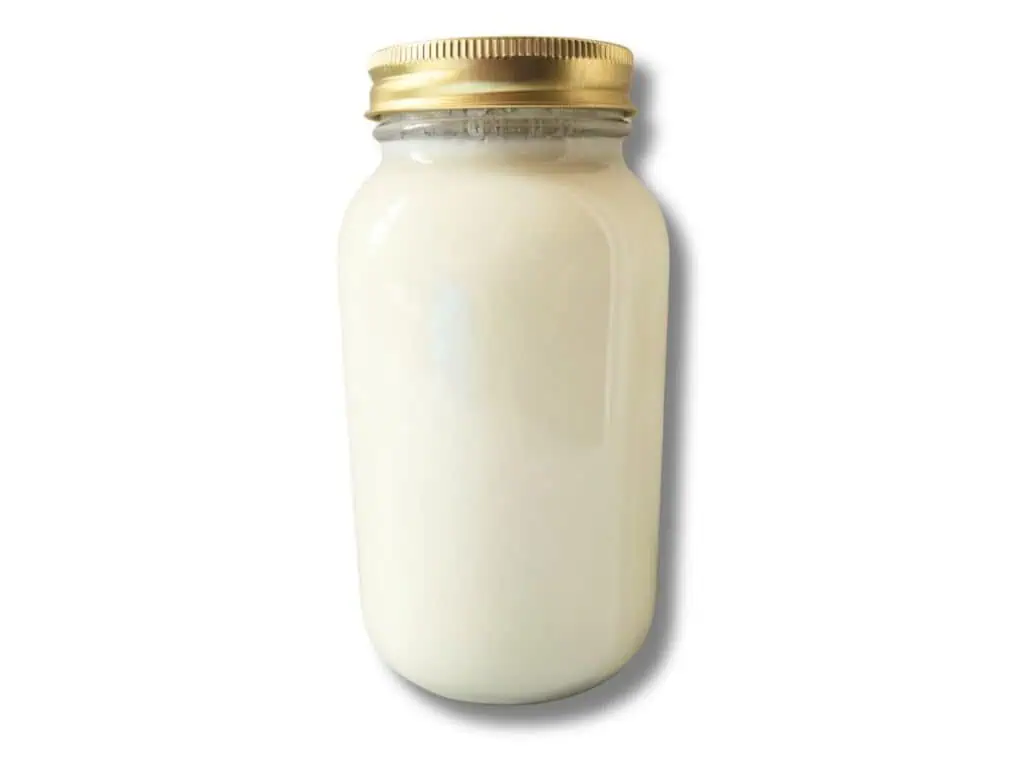
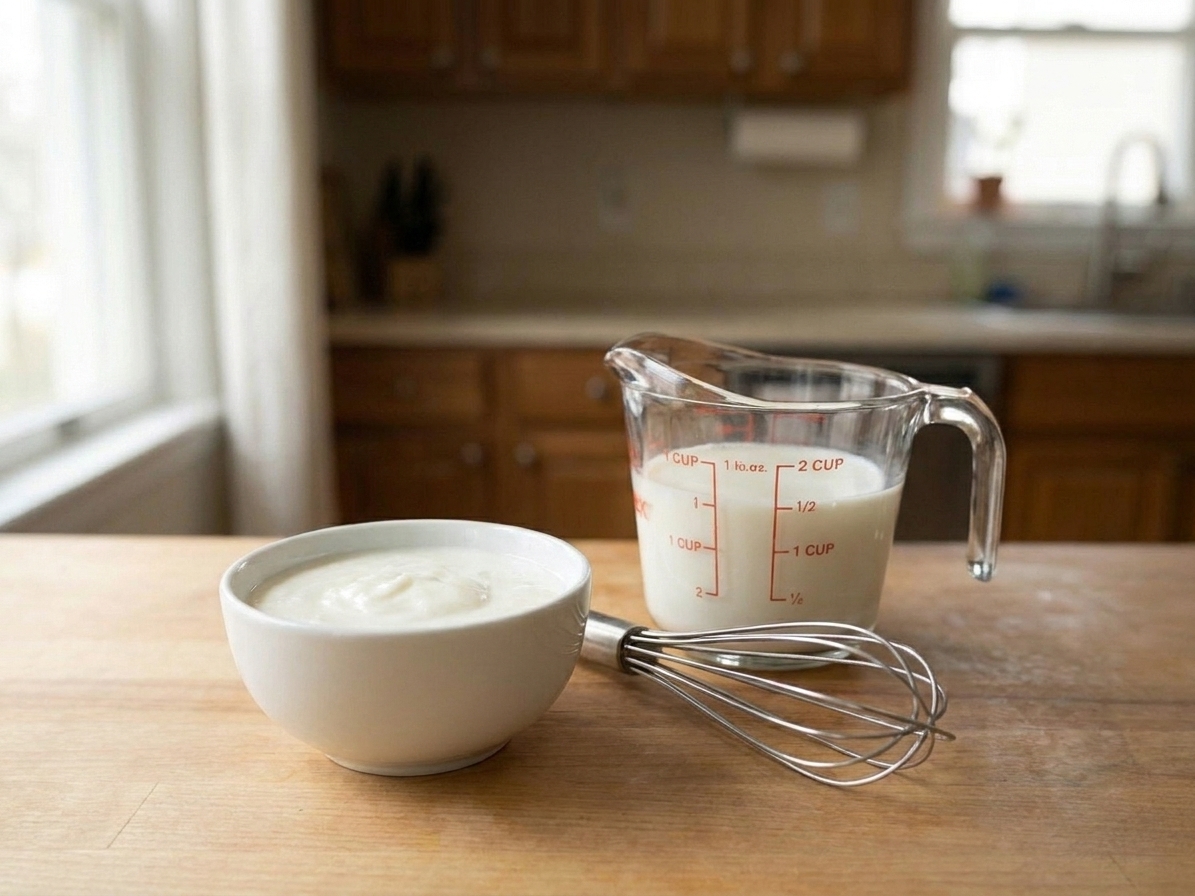
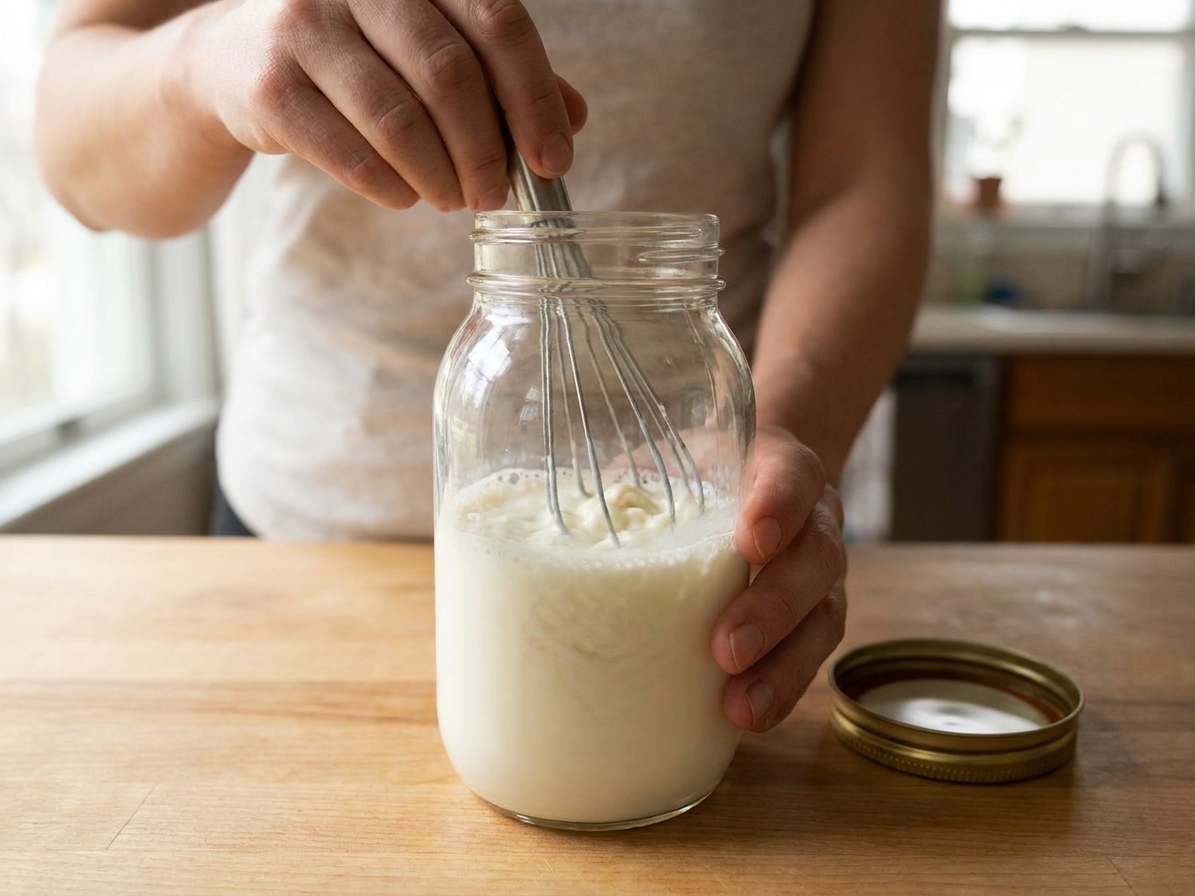
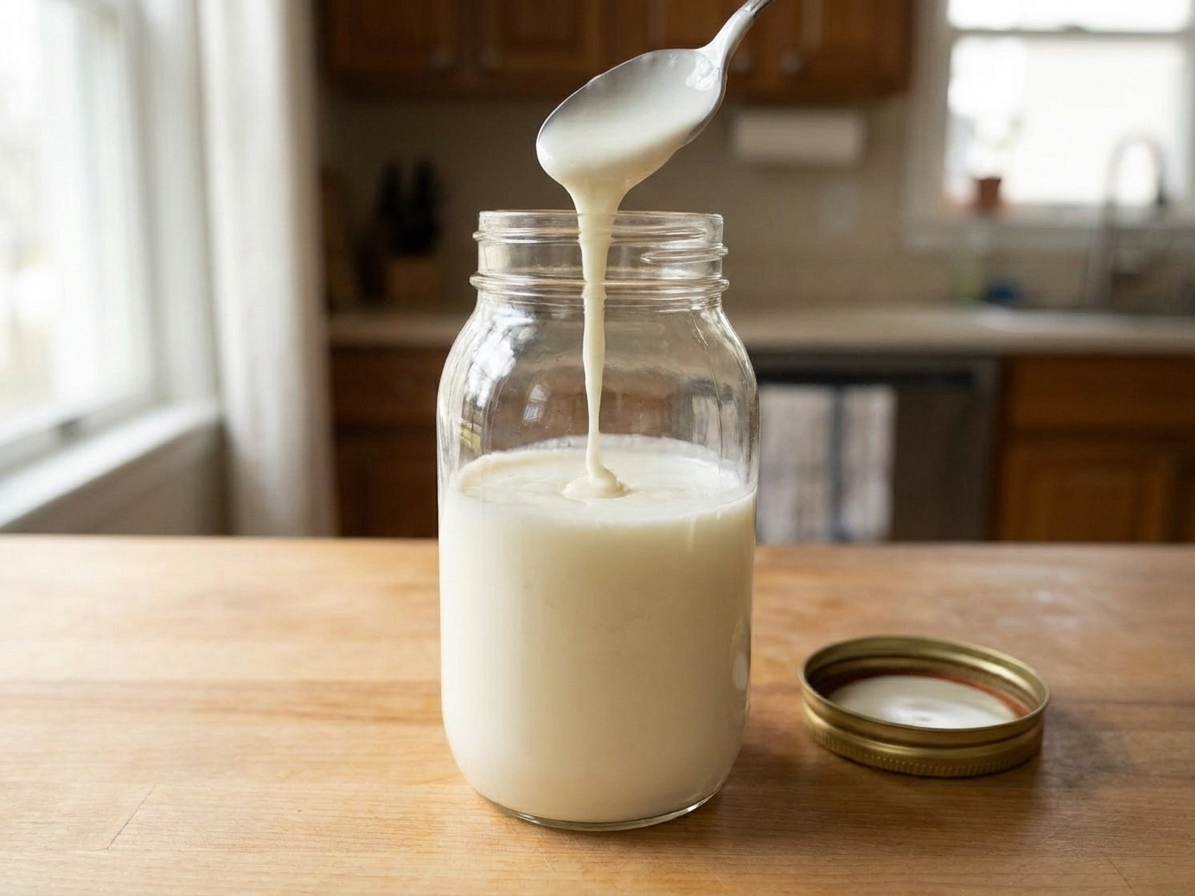
It should be noticeably thicker and smell pleasantly tangy, like classic buttermilk. When you tilt the jar, it should move like a loose yogurt or heavy cream, not like plain milk. A clean spoon dipped in should come out lightly coated.
My buttermilk didn’t thicken. Did I ruin it?
Not necessarily. Usually it just needs more time, or it was cultured too cool, or your starter was old and weak. Move it somewhere slightly warmer and give it another 6 to 12 hours. If it never thickens but smells clean and tangy, you can still use it in baking.
Is it safe to culture milk on the counter?
Culturing is a controlled fermentation using beneficial bacteria. Use fresh milk, a clean jar, and a starter with live cultures, and keep it in a reasonable temperature range. If it smells foul, looks pink or fuzzy, or tastes sharply unpleasant in a rotten way, discard it.
Can I use this to make more buttermilk again?
Yes, for a while. You can typically use a few tablespoons of your finished buttermilk to start the next batch. Over many generations it may get thinner or less tangy, so when it starts to feel weak, refresh with a new store-bought starter.