Mom's Best Recipes
Recipe

Homemade Cultured Buttermilk

Real cultured buttermilk made by fermenting milk with live-culture buttermilk until thick and tangy. Includes time, temperature, and fridge life.

Author By Matt Campbell
4.8
A glass jar of thick, creamy cultured buttermilk on a bright kitchen counter beside a small whisk and a folded linen towel

Let’s clear something up right away: cultured buttermilk is a fermented dairy product. It is not the same thing as the quick substitute where you splash lemon juice or vinegar into milk and call it good.

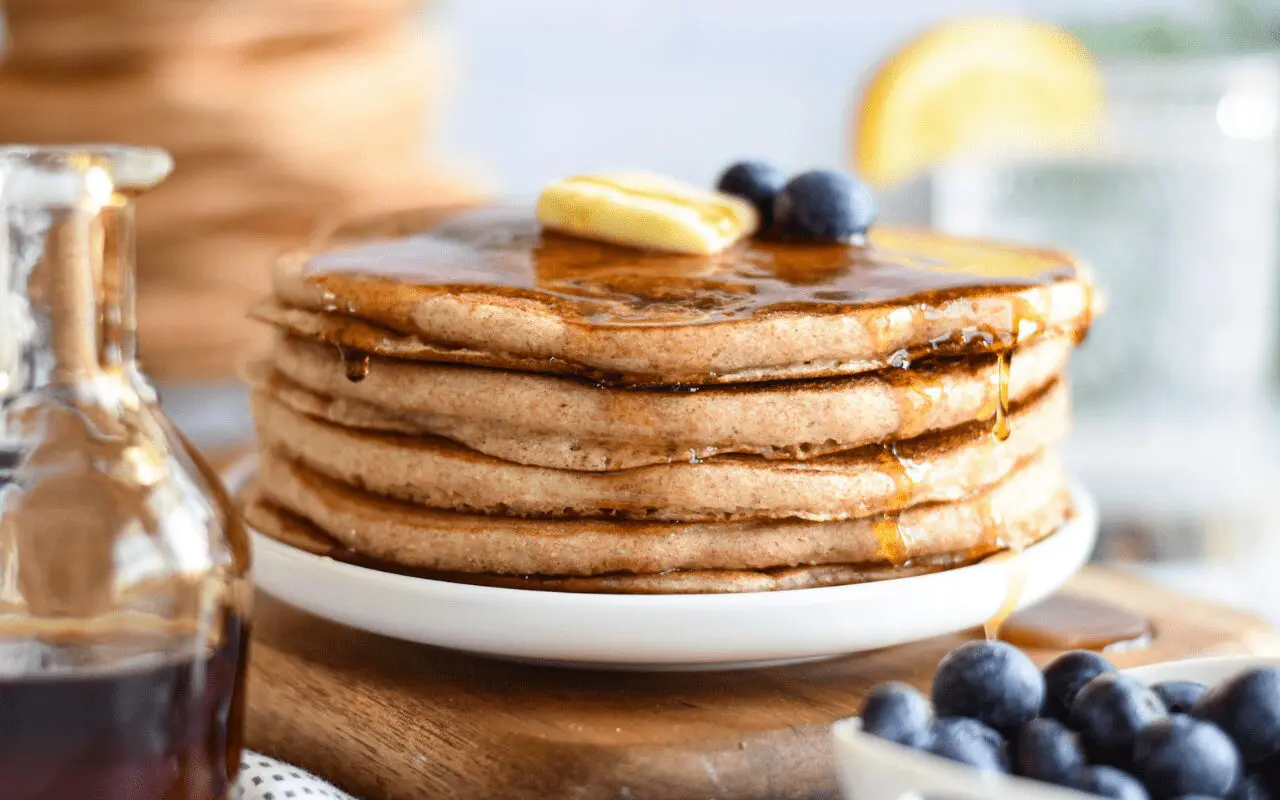
This version is the real deal. You stir a little live-culture buttermilk into milk, keep it warm-ish, and let the bacteria do their slow, tangy magic until the whole thing thickens. The payoff is big: that classic buttermilk bite, a silky texture, and way better performance in biscuits, pancakes, ranch dressing, and marinades.

If you can keep a jar warm for a day, you can make cultured buttermilk. Slightly chaotic kitchen bonus: it feels like a science project that ends in waffles.

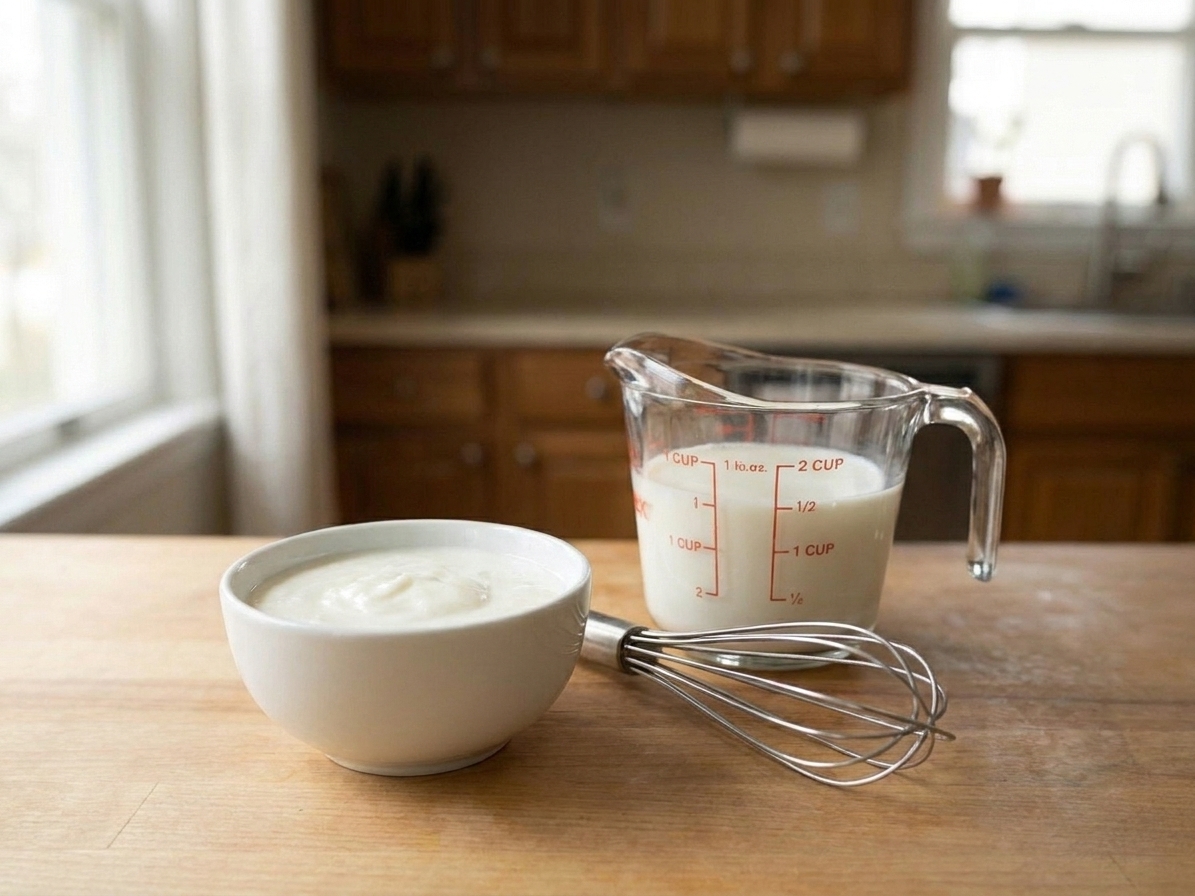
A small bowl of store-bought cultured buttermilk next to a measuring cup of milk on a clean kitchen counter, ready to be mixed

What you’re making

Cultured buttermilk is milk that has been inoculated with a buttermilk starter (live cultures) and left at a warm room temperature until it becomes thicker and pleasantly tangy.

What it is not: milk mixed with lemon juice or vinegar. That shortcut acidifies milk and can help in a pinch for some baking recipes, but it does not create a fermented product, and it will not taste or behave exactly like cultured buttermilk.

Why It Works

  • True tang and thickness: Culturing develops flavor and body that an acid splash cannot fake.
  • Very low effort: Mix, cover, wait. No stove, no stress.
  • Consistent results: Once you know your timing and your kitchen temperature, it becomes a set-it-and-forget-it habit.
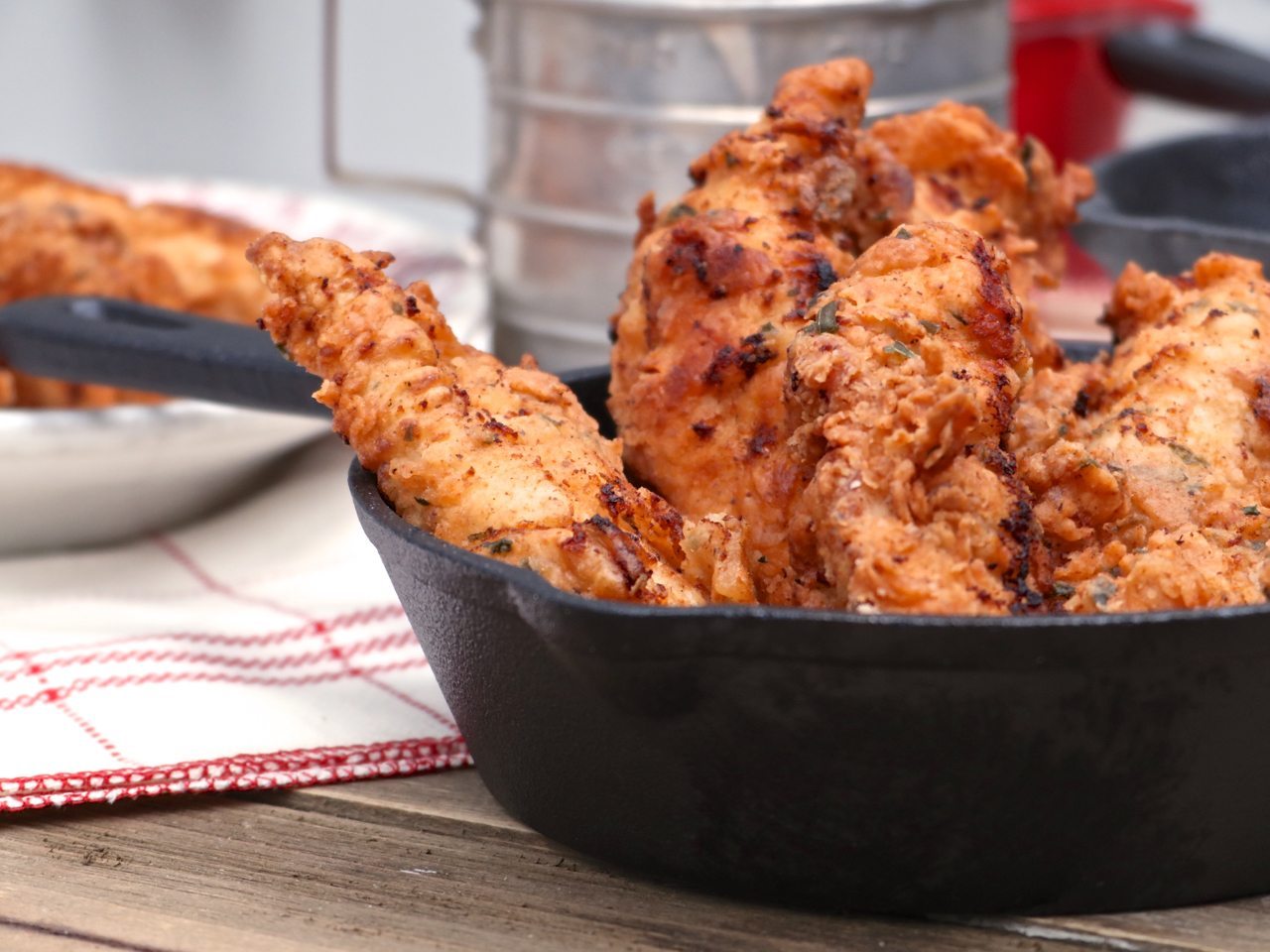
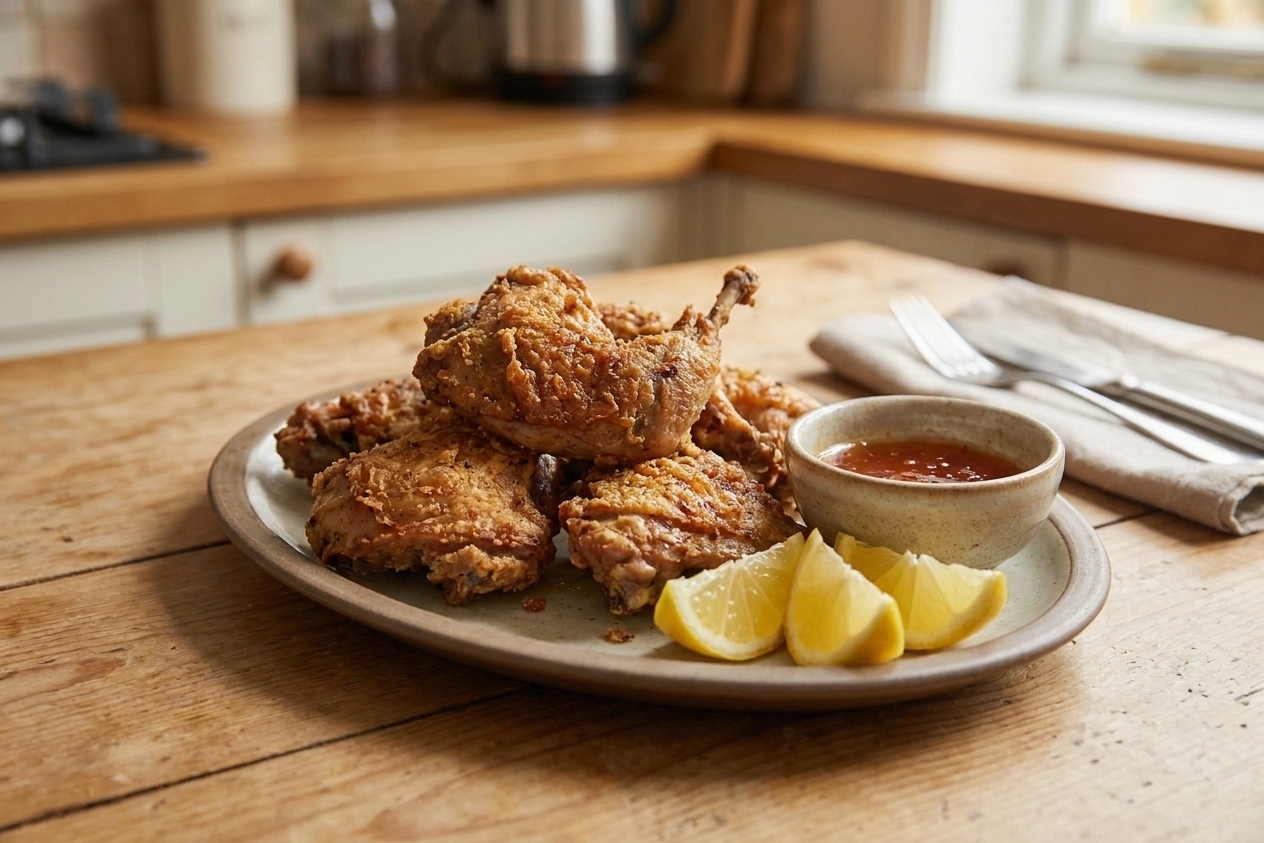
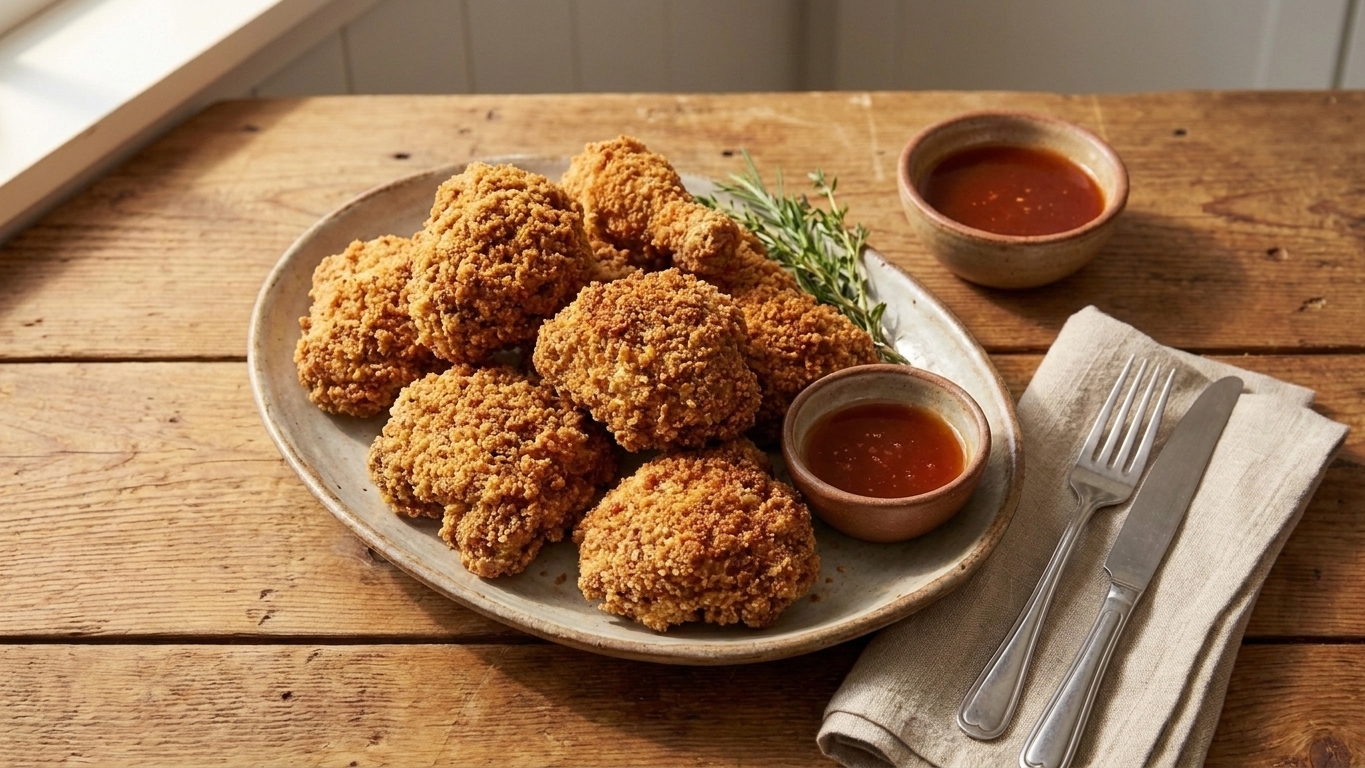
  • Great for baking and savory: Pancakes, biscuits, cornbread, ranch, slaws, fried chicken, and marinades all love cultured buttermilk.

Pairs Well With

Storage Tips

Storage and fridge life

As soon as your buttermilk is thick and tangy, move it to the fridge. Chilling slows fermentation and helps it set up even more.

  • Fridge life: Typically up to 2 weeks in a tightly covered jar, assuming clean tools and fresh milk to start. Use your senses and discard if anything seems off.
  • Keep it clean: Always pour out what you need. Do not drink from the jar. Do not dip a used spoon in there.
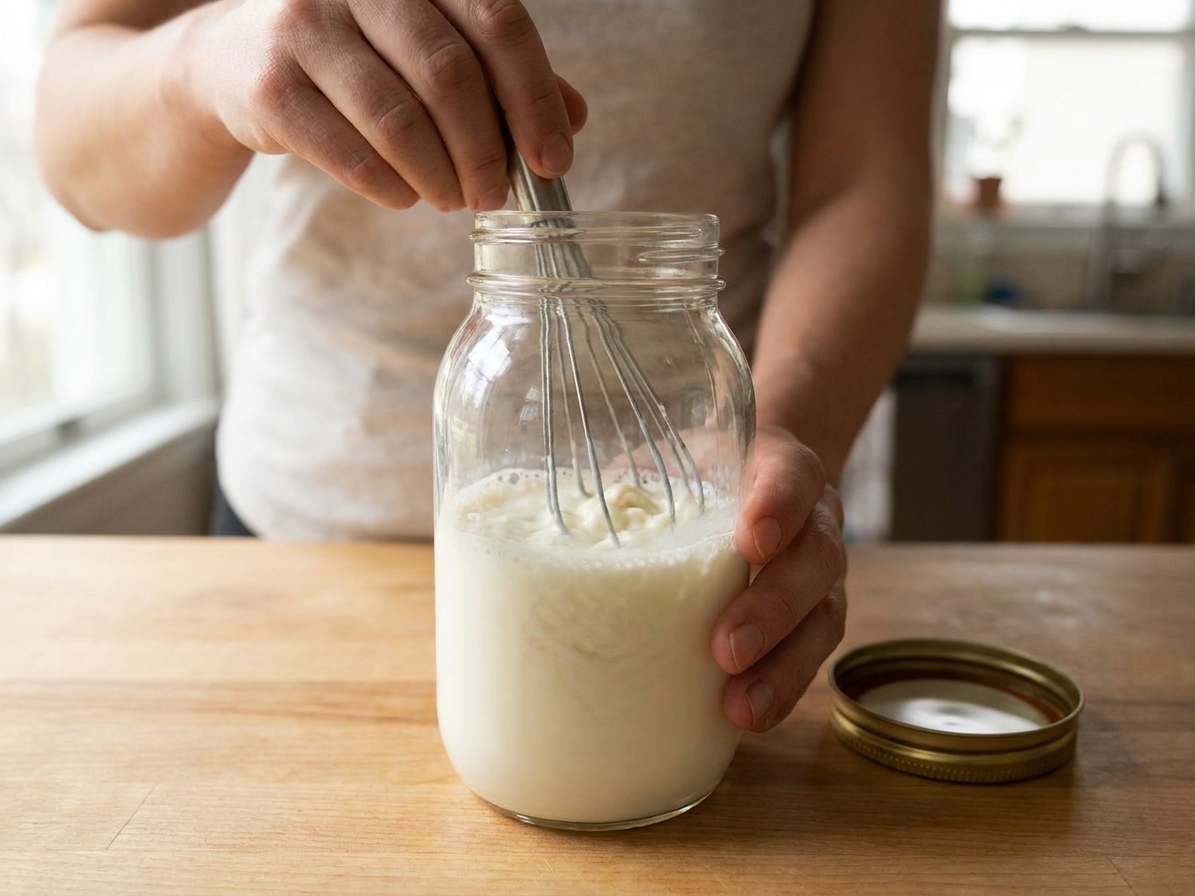
  • Shake before using: Some separation is normal. If it looks a little lumpy after chilling, whisking smooths it out.

When to toss it

Discard if you see mold, pink or orange discoloration, or if it smells putrid, rotten, or unusually yeasty or fizzy.

Can you freeze cultured buttermilk?

You can freeze it for baking use, but the texture will break and look grainy when thawed. It is still totally fine for pancakes, biscuits, and cakes. Freeze in measured portions so you can grab exactly what you need.

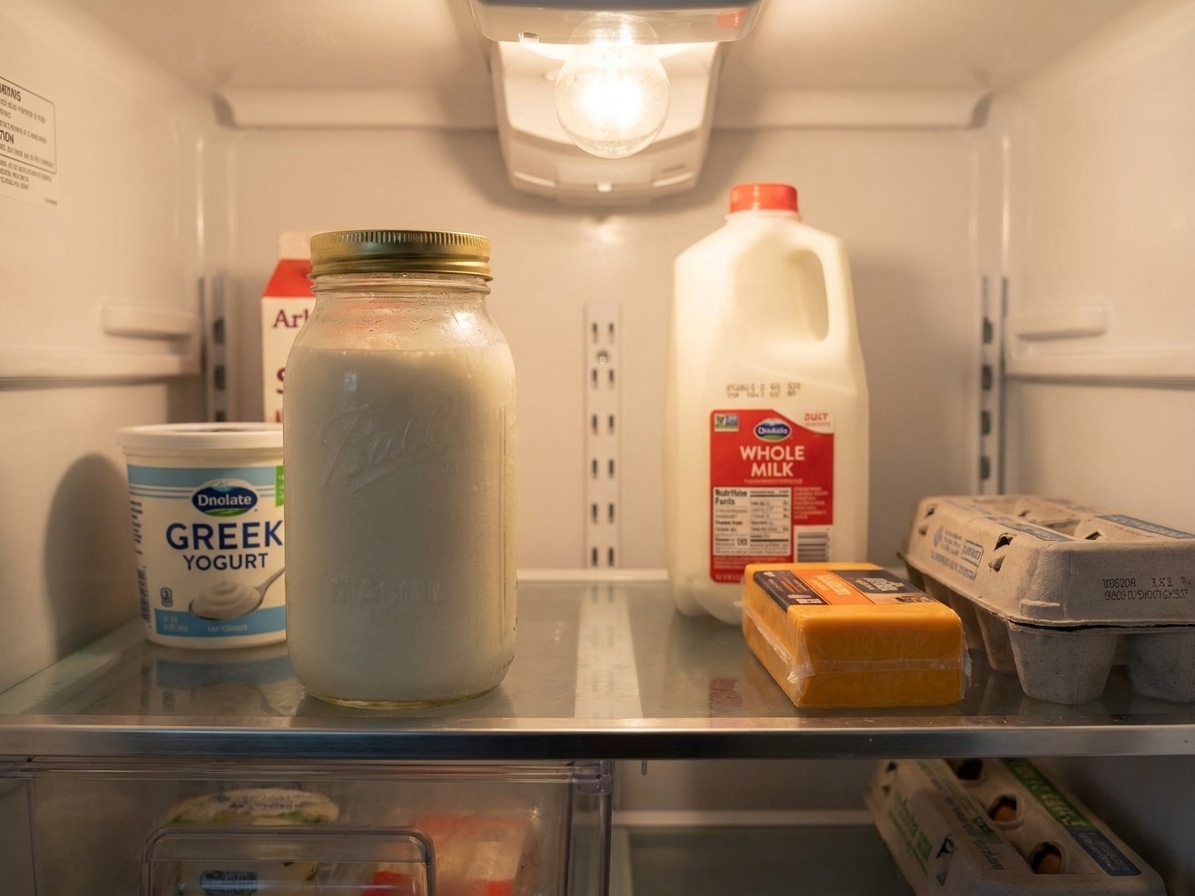
A sealed mason jar of cultured buttermilk sitting on a refrigerator shelf next to other dairy items in a real home kitchen

Common Questions

Common questions

Is cultured buttermilk the same as old-fashioned buttermilk?

Not exactly. Old-fashioned buttermilk was the liquid left after churning butter. Most store-bought cultured buttermilk today is milk (often low-fat) that has been cultured with mesophilic bacteria to make it tangy and slightly thick. This homemade version copies that cultured style.

What kind of milk should I use?

Whole milk makes the thickest, most satisfying cultured buttermilk. 2% works too, just a little thinner. Ultra-pasteurized milk can culture, but it sometimes sets more loosely. If you want the best odds of a thick set, use regular pasteurized whole milk.

Can I make cultured buttermilk with non-dairy milk?

Not reliably with this method. The classic cultures are designed to ferment dairy. Some people have success culturing certain non-dairy milks with probiotic capsules or specific vegan starters, but that is a different process and the results vary a lot.

What counts as a buttermilk starter?

Use store-bought cultured buttermilk that says it contains live and active cultures. That is your starter. Avoid shelf-stable “buttermilk” products that are meant for baking only and do not contain live cultures.

What temperature do I need to culture it?

Aim for a cozy range of 70 to 78°F. Cooler than that and it will still work, just slower. Warmer kitchens can speed it up, but if you push much past 85°F you can end up with off flavors or a less pleasant texture.

How long does it take?

Most kitchens land at 12 to 24 hours. If your house is cooler, plan on closer to 24 hours. If it is warm, you might be done in 10 to 14 hours.

How do I know it’s done?

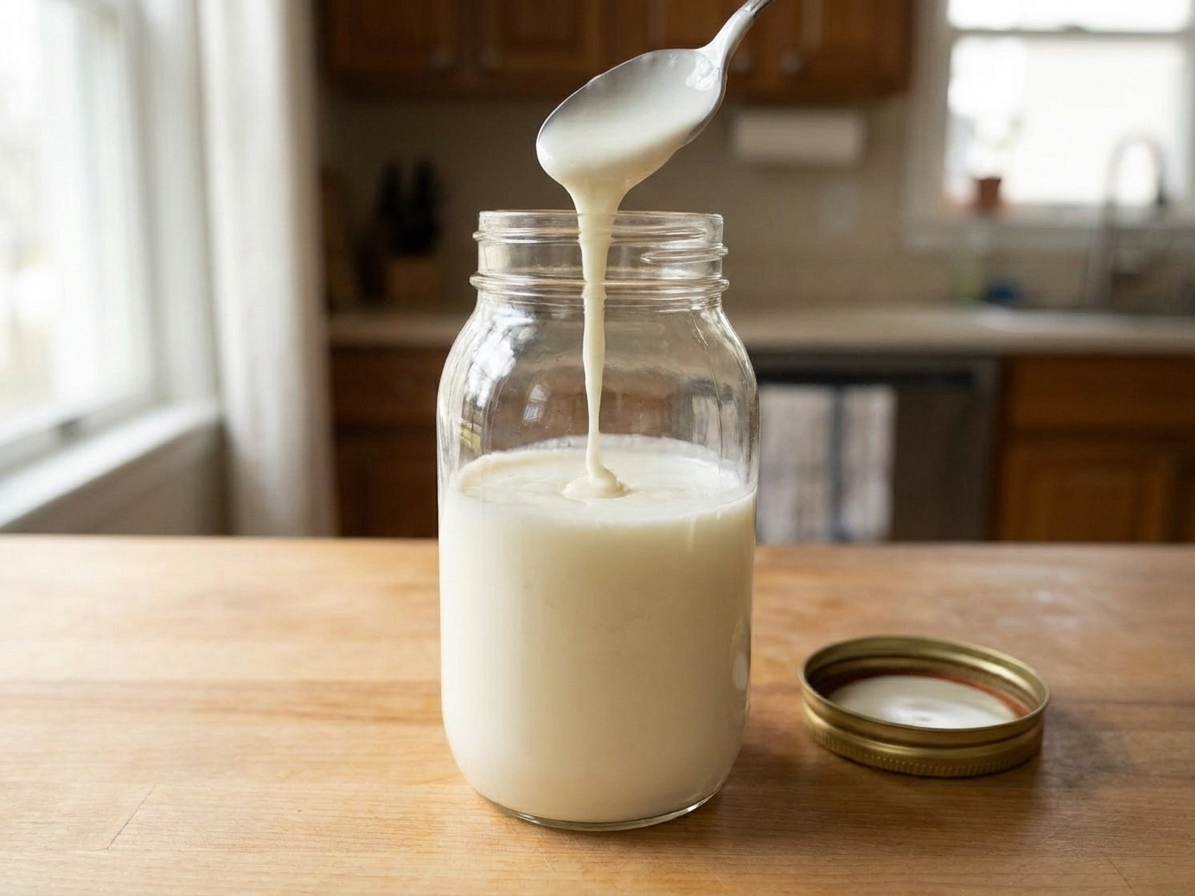
It should be noticeably thicker and smell pleasantly tangy, like classic buttermilk. When you tilt the jar, it should move like a loose yogurt or heavy cream, not like plain milk. A clean spoon dipped in should come out lightly coated.

My buttermilk didn’t thicken. Did I ruin it?

Not necessarily. Usually it just needs more time, or it was cultured too cool, or your starter was old and weak. Move it somewhere slightly warmer and give it another 6 to 12 hours. If it never thickens but smells clean and tangy, you can still use it in baking.

Is it safe to culture milk on the counter?

Culturing is a controlled fermentation using beneficial bacteria. Use fresh milk, a clean jar, and a starter with live cultures, and keep it in a reasonable temperature range. If it smells foul, looks pink or fuzzy, or tastes sharply unpleasant in a rotten way, discard it.

Can I use this to make more buttermilk again?

Yes, for a while. You can typically use a few tablespoons of your finished buttermilk to start the next batch. Over many generations it may get thinner or less tangy, so when it starts to feel weak, refresh with a new store-bought starter.

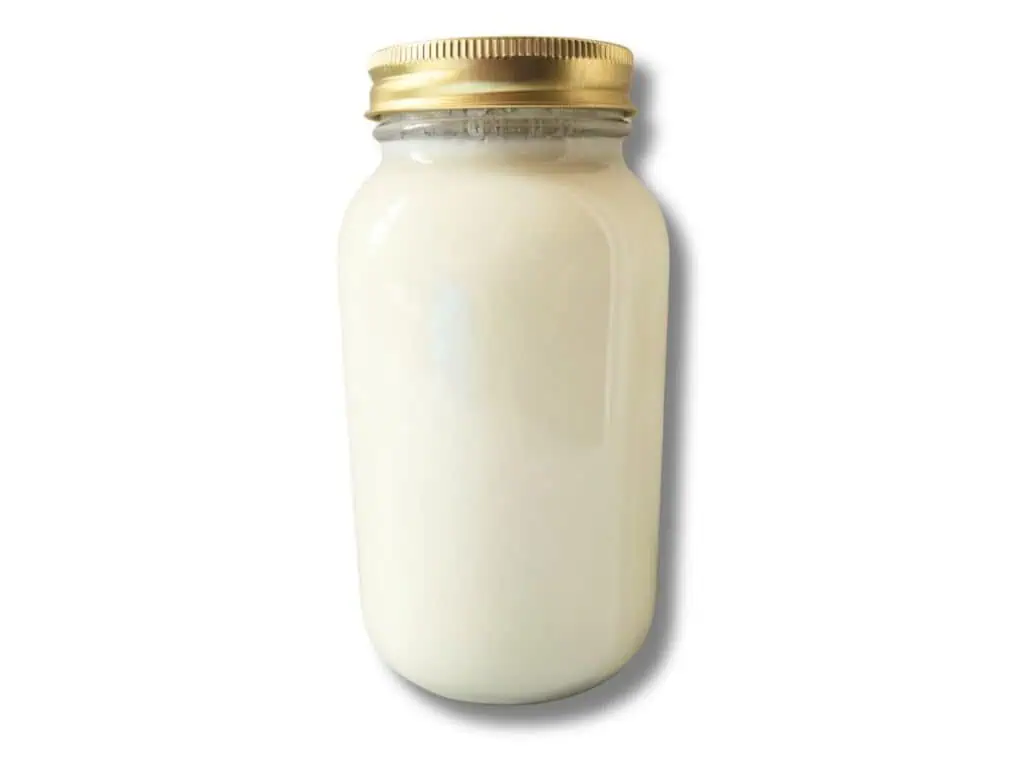
The first time I made cultured buttermilk, I honestly expected it to feel way more complicated. Like I needed special gear and a lab coat. Nope. It was just milk, a splash of starter, and a jar hanging out on my counter while I kept walking by and checking it like an anxious plant parent. The next day, it was thick and tangy and suddenly I had no excuse not to make pancakes. It is one of those quiet kitchen wins that makes you feel wildly capable.