Mom's Best Recipes
Recipe

Homemade Spaghetti Sauce

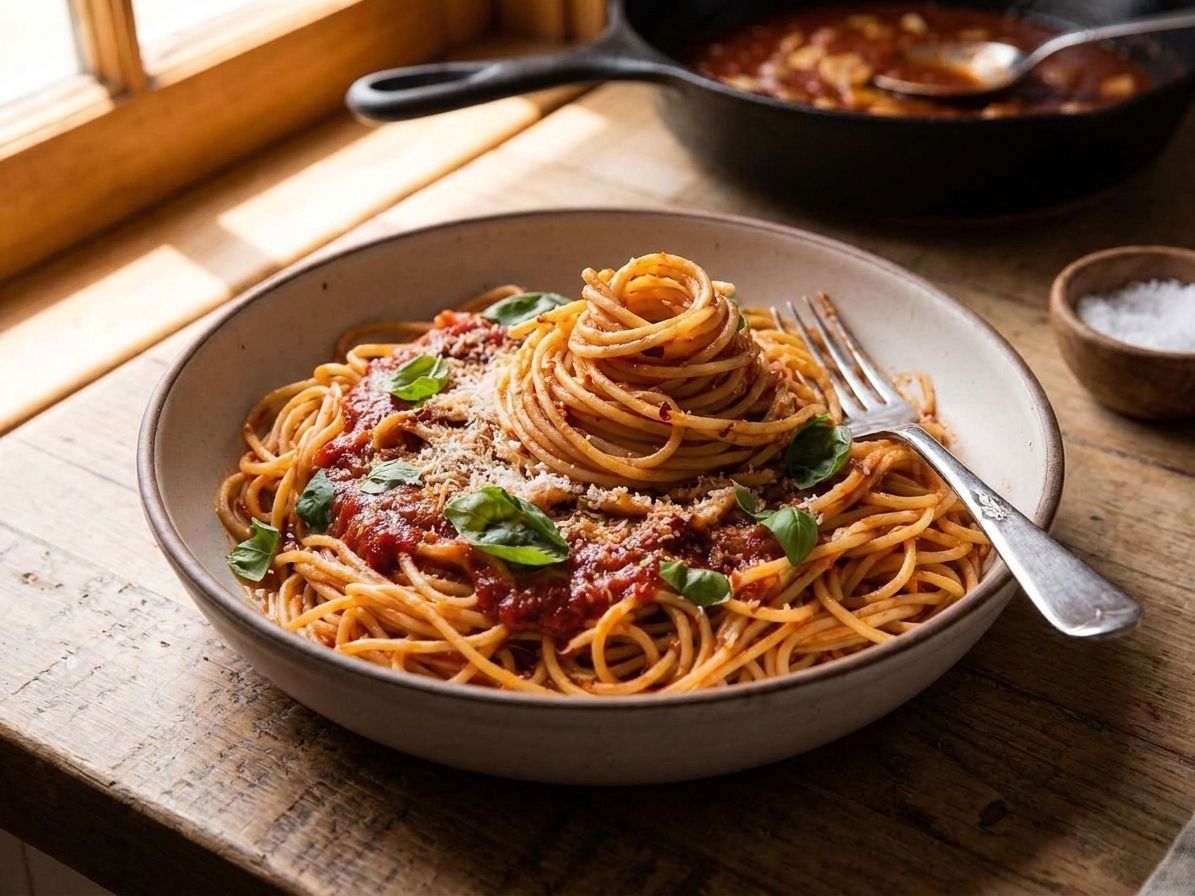
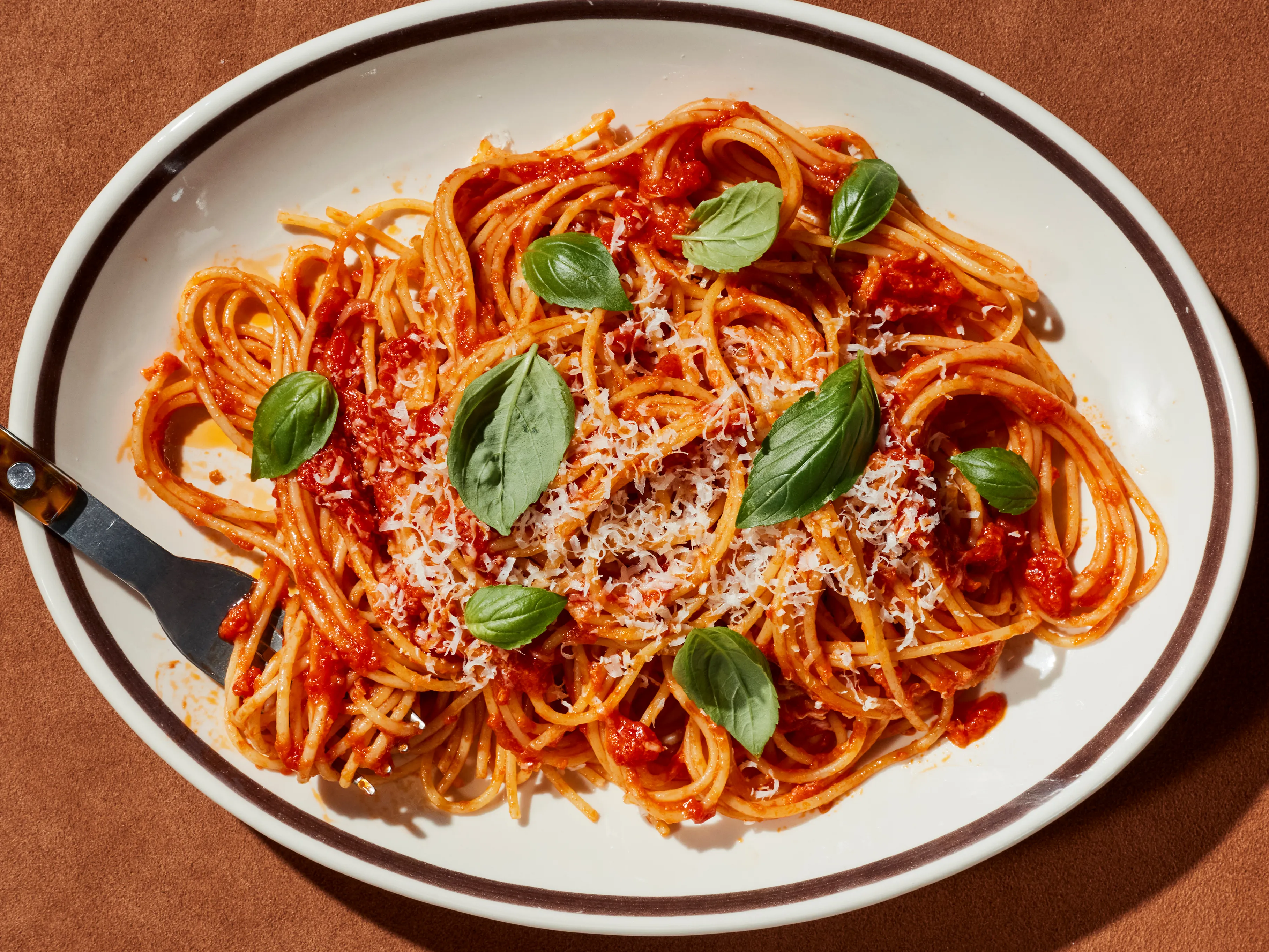
A rich, garlicky tomato spaghetti sauce that simmers into something cozy, balanced, and weeknight reliable.

Author By Matt Campbell
4.8
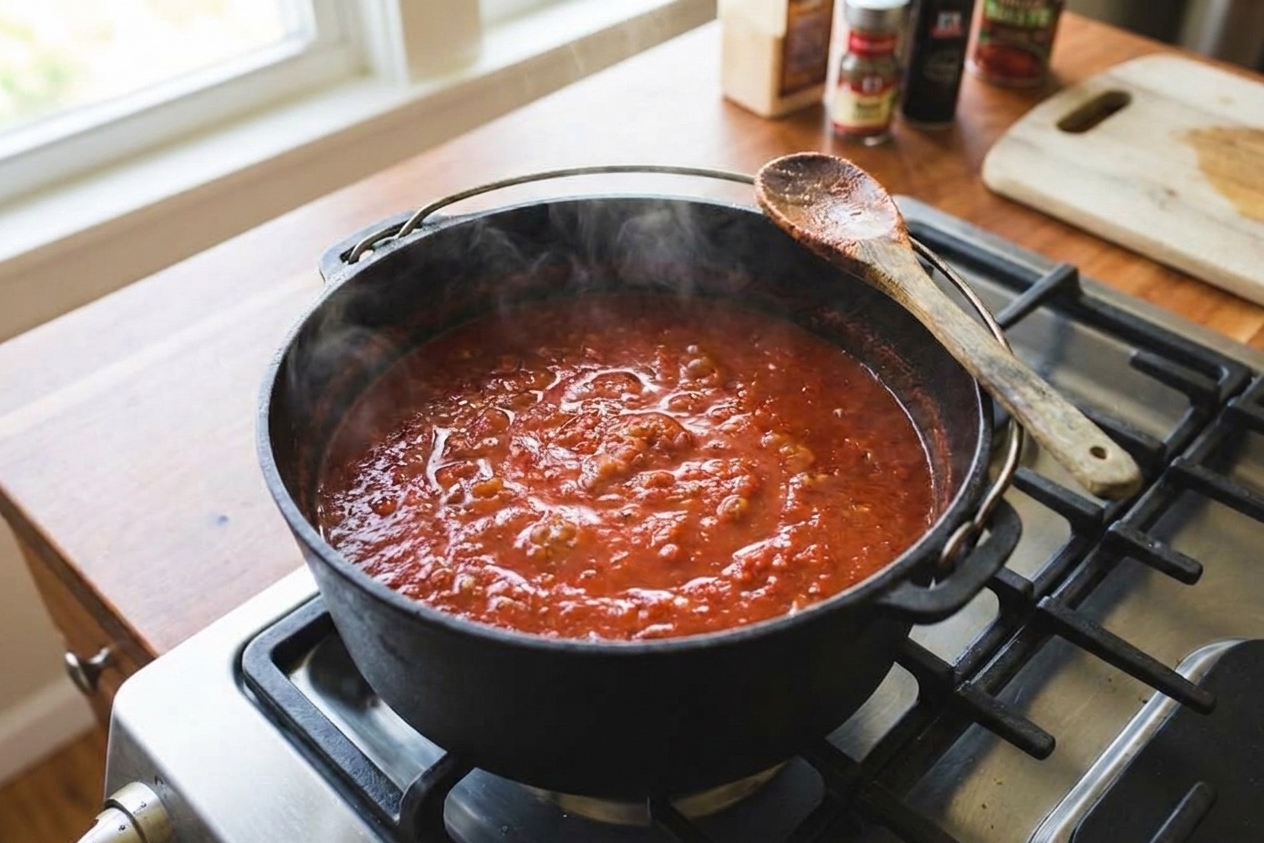
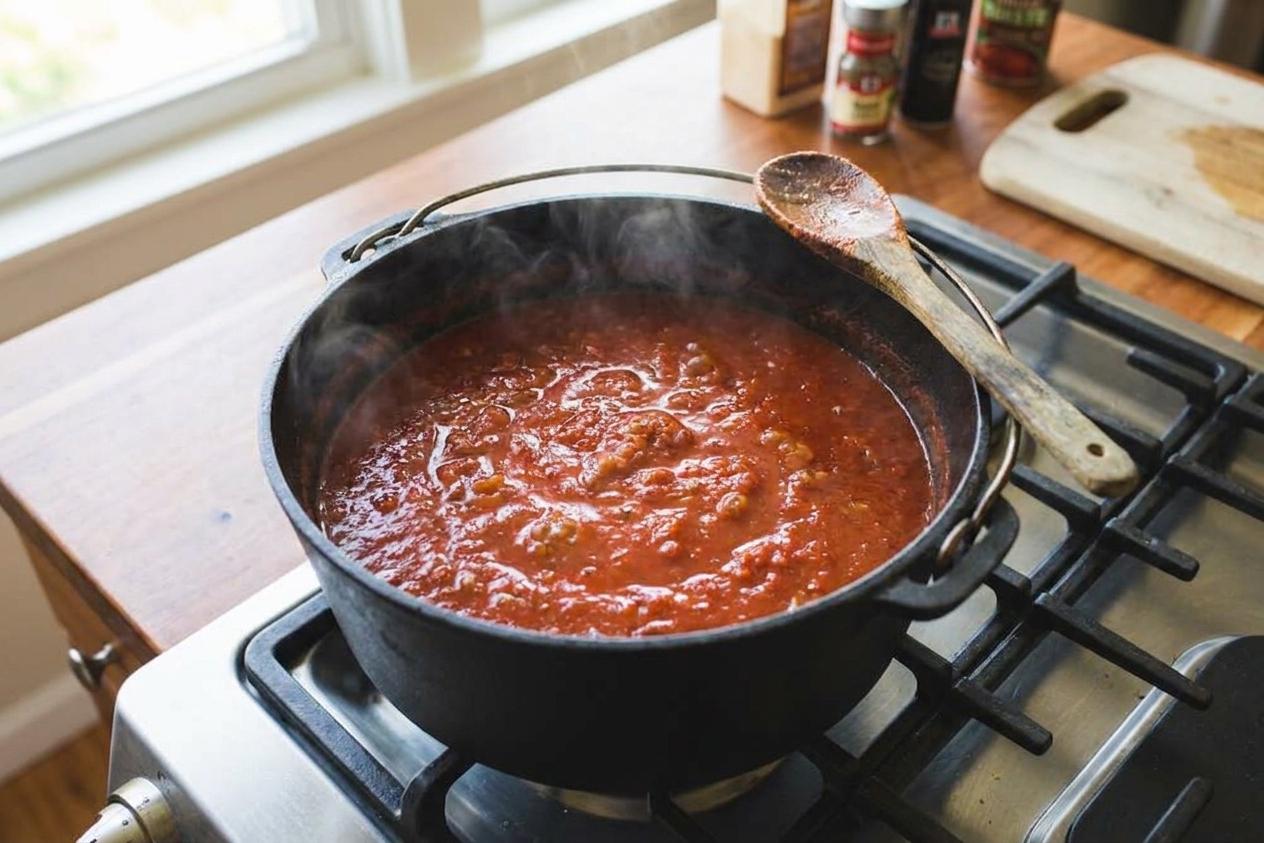
A Dutch oven on a stovetop filled with simmering deep red spaghetti sauce, with a wooden spoon resting on the rim in a warm home kitchen

There are two kinds of spaghetti sauce nights in my house. One is a “dump it in a pot and pray” situation. The other is this recipe, which still uses easy pantry staples, but tastes like you had a plan the whole time.

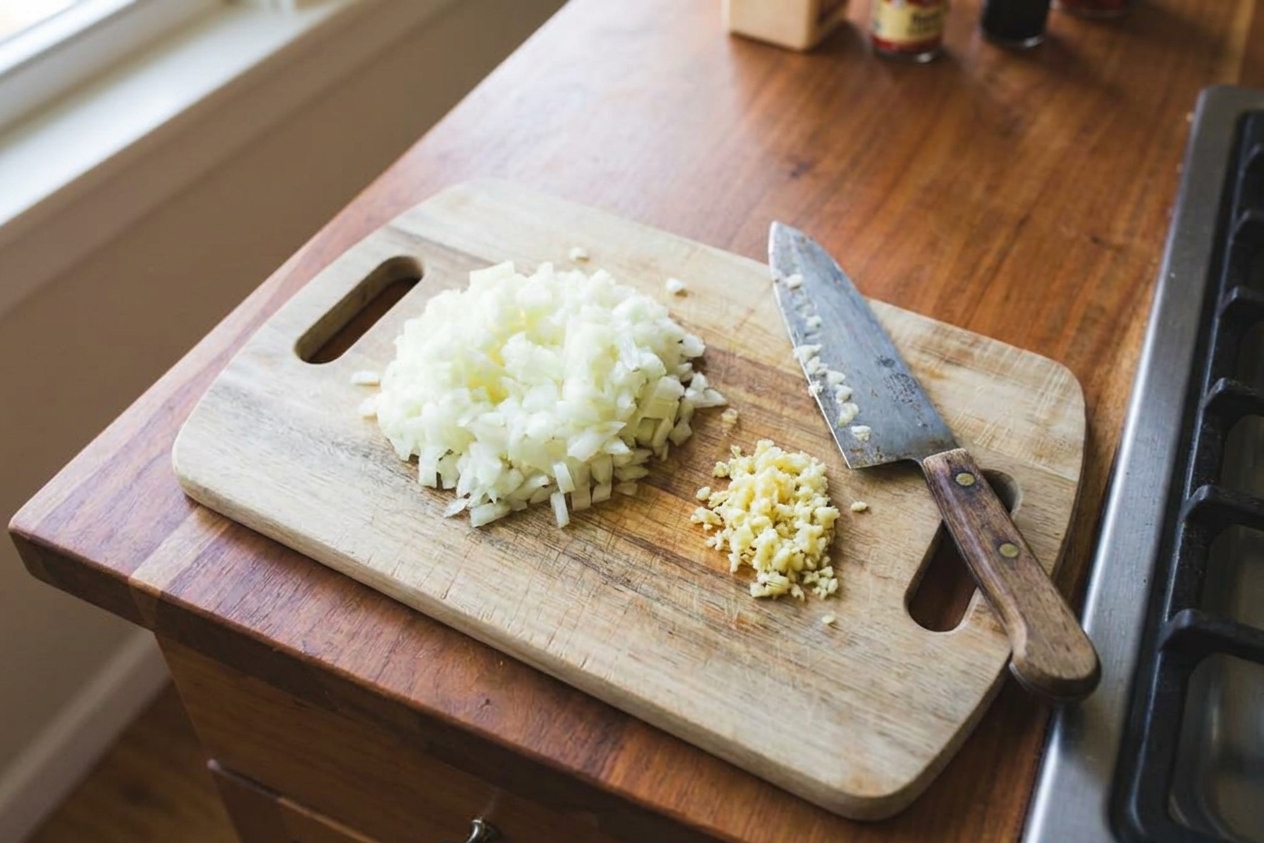
This is my go-to homemade spaghetti sauce when I want bright tomato flavor, cozy depth, and those little browned bits from sautéed onions and garlic doing the heavy lifting. It is not fussy, it is very forgiving, and it makes your kitchen smell like you are winning at life.
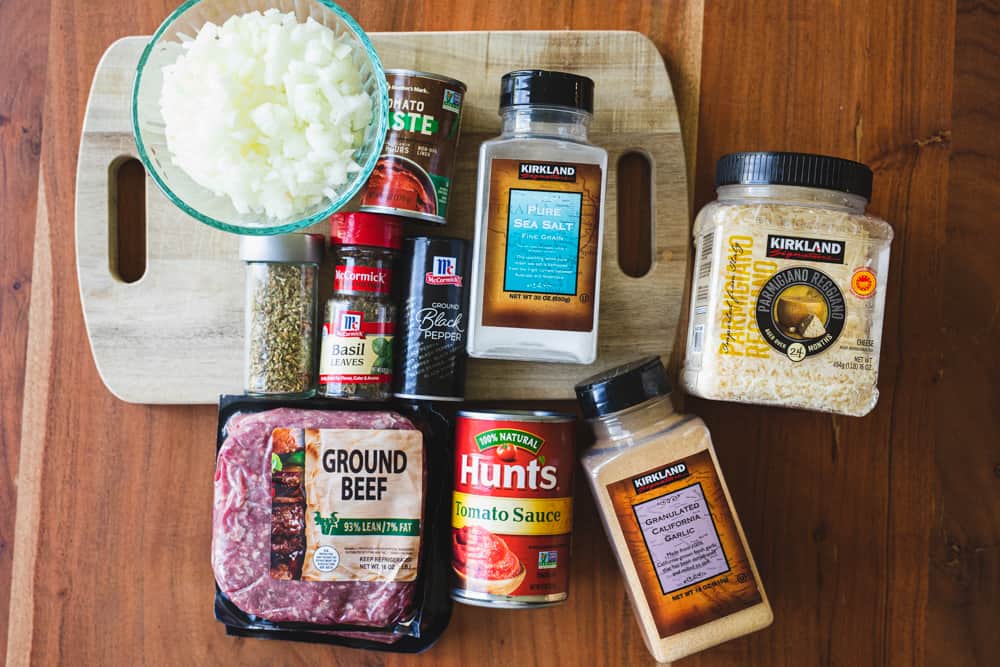
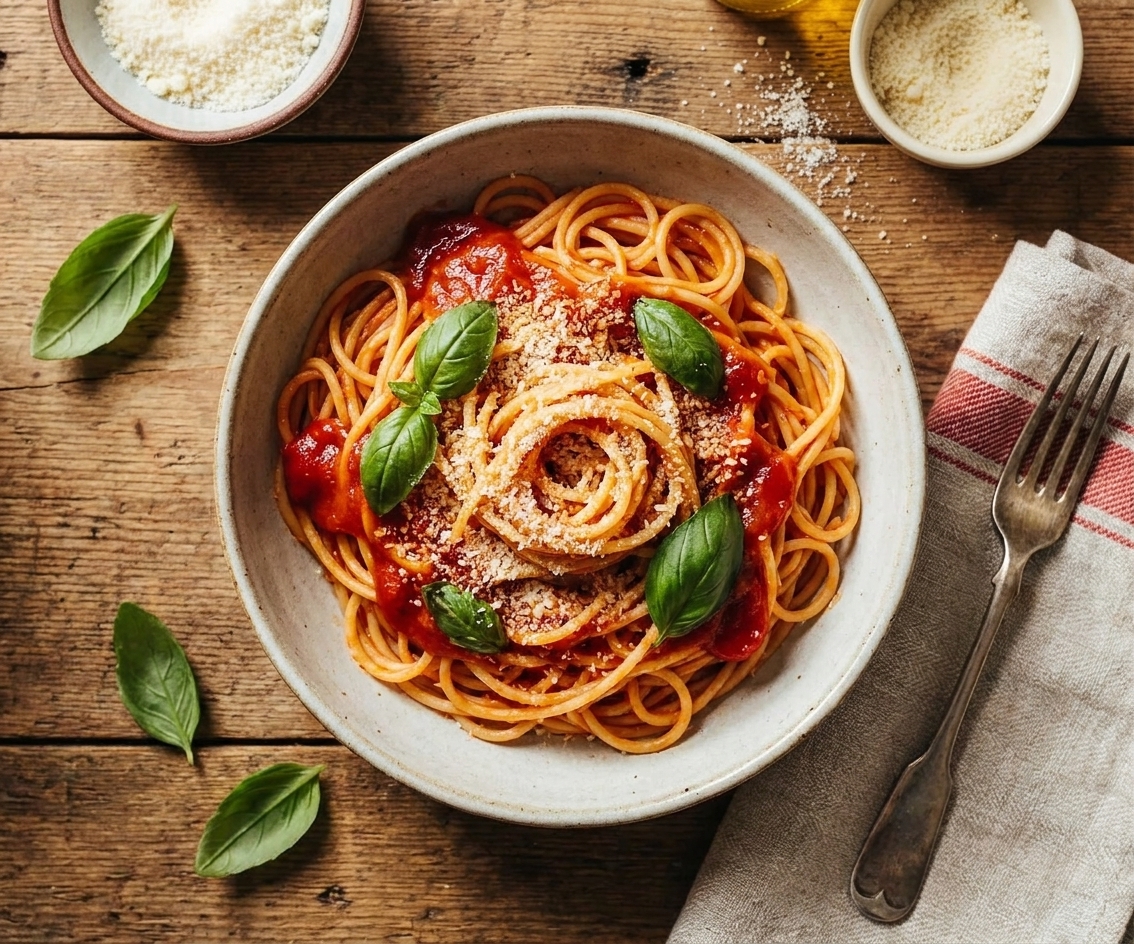
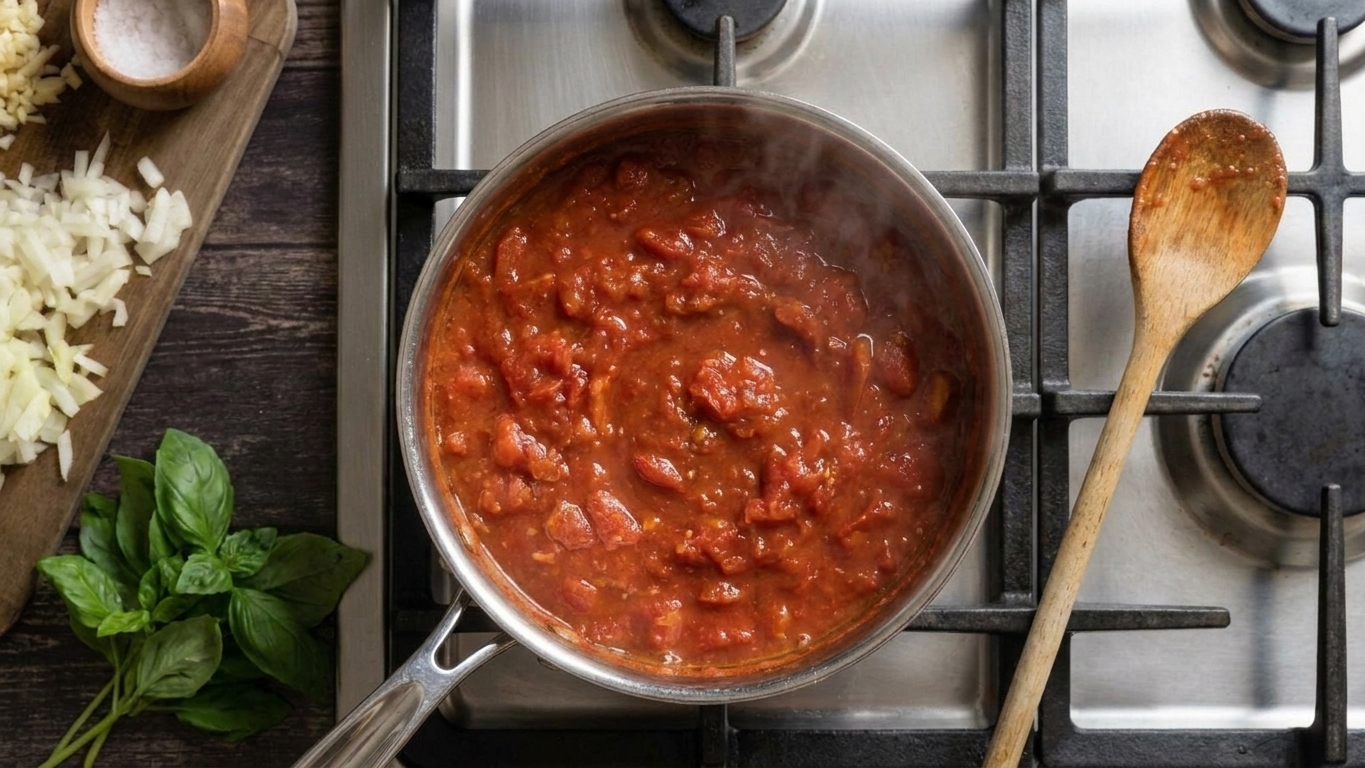
Crushed tomatoes, tomato paste, garlic, onion, olive oil, dried oregano, dried basil, red pepper flakes, salt, pepper, and fresh basil arranged on a kitchen counter

Why It Works

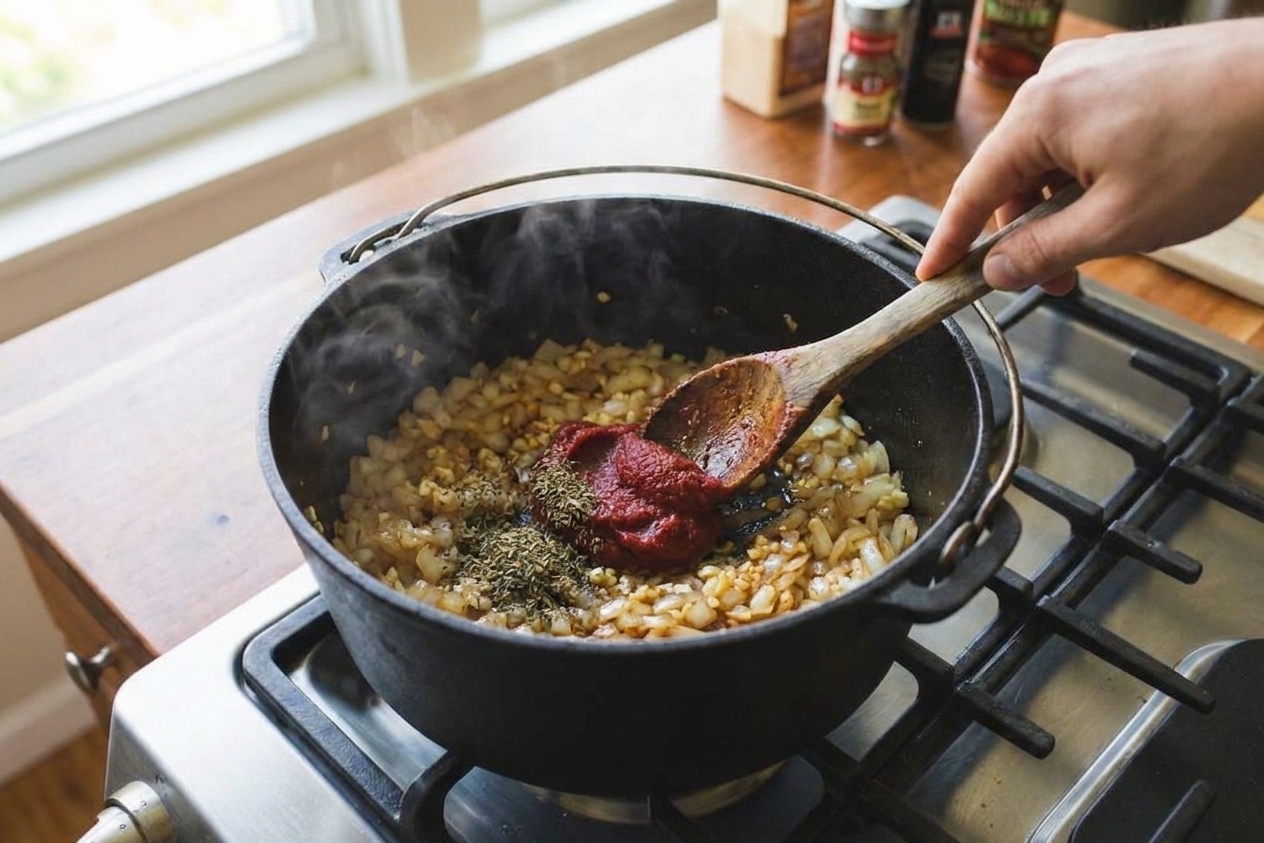
  • Tomato paste gets toasted in the pot first, which builds a deeper, slightly sweeter backbone without adding sugar.
  • A gentle simmer concentrates flavor and smooths out any sharp canned-tomato edge.
  • A small splash of broth or pasta water keeps the sauce silky and helps it cling to noodles.
  • Finish with butter (optional) for a restaurant-y gloss and roundness that makes you pause mid-bite.

Pairs Well With

Storage Tips

Refrigerator: Cool the sauce quickly and refrigerate within 2 hours. Store in an airtight container for 3 to 4 days (up to 5 days if your fridge runs cold and it still smells and tastes fresh).

Freezer: Portion into freezer containers or zip-top bags (lay flat to save space) and freeze up to 3 months for best quality.

Reheat: Warm gently on the stovetop over medium-low, stirring occasionally. If it thickened in the fridge, loosen with a splash of water, broth, or a little pasta water. You can also microwave in short bursts, stirring between, until hot.

Make-ahead tip: This sauce tastes even better the next day. The flavors settle in and get friendlier, especially after an overnight rest.

Common Questions

Do I need to add sugar to spaghetti sauce?

Not automatically. If your tomatoes taste sharp, try longer simmering first. If it still needs help, add 1 to 2 teaspoons sugar, honey, or even grated carrot. My favorite fix is a tiny knob of butter at the end for balance.

How do I thicken spaghetti sauce?

Simmer uncovered to reduce. If you are in a hurry, stir in 1 to 2 tablespoons tomato paste and simmer 5 minutes. You can use a slurry if you really need to, but I prefer not to because it can mute the bright tomato flavor.

How do I fix sauce that tastes too acidic?

Add a little fat (butter or olive oil), a pinch more salt, and give it 10 more minutes. If it is still harsh, add a small amount of sugar or a splash of cream.

Can I add meat?

Yes. Brown 1 pound ground beef, pork, turkey, or Italian sausage first, drain excess fat, then proceed with the onions and garlic in the same pot. Simmer as written.

Can I use fresh tomatoes instead of canned?

You can, but it is more work. For a similar yield, use about 3 to 4 pounds ripe tomatoes (depending on juiciness), blanch and peel, then cook down longer to concentrate. Canned crushed tomatoes are consistent and weeknight friendly.

I did not go to culinary school, but I did chase the same thing that pulls a lot of us into kitchens: that moment when a basic ingredient turns into something you are proud to feed people. Spaghetti sauce was one of my first “okay, I can actually cook” wins. It is simple, but it teaches you a ton: how to build flavor from onions, how to toast tomato paste, and how patience tastes like something.

Also, I like a sauce that lets you be a little chaotic. Throw in extra garlic. Tear basil with your hands. Taste constantly. Fix what you broke. It is dinner, not a performance review.