Mom's Best Recipes
Recipe

Injera

A tangy, spongy Ethiopian flatbread you cook like a crepe, built for scooping up stews and soaking up bright sauces.

Author By Matt Campbell
4.7
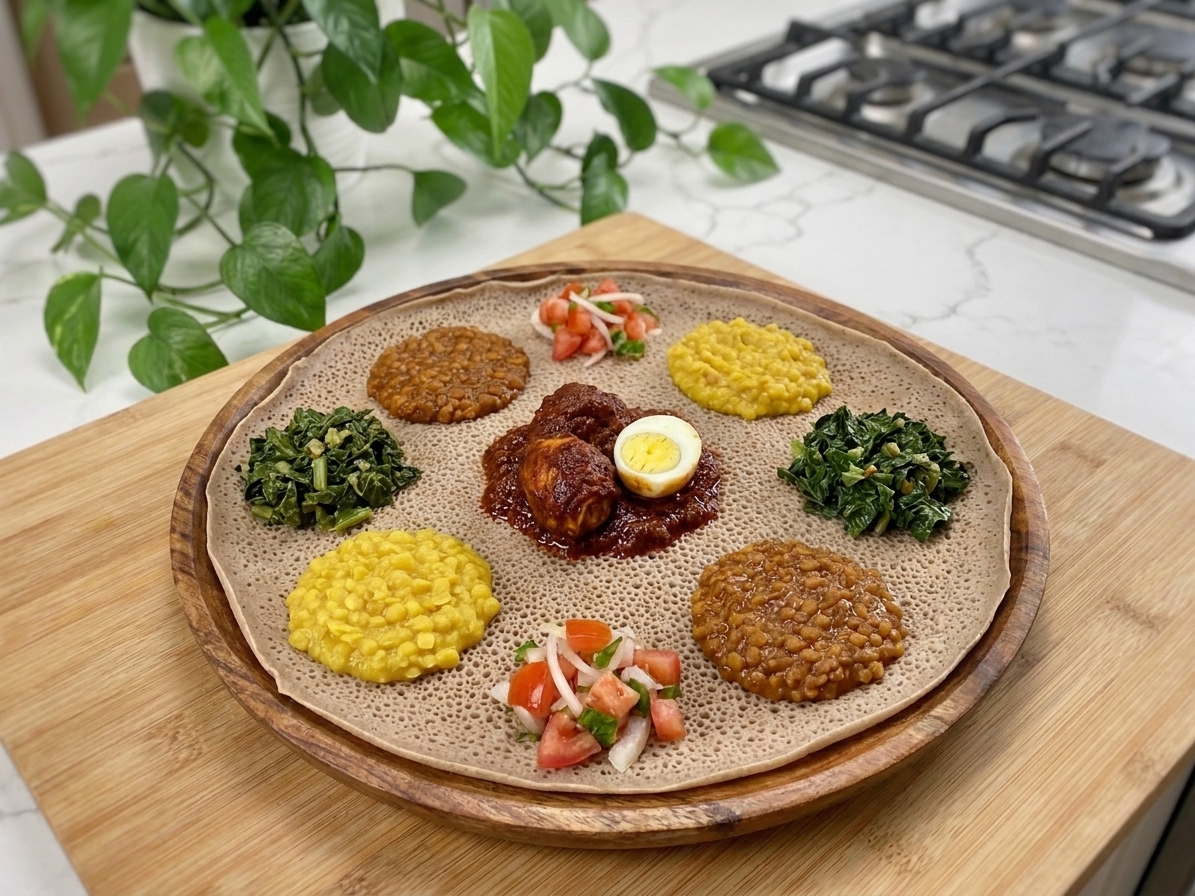
A large round injera on a platter with several small servings of colorful Ethiopian stews on top, set on a wooden table with warm natural light

Injera is one of those foods that feels like it should be complicated because it is so different from the breads most of us grew up making. It is tangy, soft, and spongy, with a million tiny bubbles that turn the whole thing into an edible scoop. It is also, in a very satisfying way, just batter + time + a hot pan.

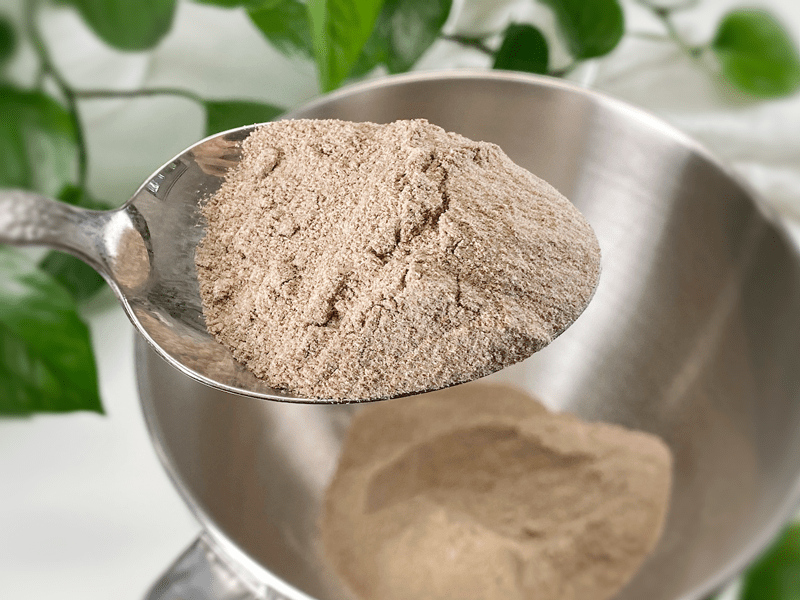
Traditional injera is made with teff flour and is often fermented for a couple of days, sometimes with a saved starter and sometimes with wild fermentation depending on the kitchen and the climate. That is the gold standard, and if you have access to teff, I am absolutely cheering you on. For Mom's Best Recipes, I wanted a version that stays true to injera’s vibe while being doable with groceries you can actually find. This recipe uses a teff and all purpose blend (or you can go full teff), and it relies on fermentation for flavor with an optional pinch of yeast if you want more predictable bubbles.

Expect a relaxed process, a little “trust the bubbles,” and a big payoff. Injera night turns any stew into a choose your own adventure dinner, and nobody complains about using their hands because it is literally the point.
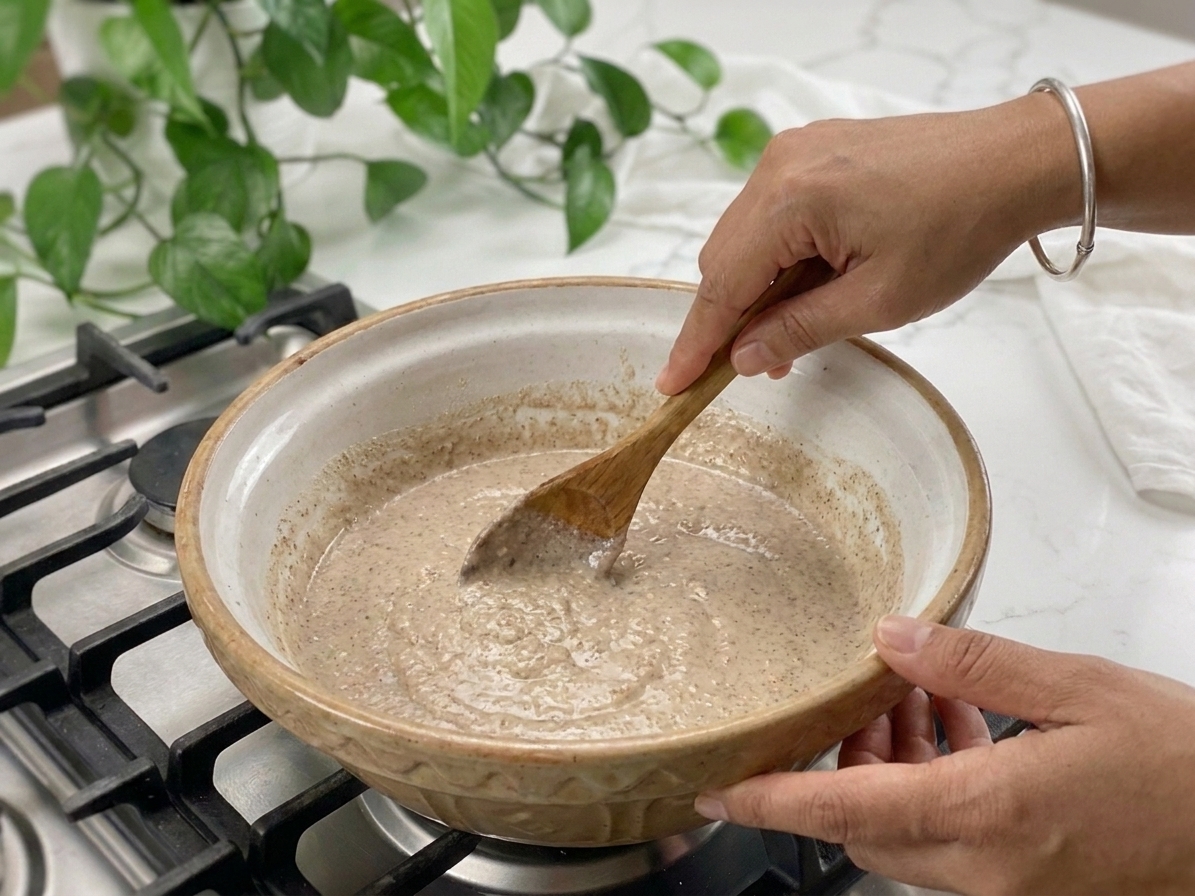
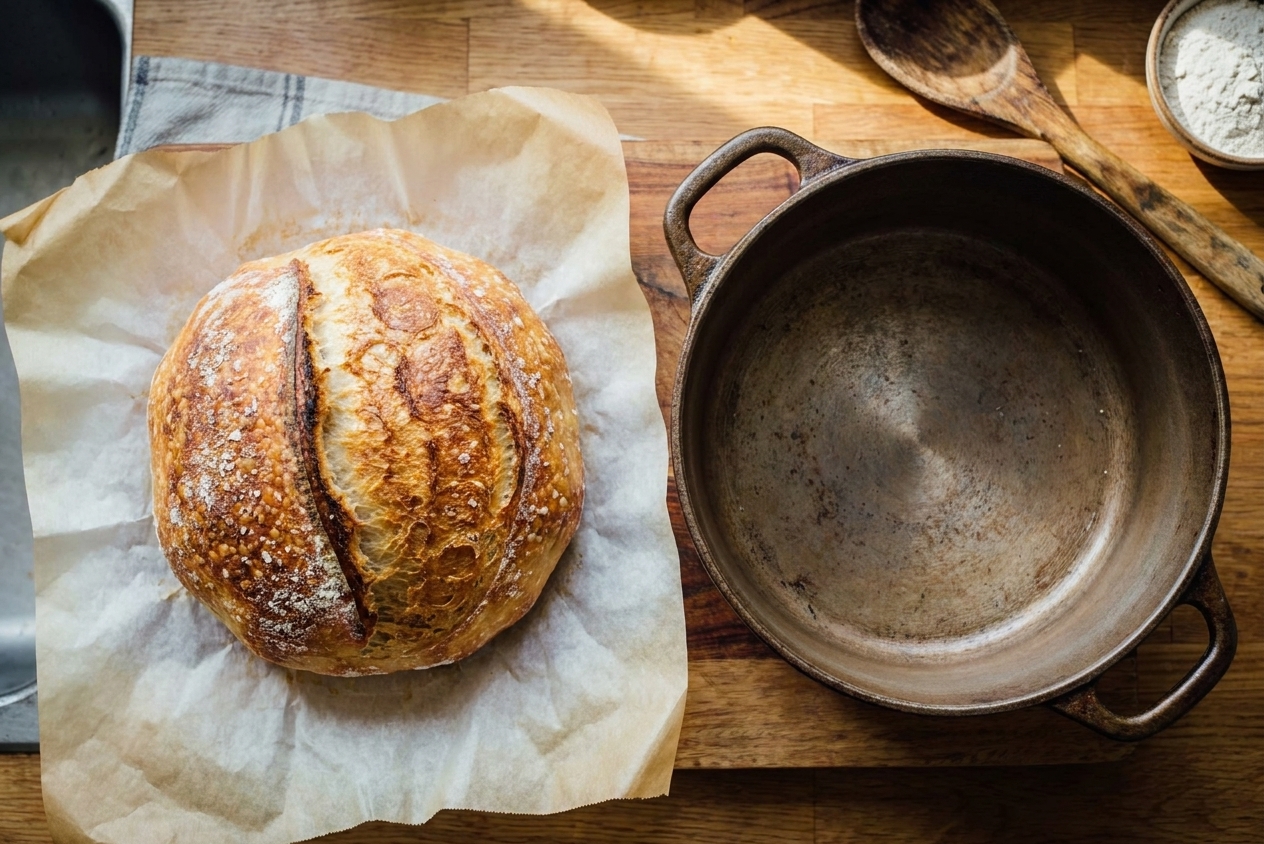
A ceramic mixing bowl on a kitchen counter with teff flour and water being stirred into a thin batter with a wooden spoon

Why It Works

  • Spongy texture with lacy bubbles: A thin batter plus the right heat and a tight lid gives you that signature honeycomb top.
  • Tangy, complex flavor: Fermentation builds acidity naturally, which is what makes injera taste like injera.
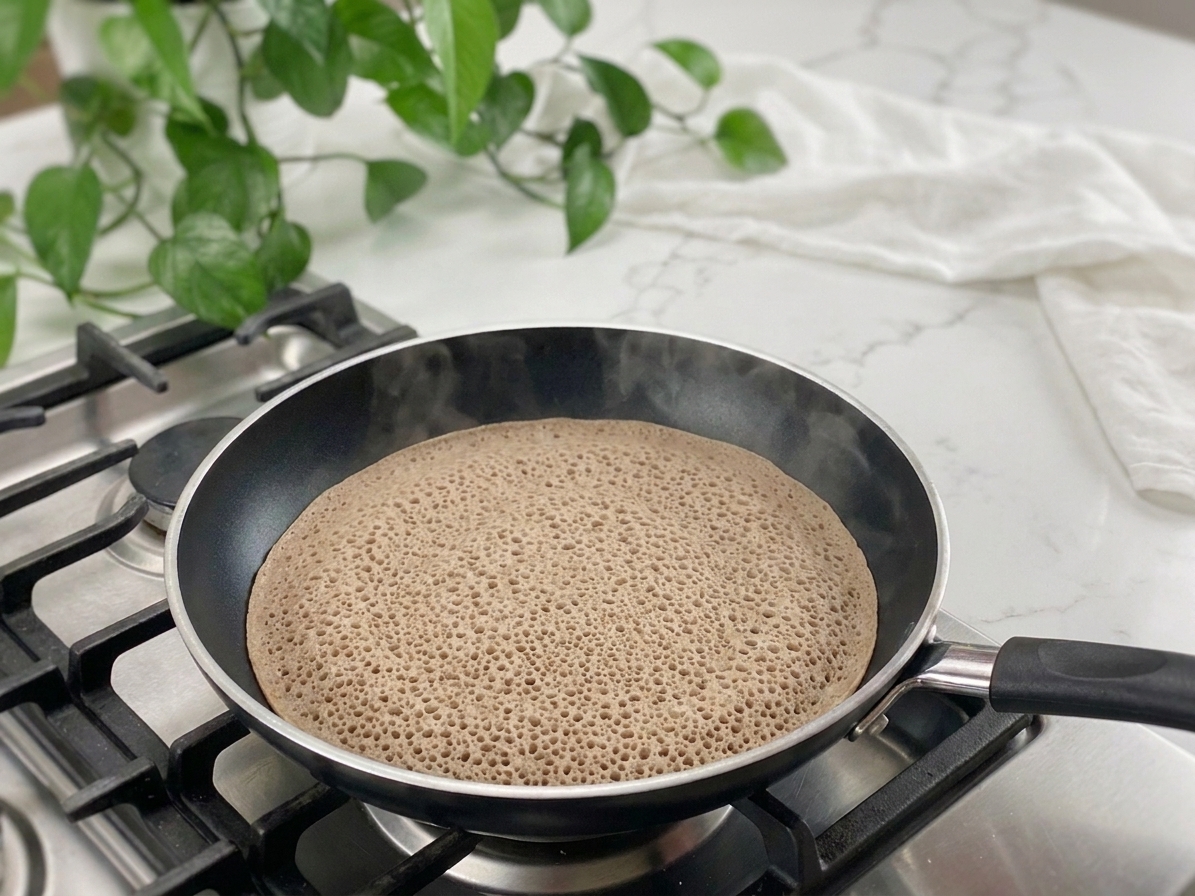
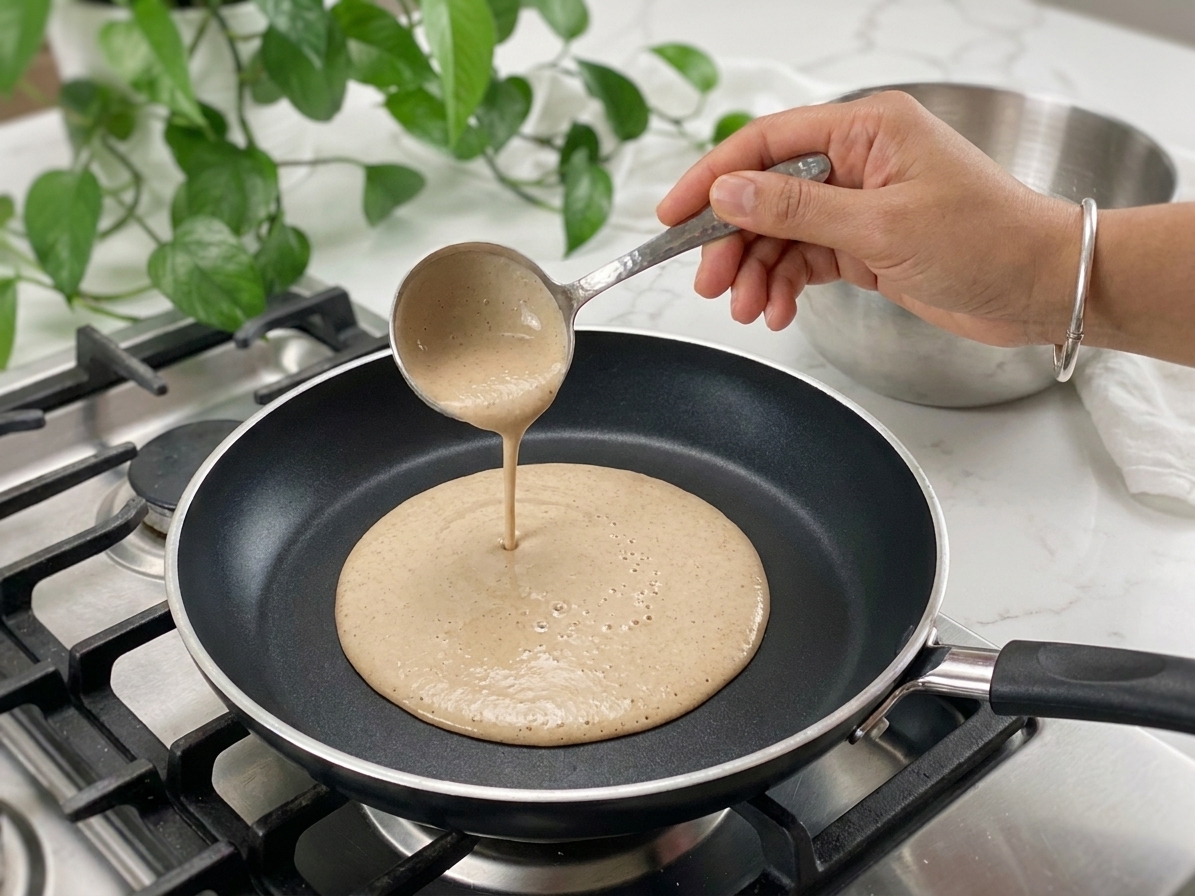
  • Beginner-friendly pan method: No flipping required. You steam the top, then lift it off like a big, flexible crepe.
  • Flexible ingredients: Use 100% teff if you have it, or a teff blend for easier sourcing and a slightly softer bite.

Heads up: Fermentation time depends on your kitchen temperature. Think of the clock as a suggestion and the bubbles as the real boss.

Pairs Well With

Storage Tips

Injera is best the day it is made, but leftovers are still very usable for wraps, quick breakfasts, and “I need carbs for this stew” moments.

Refrigerate

  • Let injera cool completely.
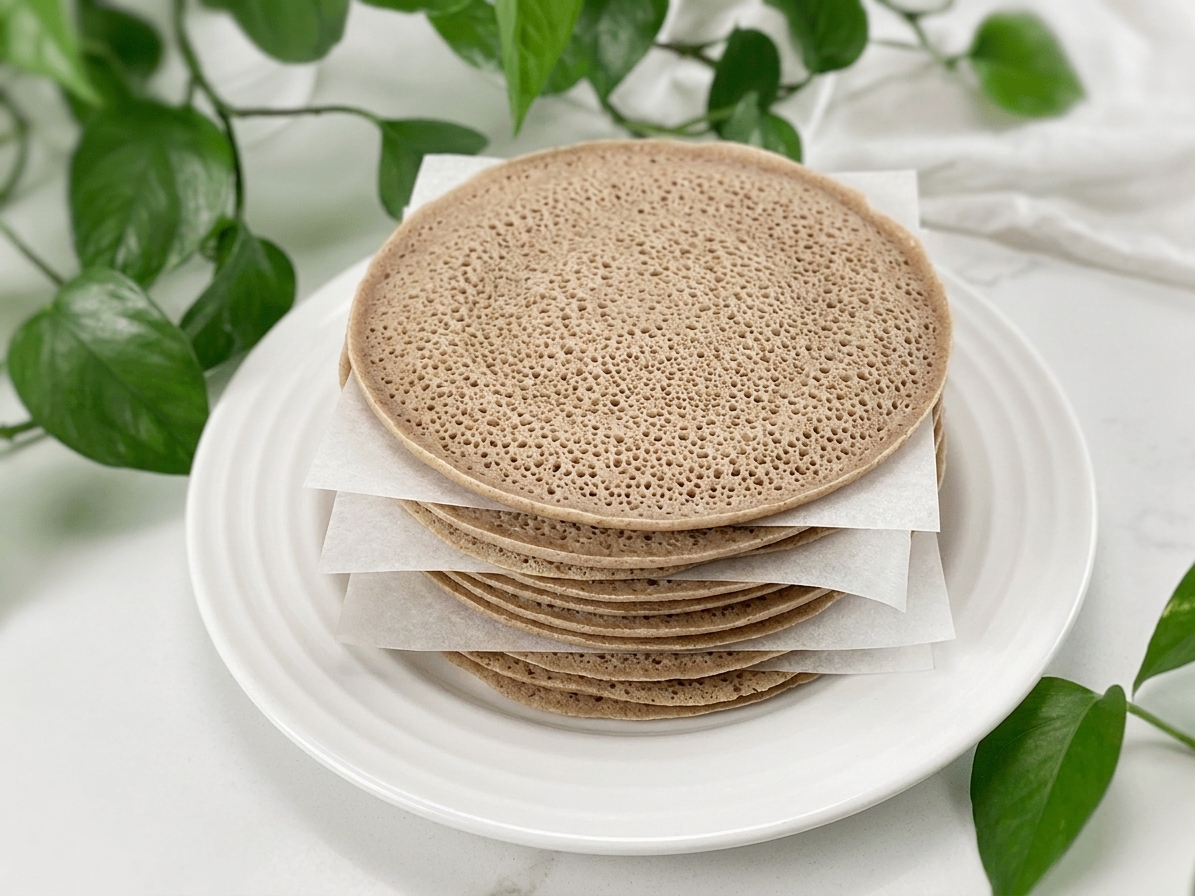
  • Stack with parchment or wax paper between pieces to prevent sticking.
  • Seal in a zip top bag or airtight container and refrigerate for up to 3 to 4 days for best quality. Watch for moisture and any signs of mold, since fermented breads can turn quickly if condensation builds up.

Freeze

  • Stack with parchment between, then wrap tightly and freeze for up to 2 months for best texture.
  • Thaw overnight in the fridge or on the counter for about 30 to 60 minutes.

Reheat

  • Best method: warm briefly in a skillet over low heat with a lid to soften without drying out.
  • Microwave: cover with a damp paper towel and heat in short bursts.
A stack of injera rounds separated by parchment paper on a plate, ready to be wrapped for storage on a kitchen counter

Common Questions

What is injera supposed to taste like?

It should be pleasantly tangy, a little earthy (especially with more teff), and not noticeably salty. Think sourdough-adjacent, but softer and more aromatic.

Do I have to use teff flour?

For the most traditional flavor, yes. For a more accessible home version, a teff + all purpose blend still gives you the tangy, spongy experience. If you go 100% teff, expect a more earthy flavor and a more delicate, fragile injera. Keep it a touch thicker, be gentle when lifting, and use a very reliable nonstick pan.

Is this a starter method or a yeast method?

This recipe is primarily a wild fermentation method. If you add the optional yeast, it becomes a hybrid approach that keeps the tang from fermentation but helps the bubbles show up on schedule. You are not required to have a saved starter from a previous batch. If you do have some fermented batter from a prior injera day (some people save it as a starter), you can whisk in a spoonful or two to jump-start things.

How do I know the fermentation is ready?

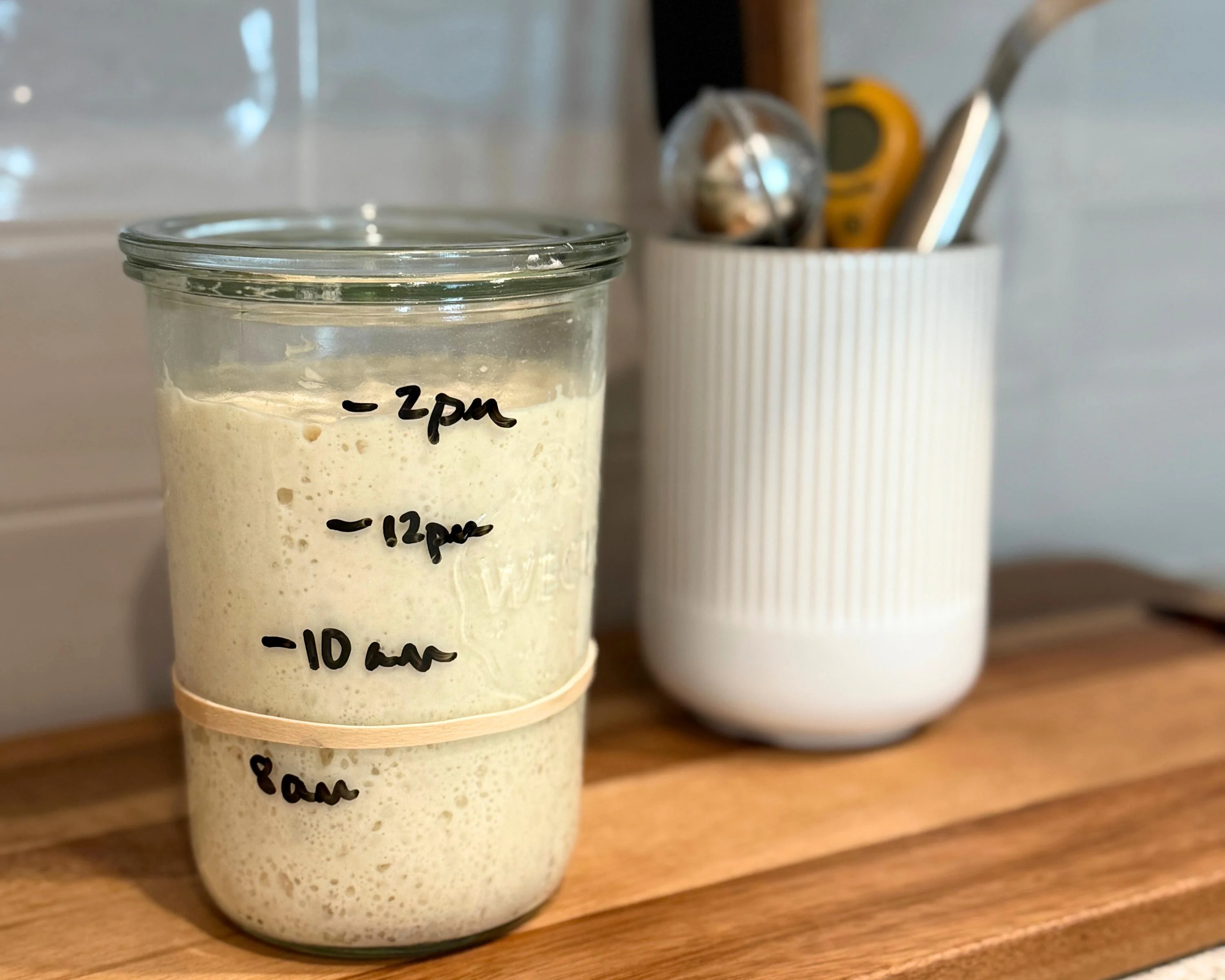
You should see bubbles, a slightly risen look, and a tangy, pleasantly sour smell. A thin layer of liquid on top is normal. If it smells rotten, moldy, or sharply unpleasant, discard and start over.

What if I have no bubbles after 48 hours?

First, move the bowl somewhere warmer and give it more time. Most kitchens do fine around 70 to 78°F (21 to 26°C). If your house is cool, fermentation can take longer. If you want backup, whisk in the optional yeast at that point and let it sit another 8 to 12 hours. If nothing changes and it still smells like raw flour, start fresh.

What if it is too sour?

Next time, shorten the fermentation window. Very warm kitchens can ferment faster than 24 hours, so follow the bubbles and smell more than the clock. For now, you can cook it as-is (some people love it extra tangy) or refrigerate the batter to slow things down before cooking.

Why is my injera sticking to the pan?

Usually one of three things: the pan is not nonstick enough (or is scratched), the heat is too high, or you are trying to lift it too early. For this home adaptation, a smooth nonstick skillet is the easiest option. Lower the heat, keep the lid on, and wait until the edges pull away.

Why did my injera turn out dry or cracked?

Your batter is likely too thick or your heat is too high. Aim for batter that pours easily, like crepe batter. Add water 1 tablespoon at a time, then cook on medium-low so the top can steam gently.

Do you flip injera?

No. You cook one side only. The bottom sets on the pan, and the top cooks from steam trapped under a lid.

Injera batter cooking in a wide nonstick skillet with lots of small bubbles forming across the surface

The first time I tried making injera at home, I treated it like a pancake. Big mistake. I flipped it, it tore, and I stood there staring at the pan like it personally betrayed me. The next round I slowed down, thinned the batter, and let the lid do its job. Suddenly the bubbles showed up like a crowd that heard there was free food. Now injera is my favorite kind of kitchen chaos: a bowl of batter that gets better with time, a hot pan, and a little patience. Also, eating dinner with bread as the utensil is one of the most joyful ideas humans have ever had.