Is this “authentic” Italian?
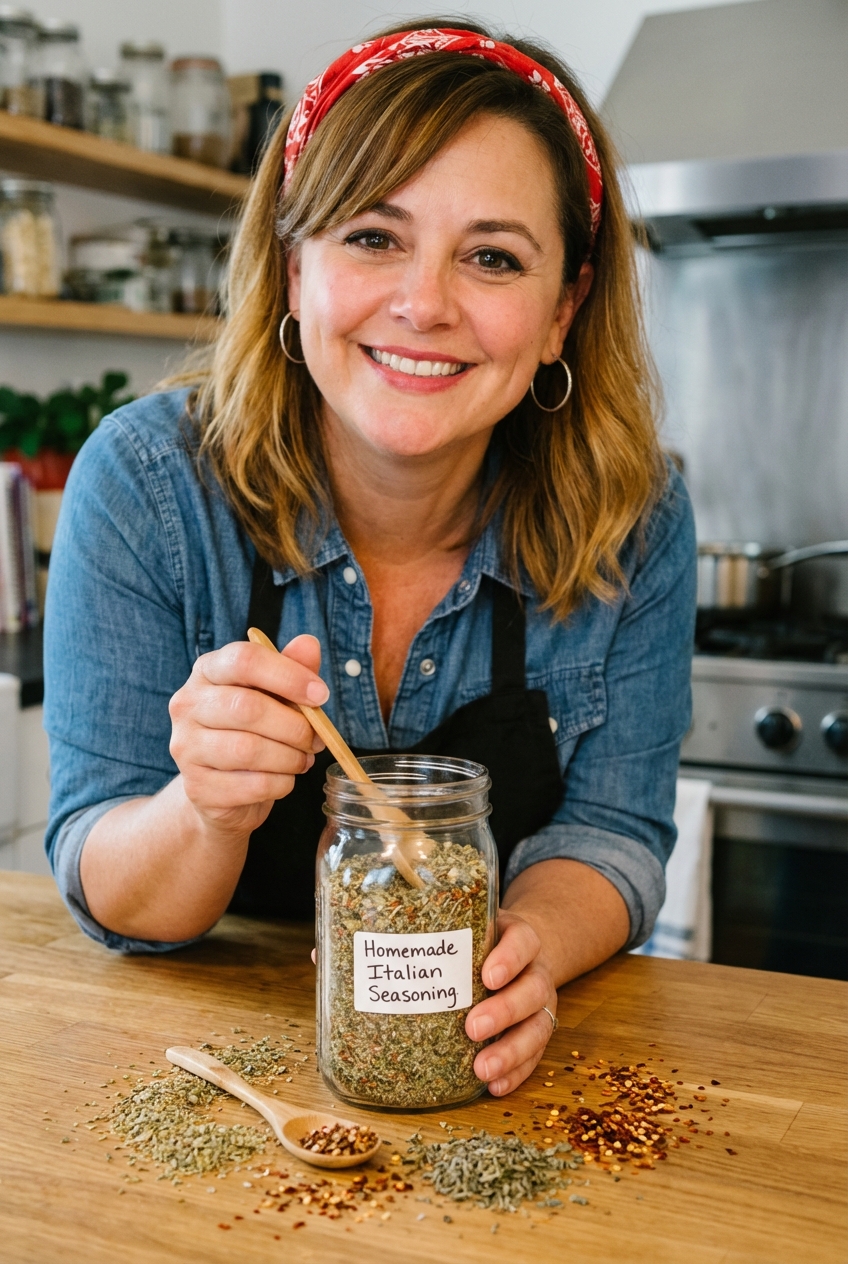
It is Italian-inspired and very much Italian-American, restaurant-style in spirit. Traditional Italian cooking is more about seasoning each dish with the herbs it needs than relying on one all-purpose jar blend. This is my brighter, more balanced take for weeknight cooking.
What makes this “tangy and sweet”?
Sumac brings a lemony, slightly tart brightness, and a small pinch of brown sugar rounds out sharp edges. You are not making candy. You are building the same kind of balance you taste in great red sauce.
Is this the same as Italian seasoning from the store?
It is the same idea, but better. Store blends usually lean heavily on oregano and marjoram and can taste one-note. This version has a wider herb base plus a subtle tangy lift.
Can I make it without sumac?
Yes. Skip the sumac and add 1 teaspoon lemon zest to your dish while cooking instead, or add 1/8 teaspoon citric acid to the blend if you keep it on hand. If you want more zip, go up to 1/4 teaspoon after you test it. If you use lemon zest, do not store it in the jar because fresh zest adds moisture.
Is there salt in this blend?
No, on purpose. Salt levels should match the dish. Add salt separately so you do not accidentally over-season.
How much should I use per pound of meat or per pot of sauce?
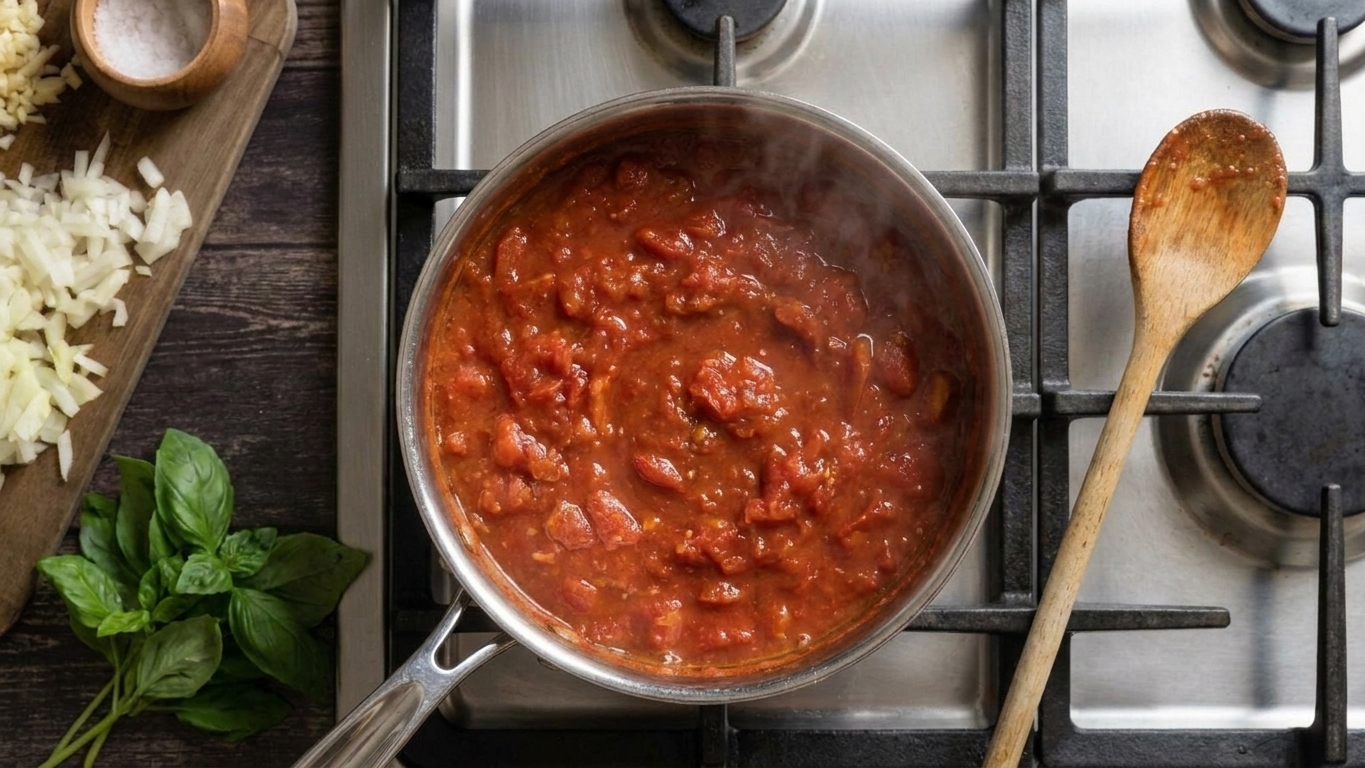
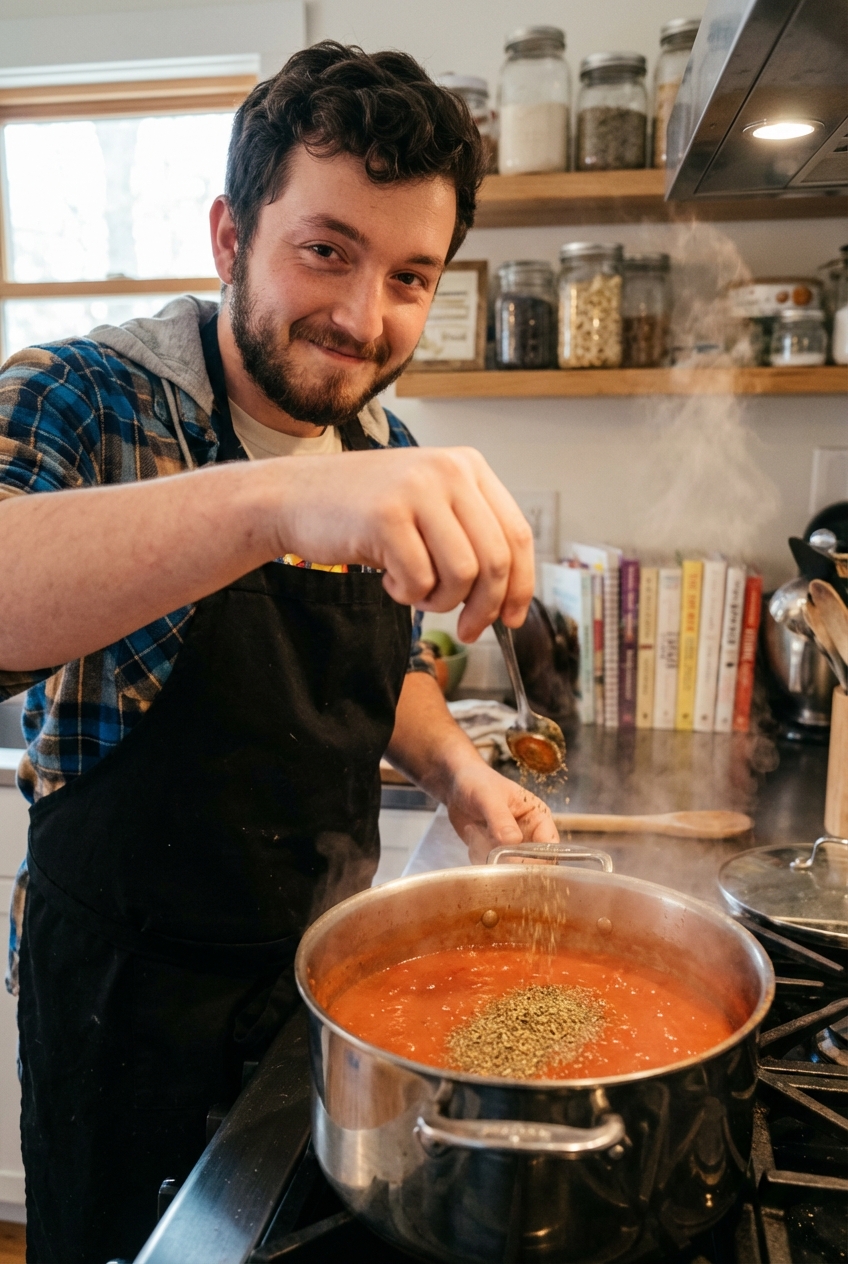
For a good starting point: 2 teaspoons per pound of chicken, pork, or veggies, and 1 to 2 teaspoons per 24 ounces of tomato sauce. Then taste and adjust.
Can I use this as a dry rub?
Absolutely. Mix 1 tablespoon seasoning with 1 to 1 1/2 teaspoons kosher salt for a quick rub. Add a drizzle of oil if you want it to cling.
Where does the tang shine the most?
It is especially good in tomato sauces, roasted vegetables, and grilled or baked chicken. If you are making a delicate cream sauce, start with a lighter hand since the tang can be more noticeable.