Mom's Best Recipes
Recipe

Japanese Milk Bread

Pillowy soft, lightly sweet, and built for perfect toast and sandwiches.

Author By Matt Campbell
4.8
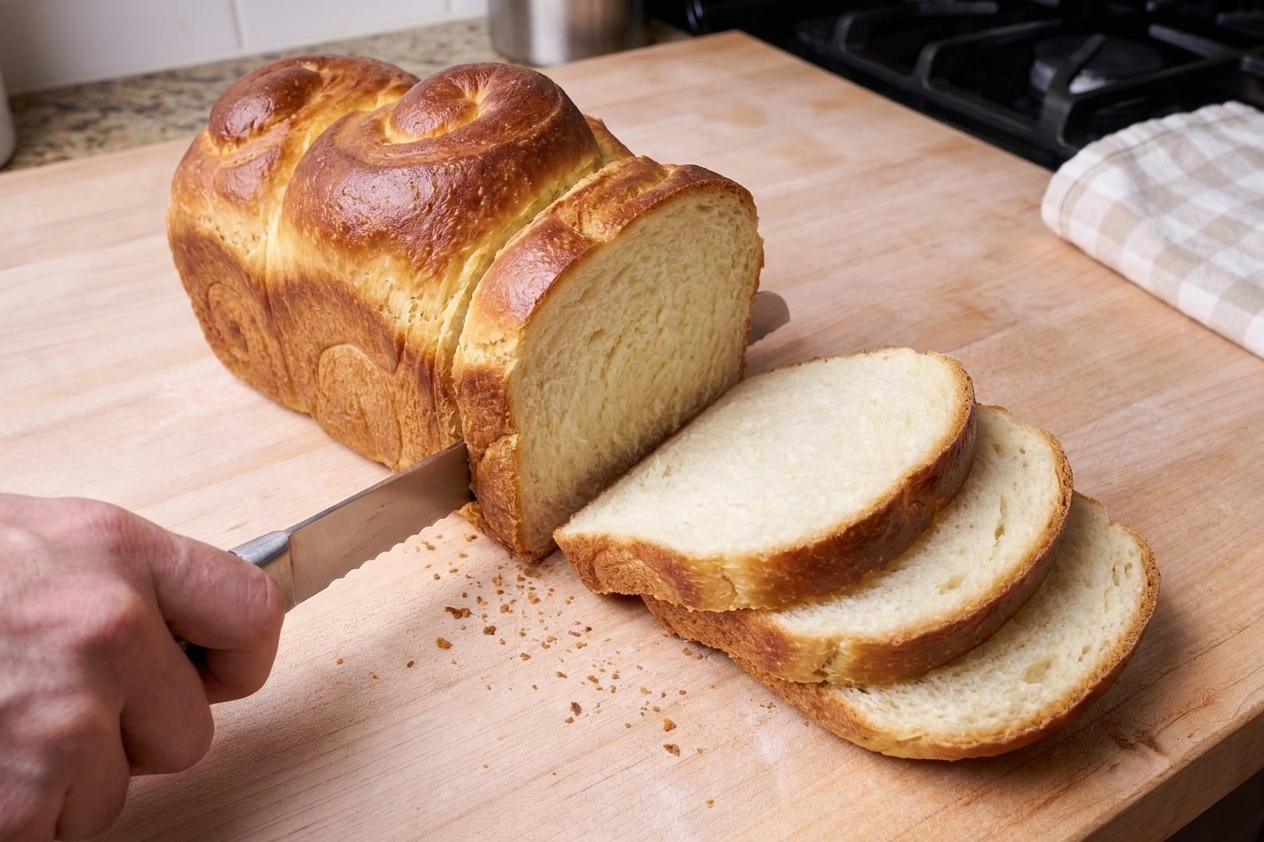
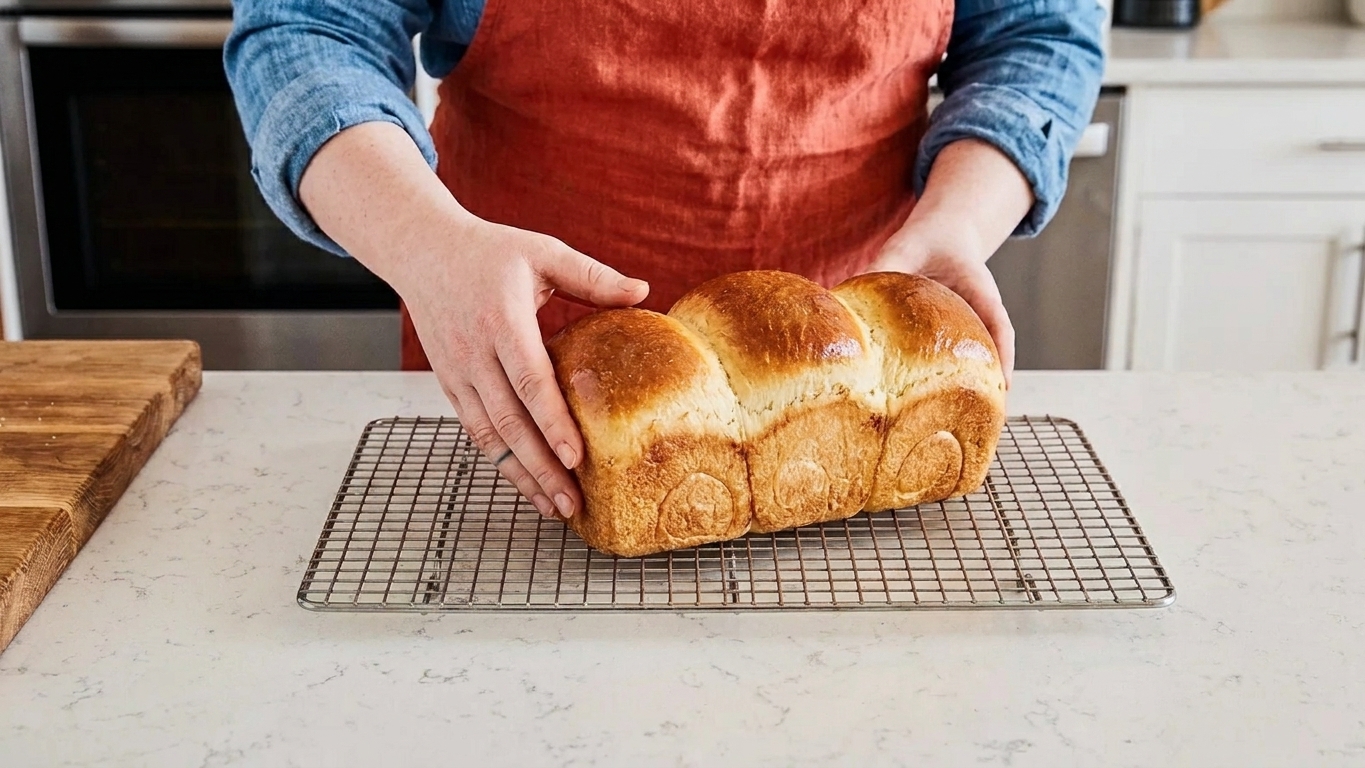
A glossy, golden-brown loaf of Japanese milk bread cooling on a wire rack on a bright kitchen counter

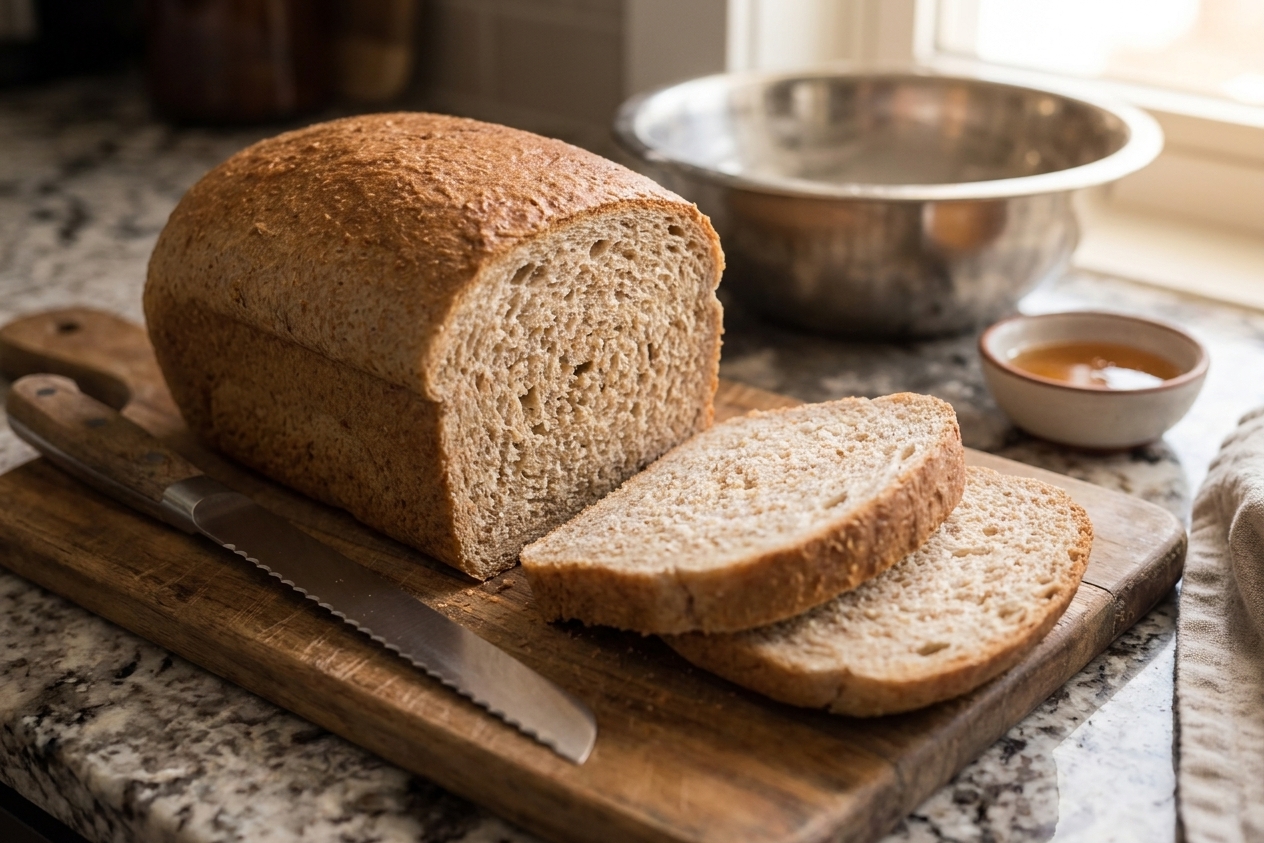
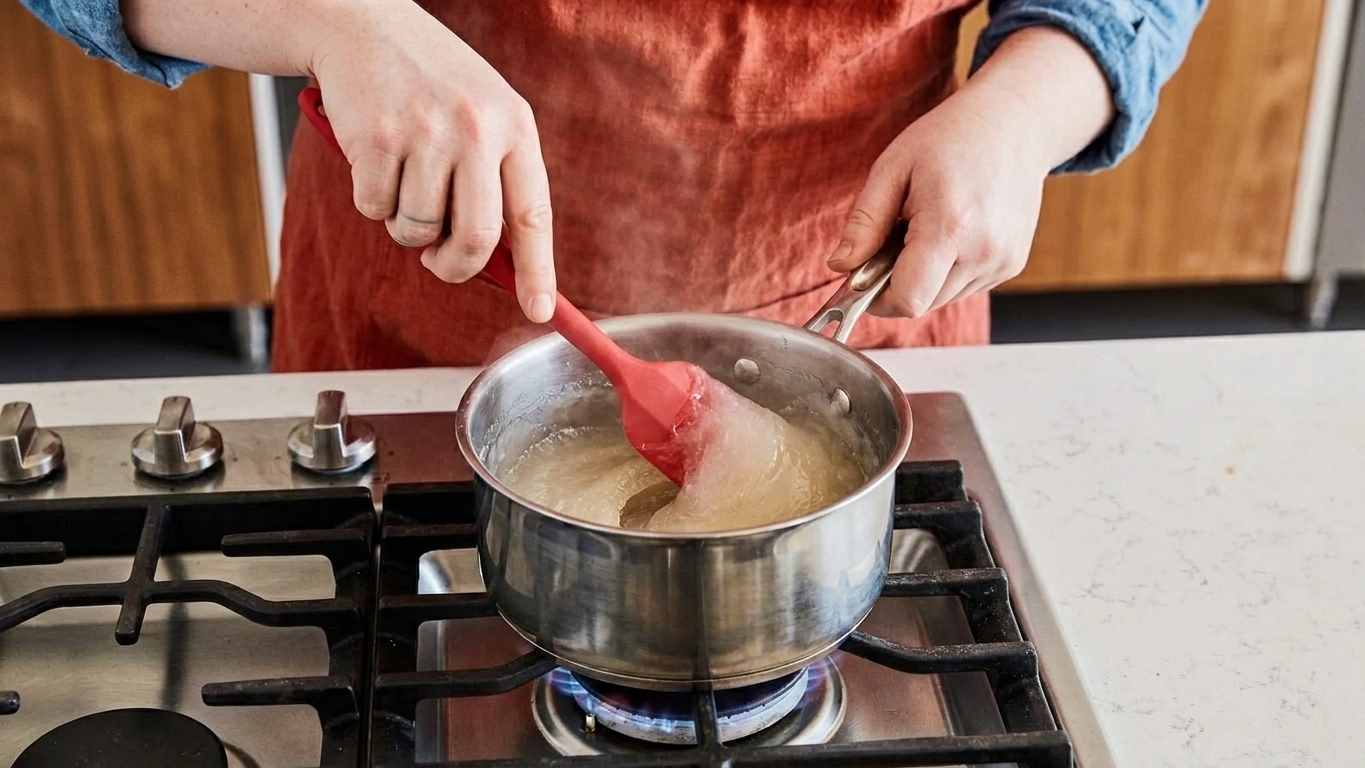
Japanese milk bread is the kind of loaf that makes you do a double take. It slices like a dream, toasts up with crisp edges, and stays soft longer than you would expect. The key technique is tangzhong, a quick cooked flour paste that sounds fussy but takes just a few minutes and pays you back with the fluffiest crumb.

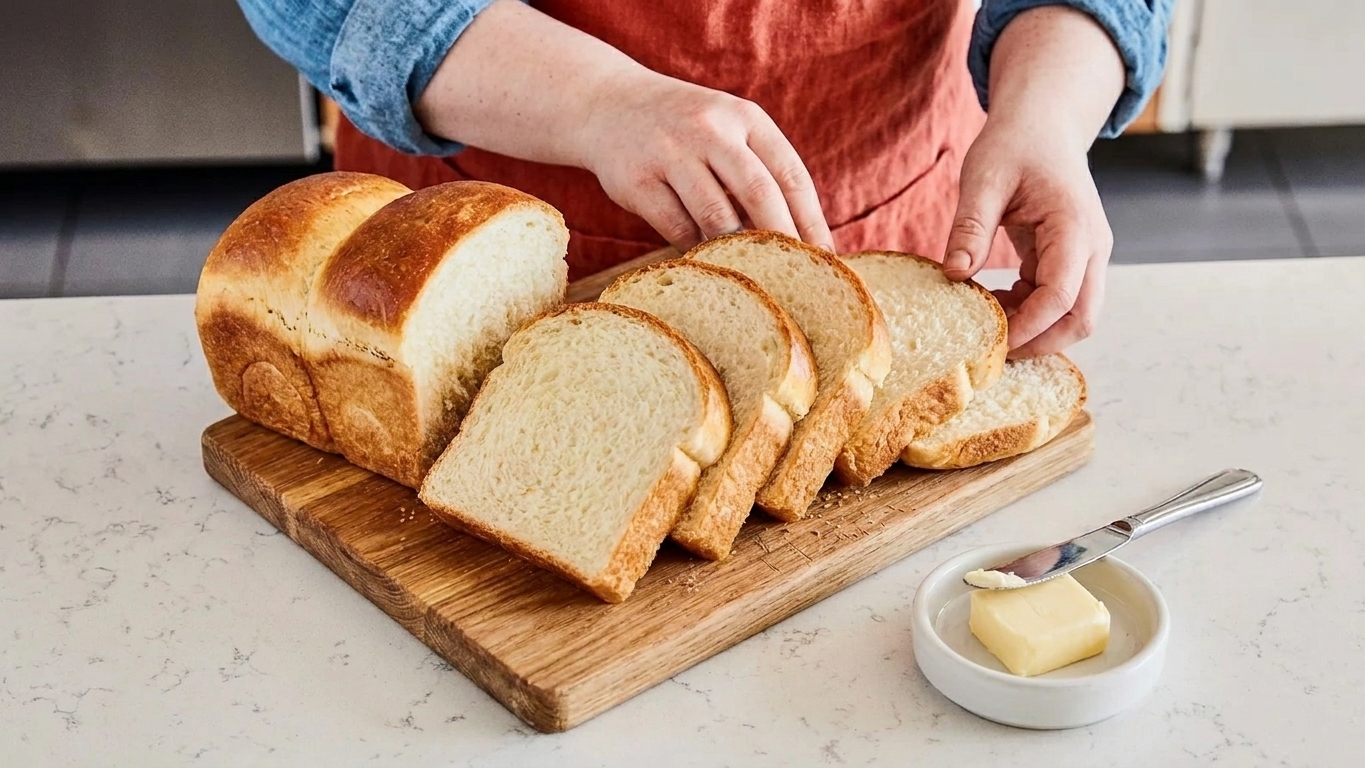
This is a friendly, home-kitchen version of shokupan style milk bread. No specialty ingredients, no weird gadgets. Just a cozy dough, a little patience while it rises, and the deeply satisfying moment when you peel apart that first warm slice.

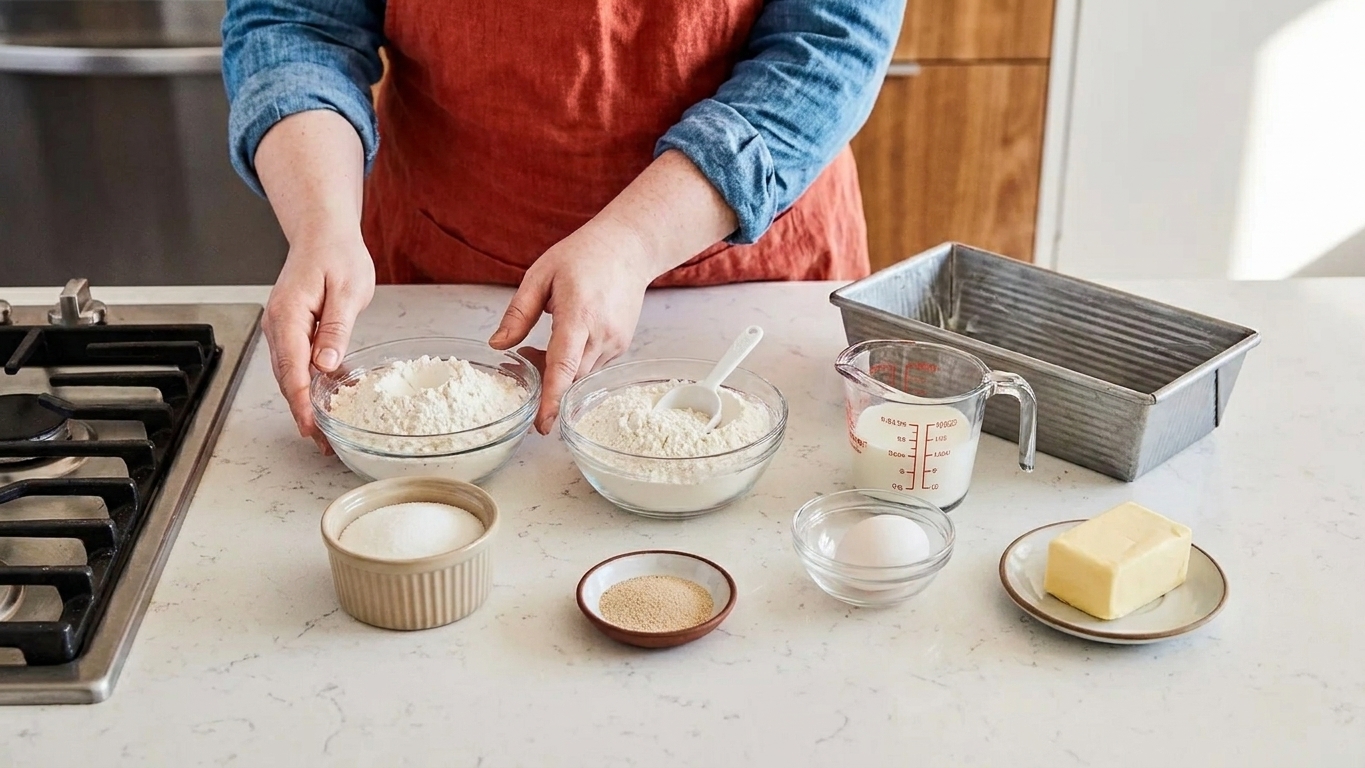
Measured flour, sugar, yeast, milk, egg, and butter arranged on a clean kitchen counter with a loaf pan nearby

Why It Works

  • Tangzhong locks in moisture: Cooking a little flour with milk helps the loaf hold onto water better, which means a softer crumb and longer freshness.
  • Enriched dough, but not heavy: Milk, egg, and butter add tenderness and flavor without turning it into cake.
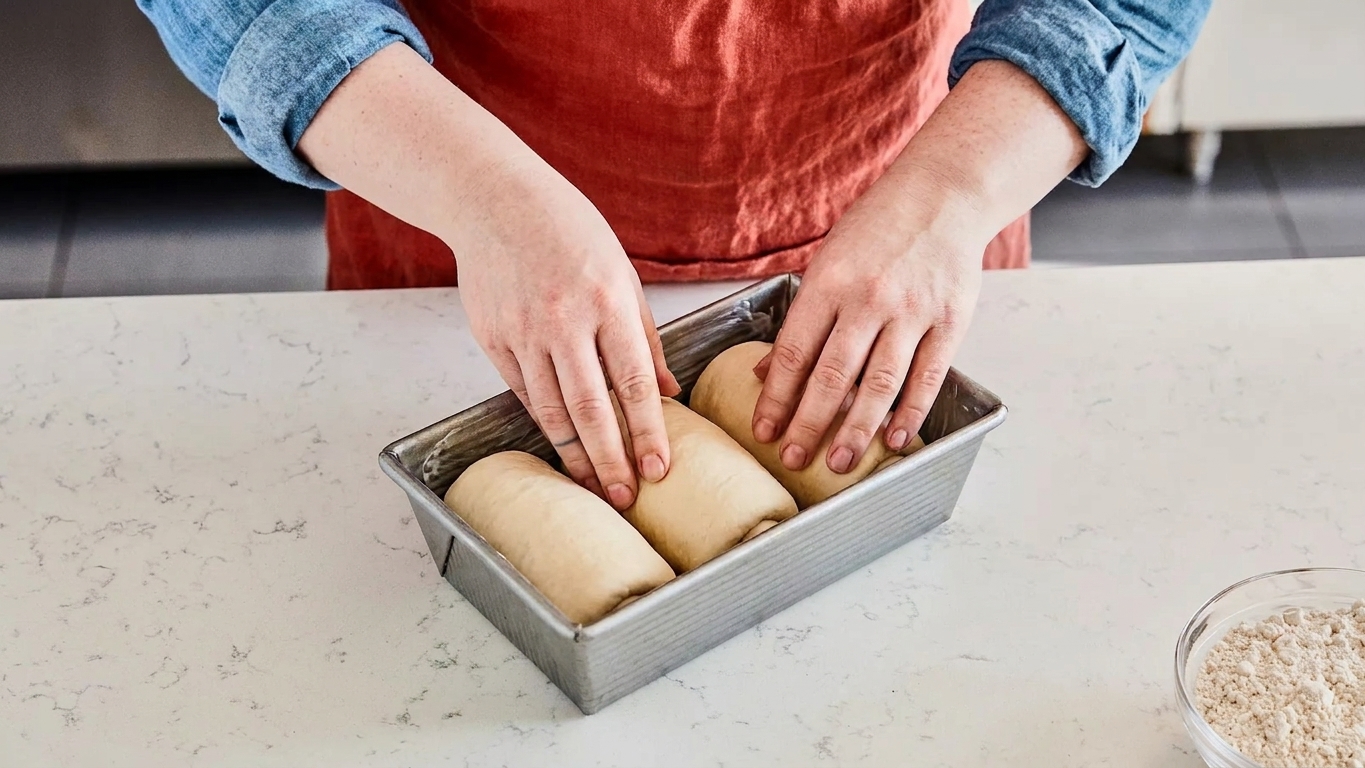
  • Easy shaping for a tall, even loaf: Rolling the dough into three logs helps it bake up high with that classic pull-apart look.
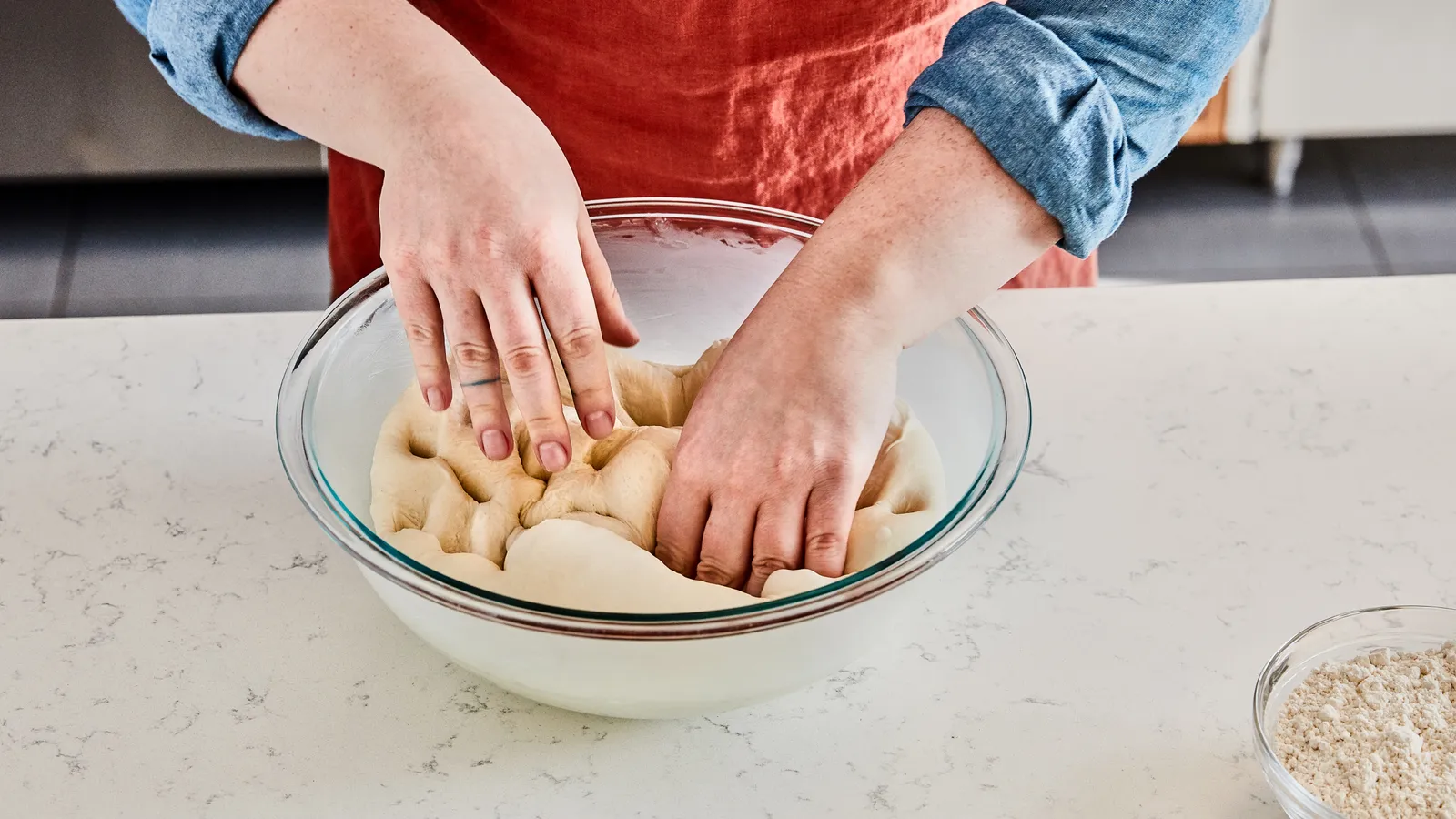
  • Beginner friendly timing cues: You will use visual and touch signals so you are not stuck guessing if the dough is ready.

Pairs Well With

Storage Tips

Room temperature: Let the loaf cool completely, then store in a sealed bag or airtight container for 2 to 3 days. If your kitchen is dry, add a folded paper towel under the loaf to catch condensation without drying it out.

Freeze (best for keeping it fluffy): Slice the loaf, then freeze slices in a zip-top bag with parchment between a few pieces so they do not glue together. Toast straight from frozen.

Reheat like you mean it: For that just-baked vibe, warm slices 10 to 15 seconds in the microwave, then toast for crisp edges.

Common Questions

What is tangzhong, and can I skip it?

Tangzhong is a small amount of flour cooked with milk until it turns into a thick paste. It helps the bread stay soft and moist for longer. You can skip it, but the loaf will be less fluffy and it will stale faster. I recommend doing it once, and you will not want to go back.

Can I use all-purpose flour instead of bread flour?

Yes. Bread flour gives a slightly taller loaf and a chewier structure, but all-purpose flour still makes a very soft, tender bread here. If using all-purpose flour, stop mixing as soon as the dough passes the windowpane test so it stays delicate.

My dough feels sticky. Should I add more flour?

Milk bread dough is supposed to be a little tacky. Add flour only 1 tablespoon at a time if it is truly unmanageable. Sticky dough becomes fluffy bread. Over-flouring is the fastest way to end up with a dry loaf.

How do I know it is done baking?

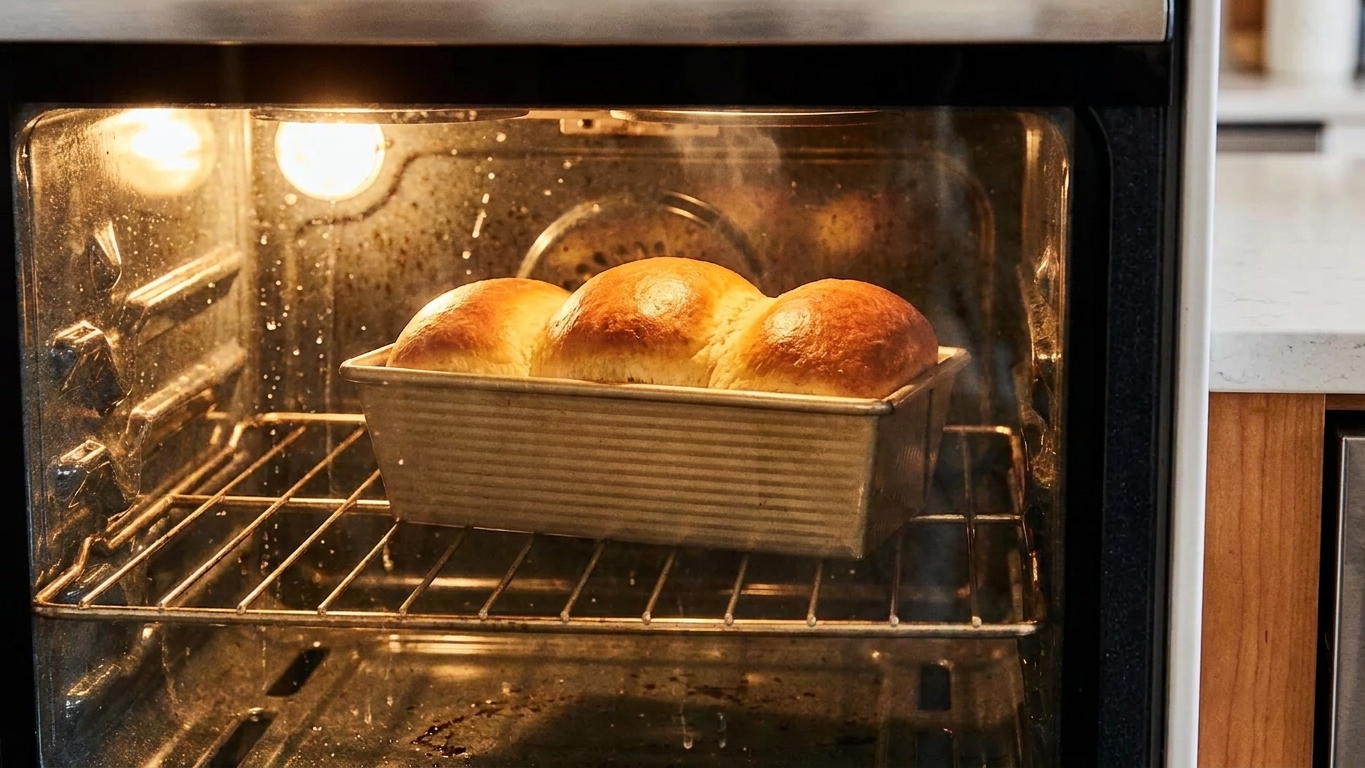
The top should be deep golden brown and the loaf should sound hollow when tapped. If you have a thermometer, aim for 190 to 200°F in the center. If you are unsure, 195°F is a safe target for a fully set, fluffy crumb.

Can I make it without a stand mixer?

Absolutely. It just takes a little elbow grease. Knead by hand until the dough is smooth and stretchy, about 10 to 15 minutes. If it gets too sticky, rest it 5 minutes and keep going.

Can I use a different loaf pan size?

Yes. An 8.5x4.5-inch loaf pan works too. The loaf will be a little taller, may rise faster, and can take a few extra minutes to bake. Use the color cues and the internal temperature instead of the clock.

My kitchen is cool. Why is my rise taking forever?

Totally normal. Dough rises on its own schedule. Move it to a warmer spot (like a turned-off oven with the light on) and give it time. You are looking for the dough to double on the first rise and crown above the pan on the second, not a specific number of minutes.

How do I know if I overproofed it?

If the dough rises very high, gets overly jiggly, then deflates when you touch it or when it hits the oven heat, it may be overproofed. Next time, bake when the dough is about 1 inch above the rim and still feels puffy and elastic.

I started making Japanese milk bread because I wanted a loaf that could do it all: breakfast toast, kid-friendly sandwiches, and the late-night buttered slice that magically tastes better eaten standing up at the counter. The first time I nailed the tangzhong thing, I pulled the bread apart while it was still warm and immediately understood the hype. It is soft in a way that feels a little unreal, like the loaf is quietly trying to be a pillow.