What is tangzhong, and do I really need it?
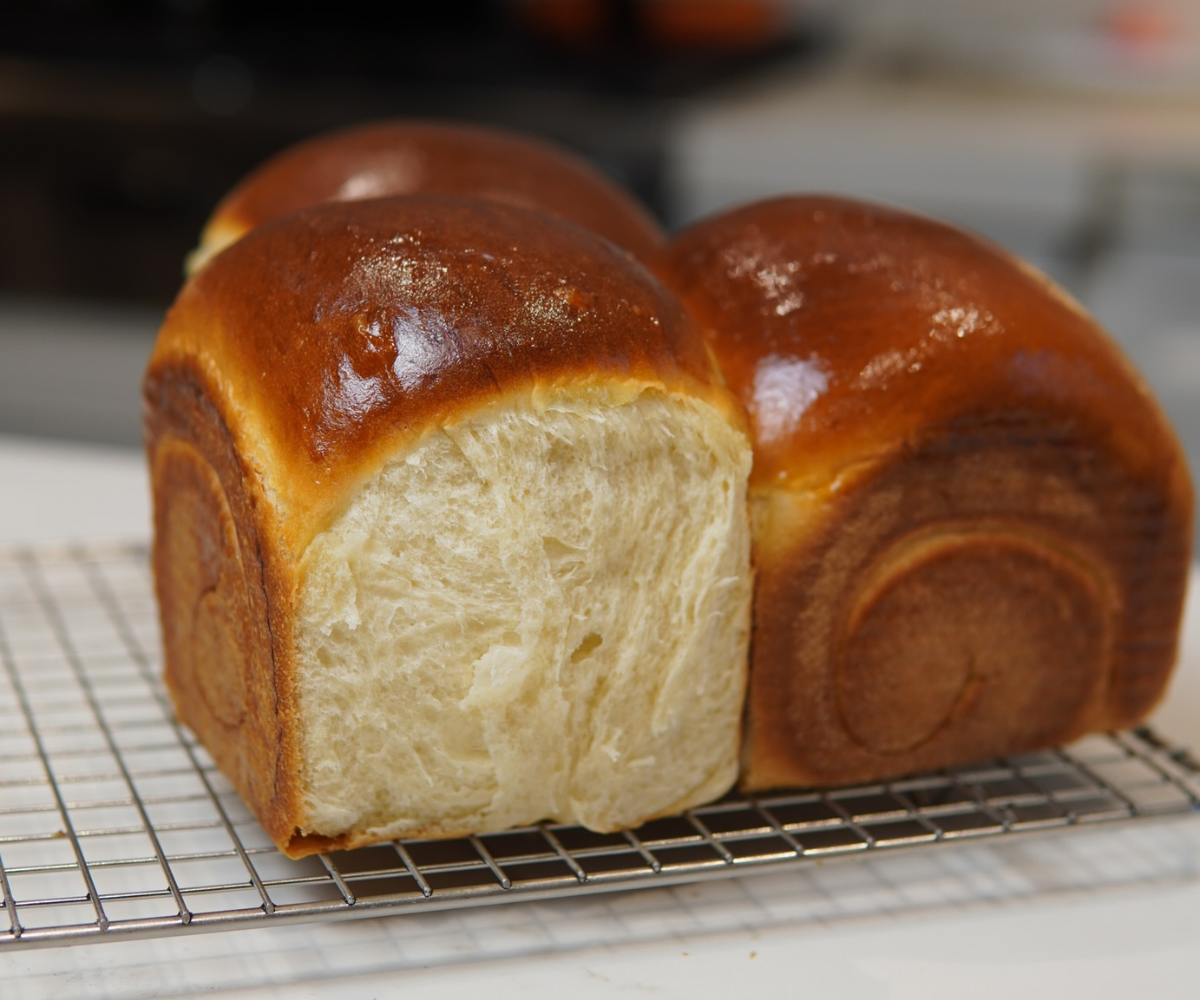
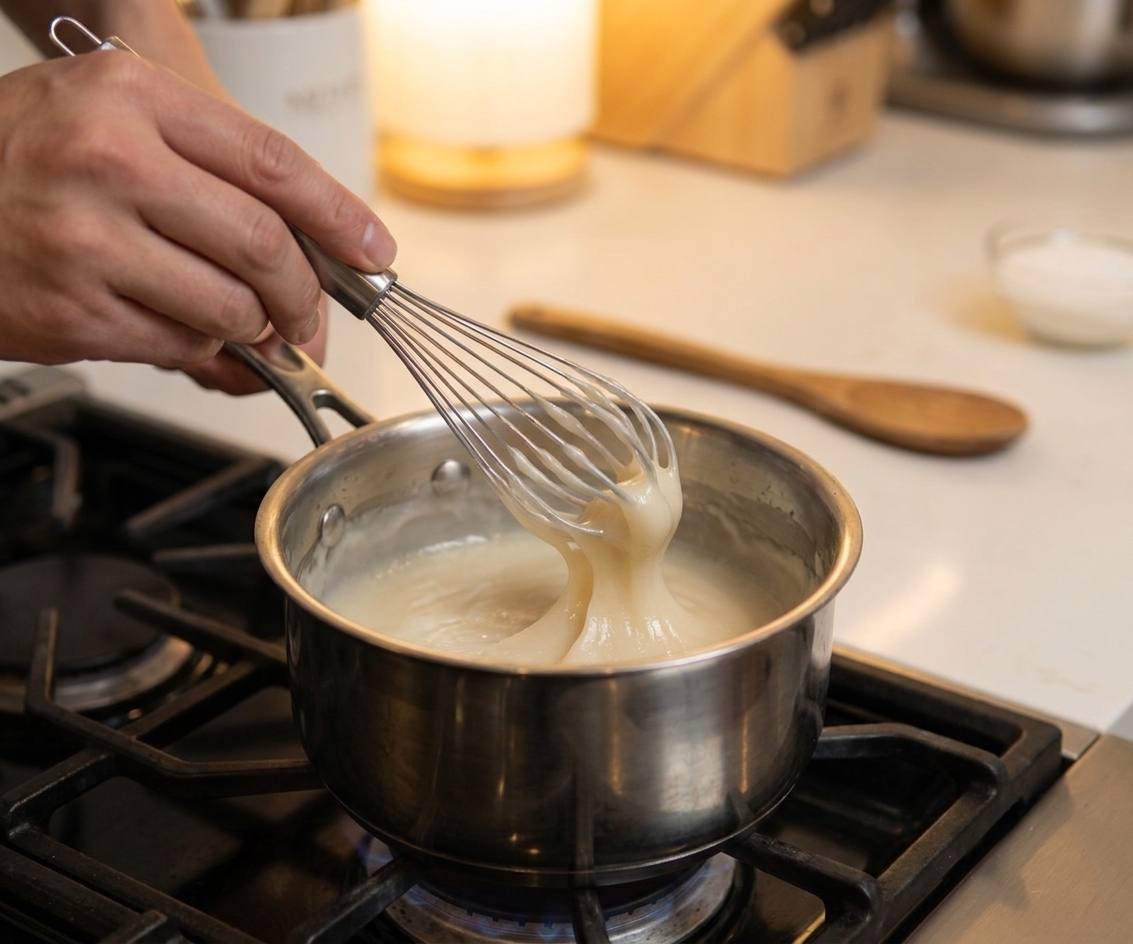
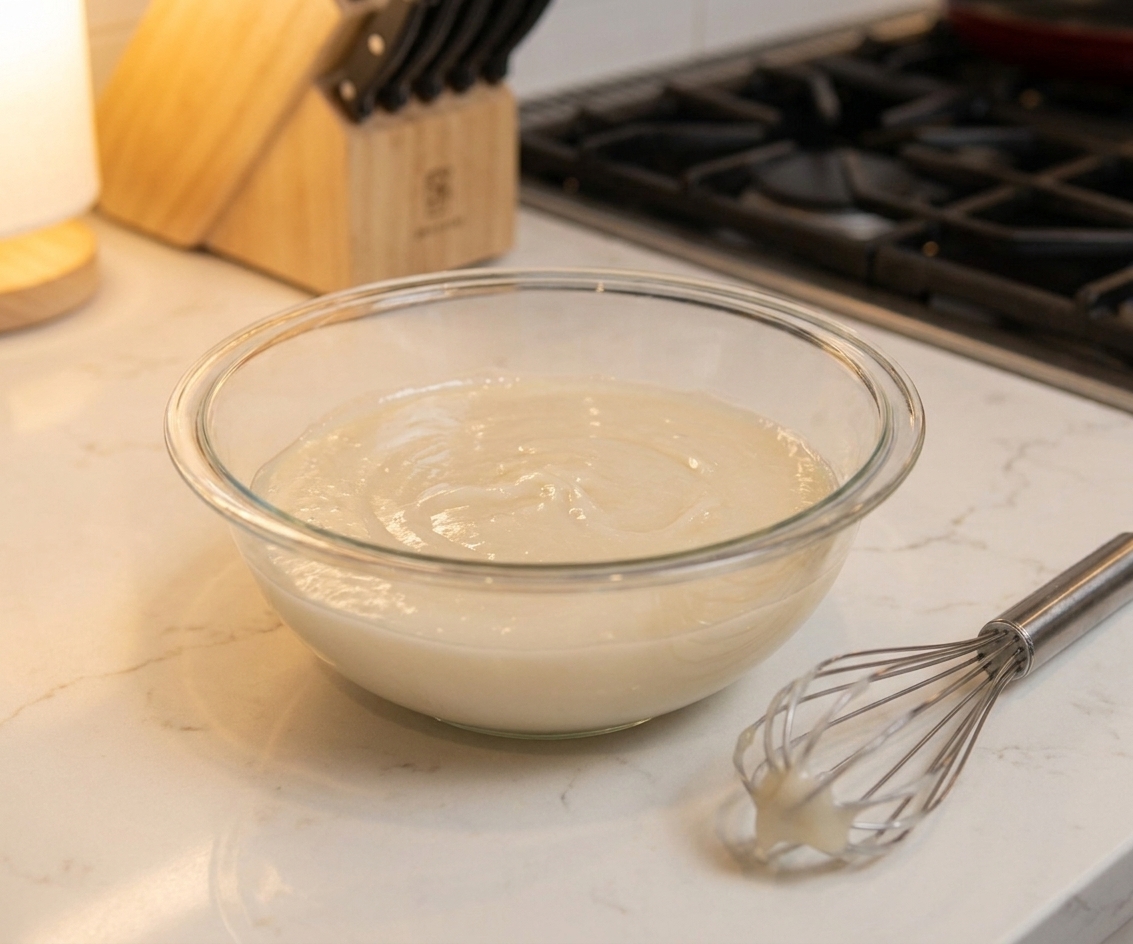
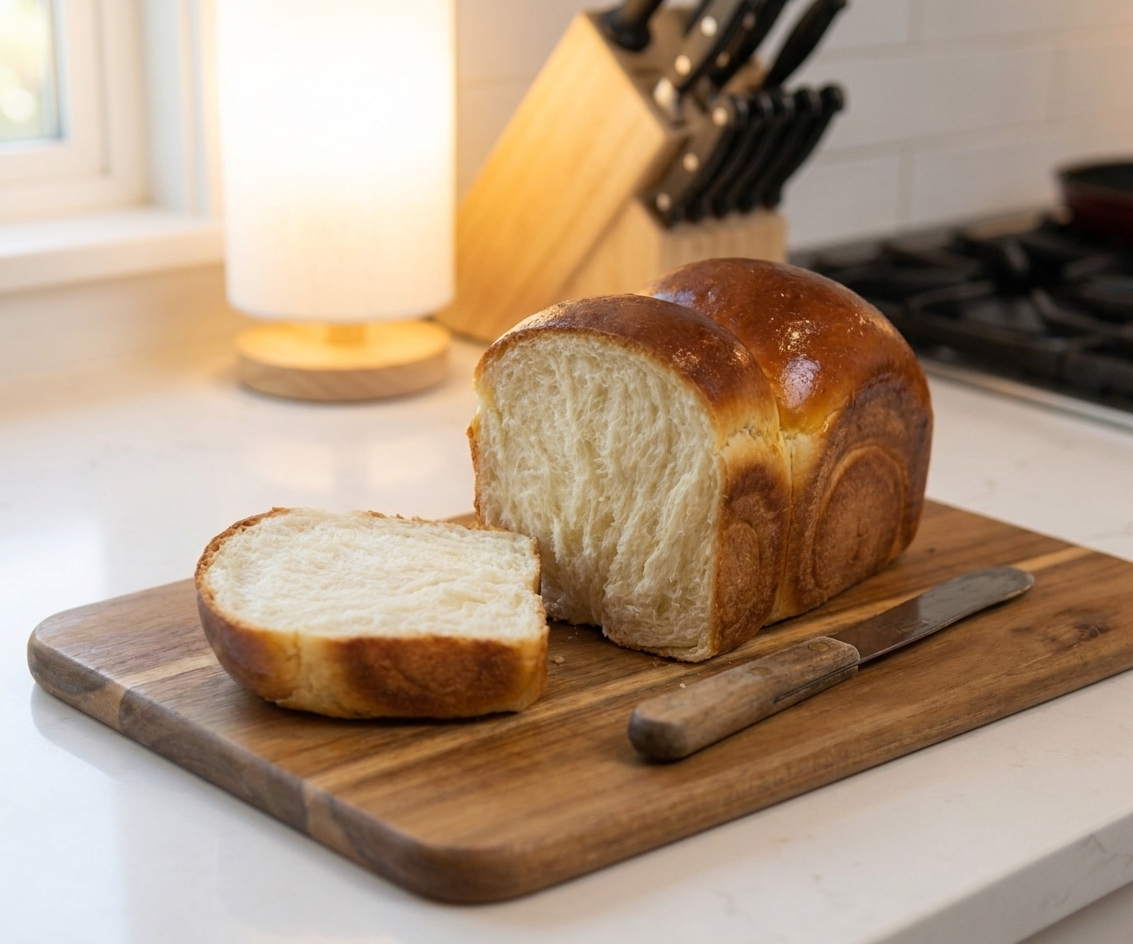
Tangzhong is a cooked mixture of flour and liquid (milk and a little water here) that gelatinizes the starches. That lets the dough absorb more liquid, giving you a softer crumb and longer-lasting freshness. You can make enriched bread without it, but tangzhong is the reason this loaf has that signature fluffy pull-apart texture.
Can I use active dry yeast instead of instant?
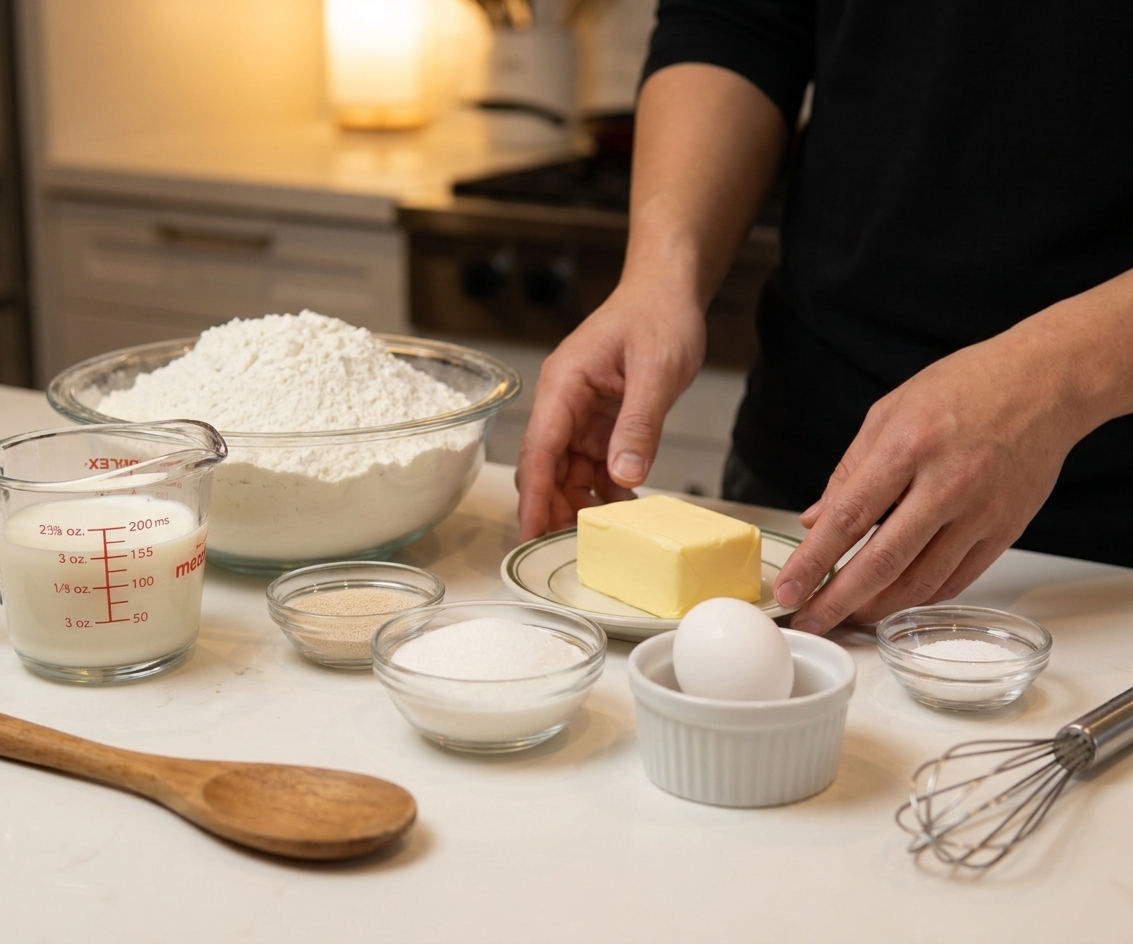
Yes. You can use the same amount, but active dry yeast can be a little slower (and some bakers prefer using a touch more). For extra insurance, dissolve the active dry yeast in the warm milk with a pinch of sugar and let it sit for 5 to 10 minutes until foamy, then proceed. Expect the rise times to be a bit longer if your kitchen runs cool.
My dough feels sticky. Did I mess up?
Probably not. This dough is meant to be slightly tacky because it is enriched and fairly high-hydration. After kneading, it should feel smooth and stretchy. Add flour only 1 tablespoon at a time if it is truly unmanageable. Too much extra flour is a common reason milk bread turns out dense.
How do I know it is proofed enough for baking?
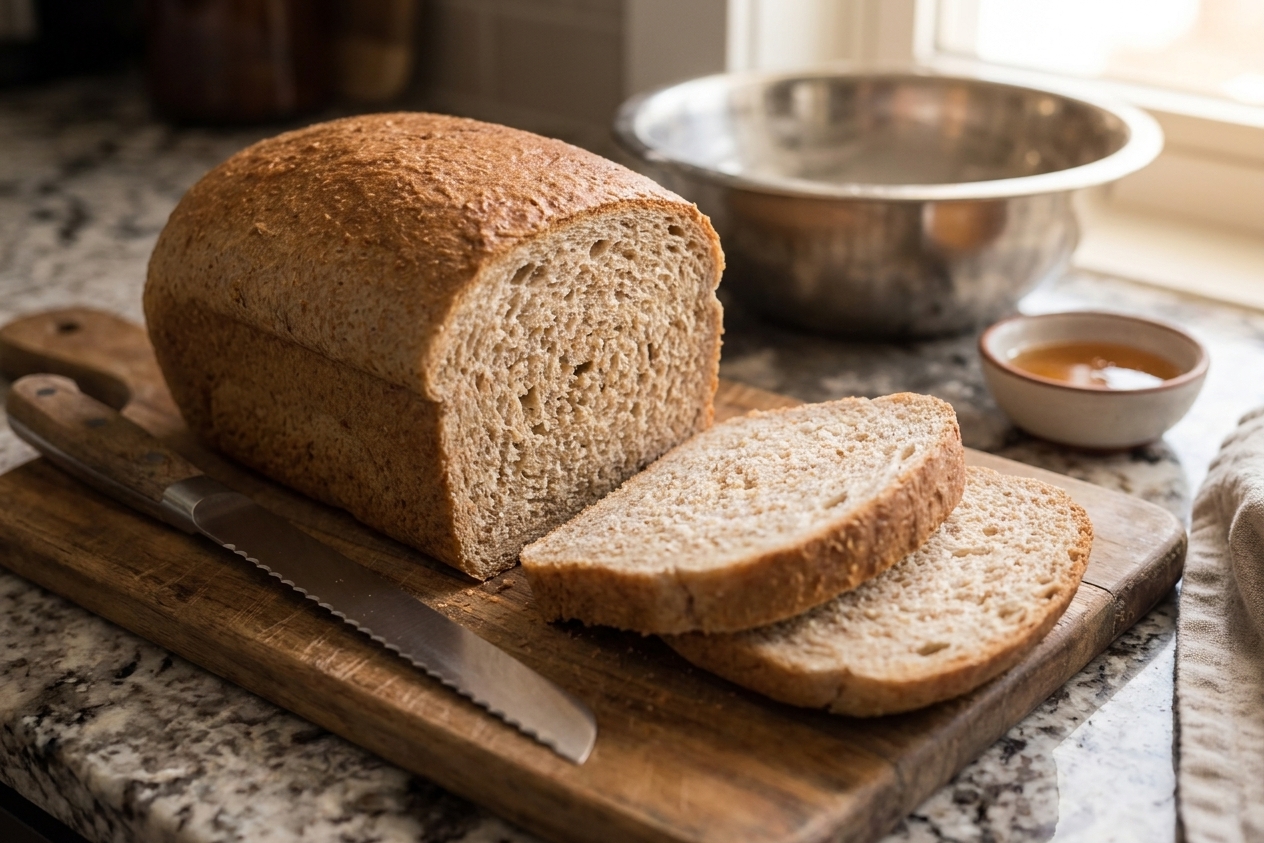
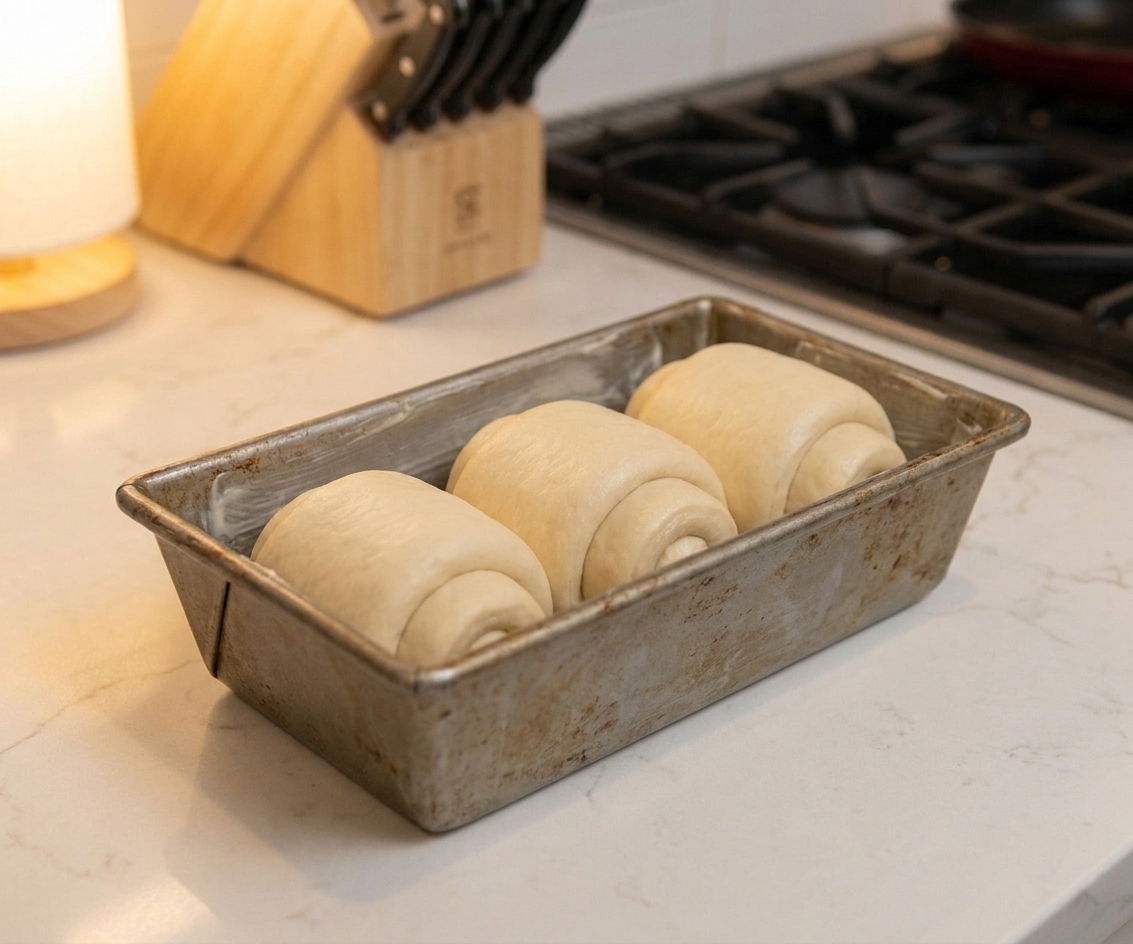
Use the poke test as your main clue. In the pan, the dough should look very puffy and be near the rim to about 1 inch above, depending on your pan and dough strength. If you gently press a floured fingertip into the dough, the indentation should slowly spring back but still leave a slight dent. If it collapses or deflates, it has likely gone a little too far.
Can I make this without a stand mixer?
Yes, just plan for a little arm workout. Hand-knead for 12 to 15 minutes until the dough passes the windowpane test, meaning you can stretch a small piece thin enough to see light through it without tearing.
How do I know when it is done baking?
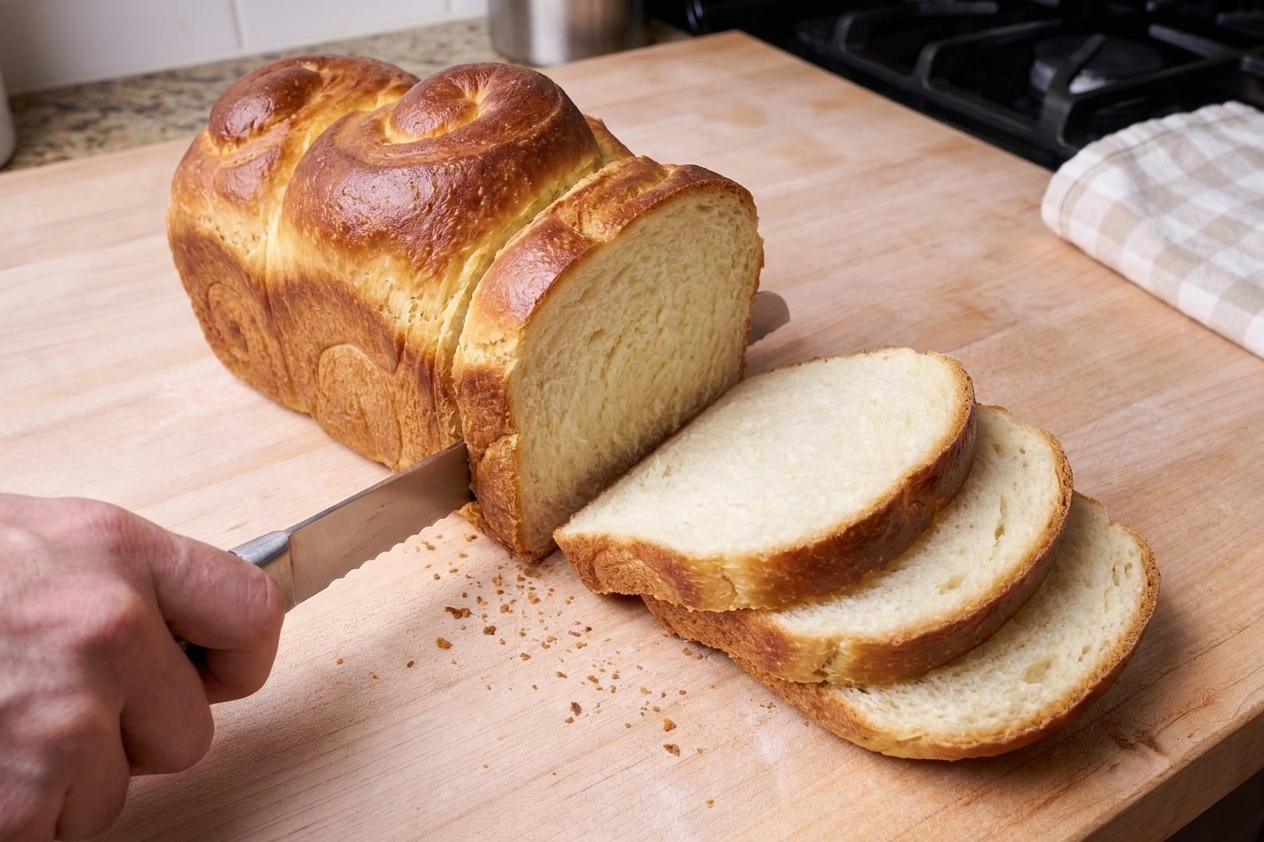
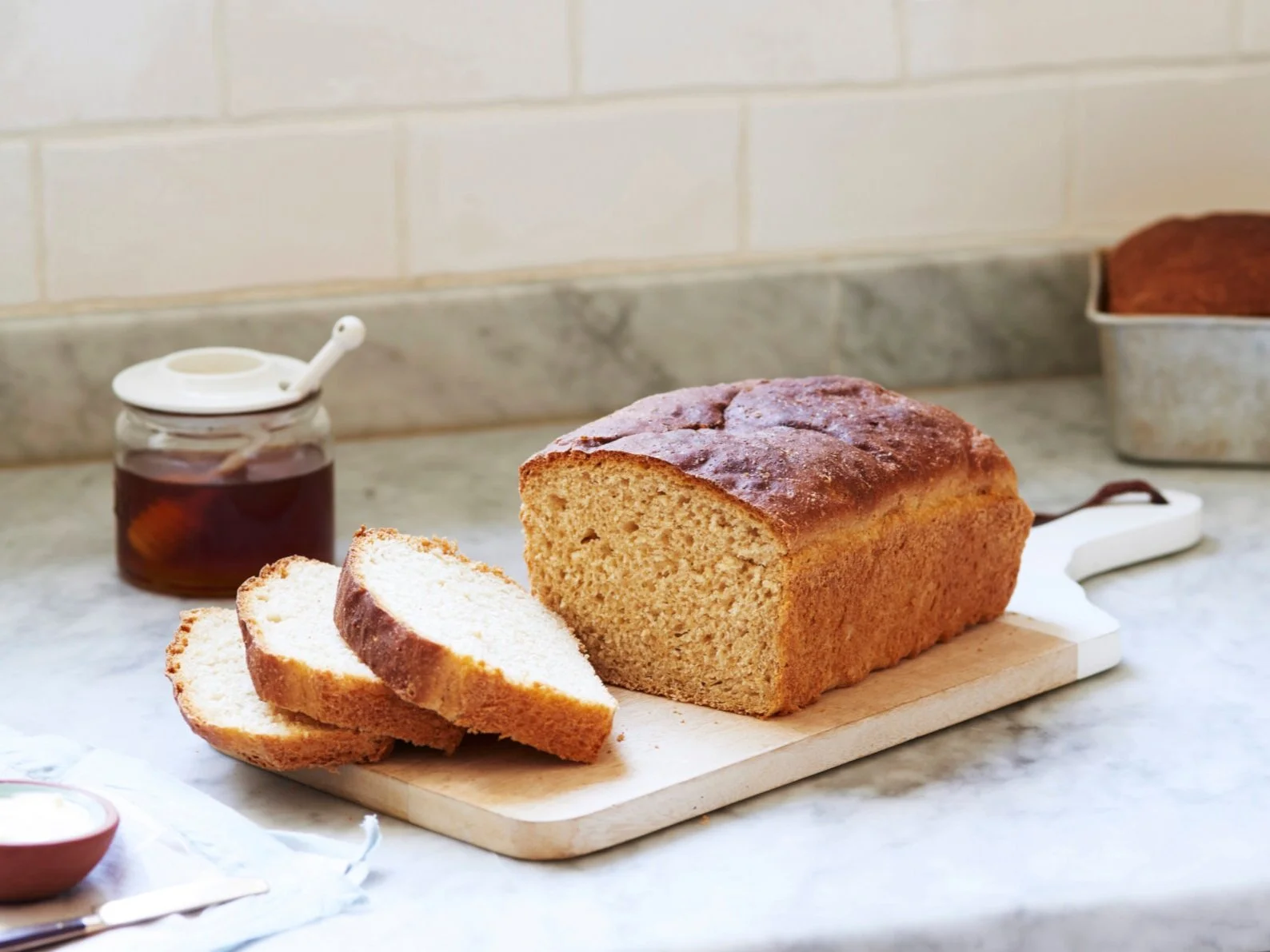
The top should be deep golden and the loaf should feel set. If you have an instant-read thermometer, aim for an internal temperature of 190°F to 200°F (about 88°C to 93°C) in the center of the loaf.
Why did my loaf not rise, collapse, or turn out dense?
Not rising: your kitchen may be cold, your milk may have been too hot, or your yeast may be old. Try a warmer proofing spot and confirm your yeast is active.
Collapsing: usually overproofing. Next time, bake when the dough is puffy and passes the poke test rather than waiting for maximum height.
Dense crumb: often under-kneading or adding too much flour. Keep the dough soft, and knead until it is elastic and passes the windowpane test.