Mom's Best Recipes
Recipe

Lamb Shanks

Fall-apart tender lamb shanks in a rich rosemary-garlic braise with a glossy, spoonable sauce.

Author By Matt Campbell
4.8
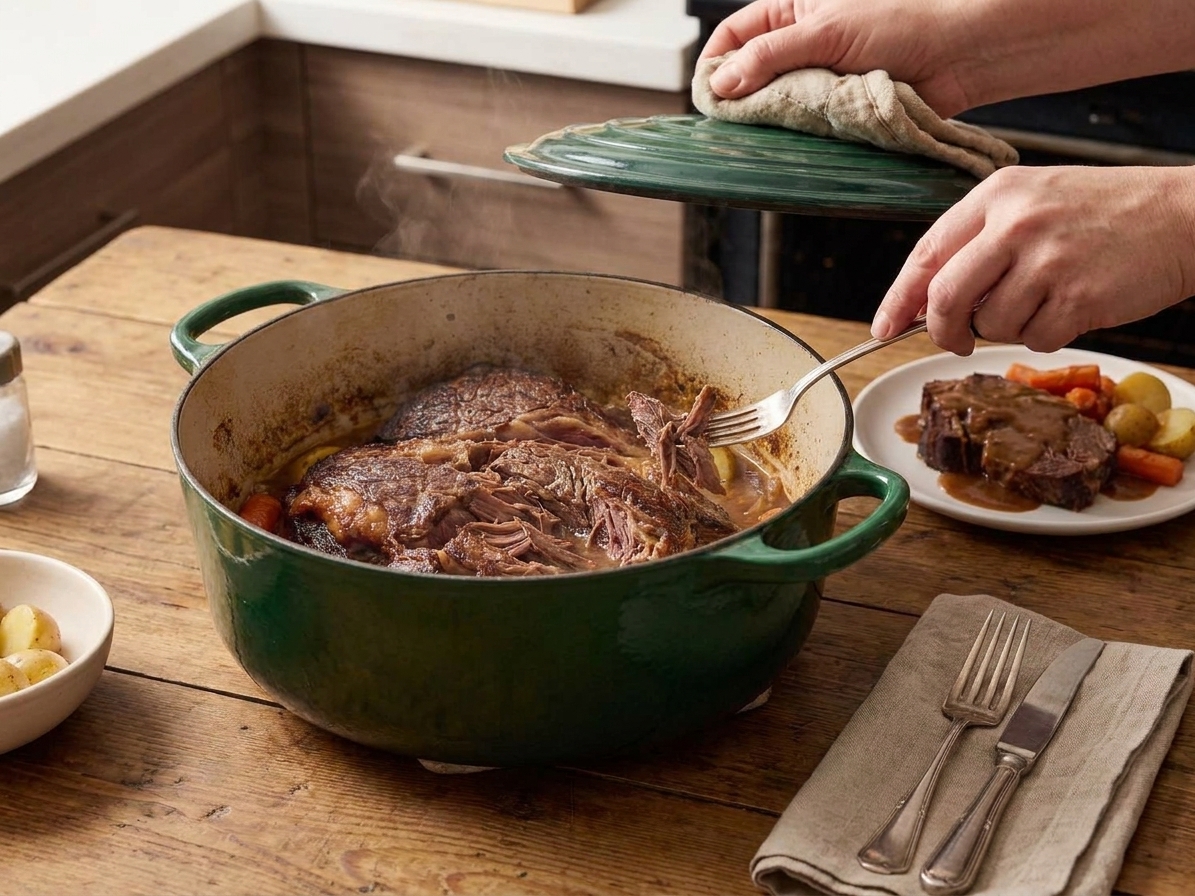
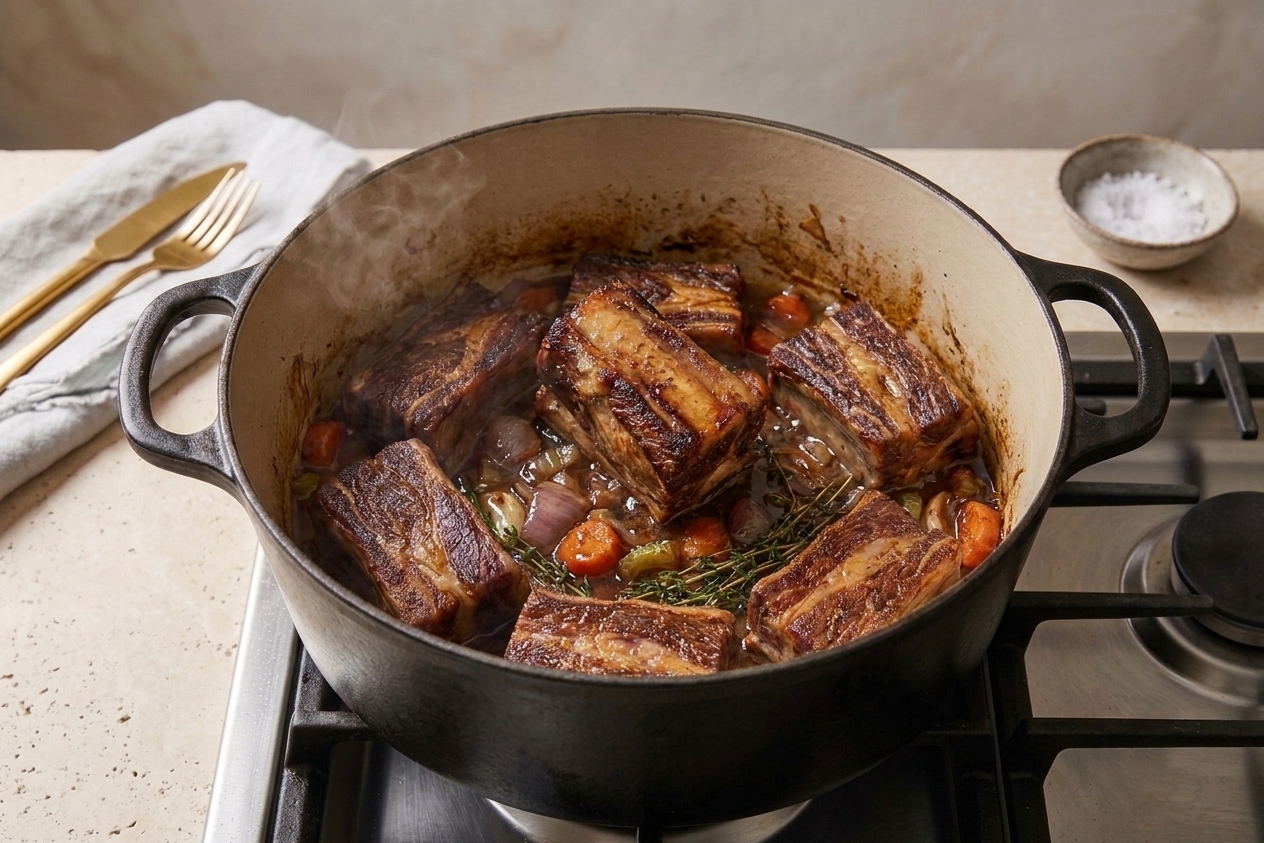
Two braised lamb shanks in a Dutch oven with a rich brown sauce, carrots, and onions, set on a warm kitchen counter with soft natural light

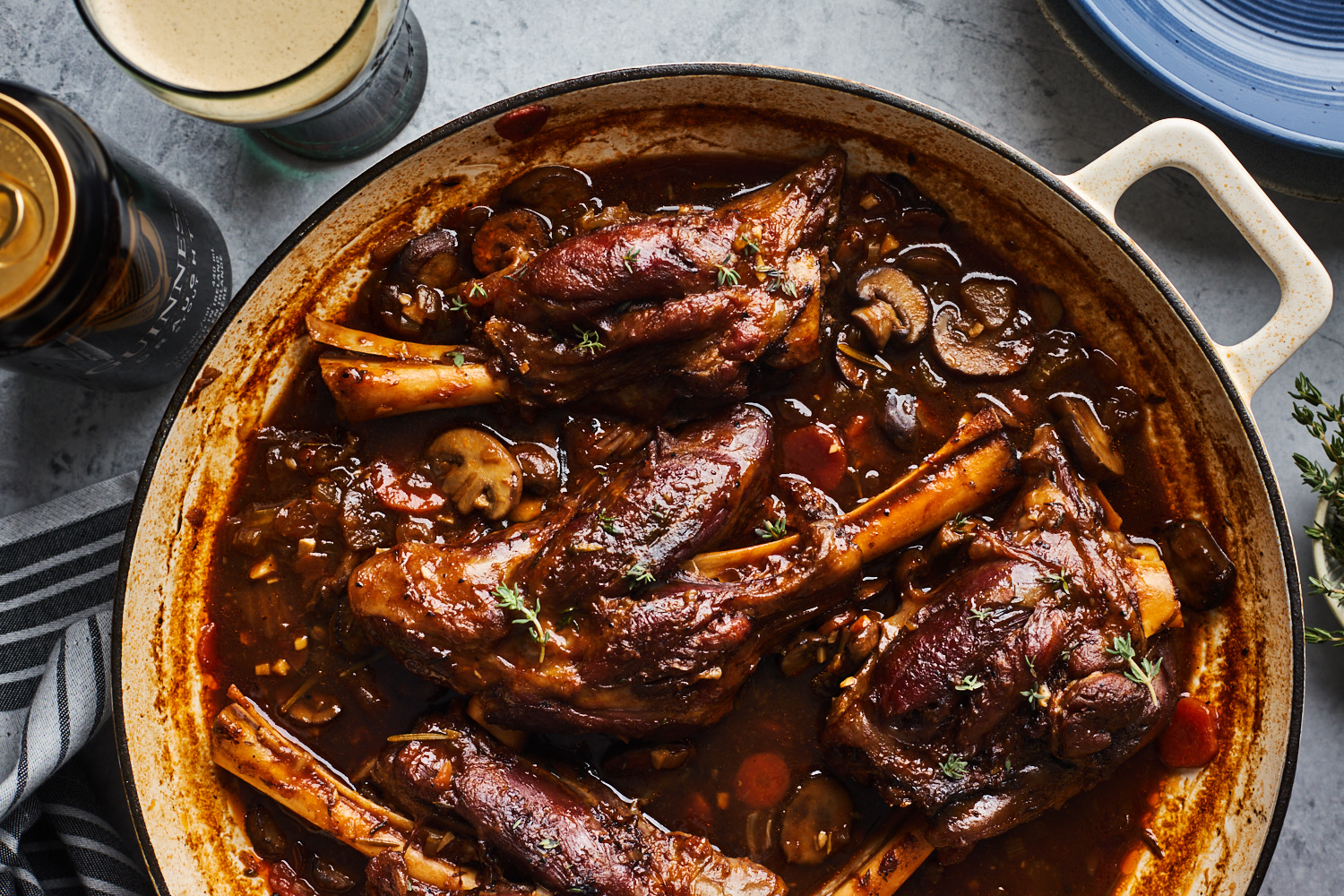
Lamb shanks are one of those magical cuts that act tough until you treat them right. Give them time, a little heat, and a flavorful bath, and they turn into the kind of fork-tender, cozy dinner that makes everyone wander back into the kitchen asking, "What smells so good?"

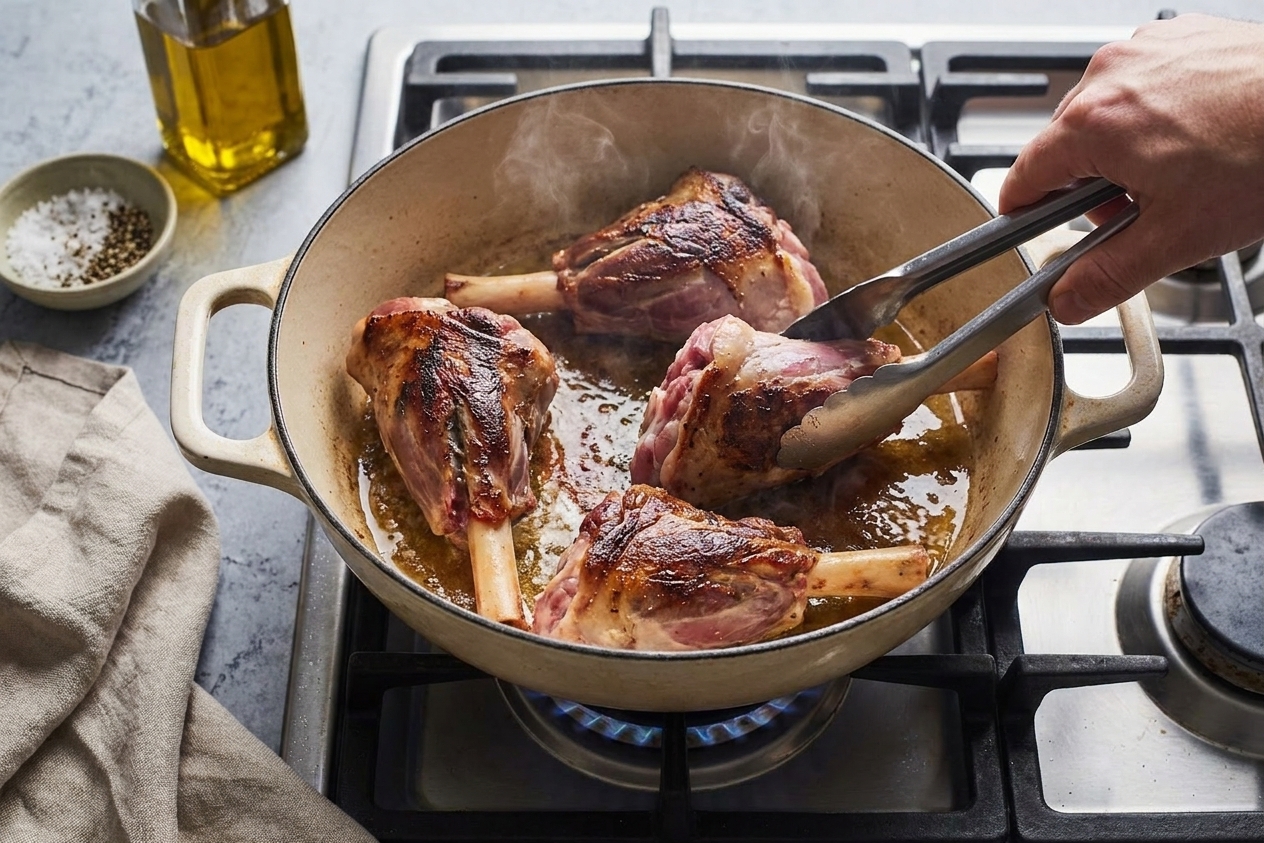
This recipe is my go-to: sear the shanks for crisp edges, braise low and slow with garlic, rosemary, and a splash of dry red wine, then finish with a sauce you will want to drag across mashed potatoes with zero shame. Ingredients stay accessible, and the method is forgiving, which is exactly what I want on a busy day.
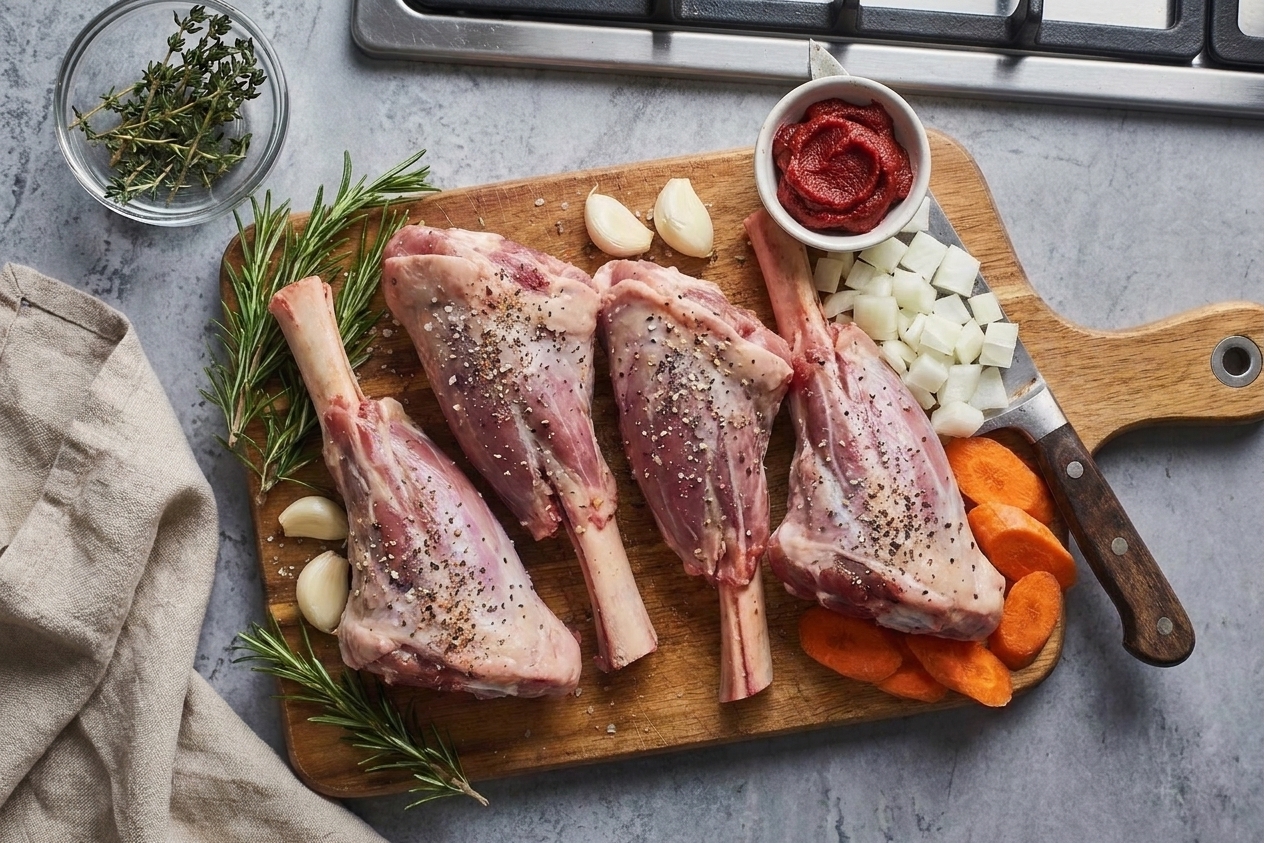
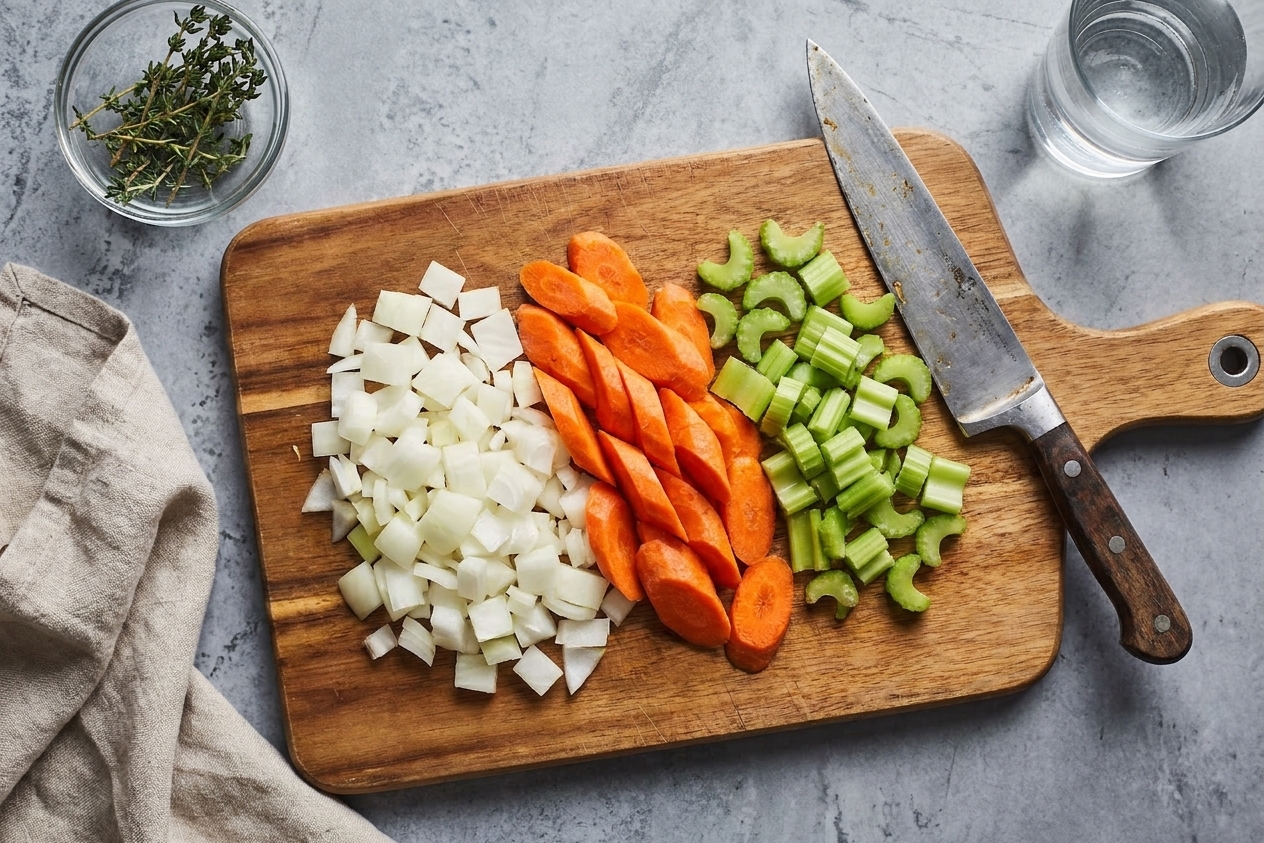
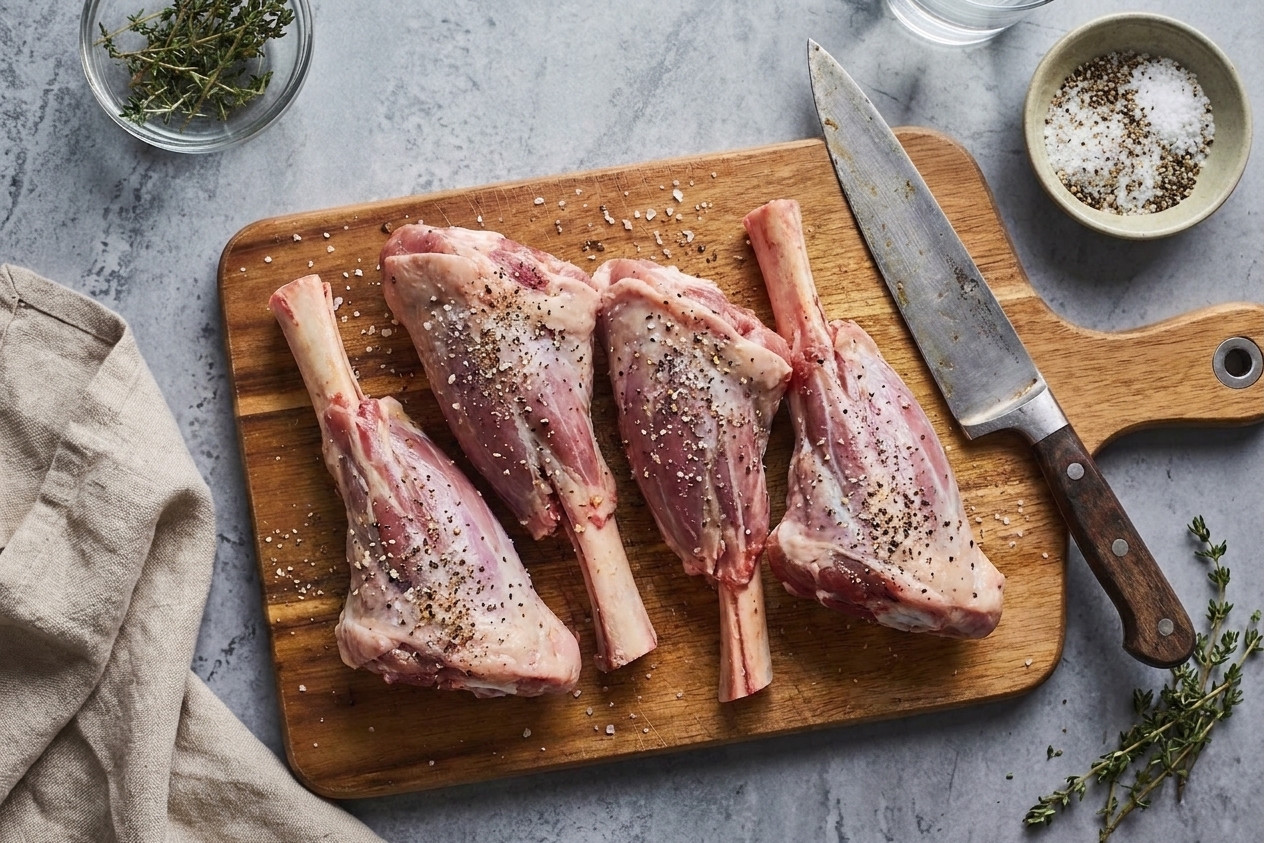
Raw lamb shanks on a cutting board with rosemary, garlic, onions, carrots, and a small bowl of tomato paste on a tidy kitchen counter

Why It Works

  • Fall-apart texture: Collagen-rich shanks become silky and tender after a long braise.
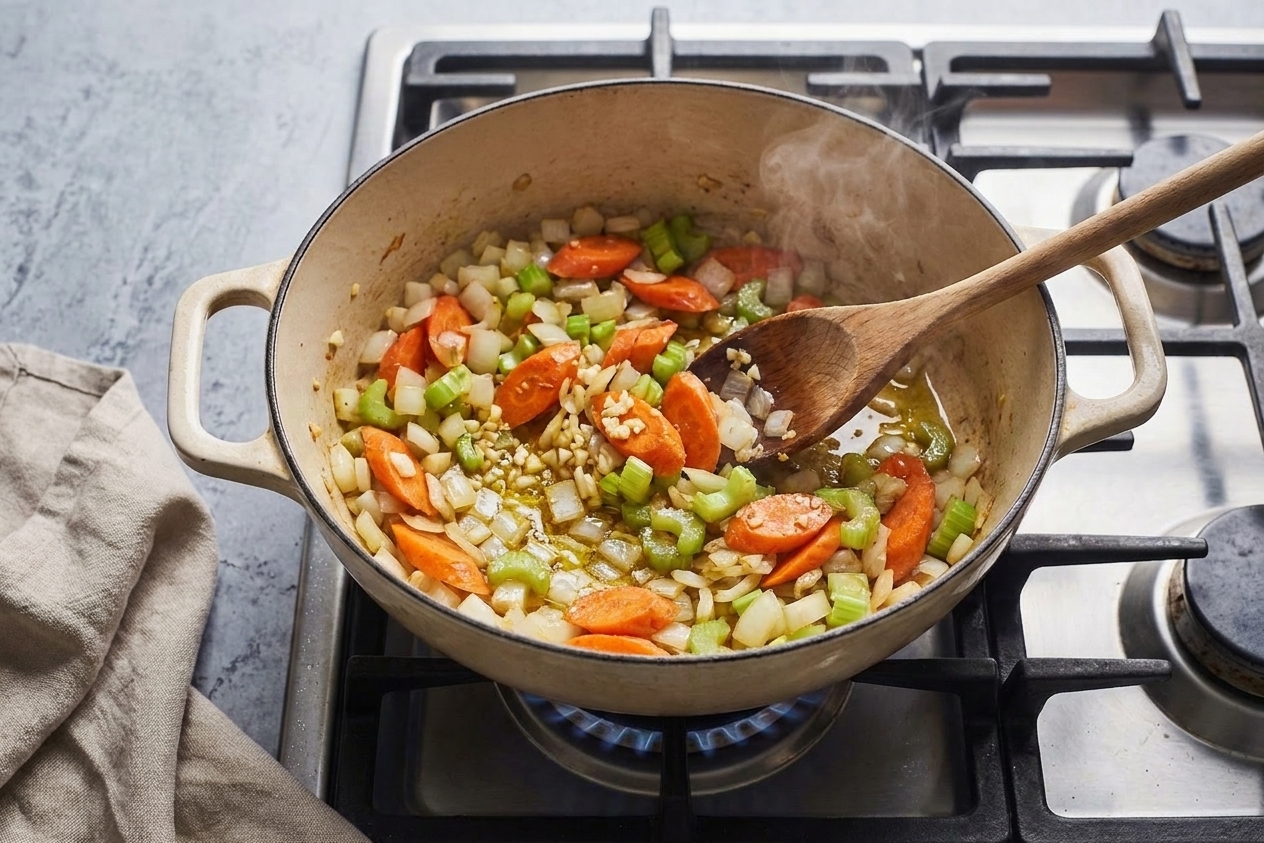
  • Big flavor with basic ingredients: Tomato paste, aromatics, and a small pour of wine build a sauce that tastes restaurant-level without being fussy.
  • Make-ahead friendly: Like most braises, it tastes even better the next day.
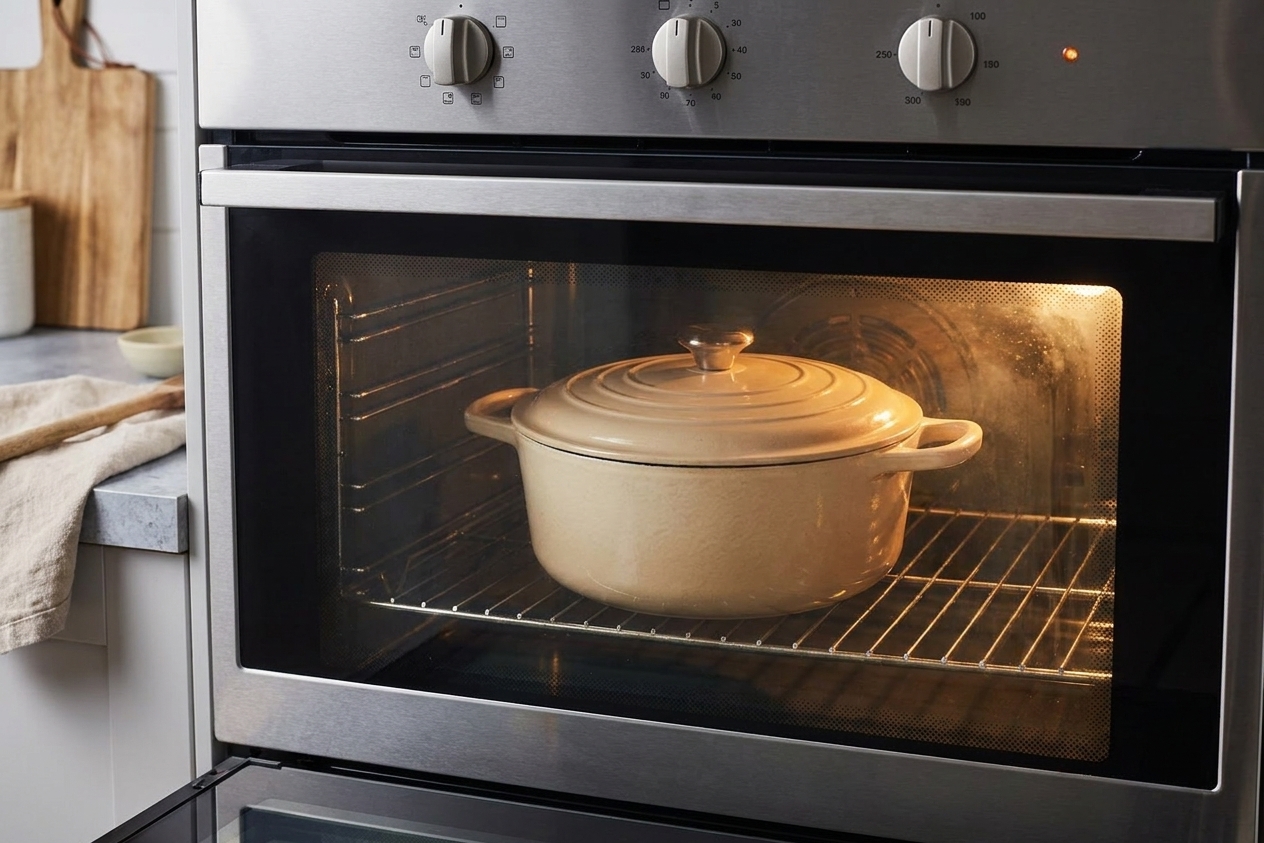
  • One pot comfort: Everything happens in a Dutch oven, so cleanup stays reasonable.

Pairs Well With

Storage Tips

Refrigerate: Cool lamb and sauce, then store in an airtight container up to 4 days. Keep the meat nestled in the sauce so it stays juicy.

Freeze: Freeze the lamb with plenty of sauce for up to 3 months. Thaw overnight in the fridge.

Reheat: Warm gently in a covered pot over low heat with a splash of broth or water. Avoid a hard boil, which can tighten the meat.

Bonus tip: If you chill the braise overnight, the fat will rise and solidify on top. You can lift off as much as you like before reheating for a cleaner sauce.

Common Questions

Do I have to use red wine?

Nope. Swap in more beef or chicken broth plus 1 tablespoon balsamic vinegar for a similar depth. The braise will still be rich and flavorful.

How do I know when the lamb is done?

When it is ready, the meat will pull away from the bone easily and shred with a fork. If it still feels tight or chewy, it just needs more time. Keep braising and check every 20 to 30 minutes. If you like numbers, an internal temperature around 190 to 205°F is a good “shreds easily” zone, but texture is the real test.

Can I make this in a slow cooker?

Yes. Still do the sear and the sauté in a skillet first for best flavor, then transfer everything to a slow cooker. Cook on low 7 to 8 hours or high 4 to 5 hours, until fall-apart tender. Reduce the sauce on the stove afterward if you want it thicker.

What is the best way to thicken the sauce?

After the lamb is done, simmer the braising liquid uncovered for 10 to 20 minutes until glossy. If you want a faster thickener, mash a few cooked carrots into the sauce or whisk in a small cornstarch slurry (1 tablespoon cornstarch mixed with 1 to 2 tablespoons cold water) and simmer 1 to 2 minutes.

What should I serve with lamb shanks?

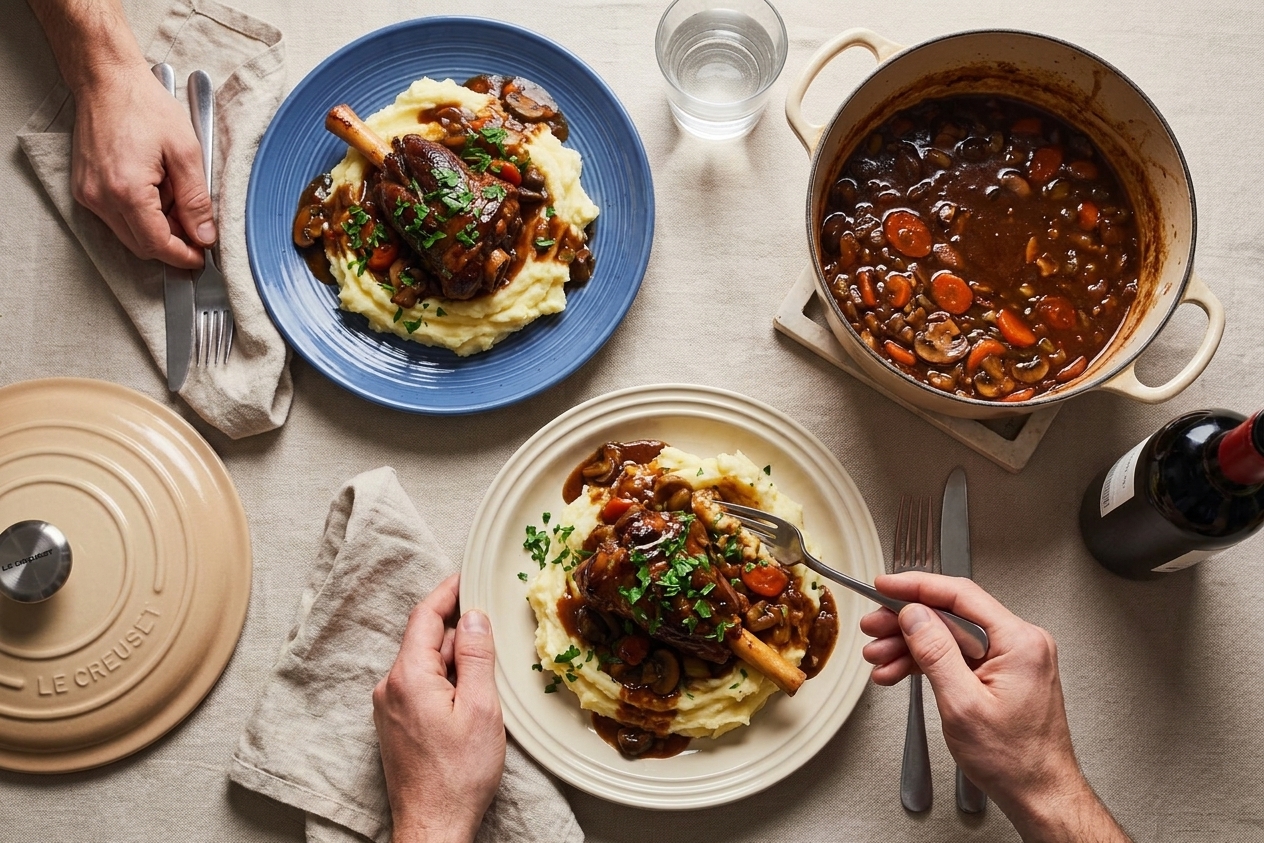
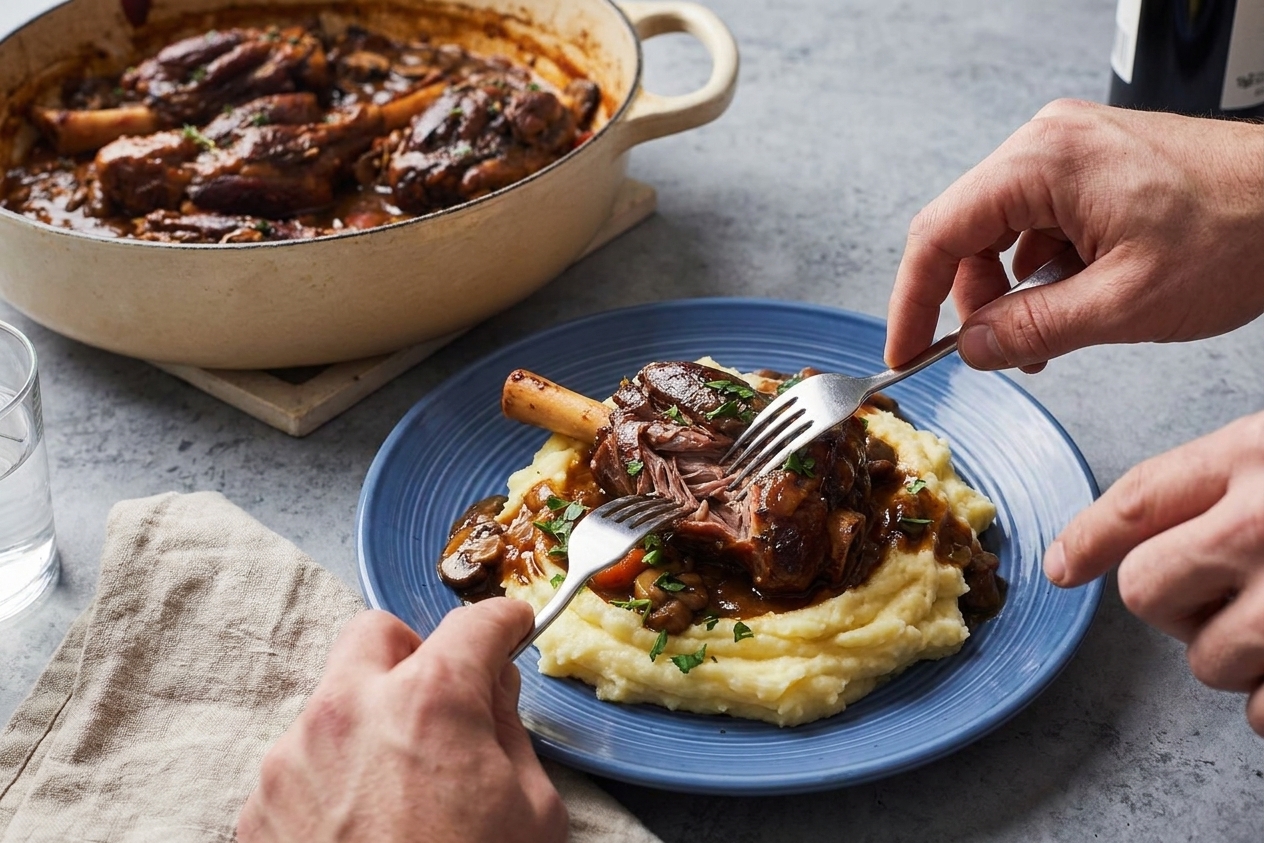
Mashed potatoes, creamy polenta, buttered egg noodles, or crusty bread are all excellent sauce-delivery systems. Roasted green beans or a simple salad helps balance the richness.

The first time I cooked lamb shanks at home, I was convinced I had picked the wrong cut. They looked tough, felt heavy, and honestly seemed like they were daring me to mess it up. Then I let them braise while I cleaned up, did nothing fancy, and checked on them like a nervous parent. A few hours later, the kitchen smelled like rosemary and comfort, and the meat basically surrendered. Ever since, this has been my "I want something special, but I also want it to be low-drama" dinner.