What is special about Japanese sweet potatoes?
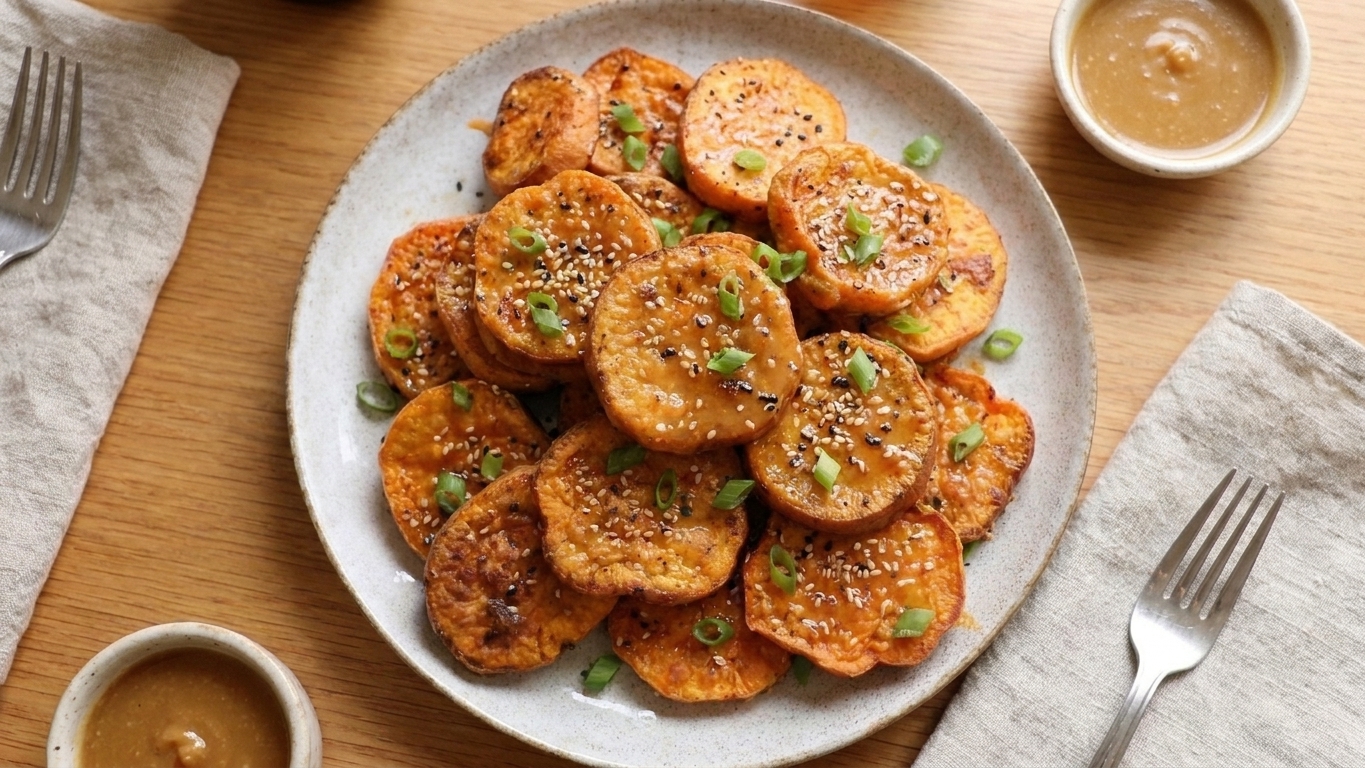
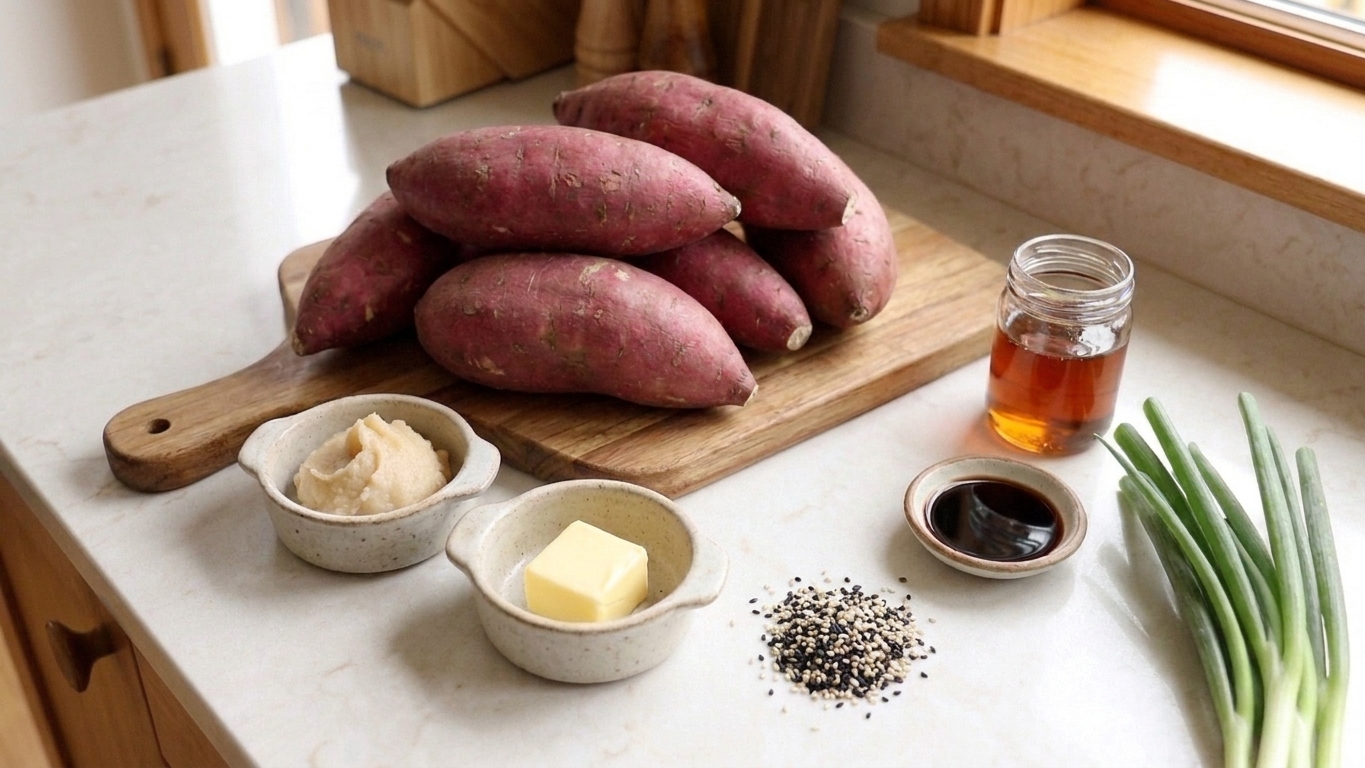
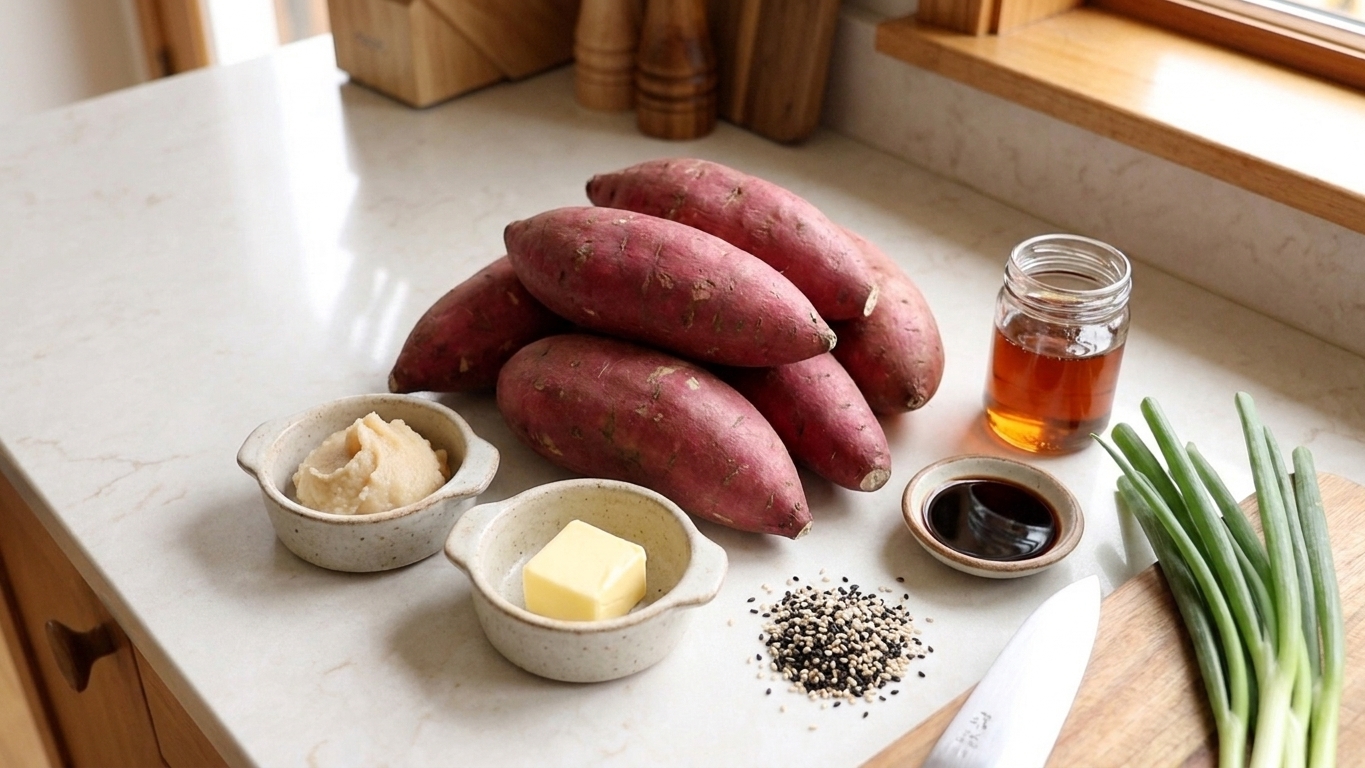
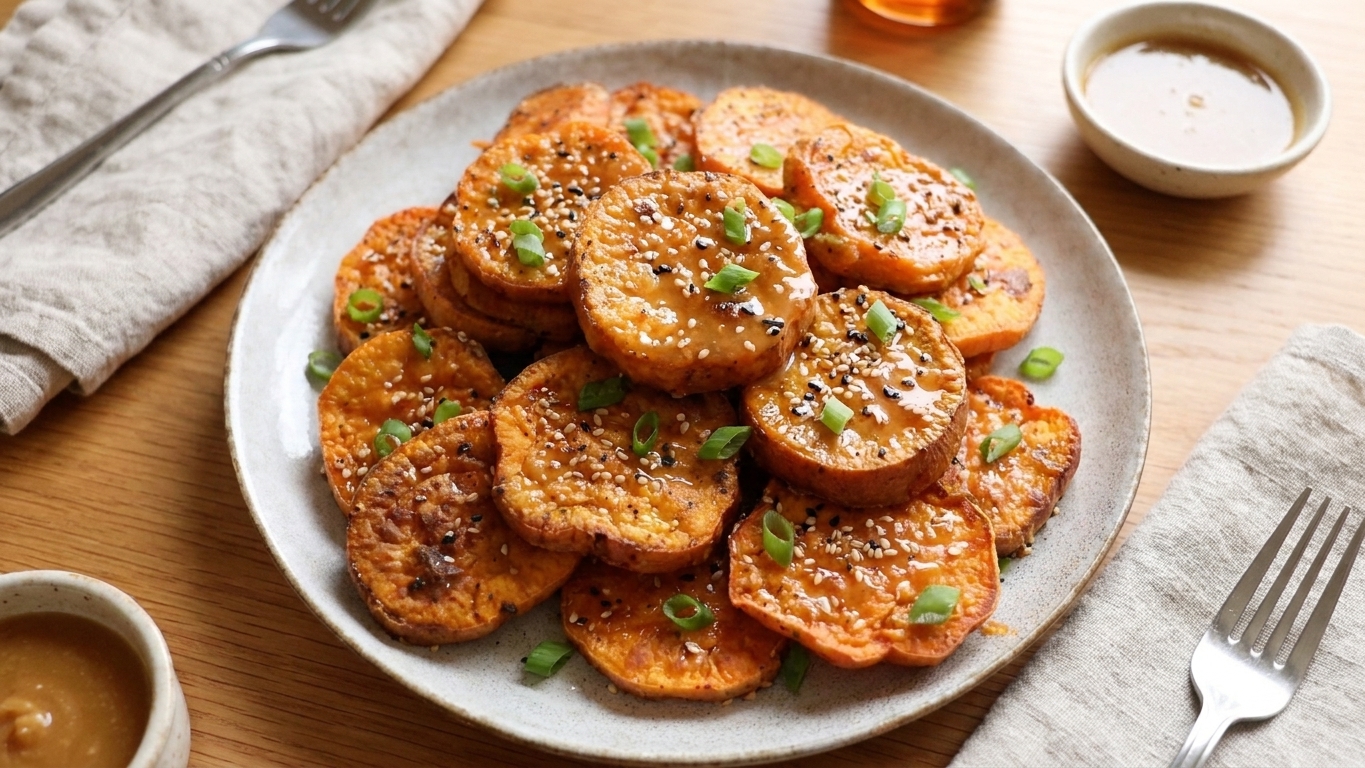
They typically have reddish purple skin and a pale yellow interior that bakes up dense, creamy, and naturally sweet with a slightly nutty, chestnut-like flavor. They are often less watery than orange sweet potatoes, which is why they get so satisfyingly fluffy and jammy when roasted.
Do I need to peel them?
Nope. The skin is edible and gets nicely roasted. If you are sensitive to texture or cooking for picky eaters, peel them after roasting. The flesh will slip out pretty easily.
Can I use orange sweet potatoes instead?
Yes. The flavor will be a bit more classic sweet potato and the texture can be a little wetter. Roast them the same way, just know you may not get quite the same dense, cake-like center.
What kind of miso should I buy?
White miso (shiro miso) is the friendliest here: mild, slightly sweet, and not too salty. If you only have yellow or red miso, use a bit less and taste as you go because they can be stronger and saltier.
How do I keep the potatoes from sticking?
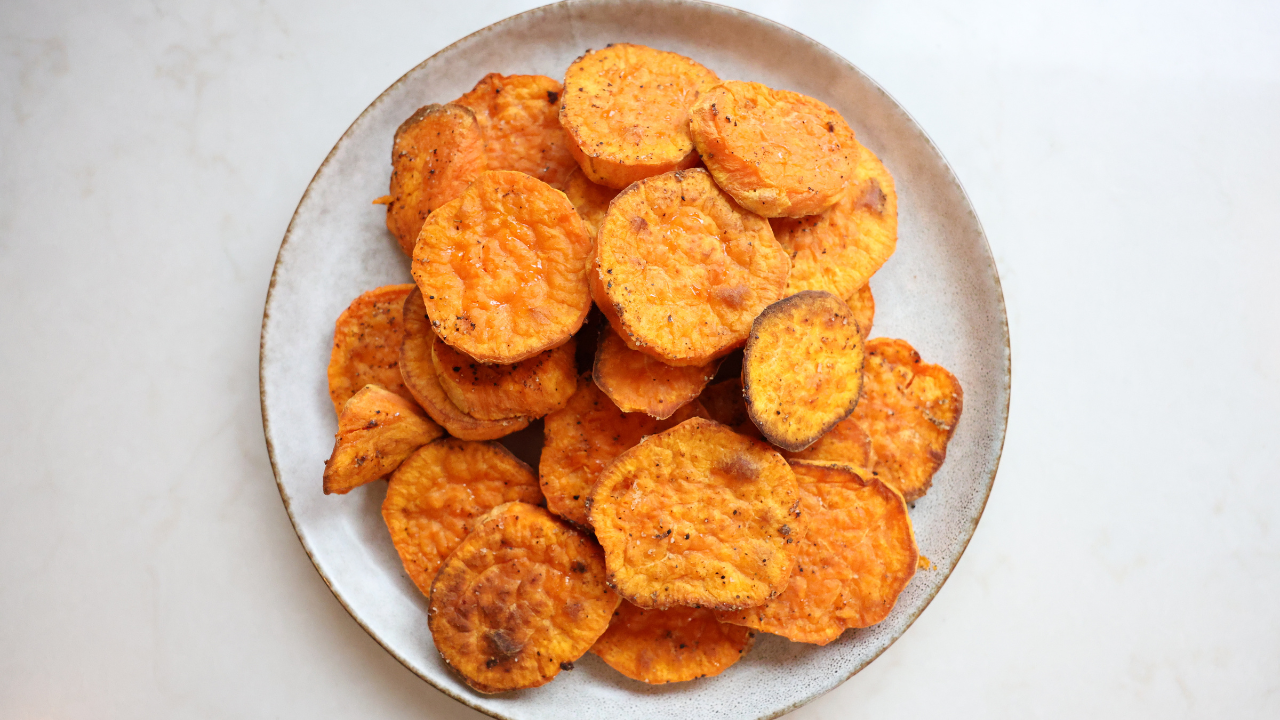
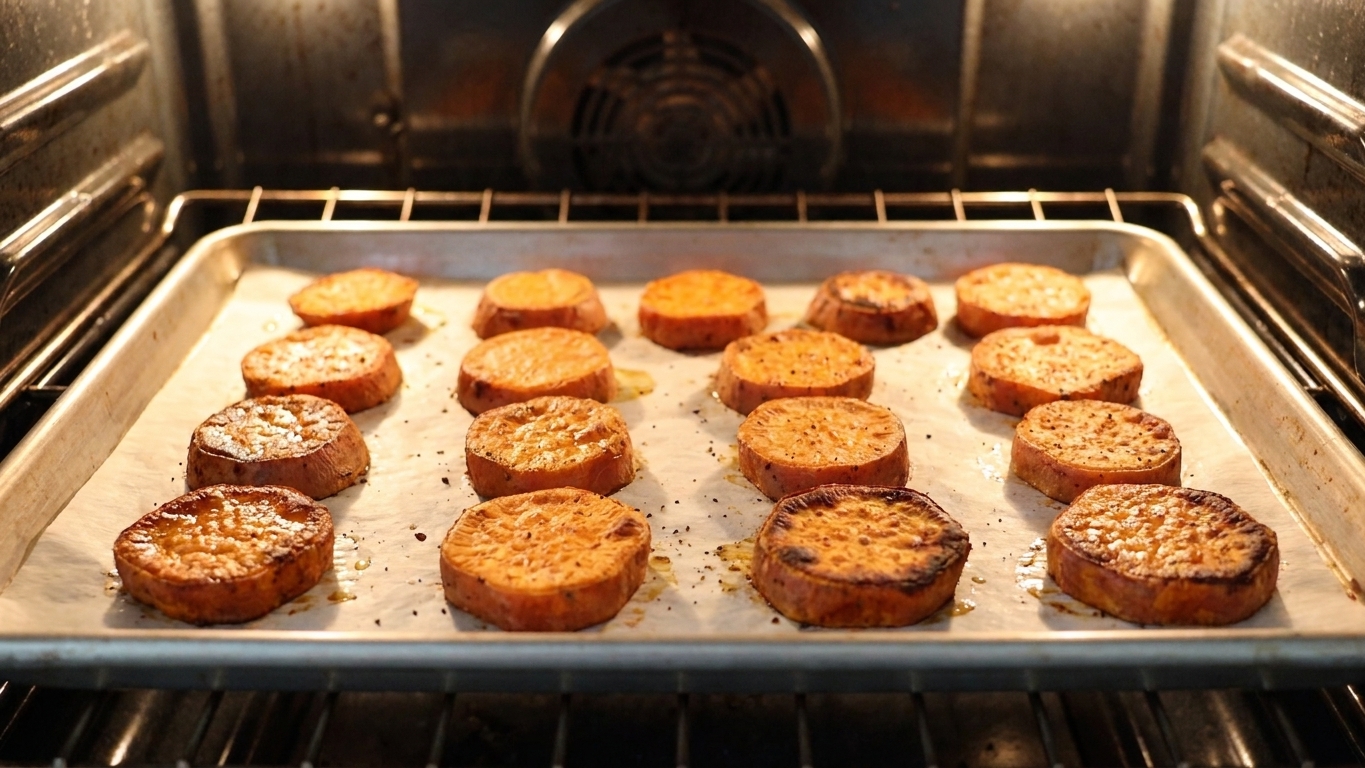
Use parchment paper and make sure the pan is not crowded. Also, resist flipping too early. Let the rounds roast until they are browned and they release easily from the parchment before you turn them.
My rounds are not browning. What now?
First, make sure they are in a single layer with a little space. If your oven runs cool, give them a few extra minutes or move the pan to a higher rack. Convection helps if you have it. In a pinch, you can broil for 1 to 2 minutes at the end, but stay close because the miso maple butter (if already brushed on) can burn fast.
Is the miso maple butter very salty?
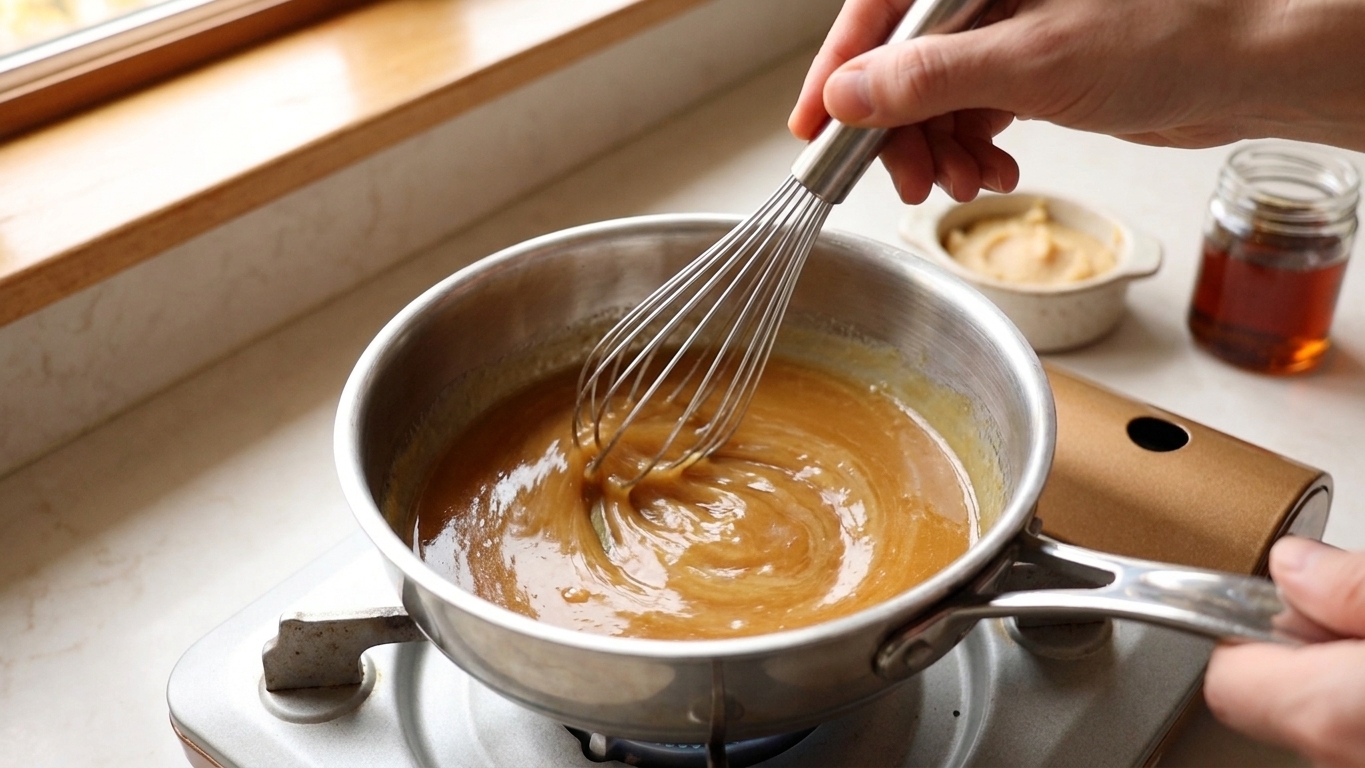
It should taste balanced: sweet first, then a savory finish. Start with the smaller amount of miso, brush, taste, and add a pinch more miso if you want it punchier.
Can I make it gluten-free?
Often, yes. Miso and soy sauce can contain gluten depending on the brand. Use a gluten-free miso if needed and swap soy sauce for tamari (or just skip the soy sauce altogether).