Mom's Best Recipes
Recipe

Pastel de Nata

Flaky Portuguese custard tarts with a cinnamon-lemon custard and the signature caramelized top.

Author By Matt Campbell
4.8
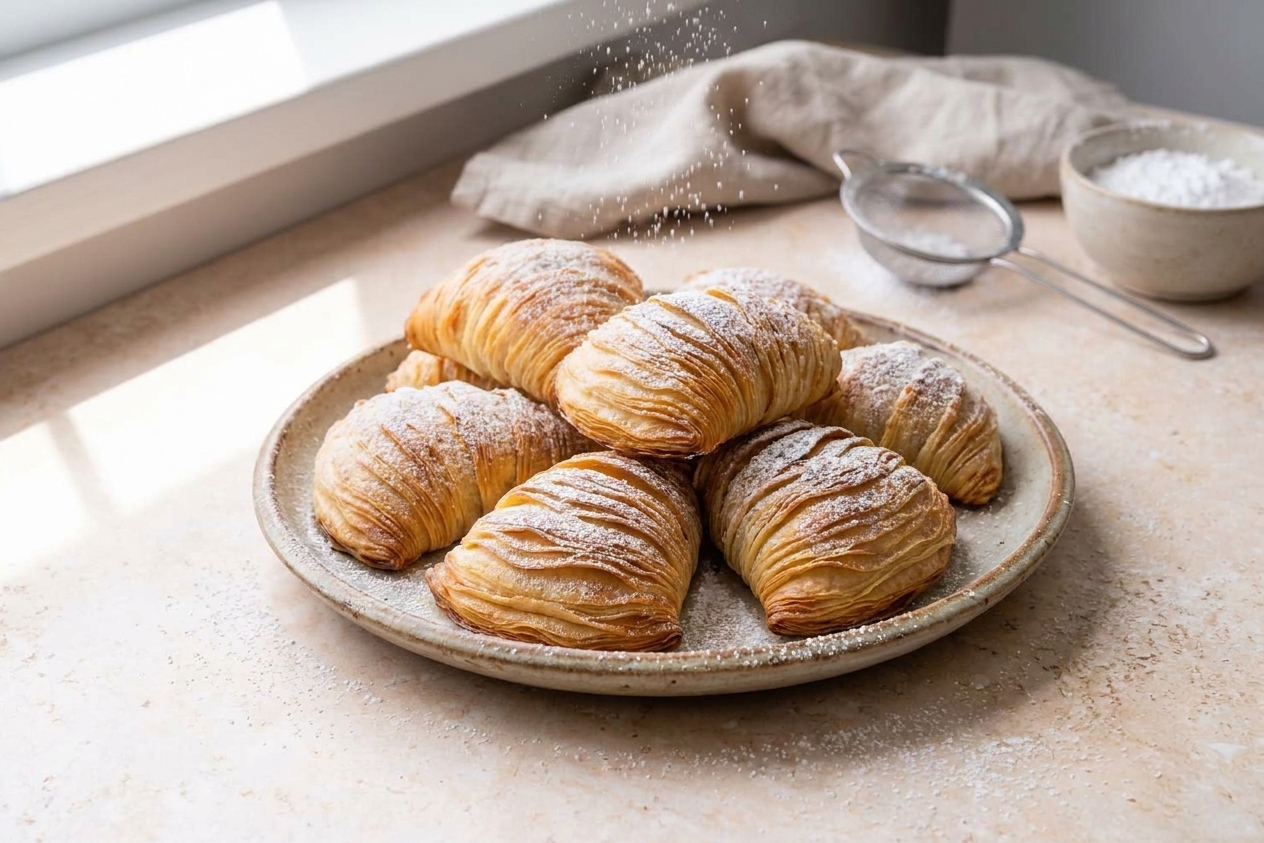
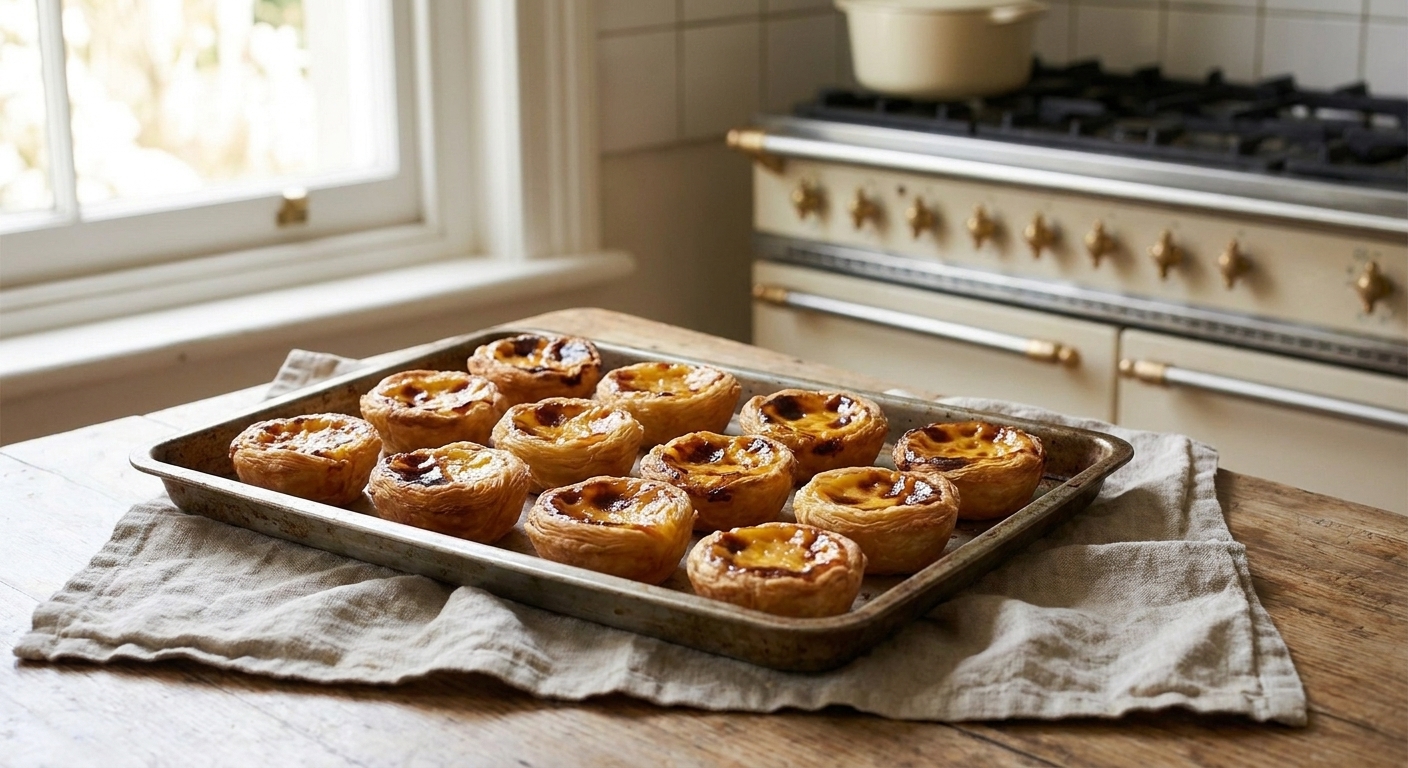
A tray of pastel de nata with deeply golden, blistered tops and flaky pastry layers, arranged on a simple linen-lined wooden table in warm natural light

Pastel de nata is one of those desserts that makes you feel wildly competent even if your kitchen is a little chaotic. You get shattering, flaky pastry that crackles when you bite it, plus a silky custard perfumed with lemon and cinnamon, and then the best part, the toasty caramelized spots on top that taste like a tiny creme brulee moment.

Traditional pasteis de nata are baked in screaming hot ovens that most of us do not own. No stress. This version is built for normal home ovens, using store-bought puff pastry (accessible, reliable, still impressive) and a custard technique that gives you that creamy set without scrambling. Bonus: I added metric weights so you can repeat your own success on purpose.
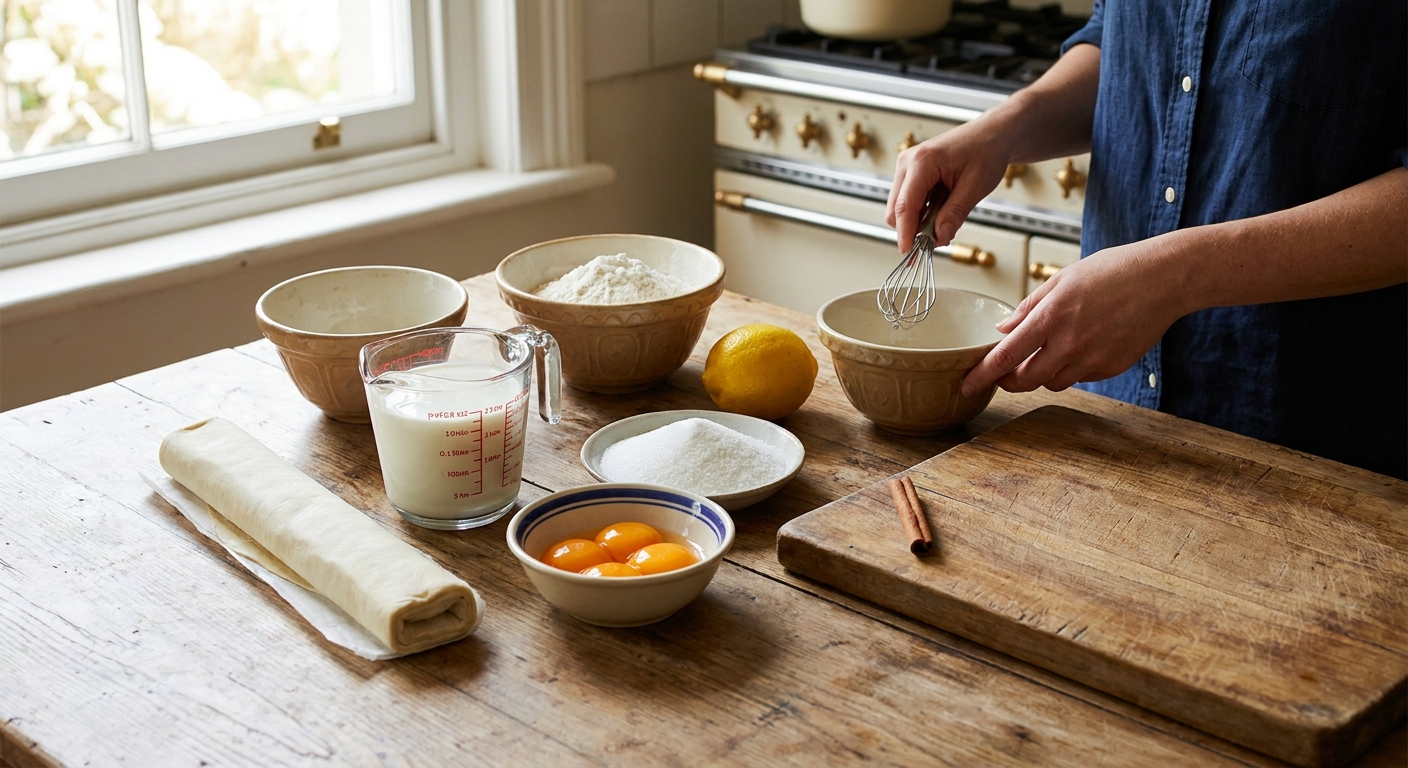
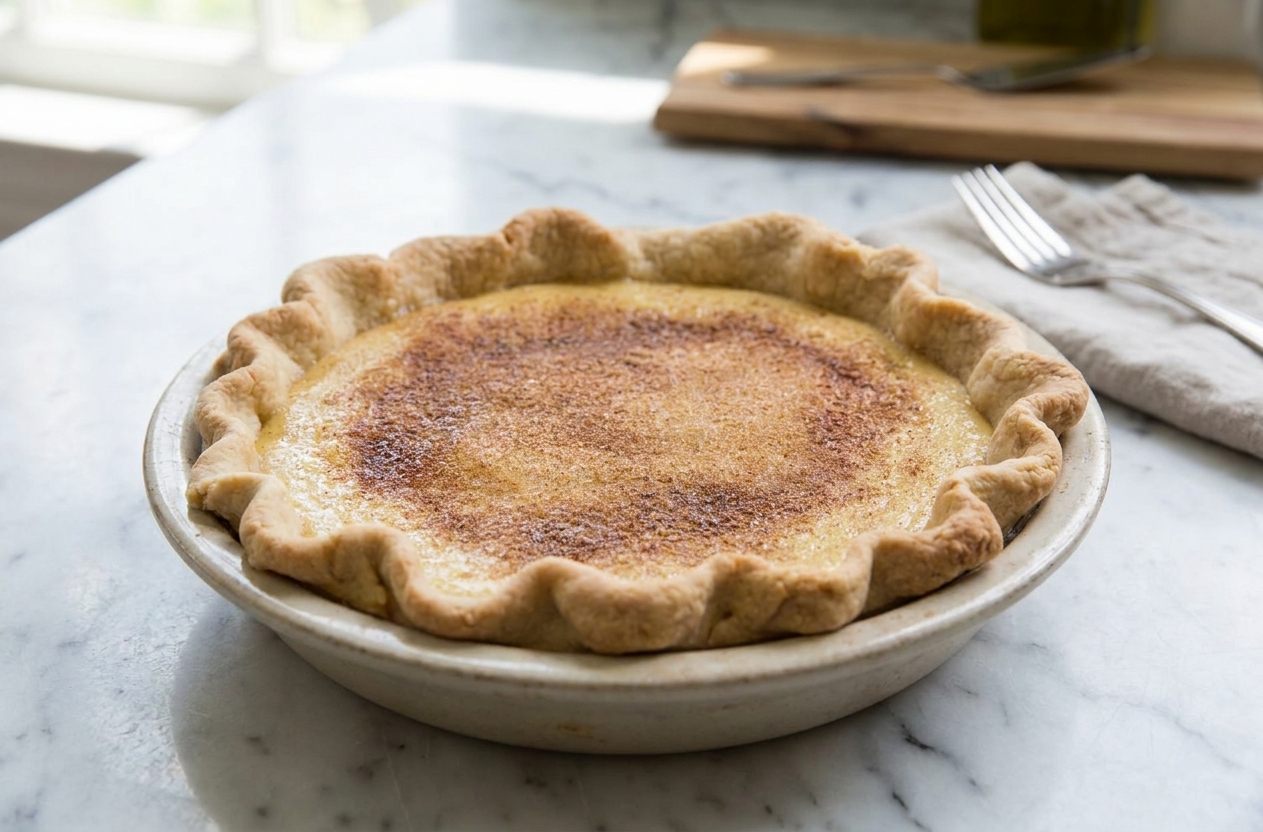
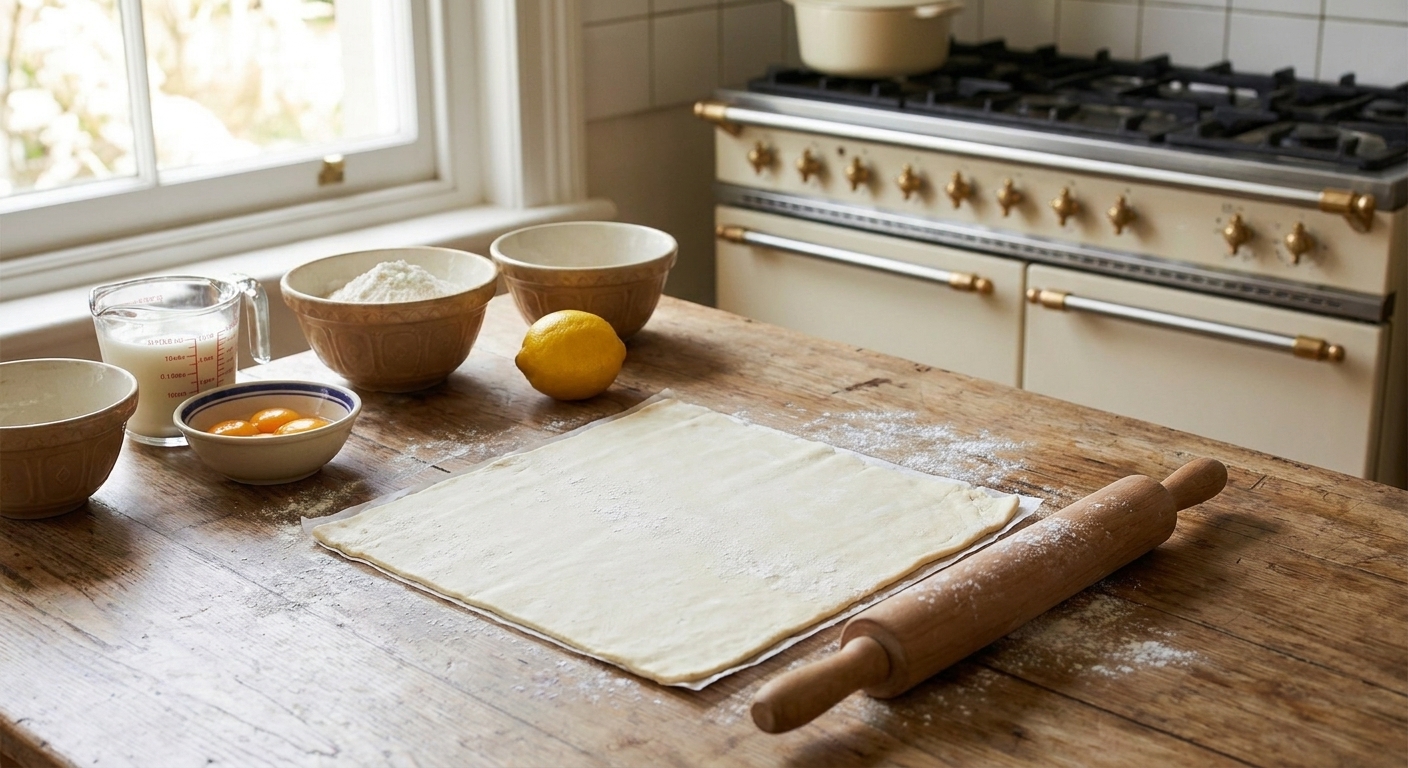
Measured ingredients for pastel de nata on a kitchen counter, including puff pastry, milk, egg yolks, sugar, flour, a lemon, and a cinnamon stick in warm, consistent natural light

Why It Works

  • Crisp pastry cups that stay flaky thanks to a quick chill and a hot start in the oven.
  • Custard that sets smooth using a flour-thickened base plus egg yolks stirred in off the heat.
  • That signature speckled top from baking hot and finishing with a brief broil if needed.
  • Small batch friendly with ingredients you can find at any grocery store.

Pairs Well With

Storage Tips

Pastel de nata is at its absolute peak the day it is baked, when the pastry is loud and crisp. That said, leftovers are still very worth it.

Refrigerator

  • Store cooled tarts in an airtight container in the fridge for up to 3 days.
  • To keep bottoms from getting soggy, place a paper towel under them and swap it the next day.

Reheat to bring back the crisp

  • Reheat in a 375°F oven or toaster oven for 6 to 10 minutes until the pastry re-crisps. Avoid the microwave unless you like soft pastry.

Freezing

  • You can freeze baked tarts, but the pastry loses some snap. Freeze in a single layer, then transfer to a bag for up to 1 month.
  • Reheat from frozen at 375°F for 12 to 15 minutes.

Common Questions

Why didn’t my custard brown on top?

Home ovens often do not hit the intense top heat these tarts want. Bake on a high rack, use a dark metal muffin tin if you have it, and if the custard is set but pale, broil for 30 to 90 seconds. Stay parked at the oven. It goes from “cute” to “charcoal” fast. Quick safety note: some tins and some sprays can smoke under a hard broil, so crack a window and keep a close eye.

Can I use whole eggs instead of yolks?

You can, but yolks are the whole vibe here. They give the custard that rich, silky texture. If you must, use 3 large whole eggs in place of 6 yolks. It will be a little firmer and more “egg-custardy.” For the most consistent results, swap by weight: about 110 g egg yolks (from 6 to 7 yolks, depending on size) is the target.

Do I have to use a cinnamon stick and lemon peel?

Not strictly, but they make the custard taste like a real pastel de nata and not just vanilla pudding in pastry. If you do not have a cinnamon stick, use 1/4 teaspoon ground cinnamon whisked into the sugar. If you do not have lemon, use a small splash of orange juice or skip it.

Why is my custard lumpy?

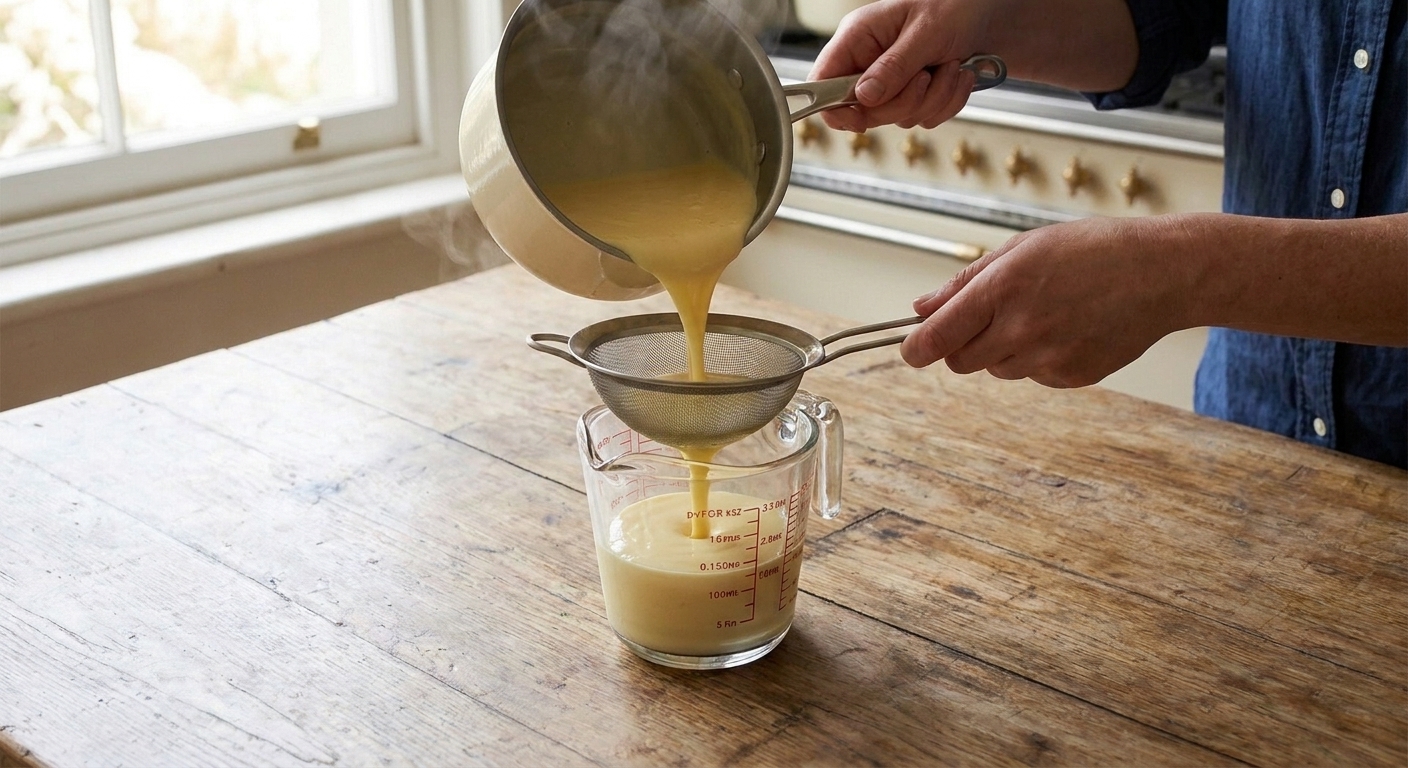
Usually the eggs got too hot too quickly. Temper them slowly and stir the yolks in off the heat. If you get lumps anyway, strain the custard through a fine-mesh sieve before filling the cups.

Can I make these ahead for a party?

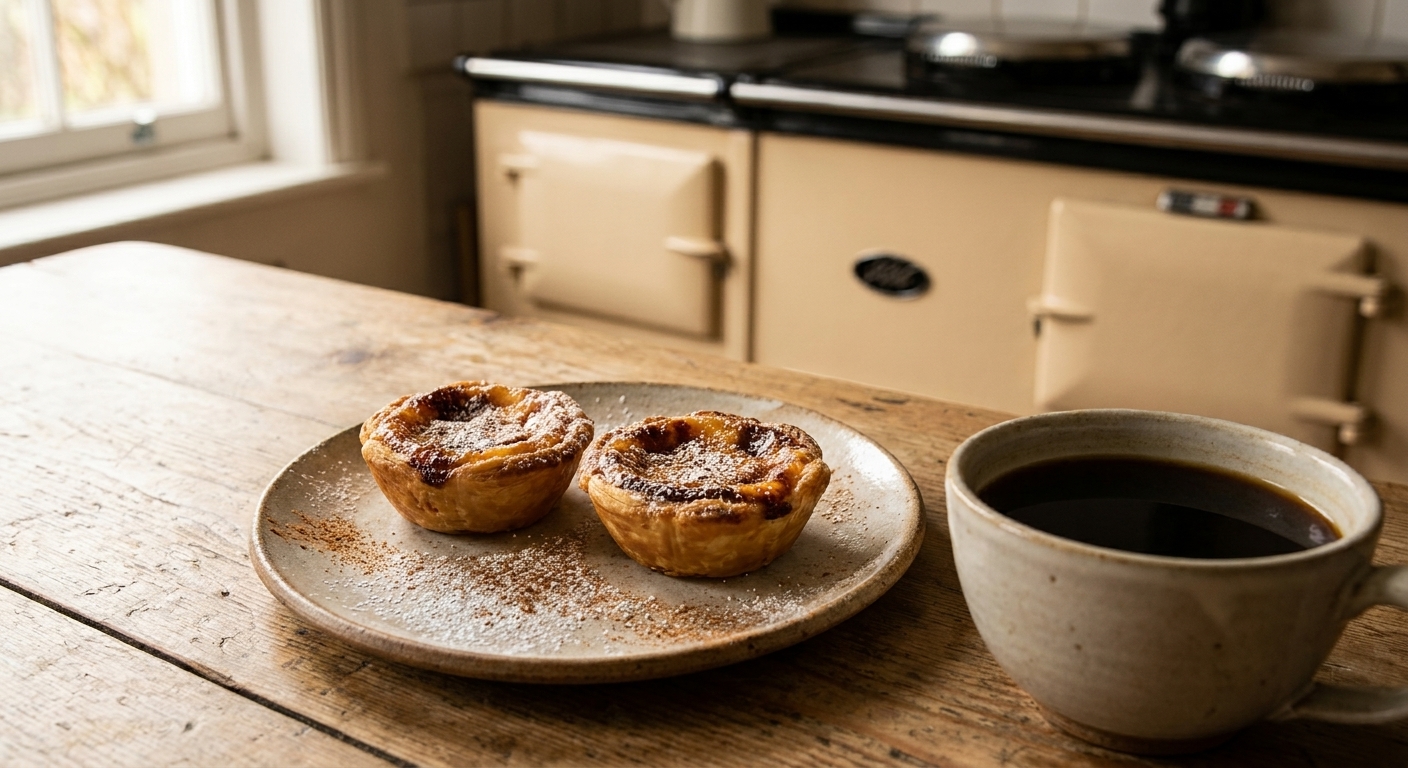
Yes. Bake them earlier the same day, then re-crisp in a 375°F oven for 5 to 7 minutes right before serving. Dust with cinnamon and powdered sugar at the end.

The first time I tried a proper pastel de nata, I did the thing where you take one bite and immediately start mentally rearranging your day so you can get another. It is the contrast that gets me. That crackly pastry, that warm custard, that little bitter-sweet toasted top. When I started testing a home version, I learned quickly that chasing perfection is optional. Chasing the feeling is the goal. If you get flaky edges, a smooth custard, and a top with a few dark freckles, you did it. Put the kettle on and call it a win.