Mom's Best Recipes
Recipe

Pistachio Halva

A classic tahini halva that sets up firm, slices clean, and melts into sweet sesame crumbs with toasted pistachios in every bite.

Author By Matt Campbell
4.8
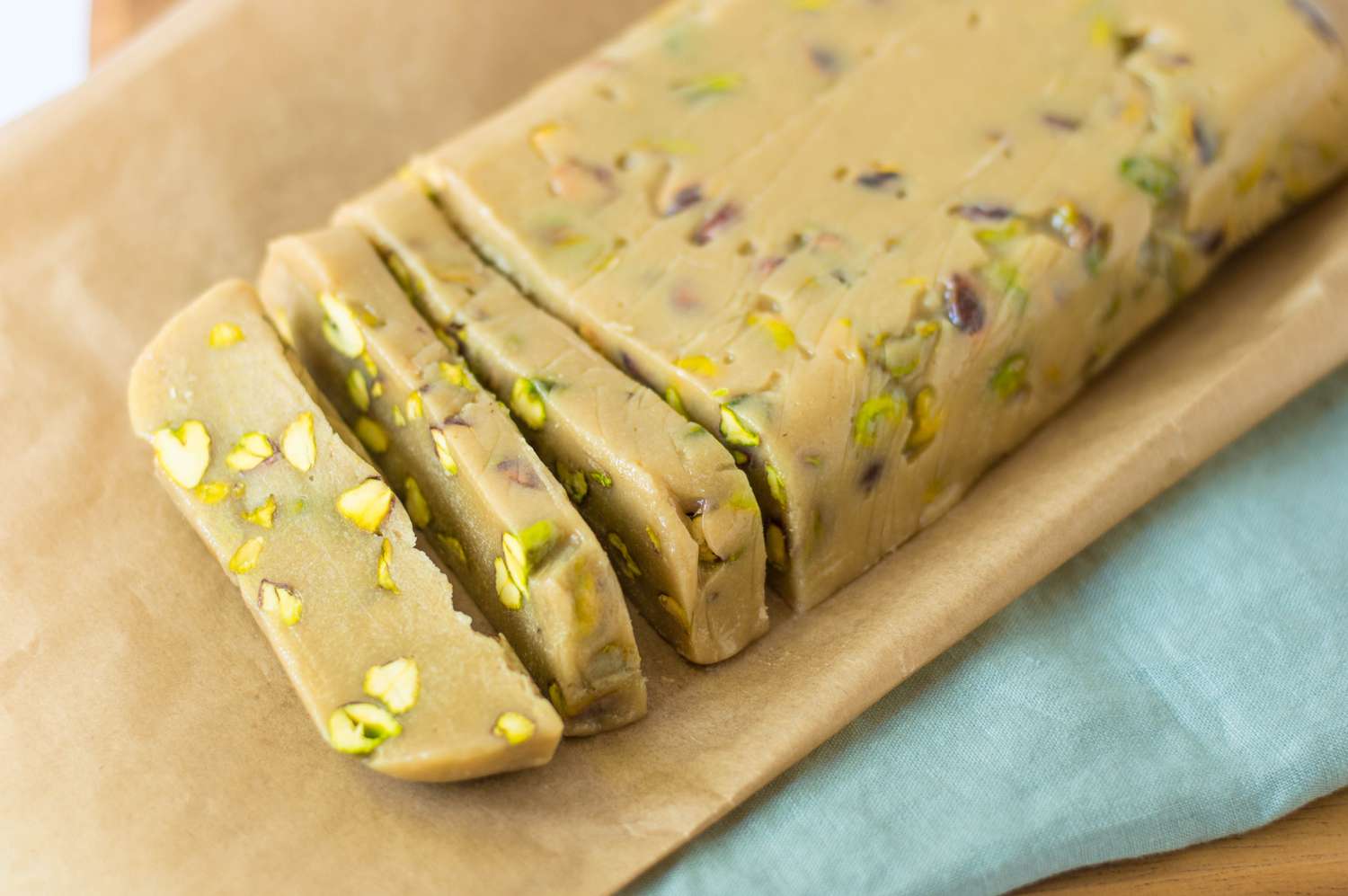
Slices of pistachio halva arranged on a small ceramic platter, showing a pale sesame base with green pistachio pieces, on a warm kitchen table with soft natural light

Halva is one of those sweets that feels like it came from a place with better sunlight and stronger coffee than my kitchen. It is nutty, crumbly, rich without being heavy, and it somehow tastes like you tried harder than you did.

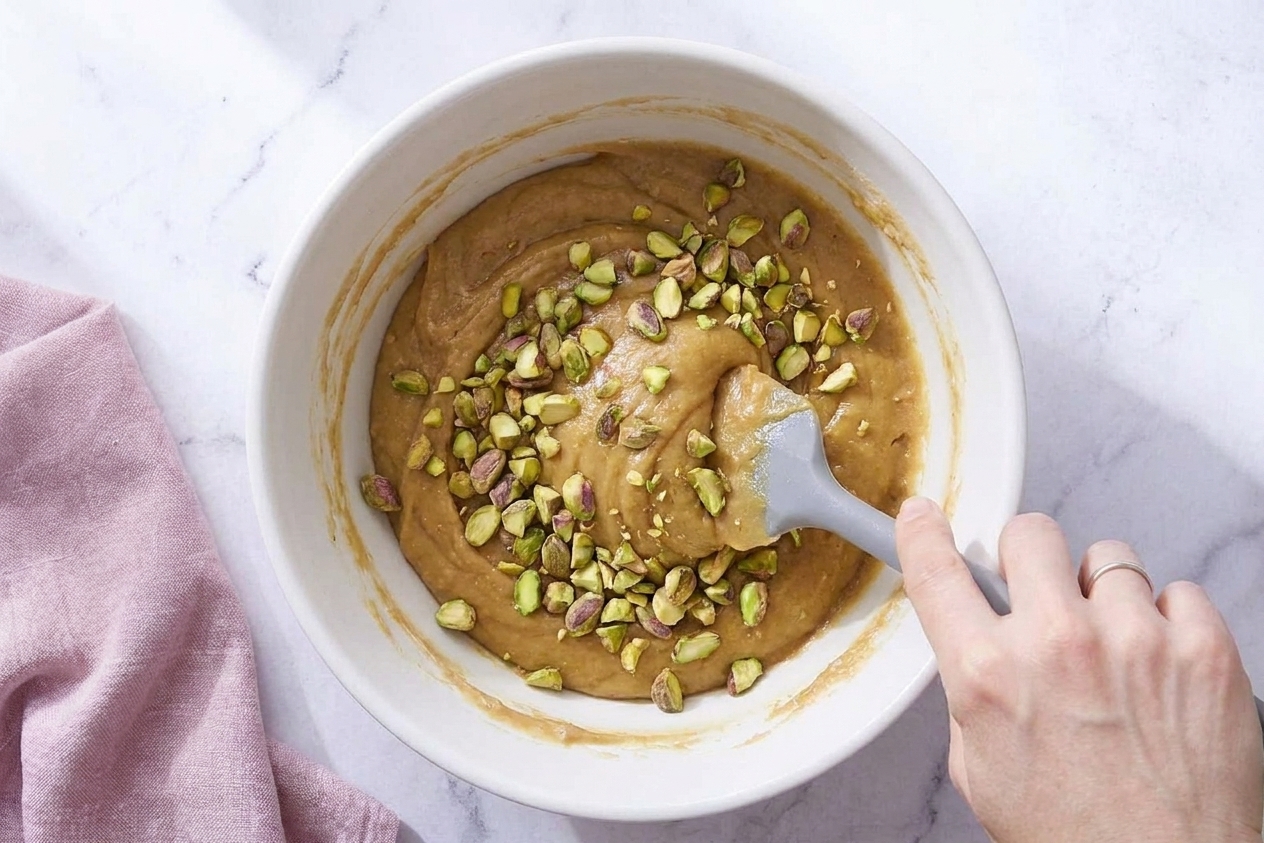
This version is the tahini kind, the classic sesame halva you see at Middle Eastern markets, usually in big blocks with pistachios embedded like little green treasures. We are making it at home with a quick sugar syrup and good tahini. No candy thermometer needed, just a little attention and the confidence to stir like you mean it.

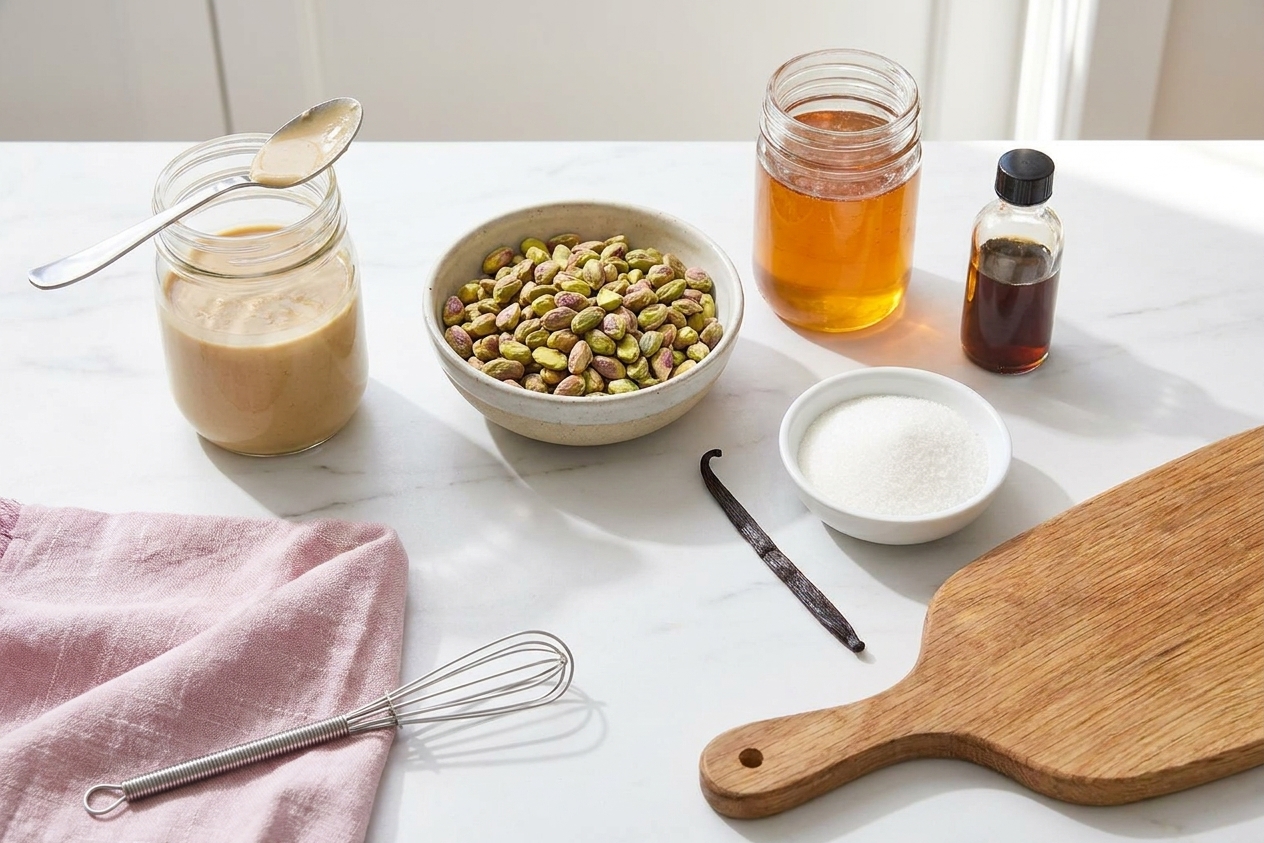
Tahini jar, shelled pistachios, honey, sugar, and vanilla arranged on a clean kitchen counter, ready for halva prep in bright natural light

Why It Works

  • Crumbly, sliceable texture: The hot syrup tightens the tahini into that signature halva “snap-crumb” instead of turning it into fudge.
  • Big flavor from simple ingredients: Tahini brings toasted sesame depth, honey rounds the sweetness, and vanilla keeps it warm and bakery-like.
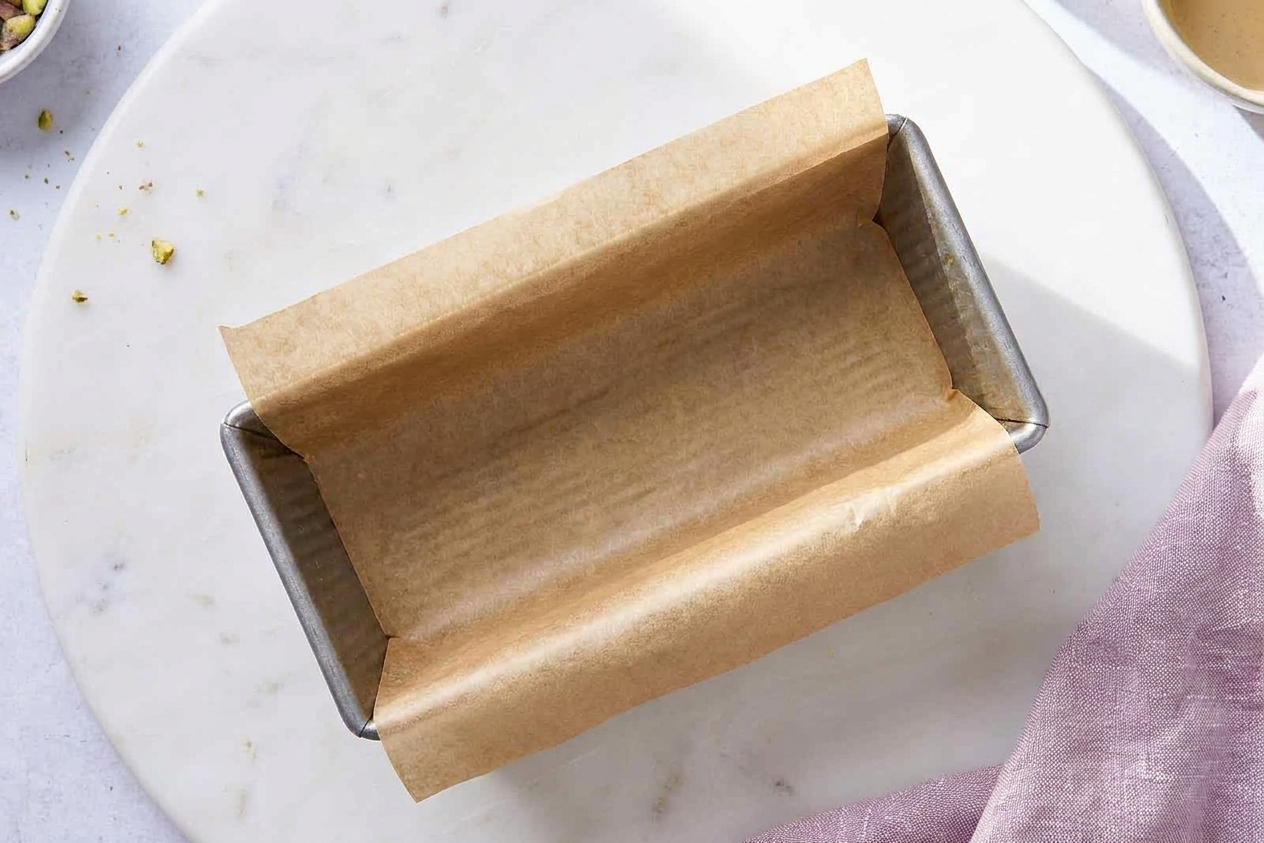
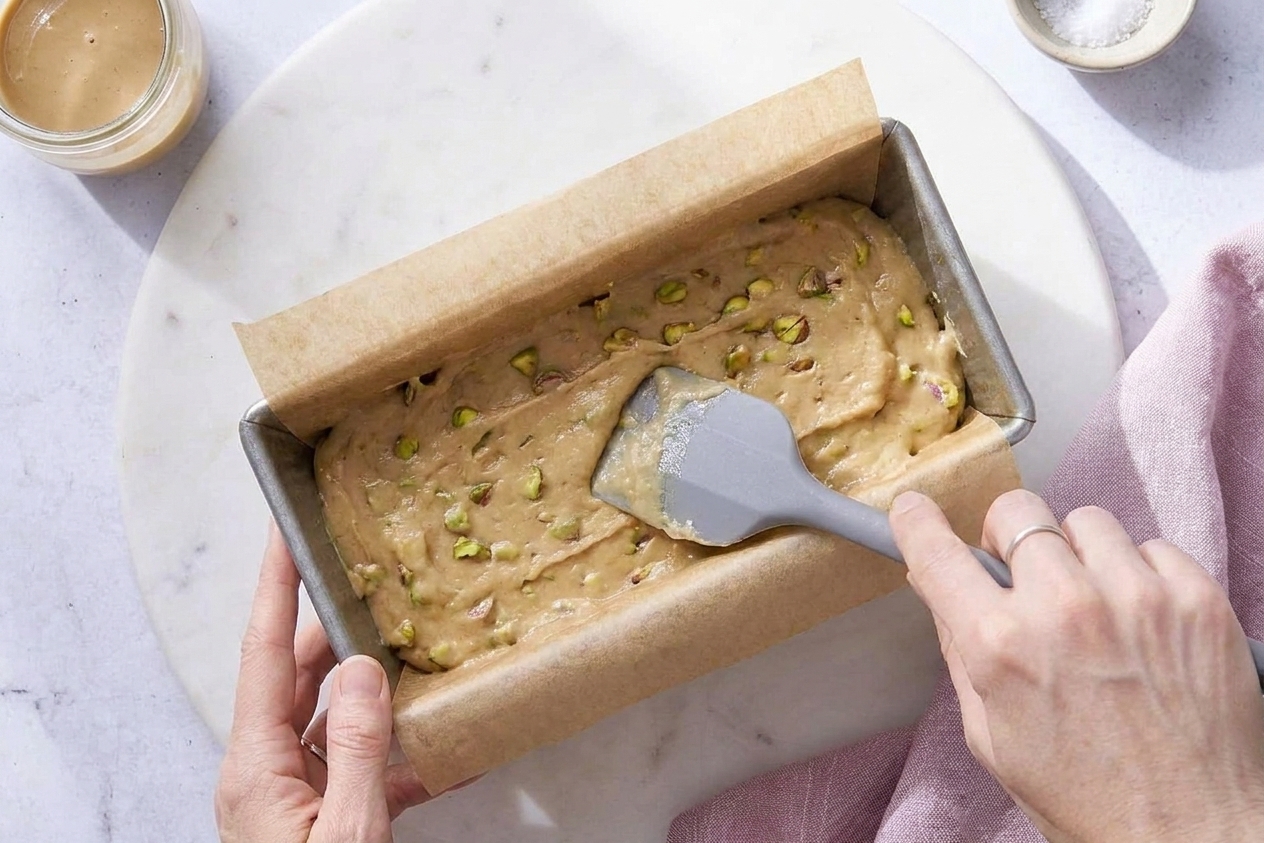
  • No specialty equipment: You just need a saucepan, a bowl, and a loaf pan. The fridge does the rest.
  • Easy to customize: Pistachios are classic, but you can swap in almonds or walnuts, add 1 to 2 tablespoons cocoa powder, or stir in 1 teaspoon orange zest depending on your mood.

Pairs Well With

Storage Tips

Room temp: Store halva tightly wrapped or in an airtight container at cool room temperature for up to 1 week for best quality. It actually likes being out of the fridge because it stays tender and sliceable.

Refrigerator: If your kitchen runs warm, refrigerate up to 2 weeks (best quality in the first week). Let it sit out for 10 to 15 minutes before serving so the texture loosens up.

Freezer: Wrap blocks or slices in parchment, then seal in a freezer bag. Freeze up to 2 months for best flavor. Thaw overnight in the fridge or at room temp for about an hour.

Pro tip: Halva is crumbly by nature. If it breaks, call it “rustic” and sprinkle the crumbles over yogurt, oatmeal, or ice cream.

Common Questions

What is halva, exactly?

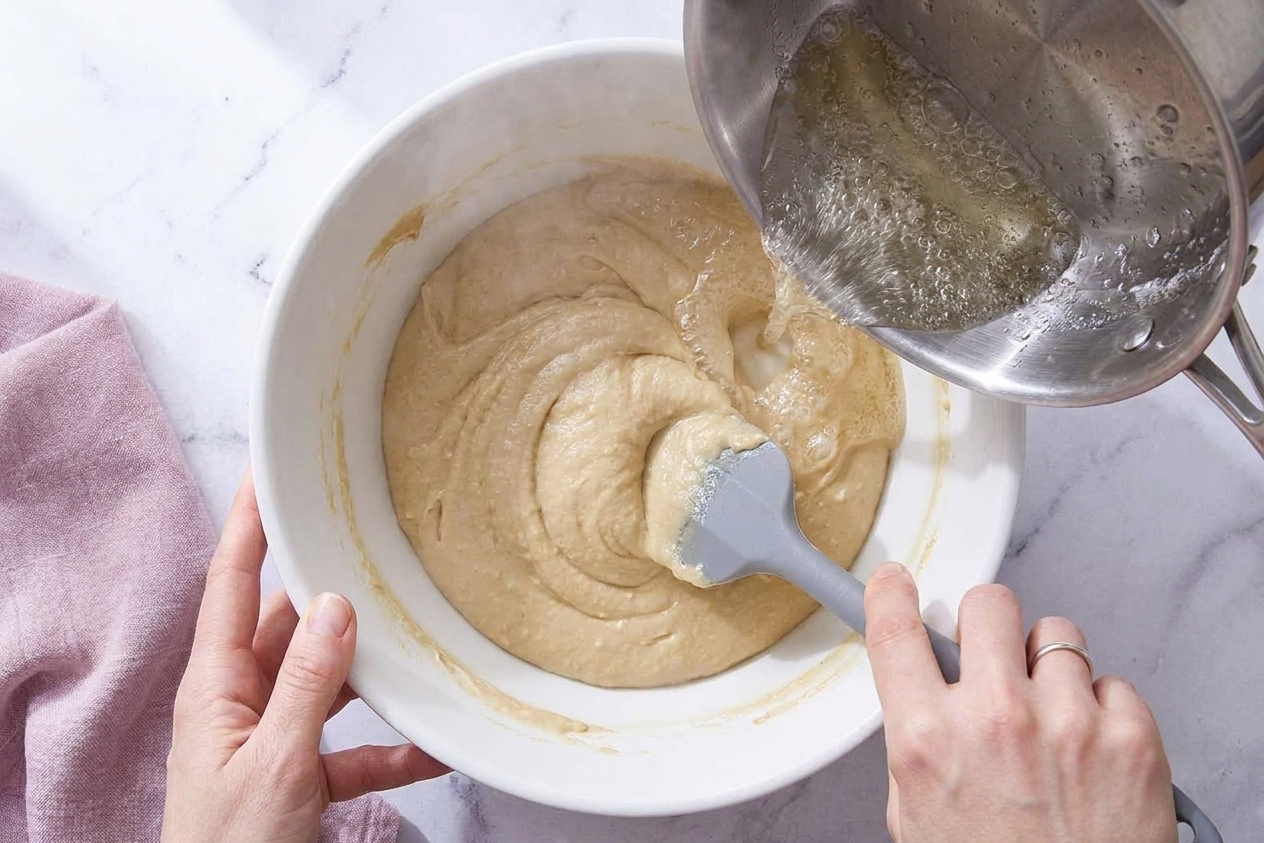
Halva (or halvah) is a sweet that shows up across many regions. This recipe is for tahini halva, made by mixing hot sugar syrup into tahini until it turns thick, pale, and settable. The finished texture is firm but crumbly, like a sweet sesame shortbread with a toasty bite.

Why did my halva turn out greasy or separated?

Usually one of two things happened: the syrup was not hot enough, or the mixture got overmixed. Aim for a brisk simmer and stop stirring as soon as it thickens and starts pulling away from the bowl. Halva is a “mix, then leave it alone” situation.

Do I need a candy thermometer?

No. This recipe is written to work without one using visual cues. If you do use a thermometer, aim for around 245°F to 250°F. (Candy stages vary a bit by source, so treat the temperature as a guide, not a label.)

How can I tell the syrup is ready without a thermometer?

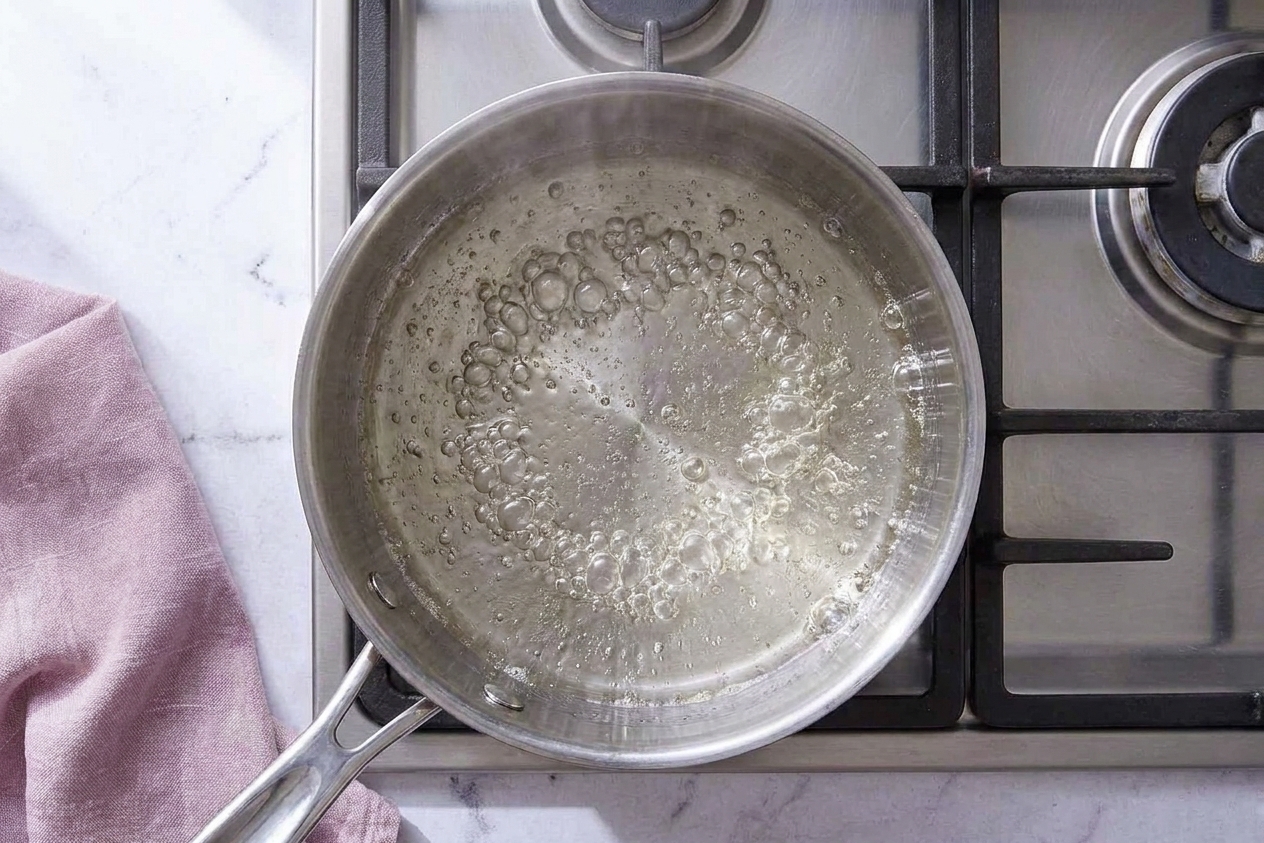
Look for a simmer that turns a little slower and thicker, with bubbles covering most of the surface. When you lift a spoon, the syrup should drip in a thicker ribbon, not watery drops. You can also do a quick cold-water check: a tiny bit of syrup dropped into cold water should form a soft, pliable ball you can squish between your fingers.

What if my halva sets too soft or too hard?

Too soft: The syrup likely did not cook quite long enough. Next time, cook it a little longer or use the temperature cue above. Too hard or dry: The syrup likely cooked a bit too far or the mixture got overworked. Next time, pull the syrup off the heat sooner and stop stirring the moment it turns thick and matte.

What kind of tahini should I buy?

Use a well-stirred, runny tahini made from hulled sesame seeds. If it is extremely bitter or thick like cement, your halva will taste intense and set oddly. Stir the jar thoroughly before measuring.

Can I make it less sweet?

Halva is meant to be sweet, but you can slightly reduce the sugar by 2 to 3 tablespoons. Just know that the syrup is also doing texture work, not only sweetness.

How do I serve halva?

Slice it thin and serve with coffee or tea. Or crumble it over fruit, swirl it into softened ice cream, or tuck a slice next to a bowl of berries and call it dessert without turning on the oven.

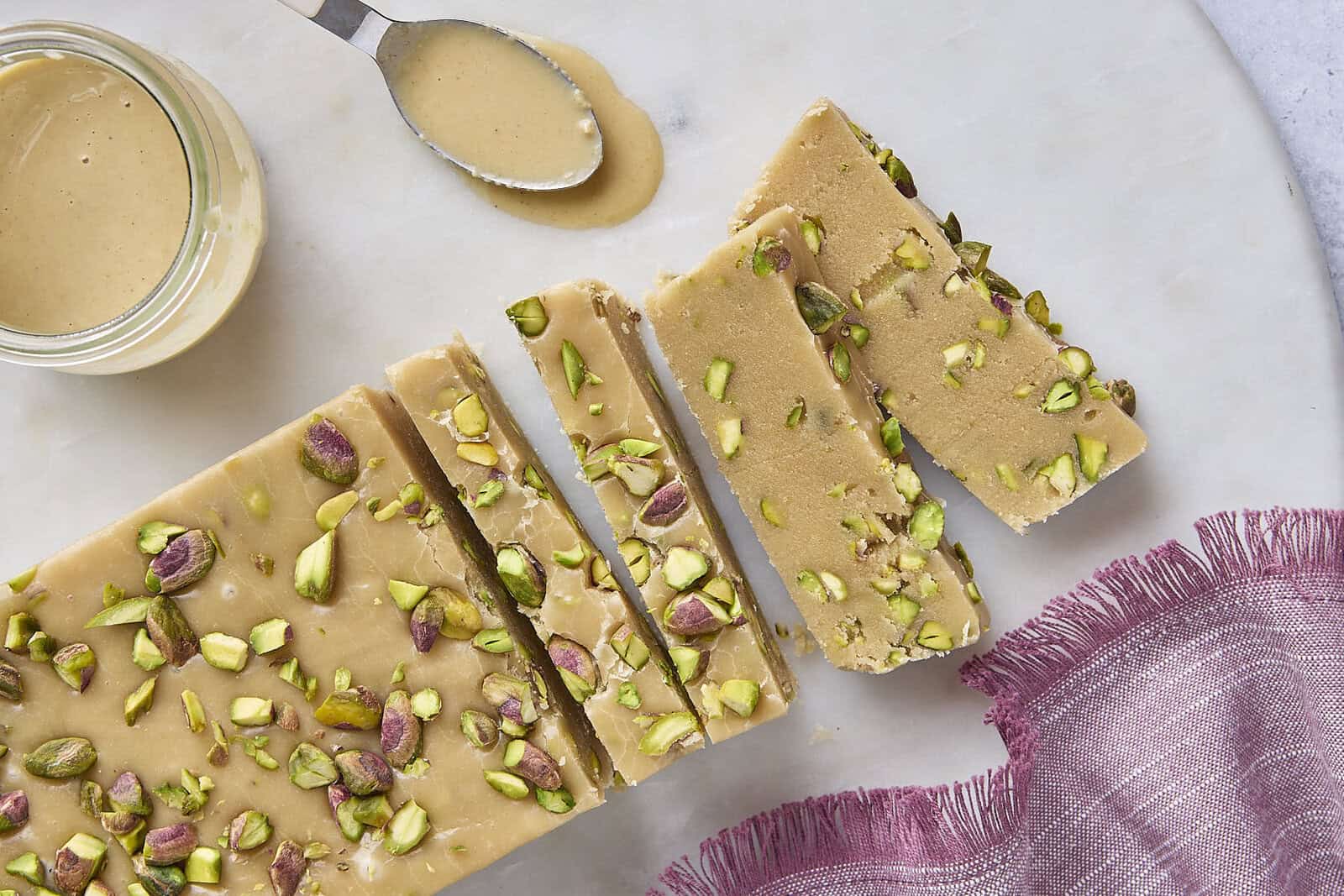
The first time I really noticed halva, it was behind glass at a little market, cut into blocks like edible building materials. I bought a slice on impulse, took one bite in the car, and immediately understood the hype. It was sweet, yes, but also toasty and nutty, like sesame decided to put on a tux.

Making it at home felt like a classic “I wonder if…” project. It turned into a new favorite because it is low drama once you know the rhythm: hot syrup, tahini, stir hard, stop before you get greedy, then let time do the setting. It is the kind of sweet you keep around for late-night tea, surprise guests, or the very specific craving for something rich that is not cake.