Mom's Best Recipes
Recipe

Puerto Rican Pasteles

Traditional pasteles with garlicky pork filling and a tender masa wrapped in banana leaves. A make-ahead friendly batch recipe with clear steps and best tips.

Author By Matt Campbell
4.8
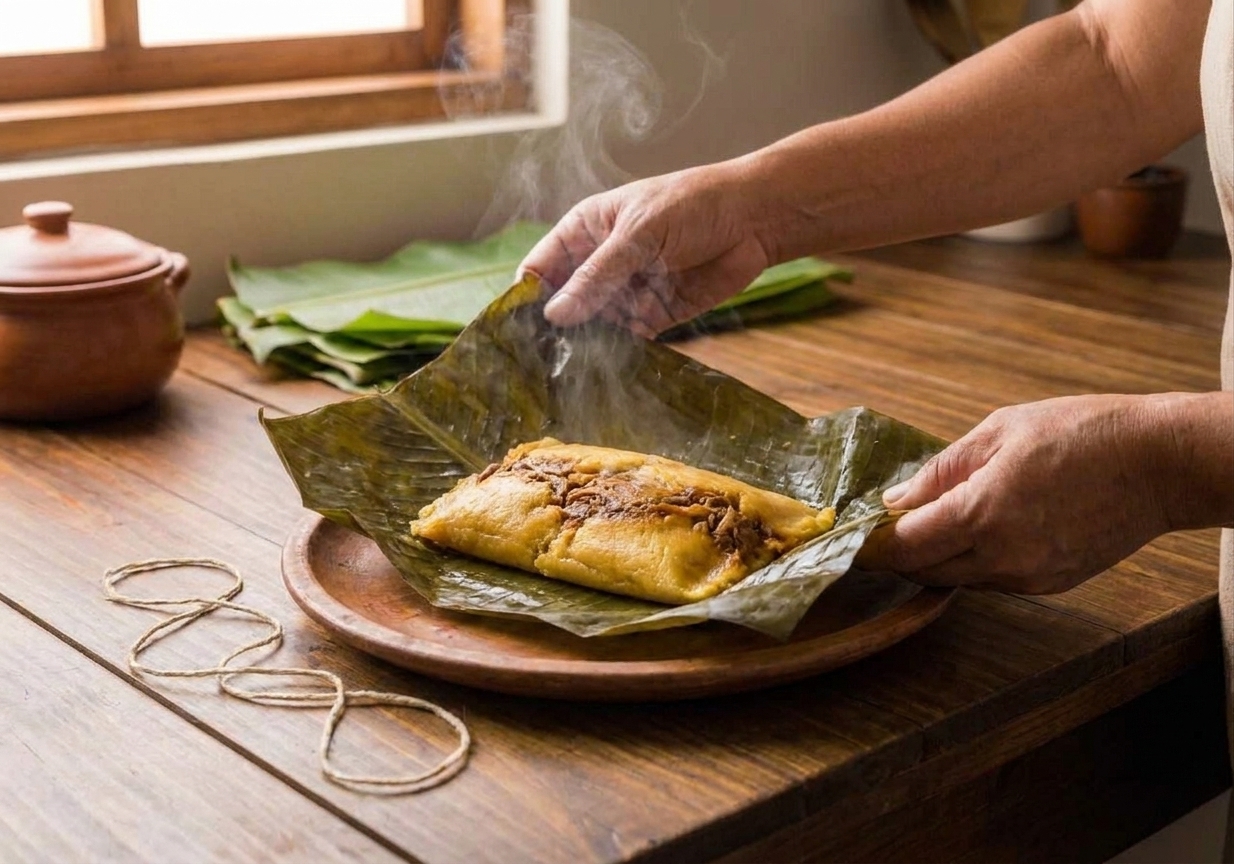
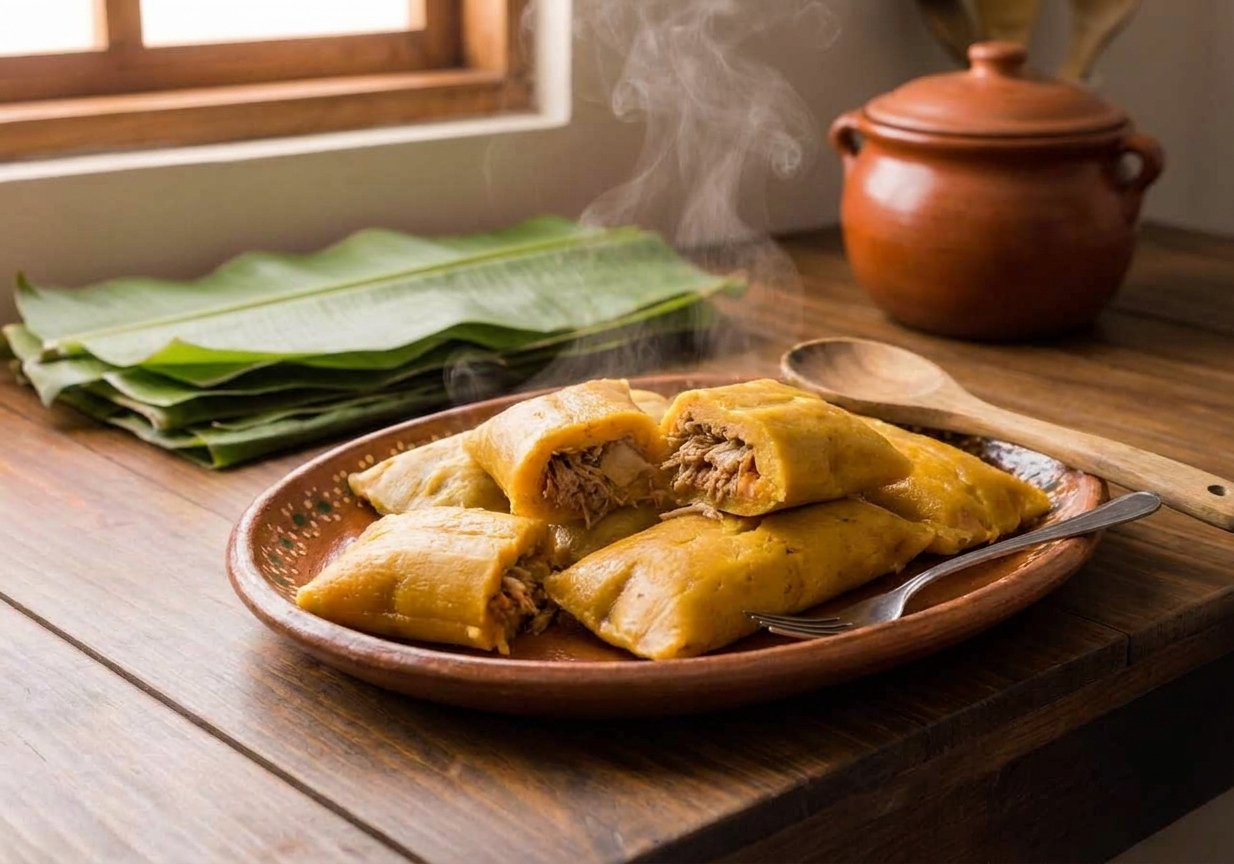
A platter of Puerto Rican pasteles unwrapped from banana leaves, showing the tender masa and savory filling, set on a warm kitchen table with simple serving utensils

Pasteles are one of those foods that feel like a hug and a flex at the same time. They are comforting, savory, and deeply Puerto Rican, and yes, they are a little bit of a project. But it is the good kind of project, the one where you put on music, pull people into the kitchen, and suddenly you have a stack of warm parcels that smell like banana leaf, garlic, and pure holiday energy.

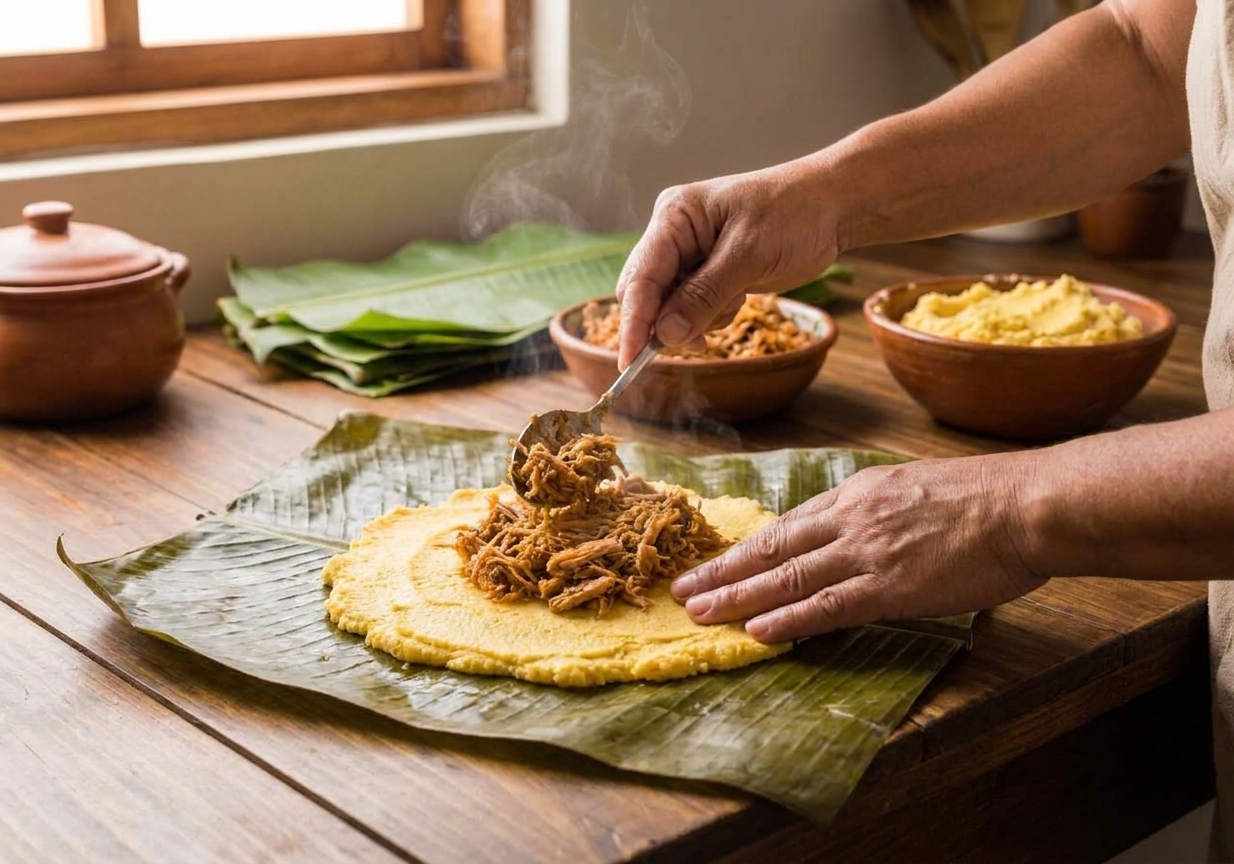
This recipe keeps the ingredients approachable and the instructions super clear. We are making a classic version: pork filling (the guiso) plus a green banana and root-veg masa, wrapped in banana leaves (and optionally papel de pasteles), tied up, and simmered. You can absolutely freeze them, which is the real magic. Future you will be very impressed.
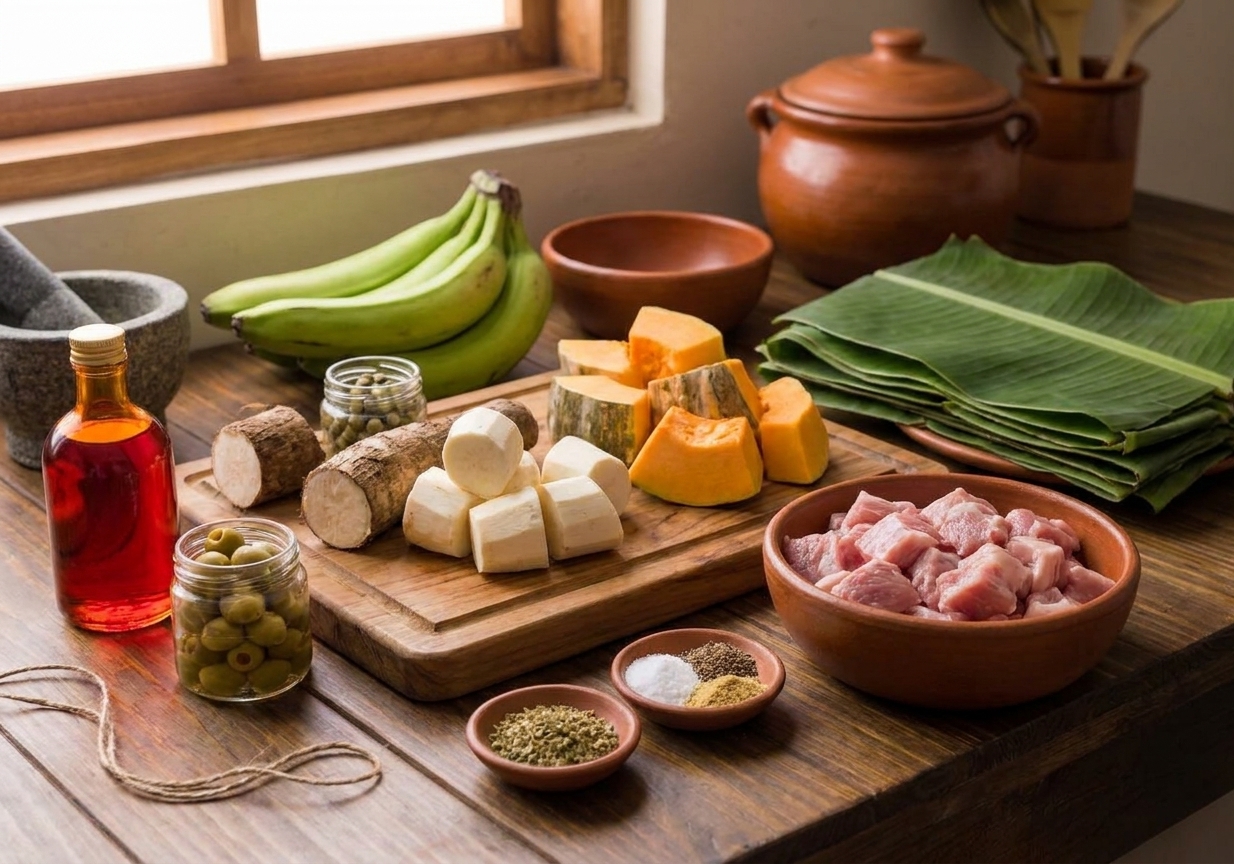
Pasteles ingredients on a kitchen counter including green bananas, yautia, calabaza squash, banana leaves, pork, olives, capers, achiote oil, and seasonings

Why It Works

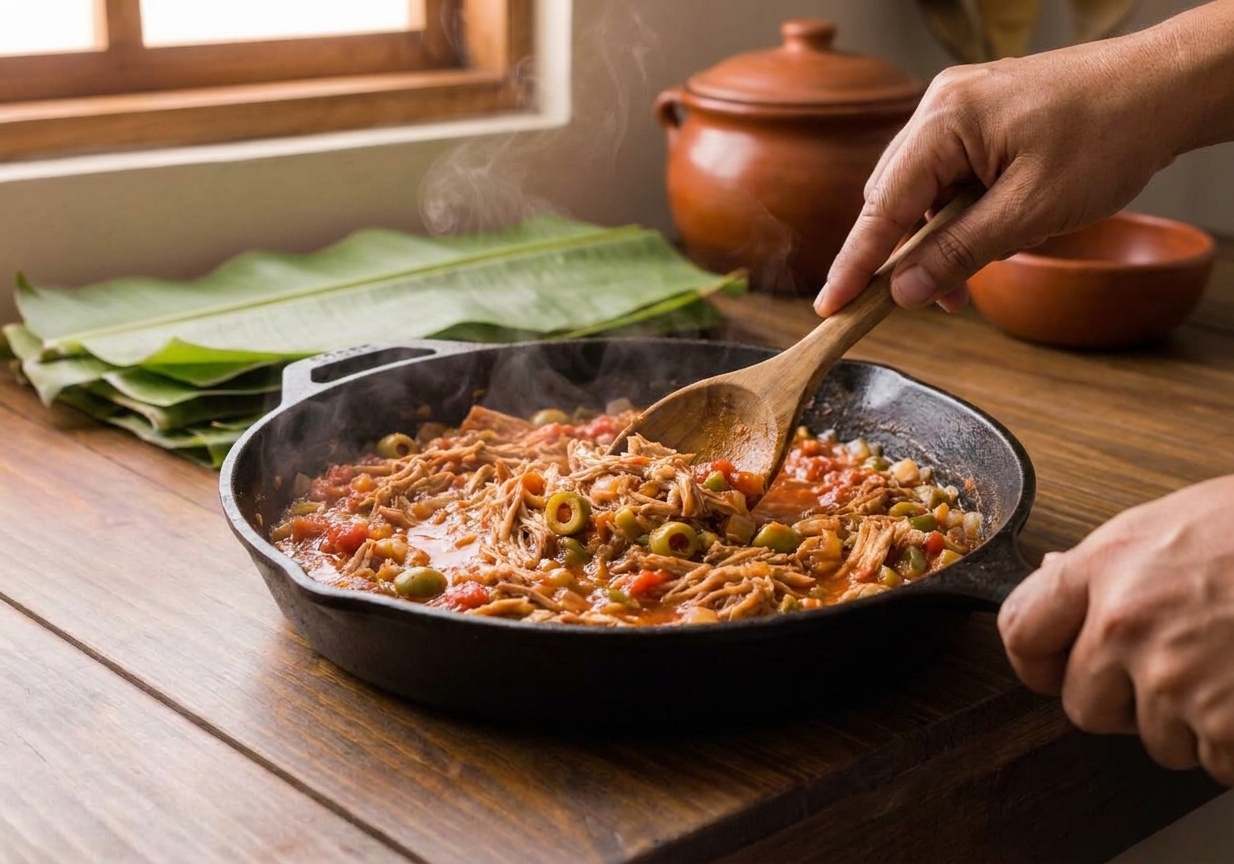
  • Flavor that builds itself: The pork guiso gets depth from sofrito, tomato, olives, capers, and a little sazón-like energy without needing anything fancy.
  • Great texture: The masa is tender and savory, not gummy, thanks to the right balance of green banana, yautía, and a bit of calabaza.
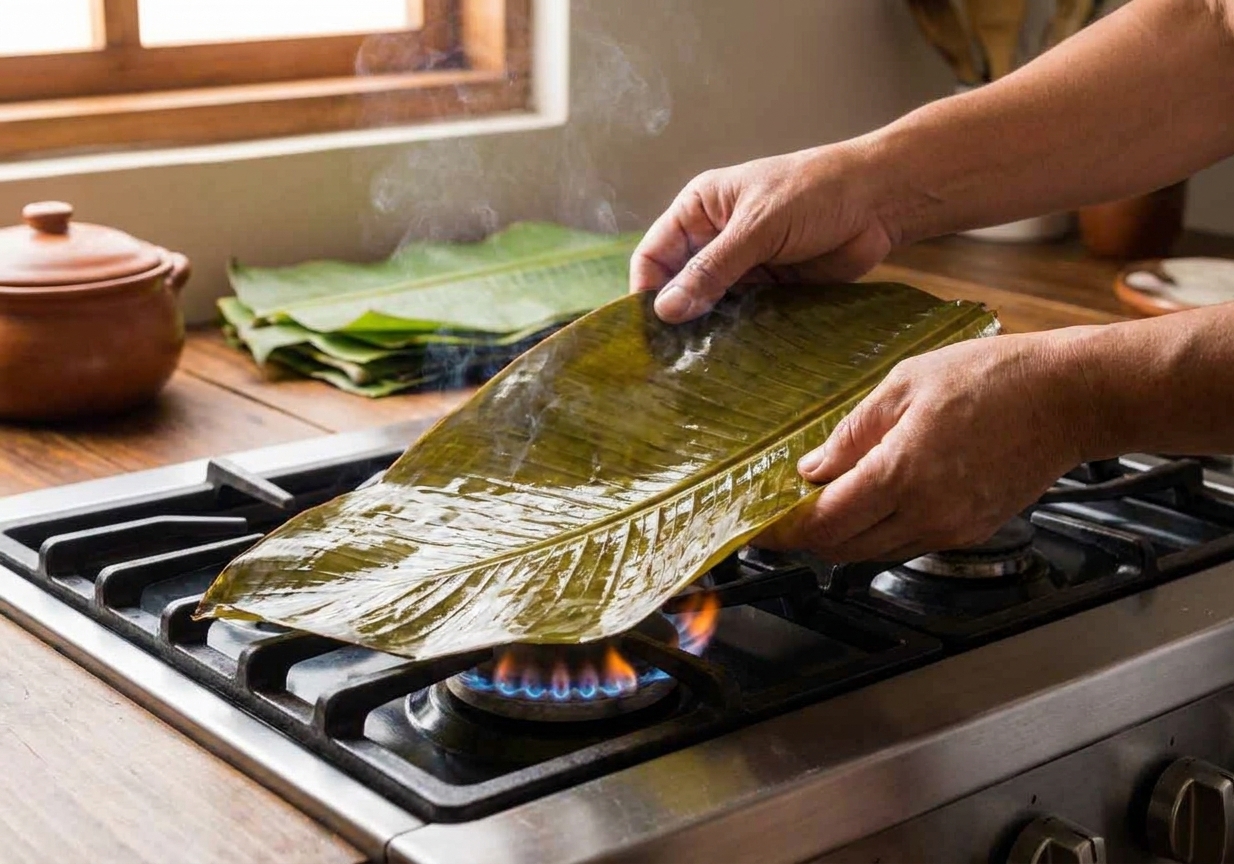
  • Banana leaf aroma: Briefly warming the leaves makes them flexible and releases that signature fragrance.
  • Freezer friendly: Make a big batch once, then cook from frozen whenever you need comfort fast.

My biggest tip: Taste the guiso and the masa before you wrap anything. Pasteles are forgiving, but they are also sealed shut. This is your moment to nail the seasoning.

Pairs Well With

Storage Tips

Storage Tips That Actually Work

  • Fridge (cooked): Cool completely, then refrigerate in an airtight container for up to 4 days. Reheat by steaming or simmering gently in water until hot.
  • Freezer (uncooked, best option): Wrap and tie pasteles, then freeze in a single layer until solid. Transfer to freezer bags. They keep well for up to 3 months.
  • How to cook from frozen: Do not thaw. Simmer in gently bubbling water until hot throughout, about 60 to 75 minutes depending on size. Keep the water at a steady simmer, not a rolling boil.
  • Freezer (cooked): You can freeze cooked pasteles too. Cool, wrap tightly, and freeze up to 2 months. Reheat by steaming or simmering until hot.

Food safety note: Cool the guiso promptly and refrigerate if you are not assembling right away. Keep raw pork separate from everything else while you prep.

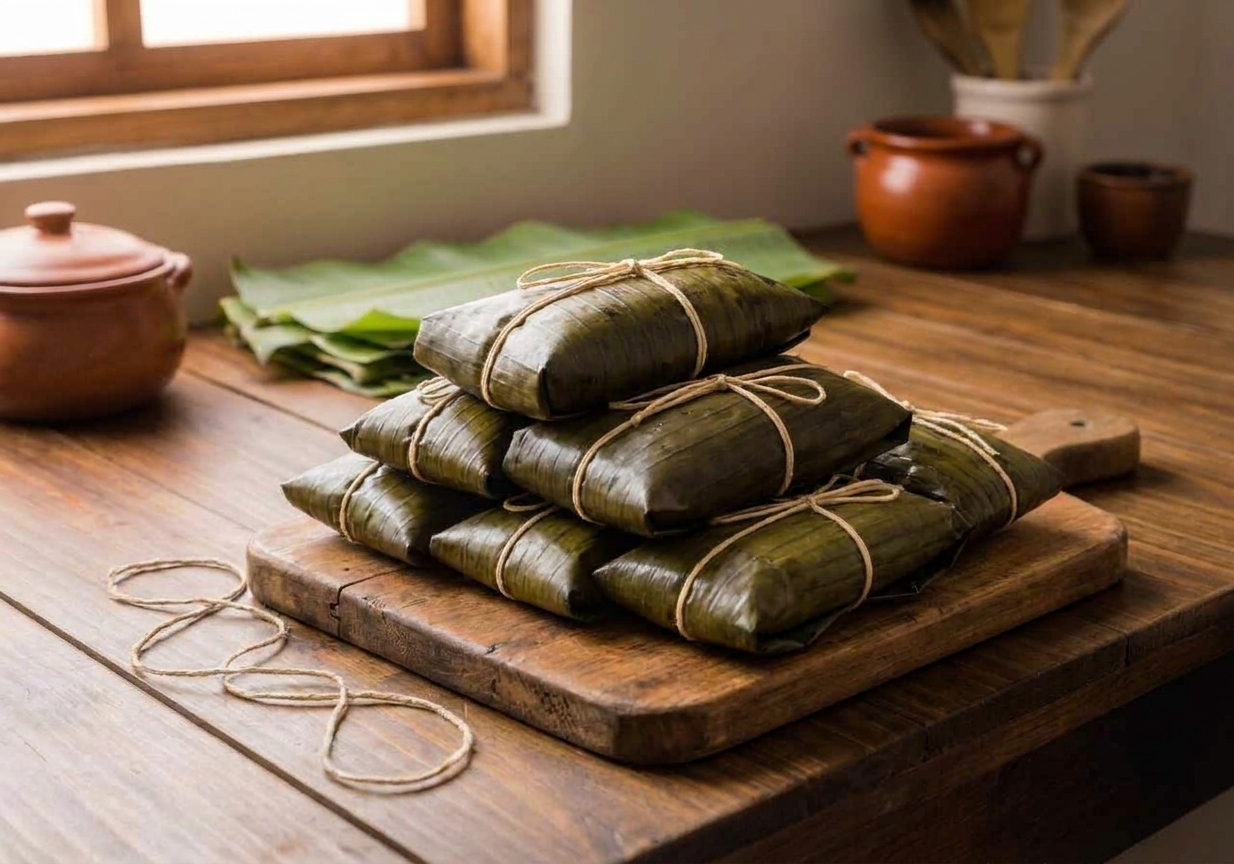
A neat stack of banana leaf wrapped pasteles tied with kitchen twine on a cutting board, ready to freeze

Common Questions

Common Questions

What are Puerto Rican pasteles, exactly?

Pasteles are savory parcels made with a seasoned masa (often green bananas plus root vegetables), filled with meat (commonly pork), wrapped, tied, and then simmered. Think of them as a close cousin to tamales, with different flavors and that signature banana leaf aroma.

Do I have to use banana leaves?

For the most traditional flavor and the easiest wrapping, yes. If you cannot find banana leaves, you can wrap in papel de pasteles (pasteles paper) or parchment first and then foil. Many cooks use pasteles paper with banana leaves too: paper on the bottom for strength, banana leaf on top for aroma. Look for frozen banana leaves and pasteles paper at Latin markets.

Can I make the masa in advance?

Yes. Keep it covered tightly (press plastic wrap directly onto the surface) and refrigerate up to 24 hours. Stir well before using because it can separate a bit.

Why is my masa turning dark?

Oxidation. It happens with grated green bananas and roots. Achiote oil helps the color, and keeping the masa covered helps too. The cooked pasteles will still taste great.

What if I do not have a food processor?

You can use a box grater, but it is more work. Grate into a bowl, then mix very well with broth and fat to get the right texture.

How do I know they are done?

Unwrap one and check that the masa is set and not wet or raw in the center. It should be tender, cohesive, and fully hot. If it still looks glossy or loose in the middle, wrap it back up and simmer 10 to 15 minutes more.

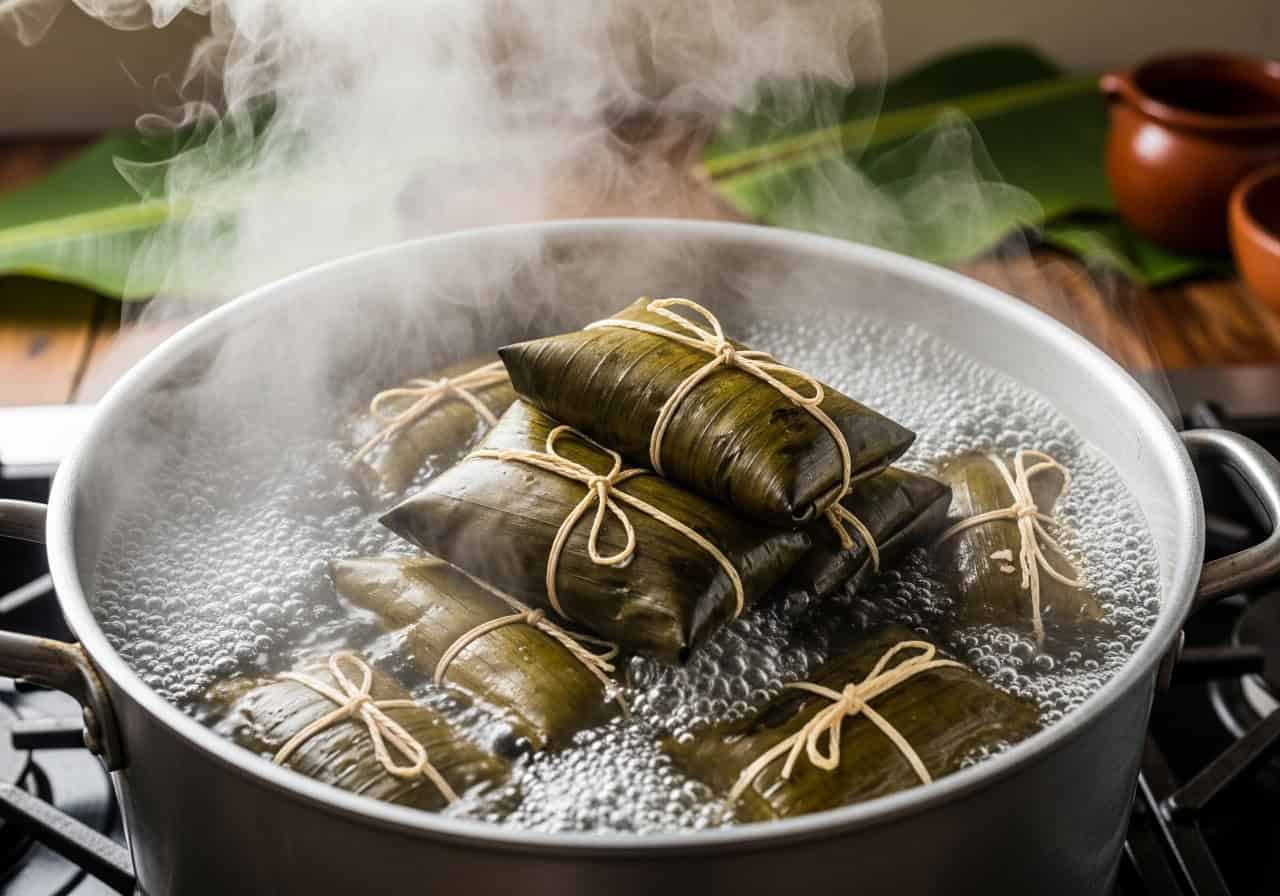
Banana leaf wrapped pasteles gently simmering in a large pot of water on a stovetop

The first time I helped make pasteles, I learned two things fast. One, this is not a solo sport. Two, the kitchen gets a little chaotic in the best way. There is always someone warming banana leaves, someone tasting the guiso like it is their job, and someone tying knots that look questionable but somehow hold. I love that energy. Pasteles turn cooking into an event, and when you finally unwrap one, steam rushing out, it feels like you earned dinner.