Mom's Best Recipes
Recipe

Roasted Kabocha Squash With Maple Miso Butter

Caramelized wedges, creamy middles, and a salty sweet glaze you will want on everything.

Author By Matt Campbell
4.8
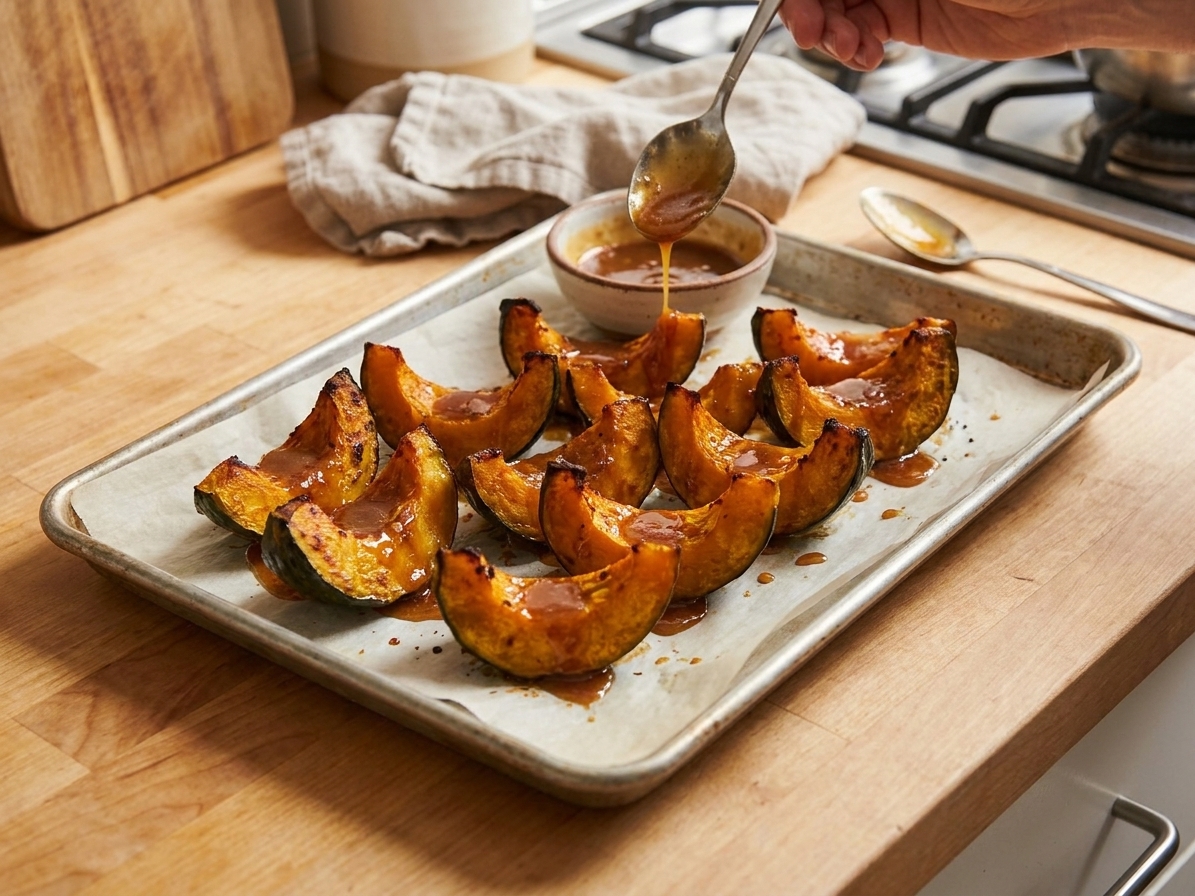
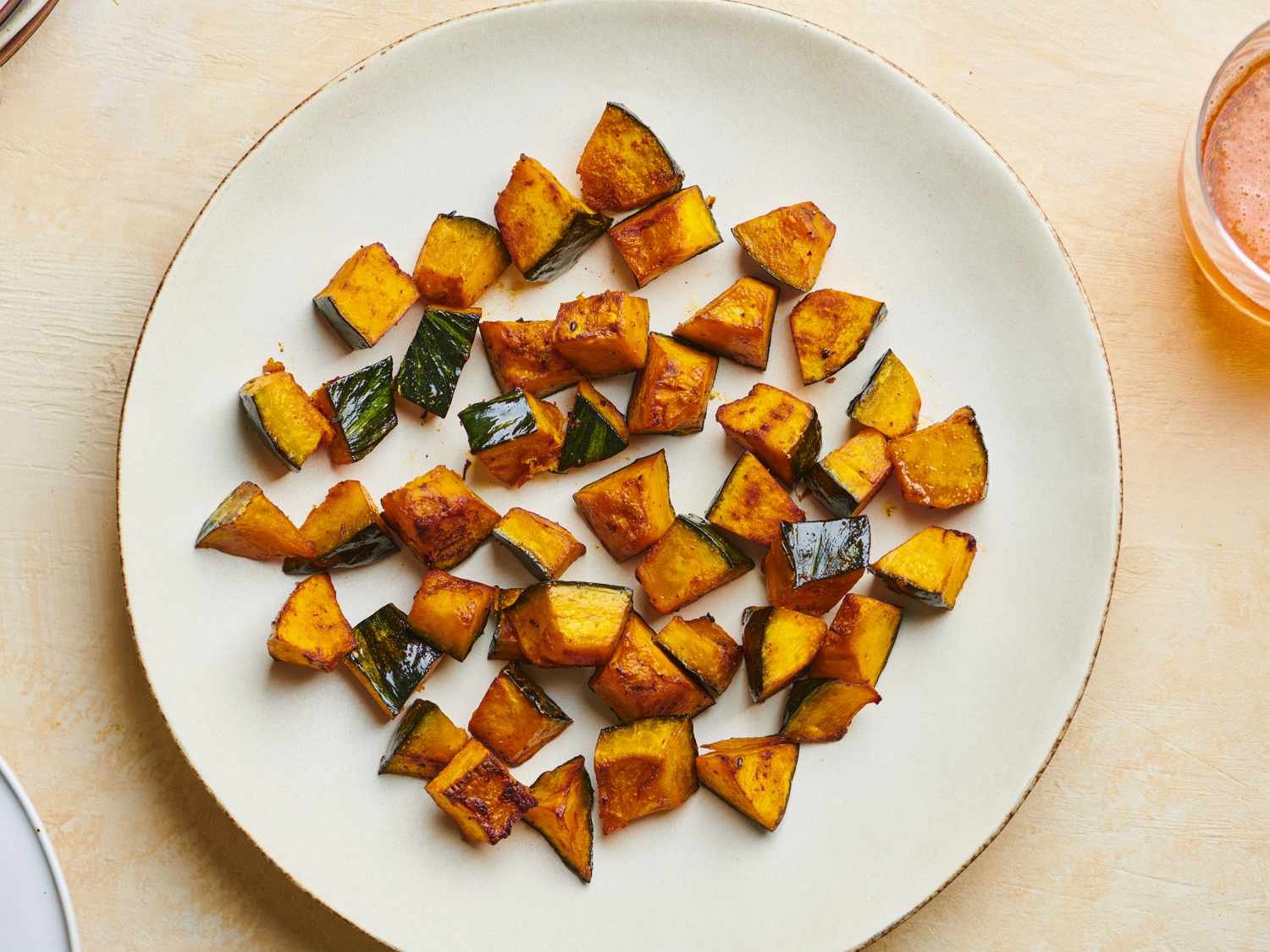
A sheet pan of roasted kabocha squash wedges with deep caramelized edges, drizzled with glossy maple miso butter on a warm-toned kitchen counter

Kabocha squash is the cozy carb of the vegetable world. It eats like the love child of a sweet potato and a pumpkin, with a chestnutty flavor that gets even better once it hits high heat. If you have ever stood in the produce aisle holding a green, knobbly little bowling ball and thought, what do I even do with this, this is your sign.

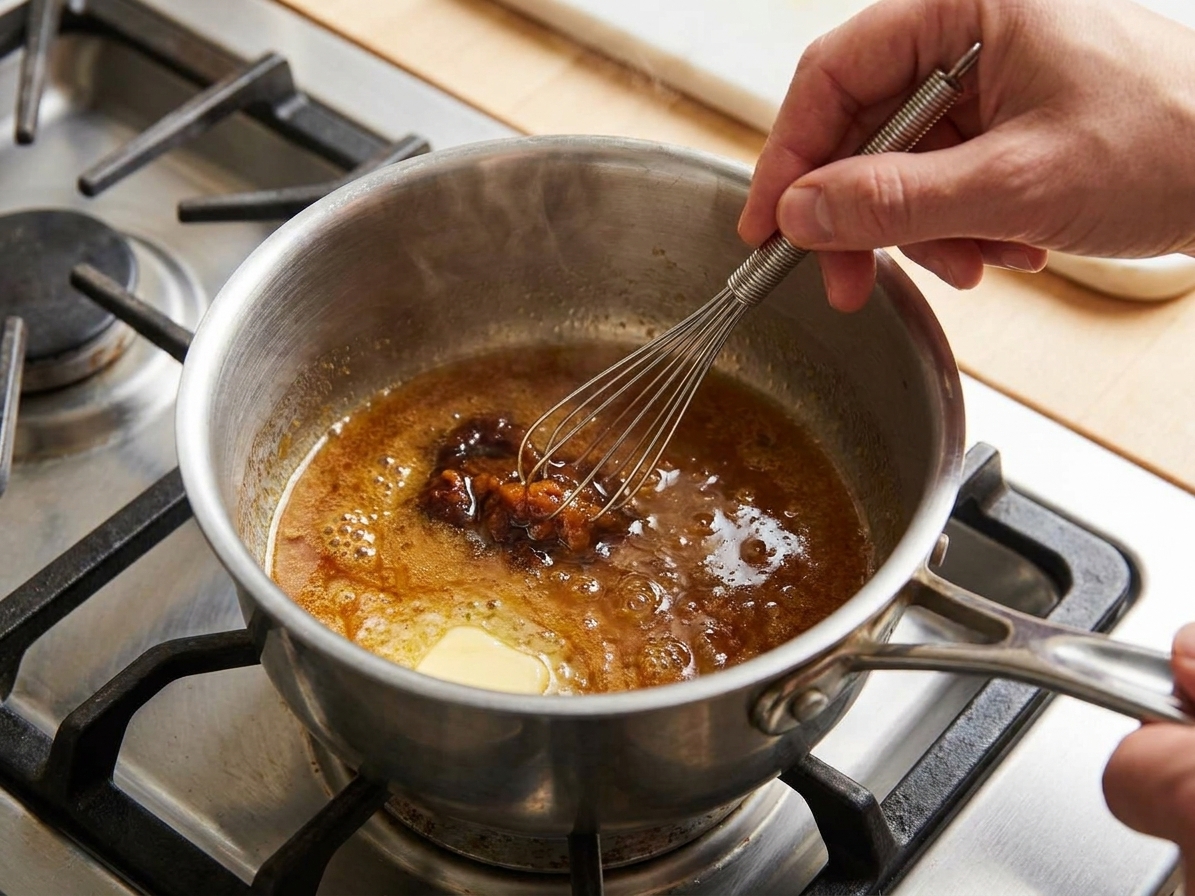
We are roasting it into wedges so you get those crisp, browned edges and a creamy center. Then we finish with a quick maple miso butter that turns the whole thing into a salty sweet, glossy situation. It is simple enough for a Tuesday, but it tastes like you planned ahead.

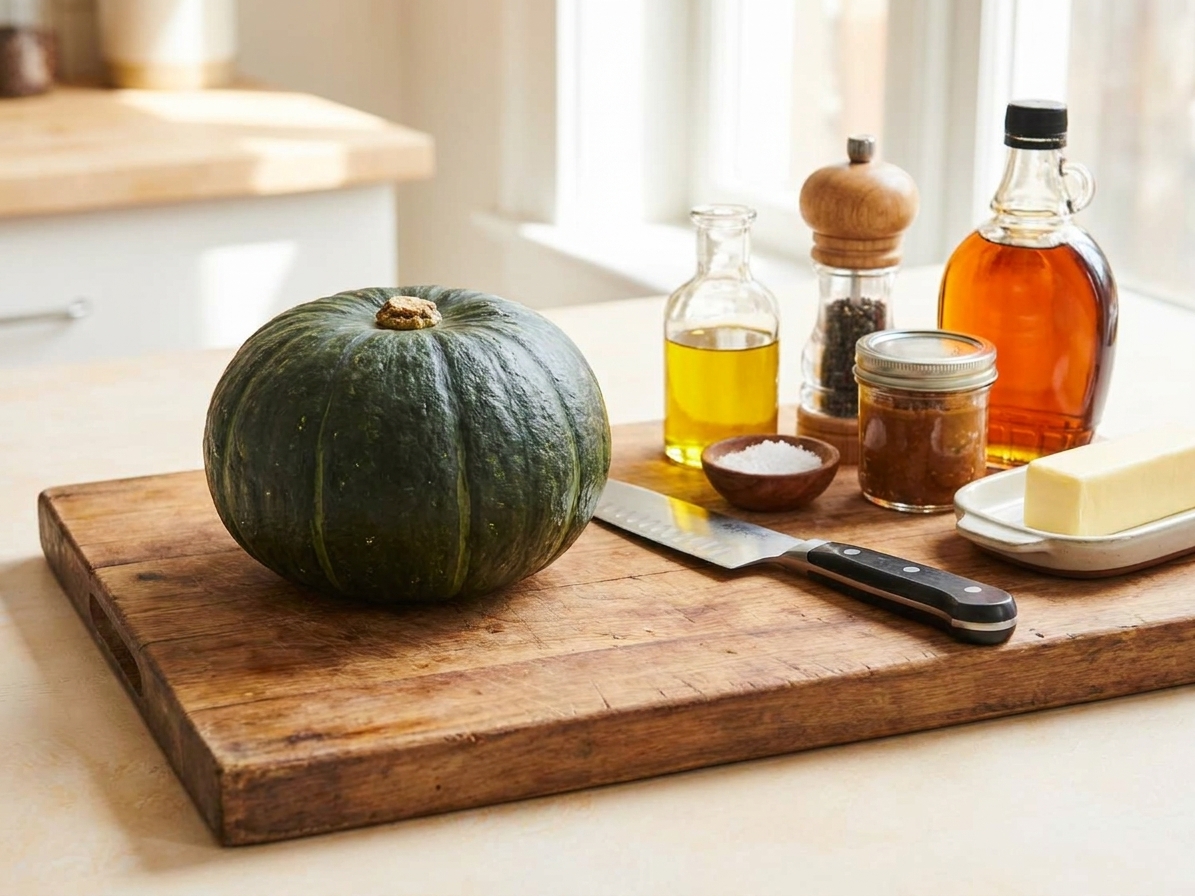
A whole kabocha squash sitting on a wooden cutting board next to a chef's knife, olive oil, salt, pepper, miso paste, maple syrup, and butter on a bright kitchen counter

Why It Works

  • Big texture payoff: roasting wedges gives you maximum surface area for browning, with a soft, almost custardy interior.
  • Balanced flavor: maple brings sweetness, miso brings savory depth, and butter makes it all taste like it belongs.
  • Low drama prep: kabocha skin is often edible, so you can usually skip peeling and still get a great bite.
  • Flexible: serve it as a side, turn it into a grain bowl, or smash leftovers into a fast soup base.

Pairs Well With

Storage Tips

Refrigerator: Store cooled kabocha in an airtight container for up to 4 days. Keep any extra maple miso butter separate if you can, then rewarm and drizzle before serving.

Freezer: Freeze roasted wedges on a sheet pan until firm, then transfer to a freezer bag for up to 2 months. The texture will be softer after thawing, which is perfect for mashing into bowls, soups, or pasta sauce.

Reheating tips:

  • Best for crisp edges: 400°F oven or toaster oven for 8 to 12 minutes.
  • Fastest: microwave in 30 second bursts, then finish in a hot skillet for a quick re-crisp.

Common Questions

Do you have to peel kabocha squash?

Usually, no. The skin is often edible and tends to soften as it roasts, especially on thinner wedges. That said, if your squash is older or the skin feels extra thick, it can stay a little chewy. If you are sensitive to that, peel it or trim the skin off after roasting. Either way, scrub it well.

How do I cut kabocha squash without a fight?

Kabocha is tough. Use a sharp chef’s knife and take your time. If it feels like wrestling, pierce the squash a few times with a fork or the tip of your knife, then microwave it for 2 to 3 minutes to soften the skin slightly. Let it rest 1 minute so the steam settles, then cut.

Helpful method: slice a thin piece off one side to create a flat, stable base. From there, cut it into quarters (instead of forcing a perfect half right away), then scoop the seeds and slice into wedges.

What does kabocha taste like?

Sweet and nutty, with a dense, creamy texture. Think sweet potato meets pumpkin, but less watery and more rich.

Can I make this dairy free?

Yes. Swap the butter for 3 tablespoons vegan butter, or use 2 tablespoons olive oil plus 1 tablespoon tahini for a creamy, savory finish. The sauce will be a little less buttery (obviously), but still glossy, salty sweet, and completely worth making.

What miso should I use?

White miso (shiro) is the most forgiving and lightly sweet. If you only have yellow or red miso, use a little less, taste, and adjust.

How do I know it is done?

Look for deep browning on the edges, and a knife should slide into the thickest part with very little resistance. A fork works too, but kabocha can feel “firm-tender” even when it is ready, so the knife test is your best friend.

How do I pick a good kabocha?

Grab one that feels heavy for its size, with dull (not shiny) skin and no soft spots or cracks. A little surface scuffing is fine. Squash has been through things.

Can I substitute another squash?

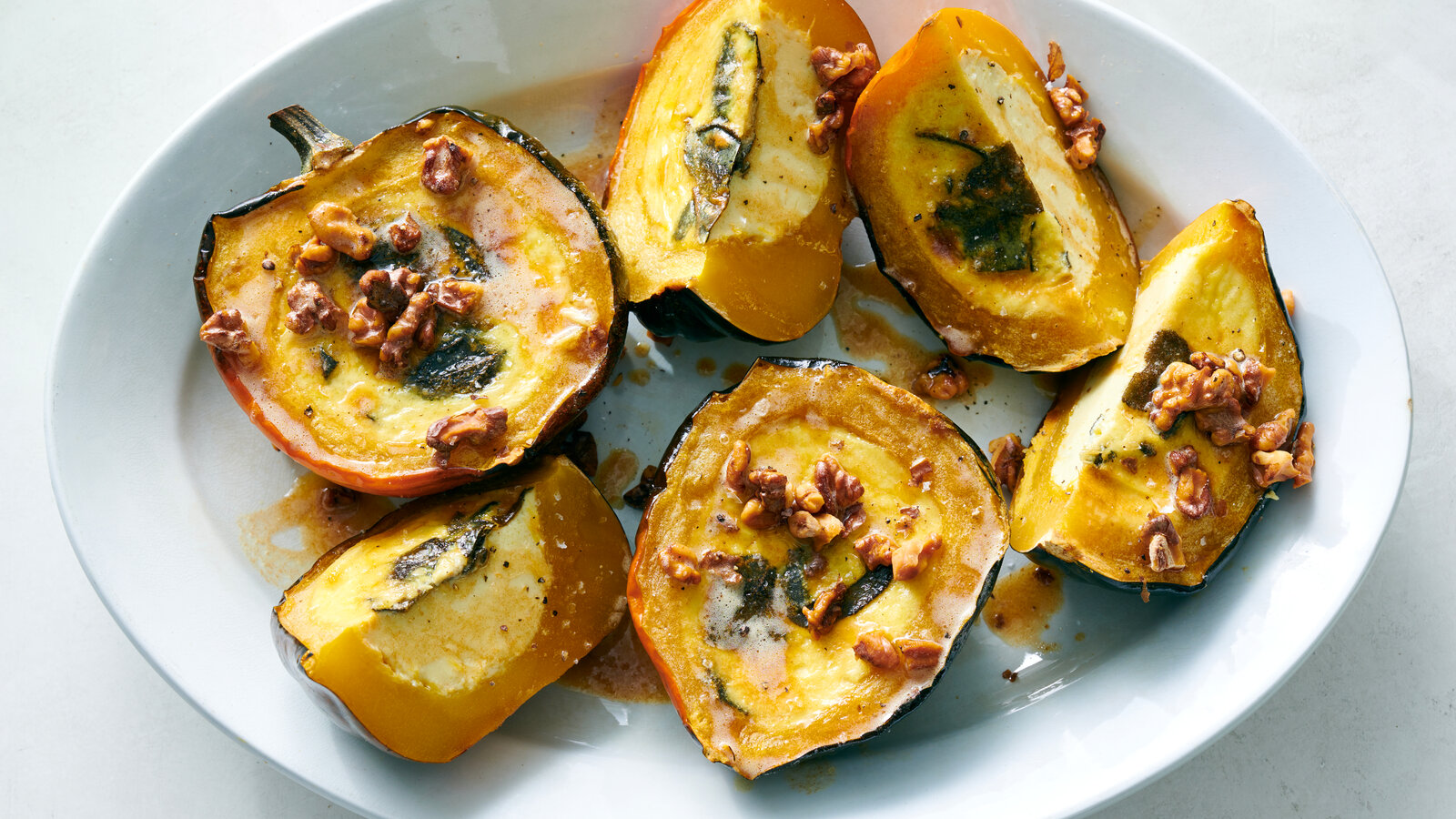
Yes. Acorn squash works well with the same wedge method. Delicata is sweeter and roasts faster, so start checking around 18 to 22 minutes total. Butternut is great too, just peel it and cube or wedge it, and expect a slightly softer, less chestnutty result.
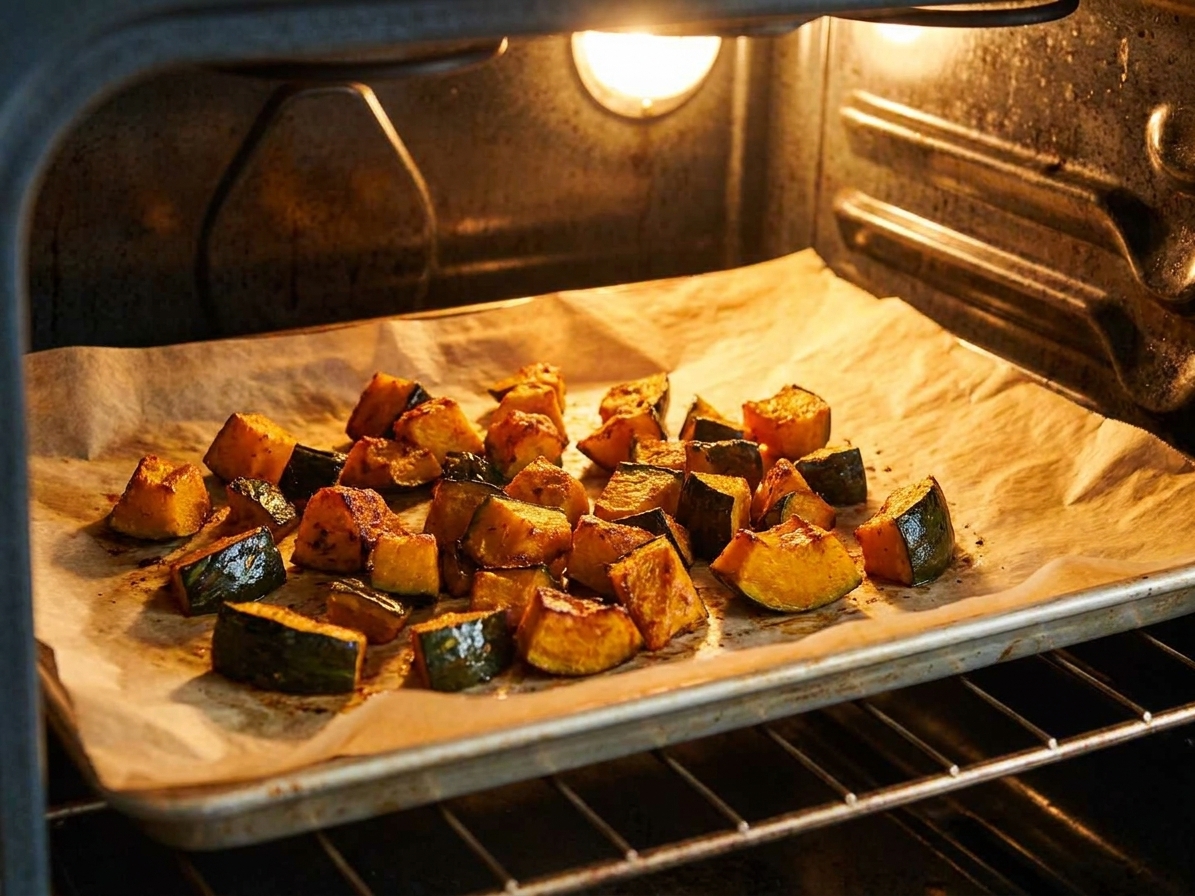

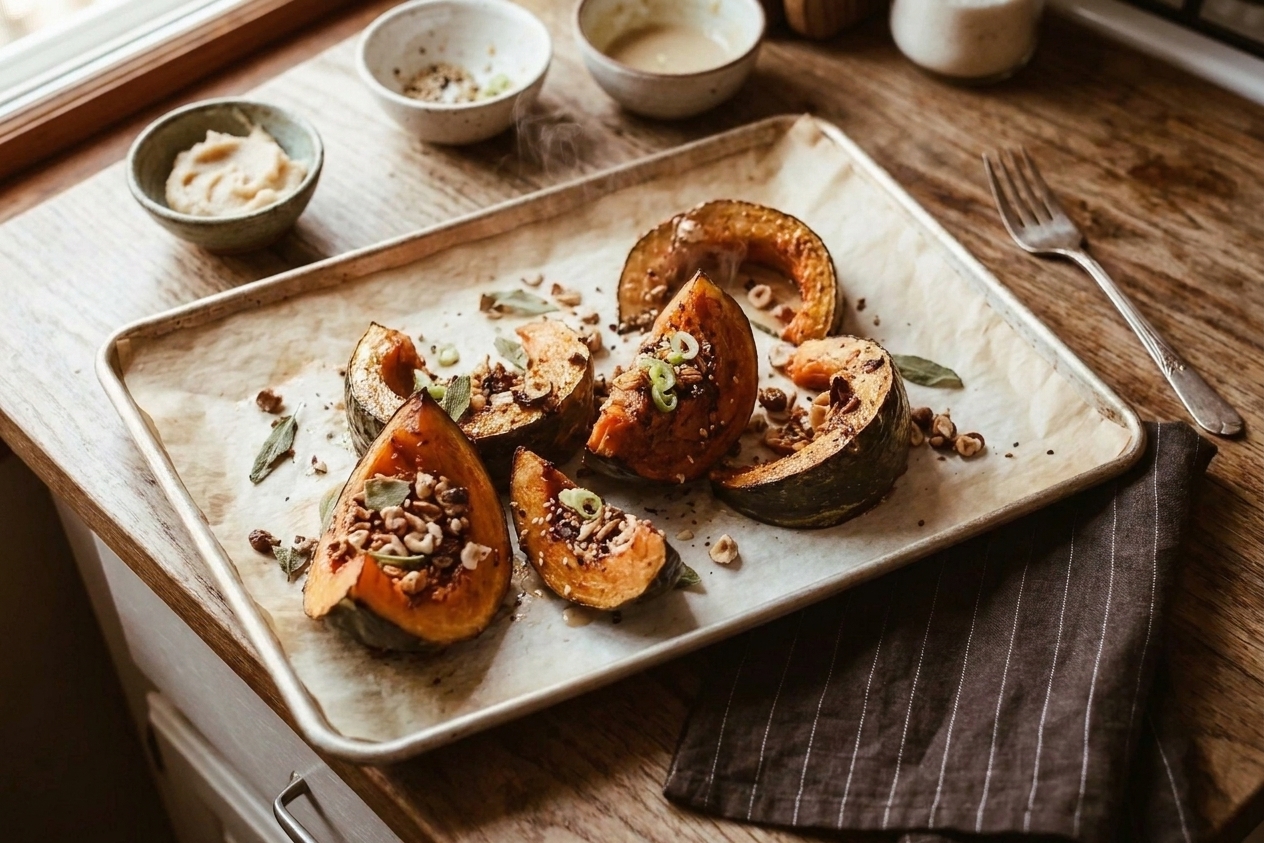
Kabocha squash wedges roasting on a parchment-lined sheet pan in an oven, edges starting to brown in warm kitchen lighting

The first time I cooked kabocha, I treated it like a decorative gourd. I stared at it, it stared back, and then I absolutely lost a round to its stubborn skin. Once I figured out the microwave trick and stopped trying to peel it like a potato, it became a regular in my kitchen.

This maple miso butter is the part that made me go from “yeah, squash is fine” to “wait, why is this so good.” It is sweet, salty, and a little funky in the best way. Also, I have watched friends “taste for seasoning” directly off the spoon and pretend it was an accident. I respect it.